
Where innovation meets sustainability—capturing the soul of building materials through authentic imagery
Walk into any modern architectural studio, and you'll sense it immediately: a quiet urgency humming beneath the blueprints and mood boards. Architects and designers aren't just creating spaces anymore—they're crafting legacies. Legacies that honor the planet, elevate human experience, and stand the test of time. But here's the catch: finding materials that check all three boxes—beauty, durability, and sustainability—has long felt like chasing a mirage.
Enter COLORIA's MCM Series. More than a collection of building materials, it's a philosophy made tangible. At its core? The belief that sustainability shouldn't require sacrificing aesthetics, and that real, unfiltered imagery is the bridge between a designer's vision and a built reality. Today, we're diving deep into one of its most beloved offerings—wood-cement board real photos—and exploring how this series is redefining what's possible in net-zero energy building projects.
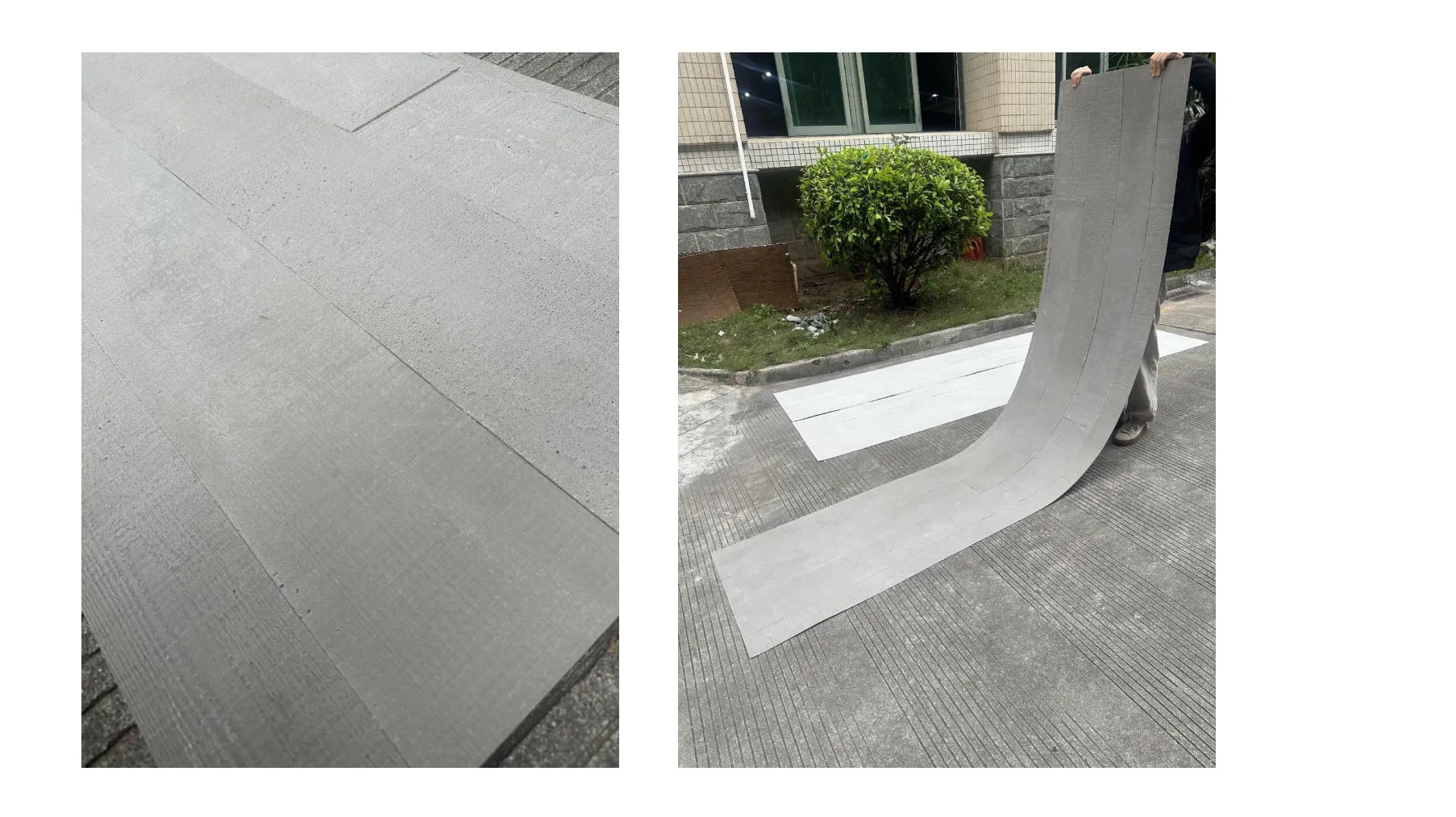
Let's start with the star of the show: wood-cement board. If you've only seen renderings or stock photos of similar materials, prepare for a shift. COLORIA's wood-cement board real photos don't just show you a product—they invite you to touch it, to imagine it in your space. Scroll through the gallery, and you'll notice the details that 3D models miss: the subtle grain variation that mimics reclaimed oak, the way light catches the surface to reveal hints of amber and taupe, the gentle rough-hewn edges that whisper of craftsmanship.
But these photos tell a deeper story, too. Wood-cement board is a study in contrasts: the warmth of wood, the strength of cement, and the sustainability of both. Made from a blend of recycled wood fibers and low-carbon cement, it's engineered to resist rot, fire, and moisture—qualities that make it a workhorse for both interior and exterior applications. Yet, unlike traditional cement boards that feel cold and industrial, this one wraps spaces in a cozy, organic embrace. Imagine a café wall clad in this material: sunlight streaming through floor-to-ceiling windows, casting dappled shadows on the wood-like texture, patrons lingering over lattes as the material absorbs sound, turning a bustling space into a haven of calm. That's the magic captured in those real photos.
One project that stands out? A community center in Portland, Oregon, where the architects used COLORIA's wood-cement board for the exterior façade. The real photos from the site show how the material weathered its first Pacific Northwest winter—no warping, no fading, just a richer patina that makes the building look like it's been part of the neighborhood for decades. "It's like building with a material that grows more beautiful with time," the lead architect noted. "And the real photos? They gave us the confidence to commit. We could see exactly how the texture would interact with our local light, how it would complement the surrounding evergreens."
While wood-cement board steals the spotlight, the MCM Series is a ensemble cast. Take MCM Flexible Stone, for example. If wood-cement board is the warm storyteller, flexible stone is the chameleon. Its defining feature? A suppleness that defies its name. Traditional stone is rigid, limiting design to sharp angles and flat surfaces. But COLORIA's flexible stone bends—literally. Imagine a curved lobby wall, clad in travertine (starry green), where the material flows like liquid rock, creating a sense of movement that draws visitors in. The real photos of this application aren't just pretty—they're proof that stone doesn't have to be static. It can dance.
Then there's fair-faced concrete—a material that wears its heart on its sleeve. In a world of polished perfection, fair-faced concrete celebrates the raw, the unrefined. Its real photos reveal the subtle imperfections that make it human: tiny air bubbles trapped during casting, faint streaks of color where the mix shifted, the way it absorbs and reflects light to create depth. It's industrial yet intimate, like a handshake from a craftsman. A boutique hotel in Barcelona used fair-faced concrete from the MCM Series for its guest room walls, pairing it with warm lighting and soft textiles. The result? Spaces that feel both modern and grounded, as if the concrete itself is holding stories of the hands that poured it.
| Material | Key Trait | Sustainability Highlight | Star Application |
|---|---|---|---|
| Wood-Cement Board | Warm, wood-like texture with cement durability | Recycled wood fibers, low-carbon cement | Community center exteriors, café interiors |
| Fair-Faced Concrete | Raw, industrial aesthetic with natural imperfections | Minimal processing, energy-efficient production | Boutique hotel walls, art gallery façades |
| MCM Flexible Stone (e.g., Travertine Starry Green) | Bendable, versatile for curved surfaces | Reduced material waste in installation | Lobby feature walls, organic-shaped pavilions |
In an age of AI-generated renders and perfectly curated mood boards, there's something radical about real photos. They don't lie. They don't smooth over the rough edges or exaggerate the sheen. They show the material as it is: alive, dynamic, and full of character. For architects, this isn't just about accuracy—it's about emotion.
Consider the wood-cement board real photos again. A rendering might show you the color, but a real photo shows you how the texture changes when it rains—how water beads on the surface, highlighting the grain in a way that feels almost tactile through the screen. It shows you how the material looks at dawn versus dusk, how it interacts with artificial light in a basement studio. These details aren't trivial; they're the difference between a design that feels generic and one that feels intentional.
A residential designer in Colorado put it best: "I was on the fence about using the wood-cement board for a client's mountain home. The renderings looked good, but I needed to know if it would feel like a cabin or a concrete bunker. Then I saw the real photos—close-ups of the texture, shots of it next to natural stone, even a video of someone running their hand over it. It was warm, inviting, exactly what we needed. That's the power of seeing the real thing."
For COLORIA, this commitment to authenticity is intentional. "We don't just sell materials; we sell trust," says Maria Gonzalez, the brand's sustainability director. "Real photos let designers and builders fall in love with the material before they even touch it. They can see the story in the texture—the recycled wood fibers that once were part of old barns, the careful curing process that gives fair-faced concrete its unique personality. These aren't just boards and slabs; they're pieces of a more sustainable future, and photos help people connect with that."
Net-zero energy building projects aren't just a trend—they're a necessity. As the world grapples with climate change, the construction industry is under pressure to reduce its carbon footprint. But sustainability in building isn't just about solar panels and insulation; it starts with the materials themselves. COLORIA's MCM Series is engineered with this in mind, and the results are measurable.
Take the wood-cement board, for instance. Its production process uses 30% less energy than traditional cement boards, thanks to recycled materials and optimized curing techniques. Its durability means buildings need fewer replacements over time, cutting down on waste. And because it's lightweight, transportation emissions are significantly lower than heavier stone or concrete alternatives. "We calculated that using MCM wood-cement board for a 10,000 sq ft commercial building reduces carbon emissions by roughly 15 tons compared to standard materials," Gonzalez explains. "That's the equivalent of taking three cars off the road for a year."
Fair-faced concrete, too, shines here. By minimizing processing and avoiding harsh chemicals, its production has a 25% lower carbon footprint than polished concrete. And MCM Flexible Stone? Its flexibility reduces installation waste by up to 40%, as it can be cut and shaped on-site with minimal offcuts. When paired with other eco-friendly practices—like energy-efficient windows and rainwater harvesting—these materials become cornerstones of net-zero projects.
But sustainability isn't just about numbers. It's about creating spaces that inspire people to care for the planet. A school in California used a mix of MCM Flexible Stone (travertine starry blue) and wood-cement board in its new campus. The real photos of the finished building show a vibrant, light-filled space where students gather under a curved stone wall that looks like it's made of stardust. "The kids talk about the 'magic wall' all the time," says the principal. "It's not just a building material to them; it's a symbol of how we can build differently, how we can take care of the Earth while still creating beautiful places to learn."
As we look to the future of architecture, one thing is clear: the best buildings will be those that honor both people and the planet. COLORIA's MCM Series—with its wood-cement board real photos, fair-faced concrete, flexible stone, and beyond—isn't just a step in that direction; it's a leap. It's proof that you don't have to choose between beauty and sustainability, between innovation and tradition.
For architects and designers, these materials are tools of storytelling. They allow for spaces that tell stories of resilience (the weathered wood-cement board), of authenticity (the raw fair-faced concrete), of wonder (the starry travertine). For builders, they're reliable partners—durable, easy to work with, and backed by real-world results. For homeowners and communities, they're spaces that feel good to be in—warm, alive, and part of something bigger than themselves.
So the next time you're flipping through a catalog or scrolling through a website, remember the power of real photos. They're not just images—they're windows into a world where buildings don't just exist; they thrive. A world where wood-cement boards carry the stories of recycled barns, where fair-faced concrete bears the marks of human hands, and where every material choice is a vote for a more sustainable, more beautiful future.
COLORIA's MCM Series isn't just building materials. It's building hope. And in the end, that's the most important project of all.
Recommend Products












