
When the architects first visited the site—a stretch of coastline where the desert's arid winds meet the salt-laden sea breeze—they knew the resort's exterior couldn't be just another sleek, modern facade. "We wanted something that felt rooted ," says lead designer Amina al-Mansoori. "Saudi Arabia's landscapes are so vivid—from the soft beige of the dunes to the rugged texture of mountain stone. We needed materials that would echo that, not fight it."
The challenge was clear: coastal environments are unforgiving. Saltwater corrosion, intense UV radiation, and extreme temperature swings (from scorching days to cool desert nights) demand materials that can stand the test of time. But durability alone wasn't enough. The resort aimed to be a retreat—a place where guests could disconnect from the chaos of city life and reconnect with nature. That meant the exterior cladding needed to evoke warmth, texture, and a sense of timelessness.
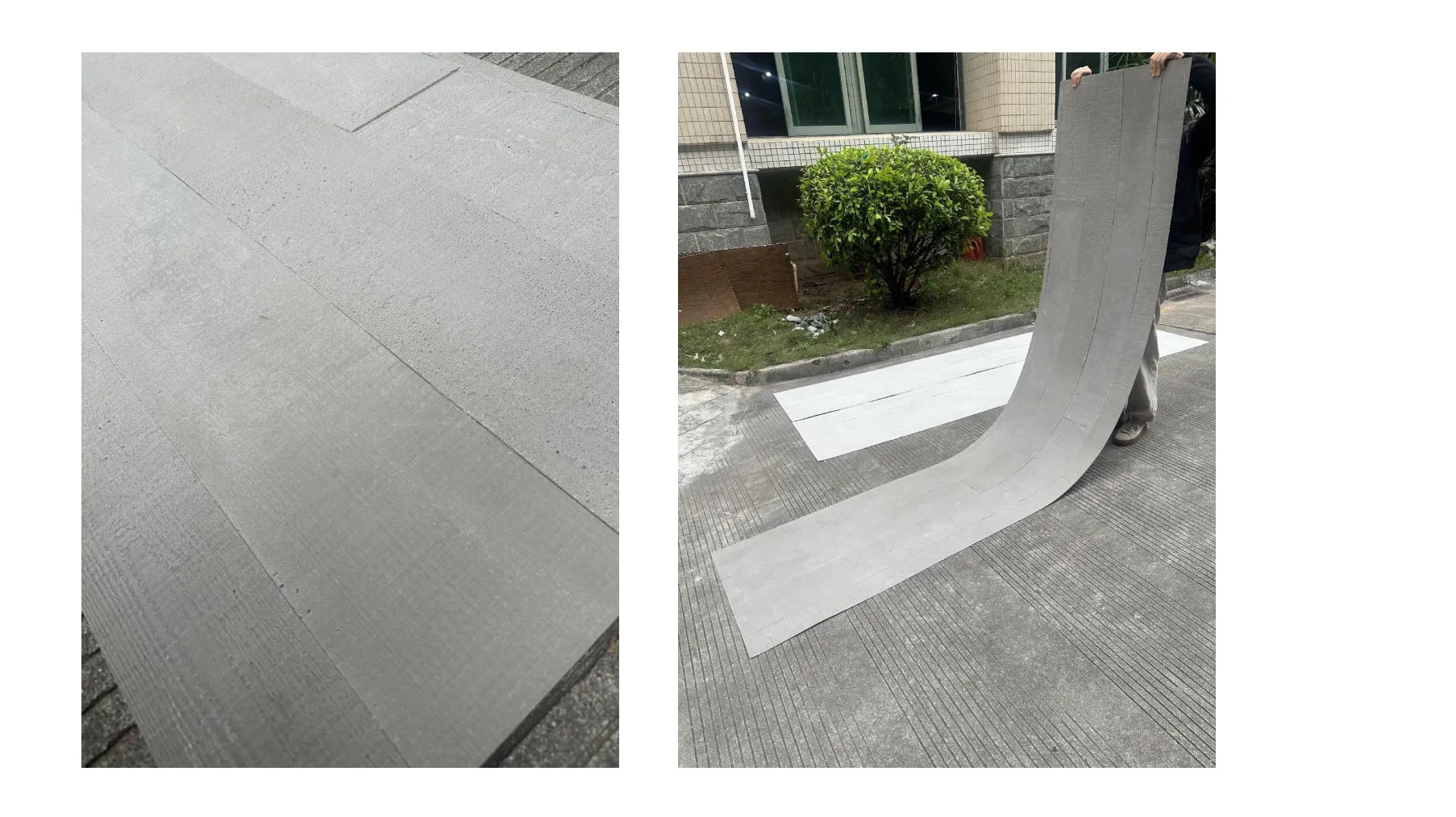
Enter the material selection process: months of testing, sampling, and photographing. "We took real photos of each material under Saudi sunlight—at dawn, noon, and dusk—to see how they'd behave," explains project manager Khalid bin Said. "Wood-cement board immediately stood out. In the photos, it had this incredible duality: the organic grain of wood, but the toughness of concrete. It looked like it belonged here."
Walk along the resort's promenade, and your hand will drift toward the walls. That's the magic of wood concrete board—it invites touch. Unlike traditional wood, which warps and fades in coastal humidity, or cold, industrial concrete, this material marries the best of both worlds. "It's made by compressing wood fibers with cement binders," says materials engineer Layla Hassan. "The result? A panel that resists saltwater, doesn't rot, and retains this beautiful, tactile grain that looks like it was hewn from ancient trees."
In the real photos, this texture shines. Close-ups reveal swirls of light and dark, mimicking the patterns of driftwood polished by the sea. Wider shots show entire facades clad in the material, their warm brown tones softening the harsh desert sun. "At sunset, the wood concrete board glows like amber," says al-Mansoori. "Guests often take photos of it—they say it feels like the building is 'blushing' with the day's last light."
But it's not just about looks. The material's thermal properties were a game-changer. "Saudi days are hot, but the wood concrete board acts like a natural insulator," bin Said notes. "It keeps the interiors cool during the day and releases stored heat gently at night, reducing our reliance on air conditioning. For a beach resort, that's both eco-friendly and cost-effective."
Wood concrete board may be the star, but it doesn't perform alone. The design team paired it with two other heavyweights: fair-faced concrete and travertine (beige). Together, they form a palette that mirrors the Saudi landscape—earthy, warm, and full of depth.
Fair-faced concrete, with its raw, unpolished finish, adds a striking contrast to the wood concrete board's organic texture. "We used it for the resort's geometric accent walls—sharp lines that echo the precision of desert architecture," al-Mansoori explains. In real photos, these walls catch the light like modernist sculptures, their gray tones grounding the softer wood elements. "It's a nod to Saudi's rich history of concrete construction, but with a contemporary twist," she adds.
Then there's travertine (beige)—the unsung hero of the exterior. Quarried from regions with similar geological makeup to Saudi Arabia, this stone features subtle pores and veins that look like they've absorbed centuries of sunlight. "We used it for the pool surrounds and walkways," bin Said says. "In the photos, you can see how it blends with the sand—guests often comment that they can't tell where the beach ends and the resort begins." Its non-slip surface is a practical bonus for wet, coastal areas, but its real power is in the emotion it evokes. "Beige travertine feels warm ," Hassan notes. "Not just to the touch, but to the eye. It makes the resort feel welcoming, like a home away from home."
| Material | Key Features | Role in the Resort Exterior | Why It Works for Coastal Saudi |
|---|---|---|---|
| Wood Concrete Board | Organic wood grain, cement core, saltwater-resistant | Main facade cladding, pergolas, guest room balconies | Withstands humidity; insulates against extreme heat; warm aesthetic mirrors desert woodlands |
| Fair-Faced Concrete | Raw, uncoated finish, high compressive strength | Accent walls, entrance canopy, outdoor fire pits | Resists corrosion; bold lines contrast with natural elements; low maintenance |
| Travertine (Beige) | Porous surface, earthy beige tones, non-slip texture | Pool decks, walkways, outdoor seating areas | Blends with beach sand; natural cooling properties; durable under heavy foot traffic |
| Rammed Earth Board (Khaki) | Layered, textured finish, thermal mass properties | Restaurant facade, wellness center exterior | Echoes desert soil; regulates interior temperature; sustainable production |
"Photos don't lie," says bin Said, flipping through a folder of images on his tablet. "You can see the difference these materials make in the guest experience." One photo shows a family laughing on a travertine (beige) patio, the stone's warm tones complementing their sun-kissed skin. Another captures the wood concrete board facade at sunrise, its grain glowing pink as the first light hits. "A guest from Riyadh told me she'd never seen a building that 'felt so Saudi' but looked so modern," he adds with a smile.
Even the staff has stories. "The housekeeping team loves the wood concrete board," says resort manager Fatima al-Zahrani. "It's easy to clean—just a quick wipe with a damp cloth—and it doesn't show water spots from the morning dew. And the guests? They're always asking where we got it. We've had interior designers from Jeddah and Dubai come just to take photos for their own projects."
As the sun sets on another day at the resort, casting golden streaks across the wood concrete board and fair-faced concrete walls, it's clear: this project isn't just about building a hotel. It's about reimagining what luxury means in Saudi Arabia—rooted in place, respectful of nature, and deeply human. The real photos tell the story: a space where materials don't just serve a function, but evoke emotion, memory, and a sense of belonging.
For al-Mansoori, the success of the project lies in that emotional connection. "We didn't want to import a foreign aesthetic," she says. "We wanted to create something that feels like it grew from Saudi soil. Wood concrete board, travertine (beige), fair-faced concrete—they're not just materials. They're storytellers."
And as more resorts and commercial projects in Saudi Arabia look to blend durability with soul, it's likely we'll see these materials take center stage. After all, in a country where the landscape is both harsh and breathtakingly beautiful, the best architecture doesn't just survive—it thrives , one textured panel, one warm stone, one real photo at a time.
Recommend Products












