
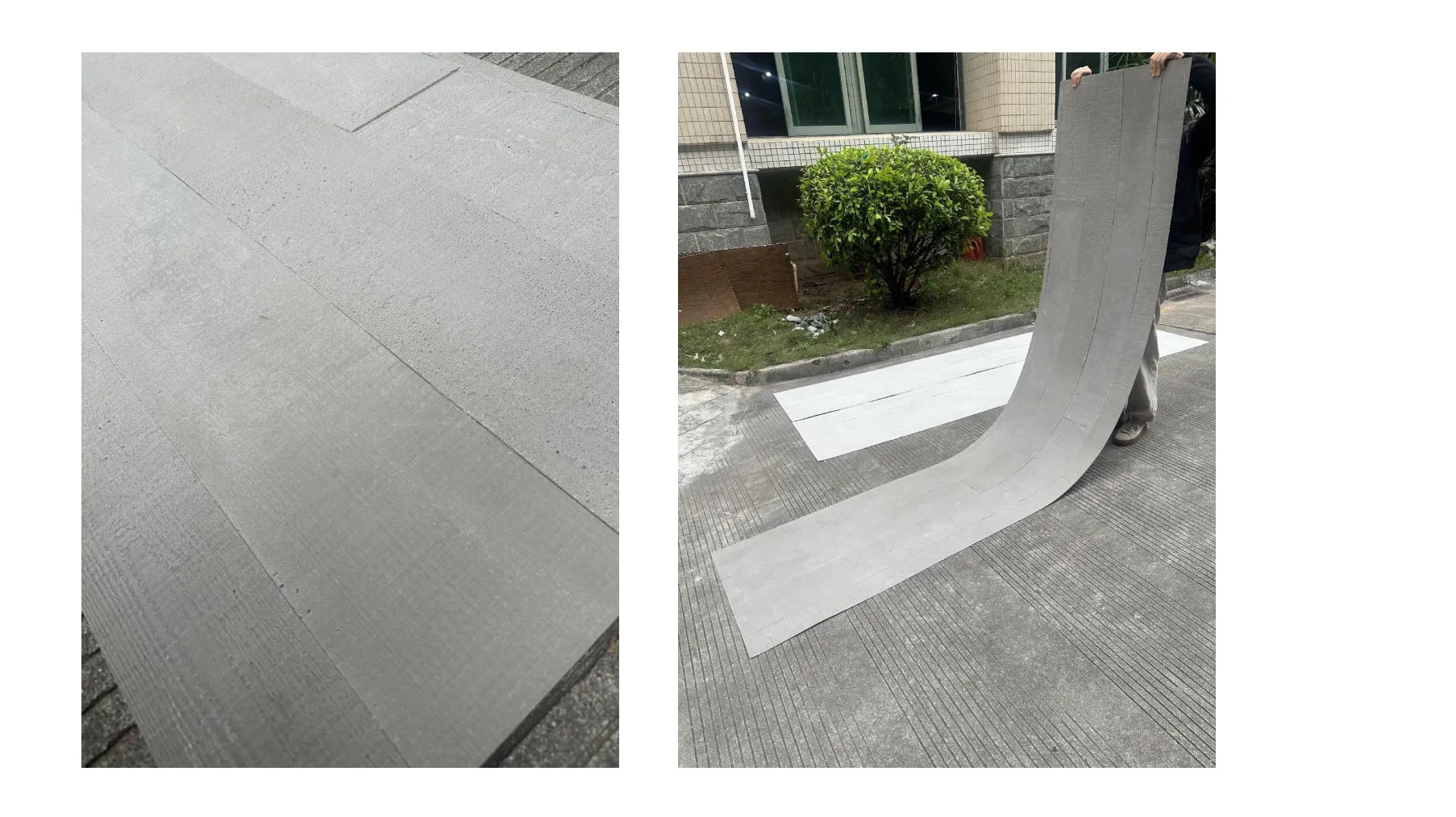
Architects and designers know the struggle: a swatch of material or a CAD rendering can only tell you so much. How does the wood concrete board look at 7 a.m. when sunlight streams through dorm windows? Does fair-faced concrete feel cold, or surprisingly cozy, when paired with soft lighting in a study lounge? Real photos answer these questions. They capture the way travertine (beige) ages gracefully, developing subtle patinas that reflect the daily life of students. They show how wood concrete board's grain patterns shift with shadows, turning a hallway into a path that feels inviting, not institutional. For student housing, where the goal is to create spaces that feel "lived-in" from day one, these details aren't just nice—they're essential.
COLORIA's Project Series leans into this truth. Every wood concrete board real photo in their portfolio isn't just a marketing tool; it's a promise. It says, "This is how it will look when students are laughing in the common room, cramming for exams in the study nook, or sharing stories over late-night snacks." It's design transparency, and it's changing how universities and developers approach student housing.
Nestled in the heart of Portland's university district, the Innovation Hub wasn't just designed to house 400 students—it was built to foster a sense of community. The design team turned to COLORIA's Project Series early on, drawn to the versatility of wood concrete board and the raw elegance of fair-faced concrete. Walking through the building today, it's easy to see why.
The ground-floor lounge is a masterclass in balance. Walls clad in fair-faced concrete set a modern, industrial tone, but instead of feeling stark, they provide a neutral backdrop that makes the space feel expansive. Against this, the ceiling and built-in benches are wrapped in wood concrete board—its warm, honeyed tones softening the concrete's coolness. "Students spend hours here," says lead architect Maria Gonzalez. "We needed materials that could handle spills, scuffs, and the chaos of 20 people gathered for a movie night. The wood concrete board has held up beautifully—no scratches, no fading—and the fair-faced concrete? It's become a canvas for student art installations. You'd never guess it's the same material used in warehouses."
Upstairs, the dorm rooms tell a similar story. Closet doors and desk surfaces in wood concrete board add a touch of home, while accent walls in fair-faced concrete keep the space from feeling too "fussy." "It's like living in a loft, not a dorm," says sophomore physics major Lila Chen. "The wood makes it feel cozy, but the concrete keeps it from feeling cluttered. And when my parents visited, they couldn't believe how durable everything is—my mom's famous for spilling coffee, and the desk? Not a single stain."
COLORIA's real photos of the Innovation Hub capture these moments: morning light filtering through floor-to-ceiling windows, hitting the wood concrete board and casting warm streaks across the fair-faced concrete walls; a group of students spread out on the lounge benches, laptops open, laughter echoing. These aren't staged shots—they're snippets of real life, and they prove that with the right materials, student housing can be both tough and tender.
On the sun-drenched coast of Southern California, a university wanted student housing that felt connected to its surroundings—think ocean breezes, golden light, and the earthy tones of the nearby cliffs. Enter COLORIA's travertine (beige) and rammed earth board (khaki), two materials that blur the line between indoor and outdoor spaces.
The project's standout feature? A wraparound terrace on the third floor, where students can study, socialize, or just watch the sunset. The terrace floor is laid with travertine (beige), its natural pits and veins mimicking the texture of weathered beach stone. "We wanted something that could handle salt air and foot traffic, but still feel organic," explains landscape architect James Reed. "Travertine was the obvious choice. It's tough enough to stand up to coastal weather, but its warm beige hue makes the terrace feel like an extension of the beach, not a concrete slab."
Inside, the common areas lean into rammed earth board (khaki), a material that brings the color of desert sands indoors. The walls in the dining hall are clad in this earthy material, its layered texture adding depth and warmth. "It's like bringing a piece of the landscape inside," says Reed. "Students tell us it feels calming—like being in a cabin by the coast, not a dorm." Paired with large windows that frame ocean views, the combination of travertine (beige) and rammed earth board (khaki) creates a space that's both grounding and uplifting.
COLORIA's real photos of the Coastal Campus Retreat don't just show the materials—they capture the mood. A student reading a book on the travertine terrace, legs propped up on a bench; a group sharing a meal in the dining hall, the rammed earth walls glowing softly under pendant lights. These images remind us that student housing isn't just about walls and roofs—it's about creating environments that nurture well-being.
Student housing is a unique challenge: it needs to be durable enough to survive four years of late nights, moving furniture, and the occasional mishap, while still feeling welcoming and inspiring. COLORIA's Project Series materials check both boxes, and then some. Here's how they stack up against traditional options:
| Material | Traditional Counterpart | Durability | Aesthetics | Sustainability |
|---|---|---|---|---|
| Wood Concrete Board | Standard Plywood | Resistant to scratches, moisture, and warping—ideal for high-traffic areas. | Warm wood grain with the strength of concrete; ages gracefully with subtle patinas. | Made with recycled wood fibers and low-VOC binders; reduces reliance on hardwoods. |
| Fair-Faced Concrete | Painted Drywall | Stain-resistant and easy to clean; stands up to art installations and student murals. | Raw, industrial-chic look that softens with lighting; versatile for modern or rustic designs. | Minimal processing reduces carbon footprint; can incorporate recycled aggregates. |
| Travertine (Beige) | Porcelain Tiles | Heat and weather-resistant; ideal for indoor/outdoor use (like coastal terraces). | Natural texture and warm hue add organic warmth; each slab is one-of-a-kind. | Sourced from sustainable quarries; biodegradable at end of life. |
| Rammed Earth Board (Khaki) | Vinyl Wall Panels | Fire-resistant and sound-absorbent; perfect for noisy common areas. | Earthy, layered appearance that adds depth and calm to spaces. | Made with local soil and natural pigments; low embodied energy. |
But numbers and specs only tell part of the story. What truly sets COLORIA apart is how these materials make students feel. In surveys, residents of COLORIA-equipped housing consistently mention "feeling at home," "less stressed," and "proud to bring friends over." It's a testament to the power of thoughtful design—and the right materials.
At the end of the day, COLORIA's Project Series isn't just about wood concrete board, fair-faced concrete, or travertine (beige). It's about reimagining student housing as a place where growth happens—intellectually, socially, and personally. These materials are tools, yes, but they're also storytellers. They say, "This space was built for you—for your late nights, your big dreams, and your everyday moments."
And with wood concrete board real photos, travertine (beige) installations, and fair-faced concrete spaces documented in vivid detail, COLORIA invites you to be part of that story. Whether you're an architect designing the next great student hub, a developer looking to invest in spaces that students love, or a university administrator wanting to create a home away from home, these photos are your window into what's possible.
Student housing shouldn't just house students—it should inspire them. With COLORIA's Project Series, it does. And the proof? It's right there in the photos.
Recommend Products












