
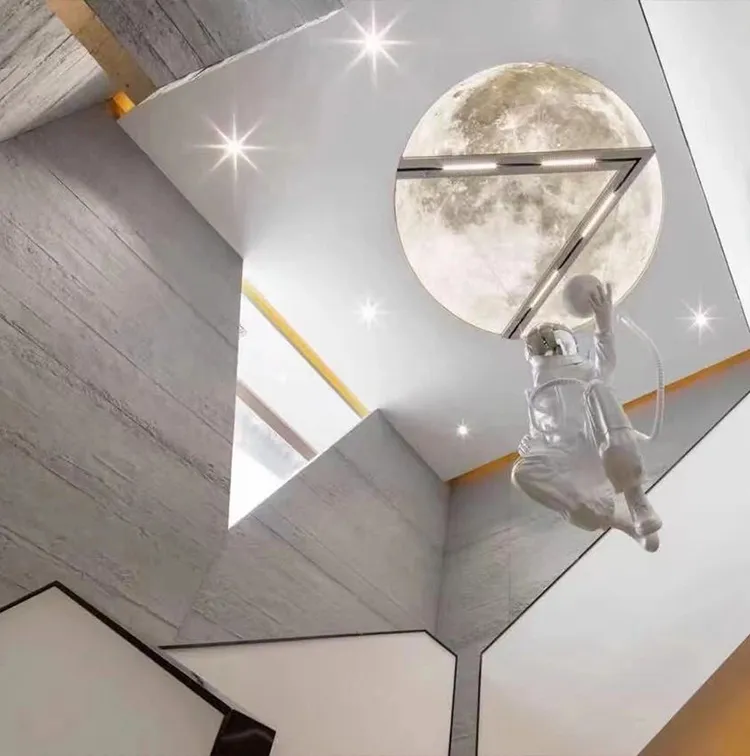
Walk into any modern office, and you'll likely notice two things right away: how much noise bounces around and how quickly walls and surfaces show wear. From the constant hum of printers to the chatter of team meetings, noise can turn even the most stylish workspace into a productivity drain. And let's not forget the scuffs from rolling chairs, the dents from moving furniture, or the occasional coffee spill—offices take a beating. That's where the choice of wall and ceiling materials matters more than you might think. Today, we're diving into two common options: the tried-and-true drywall and the up-and-coming wood concrete board. We'll break down how they stack up in soundproofing, durability, and real-world office use, with a focus on what actually works when the daily chaos of work life kicks in.
Let's start with the basics. Drywall—you know, that smooth, white material that lines most offices, homes, and commercial spaces—has been the go-to for decades. It's made of gypsum plaster sandwiched between two layers of paper, and it's loved for being lightweight and easy to install. But here's the catch: it's not exactly built for battle. Wood concrete board, on the other hand, is a hybrid material that mixes wood fibers (think recycled sawdust or wood chips) with cement, creating a dense, sturdy panel. It's part wood, part concrete, and all about durability. And while we're at it, we'll touch on a third player that's gaining traction in modern offices: fair-faced concrete. Known for its raw, industrial look, fair-faced concrete isn't just aesthetic—it's a workhorse when it comes to standing up to daily wear and tear. But let's keep the focus on our main contenders first.
Drywall's simplicity is part of its appeal. Gypsum, a soft sulfate mineral, is ground into a powder, mixed with water, and pressed between thick paper sheets. Once dried, it forms a flat, smooth panel that's easy to cut, paint, or texture. It's affordable, widely available, and contractors know how to work with it in their sleep. That's why you'll find it in 9 out of 10 offices built in the last 50 years.
Here's where drywall starts to show its limitations—especially in offices. Standard ½-inch drywall has a Sound Transmission Class (STC) rating of around 25 to 30. For context, an STC of 25 means normal conversation can be heard clearly through the wall; 30 muffles speech but doesn't block it entirely. In an open-plan office, that translates to overhearing your neighbor's Zoom call from three desks away or the break room chatter bleeding into the focus zone. Some offices add extra layers or soundproofing compounds to boost STC ratings, but that adds cost and thickness—two things most office designers try to avoid.
Drywall is soft by nature. A stray elbow, a chair bump, or even a heavy picture hook can leave a dent. Moisture is its worst enemy, too. A spilled coffee that seeps into a corner? It might lead to mold if not cleaned up immediately. And let's talk about longevity: in a busy office, drywall often needs patching or repainting every 3–5 years. That's not terrible, but when you factor in the cost of repairs and the downtime during fixes, it adds up.
Real Office Story: The Startup That Hit a Wall (Literally)
Take "GreenScape Designs," a small architecture firm in Chicago. When they moved into a new space last year, they went with standard drywall to save on upfront costs. Six months in, their open-plan area was a echo chamber—designers complained they couldn't focus, and client meetings in the glass-walled conference room felt like public performances. Then, during a team retreat prep, someone leaned a ladder against a drywall partition, leaving a 6-inch gash. The repair took two days, and the paint never quite matched the original shade. "We loved the look, but we underestimated how hard our office life would be on those walls," says office manager Mia. "It felt like we were always fixing something."
Wood concrete board (sometimes called wood-cement board) is exactly what it sounds like: a mix of wood fibers and cement, compressed into dense, rigid panels. The wood adds flexibility and reduces weight, while the cement brings strength and fire resistance. It's not new—construction workers have used similar materials for decades in high-moisture areas like basements—but it's only recently gained popularity in offices for its unique blend of durability and acoustic benefits.
Thanks to its density, wood concrete board naturally blocks more sound than drywall. Standard panels have an STC rating of 40–45, which means most speech and office noise is muffled to a faint murmur. Some manufacturers even add acoustic layers, pushing STC up to 50 or higher—enough to create private "quiet zones" in open offices. How does that feel in practice? Imagine sitting in a focus booth lined with wood concrete board: you can hear your own thoughts without the constant background buzz, and your phone calls stay private. It's not just about blocking noise, either—the material absorbs sound rather than reflecting it, reducing echo in large rooms.
Here's where wood concrete board shines. It's dense and impact-resistant, so chair bumps or ladder scrapes leave little to no mark. Moisture? It laughs in the face of coffee spills—water beads up instead of seeping in, making it mold-resistant. And lifespan? We're talking 15–20 years with minimal maintenance. Some manufacturers even offer warranties of 10+ years, which is a relief for office managers tired of constant repairs.
Wood concrete board doesn't just perform—it looks good doing it. Its natural texture, with visible wood fibers and subtle grain, adds warmth to industrial-style offices. It pairs well with other materials like metal accents or polished concrete floors, creating a space that feels both rugged and refined. Plus, it can be painted, stained, or left in its natural state for a raw, organic look—no need for extra wall treatments.
Real Office Story: The Marketing Agency That Found Its Sound
"Vibe Media," a marketing agency in Austin, Texas, swapped drywall for wood concrete board in their 2023 office renovation. "We wanted an open feel but needed areas where teams could brainstorm without disturbing others," says founder Jake. They used wood concrete board to build half-walls between focus pods and lined the ceiling of their podcast studio with it. The result? STC ratings jumped from 28 to 45, and employee surveys showed a 30% increase in reported focus. "Clients walk in and comment on how 'put-together' the space feels," Jake adds. "Little do they know it's because the walls can actually handle our chaos."
| Aspect | Drywall | Wood Concrete Board |
|---|---|---|
| Material Composition | Gypsum plaster between paper sheets | Wood fibers + cement, compressed into dense panels |
| Soundproofing (STC Rating) | 25–30 (standard); up to 40 with added layers | 40–50 (standard); higher with acoustic layers |
| Impact Resistance | Low; prone to dents and scuffs | High; resists bumps, scrapes, and heavy impacts |
| Moisture Resistance | Poor; vulnerable to mold with water exposure | High; water-resistant and mold-resistant |
| Installation | Lightweight, easy to cut; quick installation | Denser, requires tools for cutting; slightly longer install time |
| Upfront Cost | Lower ($1–$3 per sq. ft.) | Higher ($4–$7 per sq. ft.) |
| Long-Term Cost | Higher (repairs every 3–5 years) | Lower (minimal repairs, 15–20 year lifespan) |
| Aesthetic | Smooth, blank canvas; requires paint/texture | Natural texture with wood grain; can be left unfinished or painted |
While we're on the topic of durable, sound-friendly office materials, let's give a nod to fair-faced concrete. This isn't your average gray slab—it's poured and finished to expose the natural texture of the concrete, with visible aggregates and subtle color variations. It's insanely durable (think 50+ year lifespan) and has excellent sound-dampening properties, making it a favorite for high-traffic areas like lobbies or stairwells. Some offices use it for accent walls or ceiling panels to add industrial flair while boosting soundproofing. It's heavier and pricier than both drywall and wood concrete board, but for spaces that need to make a statement and last decades, it's hard to beat.
There's no one-size-fits-all answer, but here's a quick guide:
Choose drywall if:
You're on a tight upfront budget, need a smooth, uniform look, and don't expect heavy wear (think a quiet, low-traffic office with few employees).
Choose wood concrete board if:
Soundproofing and durability are top priorities, you want a material that ages well, and you're willing to invest upfront to save on long-term repairs. It's ideal for open-plan offices, focus zones, or areas with high foot traffic.
Add fair-faced concrete if:
You're going for a high-end, industrial aesthetic and need materials that can handle decades of use (great for lobbies, conference rooms, or feature walls).
Many offices opt for a hybrid approach: drywall in low-traffic areas, wood concrete board in noisy zones, and fair-faced concrete accents for style and longevity. It's all about balancing function, budget, and the unique rhythm of your workspace.
Offices aren't just spaces—they're where ideas happen, collaborations spark, and careers grow. The materials that line those spaces should support that energy, not hinder it. Drywall has served us well, but as offices get busier and more dynamic, wood concrete board is stepping up as a smarter, more resilient choice. It's not just about blocking noise or resisting dents; it's about creating a workspace that feels intentional, durable, and ready for whatever the workday throws at it. So next time you're planning an office build or renovation, ask yourself: Do we want walls that need fixing, or walls that keep up?
Recommend Products












