
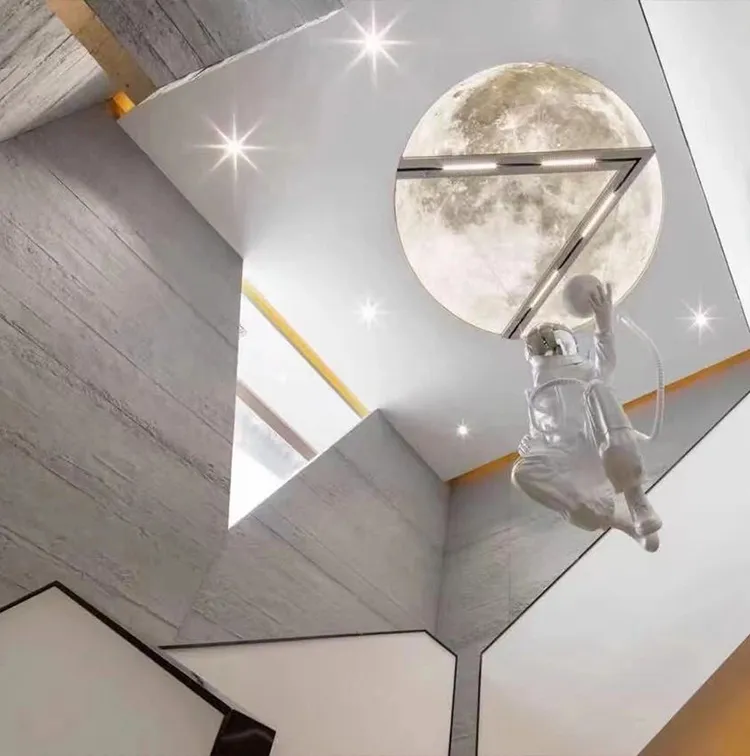
When it comes to building materials, few things matter more than how well they stand up to the elements. Whether you're constructing a beachfront cottage in Maine or a modern home in the Arizona desert, the right material can mean the difference between a structure that ages gracefully and one that requires constant repairs. Today, we're diving into the world of wood-cement boards—those versatile, durable panels that blend the warmth of wood with the strength of cement. But instead of just talking about specs, let's ground this in reality: we'll explore how these boards perform in two of the harshest environments on Earth, using wood cement board real photos to show their resilience in action.
Let's start by thinking about coastal living. Picture a home just steps from the ocean: the air smells of salt, morning fog rolls in daily, and summer storms bring driving rain. It's idyllic, but for building materials, it's a battlefield. Salt spray from the ocean clings to walls, eating away at metal and seeping into porous surfaces. High humidity creates the perfect breeding ground for mold and mildew. And constant moisture? It turns wood into a feast for rot-causing fungi. Traditional materials often struggle here—even pressure-treated wood can start to warp or discolor after a few years.
This is where wood-cement boards shine. Made by combining wood fibers with Portland cement and other binders, they're engineered to repel moisture. Unlike solid wood, they don't absorb water; instead, raindrops bead up and roll off, leaving the surface dry. And because there's no organic material for mold to feed on (the wood fibers are encapsulated in cement), mildew struggles to take hold. But don't just take my word for it—wood cement board real photos from coastal installations tell the story best.
Take, for example, a commercial project in Charleston, South Carolina, where wood-cement boards were used for exterior cladding. Five years after installation, the wood cement board real photos show walls that still look fresh: no warping, no discoloration, just the same warm, wood-like texture they had on day one. Compare that to a neighboring building clad in untreated cedar, which now sports peeling paint and visible rot in the corners. Or look at beach homes along the Pacific Northwest coast, where wood-cement boards stand up to year-round rain and salt-laden winds without a single sign of degradation. The photos don't lie—these boards aren't just surviving coastal conditions; they're thriving.
Now, let's shift gears to the opposite end of the spectrum: the desert. Here, the challenges are different but equally brutal. Daytime temperatures soar above 100°F, baking surfaces and causing materials to expand. Nighttime brings drastic drops, leading to contraction. The sun's UV rays are intense, fading colors and breaking down organic materials. And dry, gritty wind? It acts like sandpaper, wearing away soft surfaces over time. Materials that handle moisture well might crumble here—take fair-faced concrete, for instance. While durable, its porous surface can develop hairline cracks under extreme temperature swings, letting in dust and worsening the damage.
Wood-cement boards, however, are built for this kind of stress. Their composite structure resists thermal expansion and contraction, meaning they don't crack or warp when the mercury spikes. The cement matrix also blocks UV rays, so the boards retain their color—no fading, even after years of direct sunlight. And that gritty desert wind? It slides off the hard, smooth surface without leaving a mark. Again, real photos drive this home. In Phoenix, Arizona, a residential development used wood-cement boards for patio ceilings and exterior walls. The wood cement board real photos, taken three years post-installation, show surfaces that still look brand-new: no cracks, no discoloration, just the same rich texture that complemented the desert landscape from day one.
Contrast that with polish concrete, another popular desert material. While polish concrete is sleek and modern, it can develop a chalky residue over time due to UV exposure, requiring regular sealing. Wood-cement boards? They need no such maintenance. Just an occasional wash with soap and water to remove dust, and they're good as new. It's a low-effort durability that makes them a favorite among desert homeowners.
To really understand how wood-cement boards hold up, let's break down the key weather factors in coastal and desert climates—and how these boards stack up. The table below compares the two environments and highlights why wood-cement boards are a top choice in both:
| Climate Factor | Coastal Challenge | Desert Challenge | Wood-Cement Board's Defense |
|---|---|---|---|
| Moisture | High humidity, rain, salt spray | Low humidity, occasional flash floods | Non-porous surface repels water; no rot or swelling |
| Temperature | Mild but consistent (40–85°F) | Extreme swings (30–120°F) | Composite structure resists expansion/contraction |
| UV Radiation | Moderate (filtered by clouds/fog) | Intense (direct sunlight year-round) | Cement matrix blocks UV; no fading or degradation |
| Biological Threats | Mold, mildew, salt corrosion | Minimal (dry air inhibits growth) | No organic material for mold; salt-resistant surface |
| Abrasion | Sand carried by wind/rain | Gritty wind, sandstorms | Hard, dense surface resists scratching/wearing |
It's not just about weather resistance—wood-cement boards also offer advantages over other popular materials. Take historical pathfinders stone, for example. These traditional stones have been used for centuries in coastal and desert regions, valued for their natural durability. But they're heavy, requiring reinforced structures to support their weight, and installing them is labor-intensive. Wood-cement boards, by contrast, are lightweight and easy to cut and install, reducing construction time and costs. And while historical pathfinders stone can crack under thermal stress, wood-cement boards flex with temperature changes, avoiding damage.
Then there's fair-faced concrete, a staple in modern architecture for its raw, industrial look. While it's strong, it's also porous—meaning in coastal areas, salt can seep in and cause spalling (flaking). In deserts, its color fades faster than wood-cement boards. And polish concrete? It's sleek but prone to staining in coastal humidity and requires regular sealing in the desert. Wood-cement boards, with their moisture resistance and low maintenance, outperform both in longevity and ease of care.
At the end of the day, numbers and specs only tell part of the story. The real test is how materials perform in people's lives. Let's look at two more examples, drawn from wood cement board real photos and homeowner testimonials.
First, a family in Corpus Christi, Texas, built their dream beach house in 2018, choosing wood-cement boards for the exterior siding. "We were worried about hurricanes and salt," says homeowner Maria Gonzalez. "Our last house had wood siding that needed repainting every two years and still rotted near the ground. With the wood-cement boards, we haven't done a thing except hose them off a few times. The wood cement board real photos we took then and now? They look identical. We even had a Category 3 hurricane hit in 2020, and the boards didn't budge—no dents, no water damage. It was the best decision we made."
In the desert, Mark and Lisa Chen built their home in Joshua Tree, California, using wood-cement boards for their outdoor kitchen and patio walls. "We wanted something that could handle 120-degree days and monsoon rains without warping," Mark explains. "We looked at polish concrete, but the contractor showed us wood cement board real photos from other desert homes, and we were sold. Three years later, the boards still have that warm, woody tone—no fading, no cracks. Even the monsoon storms last summer didn't leave a mark. We love that we don't have to worry about maintenance; we can just enjoy the desert."
As climate change brings more extreme weather—stronger hurricanes, longer heatwaves, heavier rains—builders and homeowners are looking for materials that can keep up. Wood-cement boards, with their blend of durability, aesthetics, and sustainability (they're made from renewable wood fibers and recycled cement), are stepping into that role. They offer the best of both worlds: the natural beauty of wood and the strength of cement, all wrapped up in a material that laughs in the face of coastal salt and desert sun.
And let's not forget the aesthetic versatility. Wood-cement boards come in a range of textures and finishes, from smooth to rough-sawn, mimicking everything from cedar to barnwood. They can be painted or stained to match any design style, making them as flexible as they are tough. Whether you're going for a rustic cabin vibe or a sleek modern look, they deliver.
Building in extreme climates doesn't have to mean choosing between beauty and durability. Wood-cement boards prove that you can have both. From the salt-kissed coasts to the sun-scorched deserts, they stand tall, resisting moisture, UV rays, and temperature swings with ease. And the wood cement board real photos? They're not just marketing tools—they're proof that these boards don't just meet the challenges of harsh weather; they thrive in them.
So, whether you're building a beach house, a desert retreat, or anything in between, consider wood-cement boards. They're more than a material—they're a promise that your home will look as good in 10 years as it does today, no matter what the weather throws at it. After all, in the battle against the elements, resilience never goes out of style.
Recommend Products












