
There's something inherently timeless about a well-crafted wood fence. In Saudi Arabia, where modern architecture often meets traditional design, wood fences stand out as more than just barriers—they're storytellers. They frame villas in Riyadh with warmth, line garden paths in Jeddah with rustic charm, and blend seamlessly with desert landscapes in Al-Ula. But here's the catch: Saudi Arabia's climate isn't kind to wood. Scorching summers with temperatures soaring above 45°C, sandstorms that grind against surfaces, occasional humidity along the coast, and termites that thrive in the heat—these elements can turn a beautiful wood fence into a weathered eyesore in just a few years. The good news? With the right materials, installation, and care, your wood fence can not only survive but thrive, lasting 15–20 years or more. Let's dive into the best practices that make this possible.
Before we talk solutions, let's get to know the challenges. Saudi Arabia's climate is a mix of extremes. Inland cities like Riyadh and Riyadh experience extreme heat —sunlight that beats down relentlessly, causing wood to dry out, warp, and crack. Along the Red Sea coast, cities like Jeddah add humidity to the mix, creating a breeding ground for mold and mildew. Then there are sandstorms , which act like sandpaper, wearing away finishes and exposing raw wood to the elements. And let's not forget termites —these tiny pests love the warmth and can chew through untreated wood faster than you'd expect. Even in arid regions, termite colonies find ways to survive, hidden beneath the soil, waiting to feast on your fence. To build a long-lasting wood fence here, you need to armor it against all these foes.
The first step to longevity is picking wood that's built to withstand Saudi conditions. Softwoods like pine might be cheap, but they're like a buffet for termites and warp easily in the heat. Instead, opt for hardwoods or treated woods that naturally resist decay, pests, and weathering. Here's a breakdown of the best options:
| Wood Type | Durability in Saudi Climate | Pest Resistance | Cost (Relative) | Best For |
|---|---|---|---|---|
| Teak | Excellent (resists warping, cracking) | High (natural oils repel termites) | High | Luxury villas, coastal areas (humidity-resistant) |
| Cedar | Very Good (stable in heat, resists rot) | High (natural oils deter pests) | Medium-High | Garden fences, inland areas (Riyadh, Dammam) |
| Pressure-Treated Pine | Good (treated to resist rot/heat) | Medium-High (chemical treatment repels termites) | Medium | Budget-friendly options, commercial properties |
| Wood Concrete Board | Excellent (combines wood look with concrete durability) | Very High (termite-proof, moisture-resistant) | Medium | Modern homes, areas with high humidity/sandstorms |
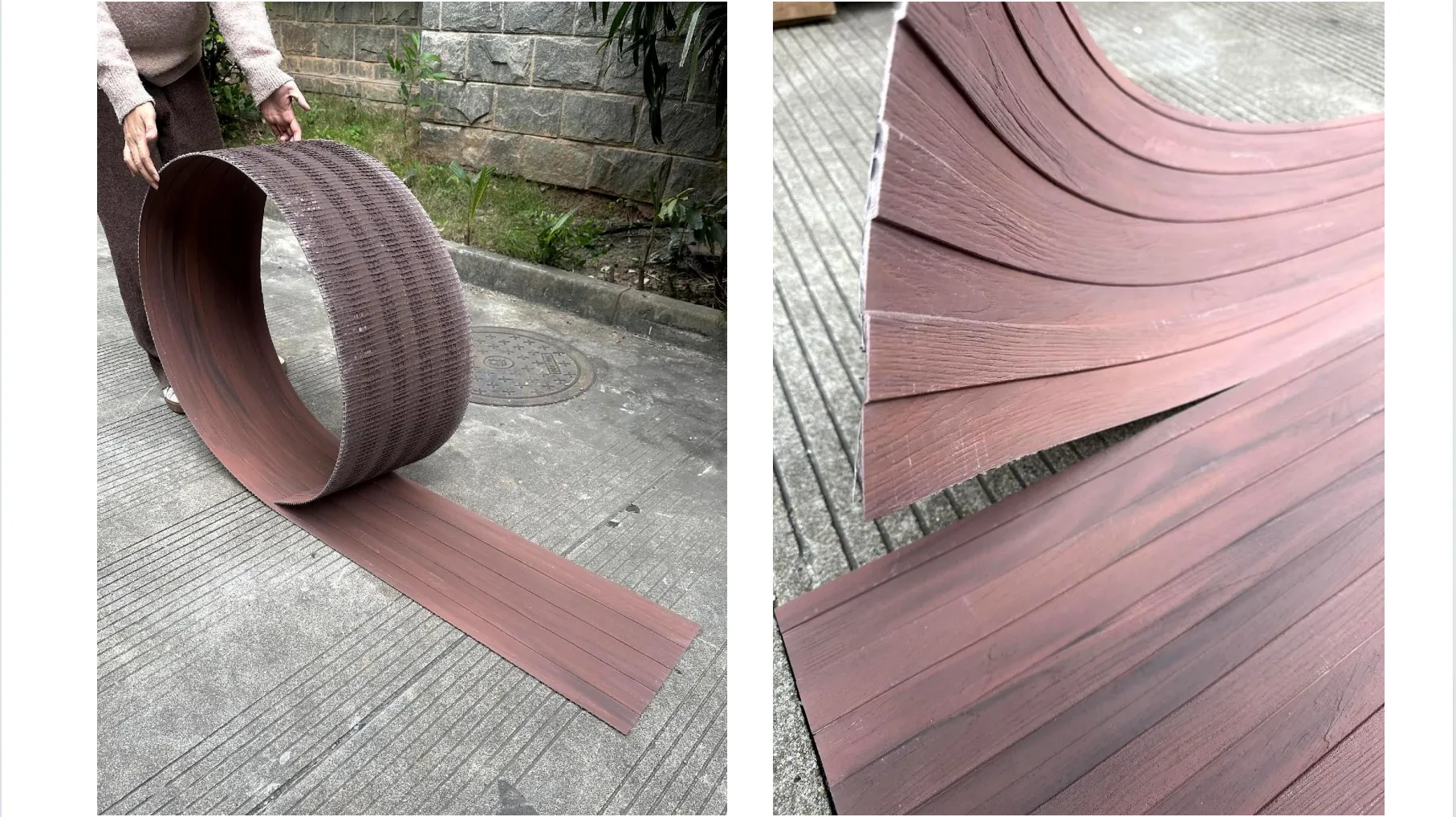
Wait, what's wood concrete board ? If you love the look of wood but hate the maintenance, this modern material is a game-changer. Made by blending wood fibers with concrete, it's dense, heavy, and resistant to warping, termites, and moisture. It looks just like real wood—grain patterns, texture, and all—but can handle Saudi's heat and humidity without breaking a sweat. It's not cheap, but it's a one-time investment that saves you years of repairs. Many homeowners in Jeddah and Riyadh are swapping traditional wood for wood concrete board, and it's easy to see why: it looks great and lasts decades with minimal upkeep.
Even the best wood will fail if installed poorly. Think of installation as the foundation—get it right, and your fence will stand strong; cut corners, and it will sag, rot, or collapse. Here are the key steps:
Wood and soil don't mix—at least, not directly. When wood touches damp soil, it absorbs moisture and rots from the bottom up. To prevent this, install your fence posts on a base of rough granite stone . Granite is dense, non-porous, and termite-proof, creating a barrier between the wood and the ground. Dig a hole 2–3 feet deep for each post, fill the bottom with 6–8 inches of rough granite stone, then set the post in concrete. The stone ensures water drains away from the post, while the concrete locks it in place, preventing shifting during sandstorms. In areas with high groundwater, like coastal regions, add a layer of gravel above the granite to boost drainage even more.
Wood expands and contracts with temperature and humidity changes. If your fence boards are nailed tightly together, they'll warp as they expand. Instead, leave a 1–2mm gap between boards to allow for movement. This simple step prevents cracking and keeps the fence looking neat. Also, avoid attaching boards directly to the ground—leave a 4–6 inch gap between the bottom of the fence and the soil to stop moisture from wicking up into the wood.
You wouldn't build a house with rusty nails, so don't use them on your fence. Saudi's humidity and salt air (coastal areas) cause regular steel to rust, which stains wood and weakens the structure. Opt for stainless steel or hot-dipped galvanized screws and nails—they resist corrosion and keep your fence tight for years. It's a small detail, but rusted hardware is one of the top reasons fences start to sag prematurely.
Even the most durable wood needs a little help to stand up to Saudi's sun and sand. Protective treatments act like armor, shielding the wood from UV rays, moisture, and pests. Here's what works best:
A good sealant is non-negotiable. Look for exterior-grade polyurethane or linseed oil-based sealants —they penetrate the wood, creating a barrier that repels water and blocks UV rays. Apply two coats before installing the fence, and then reapply every 2–3 years. For extra protection in sunny areas like Riyadh, choose a sealant with UV inhibitors—these additives reflect sunlight, reducing heat absorption and warping. Avoid water-based sealants; they don't hold up as well in high heat and need more frequent reapplication.
If you want to add color to your fence, go for a semi-transparent stain . Unlike paint, which sits on top of the wood and can peel in the heat, stains penetrate the grain, adding color while allowing the wood to breathe. They also contain mildewcides and UV blockers, doubling as protectants. Lighter stains (like natural cedar or honey) reflect sunlight, keeping the wood cooler, while darker stains (like walnut or espresso) absorb heat—great for cooler regions but risky in Riyadh's summer. Pro tip: Test the stain on a scrap piece of wood first to see how it looks in direct sunlight; colors can fade or darken unexpectedly under Saudi's intense rays.
Even pest-resistant woods need backup. Before installation, treat the soil around the fence posts with a termite insecticide (look for products containing imidacloprid or fipronil). For extra protection, spray the bottom 12 inches of each post with the same insecticide. If you're using untreated wood, consider pressure-treating it first—this process injects chemicals into the wood that repel termites and fungi. Just make sure to use a treatment rated for exterior use; indoor treatments won't stand up to the elements.
A wood fence is like a car—even the best models need regular tune-ups. Maintenance doesn't have to be time-consuming, but it does need to be consistent. Here's a simple routine to follow:
Spend 10–15 minutes walking along your fence, checking for loose boards, rusted hardware, or signs of termites (small holes, sawdust-like "frass," or mud tubes along posts). Tighten loose screws or nails immediately—loose boards rub against each other, causing splinters and wear. If you spot termite signs, call a professional pest control service right away; early treatment can save your fence from extensive damage.
Pre-Summer (March–April): Summer is the toughest season for wood, so prep your fence. Use a soft-bristle brush and mild soap (avoid harsh detergents—they strip sealants) to clean off dust and grime. Rinse with a hose, then let it dry completely. Inspect the sealant/stain—if water no longer beads up on the surface, it's time to reapply. Focus on areas that get the most sun, like the south-facing side of the fence; these dry out faster and need extra protection.
Post-Sandstorm (As Needed): After a sandstorm, hose down your fence to remove sand and grit. Sand can scratch the finish, so don't scrub—just let the water flow gently. If the storm was severe, check for dents or cracks in the wood; fill small cracks with wood filler, and sand smooth before reapplying sealant.
Winter (December–January): In cooler months, humidity can rise in some areas. Check for mold or mildew—if you see black or green spots, mix equal parts water and white vinegar, spray it on, and let it sit for 15 minutes before rinsing. Vinegar kills mold without damaging the wood or sealant.
No matter how good your sealant is, it will wear off over time. Every 2–3 years, sand the fence lightly with fine-grit sandpaper to remove old, flaking finish, then apply a fresh coat of sealant or stain. This might sound like a hassle, but it's far cheaper than replacing the fence. Plus, it gives you a chance to change the color if you're feeling bold—maybe switch from natural cedar to a warm honey tone, or even a modern gray.
A wood fence doesn't have to stand alone. Adding complementary materials can enhance its durability and aesthetic appeal, making it a focal point of your property. Here are a few standout options from MCM's lineup that pair beautifully with wood:
Imagine your wood fence bordered by panels of travertine (starry blue) —a natural stone with soft blue-gray hues and subtle, star-like flecks that catch the light. Travertine is durable, heat-resistant, and adds a luxurious touch without overwhelming the wood's warmth. Use it as accent panels between fence posts, or as a low wall alongside the fence. It's perfect for modern villas or gardens, where the contrast between wood and stone creates visual interest. Plus, travertine is easy to clean—just hose it down after sandstorms—and it won't fade in the sun.
For a contemporary look, add foamed aluminium alloy board (vintage silver) accents. Lightweight but strong, this material resists corrosion, dents, and heat—ideal for Saudi's climate. Use it as a top rail on your wood fence, or as decorative slats between posts. The vintage silver finish complements both light and dark wood, adding a sleek, industrial edge. It's also termite-proof and requires zero maintenance—just install it and forget it.
We mentioned rough granite stone earlier as a base for fence posts, but it's also a great decorative element. Use large, irregular granite stones to create a low wall at the base of your fence, or stack smaller stones between posts. The rough texture contrasts beautifully with smooth wood, adding a rustic, earthy vibe. Granite is one of the toughest stones out there—scratch-resistant, heat-resistant, and impervious to pests—so it will outlast the fence itself.
Let's look at a real example. In 2010, a homeowner in Riyadh installed a cedar wood fence using the practices we've discussed: pressure-treated posts set in rough granite stone, stainless steel hardware, and annual sealant touch-ups. They added travertine (starry blue) panels between every third post for visual appeal. Today, 13 years later, the fence still looks great. The cedar has developed a rich, honeyed patina, the travertine panels are as vibrant as ever, and there's no sign of rot or termites. The secret? They stuck to the maintenance routine—cleaning after sandstorms, reapplying sealant every 2 years, and fixing loose boards immediately. When asked if they'd do it again, the homeowner laughed and said, "Absolutely. This fence has seen my kids grow up, and it's still standing strong. It was worth every penny."
A wood fence in Saudi Arabia isn't just a home improvement project—it's an investment in beauty and functionality. By choosing the right wood (or wood concrete board), installing it properly, protecting it with sealants and treatments, and keeping up with maintenance, you can create a fence that lasts decades. And when you pair it with complementary materials like travertine (starry blue) or foamed aluminium alloy board, you'll have a fence that's not just durable, but stunning. Remember, the key is to plan for the climate, not fight it. With a little care, your wood fence will be telling stories for years to come—of summer barbecues, winter evenings, and all the moments that make a house a home.
Recommend Products












