
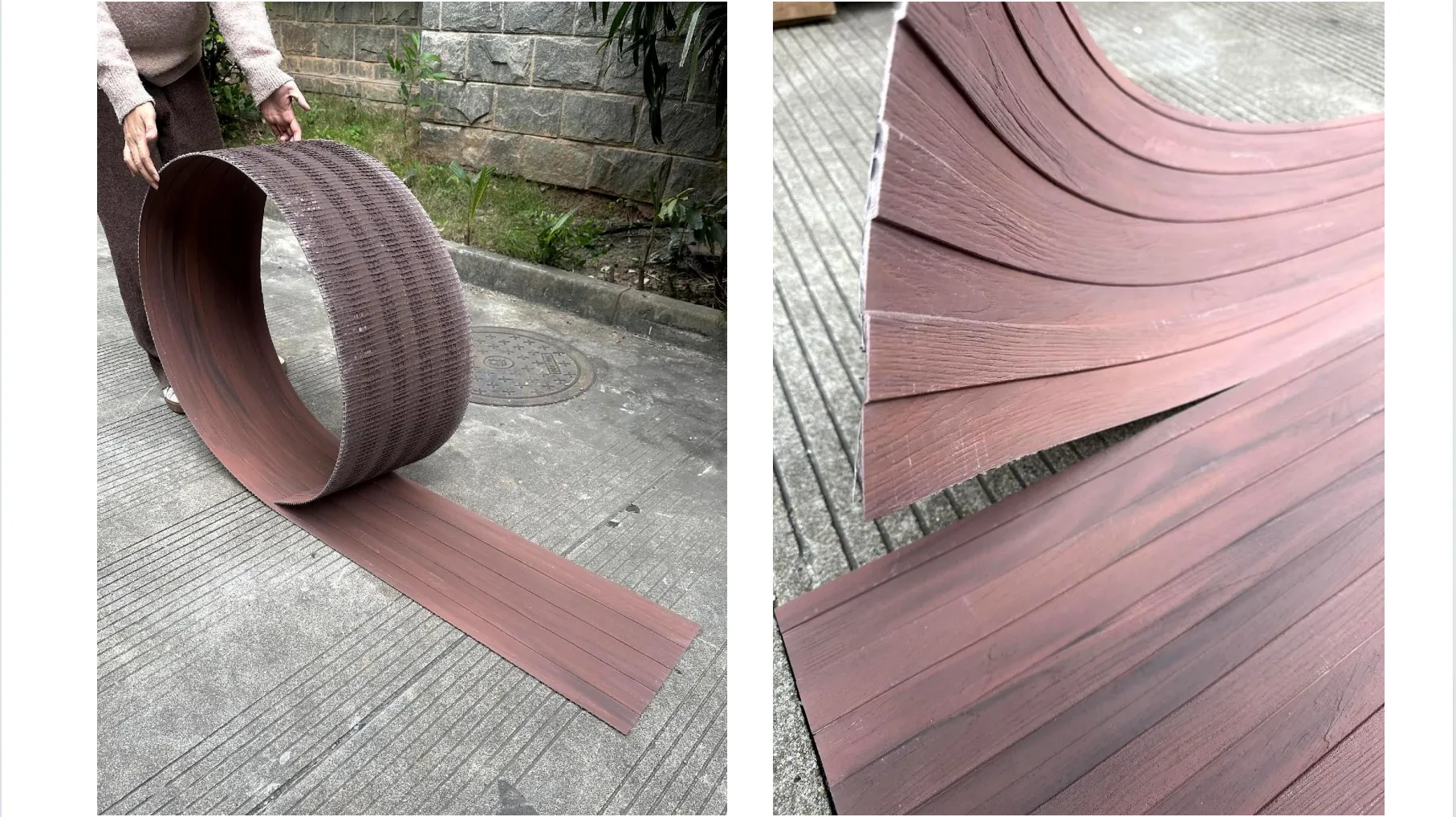
A wood fence isn't just a boundary—it's a storyteller. It whispers about your home's personality, frames your garden like a living painting, and even becomes a backdrop for weekend barbecues and kids' laughter. But for every stunning wood fence you see in real photos, there are dozens of designs that fall flat—victims of avoidable mistakes. Let's walk through the most common pitfalls homeowners and DIYers stumble into, and how to steer clear of them using materials like wood line , wood grain board , and charcoal burnt wood board to create a fence that's both beautiful and built to last.
| Material Type | Best For | Common Mistakes | Pro Tips |
|---|---|---|---|
| Wood Line | Modern, linear designs | Ignoring grain direction when installing | Align grain parallel to fence posts for stability |
| Wood Grain Board | Rustic, natural aesthetics | Using untreated boards in humid climates | Opt for pressure-treated or sealed variants |
| Charcoal Burnt Wood Board | Contemporary, bold looks | Overlooking fire resistance needs | Pair with fire-retardant sealants in dry areas |
| Bamboo Mat Board | Tropical, woven styles | Leaving gaps too wide between mats | Secure with hidden fasteners to maintain weave integrity |
| Wood Concrete Board | Industrial, durable fences | Skipping expansion gaps | Leave 1/4" gaps between boards to prevent warping |
Picture this: You've fallen in love with the sleek, modern look of wood line panels—their clean, vertical grooves perfect for your minimalist home. Excited, you rush to buy matching metal brackets to mount them, only to find six months later that the wood has warped, the brackets are rusting, and your "dream fence" now looks like a sad, lopsided picket fence after a storm. Sound familiar? This is the #1 mistake: mixing materials that just don't get along.
Wood line, with its tight, uniform grain, expands and contracts with temperature changes. Metal brackets, especially uncoated steel, react to moisture by rusting—and that rust doesn't just look bad; it eats into the wood, weakening the entire structure. Even worse, if you pair wood grain board (which has a porous, textured surface) with pressure-treated posts without a barrier, the chemicals in the posts can leach into the board, discoloring it and ruining that natural wood look you loved.
You've seen those stunning real photos of wood grain board fences—warm, rich, with that "just-cut-from-the-forest" texture. So you install them in your backyard, eager to replicate that cozy cabin vibe. But if you live in a humid area (looking at you, Florida, Louisiana, or the Pacific Northwest), that dream can turn into a nightmare of mold, mildew, and rotting boards faster than you can say "termite buffet."
Wood grain board is a star when it comes to aesthetics, but its porous surface is like a sponge for moisture. In humid climates, untreated boards absorb water, creating the perfect home for fungi. Even sealed boards can struggle if the fence isn't designed to shed water—like when the top edge is flat instead of sloped, letting rain pool and seep into cracks.
Charcoal burnt wood board is the "bad boy" of fence materials—dark, edgy, with that striking, torched finish that makes neighbors stop and stare. It's easy to get swept up in its looks and forget one tiny detail: fences need to function . Whether it's keeping kids in, pets safe, or prying eyes out, a fence that's all style and no substance is just an expensive decoration.
Common culprits? Using charcoal burnt wood board with gaps so wide you could pass a soccer ball through (because "negative space is trendy"), or installing panels so thin they bow in the wind. Worse, some homeowners skip reinforcing the frame, assuming the burnt wood's "tough" look means it's tough in reality. Spoiler: Burnt wood is still wood—it bends, cracks, and breaks if not supported.
Bamboo mat board is magical. Its woven texture adds warmth and texture, like bringing a piece of Bali to your backyard. But installing it? It's not as simple as nailing up a few boards. This material is finicky—rush the process, and you'll end up with loose weaves, sagging panels, or mats that unravel faster than a cheap sweater.
The biggest mistake? Using visible nails or screws that pierce through the bamboo strips. Not only do they look ugly, but they also weaken the weave, causing individual strips to pop out over time. Another blunder: not pre-drilling holes. Bamboo splits easily, and forcing a nail into it without a pilot hole is a one-way ticket to cracked mats and frustration.
You've heard the hype: wood concrete board is "maintenance-free." It's a composite of wood fibers and concrete, so it resists rot, bugs, and warping. But here's the dirty secret: "low maintenance" doesn't mean "no maintenance." Ignore it, and even this tough material will start to look dull, stained, or worn—turning your "forever fence" into a "five-year fence."
Common maintenance mistakes? Letting dirt and grime build up (it's concrete, so it "can handle it," right? Wrong—dirt traps moisture, which eats away at the surface over time). Skipping annual cleanings (a quick hose-down isn't enough). Or using harsh chemicals (like bleach) to clean it, which fades the color and weakens the wood fibers in the composite.
At the end of the day, a wood fence is more than posts and boards. It's the backdrop to your morning coffee on the porch, the boundary that lets your kids play freely, and a reflection of your style. By avoiding these common mistakes—ignoring material compatibility, skipping environmental checks, sacrificing function for looks, botching installation, or neglecting maintenance—you're not just building a fence; you're creating something that lasts.
Whether you choose wood line for its modern edge, wood grain board for that cozy cabin feel, or charcoal burnt wood board for bold drama, remember: great fences aren't just about the materials. They're about planning, patience, and a little bit of "what if?" (What if it rains? What if the dog jumps? What if I move in 10 years?).
So grab your measuring tape, do your research, and don't rush the process. The next time you scroll through wood fence real photos, yours could be the one that makes someone else think, "I want that." And when they ask how you did it? Smile and say, "I avoided the mistakes—and built something that tells my story."
Recommend Products












