
Balancing Beauty, Budget, and Durability in Modern Commercial Design
In the world of commercial design, every detail matters. From the lobby flooring to the exterior landscaping, each element contributes to the overall vibe of a space—whether it's a cozy café, a sleek office complex, or a bustling retail store. Among these elements, fences often play a quiet yet crucial role: they define boundaries, enhance privacy, and add character without overwhelming the design. And when it comes to blending warmth, versatility, and cost-effectiveness, wood fences stand out as a perennial favorite.
But in 2025, "wood fence" no longer just means traditional lumber. Thanks to innovative materials like wood concrete board and wood-cement board , commercial projects can now enjoy the classic look of wood with added durability and lower long-term costs. Pair that with options like flexible stone —which mimics natural textures with remarkable realism—and the possibilities for commercial fencing have never been more exciting. Best of all, these materials come to life through real photos of completed projects, offering tangible inspiration for designers, contractors, and business owners alike.
Commercial projects thrive on balance: aesthetics must align with functionality, and upfront costs must justify long-term value. Wood fences check both boxes in ways few other materials can. For starters, they bring a sense of warmth and organic charm that metal or concrete often lack. Imagine a boutique hotel with a wooden fence lining its courtyard—suddenly, the space feels inviting, like an extension of the natural world, rather than a cold, corporate barrier. This emotional resonance isn't just "nice to have"; it can boost customer satisfaction and even drive foot traffic, especially for businesses like restaurants, breweries, or wellness centers where ambiance is part of the brand.
Beyond aesthetics, wood fences offer unmatched versatility. They can be stained, painted, or left natural to match any brand palette. Need a modern, minimalist look? Opt for sleek, horizontal slats. Going for a rustic vibe? Choose rough-hewn planks with visible grain. And with advancements in materials like wood concrete board and wood-cement board , today's wood-inspired fences are built to withstand the elements—rain, wind, pests, and all—without warping, rotting, or fading. That means less maintenance, fewer replacements, and more money saved over time.
Perhaps most importantly, wood fences are cost-effective. Compared to premium materials like natural stone or custom metalwork, even high-quality wood or wood-alternative fences come with a lower price tag. When you factor in their durability and low maintenance costs, they often outperform pricier options in terms of long-term value. It's no wonder that architects and contractors consistently rank wood fences among their top choices for commercial outdoor spaces.
Gone are the days when "wood fence" meant choosing between pine, cedar, or redwood. Today's commercial projects can leverage cutting-edge materials that capture the beauty of wood (and other natural textures) with enhanced performance. Let's dive into three standout options, each backed by real photos of how they've transformed commercial spaces:
If you love the look of wood but need a fence that can stand up to heavy use, wood concrete board is a game-changer. Made by blending wood fibers with concrete, this material offers the best of both worlds: the warm, organic texture of wood and the strength of concrete. It's resistant to fire, pests, and moisture—making it ideal for commercial projects in harsh climates or high-traffic areas (think: a busy shopping center parking lot or a school playground perimeter).
What really sets wood concrete board apart, though, is its realism. Thanks to advanced manufacturing techniques, the boards mimic the grain, knots, and even the subtle color variations of real wood. Wood concrete board real photos from projects like urban cafés and office parks show fences that look so authentic, you'd swear they're made from solid timber—until you learn they've withstood years of rain, snow, and UV rays without a single splinter or patch of rot.
For businesses prioritizing sustainability, wood-cement board is a standout choice. Made from recycled wood fibers and cement, it's a low-impact material that reduces reliance on virgin timber. But don't let its green credentials fool you—this board is tough. It's dimensionally stable (meaning it won't shrink or expand with temperature changes), mold-resistant, and easy to install, cutting down on labor costs for commercial projects.
Aesthetically, wood-cement board offers a slightly more refined look than traditional wood, with smoother surfaces and consistent coloring. This makes it perfect for modern commercial spaces, like tech offices or luxury retail stores, where a clean, polished aesthetic is key. Wood-cement board real photos often feature fences with crisp lines and a subtle wood grain, proving that eco-friendly can also be elegant.
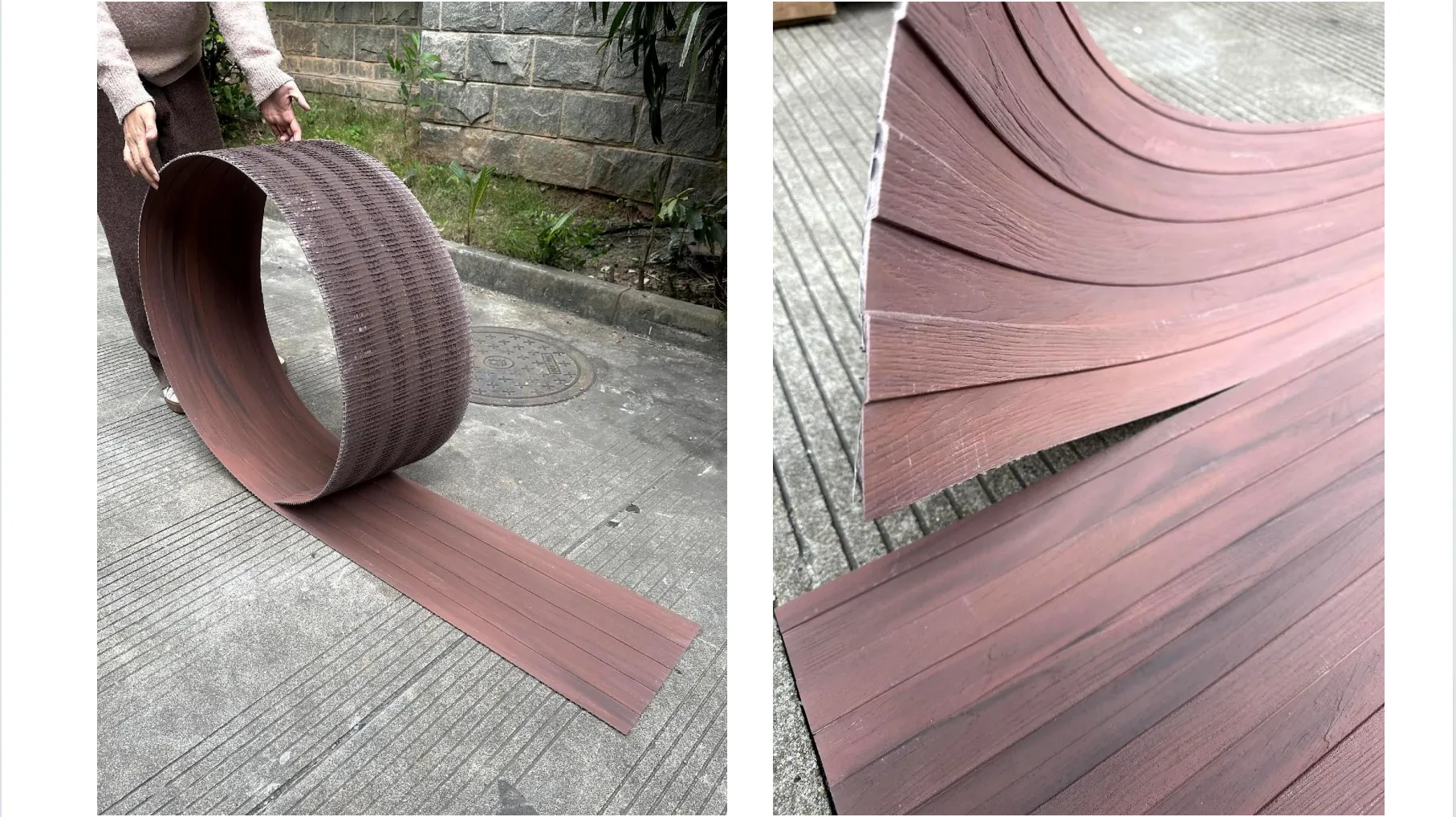
Okay, so it's not technically "wood," but flexible stone deserves a spot here for its ability to mimic natural textures—including wood—with stunning accuracy. Made from lightweight, flexible materials that replicate the look of stone, wood, or even metal, flexible stone is a versatile option for commercial fences that want to make a statement. Imagine a boutique hotel with a fence that looks like stacked stone but weighs a fraction of the real thing, or a restaurant patio enclosed by panels that mimic reclaimed barn wood, adding instant character without the upkeep of actual aged lumber.
Flexible stone's lightweight nature also makes it ideal for projects where structural weight is a concern, like rooftop gardens or elevated patios. And because it's resistant to fading and scratching, it maintains its beauty even in high-traffic commercial settings. When paired with wood fence real photos , flexible stone offers a "best of both worlds" scenario: the warmth of wood with the texture of natural stone, all in a durable, cost-effective package.
For commercial projects, budget is always top of mind. To help you decide which material is right for your needs, let's break down the costs of traditional wood, wood concrete board, wood-cement board, and flexible stone. All figures are approximate and based on real photos and case studies from recent commercial projects:
| Material | Initial Cost (Per Linear Foot) | Maintenance Cost (Annual) | Lifespan (Years) | Best For |
|---|---|---|---|---|
| Traditional Wood (Cedar) | $25–$45 | $5–$10 (staining/sealing) | 10–15 | Temporary projects, low-budget aesthetics |
| Wood Concrete Board | $35–$55 | $1–$3 (occasional cleaning) | 25–30+ | High-traffic areas, harsh climates |
| Wood-Cement Board | $30–$50 | $0–$2 (no sealing needed) | 20–25 | Eco-friendly projects, modern aesthetics |
| Flexible Stone (Wood Texture) | $40–$60 | $0–$1 (water-resistant, no maintenance) | 30–40+ | Statement pieces, rooftop/elevated areas |
As the table shows, while traditional wood has a lower upfront cost, its short lifespan and higher maintenance expenses make it less cost-effective over time. Wood concrete board and wood-cement board, on the other hand, offer a balance of initial affordability and long-term durability, making them smart choices for commercial projects with a 5+ year horizon. Flexible stone, though pricier upfront, is virtually maintenance-free and can last decades, making it ideal for high-end projects or businesses looking to invest in a "set it and forget it" solution.
Numbers and specs tell part of the story, but real photos bring these materials to life. Let's explore a few standout commercial projects where wood-inspired fences have made a tangible difference:
A popular brewery in downtown Portland wanted to expand its outdoor seating area but needed a fence that could withstand Oregon's rainy winters and complement its industrial-chic vibe. They chose wood concrete board in a dark walnut stain, with horizontal slats spaced 2 inches apart for visibility and airflow. Wood concrete board real photos of the finished project show a warm, inviting space where the fence acts as a backdrop for string lights and potted plants, while its durability means the brewery hasn't had to replace a single board in three years—even after multiple storms.
A luxury boutique hotel in Santa Fe wanted a fence that felt "of the land"—rustic, textured, and in harmony with the desert landscape. They opted for flexible stone panels that mimic the look of reclaimed oak, with a weathered gray finish. Real photos of the courtyard show the fence winding around a central fire pit, its rough-hewn texture pairing perfectly with adobe walls and native plants. Guests often comment on how the fence makes the space feel "private yet connected to nature," and the hotel reports a 20% increase in courtyard bookings since the renovation.
A Silicon Valley tech firm wanted to create a "work-from-anywhere" campus with outdoor meeting spaces and walking paths. They needed a fence that was sleek, sustainable, and low-maintenance. Wood-cement board in a light ash color fit the bill, with vertical slats and a smooth finish that complemented the campus's modern architecture. Wood-cement board real photos highlight how the fence blends into the landscape, creating defined zones without feeling closed off. Employees now use the fenced paths for impromptu meetings, and the HR team notes that the outdoor spaces have become a key selling point for recruiting top talent.
Even the best materials won't perform well without proper installation. For commercial projects, hiring a professional contractor with experience in wood concrete board, wood-cement board, or flexible stone is a must—but here are a few key tips to ensure the process goes smoothly:
One of the biggest advantages of modern wood-inspired fences is their low maintenance—but a little care goes a long way in preserving their beauty. Here's how to keep your fence in top shape:
Commercial design is about more than just function—it's about creating spaces that resonate with people. Wood fences, whether made from traditional lumber, wood concrete board , wood-cement board , or flexible stone , offer a unique blend of warmth, versatility, and value that's hard to match. They transform ordinary outdoor areas into inviting extensions of your brand, all while staying within budget and standing the test of time.
And with real photos of completed projects, you don't have to guess how these materials will look in your space—you can see it for yourself. Whether you're designing a café patio, a corporate campus, or a hotel courtyard, wood fences are more than just a boundary; they're a statement. A statement that says, "We care about beauty, durability, and the people who use this space."
Ready to transform your commercial project? Start by exploring wood fence real photos , wood concrete board real photos , and wood-cement board real photos —and let the inspiration begin.
Recommend Products












