
There's something inherently welcoming about a well-crafted gate. It's more than just a barrier between the outside world and the sanctuary of home—it's the first chapter of a story, a silent greeting that sets the tone for what lies beyond. Whether you're strolling through a tree-lined neighborhood at dawn or pulling into your driveway after a long day, the right gate doesn't just catch your eye; it tugs at something softer, a sense of belonging, of care put into the details. In this exploration of wood fence gate designs, we'll wander through textures, colors, and craftsmanship that turn ordinary entryways into memorable moments. From the warm grain of natural wood to the intricate patterns of woven materials, these designs don't just "complement" a home—they complete it.
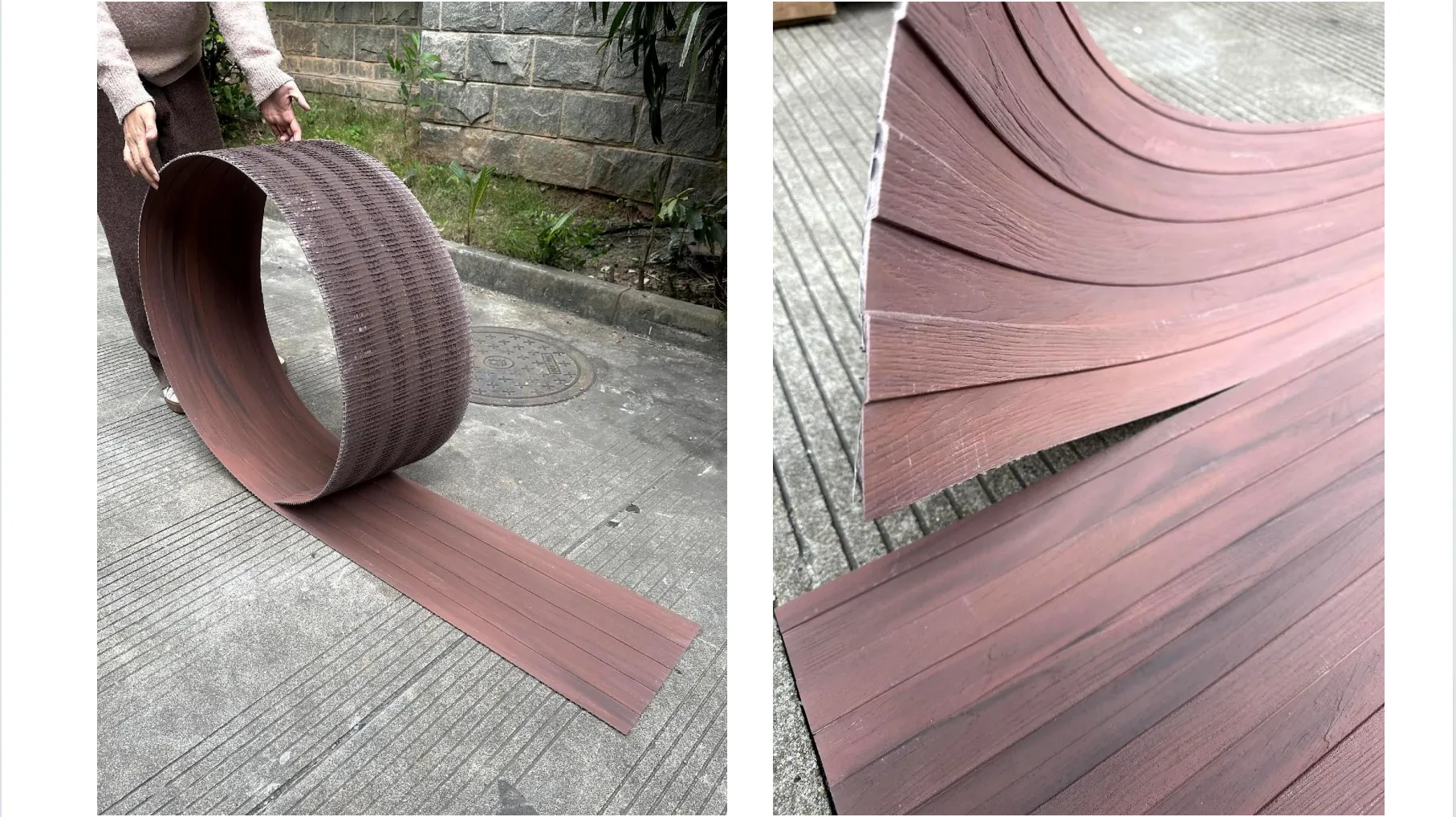
When we think of wood fences, our minds often drift to classic picket styles or sturdy privacy slats, but modern design has expanded the possibilities into a rich tapestry of textures. Take, for example, the wood line pattern—a design that celebrates the vertical rhythm of timber. Unlike uniform planks, wood line gates play with varying widths and slight gaps, allowing sunlight to dapple through in the morning and casting gentle shadows in the evening. Imagine running your hand along the edges: smooth yet tactile, each line telling the story of the tree it came from, the seasons it weathered, the growth rings hidden just beneath the surface. It's a design that feels both intentional and organic, like a forest path lined with saplings reaching for the sky.
For those drawn to more artisanal touches, bamboo mat board offers a sustainable twist on traditional wood. Bamboo, with its rapid growth and natural resistance to pests, is a choice that aligns with eco-conscious living, but its aesthetic appeal is equally compelling. A bamboo mat board gate often features a woven lattice pattern, where thin strips of bamboo are crisscrossed and secured, creating a delicate yet durable screen. The texture here is striking: the slight curve of each bamboo strip, the way light filters through the gaps to create a dance of light and shadow on the ground below. It's a material that feels both earthy and refined, perfect for a home that values warmth without sacrificing modernity. In a neighborhood where most gates blend into the background, a bamboo mat board entryway stands out like a haiku—short, simple, and deeply evocative.
Then there's weaving (beige) —a detail that adds softness to wood's natural ruggedness. Weaving, in this context, isn't just about function; it's about adding layers of texture that invite touch and contemplation. A beige woven panel, perhaps integrated into the lower half of a wood line gate, introduces a neutral warmth that complements the wood's natural tones. Think of it as a textile for the outdoors: the way the fibers (often made from recycled materials or natural jute) interlace, creating a pattern that's both ordered and slightly imperfect. It's the kind of gate that makes you pause, leaning in to trace the weave with your eyes, wondering about the hands that crafted it. In a world of sleek, mass-produced designs, weaving (beige) feels personal, like a handwritten note in a stack of emails.
Choosing the right material for your gate isn't just about durability—it's about finding a texture that speaks to your home's personality. To help navigate the options, here's a closer look at how wood line, bamboo mat board, and weaving (beige) stack up in terms of feel, style, and suitability:
| Material | Texture Profile | Best For... | Color Palette |
|---|---|---|---|
| Wood Line | Vertical, linear grooves with subtle variations in plank width; smooth to the touch with visible grain patterns. | Traditional cottages, modern farmhouses, or homes with a connection to nature. Pairs well with stone walkways and flowering shrubs. | Natural wood tones (oak, cedar, pine), with options to stain in honey, walnut, or driftwood gray for a weathered look. |
| Bamboo Mat Board | Woven lattice with thin, flexible strips; lightweight yet sturdy, with a slight sheen from bamboo's natural oils. | Eco-friendly homes, tropical-inspired architecture, or spaces aiming for a minimalist, Zen-like vibe. Complements large windows and indoor-outdoor living areas. | Natural bamboo (pale yellow-green), carbonized bamboo (rich amber), or painted in soft whites or greens for a fresh twist. |
| Weaving (Beige) | Soft, interlaced fibers with a tactile, textile-like surface; slightly plush compared to wood or bamboo. | Cozy bungalows, cottage-style homes, or entryways that need a pop of warmth without bold color. Works well with potted plants and vintage decor. | Warm beige, sand, or oatmeal, often paired with natural wood frames in oak or maple for contrast. |
Every gate has a story, and the best ones are those that reflect the people who live behind them. Take, for instance, the Miller family, who chose a wood line gate for their 1920s craftsman home in Portland. "We wanted something that felt like it had always been there," Mrs. Miller explained, "but with a modern edge." Their gate, made from reclaimed cedar with varying plank widths, features a subtle arch at the top, echoing the home's original doorways. The wood line pattern, they say, makes the gate feel "alive"—in the summer, when their wisteria vines wind through the gaps, it becomes a living wall of green and purple. "Neighbors stop to take photos sometimes," Mr. Miller laughs. "Who knew a gate could be a conversation starter?"
Across town, the Chen household opted for bamboo mat board for their urban courtyard. "We live in a small space, so every inch counts," Mr. Chen said. "The bamboo mat board gate doesn't block light, which keeps our courtyard bright, but it still gives us privacy." What they love most, though, is how it changes with the seasons. In spring, when their cherry tree blooms, the pink petals fall onto the bamboo, sticking to the woven surface like confetti. In winter, frost collects on the edges, turning the gate into a delicate lacework of ice. "It's like having a new piece of art every few months," Mrs. Chen added. "We didn't just buy a gate—we bought a front-row seat to the seasons."
And then there's Maria, a textile designer who incorporated weaving (beige) into her gate design. "I spend my days working with fabrics, so why not bring that into my home?" she said. Her gate, a combination of oak wood line and woven jute panels in soft beige, was inspired by the traditional textiles of her grandmother's village in Mexico. "The weaving pattern is a simplified version of a rug my abuela made," Maria explained, running a hand over the fibers. "Every time I unlock the gate, I feel like I'm carrying a piece of her with me." For Maria, the gate isn't just functional—it's a bridge between past and present, a way to honor her roots while building a future in her new home.
A gate is never an island; it's part of a larger narrative that includes your home's architecture, landscaping, and even the neighborhood vibe. A wood line gate, for example, pairs beautifully with a craftsman home's exposed rafters and stone chimney, echoing the home's emphasis on natural materials and handcrafted details. Add a few potted herbs along the fence line—rosemary, thyme, lavender—and suddenly the gate becomes the gateway to a cottage garden, where every sense is engaged (the smell of herbs, the sight of flowers, the feel of wood under your fingertips).
Bamboo mat board, on the other hand, shines in modern or minimalist settings. Imagine a sleek, white stucco home with floor-to-ceiling windows; a bamboo gate, stained a deep espresso, adds warmth without overwhelming the home's clean lines. Flank the gate with tall, slender grasses, and you've created a Zen-inspired entry that feels calm and intentional. It's a design that says, "This home values simplicity, but not at the expense of soul."
Weaving (beige) is a chameleon, adapting to almost any style. In a coastal home, paired with weathered wood and seafoam green trim, it evokes sandy beaches and driftwood. In a mountain cabin, combined with rough-hewn logs and a stone pathway, it adds a touch of softness to the rugged landscape. Even in a city townhouse, a weaving (beige) panel integrated into a wrought-iron gate brings a cozy, cottage-like feel to an otherwise urban setting. The key, designers say, is balance—letting the gate's texture play off the home's features rather than compete with them.
Consider, too, the role of color. A wood line gate in natural cedar complements a brick home with warm red tones, while a bamboo mat board gate in carbonized amber pairs beautifully with a gray shingle roof. Weaving (beige), with its neutral palette, acts as a bridge between bold and subtle—if your home is painted a vibrant blue, a beige woven panel can tone down the intensity, making the entryway feel inviting rather than overwhelming. It's all about harmony: the gate should feel like a natural extension of the home, not an afterthought.
A gate, like any relationship, thrives with a little care. Wood line gates, while durable, require regular maintenance to keep them looking their best. "Cedar and redwood are naturally resistant to rot, but even they need attention," says Tom, a local fence builder with over 20 years of experience. "I tell clients to clean their wood gates with a mild soap and water solution once a year, then apply a fresh coat of sealant or stain. It's like putting sunscreen on your skin—prevention is easier than repair." For those in rainy climates, he recommends adding a sloped cap to the top of the gate to redirect water, preventing pooling and warping over time.
Bamboo mat board, while low-maintenance, benefits from occasional cleaning as well. "Bamboo doesn't absorb water like wood, but dust and debris can build up in the woven gaps," Tom notes. "A quick rinse with a garden hose every few months is usually enough. Avoid power washing, though—the high pressure can damage the bamboo strips." For extra protection, some homeowners apply a clear outdoor sealant, which helps preserve the bamboo's natural color and prevents fading from UV rays.
Weaving (beige) panels, often made from synthetic fibers or treated natural materials, are the easiest to care for. "Most woven panels are designed to withstand the elements, but if they start to look dingy, a soft brush and soapy water will do the trick," Tom says. "Just make sure to let them air dry completely before closing the gate—moisture trapped between the fibers can lead to mildew." He adds that checking the hardware (hinges, latches, screws) is crucial for any gate. "A loose hinge can throw off the gate's alignment, leading to sagging or sticking. Tighten screws every six months, and lubricate hinges with a silicone spray to keep them operating smoothly."
But maintenance isn't just about preserving the gate's appearance—it's about preserving the memories it holds. "I had a client once who refused to replace her old wood line gate, even though it had a few cracks and a slight warp," Tom recalls. "She told me, 'That gate was here when my kids learned to ride bikes, when my husband proposed, when we brought our first grandbaby home.'" In the end, they repaired the gate instead of replacing it, filling the cracks with wood filler and restaining it to match the original color. "Now it has even more character," Tom smiles. "Gates aren't just made of wood or bamboo—they're made of moments. And moments, like good design, are worth preserving."
In the end, a gate is more than a collection of materials or a design choice—it's a reflection of who you are. Whether you choose the linear warmth of wood line, the sustainable charm of bamboo mat board, or the soft texture of weaving (beige), your gate sends a message to the world: This is a home that values beauty, that cares about details, that welcomes with open arms. It's the first step into your sanctuary, the threshold between the chaos of the outside world and the peace within.
So the next time you pass by a gate that catches your eye, take a moment to appreciate it. Notice the way the light hits the wood, the pattern of the weave, the way it complements the home behind it. And when it comes time to choose your own, remember: the best gates aren't just built—they're lived in . They creak a little when you open them, they collect raindrops and fallen leaves, they hold the handprints of children and the scratch marks of curious pets. They become part of your story, one that starts the moment someone walks up the path and thinks, "I can't wait to see what's inside."
Because at the end of the day, a gate isn't just about keeping the world out—it's about letting the right things in: light, love, and the quiet joy of coming home.
Recommend Products












