
There's something inherently comforting about coming home to a house that feels like it belongs—where the exterior doesn't just shield you from the elements, but tells a story. For decades, wood fences and siding have been the go-to for that "homey" vibe. But let's be real: traditional wood has its downsides. It fades, warps, and demands constant upkeep, not to mention the environmental cost of harvesting old-growth trees. These days, though, homeowners and designers are reimagining what "warmth" and "sustainability" look like, and the results are nothing short of inspiring. Let's dive into the world of eco-friendly exterior materials that blend the timeless allure of wood with cutting-edge innovation—no tree required.
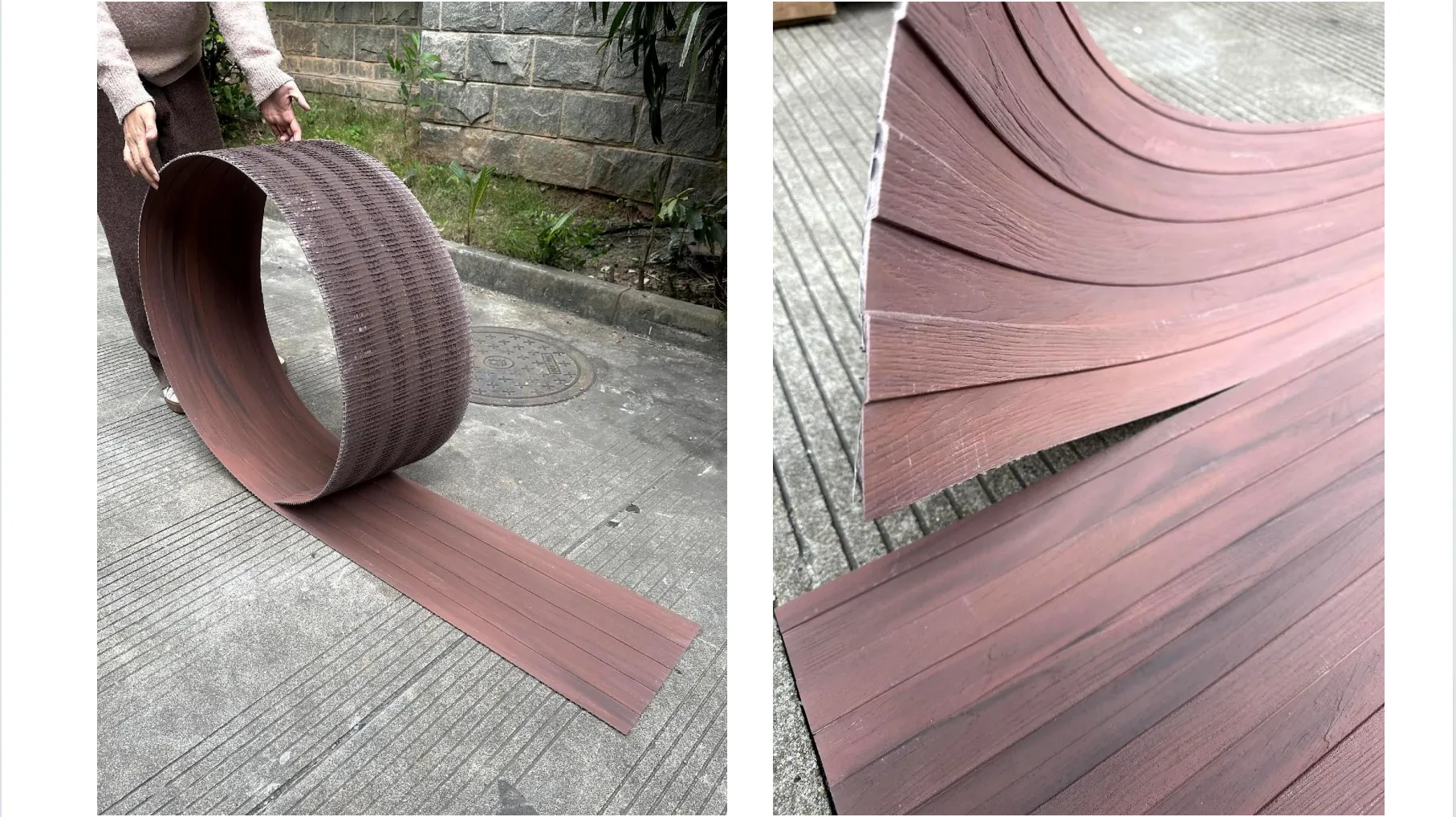
Before we jump into alternatives, let's talk about why wood has held such a grip on our collective imagination. It's the texture—the way light plays on its grain, the subtle variations in tone that make every plank unique. It's the warmth, too; wood feels organic, like a bridge between our homes and the natural world. But here's the good news: you don't need to fell a forest to get that look. Today's eco-friendly materials are so advanced, they mimic wood's charm while outperforming it in durability and sustainability. Take bamboo mat board , for example. Bamboo is one of the fastest-growing plants on Earth, maturing in just 3–5 years (compared to decades for trees), and it regenerates without replanting. When crafted into panels, it brings that same woven, tactile quality of a classic wood fence but with a modern twist—think soft, earthy tones and a texture that invites you to reach out and touch it.
Then there's wood grain board , which takes things a step further. Using recycled wood fibers mixed with eco-resins, manufacturers can replicate the intricate patterns of oak, cedar, or pine so faithfully, you'd swear it was the real deal. But unlike traditional wood, it won't rot in the rain, crack in the sun, or become a buffet for termites. I recently visited a home in Portland where the homeowner swapped their old cedar fence for wood grain board in a warm claybank hue, and you know what? Their neighbors still stop to compliment the "gorgeous woodwork." Little do they know, that fence will look just as good in 20 years with nothing more than an occasional hose-down.
While wood-inspired materials are a crowd-pleaser, some homeowners are leaning into bold, modern aesthetics—proving sustainability doesn't have to play it safe. Let's talk about fair-faced concrete . You might picture cold, industrial gray, but fair-faced concrete is having a moment, and for good reason. It's made with recycled aggregates (think crushed concrete from old buildings or slag from steel production), reducing the need for virgin materials. What I love most is its raw, unapologetic texture—small air bubbles, subtle color variations, and a matte finish that softens in sunlight. It's low-maintenance, too; no painting, no sealing, just a quick rinse now and then. A friend in Chicago used it for their home's exterior walls, pairing it with black metal accents, and the result is stunning—modern but grounded, like a piece of art that happens to be a house.
If you're craving something with a bit more shine, foamed aluminium alloy board (vintage silver) is a showstopper. Aluminium is 100% recyclable, and the foaming process (which injects air bubbles into the alloy) makes it lightweight yet surprisingly strong. The vintage silver finish has this beautiful, aged patina—think old silverware that's been loved for years—adding a touch of elegance without feeling flashy. It's also incredibly durable: resistant to rust, corrosion, and even fire. I saw a beach house in California use it for exterior cladding, and it stood up to salt spray and high winds like a champ. Plus, since it's lightweight, it puts less strain on the building's structure—another win for longevity.
For those who love natural stone but want something more sustainable than quarried marble, travertine deserves a spot on your radar. Travertine is a form of limestone formed by mineral-rich water, and when sourced responsibly (look for suppliers with ethical mining practices), it's a renewable resource. What makes it special? Its porous, honeycomb-like texture, which comes in a rainbow of hues, from soft beiges to bold travertine (starry blue) —a deep, cosmic shade flecked with mineral deposits that look like stars. It's surprisingly lightweight for stone, making installation easier, and it ages beautifully, developing a rich patina over time. A designer I worked with used travertine (vintage gold) for a patio border, and it paired stunningly with wood concrete board (light grey) siding—warm gold tones against cool grey, creating a balance that felt both luxurious and grounded.
Meet Sarah and Mike, who wanted to build a modern farmhouse in upstate New York that felt cozy but didn't compromise on sustainability. They fell in love with the look of a traditional split-rail fence but were worried about maintenance (upstate winters are harsh!). Their solution? bamboo mat board . They chose a natural, light brown shade and installed it horizontally along their property line, pairing it with black metal posts for contrast. "We were blown away by how much it looks like real wood," Sarah told me. "Our kids love running their hands over the woven texture, and we haven't had to do a thing to maintain it—no sanding, no staining, just an occasional wash. Plus, knowing bamboo grows so quickly makes us feel good about our choice." The board's flexibility also came in handy when they curved a section of the fence around a mature oak tree, preserving the tree while keeping their yard enclosed.
In the heart of Brooklyn, where space is tight and style is everything, James, a graphic designer, wanted his townhouse to stand out. He'd seen fair-faced concrete in architecture magazines and was drawn to its raw, minimalist vibe. "I wanted something that felt modern but not cold," he said. He used fair-faced concrete panels for the exterior walls, leaving the natural texture exposed, and added wood grain board (dark grey) accents around the windows and doorframe. The result? A striking contrast of rough and smooth, industrial and warm. "People walk by and stop to take photos," James laughed. "They can't believe it's concrete—it looks so intentional, like a piece of art." And since concrete is a great insulator, his heating bills dropped by 15% in the first winter. Who said sustainability can't be stylish?
| Material Name | Sustainability Features | Aesthetic Qualities | Ideal For |
|---|---|---|---|
| Bamboo Mat Board | Fast-growing, regenerative, low embodied carbon | Woven texture, warm earthy tones, natural variation | Rustic, farmhouse, or tropical-style homes; fences and privacy screens |
| Wood Concrete Board (Light Grey) | Recycled wood fibers, low VOC emissions, durable (50+ year lifespan) | Smooth wood grain pattern, soft grey hue, matte finish | Modern, Scandinavian, or industrial homes; siding and accent walls |
| Fair-Faced Concrete | Recycled aggregates, energy-efficient (excellent insulator), minimal maintenance | Raw, porous texture, neutral gray tones, industrial chic | Urban, minimalist, or contemporary homes; walls and large panels |
| Foamed Aluminium Alloy Board (Vintage Silver) | 100% recyclable, lightweight (reduces structural stress), corrosion-resistant | Aged silver patina, sleek metallic finish, subtle texture | Modern, coastal, or luxury homes; cladding and decorative panels |
| Travertine (Starry Blue) | Responsibly sourced, natural mineral formation, biodegradable | Porous, honeycomb texture, deep blue with mineral "stars," earthy yet bold | Mediterranean, bohemian, or accent features; patios, borders, and focal walls |
With so many options, how do you pick the perfect material? Start by considering your climate. If you live in a rainy area, wood concrete board or fair-faced concrete will resist moisture better than traditional wood. In coastal regions, foamed aluminium alloy board is a smart choice for its rust resistance. Next, think about your home's architectural style. A farmhouse might shine with bamboo mat board , while a modernist home could rock travertine (vintage black) for drama.
Budget is another factor, but remember: sustainable materials often save money in the long run. That bamboo mat board might cost a bit more upfront than pressure-treated pine, but you'll never pay for staining or replacement. And don't forget maintenance—if you're short on time, opt for low-effort options like fair-faced concrete or foamed aluminium alloy board. Finally, trust your gut. The best material is one that makes you smile every time you pull into your driveway—because sustainability should feel good, inside and out.
Gone are the days when "eco-friendly" meant sacrificing style. Today's exterior materials are proof that sustainability and beauty can go hand in hand—whether you're drawn to the woven warmth of bamboo mat board , the industrial edge of fair-faced concrete, or the cosmic allure of travertine (starry blue) . These materials don't just build homes; they build legacies—homes that stand strong for decades, reduce our carbon footprint, and tell stories of innovation and care. So the next time you dream of upgrading your home's exterior, remember: the best choice isn't just about how it looks, but how it lives—for you, for your family, and for the planet we all call home.
Recommend Products












