
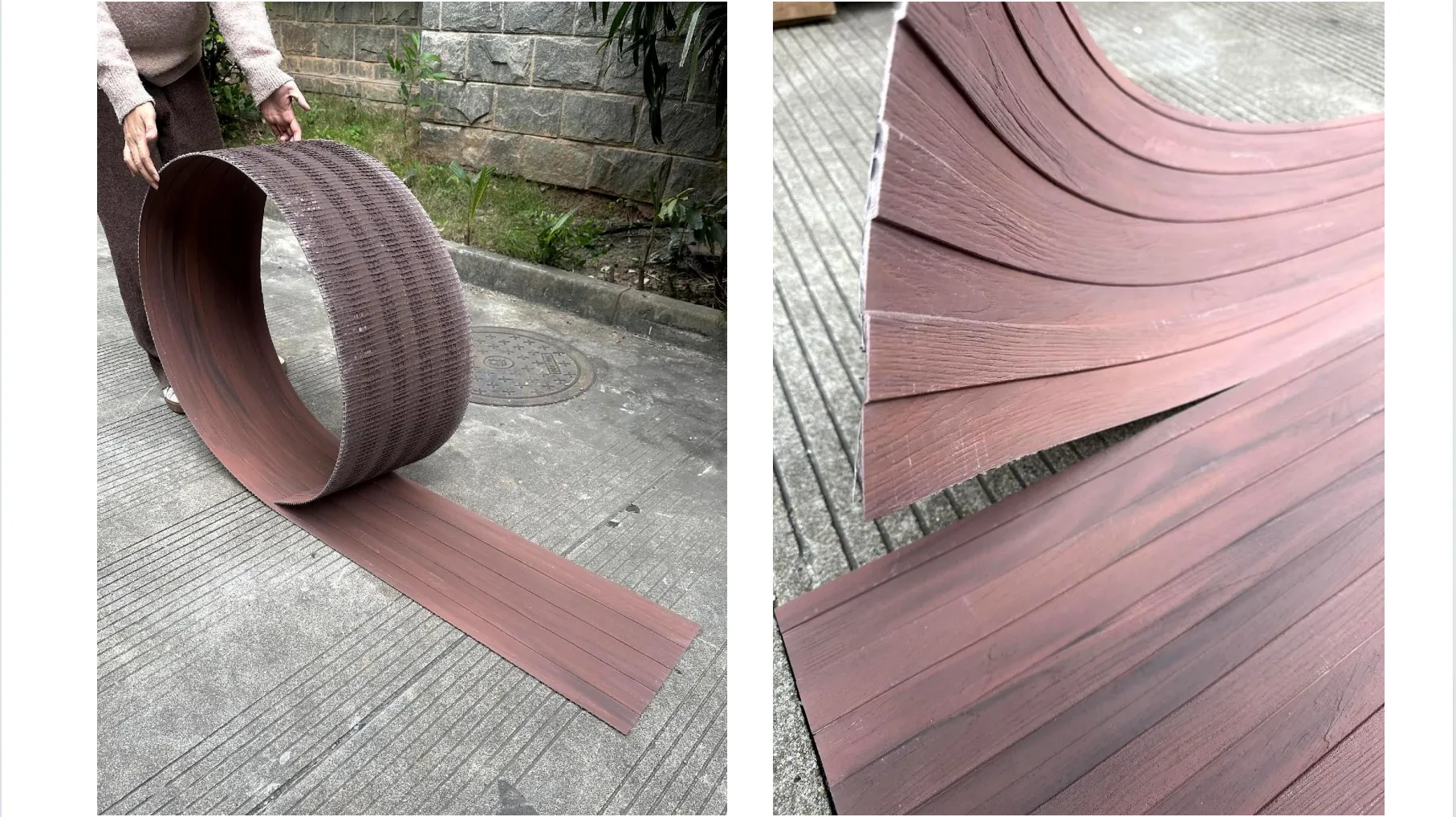
Walk through any suburban neighborhood, and you'll likely spot the telltale signs of traditional wood fence struggles: split pickets, graying planks, or gaps where rot has eaten away at the base. For decades, wood has been the go-to for fencing, prized for its natural warmth and versatility. But as Sarah and countless others have learned, its beauty often comes with a steep price—literally and figuratively. "I replaced my pine fence three times in 15 years," says Mike, a contractor in Austin, Texas. "Each time, clients thought, 'This time, we'll maintain it better!' But life gets busy, and Texas sun and humidity don't wait. Within two years, the wood would start to warp; by five, it was looking ragged."
The issues with traditional wood are well-documented: it's prone to rot, insect infestations, and color fading. Even pressure-treated options, while more resistant, still require regular sealing and can leach chemicals into the soil. And when it comes to customization? Choices are often limited to a handful of wood types (cedar, pine, redwood) and basic stains. "Clients would ask for a specific shade of 'honey oak' or a weathered 'driftwood' look, and I'd have to explain that wood doesn't come in a paint swatch book," Mike adds. "You're at the mercy of the tree's natural grain and how it ages."
Then there's the installation hurdle. Solid wood is heavy, making it tricky to maneuver for intricate designs or sloped yards. "I once had a client who wanted a curved fence to follow their garden path," Mike remembers. "We had to steam the wood for hours to bend it, and even then, it cracked in three places. It was a nightmare." For designers and homeowners craving something beyond the standard picket or privacy fence—something that reflects their unique style—traditional wood often feels like a box, not a canvas.
COLORIA MCM isn't just a material—it's a revolution in how we think about building exteriors. Short for Modified Composite Material, MCM is a lightweight, flexible cladding solution made by bonding natural minerals (like stone or wood fibers) with high-performance polymers. The result? A material that looks and feels like natural wood (or stone, or metal) but with superpowers: it's water-resistant, UV-stable, fire-retardant, and virtually maintenance-free. And when it comes to fencing, COLORIA MCM has unlocked a world of possibilities—especially for those dreaming of a custom wood-inspired look.
At the heart of COLORIA's fencing lineup are two standout stars: wood grain board and bamboo mat board. These aren't your average "faux wood" panels. "The first time I ran my hand over the wood grain board, I couldn't believe it wasn't real," says Lila, an interior designer in Colorado. "The texture is so authentic—you can see the knots, the variation in the grain, even the subtle color shifts that make wood feel alive. But unlike real wood, it doesn't splinter, and it won't absorb moisture. That's a game-changer for high-traffic areas, like a fence around a kids' play yard."
Then there's mcm flexible stone, a material that adds another layer of versatility. "Flexible stone is thin and bendable, so you can wrap it around posts, create curved sections, or even add 3D accents to your fence," explains Raj, a COLORIA product specialist. "Imagine a wood grain fence with stone accents along the top rail—suddenly, you've got a hybrid design that feels both organic and modern. And because it's so lightweight, installation is a breeze compared to real stone. We've had clients use it to create everything from sleek, minimalist fences to rustic, 'cabin in the woods' styles—all without the weight or cost of traditional materials."
If you're craving the look of wood but want the durability of MCM, COLORIA's wood grain board and bamboo mat board are your starting points. Let's break down what makes each unique—and how they can transform your fence into a one-of-a-kind statement piece.
COLORIA's wood grain board is a love letter to natural wood—minus the flaws. Using advanced 3D printing technology, the material replicates the intricate details of oak, pine, cedar, and even reclaimed barn wood, right down to the tiny cracks and grain patterns that make each plank feel unique. "We had a client who wanted a fence that matched the weathered barn wood of their property's original 1920s outbuilding," says Raj. "With traditional wood, we would have had to source reclaimed planks, which are expensive and inconsistent. With wood grain board, we could scan the original barn wood, match the texture and color exactly, and produce uniform panels that looked like they'd been there for a century—without the rot or termite damage."
The color range is equally impressive. From warm "honey wheat" to deep "coffee bean" to weathered "driftwood gray," there's a shade to complement any home style. And unlike real wood, which fades unevenly, COLORIA's wood grain board is treated with UV-resistant pigments that lock in color for decades. "I installed a wood grain fence for a client in Arizona five years ago," Mike notes. "Last month, I drove by, and it still looks like the day we put it up. No fading, no warping—just that rich, warm tone they fell in love with."
For those drawn to the organic, woven look of bamboo, COLORIA's bamboo mat board is a revelation. Mimicking the natural weave of bamboo strips, this material adds texture and movement to fences, evoking tropical gardens or serene Asian-inspired landscapes. "My client wanted a fence that felt like a 'screen' rather than a barrier—something that let light through but still provided privacy," says Lila, the Colorado designer. "Bamboo mat board was perfect. The woven pattern creates dappled shadows in the afternoon, and the warm, golden-brown color pairs beautifully with their succulent garden. Plus, unlike real bamboo, which can splinter and attract pests, this stuff is smooth to the touch and totally bug-proof."
Bamboo mat board also shines in custom designs. "We've used it to create lattice panels, decorative insets, and even 'living walls' by adding planter boxes at the base," Raj explains. "One client combined bamboo mat board with mcm flexible stone in a 'rock and bamboo' theme, and the result was stunning—a fence that looked like it belonged in a high-end resort." And because it's lightweight and flexible, it's easy to cut into custom shapes, making it ideal for homeowners who want to add personal touches, like monograms or geometric patterns.
While wood grain and bamboo mat boards are the stars of the show, mcm flexible stone plays a crucial supporting role, adding contrast, texture, and durability to custom fence designs. "Think of it as the 'accent wall' of fencing," Raj says. "You can use it to frame a wood grain fence, create a stone base for bamboo mat panels, or even add decorative borders that make the fence feel like a work of art."
What makes mcm flexible stone so special? Its flexibility, for starters. Unlike rigid natural stone, which is heavy and hard to shape, MCM flexible stone is thin (as little as 3mm thick) and bendable, allowing it to conform to curves, angles, and even 3D designs. "I had a client who wanted a fence with a 'wave' pattern along the top," Mike recalls. "With traditional stone, that would have been impossible—too heavy, too brittle. But with mcm flexible stone, we were able to bend the panels to create the wave effect. It looks incredible; people stop and take photos of it all the time."
The stone options are also surprisingly varied, from smooth "river rock" textures to rough "slate" finishes, and colors ranging from "ivory limestone" to "charcoal granite." "We paired wood grain board with flexible stone in 'sandstone beige' for a client in New Mexico, and it looks like it was carved from the desert landscape," Lila says. "The combination of warm wood and earthy stone creates a fence that feels rooted in its environment—like it's always been there."
| Feature | Traditional Wood Fence | COLORIA MCM Wood Grain/Bamboo Mat Fence |
|---|---|---|
| Durability | Prone to rot, warping, and insect damage; typically lasts 5-10 years with maintenance. | Water-resistant, UV-stable, and insect-proof; lasts 30+ years with minimal upkeep. |
| Maintenance | Requires annual staining/sealing; regular cleaning to prevent mold/mildew. | Wipe clean with soap and water; no staining, sealing, or painting needed. |
| Customization | Limited to wood type and stain color; hard to achieve uniform or unique textures. | Endless options: custom colors, textures (wood grain, bamboo weave), shapes, and accents (via mcm flexible stone). |
| Installation | Heavy and rigid; difficult to bend or cut for slopes/curves. | Lightweight and flexible; easy to cut, bend, and install on any terrain. |
| Cost Over Time | Lower upfront cost, but high long-term expenses (replacement, maintenance). | Slightly higher upfront cost, but minimal long-term costs (no replacement or maintenance fees). |
| Eco-Friendliness | Requires harvesting trees; pressure-treated options may leach chemicals. | Made from recycled minerals and polymers; no deforestation or harmful chemicals. |
At the end of the day, the proof is in the photos—and COLORIA MCM's wood fence real photos tell a story of transformation. Take Sarah, the Portland homeowner, whose bamboo mat board fence now serves as the backdrop for her backyard gatherings. "We host a lot of barbecues, and everyone comments on the fence," she says. "They can't believe it's not real bamboo. The texture is so authentic, and the way the light hits it in the morning—golden and warm—it makes the whole yard feel cozy."
Then there's the Austin family who combined wood grain board with mcm flexible stone to create a "ranch-style" fence that complements their Texas hill country home. "We wanted something that felt rustic but modern, and the wood grain with stone accents was perfect," says the homeowner, Maria. "The real photos on COLORIA's website gave us the confidence to go bold—we even added a custom 'family crest' cutout in the stone section. Now, it's not just a fence; it's a statement piece that reflects who we are."
For designers, wood fence real photos are invaluable tools. "I always share COLORIA's real project photos with clients," Lila says. "They can see exactly how the materials look in different lighting, with different home styles, and that helps them visualize their own space. One client was on the fence (pun intended) about bamboo mat board until she saw a photo of a similar home with the same material. She said, 'That's it—that's what I want!'"
In an era where eco-friendliness matters more than ever, COLORIA MCM stands out for its commitment to sustainability. Traditional wood fencing requires cutting down trees, often old-growth forests, and contributes to deforestation. Pressure-treated wood also contains chemicals like arsenic, which can leach into soil and waterways. COLORIA MCM, by contrast, is made from recycled minerals (like stone dust and glass fibers) and plant-based polymers, reducing its carbon footprint. "We source our raw materials locally whenever possible, and our manufacturing process uses 30% less energy than traditional cladding production," Raj explains. "Plus, since MCM fences last 30+ years, they reduce the need for frequent replacements—meaning less waste in landfills."
For environmentally conscious homeowners, this is a major selling point. "I chose COLORIA because I didn't want to contribute to deforestation," Sarah says. "Knowing my fence is made from recycled materials and won't end up in a landfill in 10 years gives me peace of mind. It's beautiful, durable, and eco-friendly—what more could you ask for?"
Recommend Products












