
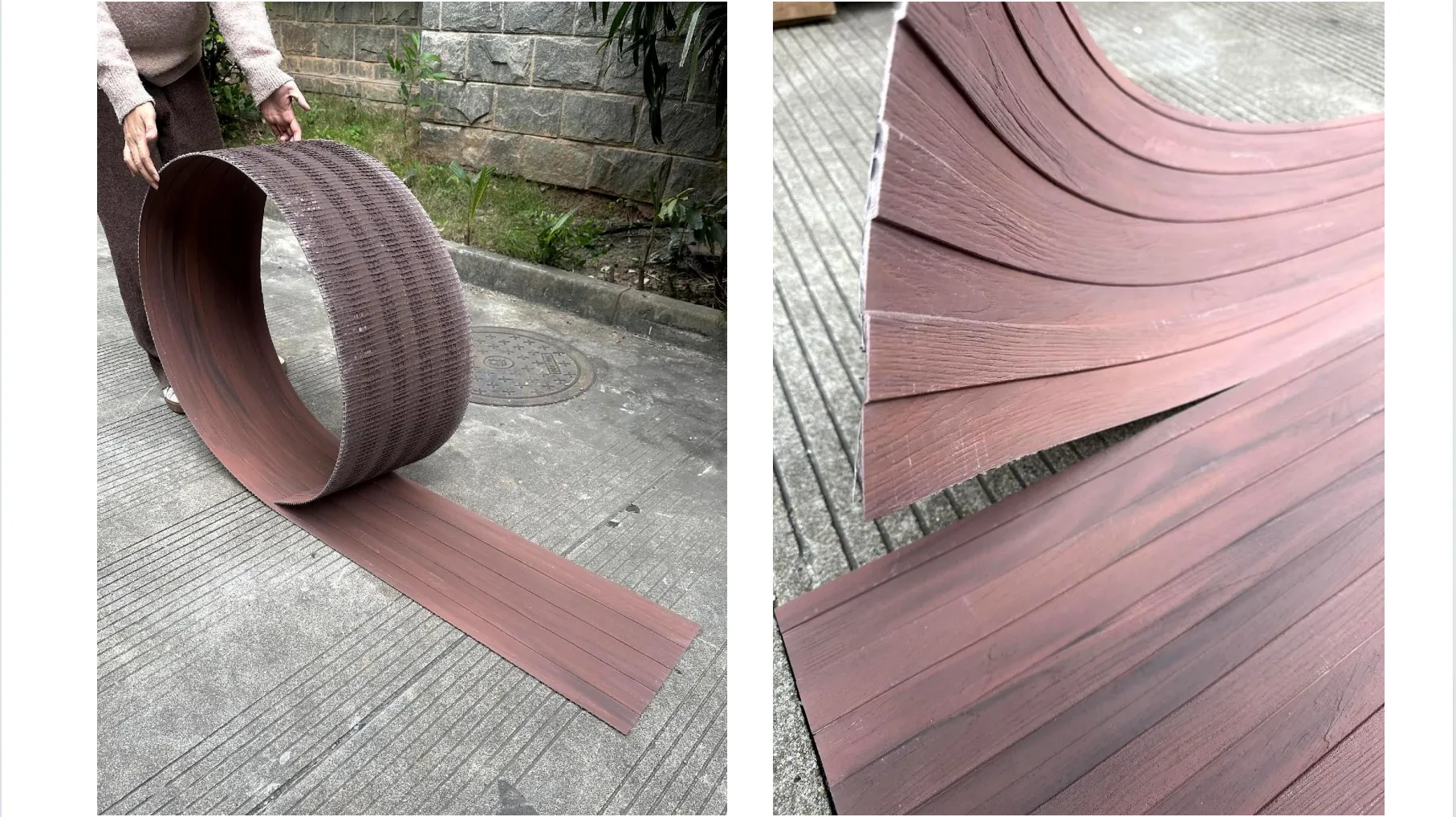
A fence isn't just a boundary—it's a statement. It frames your home, adds curb appeal, and even shapes how you feel about your space. Among all materials, wood stands out for its timeless warmth, versatility, and ability to adapt to almost any architectural style. Whether you're drawn to modern minimalism, rustic charm, or tropical vibes, there's a wood fence design that can turn your outdoor area into something truly special. Let's dive into how to choose the perfect wood fence for your home, with insights into styles, materials, and even complementary accents that elevate the look.
Wood has a unique way of connecting us to nature. Unlike cold metal or sterile concrete, wood ages gracefully—its grains deepen, its color softens, and it develops a character that only time can bring. A wood fence can make a small yard feel cozy, a large property feel inviting, and a modern home feel grounded. It's also surprisingly adaptable: stain it to match your home's exterior, leave it natural for a weathered look, or pair it with other materials to create something one-of-a-kind. For many homeowners, a wood fence isn't just a practical choice; it's an investment in a space that feels like "home."
Before falling in love with a design, take a step back and consider these practical factors. They'll ensure your fence is both beautiful and functional:
Now, let's explore some of the most popular wood fence designs, incorporating elements that add texture, personality, and even a touch of the unexpected. We'll highlight key styles and how they can work with complementary materials to make your fence stand out.
For homes with clean lines and a minimalist aesthetic, the "wood line" fence is a perfect fit. This design features vertical, evenly spaced boards with little to no gap between them, creating a smooth, unbroken "line" of wood. The result is sleek and contemporary, with a subtle rhythm that adds visual interest without overwhelming the space. Stain it in a light gray or natural tone to keep the look airy, or go bold with a deep espresso for contrast. Pair it with black metal hardware for an industrial edge, and you've got a fence that feels both modern and timeless.
If you crave a fence that feels like it's been part of the landscape for decades, the "wood grain board" design is ideal. This style uses rough-sawn or textured wood boards that highlight the natural grain, knots, and imperfections of the wood. Unlike the smooth "wood line" look, "wood grain board" fences celebrate the material's organic beauty, making them perfect for cabins, farmhouses, or homes with a rustic exterior. For added warmth, mix in horizontal and vertical boards in a staggered pattern, or add a top rail with decorative notches. To enhance the rustic vibe, consider flanking the fence posts with "historical pathfinders stone"—a weathered, earthy stone that evokes old-world charm and grounds the design in nature.
Dreaming of a backyard that feels like a vacation? Combine wood with "Bali stone" accents for a tropical-inspired fence. "Bali stone" is known for its warm, sandy tones and subtle texture, making it a natural complement to light-colored wood like pine or cedar. Use the stone to create short pillars at the fence corners, or line the base of the fence with it to add a touch of the islands. Top the fence with a lattice panel to let climbing plants like jasmine or bougainvillea weave through, and you'll have a fence that feels lush, inviting, and full of life.
For those who love classic design, a "wood grain board" fence with traditional details never goes out of style. Think alternating panel heights, decorative post caps, or a scalloped top edge. Stain the wood in a rich honey or chestnut hue to bring out the grain, and add a white picket border along the top for a touch of nostalgia. This design works beautifully with colonial, Victorian, or Cape Cod-style homes, adding a sense of history and permanence to the property.
| Design Style | Key Features | Best For | Complementary Materials |
|---|---|---|---|
| Wood Line (Modern) | Vertical, evenly spaced boards; smooth texture | Contemporary, industrial, or minimalist homes | Black metal hardware, fair-faced concrete |
| Wood Grain Board (Rustic) | Rough-sawn boards; visible knots and grain | Cabins, farmhouses, rustic cottages | Historical pathfinders stone, wrought iron accents |
| Tropical (Bali Stone Accents) | Light wood, stone pillars, lattice tops | Beach homes, tropical-inspired architecture | Bali stone, climbing plants |
| Traditional (Wood Grain Board) | Scalloped edges, decorative post caps | Colonial, Victorian, Cape Cod homes | White picket trim, brick accents |
A wood fence is an investment, and with proper care, it can last 15–20 years or more. Here are some tips to keep it in top shape:
A wood fence is more than just a barrier—it's a reflection of your style, your home's personality, and the way you want to experience your outdoor space. Whether you opt for the sleek lines of a "wood line" design, the rustic texture of "wood grain board," or the tropical flair of "Bali stone" accents, the right fence will make your home feel more welcoming, private, and uniquely yours. Take the time to consider your needs, explore different styles, and don't be afraid to mix materials—after all, the best fences are the ones that tell a story.
So, grab a cup of coffee, scroll through some real photos of wood fences (you might even spot "wood line" or "wood grain board" designs that catch your eye), and start envisioning the fence that will turn your house into a home. With a little planning and creativity, you'll have a fence that you'll love for years to come.
Recommend Products












