
Because the first hello your home sends should feel like a warm hug
Picture this: It's been a long day. You're driving down your street, tired eyes scanning for the familiar shape of your house. And there it is—but before you even see the front door, your gaze lands on the fence. Not just any fence: weathered wood slats that catch the golden hour light, a gate that creaks softly when you push it open, a texture that feels like a quiet welcome. Suddenly, the stress of the day melts a little. That's the magic of a well-designed wood fence. It's not just a boundary; it's the first chapter of your home's story.
Curb appeal isn't just about impressing neighbors or boosting resale value (though those are nice perks). It's about creating a space that makes you smile when you pull into the driveway. And when it comes to instant charm, few things deliver like a wood fence. Warm, versatile, and endlessly customizable, wood has a way of turning a plain exterior into something that feels personal—like an extension of your family's personality.
But with so many options out there, how do you choose a wood fence that doesn't just "exist" but elevates your home? In this guide, we'll walk through real-world ideas, texture tricks, and material picks (including some standout options you might not have considered yet) to help you transform your curb appeal—one slat at a time.
Let's get this out of the way: There are plenty of fence materials out there. Vinyl is low-maintenance, metal is sleek, and stone is durable. But none of them wrap your home in the same cozy embrace as wood. Wood breathes. It ages gracefully, developing a silvery patina over time that tells a story. It soaks up stain like a sponge, letting you tweak its color to match your home's siding or landscaping. And unlike cold, uniform materials, wood has texture—knots, grains, and variations that make every fence one-of-a-kind.
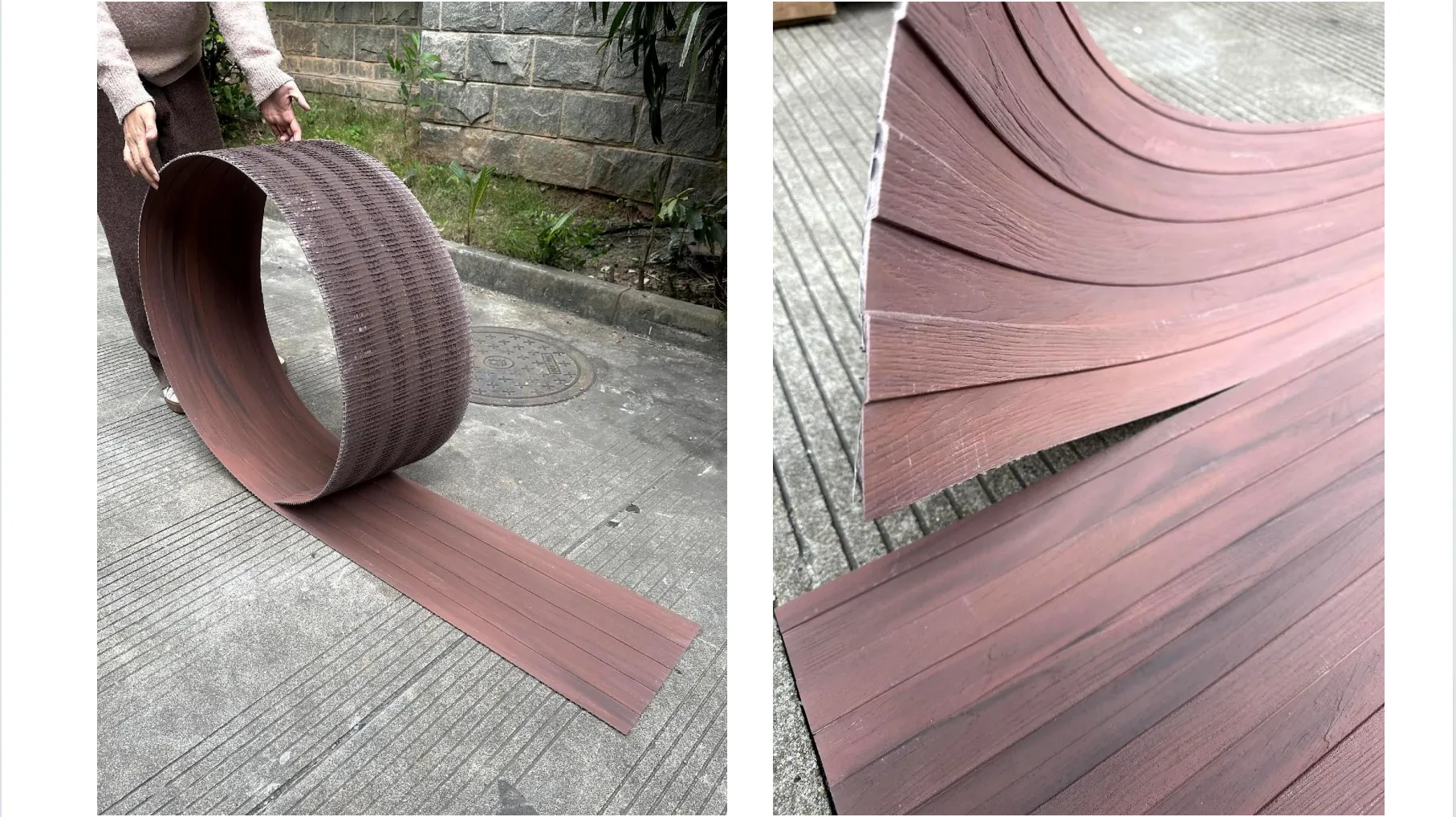
Take wood grain board , for example. Engineered to mimic the look of solid wood but with added durability, this material showcases the natural swirls and lines of real timber. Run your hand over it, and you'll feel the subtle ridges of the grain, like the fingerprint of a tree. It's the kind of detail that makes passersby pause and think, "Wow, that fence feels alive ."
Or consider bamboo mat board —a rising star in eco-friendly fencing. Bamboo grows faster than traditional wood, making it a sustainable pick, but its real appeal is in its texture. Woven into mats, it creates a delicate, almost lace-like pattern that filters sunlight and sways gently in the wind. It's not just a fence; it's a living screen that turns your yard into a private oasis.
And let's not forget the classics. White wood , stained to a soft, creamy hue, feels fresh and timeless—perfect for cottages or modern farmhouses. Pair it with black iron hardware, and you've got a look that's equal parts elegant and approachable. Meanwhile, ancient wood stain (think deep browns with hints of gray) gives a fence that "lived-in" charm, like it's been standing guard over your home for decades (even if it's brand-new).
The point is: Wood isn't just a material. It's a mood. And when it comes to curb appeal, mood matters.
Ready to dive into specific ideas? Let's break down four standout styles that blend functionality with curb appeal, each incorporating unique materials to make your fence unforgettable.
Modern farmhouses are all about balancing simplicity with coziness, and your fence should follow suit. Start with wood grain board panels—their consistent, natural texture adds warmth without overwhelming the eye. Opt for a horizontal slat design (spaced 1-2 inches apart for airflow) instead of the traditional vertical pickets; it feels fresh and contemporary, like a modern take on a classic.
To keep things from feeling too plain, add contrast with fair-faced concrete posts. These smooth, unadorned pillars (painted a soft gray or left in their natural state) ground the fence, adding an industrial edge that plays nicely with the wood's warmth. Top the posts with simple black metal caps for a polished finish, and paint the gate hardware (hinges, latch) the same black to tie it all together.
Pro tip: Stain the wood grain board a light honey color. It'll complement the concrete's cool tone and make your greenery pop—imagine climbing roses or hydrangeas winding through the slats, their blooms standing out against the fence's warm backdrop. This look works wonders for homes with white or light gray siding, but it's versatile enough to pair with brick or stone, too.
If you dream of coming home to a little slice of paradise, bamboo mat board is your secret weapon. Woven from thin bamboo strips, these mats have a delicate, almost artisanal texture that's impossible to replicate with traditional wood. When the wind blows, the slats rustle softly, creating a soothing soundtrack for your yard.
For a cohesive look, frame the bamboo mats with natural wood posts (think cedar or teak, which resist rot) and leave the bamboo in its natural color—pale gold with hints of green. If you want to add depth, alternate between solid bamboo panels and "breathable" sections (where the mats are spaced slightly apart) to let light filter through. This is especially lovely if you have a garden behind the fence; the dappled sunlight will turn your flowers into a glowing display.
Pair this fence with large potted palms or bird of paradise plants along the perimeter, and suddenly your front yard feels like a Bali-inspired retreat. It's perfect for homes with terracotta roofs, warm-toned siding, or even modern architecture—anything that could use a touch of organic softness.
For homes with a cottage, cabin, or Craftsman vibe, a rustic fence is a must. And nothing says "rustic" like ancient wood stain—a deep, weathered finish that makes new wood look like it's been standing for a century. Think of it as a shortcut to that "lived-in" charm without the wait (or the rot).
Use rough-sawn vertical pickets (look for wood with visible knots and splits—they add character!) and space them closely together for privacy. To up the texture ante, mix in a few wood line accents: thin, vertical strips of contrasting wood (like oak or maple) nailed randomly between the pickets. They'll catch the light and create visual interest, breaking up the monotony of the solid fence.
Add a gate with a diagonal crossbrace (stained the same ancient wood hue) and a wrought-iron latch for that old-world feel. Plant lavender or black-eyed Susans along the fence line—their bright colors will pop against the dark wood, making your yard feel lively and inviting. This style is all about imperfection, so embrace the "flaws"—they're what make it feel authentic.
If your home is on the smaller side, or you just love a light, airy aesthetic, white wood is the way to go. Stained or painted a crisp, clean white (avoid stark "hospital white"—opt for a soft ivory or off-white with warm undertones), this fence reflects sunlight, making your yard feel larger and more open. It's like adding a blank canvas to your exterior—one that lets your home's architecture and landscaping take center stage.
For a twist on the classic white picket fence, try a vertical slat design with narrow gaps (about ½ inch) between the slats. It offers privacy while still letting in light, and the shadows it casts on the ground throughout the day create a dynamic, ever-changing pattern. Pair it with a white gate (add a pop of color with a bright red or blue door if you're feeling bold!) and line the fence with boxwood hedges or white hydrangeas for a cohesive, garden-inspired look.
White wood fences work especially well with beachy homes, Cape Cods, or any exterior with blue, gray, or pastel accents. They're also a smart choice if your siding is dark (like navy or forest green)—the white fence will lighten things up, creating a balanced, cheerful curb appeal.
Of course, a stunning fence is only as good as the materials it's made from. When it comes to wood, not all options are created equal—you'll want something that can stand up to rain, sun, and pests while still looking great. Here's a breakdown of the best woods for fencing, including how they pair with the styles we've discussed:
| Wood Type | Best For | Durability | Stain/Paint Retention | Price Range |
|---|---|---|---|---|
| Cedar | Modern Farmhouse (wood grain board), Rustic Charm | High (naturally resistant to rot/insects) | Excellent (holds stain for 5-7 years) | Mid-Range ($$) |
| Bamboo | Tropical Getaway (bamboo mat board) | Medium-High (needs sealing to prevent moisture damage) | Good (seal annually to maintain color) | Mid-Range ($$) |
| Pine | Bright & Airy (white wood), budget-friendly options | Low-Medium (prone to rot without treatment) | Fair (needs restaining every 2-3 years) | Budget ($) |
| Redwood | Luxury rustic, any style where longevity matters | Very High (naturally rot-resistant, even in wet climates) | Excellent (weathers to a beautiful silvery gray if left unstained) | High ($$$) |
Pro tip: If you're set on pine (the most budget-friendly option), invest in pressure-treated pine. It's infused with chemicals that resist rot and insects, making it a more durable choice for fencing. Just be sure to let it dry completely before staining or painting—otherwise, the moisture trapped inside can cause the finish to peel.
A wood fence is an investment, and like any investment, it needs a little TLC to stay in top shape. The good news? With regular maintenance, your fence can look great for 15-20 years (or longer!). Here's what you need to do:
Dirt, mildew, and pollen can build up on your fence over time, making it look dull. Once a year, give it a gentle wash with a garden hose and a soft-bristle brush (avoid pressure washers—they can strip the wood). For tough mildew spots, mix equal parts water and white vinegar in a spray bottle, let it sit for 15 minutes, then scrub and rinse.
Even rot-resistant woods like cedar need protection from the elements. Staining or sealing your fence creates a barrier against moisture, UV rays, and pests. For wood grain board or white wood, opt for a clear sealant to preserve the natural color; for ancient wood stain, choose a tinted sealant in a matching hue to touch up any faded areas. Apply it on a dry, mild day (between 50-80°F) and use a brush or roller for even coverage—pay extra attention to the ends of the boards, where moisture can seep in.
Walk along your fence every spring and fall to look for loose boards, rotting wood, or leaning posts. Tighten loose screws or nails, replace any boards that are cracked or soft (poke them with a screwdriver—if it sinks in, it's time to replace), and add support to wobbly posts with concrete or metal brackets. Catching problems early prevents small issues from turning into big (expensive) repairs.
Vines, shrubs, and tree branches that touch your fence can trap moisture and attract pests. Keep plants at least 6 inches away from the fence, and trim overhanging branches to prevent them from scraping the wood during storms. Your fence (and your plants!) will thank you—they'll both get more air circulation, reducing the risk of disease.
Still not convinced a wood fence can make that big of a difference? Let's look at a few before-and-after stories from homeowners who took the plunge—and never looked back.
Sarah and Mike's 1980s split-level home had good bones, but the rusty chain-link fence out front was dragging down its curb appeal. "It felt like we lived in a parking lot," Sarah jokes. They replaced it with a horizontal wood grain board fence (cedar, stained honey) and fair-faced concrete posts. "The first time we drove up after it was installed, I teared up," Sarah says. "It's like the house finally matched how we feel about it—warm and welcoming. Our neighbors even stopped by to ask who did it!" Today, their fence is lined with climbing roses, and the horizontal slats make their narrow yard feel wider. "Best home improvement we've ever done," Mike adds.
When Lisa bought her tiny cottage in the woods, she wanted to turn the overgrown yard into a peaceful retreat. "The old wooden fence was falling apart, and the yard felt closed-in," she says. She opted for bamboo mat board fencing, with cedar posts and a woven gate. "Now, when I sit on my porch, I hear the bamboo rustling, and it's like being on vacation," Lisa explains. The light filtering through the mats dapples her garden, and the fence's natural color blends seamlessly with the trees. "I even added fairy lights along the top for night, and it's magical. My curb appeal went from 'hidden' to 'inviting' overnight."
Mark and Jess were renting a small bungalow and wanted to make it feel like home without breaking the bank. "We couldn't afford a brand-new fence, so we bought used pine pickets, sanded them down, and painted them white," Jess says. They added a simple gate (with a pop of blue paint!) and lined the fence with potted plants. "It cost less than $200, but it completely changed the look of the house," Mark says. "Our landlord was so impressed, he even offered to reimburse us! Now, every time we pull up, it feels like our place—not just a rental."
At the end of the day, a wood fence is more than just a boundary. It's a statement about who you are—a reflection of your style, your values, and the kind of home you want to create. Whether you opt for the modern warmth of wood grain board, the tropical texture of bamboo mat board, or the classic charm of white wood, the right fence will welcome you home, make your neighbors smile, and turn your exterior into something you're proud to show off.
So go ahead—dream a little. Picture that perfect fence, the way it'll look at sunrise, at sunset, covered in snow or blooming with flowers. Then take the first step: sketch it out, pick your materials, and start building. Your home (and your heart) will thank you.
Here's to fences that don't just separate—they connect . To curb appeal that feels like a hug. And to coming home, every single day, to a place that feels like yours.
Recommend Products












