
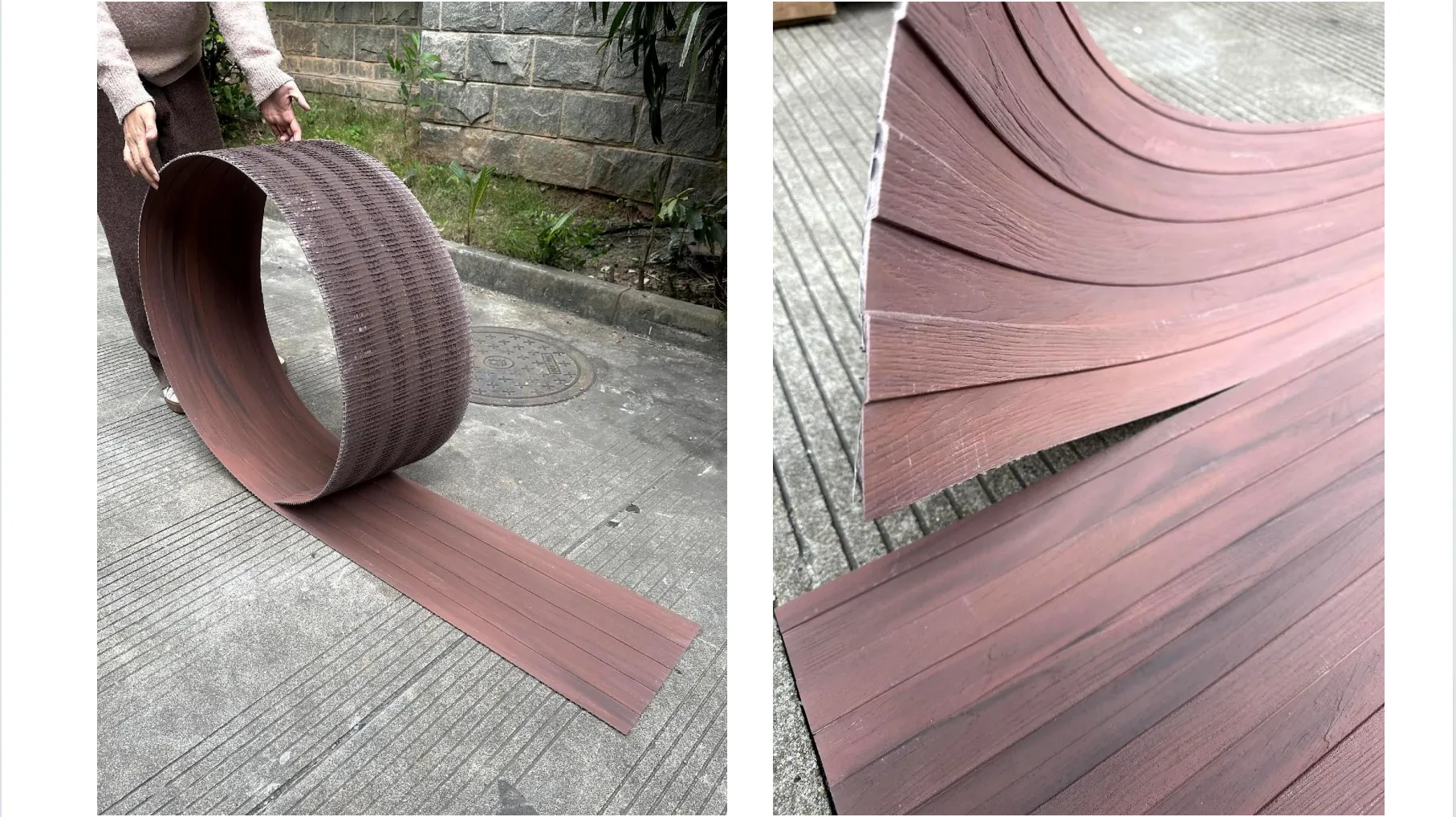
Crafting a space that feels like home—one plank at a time
There's something almost magical about a wood fence. It's not just a barrier; it's a storyteller. Think about the first time you walked up to a house with a weathered wood fence, its planks gently curving with age, or a brand-new one, crisp and golden, framing a porch where a swing sways in the breeze. Wood fences don't just mark boundaries—they wrap a home in warmth, turning a yard into a sanctuary. They're versatile, too: rustic enough for a cabin in the woods, sleek enough for a modern city lot, and always, always inviting.
But let's be honest: not all wood fences are created equal. In a world of quick fixes and synthetic materials, finding a wood fence that's both beautiful and built to last can feel like searching for a needle in a haystack. That's where innovation meets tradition. Today, we're diving into the art of choosing, installing, and maintaining a wood fence that won't just stand the test of time—but will get better with it. And yes, we'll talk about the materials that make this possible: from the durability of wood concrete board to the texture of bamboo mat board, and the classic charm of wood grain board. Let's start at the beginning.
Gone are the days when "wood fence" meant a one-size-fits-all stack of pine planks. Today's options blend nature's beauty with cutting-edge engineering, so you can have the look you love without the headache of constant upkeep. Let's break down the stars of the show:
If you've ever wished for a fence that looks like wood but acts like concrete, wood concrete board is your answer. Made by blending wood fibers with concrete, it's resistant to rot, pests, and warping—no more watching your fence lean after a rainy season or battle termites. What I love most? It comes in stunning wood grain patterns that mimic the real thing, from the deep knots of oak to the smooth lines of maple. It's perfect for busy homeowners who want beauty without the fuss.
For those drawn to sustainability and unique design, bamboo mat board is a game-changer. Bamboo grows fast (it's one of the most renewable resources on the planet), and when woven into mats, it creates a fence that's equal parts art and function. The natural gaps between the bamboo strips let in dappled light, turning your fence into a living shadow puppet show at sunset. It's lightweight but surprisingly strong, and it ages to a lovely silvery-gray patina—no need for constant staining.
Sometimes, you just want that classic wood look—and wood grain board delivers. Unlike traditional lumber, modern wood grain boards are often treated with advanced sealants or made from naturally rot-resistant woods like cedar or redwood. They're sanded smooth, with grain patterns that pop, whether you opt for a vertical plank design or a horizontal slat style. It's the kind of fence that makes neighbors stop and say, "Is that real wood?" (Spoiler: It looks so good, they'll never guess it's built to last.)
Wood line designs are all about the little things. Think thin, parallel grooves carved into the wood, or alternating wide and narrow planks that create rhythm along your fence line. They add visual interest without overwhelming the space, making them ideal for modern or minimalist homes. Pair wood line with wood grain board, and you've got a fence that's both sleek and inviting—like a tailored suit with a cozy sweater.
Installing a fence isn't just about nailing boards together—it's about planning. Skip this step, and you might end up with a fence that leans, gaps that let in critters, or (worst of all) a visit from the HOA. Let's get you ready:
Every town has rules: How tall can your fence be? How far from the property line must it sit? Do you need a permit? I once helped a friend install a 6-foot fence, only to find out his neighborhood capped fences at 4 feet. Cue the sad sound of sawing it down. Save yourself the heartache: Call your local building department or check their website. It's 30 minutes of work that could save you hours of regret.
Nothing kills neighborly vibes like a fence that creeps over the property line. Dig out your property survey (or hire a surveyor if you don't have one) and mark the line with stakes and string. Walk the line with your neighbor, too—better to chat now than argue later. Trust me, a six-pack shared over a property line discussion beats a lawsuit any day.
This is non-negotiable. 811 is the national "call before you dig" hotline, and they'll send someone to mark underground utilities (gas lines, water pipes, electrical wires) for free. Hit a gas line, and you're looking at fines, repairs, and maybe even an evacuation. Don't skip this. I've heard horror stories—and none of them end well.
You'll need: a post-hole digger (manual or power—spring for power if you have rocky soil), a level, a measuring tape, a hammer, screws (not nails—they're stronger), and a saw. If you're using wood concrete board, you'll need a masonry blade for your saw. Pro tip: Rent tools instead of buying them if you won't use them again. Your garage (and wallet) will thank you.
Now for the fun part: building your fence. Take it slow, measure twice, and remember: even pros make mistakes. Let's break it down into bite-sized steps.
Posts are the backbone of your fence—if they're wobbly, the whole thing falls apart. Here's how to do it right: Dig holes 2-3 feet deep (deeper in frost-prone areas) and 6-8 inches wide. Add 6 inches of gravel to the bottom for drainage (no one wants water pooling around posts). Place the post in the hole, check it with a level, then fill the hole with concrete. Let it cure for 24-48 hours before moving on. For wood concrete board posts, skip the gravel—they're already rot-resistant, but drainage still helps!
Rails run horizontally between posts, and they're what you'll attach the fence boards to. Use 2×4s for rails, and attach them 12-16 inches from the top and bottom of the posts (add a middle rail for taller fences). Pre-drill holes to avoid splitting the wood, then secure with screws. For wood grain board or bamboo mat board, make sure the rails are level—even a tiny slope will make the boards look off.
Now, attach your fence boards to the rails. Start at the corner post and work your way down. For wood line designs, measure the gaps between boards to keep them even (a spacer made from a scrap of wood works great). For wood concrete board, use masonry screws—they'll bite into the material without cracking it. Stand back every few boards to check for straightness. Trust your eyes: if something looks off, it probably is.
Cap the posts with post caps to keep water out (they also look sharp). Add trim along the top for a polished look. If you're using bamboo mat board, seal the edges to prevent fraying. And don't forget to clean up! Rake the dirt, pick up scraps, and step back. There it is—your fence. Take a deep breath, and maybe a victory photo. You earned it.
The best part about modern wood fences? They're designed to be low-maintenance. But "minimal" doesn't mean "no" maintenance. A little care goes a long way in keeping your fence looking fresh for decades. Here's your cheat sheet:
| Task | Frequency | Pro Tips |
|---|---|---|
| Clean the Fence | Twice a year (spring and fall) | Use a soft brush and mild soap (no pressure washers—they can damage wood grain). For wood concrete board, a quick rinse with a hose works. |
| Seal or Stain | Every 2-3 years (wood grain board); Every 5-7 years (wood concrete board) | Choose a sealant with UV protection to prevent fading. For bamboo mat board, use a water-based sealant to preserve its natural color. |
| Inspect for Damage | Seasonally (after storms, especially) | Look for loose screws, cracked boards, or rotting posts. Fix small issues now before they become big (expensive) problems. |
| Trim Vegetation | Monthly in growing season | Keep vines, bushes, and tree branches away from the fence—they trap moisture and attract pests. |
Remember: The goal is to work smarter, not harder. Wood concrete board resists rot, so you won't spend weekends replacing posts. Bamboo mat board repels pests, so no need for harsh chemicals. Even classic wood grain board, when sealed properly, will age gracefully—developing that coveted "patina" that makes it look like it's been part of your home for decades.
Words can describe a fence, but seeing it in action? That's where the magic happens. Let's paint some pictures of wood fences that don't just divide space—they transform it.
Imagine a small cottage with a white picket fence—except the pickets are wood grain board, stained a soft gray. The fence curves gently around a front yard filled with lavender and roses, the wood grain peeking through the stain like old friends. A wooden gate, latched with a rusted iron hook, leads to a porch with a rocking chair. This fence isn't just a boundary; it's an invitation. It says, "Come in, stay awhile."
A sleek, two-story home with floor-to-ceiling windows needs a fence that keeps up. Enter wood concrete board with wood line details: horizontal planks in varying widths, stained black, with thin grooves that catch the light. The fence runs along the property line, low enough to let in sunlight but tall enough for privacy. At night, solar lights mounted on the posts cast shadows of the wood line grooves onto the sidewalk—a modern art installation, right in the front yard.
A poolside oasis deserves a fence that feels like a vacation. Bamboo mat board, woven in a tight pattern and stained a warm amber, wraps around the pool area. The sunlight filters through the bamboo strips, dappling the water with gold. A gate made of the same bamboo leads to a patio with a tiki torch and a hammock. This fence doesn't just block prying eyes—it transports you to Bali, one plank at a time.
A sprawling farmhouse with a big backyard for kids and dogs. The fence? Wood concrete board, stained a rich chestnut, with posts that look like they've been there for 100 years (but they're brand new). Along one side, the kids have nailed their artwork to the fence—hand-drawn pictures of dinosaurs and rainbows, held up with magnets. A section of the fence near the garden has been left a little lower, so the family can chat with neighbors over morning coffee. This fence isn't just wood and concrete; it's a scrapbook of life.
A wood fence is more than a home improvement project—it's an investment in your space, your peace of mind, and the memories you'll make there. Whether you choose wood concrete board for its durability, bamboo mat board for its texture, or wood grain board for its classic charm, the key is to install it with care and maintain it with love.
Think about it: That fence will watch your kids grow up, host backyard barbecues, shelter your garden from storms, and maybe even hold a few Christmas lights. It will be there when you're tired, when you're celebrating, when you just need a quiet moment in your own little corner of the world. So take your time choosing the right materials. Measure twice, dig deep, and don't skimp on the sealant. Your future self—and your fence—will thank you.
And when you're done, take a step back, snap a photo, and smile. You didn't just build a fence—you built a legacy.
Recommend Products












