
There's something inherently comforting about a wooden fence. It's more than just a barrier—it's a silent storyteller, shaping the character of a space and reflecting the people or businesses behind it. Walk through a quiet suburban neighborhood, and you'll notice how wooden fences cradle homes in warmth, their weathered planks holding memories of summer barbecues and children chasing fireflies. Step into a bustling commercial district, though, and those same wooden structures transform, standing tall with purpose, blending functionality with professionalism. But what really sets residential and commercial wood fence projects apart? Let's dive into the details, using real photos and insights to uncover how these two worlds of wood fencing differ in design, purpose, and personality.
At first glance, you might think all fences exist to "keep something in or out." But dig deeper, and you'll find that residential and commercial wood fences serve vastly different masters. For homeowners, a wood fence is often an extension of their home's personality. It's about privacy for weekend mornings with a cup of coffee on the porch, safety for curious toddlers exploring the yard, and a touch of charm that says, "This is a place where life is lived fully." Imagine a family in Portland, Oregon, choosing a picket-style wood fence with scalloped edges—not just to mark their property, but to frame their garden of roses and host neighborhood block parties where the fence becomes a backdrop for laughter and shared stories.
Commercial projects, on the other hand, wear their purpose like a well-tailored suit. A café in downtown Austin might install a wood fence to create an inviting outdoor seating area, separating patrons from the street while still welcoming passersby with its warm tones. A boutique clothing store could use a slatted wood fence to balance security with visibility, letting sunlight filter through to highlight window displays. Even industrial spaces, like a brewery or art studio, opt for wood fences to soften their rugged exteriors, making them feel approachable to customers. In commercial settings, the fence isn't just about the business—it's about creating a relationship with the community.
Flip through wood fence real photos , and the design differences jump out like day and night. Residential fences often lean into "cozy." Think soft lines, varied heights, and decorative touches that feel personal. A cottage-style home might pair a whitewashed wood fence with climbing roses, while a modern minimalist house could opt for sleek, horizontal planks stained in deep charcoal, blending into the landscape. These fences feel "lived-in"—you can almost picture a dog napping in the shade of their posts or a teenager leaning against them to chat with friends.
Commercial wood fences, by contrast, are designed to make a statement without overshadowing the business itself. They're often more uniform, with clean lines and consistent heights that exude professionalism. A winery might use tall, vertical wood slats stained in rich mahogany to create a sense of exclusivity, guiding visitors toward the tasting room with subtle elegance. A family-owned restaurant, though, might soften the vibe with a lower, slatted fence that invites pedestrians to peek at the outdoor dining area, where string lights twinkle above wooden tables. The key here? Commercial fences balance "authority" with "invitation"—they need to say, "We're here to serve you," while still maintaining order.
Not all wood is created equal, and the choice of material is where residential and commercial projects often diverge. Homeowners tend to prioritize aesthetics and warmth, leaning toward traditional woods like cedar or pine that develop a beautiful patina over time. These woods are often left untreated or stained with natural tones to preserve their organic feel—think honey-blond cedar fencing surrounding a log cabin or weathered gray pine fencing in a coastal home, blending with the salt air.
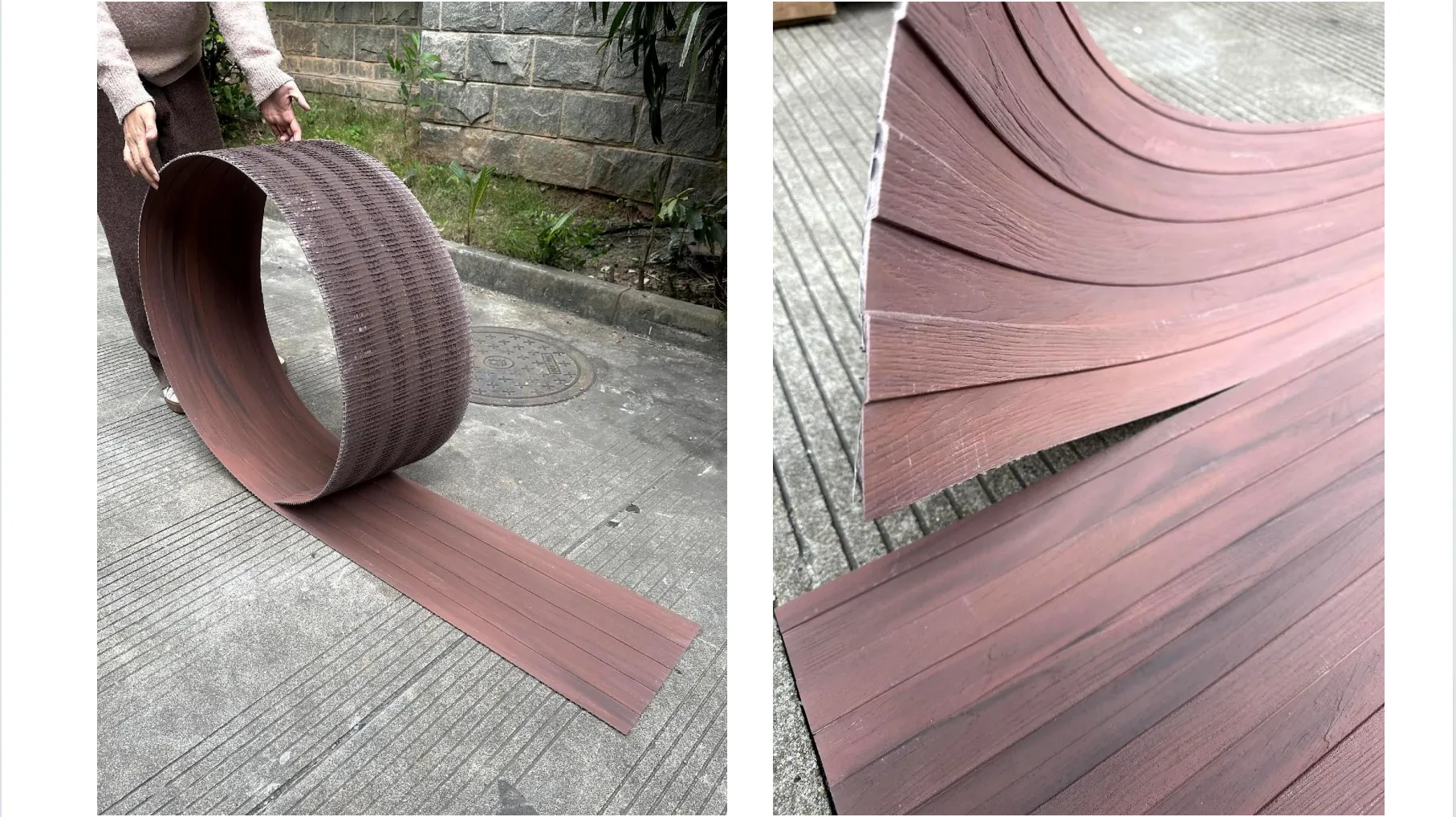
Commercial projects, however, demand durability above all else. With higher foot traffic, exposure to the elements, and the need for low maintenance, businesses often turn to engineered or treated woods. One standout option is wood concrete board , a hybrid material that combines wood fibers with concrete for strength and resistance to rot, pests, and warping. Imagine a downtown shopping center using wood concrete board fencing in a warm taupe stain—it looks like real wood but can withstand years of harsh weather and daily wear without fading or splintering. For businesses that want the look of wood with added texture, weaving real photos often showcase fences with woven wooden panels, adding visual interest while maintaining the durability needed for commercial use.
Installing a wood fence isn't just about hammering planks into posts—it's about understanding how the space will be used. Residential fences are often installed with flexibility in mind. Homeowners might opt for modular designs that can be easily repaired or modified, like replacing a damaged picket after a storm or adding a gate to accommodate a new driveway. The focus is on "growing with the home"—a fence that can adapt as the family's needs change, whether that means adding a section for a new pool or lowering a portion to let in more sunlight.
Commercial installations, by contrast, are all about long-term reliability. Contractors use heavier-duty posts, deeper foundations, and reinforced joints to ensure the fence can handle everything from delivery trucks bumping into it to graffiti (and subsequent cleanings). Many commercial wood fences also include metal accents or hardware for added strength—think steel brackets holding up wood concrete board panels in a busy parking lot or aluminum gates with wooden slats at a hotel entrance. These fences are built to be "set it and forget it," requiring minimal upkeep so businesses can focus on what they do best.
| Aspect | Residential Wood Fences | Commercial Wood Fences |
|---|---|---|
| Primary Goal | Privacy, warmth, and home character | Security, branding, and low maintenance |
| Design Style | Varied (picket, split-rail, shadowbox); decorative accents | Uniform, clean lines; often paired with metal or concrete |
| Materials | Cedar, pine, redwood (natural, untreated or lightly stained) | Wood concrete board, pressure-treated lumber, engineered wood |
| Durability Focus | Moderate; designed to age gracefully | High; resistant to rot, pests, and heavy use |
| Installation | Modular, easy to repair or modify | Reinforced foundations, heavy-duty hardware |
There's no better way to understand the difference between residential and commercial wood fences than by looking at real photos. Let's start with residential projects: wood fence real photos often capture moments of everyday life—children leaning over a picket fence to chat with neighbors, a golden retriever resting its head on a weathered rail, or a garden gate draped in ivy. The fences here feel "lived with," showing signs of wear that only add to their charm: a slightly crooked post, a plank that's faded more than the others, or a coat of paint that's peeling gently in the sun.
Commercial wood fence real photos, by contrast, tell a story of purpose and professionalism. Think of a brewery with a wood concrete board fence surrounding its outdoor patio, the warm wood tones complementing the industrial metal of the brewery tanks. Or a boutique hotel where woven wooden panels (like those in weaving real photos ) create a sense of privacy for guests while still inviting passersby to peek in. These fences are immaculate—no peeling paint, no crooked posts—because they're part of the business's brand, a reflection of the care and attention that goes into their services.
One of the most striking differences in real photos is scale. Residential fences are often shorter (4–6 feet) and more intimate, hugging the property line without overwhelming the home. Commercial fences, on the other hand, can be taller (6–8 feet or more) and more expansive, defining large spaces like parking lots, outdoor event areas, or retail plazas. Yet even in their size, commercial fences strive for balance—using slatted designs or gaps to avoid feeling imposing, ensuring they welcome customers rather than pushing them away.
While wood is the star of the show, both residential and commercial projects often blend it with other materials to enhance functionality and style. In residential settings, this might mean pairing wood with stone or brick for a rustic look—like a split-rail wood fence bordering a stone pathway, or a white picket fence with brick pillars at the gate. These combinations add texture and depth, making the fence feel like part of the landscape rather than a separate element.
Commercial projects take this blending to the next level, using wood to soften more industrial materials. For example, a modern office park might use foamed aluminium alloy board (vintage silver) for its main fencing, then add wooden slats between the metal panels to warm up the space. Or a restaurant could combine wood concrete board with glass panels, creating a fence that's both secure and inviting, letting natural light flood the outdoor dining area. These combinations show that wood isn't just for traditional spaces—it can hold its own in sleek, contemporary designs, too.
Budget is always a factor, and residential and commercial fence projects approach costs differently. For homeowners, the focus is often on value and aesthetics—spending more on high-quality, natural wood that will last 15–20 years and enhance curb appeal. While initial costs might be higher for cedar or redwood, the long-term beauty and minimal maintenance make it a worthwhile investment for many families.
Commercial projects, by contrast, view fencing as a business expense—prioritizing upfront durability to avoid costly repairs down the line. Wood concrete board, for example, might have a higher initial cost than traditional wood, but its 30+ year lifespan and resistance to damage make it more cost-effective over time for businesses. Many commercial clients also opt for larger-scale installations, negotiating bulk pricing with suppliers to keep costs in check while ensuring consistency across the property.
At the end of the day, whether residential or commercial, a wood fence is a reflection of the space it defines. Residential fences wrap homes in warmth, telling stories of family, growth, and everyday joy. They're imperfect in the best way—worn, weathered, and full of character. Commercial fences, on the other hand, stand as silent ambassadors for businesses, balancing professionalism with approachability, durability with design.
Looking at wood fence real photos , you'll notice that the best fences—whether around a home or a business—do more than separate spaces; they connect them. A residential fence might invite neighbors to stop and chat over the rail, while a commercial fence might draw customers in with its warm wood tones and welcoming design. In the end, wood remains a timeless choice because it's not just a material—it's a feeling. It's the feeling of coming home, of walking into a space that feels cared for, and of knowing that the fence surrounding it is there to protect and nurture what matters most.
Recommend Products












