
There's something inherently warm about a wood fence. It's not just a boundary—it's a storyteller, marking the edges of your home while softening the harsh lines of modern architecture. In Saudi Arabia, where the landscape is dominated by sun-baked deserts and soaring temperatures, a wood fence does more than look good; it works hard. It shields your garden from sandstorms, offers privacy in bustling neighborhoods, and even adds a touch of greenery when paired with climbing plants. But anyone who's lived here knows: not all wood fences are created equal. The Saudi climate—with its blistering heat, sudden sandstorms, and occasional humidity spikes—demands a fence that's as tough as it is beautiful. That's why we're diving into the world of wood fences, blending practical advice with real-world inspiration (think: those stunning wood fence real photos you've seen on local villas and farms) to help you build a fence that thrives here, not just survives.
Let's start with the basics: what exactly is your wood fence up against? Saudi Arabia's climate is a masterclass in extremes. In Riyadh, summer temperatures regularly hit 45°C (113°F), with some days creeping past 50°C (122°F). Direct sunlight can warp wood, dry it out, and fade its color in months. Then there are the sandstorms—those sudden, gritty tempests that blast everything in their path, scratching surfaces and clogging every crevice. Along the coast, in cities like Jeddah, humidity adds another layer of complexity; moisture in the air can seep into wood, leading to rot or mold if not properly treated. Even the "mild" winters bring cool nights and occasional rain, which can cause wood to expand and contract, weakening joints over time.
But here's the good news: with the right materials, design, and care, a wood fence can stand up to all of this. It starts with choosing the right type of wood (or wood-like material) and understanding how to protect it. Let's break it down.
When most people think of a wood fence, they picture solid planks of pine or cedar. But in Saudi Arabia, solid wood often falls short. It's prone to warping, cracking, and insect infestations—especially if not sealed properly. That's where innovative materials come in. Let's explore some top contenders, including a few you might not have considered, that balance durability with that classic wood look.
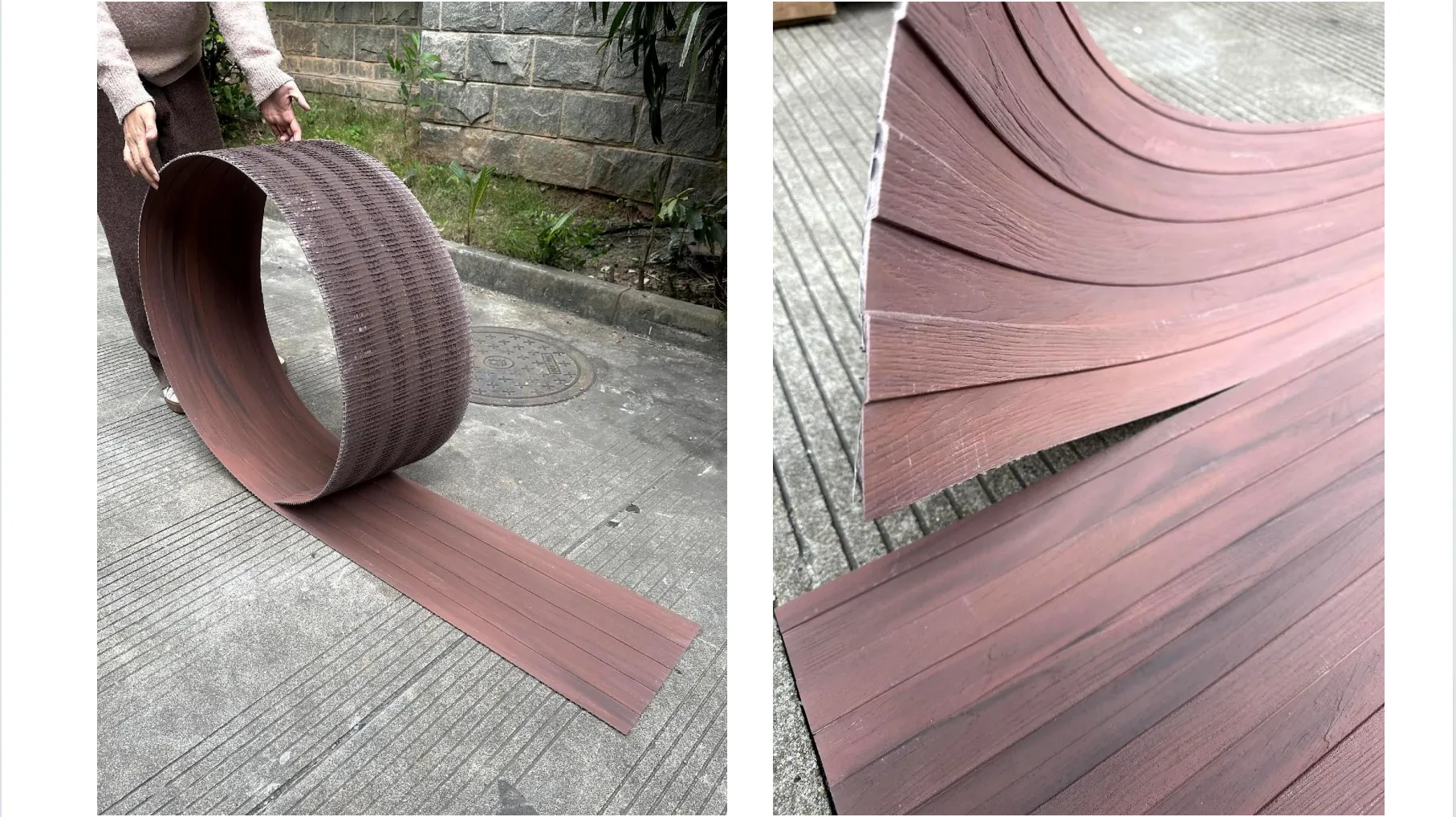
Imagine a material that looks like wood but acts like concrete. That's wood concrete board in a nutshell. Made by blending wood fibers with cement and resins, this composite material is designed to handle Saudi Arabia's heat and humidity like a champ. Unlike solid wood, it doesn't warp when temperatures spike, and it resists rot even in coastal areas. What's more, it's termite-proof—a huge plus in a region where these pests can turn a fence into sawdust overnight. We've seen wood concrete board used in everything from minimalist Riyadh villas to traditional Jeddah homes, and the wood grain detail is so realistic, you'd swear it's solid oak. It's a bit pricier upfront than pine, but when you factor in how little maintenance it needs, it pays for itself over time.
Why limit yourself to wood? Many homeowners in Saudi Arabia are mixing materials to add both strength and style. Rough granite stone, with its rugged texture and earthy tones, makes a striking complement to wood fences. Use it as a base—lining the bottom 2 feet of your fence—to protect against sand erosion and curious animals. Or intersperse granite posts between wood panels for a look that's equal parts modern and timeless. Rough granite stone is heat-resistant (it stays cool to the touch even in mid-summer) and virtually indestructible, making it perfect for high-traffic areas like driveways or poolside fences. Plus, when the sun hits it just right, that rough surface sparkles with tiny mineral flecks—adding a touch of luxury to your outdoor space.
Okay, so it's not wood—but hear us out. Foamed aluminium alloy board, especially in finishes like vintage silver or vintage gold, has been popping up in contemporary Saudi homes for a reason. It mimics the look of weathered wood (think: that soft, grayish patina you see on beachside fences) but with zero maintenance. Aluminium doesn't rot, warp, or fade, and it's lightweight, making installation a breeze. It's also surprisingly affordable compared to high-end woods like teak. We recently visited a villa in Dhahran where the homeowner paired foamed aluminium alloy panels with vertical wood slats—creating a fence that's modern, airy, and built to last. The vintage silver finish reflected the sun, keeping the area beneath the fence noticeably cooler than the surrounding pavement. If you love the look of wood but hate the upkeep, this might be your new go-to.
We'd be remiss not to mention solid wood—after all, nothing beats that natural grain and warmth. If you're set on solid wood, opt for species that are naturally resistant to heat and decay. Teak, for example, contains natural oils that repel insects and moisture, making it a top choice for coastal areas. Ipe, a dense South American hardwood, is another winner; it's so tough, it's often used for outdoor decks in tropical climates. Avoid pine or spruce—they're softwoods that dry out quickly in Saudi heat, leading to cracks and splits. And whatever you do, don't skip sealing! A high-quality UV-resistant sealer (look for one with added mildewcide) will add years to your fence's life. We've seen teak fences in Riyadh that, with annual sealing, still look brand-new after 10 years—proof that solid wood can work, if you're willing to put in the effort.
| Material | Heat Resistance | Sandstorm Durability | Maintenance Needs | Cost (Per Square Meter) | Best For |
|---|---|---|---|---|---|
| Wood Concrete Board | Excellent (doesn't warp) | High (resists scratching) | Low (occasional cleaning) | SR 180–250 | Villas, high-traffic areas |
| Rough Granite Stone (Accents) | Exceptional (stays cool) | Very High (no damage) | None | SR 300–400 (as accents) | Driveways, pool areas |
| Foamed Aluminium Alloy (Vintage Silver) | Excellent (reflects heat) | High (scratch-resistant) | Very Low (hose down occasionally) | SR 150–200 | Modern homes, busy families |
| Teak (Solid Wood) | Good (natural oils prevent drying) | Medium (sand can scratch surface) | Medium (annual sealing) | SR 280–350 | Coastal homes, traditional designs |
Choosing the right material is half the battle—the other half is design. A fence that's poorly designed will struggle in Saudi weather, no matter how durable the material. Here are some tips to ensure your fence is as functional as it is beautiful:
Dark wood absorbs heat, which can cause warping and make the area around your fence uncomfortably hot. Lighter shades—natural oak, whitewashed wood, or even vintage silver foamed aluminium—reflect sunlight, keeping the fence cooler and your outdoor space more enjoyable. We visited a home in Al Khobar where the owner painted their wood concrete board fence a soft beige, and the difference was (jīngrén—striking). The patio behind the fence was 5°C cooler than the front yard, even on a 48°C day. Pro tip: If you love dark wood, use it as an accent (e.g., dark posts with light slats) to get the look without the heat.
Solid wood panels might offer maximum privacy, but they're also a magnet for heat and wind damage. Sandstorms hit with surprising force, and solid panels act like sails, putting stress on posts and joints. Instead, opt for slatted designs—vertical or horizontal gaps between boards allow wind to pass through, reducing strain. Slats also promote airflow, which helps keep the fence (and your yard) cooler. For extra privacy, space slats 2–3 inches apart; this blocks prying eyes but still lets the breeze through. We've seen some creative slat designs in Riyadh—think: alternating wide and narrow slats for a modern, geometric look—that are both functional and Instagram-worthy (hello, wood fence real photos inspiration!).
Sand and moisture love to collect at the base of fences, leading to rot and insect infestations. Raise your fence by 4–6 inches off the ground using concrete blocks or gravel. This creates a barrier between the wood and the soil, preventing water from pooling and giving insects less access. It also makes it easier to clean under the fence—a quick sweep with a broom will keep sand from building up. We noticed this trick on a farm in Taif, where the owner used rough granite stone blocks to elevate their wood fence; not only did it protect the wood, but the stone added a rustic, farmhouse charm.
Your fence is only as strong as its posts. In Saudi Arabia, where sand can shift and wind can pull, weak posts are a disaster waiting to happen happen, but
Even the toughest fence needs a little TLC. Here's how to keep yours looking great for years:
Sand and dust are constant companions here, and they can scratch and dull your fence over time. Once a month, hose down your fence with a gentle stream of water (avoid high pressure, which can damage wood fibers). For stubborn grime, mix a solution of mild dish soap and water, and scrub gently with a soft brush. In coastal areas, add a splash of vinegar to the mix to cut through salt residue.
Wood and wood concrete board need annual sealing to protect against UV rays and moisture. Choose a sealer specifically designed for outdoor use in hot climates—look for labels like "desert-grade" or "UV-resistant." Apply it on a cool, cloudy day (yes, they exist in Saudi Arabia!) to prevent the sealer from drying too quickly and bubbling. We've found that a pump sprayer makes this job faster and more even than a brush.
Tree branches rubbing against your fence can scratch the surface and trap moisture. Keep them trimmed back 2–3 feet from the fence. Not only does this protect the wood, but it also reduces the risk of pests (like ants or termites) using the branches to climb onto your fence. Plus, it lets more sunlight reach your fence, preventing mold growth in shaded areas.
Sandstorms can loosen screws, bend slats, or even shift posts. After a big storm, walk along your fence and check for loose hardware, cracks, or misaligned boards. Tighten screws, replace damaged slats, and realign posts as needed. Catching small issues early prevents them from turning into big, expensive repairs later.
Sometimes, the best advice comes from seeing what works. Let's take a look at a few standout examples of wood fences that are thriving in the Saudi climate, drawn from real wood fence real photos and local projects.
In northern Riyadh, a family wanted a fence that matched their minimalist home while standing up to the city's frequent sandstorms. They chose wood concrete board in a light oak finish, paired with black metal posts for contrast. The slatted design (3-inch gaps) allows wind to pass through, and the fence is raised 6 inches off the ground with gravel underneath. After two years, the fence still looks new—no warping, no fading, and the metal posts show zero rust. The homeowners love that they can hose it down once a month and call it a day. "We get compliments all the time," the wife told us. "People can't believe it's not real wood!"
On a farm outside Jeddah, where humidity and salt air are constant challenges, the owner combined rough granite stone bases with teak slats. The granite protects the bottom of the fence from moisture, while the teak (sealed annually) adds warmth. Climbing jasmine grows through the slats, softening the look and adding a sweet scent. "Teak was expensive, but it's worth it," the farmer said. "After five years, the wood has a beautiful silver patina, and the granite hasn't chipped at all—even with goats rubbing against it!"
A busy expat family in Dhahran wanted a fence that looked great but required no upkeep. They went with vintage gold foamed aluminium alloy board, installed horizontally with narrow gaps. The material reflects the sun, keeping their pool area cool, and sandstorms bounce right off it. "We haven't touched it in three years except to hose it down," the husband laughed. "It still looks like the day it was installed. And the vintage gold color matches our home's exterior perfectly."
A wood fence in Saudi Arabia isn't just a home improvement project—it's an investment in your property's beauty and functionality. By choosing the right materials (wood concrete board, rough granite, foamed aluminium alloy, or durable hardwoods like teak), designing with the climate in mind (slats, light colors, raised bases), and keeping up with simple maintenance, you can create a fence that not only looks like those stunning wood fence real photos but also stands strong against the elements for years to come. Whether you're in Riyadh, Jeddah, or Dammam, the key is to balance aesthetics with practicality. After all, in a climate as tough as Saudi Arabia's, your fence shouldn't just mark your territory—it should thrive in it.
So go ahead: dream up your perfect fence, take inspiration from those wood fence real photos, and build something that tells your home's story—one slat, one post, one sandstorm at a time.
Recommend Products












