
Exploring the art of material storytelling in modern Saudi architecture
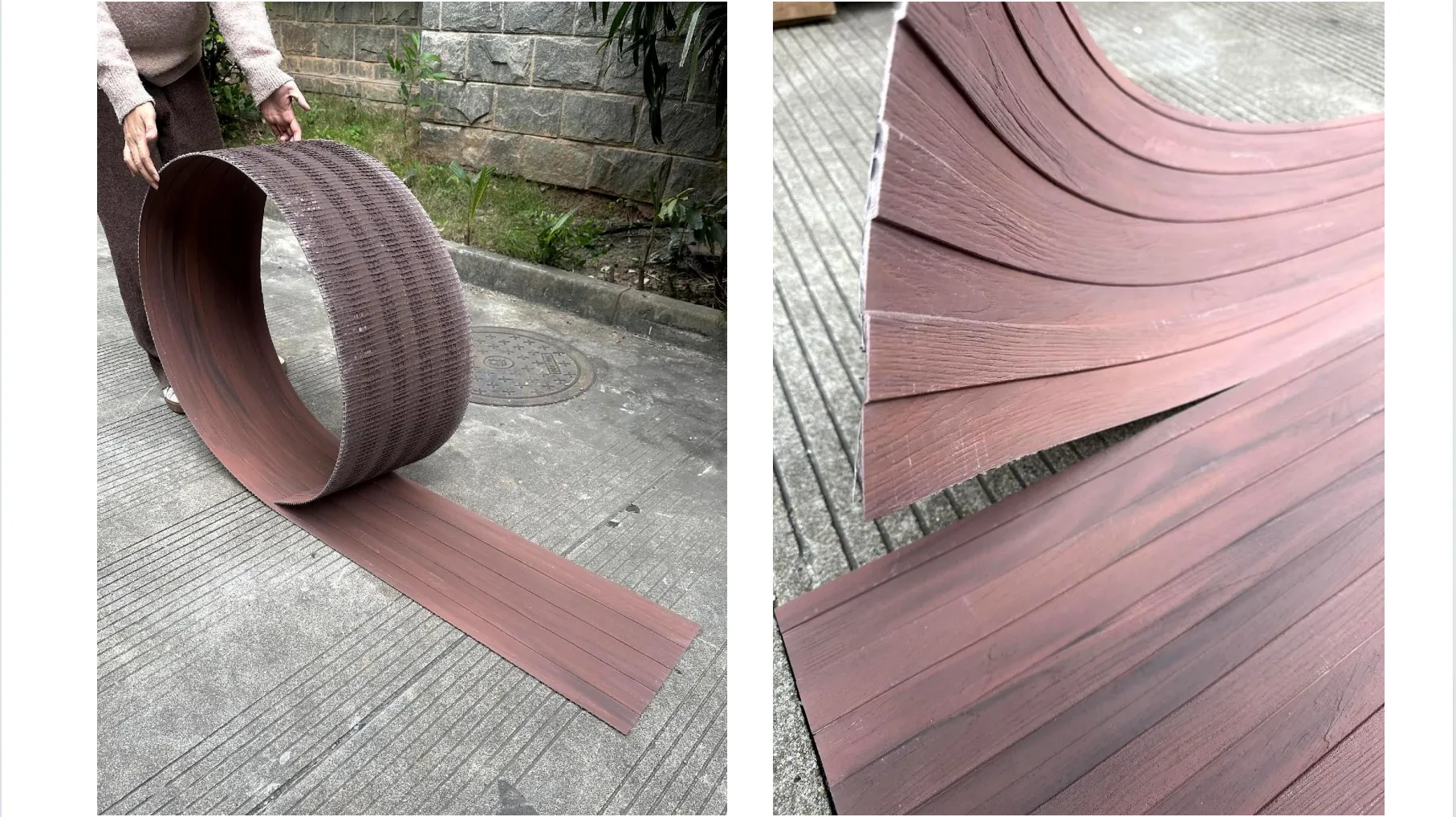
In the heart of Saudi Arabia, where ancient traditions meet futuristic skylines, commercial architecture is undergoing a quiet revolution. It's no longer just about towering structures and sleek glass—today's designers are reaching for materials that tell a story, materials that breathe warmth into the concrete jungles of Riyadh, Jeddah, and Dammam. Among these, wood fences have emerged as unlikely stars, their natural (texture) and organic charm offering a counterbalance to the bold modernity of contemporary design. But to truly understand their impact, one need only look at the wood fence real photos circulating among architects and developers: images of boutique hotels with slatted wood facades filtering golden sunlight, of corporate plazas where wooden screens soften the edge of steel and glass, of retail spaces where the warmth of wood invites passersby to pause and explore.
This article dives into the world of wood fences and their complementary materials in Saudi commercial buildings, exploring how they're not just elements of construction, but tools of connection—linking the past to the present, and turning ordinary structures into memorable experiences.
Why wood fences? In a region where architecture has long celebrated grandeur—think marble palaces and towering minarets—there's a growing hunger for softness, for materials that feel human . Wood fences deliver that in spades. Unlike cold stone or industrial metal, wood carries the memory of growth: each knot, each grain pattern, is a unique fingerprint, adding character that no mass-produced material can replicate. Walk through the Al Faisaliah District in Riyadh, and you'll spot wood fence real photos come to life: a café with a vertical wood slat fence that sways gently in the breeze, creating dappled shadows on the sidewalk below. Or head to Jeddah's waterfront, where a boutique hotel uses horizontal wood planks to mimic the rhythm of ocean waves, turning the building into a conversation starter.
But it's not just about looks. Saudi Arabia's climate—scorching summers, occasional sandstorms—demands durability, and modern wood treatments have risen to the challenge. Today's wood fences are often treated with weather-resistant coatings that prevent warping or fading, ensuring they retain their warm hue even after years under the sun. This blend of beauty and resilience is why architects are calling wood fences "the Swiss Army knife of facades"—versatile enough to complement traditional mud-brick motifs in heritage districts or stand bold alongside futuristic glass towers in business hubs.
Wood fences rarely stand alone. The magic happens when they're paired with materials that enhance their strengths while adding layers of visual interest. In Saudi commercial design, three materials have emerged as perfect partners: bamboo mat board , wood grain board , and MCM flexible stone . Each brings something unique to the table, creating a symphony of textures that elevates the entire structure.
| Material | Aesthetic Character | Common Pairings with Wood Fences | Key Benefit |
|---|---|---|---|
| Bamboo Mat Board | Light, airy, with a woven texture that evokes traditional crafts | Vertical wood slat fences (creates a layered, organic look) | Sustainable and lightweight; adds movement to static facades |
| Wood Grain Board | Mimics the depth of real wood with enhanced durability | Horizontal wood fences (extends the wood narrative without maintenance issues) | Consistent texture; ideal for large-scale installations |
| MCM Flexible Stone | Natural stone texture with the flexibility of a thin panel | Rustic wood fences (balances wood's warmth with stone's earthiness) | Weather-resistant; adds a touch of rugged elegance |
Take, for example, a recent project in Dammam's tech district: the facade combines rough-hewn wood fences with MCM flexible stone in a warm travertine finish. The wood brings softness, while the stone adds gravitas, creating a building that feels both approachable and authoritative—perfect for a startup incubator aiming to blend creativity with professionalism. Or consider the Riyadh shopping mall where bamboo mat boards are layered over wood fences, creating a screen that filters light during the day and glows from within at night, turning the building into a beacon for shoppers.
In Saudi Arabia, where temperatures can soar above 45°C (113°F) and sandstorms are a seasonal reality, materials must do more than look good—they must perform. Wood fences, when paired with complementary materials like MCM flexible stone or wood grain board, rise to the challenge. Let's break it down:
Even modern materials like fair-faced concrete—with its raw, industrial look—find common ground with wood fences here. A hospital in Riyadh, for instance, uses fair-faced concrete for its main structure, then wraps the entrance with wood fences and climbing plants, creating a space that feels less like a clinical facility and more like a healing garden. It's a reminder that technical excellence doesn't have to mean sacrificing soul.
To truly grasp the impact of these materials, let's step into three real-world projects where wood fences take center stage, supported by their complementary counterparts. These aren't just buildings—they're stories told in texture and tone.
Designed to evoke the traditional souks of old Jeddah, the Oasis Bazaar uses wood fences as its backbone. The main walkway is lined with vertical wood slats in warm cedar tones, creating a canopy that filters sunlight and casts playful shadows on the stone-paved ground. But what makes this project sing is the addition of bamboo mat boards between the slats—their woven texture mimics the palm fronds that once shaded market vendors, while modern MCM flexible stone (in a sandstone finish) lines the base of the fences, grounding the design in the region's desert landscape. Wood fence real photos of this project often highlight the way the materials interact at dusk: the wood glows amber, the bamboo shimmers, and the stone deepens to a rich terracotta, turning shopping into an immersive experience.
Targeting companies rooted in Saudi culture, the Heritage Hub blends old and new with striking effect. The facade features horizontal wood fences in a dark walnut finish, their linear pattern echoing the wooden beams of traditional Najdi architecture. To add modern flair, designers incorporated wood grain board panels in a lighter oak tone, creating a striped effect that catches the eye. At the entrance, a feature wall combines these wood elements with MCM flexible stone in "travertine (starry blue)" —a nod to the night skies over the Arabian Desert. Employees often remark that the wood fences make the building feel less like an office and more like a homecoming, a subtle reminder of Saudi identity in a globalized world.
Nestled among the rock formations of Al Ula, this eco-resort prioritizes sustainability and harmony with nature. Wood fences here are locally sourced and left untreated, allowing them to weather gracefully over time, blending into the desert landscape. They're paired with bamboo mat boards that screen private patios, ensuring guests enjoy privacy without feeling closed off from the stunning surroundings. The highlight? A communal lounge where wood fences frame views of the ancient tombs of Hegra, with MCM flexible stone in "lunar peak silvery" used for the flooring—its moon-like texture mirroring the desert's night sky. Wood fence real photos from this resort have gone viral on travel platforms, with visitors praising how the materials make them feel "connected to the land, not just staying in a hotel."
In Saudi Arabia's commercial architecture, materials are no longer just tools—they're storytellers. Wood fences, with their warmth and versatility, have become protagonists in this narrative, proving that even the simplest materials can leave a lasting impression. When paired with bamboo mat boards, wood grain board, or MCM flexible stone, they create facades that don't just stand—they breathe , reflecting the kingdom's journey from tradition to modernity.
As we look to the future, one thing is clear: the demand for materials that blend beauty, durability, and soul will only grow. And in wood fences, Saudi architects have found more than a building material—they've found a way to make their cities feel more human, one slat, one grain, one story at a time. So the next time you walk through a Saudi commercial district, take a moment to notice the wood fences. Behind every photo, every texture, every shadow, there's a story waiting to be told.
Recommend Products












