
Saudi Arabia's design scene has long been rooted in a deep appreciation for nature. From the intricate patterns of traditional Najdi architecture to the earthy tones of desert-inspired interiors, there's a cultural affinity for materials that feel "alive"—ones that age gracefully, tell a story, and connect us to the land. In recent years, this has translated to a shift away from generic, mass-produced fencing towards options that celebrate texture, grain, and organic form. And wood, in all its varied guises, is leading the charge.
But why now? Partly, it's a response to the fast-paced, tech-driven world we live in. After a day of screens and schedules, coming home to a fence that looks and feels like it was crafted by hand—with knots, grains, and subtle imperfections—feels grounding. It's also a nod to sustainability. As more Saudis prioritize eco-friendly living, materials that are renewable, low-maintenance, and locally sourced are gaining traction. Add to that the rise of "outdoor rooms"—spaces where families dine, entertain, and relax—and suddenly, the fence isn't just a backdrop; it's a key design element that sets the mood for the entire area.
Gone are the days of rigid, straight-lined fences that feel more like prison bars than part of your home. This year, the "wood line" trend is taking over, and it's all about softness. Imagine thin, vertical wooden slats arranged in gentle waves or asymmetrical patterns, creating a fence that looks like it's breathing. These panels aren't just visually striking—they play with light and shadow beautifully, casting dappled patterns on the ground as the sun moves. In Jeddah, where sea breezes are a constant, designers are pairing wood line panels with frosted glass inserts to let the wind through while maintaining privacy. The effect? A fence that feels light, airy, and almost sculptural.
What makes wood line panels so popular? They're versatile. Whether you have a modern villa in Riyadh or a coastal home in Dhahran, they adapt. Plus, they're surprisingly affordable, especially when paired with a steel or aluminum frame for added durability. Homeowners love that they can customize the spacing between slats—wider for a more open feel, narrower for privacy—making them perfect for everything from front yards to pool enclosures.
When you think of bamboo, you might picture tropical beaches, but in 2025, this sustainable superstar is finding its way into Saudi backyards—and for good reason. Bamboo mat boards are made by weaving thin bamboo strips into flexible, rollable mats that can be attached to wooden or metal frames. The result? A fence that has the warmth of wood but with a unique, basket-like texture that adds visual interest. It's a material that feels both exotic and familiar, making it a hit in cities like Al Khobar, where homeowners crave a touch of without leaving home.
But bamboo isn't just about looks. It's one of the fastest-growing plants on the planet, making it a eco-friendly choice. And thanks to modern treatments, today's bamboo mat boards are resistant to pests, rot, and the harsh Saudi sun—no more worrying about warping or fading after a few months. Designers are getting creative with this material, too: some are layering bamboo mats over fair-faced concrete panels for a contrast of rough and smooth, while others are staining them in warm honey tones to complement desert landscapes. Pro tip? Pair bamboo mat fencing with potted date palms and string lights for a backyard that feels like a mini oasis.
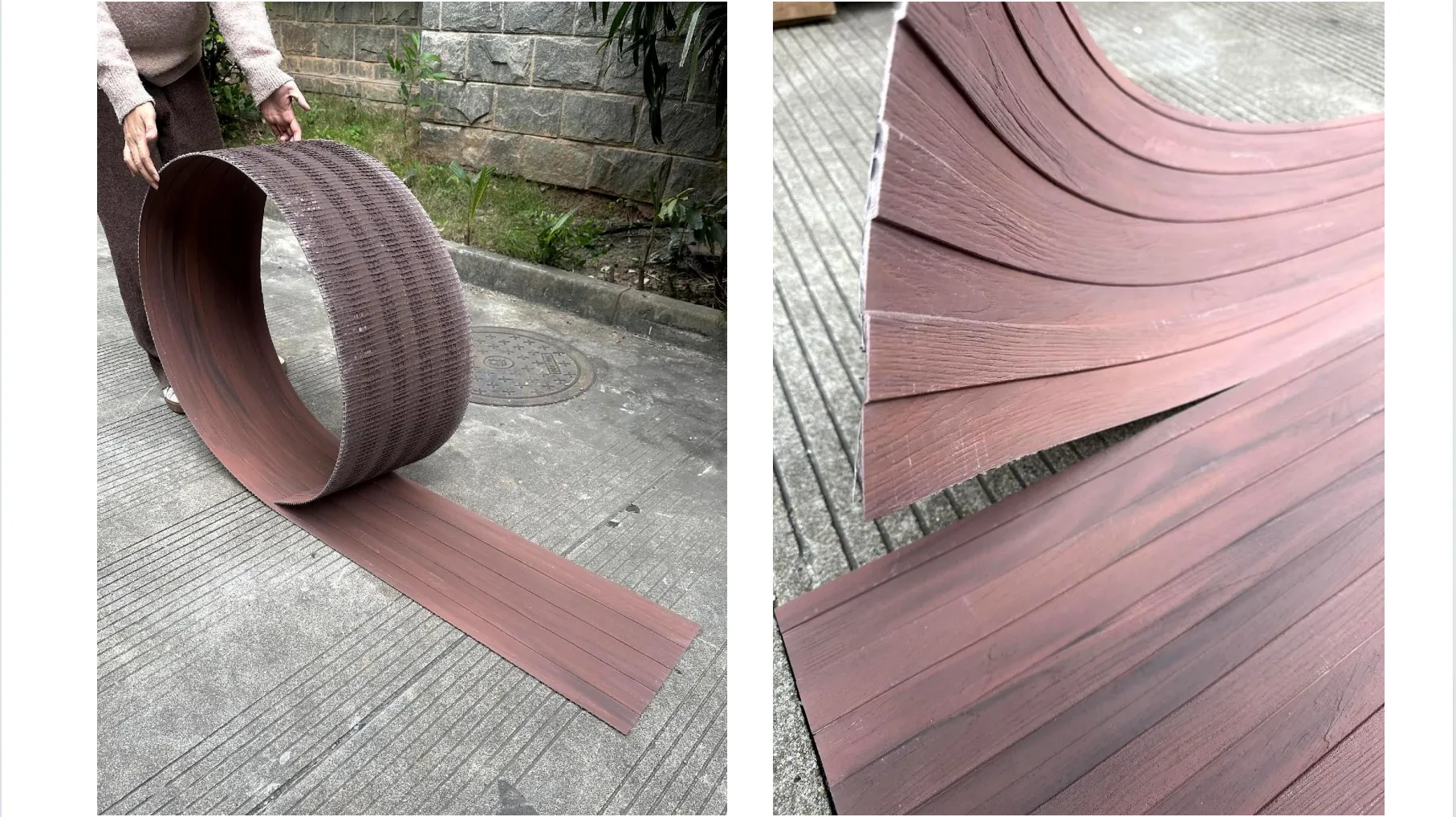
Here's a confession: not all "wood" fences are made of real wood. And in 2025, that's a good thing. Enter wood grain board—a modified composite material that mimics the look and feel of authentic wood but with none of the upkeep. Think: deep, rich grains that look like they were carved by time, knots that add character, and even subtle color variations that make it almost impossible to tell apart from the real deal. For Saudi homeowners who love the warmth of wood but don't have the time for regular staining, sealing, or termite checks, wood grain board is a game-changer.
What sets this material apart is its versatility. It comes in a range of finishes, from light oak to dark walnut, and can be cut into planks, slats, or even custom shapes. In Riyadh's upscale compounds, we're seeing it used for horizontal fencing—long, smooth planks stacked horizontally—to create a sleek, modern look that pairs perfectly with minimalist architecture. In more traditional neighborhoods, it's stained to match the warm tones of local stone, blending in seamlessly with heritage-inspired homes. And because it's made from recycled materials (often a mix of wood fibers and plastic), it's also a win for sustainability. Win-win.
For those who love a little edge in their design, rust board is having a moment. Imagine a wood fence with panels of weathered, rust-colored metal woven in—think of it as the design equivalent of a leather jacket paired with a linen shirt: rugged yet refined. Rust board (sometimes called "rustic steel paneling") adds a industrial-chic contrast to the softness of wood, creating a fence that feels bold and unexpected. In cities like Dammam, where coastal breezes add a touch of grit to the air, this material fits right in—it looks like it's been kissed by the elements, and that's exactly the point.
But rust board isn't just about aesthetics. It's surprisingly durable, standing up to Saudi Arabia's high humidity and salt air (a big plus for coastal homes). Designers are using it in creative ways: as a trim along the top of a wood fence, as inserts in between wooden slats, or even as a full panel on one section of the fence to create a focal point. Pair it with warm wood tones and potted succulents, and you've got a backyard that feels equal parts rugged and inviting. Just be prepared for compliments—this trend is turning heads.
To help you navigate the world of 2025's top fencing materials, we've put together a breakdown of the stars of the show. From the soft texture of bamboo to the durability of composites, here's how they stack up:
| Material | Aesthetic Appeal | Durability in Saudi Climate | Best For | Design Tips |
|---|---|---|---|---|
| Wood Line Panels | Soft, flowing lines; creates dappled light patterns | High (when treated); resistant to warping | Modern homes, pool areas, privacy screening | Pair with frosted glass inserts for a light, airy feel. Pro tip: Use vertical slats for height, horizontal for width. |
| Bamboo Mat Board | Woven texture; warm, tropical vibe | High (treated for pests and UV rays) | Coastal homes, garden fences, eco-friendly spaces | Layer over fair-faced concrete for contrast. Add string lights between mats for evening ambiance. |
| Wood Grain Board | Realistic wood look; deep grains, natural color variation | Very high (resistant to rot, termites, and fading) | All home styles; low-maintenance yards | Stain in warm tones to complement desert landscapes. Use horizontal planks for a modern, streamlined look. |
| Rust Board | Weathered, industrial texture; bold rust color | Very high (resistant to salt air and humidity) | Contemporary homes, focal walls, coastal areas | Use as an accent with wood slats. Pair with succulents and cacti for a desert-industrial vibe. |
| Fair-Faced Concrete | Minimalist, raw texture; neutral gray tone | Extremely high (heat and weather resistant) | Modern homes, as a base for wood accents | Use as a bottom panel with wood slats on top. Leave unsealed for a natural, organic look. |
Saudi Arabia's architectural heritage is a treasure trove of ideas for modern fencing. Take, for example, the traditional "mashrabiya"—intricate wooden lattice screens that have been used for centuries to provide privacy while letting in light and air. Today's designers are reimagining this concept with wood line panels, creating geometric patterns that pay homage to the past while feeling fresh and contemporary. In Jeddah's Al-Balad district, where historic coral-stone homes meet modern renovations, we're seeing mashrabiya-inspired wood fences that blend seamlessly with the area's heritage.
Another source of inspiration? The desert itself. The golden hues of the sand, the rugged texture of rock formations, and the way light plays on dunes—these elements are being translated into fencing design. Wood grain boards stained in warm, sandy tones, paired with rust board accents that mimic the color of iron-rich desert rocks, create fences that feel like they've been plucked straight from the landscape. In Riyadh's outer suburbs, where homes are surrounded by open desert, this "desert modernism" is particularly popular, turning backyards into extensions of the natural world.
And let's not forget coastal influences. In cities like Jeddah and Yanbu, where the Red Sea shapes the culture, fencing often reflects a more relaxed, beachy vibe. Bamboo mat boards, light wood grain panels, and even touches of rope or driftwood (yes, really!) are being used to create fences that feel like they belong by the shore. Imagine a wood fence with bamboo mats woven in, paired with a row of potted palms—suddenly, your backyard feels like a private beach cabana, minus the sand (unless you want it, of course).
While aesthetics are important, choosing a fence also means thinking about practicality—especially in Saudi Arabia's unique climate. Here are a few tips to keep in mind:
At the end of the day, a fence is more than just a boundary. It's a reflection of who you are, what you value, and how you want to experience your home. Whether you choose the soft lines of wood line panels, the eco-friendly charm of bamboo mat board, or the bold contrast of rust board, the best fences are the ones that make you feel happy to come home. They're the ones that make your backyard feel like a retreat, a place to unwind, connect with family, and create memories.
In 2025, Saudi Arabia's wood fence trends are all about balance—between tradition and innovation, between beauty and durability, between nature and design. They're about creating spaces that feel both rooted in the kingdom's rich culture and ready for the future. So as you start planning your own fence, remember: this isn't just about picking materials. It's about crafting a story—one that your home will tell for years to come.
Recommend Products












