
There's a quiet magic in the way a well-loved wood fence stands guard over a home. It's not just a boundary—it's a storyteller. Maybe it's the faint creak of its boards on a windy morning, the way sunlight filters through its gaps to dapple the grass below, or the soft fade of paint that hints at seasons passed. In modern homes, where clean lines and minimalist design often take center stage, the wood fence has evolved from a humble necessity to a design statement. It bridges the gap between the structured indoors and the wild outdoors, adding warmth without sacrificing style. And at the heart of that transformation? The right paint color. Today, we're diving into the world of wood fences—exploring how a fresh coat of paint can turn a simple barrier into a masterpiece, with a little help from materials like wood grain board and bamboo mat board, and even unexpected accents like fair-faced concrete. Plus, we'll draw inspiration from wood fence real photos that capture the essence of modern living.
Walk through any modern neighborhood, and you'll notice a shift: Homes are no longer just boxes with roofs. They're curated spaces that reflect the people who live in them—their values, their tastes, their desire for connection. A wood fence fits perfectly into this narrative. Unlike cold metal or stark vinyl, wood breathes. It ages gracefully, developing a patina that feels like a hug from time itself. In a world of quick fixes and disposable trends, a wood fence is a commitment to longevity. It's the kind of detail that makes a house feel like a home.
Consider this: On a Saturday morning, you step outside with a mug of coffee. The air smells like fresh grass and blooming jasmine. Your eyes drift to the fence—painted a soft, weathered blue—and suddenly, the chaos of the week melts away. That's the power of a well-designed wood fence. It's not just about privacy (though it does that well). It's about creating a sanctuary. Modern homeowners crave spaces that are both functional and soulful, and wood fences deliver on both counts. They block the noise of the street but invite the song of birds. They keep little ones and pets safe but frame the sunset in a way that makes every evening feel special.
Gone are the days when wood fences only came in "wood tones." Today's palettes are bold, nuanced, and intentional. The right color can make a small yard feel larger, a modern home feel cozier, or a minimalist space feel more dynamic. Let's break down the trending hues that are popping up in wood fence real photos across the country.
There's a reason soft whites never go out of style. Think "cloud white" or "ivory" rather than stark, blinding white. These shades reflect light, making your yard feel airy and open—perfect for small spaces or homes with dark exteriors. On wood grain board, a soft white wash lets the natural texture of the wood peek through, creating depth that flat paint can't match. Imagine it: A modern home with black siding and large picture windows, paired with a white-washed wood fence. The contrast is striking but not harsh, like a come to life. Wood fence real photos often showcase this combo, highlighting how white fences act as a blank canvas for landscaping—think vibrant green shrubs, red tulips, or a climbing rose that adds a pop of color against the neutral backdrop.
Sage, eucalyptus, olive—muted greens are having a moment, and for good reason. They're earthy without being heavy, calming without being boring. A green-painted wood fence feels like an extension of the garden, blending seamlessly with trees and plants. It's a color that works year-round: In spring, it complements blooming flowers; in fall, it contrasts beautifully with red and orange leaves; in winter, it adds a touch of life to the snow. Bamboo mat board, with its subtle, grass-like texture, is the perfect material for a green fence. The natural weave of the bamboo enhances the organic feel, making the color look less "painted" and more "grown." Wood fence real photos often feature this pairing in bohemian or eco-conscious homes, where sustainability and style go hand in hand.
Gray is the ultimate neutral, but not all grays are created equal. Warm grays—tinged with beige or taupe—feel inviting, while cool grays (with hints of blue or green) lean modern. For a wood fence, warm grays are a safe bet. They complement almost any home exterior, from brick to stucco to siding. They also play well with other materials: Pair a warm gray fence with fair-faced concrete posts, and you've got a modern-industrial vibe that's equal parts tough and tender. Wood grain board, with its visible knots and lines, adds character to gray paint. The color softens the wood's texture, creating a look that's both polished and relaxed. Wood fence real photos often show this combo in minimalist homes, where "less is more" is the mantra—proving that gray doesn't have to be boring.
Black is bold, but in the right hands, it's also sophisticated. A black-painted wood fence is like a frame for your home—it makes everything around it pop. Imagine a white modern home with black windows and a black wood fence: The contrast is sharp, clean, and undeniably chic. Black works especially well with wood grain board, where the dark paint highlights the wood's natural grain, creating a striking visual texture. It's also surprisingly versatile: Pair it with bright flowers for a playful look, or with succulents and gravel for a desert-modern vibe. Wood fence real photos often feature black fences in urban settings, where they add a touch of drama to tight spaces, making them feel larger and more intentional.
Terracotta, clay, and rusty reds are making a comeback, and they're perfect for homeowners who want to infuse their outdoor space with warmth. These colors evoke sun-baked adobe homes, Mediterranean villas, and cozy cabins. On a wood fence, terracotta paint feels like a hug from the earth. It pairs beautifully with natural materials like bamboo mat board, which has a warm, golden undertone that complements the reds and oranges. Wood fence real photos often show terracotta fences in homes with stone exteriors or drought-resistant landscaping—think cacti, lavender, and olive trees. It's a color that says, "I'm here, and I'm unapologetically alive."
A great paint color is only as good as the material it's applied to. When it comes to wood fences, the type of wood (or wood-like material) you choose can make or break the final look. Let's explore some standout options that are trending in modern homes.
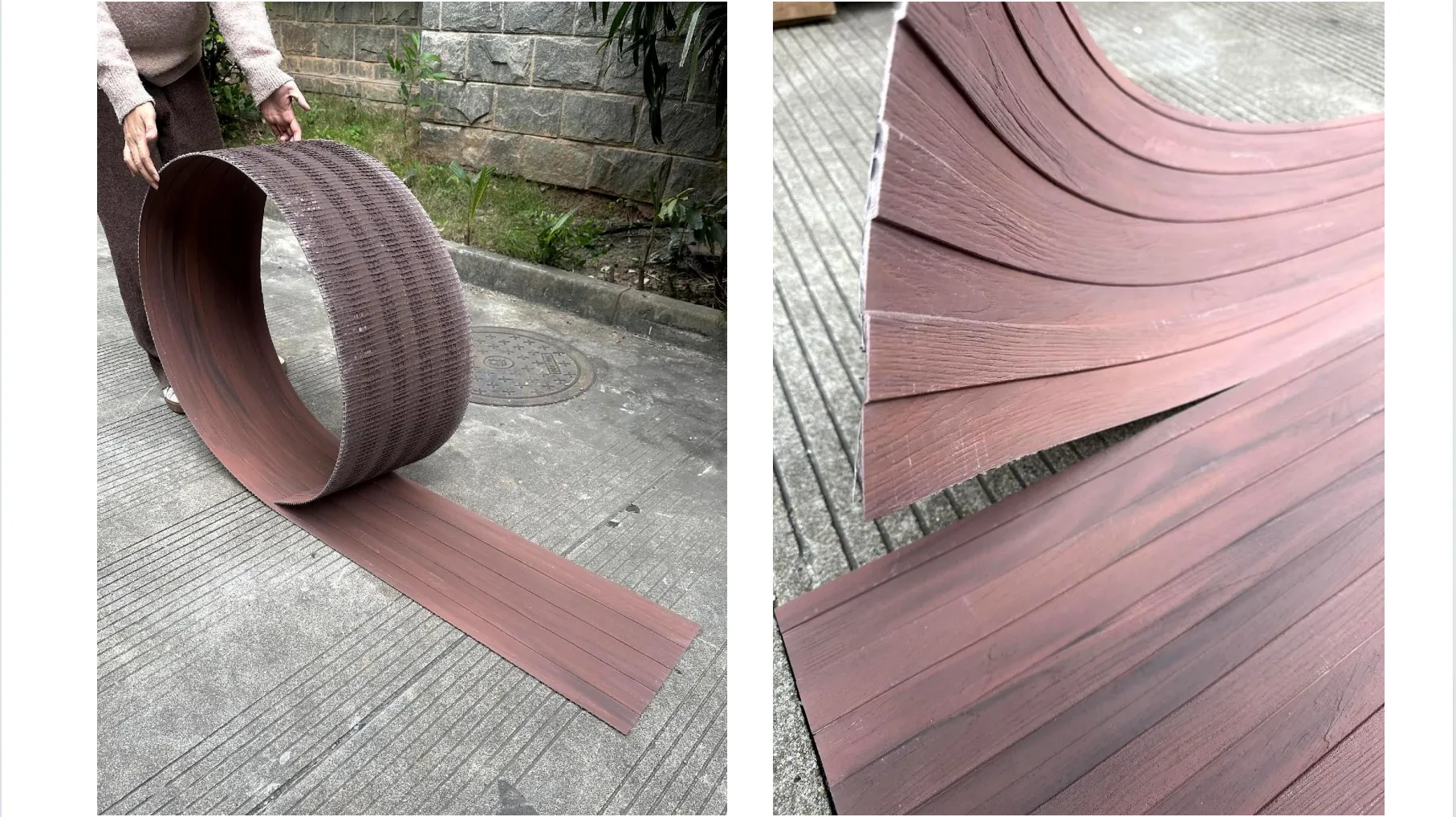
Wood grain board is exactly what it sounds like: panels designed to mimic the look and feel of real wood, often made from engineered wood or composite materials. What makes it a favorite for modern fences? Consistency. Unlike natural wood, which can warp or split over time, wood grain board is durable and low-maintenance. It holds paint like a dream, too—its smooth, even surface ensures the color goes on evenly, while the printed grain adds depth. Imagine painting wood grain board in a soft white: The subtle lines of the grain peek through, creating a look that's "wood-like" without the hassle of real wood. It's perfect for busy homeowners who want style without the upkeep.
For the environmentally conscious homeowner, bamboo mat board is a game-changer. Bamboo is one of the fastest-growing plants on the planet, making it a sustainable alternative to traditional wood. Bamboo mat board is made by weaving thin bamboo strips into a mat-like panel, creating a unique texture that's both rustic and refined. When painted, the weave adds a subtle pattern that plain wood can't match. For example, a bamboo mat board fence painted in a muted green looks like a woven tapestry from a distance, adding visual interest to your yard. It's also surprisingly strong—bamboo has a higher tensile strength than steel—so it can withstand wind, rain, and curious kids. Wood fence real photos often feature bamboo mat board in homes with a focus on sustainability, proving that eco-friendly can also be incredibly stylish.
Okay, so fair-faced concrete isn't wood—but it's the perfect sidekick for a wood fence. Fair-faced concrete is concrete that's left unfinished, showing off its natural texture and color (think soft grays and beiges). When used for fence posts or as a trim around a wood fence, it adds a modern, industrial edge that balances the warmth of wood. Imagine a wood grain board fence painted in warm gray, with fair-faced concrete posts and a matching concrete gate. The contrast between the smooth concrete and the textured wood is striking, yet harmonious. It's a look that says, "I appreciate tradition, but I'm not afraid of the future." Wood fence real photos often pair wood and concrete, proving that opposites really do attract.
They say a picture is worth a thousand words, and when it comes to wood fences, that couldn't be truer. Wood fence real photos capture more than just a color or a material—they capture moments. A family barbecuing in front of a black wood grain board fence, laughter echoing over the grill. A solo morning yoga session by a white bamboo mat board fence, sunlight filtering through the weave. These photos aren't just pretty—they're aspirational. They show us what's possible when we treat our outdoor spaces with the same care as our indoor ones.
Take, for example, a photo from a modern home in Portland: The fence is made of wood grain board painted a soft sage green, with fair-faced concrete posts. Behind it, a garden bursts with native plants—milkweed, coneflowers, and ferns. The fence doesn't just separate the yard from the street; it frames the garden like a living painting. The green paint blends with the foliage, making the space feel larger and more connected to nature. It's a reminder that a fence can be a bridge, not a barrier.
Another wood fence real photo, this time from a small urban backyard in Chicago: The fence is bamboo mat board painted in terracotta, with a black metal gate. The yard is tiny, but the fence makes it feel cozy, not cramped. String lights hang between the bamboo slats, and a wooden bench sits against the fence, piled with throw pillows. It's a space that's designed for connection—proof that even in the city, you can create a retreat. The terracotta paint adds warmth, making the small space feel inviting, while the bamboo weave adds texture that catches the light at different times of day.
Then there's the minimalist home in Los Angeles, with a wood grain board fence painted jet black. The house is all glass and steel, and the black fence mirrors the home's sleek lines. In the yard, a single olive tree stands sentinel, its silver-green leaves contrasting beautifully with the black wood. The fence doesn't just match the home—it completes it. It's a lesson in restraint: Sometimes, less color means more impact.
Choosing a paint color for your wood fence isn't just about picking something you like—it's about making sure it works with your home's architecture. Here's a quick guide to help you match your fence color to your home style, with a little help from materials like wood grain board and bamboo mat board:
| Home Style | Recommended Fence Color | Best Material | Complementary Accent |
|---|---|---|---|
| Modern Minimalist | Black or Soft White | Wood Grain Board | Fair-Faced Concrete Posts |
| Farmhouse | Warm Gray or Terracotta | Bamboo Mat Board | Wrought Iron Hardware |
| Mediterranean | Terracotta or Olive Green | Wood Grain Board | Stone Planters |
| Scandinavian | Cloud White or Light Gray | Bamboo Mat Board | Light Wood Gate |
| Industrial | Charcoal Gray or Black | Wood Grain Board | Fair-Faced Concrete Trim |
Remember, these are just guidelines. The best color is the one that makes you smile every time you pull into your driveway. If you're torn, look to your home's exterior for clues: What color is your siding? Your roof? Your front door? Your fence should complement these elements, not compete with them. And don't forget to test the paint! Buy a small sample, paint a piece of wood (or bamboo mat board), and leave it outside for a few days. See how it looks in the morning sun, the afternoon shade, and the evening light—colors can change dramatically depending on the time of day.
A beautiful wood fence is an investment, and like any investment, it needs a little care to keep it looking its best. Here's how to maintain your painted wood fence, whether it's made of wood grain board, bamboo mat board, or traditional wood:
Dirt, mildew, and pollen can build up on your fence, making the paint look dull. Once a year, give your fence a good cleaning with a pressure washer (set to low pressure to avoid damaging the wood) or a soft brush and mild soap. Rinse thoroughly and let it dry completely before applying any touch-ups.
Every few months, walk around your fence and check for loose boards, splinters, or rot. Fixing small issues early can prevent big problems later. For wood grain board and bamboo mat board, look for cracks or warping—these materials are durable, but they're not indestructible. Tighten loose screws, replace damaged boards, and sand down splinters to keep your fence safe and looking sharp.
Even the best paint job will fade over time, especially in harsh weather. Every 2-3 years, inspect the paint for chipping or fading. Touch up small areas with a brush, or repaint the entire fence if needed. When repainting, use a primer first—this helps the new paint adhere better and last longer. For wood grain board, choose a paint with a satin or semi-gloss finish to highlight the grain; for bamboo mat board, a matte finish works best to keep the texture front and center.
If you live in a rainy or humid climate, consider adding a wood sealer over the paint to protect against moisture. For sunny areas, look for paint with UV protection to prevent fading. And if you have fair-faced concrete accents, seal them too—this will prevent stains and keep them looking fresh.
At the end of the day, a wood fence is more than just boards and paint. It's a reflection of you. It's the first thing guests see when they visit, the backdrop to your family's memories, and the quiet guardian of your peace. Whether you choose a bold black wood grain board fence with fair-faced concrete posts, a soft sage bamboo mat board fence that blends with your garden, or something in between, remember: The best color is the one that makes you feel at home.
So grab a paintbrush, gather inspiration from wood fence real photos, and let your fence tell your story. Because in the world of modern homes, the most beautiful spaces aren't just designed—they're lived in. And a wood fence? It's the perfect place to start living.
Recommend Products












