
There's something inherently comforting about a wood fence. Maybe it's the way sunlight filters through its slats at dawn, casting dappled patterns on the grass, or the soft creak it makes when a neighborhood cat squeezes through. I remember my grandmother's backyard fence—weathered cedar, its grain deepened by years of rain and sun—where I'd hang hand-drawn signs as a kid, declaring "No Adults Allowed" (though she'd always sneak in with cookies). A wood fence isn't just a barrier; it's a storyteller. It holds the laughter of summer barbecues, the quiet sighs of morning coffee on the porch, and the promise of privacy in a busy world. But to make sure your fence writes a happy, long-lasting story, the first chapter starts with one crucial choice: the material. Let's dive into how to pick the perfect wood fence material that blends heart, durability, and style.
Choosing a wood fence material isn't just about picking something that "looks nice." It's about balancing three key elements: how long it will last, how it fits your home's personality, and how gently it treats the planet. Imagine investing in a fence that warps after the first winter, or clashes so badly with your cottage-style home that it feels like a stranger in the yard. Worse, some materials demand constant upkeep—sanding, staining, repairing—that turns a peaceful weekend project into a never-ending chore. The right material, though? It fades into the background in the best way, quietly doing its job while enhancing your space. Let's break down the top contenders, each with its own unique strengths, to help you find your fence's soulmate.
If fences had a "best friend" award, wood line would win hands down. This traditional material is all about celebrating the natural beauty of wood—think warm, swirling grains, knots that tell tales of the tree's growth, and a texture that feels alive to the touch. Wood line fences are typically crafted from solid planks of cedar, pine, or redwood, each bringing its own flair. Cedar, for example, has a spicy-sweet aroma and natural oils that resist rot, making it a favorite for humid climates. Pine, softer and more affordable, takes stain beautifully, letting you customize the color from honey gold to deep walnut.
Best for: Homes with a rustic, cottage, or farmhouse vibe. A wood line fence feels right at home next to a white picket gate or a garden bursting with sunflowers. It's also surprisingly versatile—paint it crisp white for a modern twist, or leave it natural to age gracefully into a silvery patina. Just be prepared for a little maintenance: annual sealing will keep those grains strong and the color vibrant for decades.
For the eco-conscious homeowner who craves texture, bamboo mat board is a revelation. Bamboo grows faster than traditional hardwoods (some species shoot up 3 feet in a day!), making it a sustainable choice that doesn't deplete old-growth forests. What sets bamboo mat board apart is its construction: thin strips of bamboo woven into flexible mats, then attached to a wooden frame. The result? A fence that shimmers with movement, as the woven pattern shifts with the light.
I visited a friend's backyard last spring, and their bamboo mat board fence took my breath away. It was paired with a low stone wall, and when the wind blew, the mats rustled like a gentle rainforest breeze. It's lightweight but surprisingly tough—resistant to pests and moisture, thanks to bamboo's natural hardness. Best for: Modern-rustic homes or gardens with a tropical flair. It softens sharp architectural lines and pairs beautifully with greenery, like climbing jasmine or potted palms. Just note: It's not the best for high-wind areas, as the woven mats can catch gusts—opt for a reinforced frame if you live in a breezy spot.
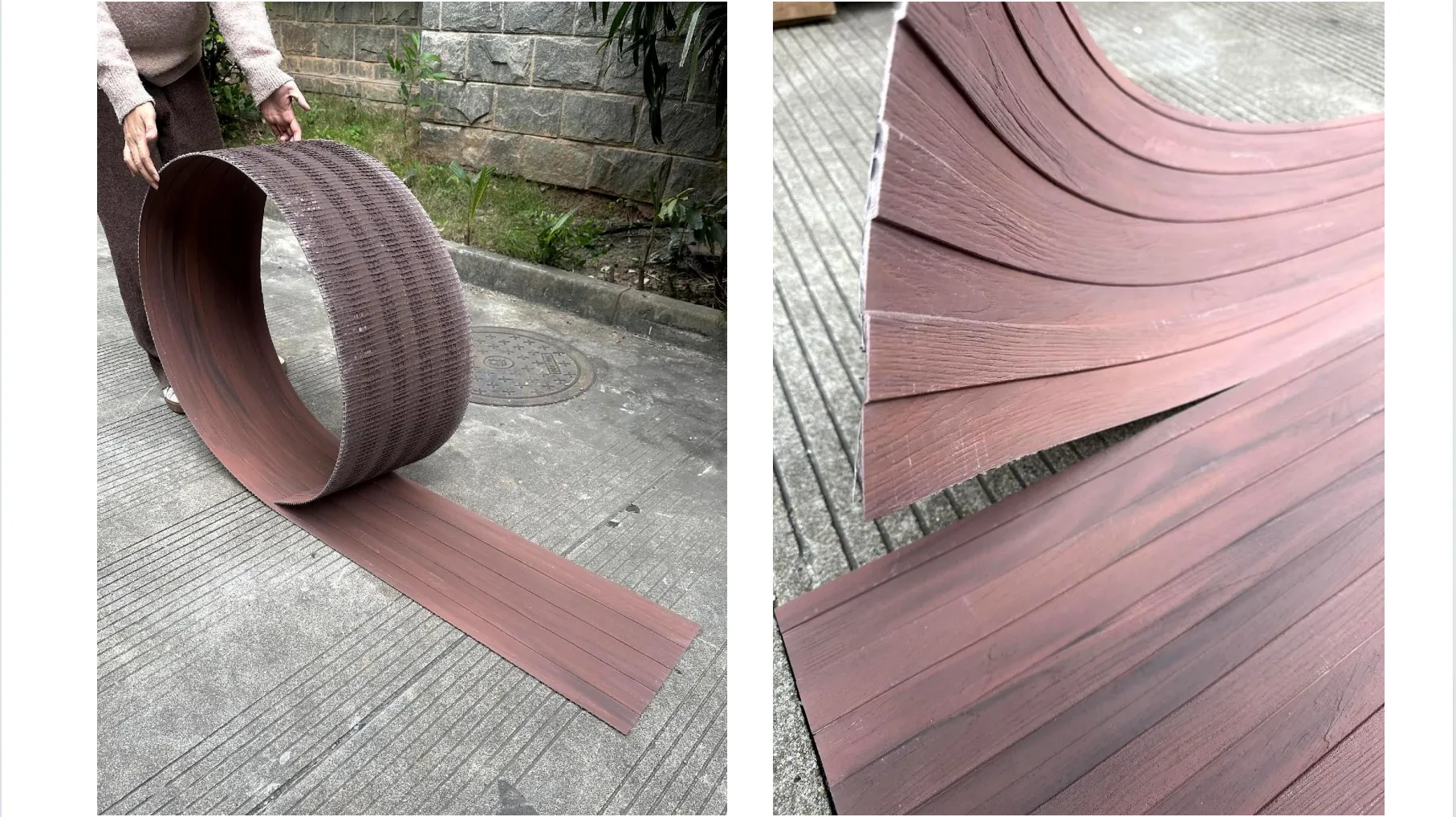
If you love the look of wood but want something with a little more "adaptability," wood grain board is your answer. This material mimics the natural texture of wood—complete with knots, swirls, and grain lines—but is often made from engineered wood or composite materials, which means it's more resistant to warping, splitting, and fading. Think of it as wood with a superpower: it looks just as warm and authentic, but requires a fraction of the upkeep.
Wood grain boards come in a rainbow of finishes, from pale ash to rich mahogany, so you can match them to your home's exterior—whether it's a sleek gray modern house or a cozy beige bungalow. I installed a wood grain board fence at my sister's house last year, and guests still ask if it's "real wood." (Shhh, we won't tell.) It's also a budget-friendly option, as it's often cheaper than solid hardwoods. Best for: Busy families or anyone who wants the beauty of wood without the weekend staining marathons. It's perfect for pool areas, too, since it resists water damage better than untreated wood.
For homeowners who want a fence with personality—make that attitude — charcoal burnt wood board is a showstopper. This material is created using the ancient Japanese technique of shou sugi ban , where wood is burnt to a crisp, then brushed to reveal a deep, textured surface. The result is a fence that looks like it's been kissed by fire: rich blacks and grays, with hints of amber and brown peeking through the charred layers.
I first saw a charcoal burnt wood board fence at a boutique hotel in Portland, and it was stunning against the building's white stucco. It felt both industrial and organic, like a piece of modern art that also kept the pool area private. Beyond its drama, the burnt surface acts as a natural sealant, making the wood resistant to insects, rot, and water. It's low-maintenance—just a quick hose-down now and then—and ages beautifully, with the charred layer protecting the wood beneath. Best for: Contemporary homes, urban gardens, or anyone who wants to make a statement. Pair it with black metal accents or succulent planters for a look that's equal parts tough and tender.
Last but never least, weaving (khaki) brings a touch of artisanal charm to any fence. Imagine thin strips of natural fibers—like jute or hemp—woven between wooden posts, in a warm khaki hue that blends with sand, stone, and earth. It's not a full fence on its own, but a complement: wrap it around a wooden frame, or use it to fill in gaps between posts for a fence that feels light and airy.
I used weaving (khaki) in my own side yard, where I wanted privacy without blocking the light. The result is magical: in the morning, sunlight filters through the weave, casting honey-colored patterns on the patio, and at night, string lights tangled in the fibers glow like fireflies. It's soft underfoot, too—great for areas where kids play or pets nap. Best for: Cottage gardens, bohemian-style homes, or as a decorative accent on a solid wood fence. It's affordable and easy to DIY (just grab a spool of khaki weave and some wooden dowels!), and it adds instant warmth. Pro tip: Treat the fibers with a water-resistant spray to keep them from mildewing in damp weather.
| Material | Durability (1-10) | Aesthetic Vibe | Maintenance Needs | Best For |
|---|---|---|---|---|
| Wood Line | 7-8 (cedar/pine) | Rustic, classic, natural | Annual sealing/staining | Farmhouses, cottages, traditional homes |
| Bamboo Mat Board | 8-9 | Tropical, woven, light | Occasional cleaning, check for loose weaves | Modern-rustic, garden-focused homes |
| Wood Grain Board | 9 | Versatile, realistic wood look | Minimal (hose down, occasional soap wash) | Busy families, pool areas, any style home |
| Charcoal Burnt Wood Board | 9-10 | Edgy, industrial, bold | Low (hose down, no staining needed) | Contemporary, urban homes |
| Weaving (Khaki) | 6-7 (as an accent) | Bohemian, soft, artisanal | Water-resistant spray annually, replace frayed fibers | Cottage gardens, decorative accents |
Once you've picked your material, it's time to make it sing. Here are a few quick ideas to elevate your fence from "nice" to "neighborhood envy":
Wood Line: Clean with a soft brush and mild soap in spring; seal with a water-based stain every 1-2 years to prevent cracking.
Bamboo Mat Board: Hose down monthly to remove dust; check for loose strips and re-weave or glue them back in place.
Wood Grain Board: Rinse with a garden hose seasonally; avoid harsh cleaners (they can dull the finish).
Charcoal Burnt Wood Board: Simply hose down as needed—no staining required! The charred layer protects the wood.
Weaving (Khaki): Spray with a water-resistant sealant in spring; trim any frayed edges with scissors.
At the end of the day, the best wood fence material is the one that feels like "you." It's the cedar wood line fence that reminds you of childhood summers, the bamboo mat board that makes you feel like you're on vacation at home, or the charcoal burnt board that matches your bold, modern spirit. Whatever you choose, remember: a wood fence isn't just about keeping the world out—it's about letting your home's heart shine through. So take your time, touch the materials (run your hand along the grain, feel the weave of bamboo), and imagine how it will look on a snowy morning, a sunny afternoon, and a starry night. Your fence is waiting to tell your story—make sure it's a good one.
Recommend Products












