Okay, you've picked your material—now it's time to armor it up. Weatherproofing isn't a one-and-done task; it's a process that starts before the fence is even installed. Let's break it down into actionable steps.
Step 1: Prep the Wood (or Composite)
Even the best wood needs a clean surface before weatherproofing. Start by sanding the wood with 120-grit sandpaper to smooth out rough spots and open up the pores (this helps the sealant absorb better). Wipe away dust with a dry cloth, then use a mild detergent and water to clean off any dirt, sap, or mildew. For composite materials like
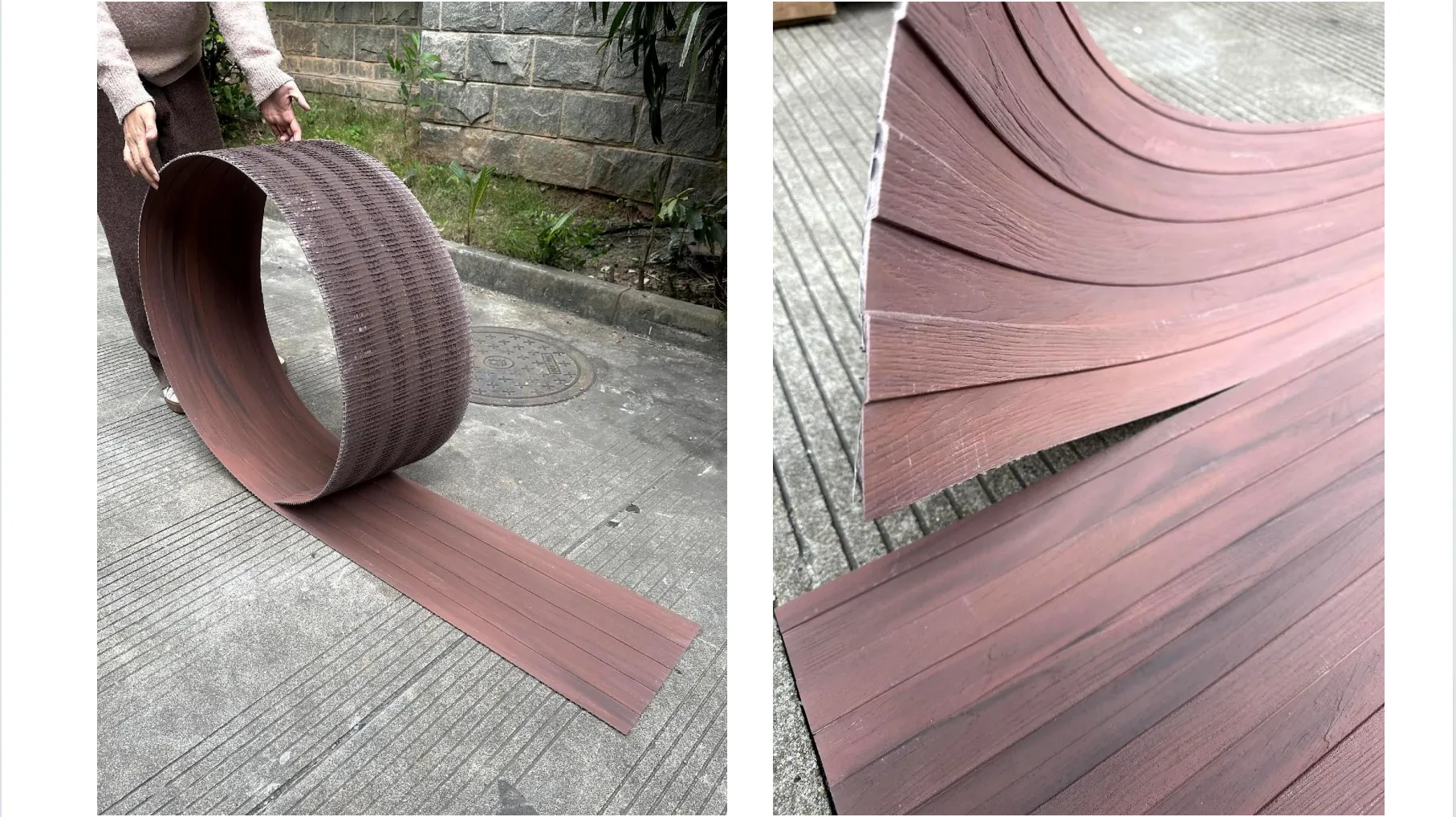
wood grain board, skip the sanding—just give it a good wash with soap and water to remove factory residues. Let it dry completely before moving on—this is crucial. In Saudi, a sunny day will dry wood in a few hours, but check the weather forecast to avoid rain or high humidity during this step.
Step 2: Apply a Primer (For Solid Wood)
Primer is like the first layer of armor. It seals the wood, blocks stains, and helps the topcoat (paint or stain) adhere better. For Saudi's climate, use an oil-based primer—it's more durable than water-based and resists moisture better. Apply it with a brush or roller, making sure to get into all the nooks and crannies (like between slats). Let it dry according to the manufacturer's instructions—usually 24 hours. If you're using pressure-treated wood, check if it needs a special primer; some treatments require it.
Step 3: Choose Your Topcoat: Paint, Stain, or Sealant?
Now, the big decision: paint, stain, or clear sealant? Each has pros and cons.
-
Paint:
Offers the best UV protection, since it creates a solid barrier between the wood and the sun. It also comes in endless colors, so you can match your home's exterior. The downside? It can peel if not applied properly, and it hides the wood grain (if that's something you love). Use a 100% acrylic latex paint—they're flexible, resist cracking, and hold up well in heat.
-
Stain:
Soaks into the wood, enhancing the grain while adding color. It's more breathable than paint, so wood can expand and contract without peeling. Look for a semi-transparent or solid stain—transparent stains offer less UV protection. Oil-based stains penetrate deeper and last longer here, but water-based stains are easier to clean up. Plan to re-stain every 2-3 years.
-
Clear Sealant:
If you want the natural wood look, go with a clear sealant (like polyurethane or spar varnish). But be warned: clear sealants offer the least UV protection, so the wood will fade over time. Opt for a sealant with UV blockers, and reapply every 1-2 years. For
wood grain board or
mcm flexible stone, check the manufacturer's recommendations—some come pre-sealed, but a yearly coat of clear sealant can extend their life.
Step 4: Apply with Care
Whether you're painting, staining, or sealing, application matters. Use a high-quality brush or roller—cheap tools leave streaks and waste product. Apply thin, even coats rather than one thick layer (thick coats drip, dry unevenly, and crack). For vertical surfaces (like fence slats), start at the top and work down to avoid drips. Let each coat dry completely before adding the next—rushing this step is a common mistake that leads to peeling.
Step 5: Add a Sand and Moisture Barrier
Saudi-specific hack: Sand and moisture are your fence's silent killers. To block sand, install a thin mesh screen (like fiberglass window screen) behind the fence—this catches grit before it hits the wood. For moisture, make sure the fence posts are set in concrete and raised slightly above the ground (use post bases to prevent wood from touching soil). You can also apply a waterproofing membrane to the bottom 6 inches of posts—this area is most prone to rot from ground moisture.