
Let's start with a scenario we've all lived through: It's a Wednesday afternoon, and you're trying to focus on a work deadline in your home office. Outside, a neighbor's dog is barking nonstop. Inside, your partner is on a loud Zoom call in the next room. The hum of the fridge, the tick of the clock, the distant sound of traffic—suddenly, every noise feels like a jackhammer to your concentration. Sound familiar? We spend so much time thinking about the look of our spaces that we often overlook how they sound . But here's the thing: the materials we choose for our walls, ceilings, and even floors can make all the difference between a space that drains us and one that nurtures us. Enter wood grain board—a material that's not just easy on the eyes, but a quiet champion when it comes to taming the chaos of sound.
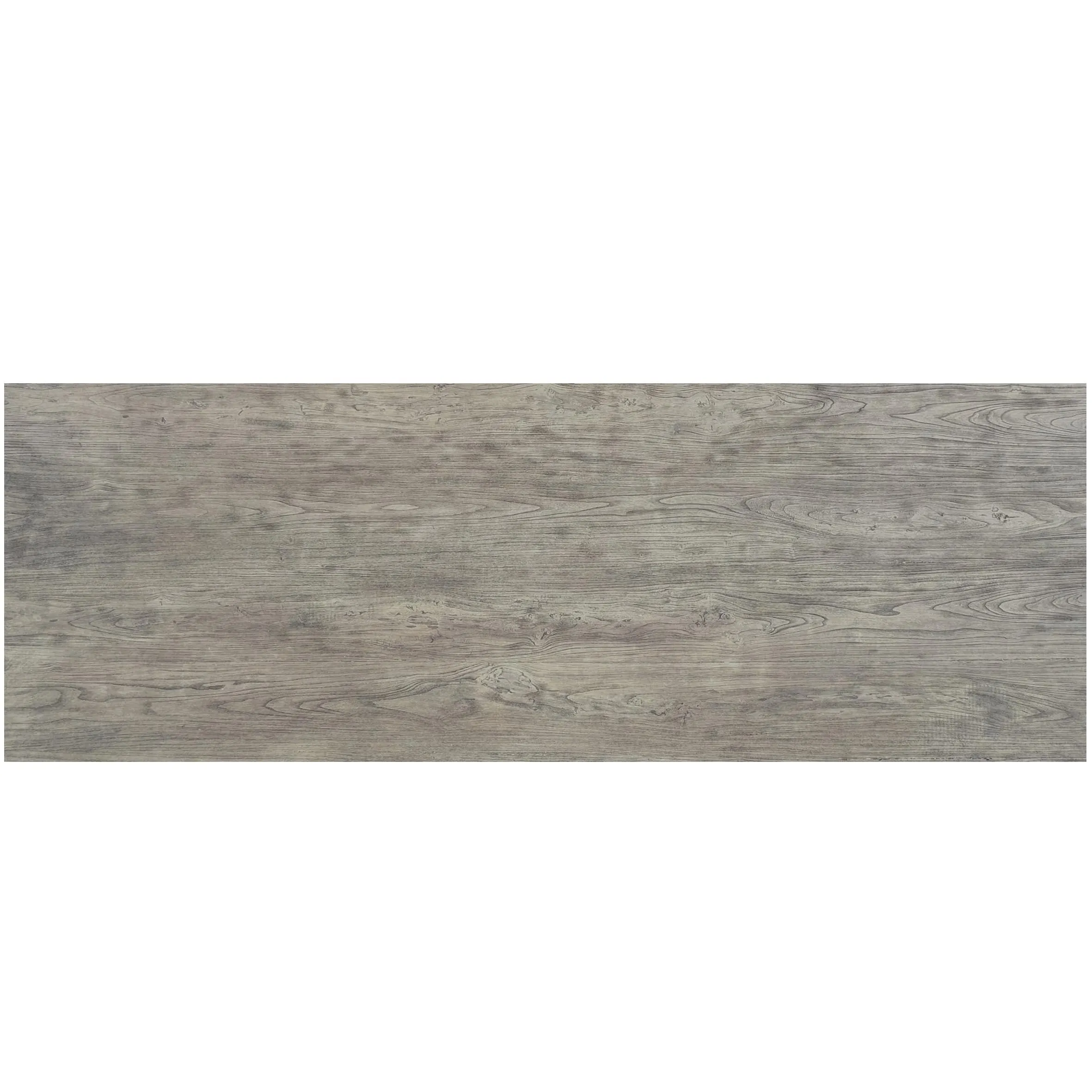
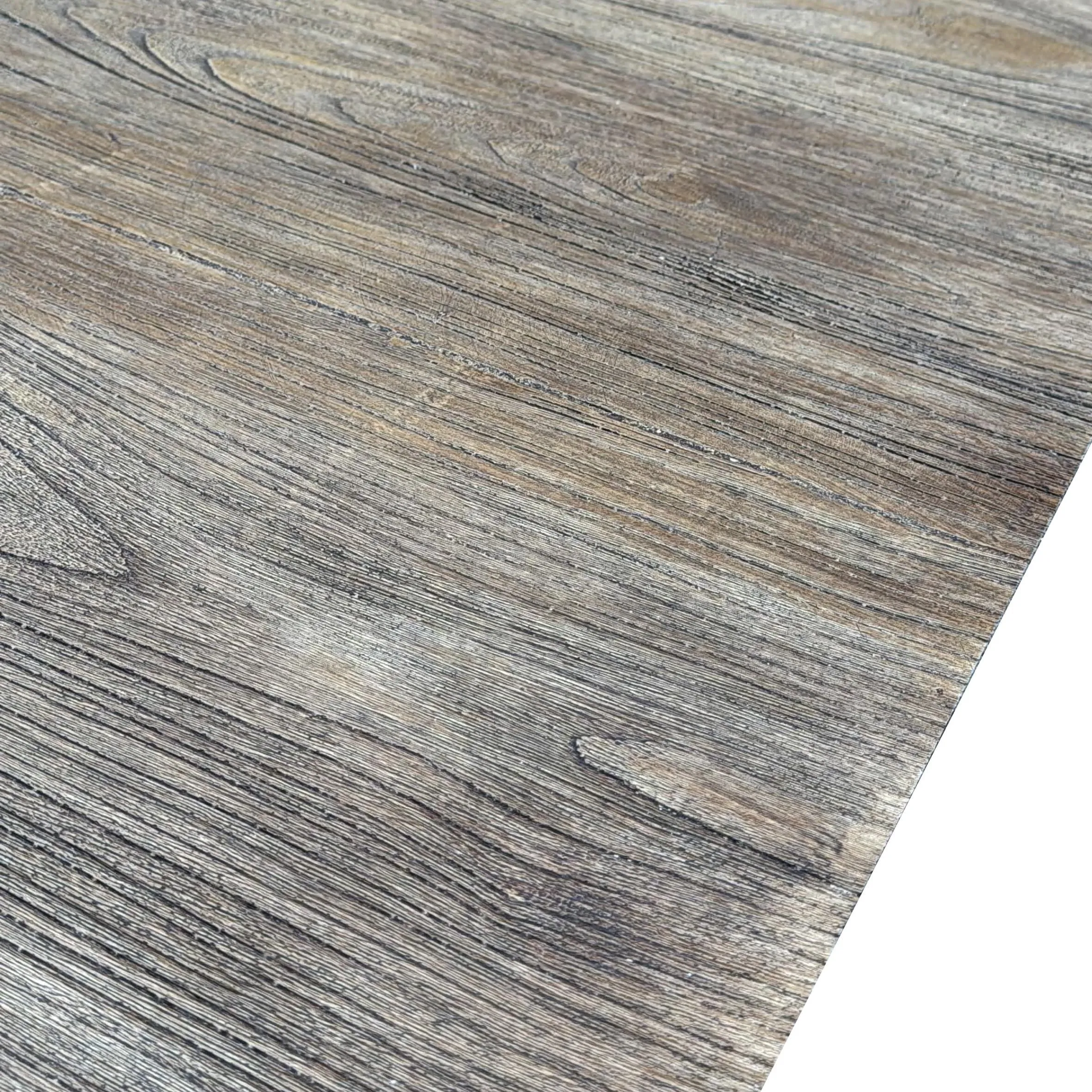
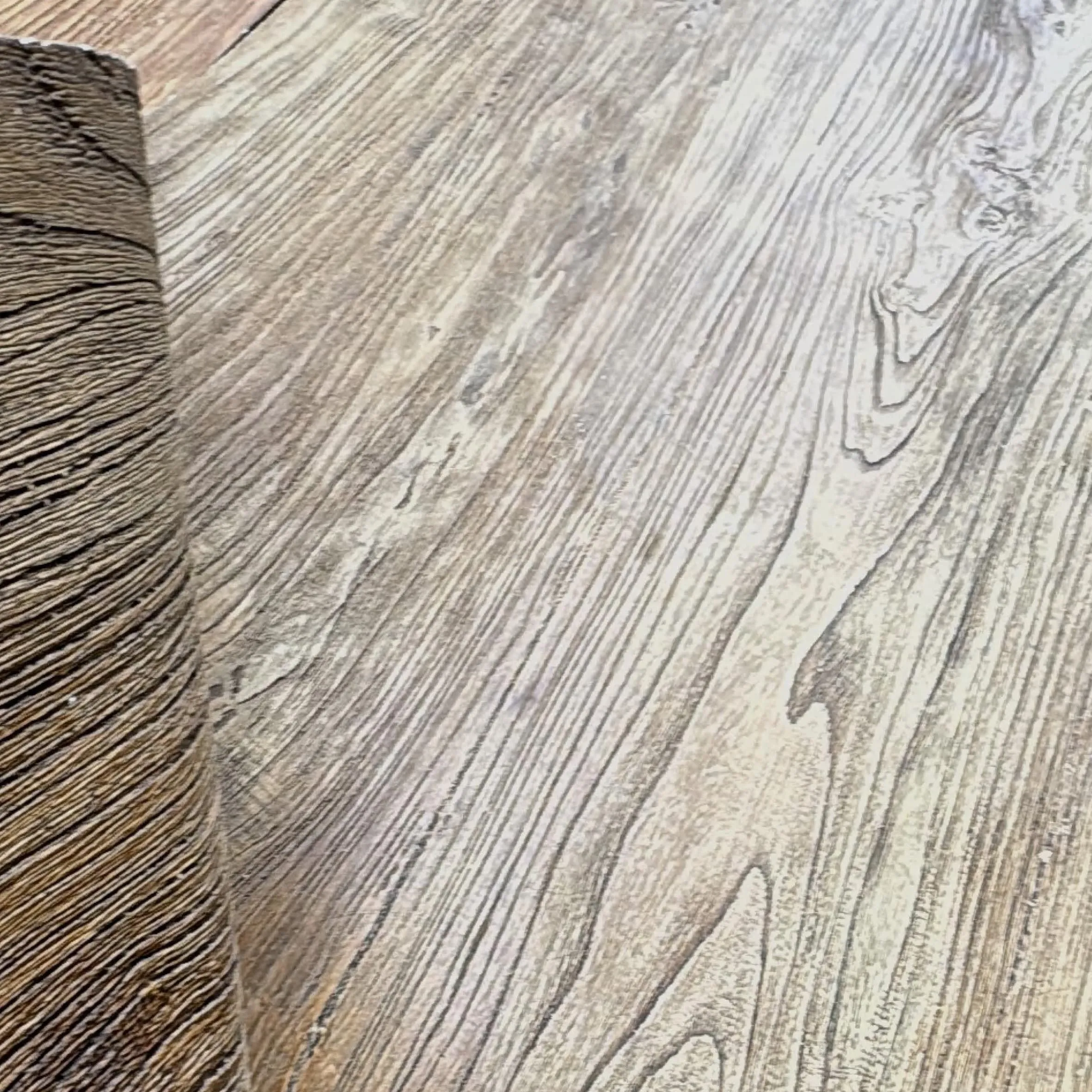
First off, let's get one thing straight: wood grain board isn't just "wood paneling with a fancy name." It's a engineered material designed to balance durability, aesthetics, and—you guessed it—acoustic performance. At its core, it's made from compressed wood fibers, often mixed with natural binders, creating a structure that's dense enough to block sound but porous enough to absorb it. Think of it like a sponge for noise: when sound waves hit the surface, instead of bouncing back (which is what causes echoes and reverberation), they get trapped in the tiny gaps between the fibers. The waves lose energy as they wiggle through these spaces, turning that annoying buzz into a soft murmur.
I remember visiting a friend's apartment a few years back—she'd just renovated her home office with wood grain board on two walls. Before the renovation, she could hear her upstairs neighbor's TV as if it were in her own room. After? She said it was like flipping a switch. The difference wasn't just "quieter"—it was calmer . That's the magic of sound absorption: it doesn't just lower the volume; it changes the quality of the noise around you.
But how do we measure this "awesomeness"? Acousticians use something called the Noise Reduction Coefficient (NRC), which ranges from 0 to 1. A material with an NRC of 0 absorbs no sound (think a smooth concrete wall), and 1 absorbs all sound (which is theoretical—no material is that perfect). Most wood grain boards fall between 0.6 and 0.8, which is pretty impressive. For context, a standard drywall has an NRC of around 0.05—basically, it's a sound bouncer, not a sound absorber. So wood grain board isn't just better; it's in a league of its own for everyday spaces.
Sure, wood grain board sounds great (pun intended), but how does it compare to other popular building materials? Let's round up some contenders and see how they perform. I've pulled together a quick comparison to make it easy—no acoustics degree required:
| Material | Sound Absorption Coefficient (at 500Hz) | NRC Rating | Best For |
|---|---|---|---|
| Wood Grain Board | 0.75 | 0.7 | Home offices, bedrooms, restaurants |
| Fair-Faced Concrete | 0.03 | 0.05 | Industrial spaces (needs acoustic add-ons) |
| Travertine (Beige) | 0.20 | 0.3 | Low-noise areas like lobbies |
| Rammed Earth Board (Matcha Green) | 0.45 | 0.5 | Eco-friendly homes, rustic interiors |
| Foamed Aluminium Alloy Board (Vintage Silver) | 0.35 | 0.4 | Modern commercial spaces (high durability) |
See that? Wood grain board outperforms fair-faced concrete by a mile (no surprise there—concrete is hard and reflective), and even beats out materials like travertine and foamed aluminium. Rammed earth board (that lovely matcha green shade) comes close, but wood grain still has the edge, especially in mid-range frequencies—think human voices, which are the most distracting in daily life. Plus, wood grain board doesn't just absorb sound; it also helps with sound insulation, meaning it blocks noise from traveling through walls. So if your neighbor loves blastin' 80s rock at 7 a.m., wood grain board on your shared wall can turn that "boom boom pow" into a faint "mmm mmm mmm."
Wood grain board isn't a one-trick pony. It works in just about any space where noise is a problem—or where you want to keep things peaceful from the start. Let's walk through some real-world examples to spark ideas:
If you've ever tried to take a Zoom call while your kids are doing remote learning (or your partner is playing video games), you know the struggle. Adding wood grain board to one or two walls of your home office can cut down on echo and background noise, making your voice clearer and your patience longer. I worked with a client last year who did this—she covered the wall behind her desk and said her colleagues immediately noticed the difference: "It's like you're in a real office now!" she told me. Bonus: the warm wood tones made her space feel cozier, which made logging in at 8 a.m. a little less painful.
We spend a third of our lives sleeping, but noise can turn that into a third of our lives tossing and turning . Whether it's street noise, a snoring partner, or a creaky floor, wood grain board on bedroom walls (or even the ceiling) can create a cocoon of quiet. I installed it in my own bedroom a few years back, and I swear it's the reason I can sleep through my neighbor's early-morning lawn mowing. Pro tip: Pair it with thick curtains and a plush rug for maximum effect—acoustics are all about layering.
Ever been to a restaurant where you have to lean in and yell just to hear your date? That's usually because the space is full of hard surfaces—tile floors, concrete walls, metal tables—that bounce sound around like a pinball machine. Adding wood grain board to the ceiling or upper walls can soak up that excess noise, making conversations feel intimate again. A local café near me did this last year, and regulars rave about the difference. "I can actually hear my friends now," one barista told me. "And we get fewer complaints about noise—win-win."
Teachers have enough on their plates without competing with echoey classrooms. Wood grain board can help here too—by absorbing sound, it makes the teacher's voice clearer, so students don't have to strain to listen. In auditoriums, it can improve sound quality for lectures and performances, ensuring every seat feels like the "best seat in the house." I visited a high school that installed it in their music room, and the band director said it was like "night and day—we can finally hear each other play without the sound bouncing all over the place."
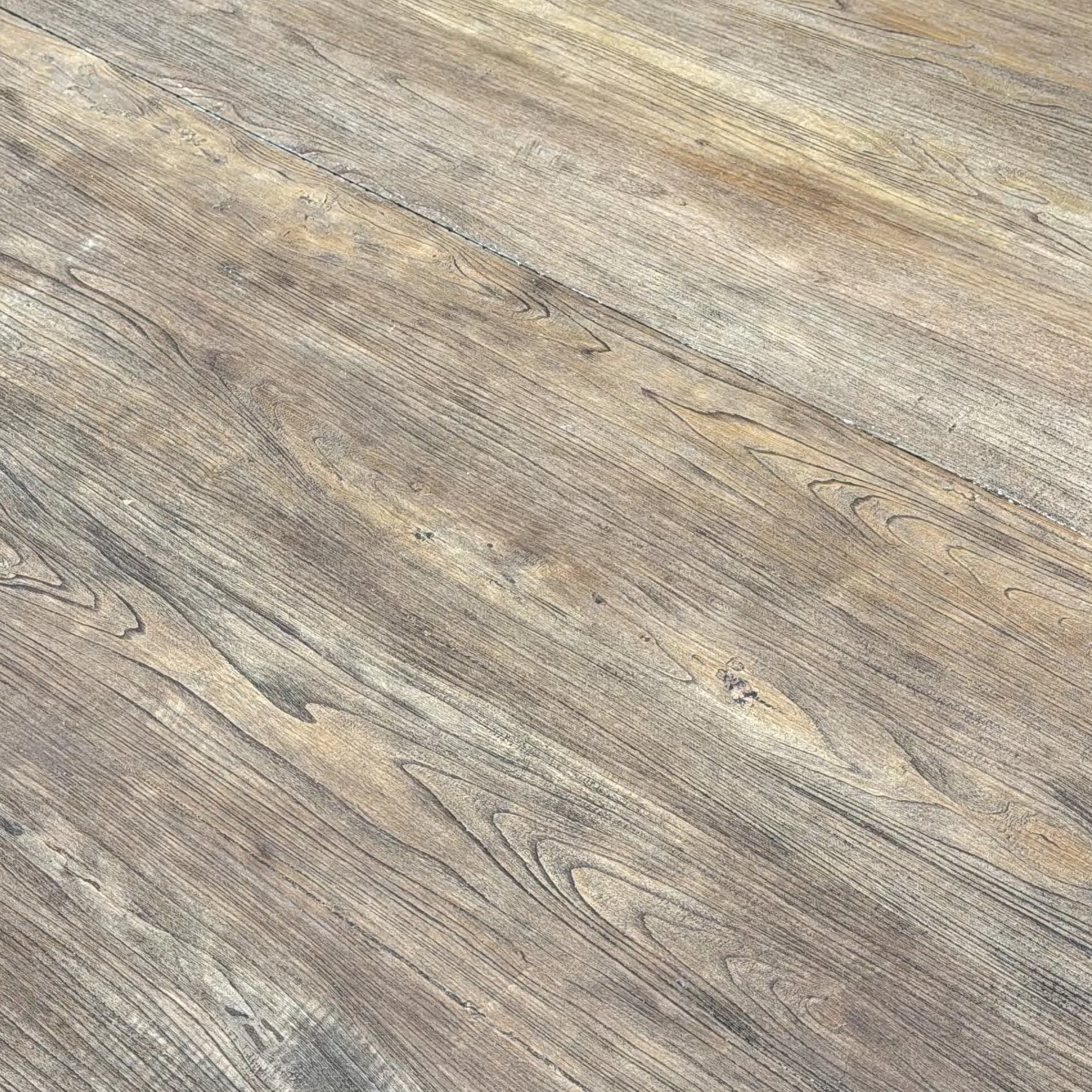
Let's be real: even if a material works wonders acoustically, if it looks like a slab of industrial foam, most of us won't want it in our homes. That's where wood grain board really shines—it's a design chameleon. With its natural wood texture and warm tones, it fits seamlessly into almost any decor style. Want a modern, minimalist vibe? Go for a light oak finish. Into rustic charm? Dark walnut or mahogany does the trick. And if you're feeling bold, you can even find wood grain boards with subtle color tints—think soft greys or warm beiges—that add a pop without clashing.
I worked with an interior designer once who used wood grain board in a beach house—she paired it with white linen curtains and driftwood accents, and it looked like something out of a magazine. "Clients always ask if it's real wood," she told me. "I tell them it's better—it sounds better, and it won't warp in the humidity." That's the other perk: unlike solid wood, engineered wood grain board is more resistant to moisture, warping, and scratches. So it's not just pretty; it's tough enough for busy households and high-traffic areas.
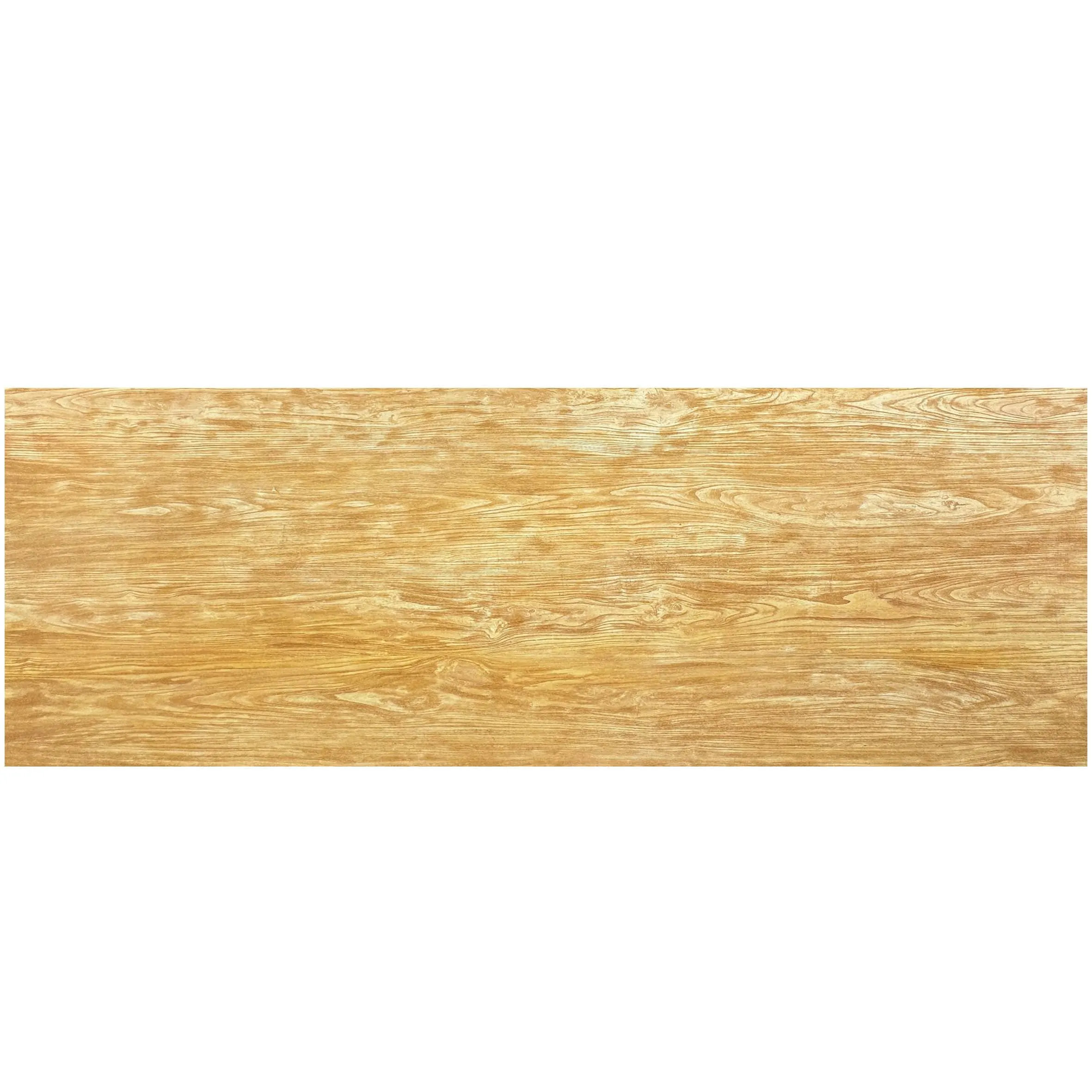
And let's talk customization. Wood grain board comes in planks, panels, even 3D designs that add texture (and extra sound absorption, by the way). You can install it vertically, horizontally, or in a herringbone pattern for a little drama. Some brands even offer pre-finished options, so you can skip the painting or staining step. It's like having a blank canvas that also happens to quiet your space—design dreams, meet acoustic reality.
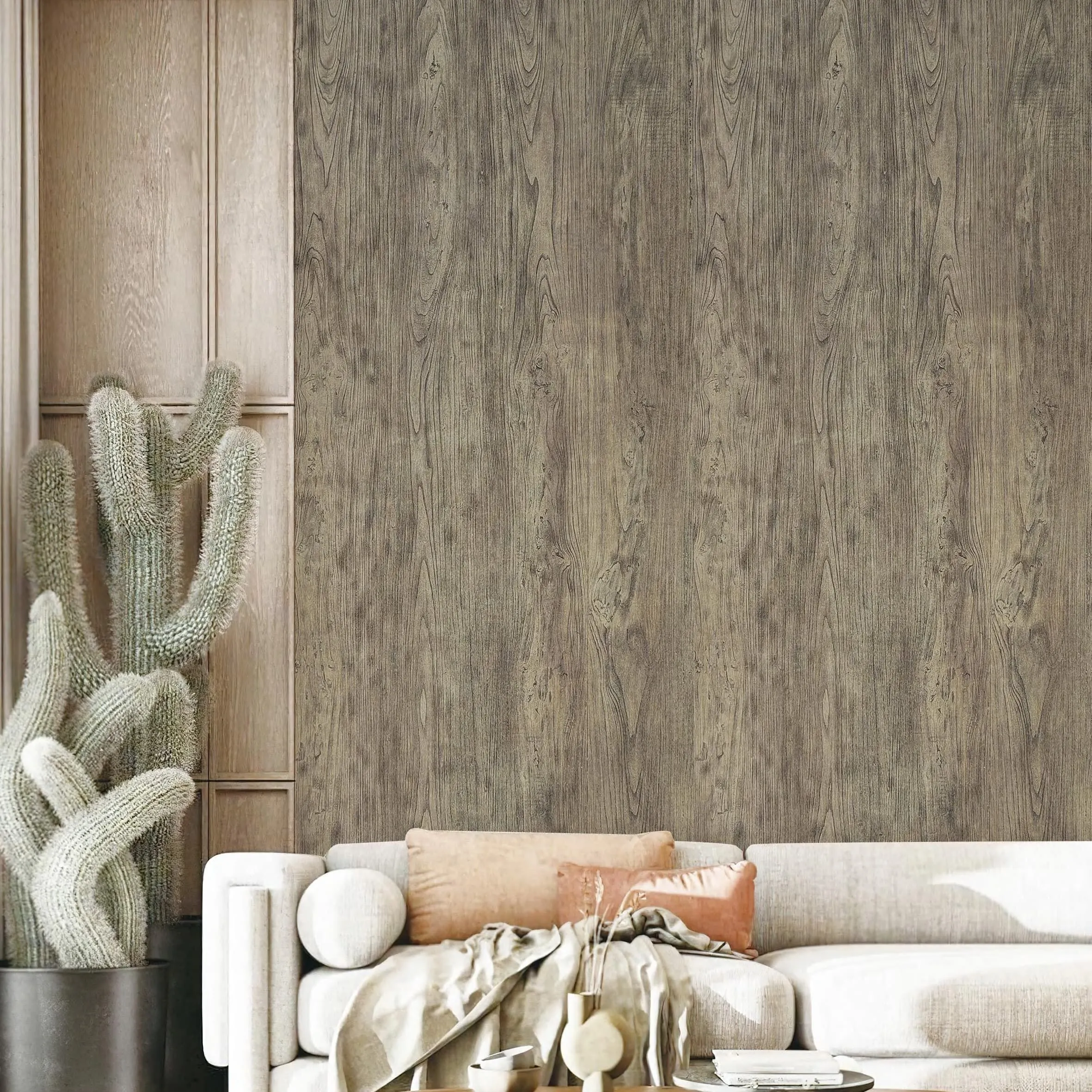
Okay, so you're sold on wood grain board—now what? Let's talk installation and upkeep. First off, while some DIYers might tackle this project, I usually recommend hiring a professional, especially if you're covering large areas or need to cut around windows and doors. A pro will ensure the boards are properly sealed and spaced, which affects both acoustics and durability.
One thing to keep in mind: wood grain board works best when it's not directly attached to the wall. Adding a small air gap (about 1-2 inches) between the board and the wall creates a "buffer zone" that enhances sound insulation. Think of it like double-paned windows—air trapped between layers helps block noise. Your installer can use furring strips to create this gap, and it's worth the extra effort for the acoustic boost.
Maintenance is a breeze, too. Just dust it with a microfiber cloth or vacuum with a soft brush attachment every now and then. If it gets a smudge, wipe it with a damp cloth—no harsh chemicals needed. And unlike carpet or fabric acoustic panels, it won't trap allergens or pet dander, which is a win for anyone with allergies.
Cost-wise, wood grain board is mid-range—more expensive than drywall, but cheaper than solid wood or high-end acoustic panels. Prices vary by brand and finish, but you can expect to pay around $3-$7 per square foot, plus installation. When you factor in the long-term benefits—better sleep, less stress, improved productivity—it's an investment that pays off in spades.
At the end of the day, our spaces shape how we feel. A noisy home can leave us irritable and drained; a quiet one can make us feel calm and grounded. Wood grain board isn't just a building material—it's a tool for creating spaces that support our well-being. It's about more than muffling sound; it's about reclaiming control over our auditory environment.
I think about a client I had a few years back—a single mom with two young kids, working from home. Her living room was also her office, and the noise was overwhelming. We installed wood grain board on one wall, and a few weeks later, she sent me a text: "Last night, after the kids went to bed, I sat in here and just… listened to the silence. I didn't realize how much I missed it." That's the power of good acoustics—it gives us back moments of peace we didn't even know we were missing.
So whether you're remodeling your home office, designing a new café, or just looking to make your bedroom a little quieter, wood grain board is worth considering. It's not the only solution out there, but it's one of the few that balances function, beauty, and affordability so seamlessly. After all, in a world that's always getting louder, a little quiet might be the most luxurious thing we can give ourselves.
Here's to spaces that sound as good as they look—and to the quiet moments that make life feel a little more human.
Recommend Products












