
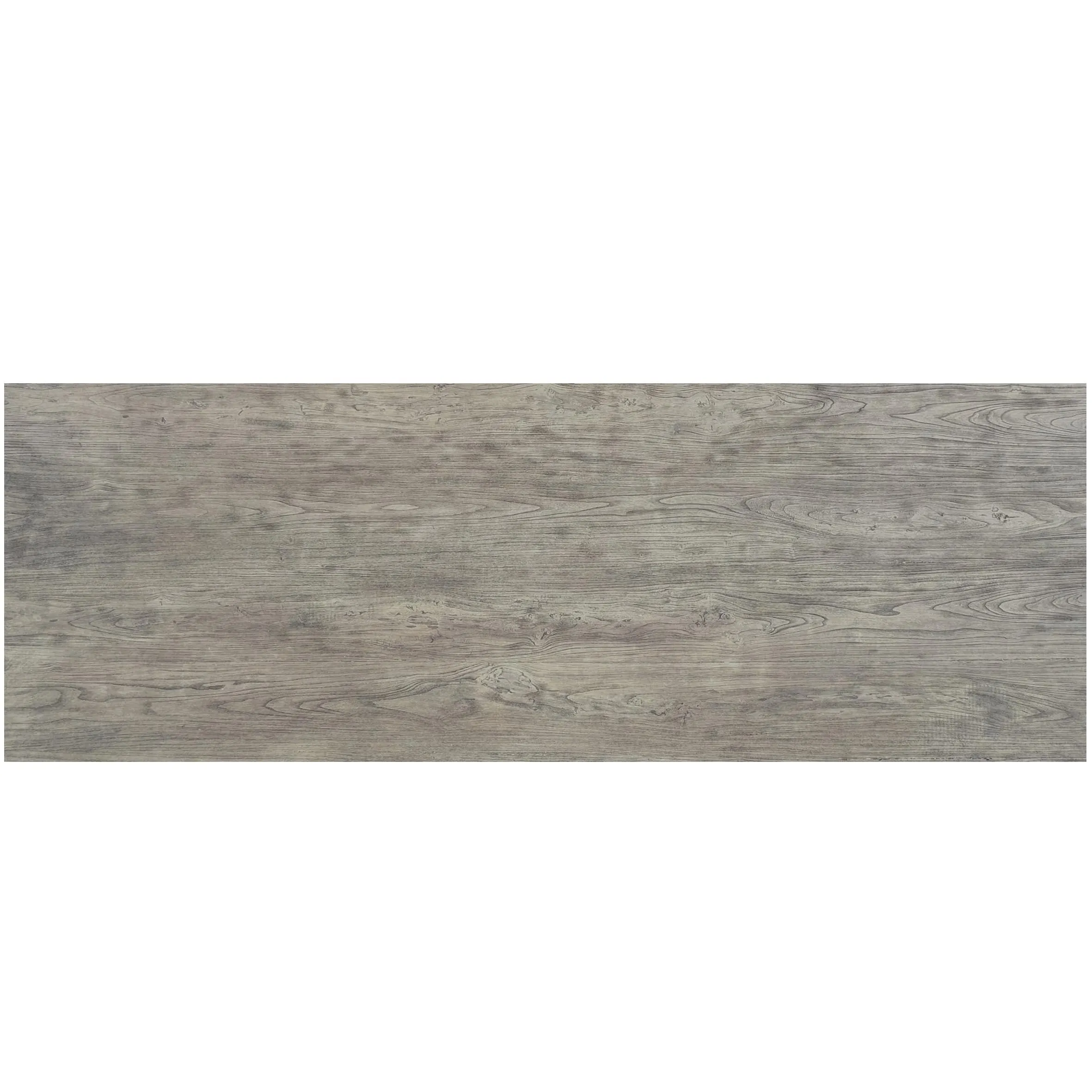
There's something inherently comforting about wood. It's the smell of a freshly cut log, the way sunlight filters through tree branches and dapples its surface, the warmth it brings to a room even on the coldest days. For centuries, humans have turned to wood to build homes, furniture, and spaces that feel like extensions of nature itself. But as our lives grow busier and our spaces more demanding, real wood often falls short—prone to warping, staining, and requiring constant upkeep. Enter wood grain board: a modern marvel that captures every nuance of wood's natural beauty while packing in the durability and versatility today's homeowners and designers crave. Whether you're dreaming of a cozy cottage kitchen or a sleek urban café, wood grain board isn't just a material—it's a way to bring the soul of wood into any space, without the hassle. Let's dive into how this innovative material is transforming both homes and businesses, one grain at a time.
At first glance, you might mistake wood grain board for the real thing—and that's the point. Crafted from high-density fiberboard (HDF), PVC, or composite materials, it's engineered to replicate the intricate patterns, colors, and textures of natural wood. But unlike solid wood, it's designed to stand up to the chaos of daily life. Imagine running your hand over a panel: you'll feel the subtle rise and fall of the grain, just like oak or walnut, but beneath that organic texture lies a tough, resilient core. Most wood grain boards are treated with moisture-resistant coatings, making them impervious to spills, humidity, and even the occasional rain shower if used outdoors. They come in endless styles, too—from the light, airy tones of whitewashed pine to the deep, rich hues of espresso walnut, and everything in between. Some even mimic rare woods like teak or mahogany, giving you access to luxury aesthetics without the luxury price tag. Think of it as nature's beauty, reimagined for the way we live now.
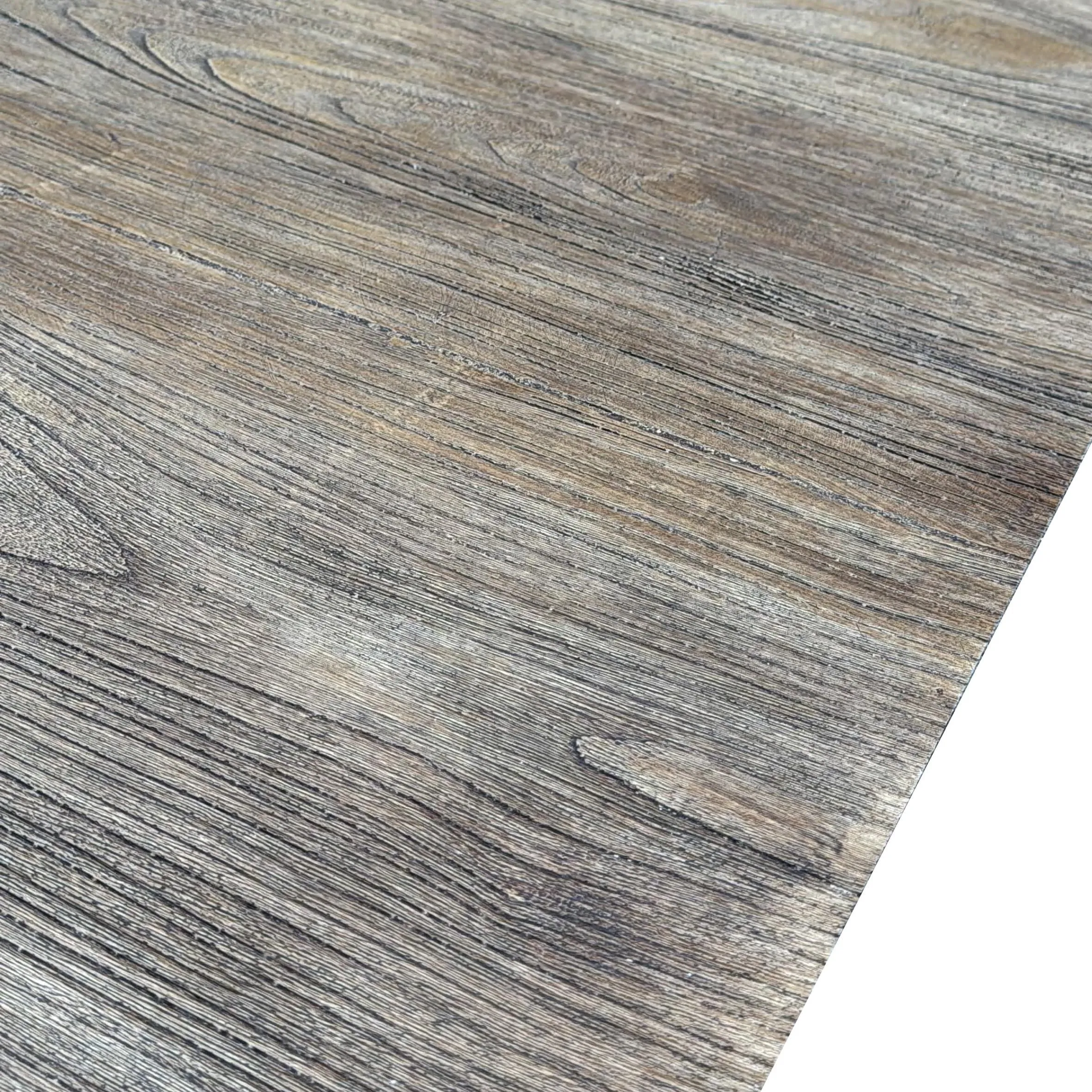
Your home is more than walls and a roof—it's where memories are made. Wood grain board has a unique ability to turn ordinary rooms into spaces that feel lived-in, loved, and uniquely yours. Let's explore how it shines in every corner of the house.
The living room is where we gather, laugh, and unwind, so it needs to be both inviting and durable. Wood grain board excels here, whether you're using it for an accent wall, a fireplace surround, or even ceiling panels. Picture this: a neutral-toned living room with a statement wall clad in light oak wood grain panels. Sunlight streams through the windows, highlighting the natural-looking knots and grains, while a plush sofa and woven rug add layers of coziness. It's warm but not overwhelming, timeless but not outdated. And when the kids spill juice or the dog scratches the wall? A quick wipe with a damp cloth, and it looks as good as new. Unlike real wood, there's no need to worry about water rings or fading from sunlight—this material keeps its charm for years.
Kitchens are the busiest rooms in most homes, and they demand materials that can handle heat, spills, and constant cleaning. Wood grain board checks all these boxes, making it perfect for cabinet doors, backsplashes, or even kitchen islands. Imagine a modern kitchen with sleek, handleless cabinets in a warm walnut wood grain finish. The panels resist grease splatters from the stove, and when tomato sauce drips onto the counter? It wipes right off without staining. Unlike real wood, which can warp near sinks or dishwashers, wood grain board's moisture-resistant core stays stable, even in humid environments. Plus, it adds a touch of warmth to an otherwise utilitarian space—because cooking should feel joyful, not sterile.
Bedrooms are all about relaxation, and wood grain board helps create a serene, spa-like atmosphere. Wardrobes with wood grain doors feel more inviting than cold, clinical closet systems, while a headboard clad in soft maple grain panels adds a touch of luxury without the cost of solid wood furniture. Even flooring—yes, wood grain board can be used as flooring!—adds warmth underfoot, making those early-morning trips to the bathroom feel a little less jarring. And for renters or those who love to redecorate? Peel-and-stick wood grain panels make it easy to transform a room without permanent changes. It's the kind of material that turns a bedroom into a retreat, where you can unwind after a long day and wake up feeling refreshed.
Bathrooms are tricky—high humidity, water splashes, and steam can wreak havoc on many materials. But wood grain board? It thrives here. Use it for wall panels, vanity fronts, or even shower surrounds (paired with proper waterproofing, of course). Imagine a bathroom with light gray wood grain walls, complemented by white subway tiles and brass fixtures. It feels like a boutique hotel, but in your own home. No more worrying about mold growing on painted walls or real wood warping near the shower—this material stays crisp and clean, even in the steamiest conditions. It's a small change that makes a big difference: suddenly, your morning routine feels a little more indulgent.
Who says wood grain board is only for inside? Weather-resistant varieties are perfect for patios, decks, or garden fences, letting you extend your home's style outdoors. Imagine a backyard patio with wood grain decking that looks like natural cedar but doesn't require annual staining or sealing. It stands up to rain, snow, and UV rays, retaining its color and texture year after year. Add some outdoor furniture and string lights, and you've got a space that's perfect for summer barbecues or fall bonfires. Unlike real wood, which can splinter or rot over time, wood grain board stays smooth and sturdy, making it safe for kids and pets to play on. It's the best of both worlds: the look of a rustic wooden deck with the low-maintenance convenience of modern materials.
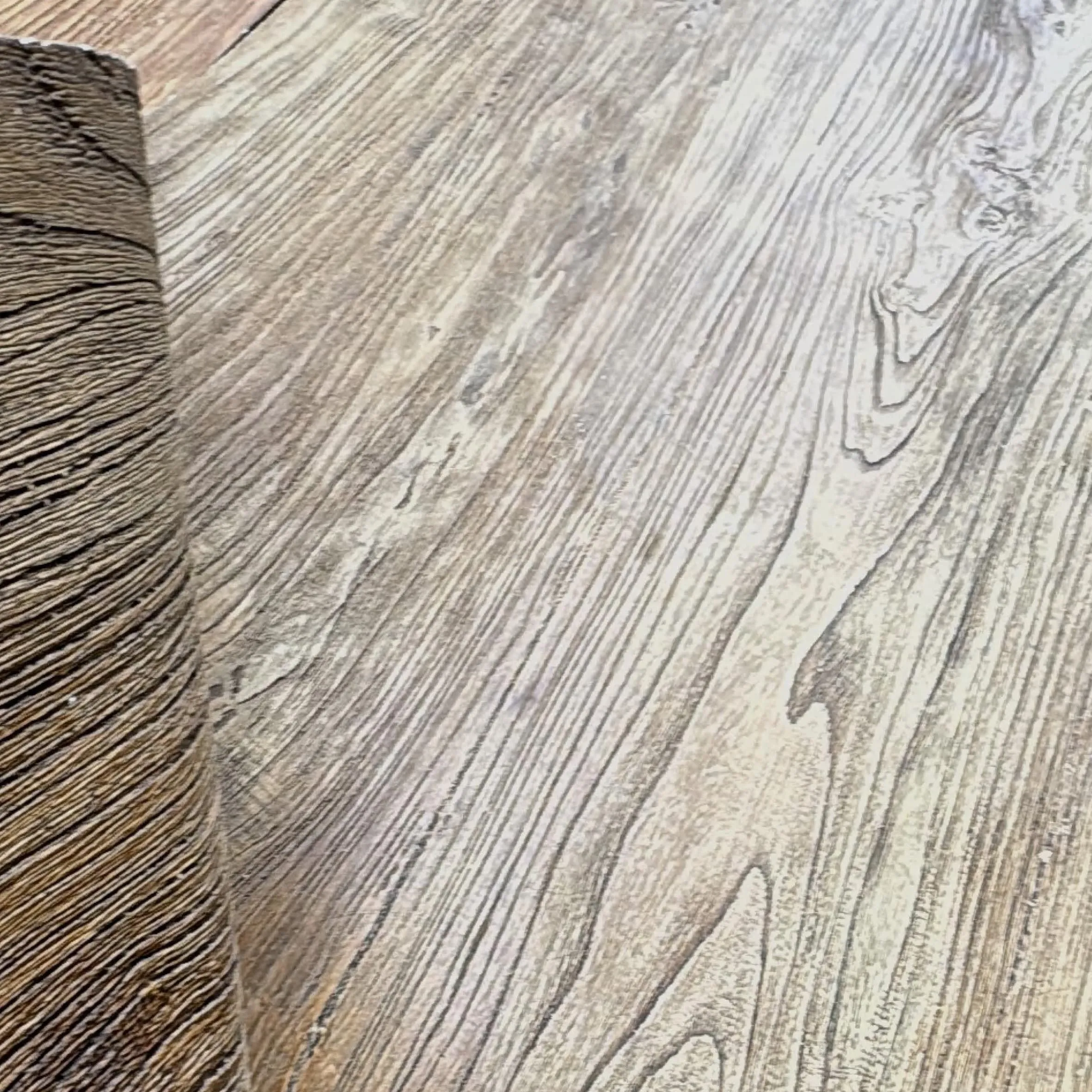
In the world of business, first impressions matter. Wood grain board helps create spaces that feel welcoming, memorable, and aligned with your brand's personality—whether you're running a cozy café or a cutting-edge tech office. Let's explore how it elevates commercial spaces.
Restaurants live and die by their atmosphere, and wood grain board is a secret weapon for creating the right vibe. Imagine a downtown bistro with wood grain paneling on the walls, complemented by warm pendant lights and reclaimed wood tables. The panels, in a rich chestnut finish, add depth and warmth, making guests feel like they've stepped into a friend's cozy dining room rather than a generic eatery. Even better, they're easy to clean—no more scrubbing wine stains or grease marks from busy dinner services. For a more modern look, pair wood grain board with sleek metal accents or large windows; for a rustic vibe, mix it with stone or brick. It's versatile enough to fit any cuisine, from a casual burger joint to an upscale sushi bar, and it keeps the space feeling inviting, even during the busiest rushes.
Gone are the days of sterile, gray offices. Today's workplaces prioritize employee well-being, and wood grain board helps create environments that feel less like cubicles and more like creative hubs. Use it for accent walls in meeting rooms, desk surfaces, or even partition screens to divide open spaces without closing them off. Imagine a tech startup office with white walls, black furniture, and wood grain panels lining the hallway. The contrast between the modern elements and the natural wood tones creates a space that's both professional and approachable—encouraging collaboration and reducing stress. Employees feel more at ease, and clients walking through the door get a sense of the company's innovative yet grounded values. Plus, it's durable enough to handle the daily wear and tear of office life—scratches from rolling chairs, coffee spills, and all.
Retail spaces need to highlight products while creating a shopping experience that keeps customers coming back. Wood grain board does both, whether you're using it for shelving, display tables, or wall panels. Imagine a clothing boutique with wood grain shelves showcasing sweaters and accessories. The warm, natural texture makes the clothes feel more inviting, while the neutral backdrop ensures the merchandise takes center stage. For a high-end store, opt for a dark walnut finish with a glossy coat; for a bohemian brand, light pine with a matte texture works perfectly. And because wood grain board is customizable, you can even match it to your brand's color palette—ensuring a cohesive look from the storefront to the fitting rooms. It's not just about aesthetics, though; the material's durability means shelves won't warp under the weight of products, and spills from perfume testers or makeup wipes clean up easily.
Hotels thrive on making guests feel pampered and at ease, and wood grain board is ideal for achieving that "home away from home" feel. From lobby walls to guest room headboards, it adds a touch of luxury without the exorbitant cost of real wood. Imagine a beachfront resort with guest rooms featuring light oak wood grain paneling, paired with crisp white linens and ocean-inspired decor. The wood tones evoke a sense of calm, while the material's durability ensures it stays looking fresh even after hundreds of check-ins and check-outs. In the lobby, a statement wall clad in wood grain panels with integrated lighting creates a focal point that welcomes guests the moment they walk in. It's warm, sophisticated, and timeless—exactly what travelers want when they're seeking comfort and relaxation.
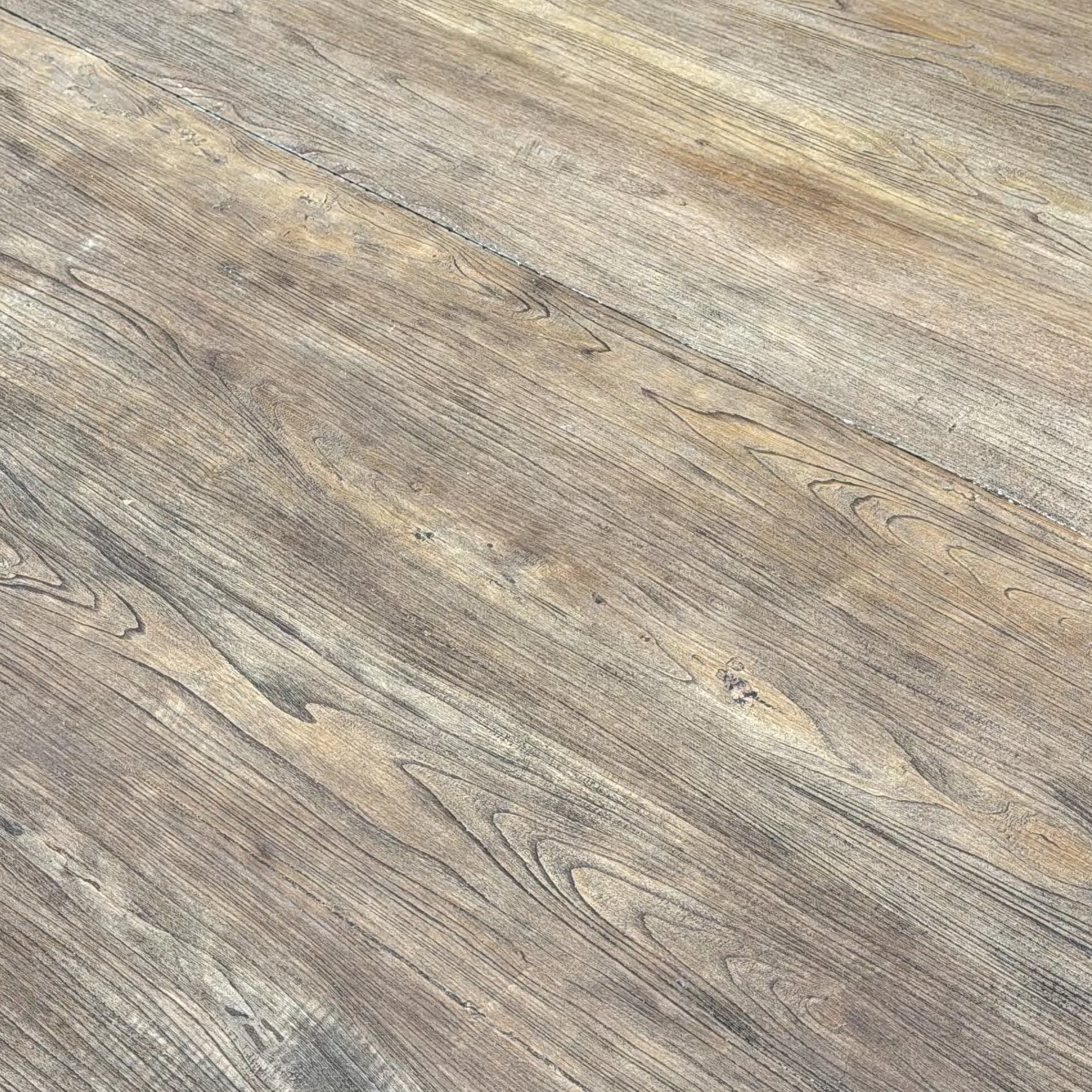
By now, you might be wondering: what makes wood grain board better than other materials? Let's break down the perks that make it a top choice for both residential and commercial projects.
Real wood is beautiful, but it's fragile—prone to scratches, dents, water damage, and fading. Wood grain board, on the other hand, is built to last. Its engineered core resists scratches from pets, dents from furniture, and stains from spills. It won't warp in humid bathrooms or fade in sunny living rooms, and it holds up to heavy foot traffic in commercial spaces. In fact, many manufacturers back their wood grain boards with 10+ year warranties, so you can trust it to look great for decades. It's the kind of material that grows with your space—whether you're a young family with kids or a business owner with a busy storefront.
Wood grain board isn't a one-trick pony. It comes in hundreds of styles, from light, blonde woods to dark, dramatic finishes, and everything in between. Want a Scandinavian minimalist look? Opt for a whitewashed ash grain. Going for industrial chic? A weathered oak finish with visible knots and grains fits the bill. It can be cut into any shape, used on walls, ceilings, floors, or furniture, and paired with other materials like metal, stone, or glass. Whether your project is modern, traditional, rustic, or eclectic, there's a wood grain board that fits—and it's easy to mix and match to create a look that's uniquely yours.
In a world where sustainability matters more than ever, wood grain board is a eco-friendly choice. Unlike real wood, which often requires cutting down mature trees, many wood grain boards are made from recycled materials like sawdust, wood chips, or PVC, reducing waste and deforestation. They're also low in volatile organic compounds (VOCs), meaning they don't release harmful chemicals into the air—a big plus for indoor air quality in homes and offices. And because they last longer than many other materials, they need to be replaced less frequently, reducing your carbon footprint over time. It's a small choice that adds up to a big difference for the planet.
Let's be honest: real wood is expensive. Solid oak flooring or walnut cabinetry can cost a fortune, putting that "natural wood look" out of reach for many budgets. Wood grain board offers the same aesthetic at a fraction of the price, making it accessible for homeowners and businesses alike. Whether you're renovating a small bathroom or outfitting an entire restaurant, you'll save money without sacrificing style or quality. And because it's easy to install (many options are peel-and-stick or click-together), you'll save on labor costs too. It's proof that you don't have to break the bank to create a space that feels high-end and inviting.
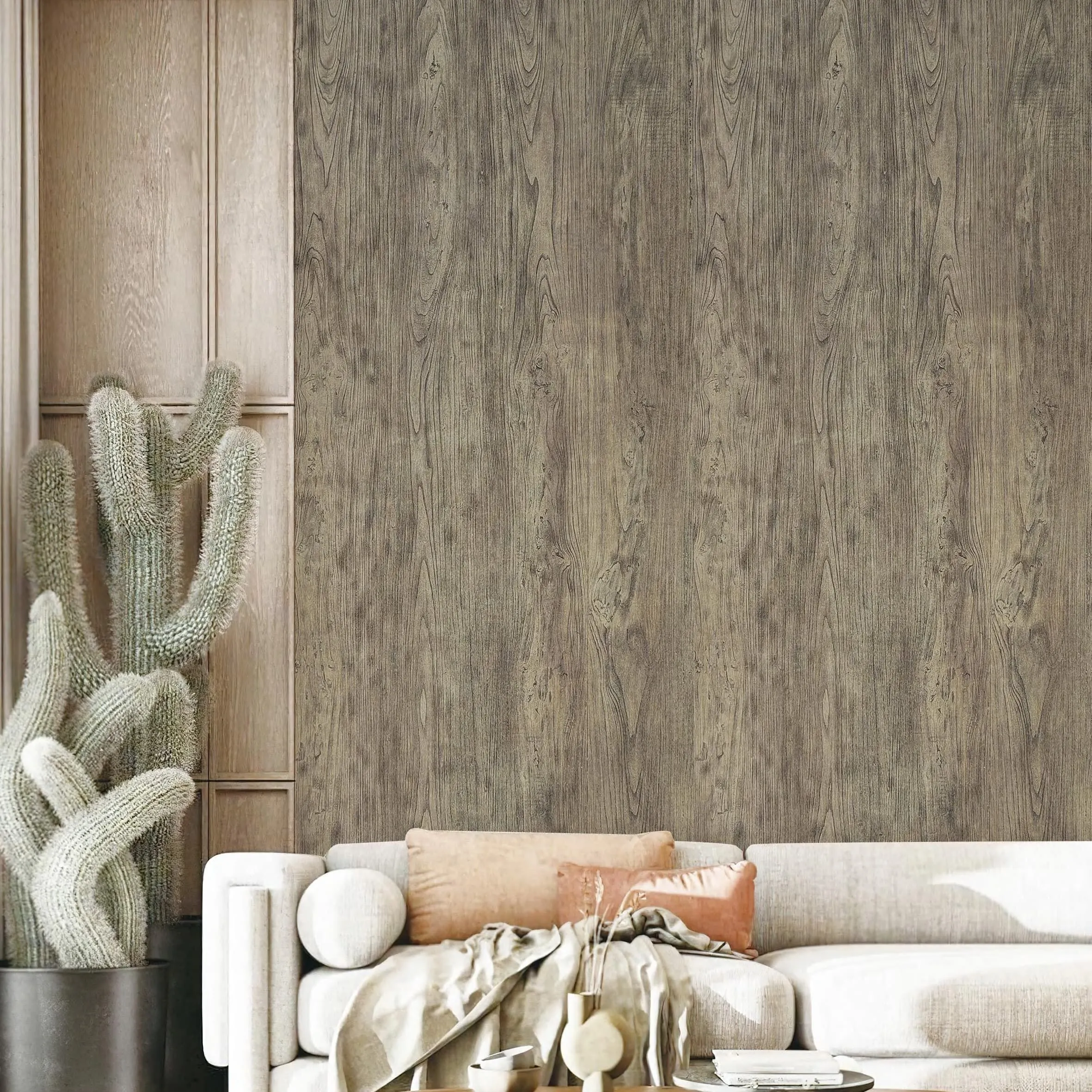
Still not sure if wood grain board is right for your project? Let's compare it to two other popular materials: fair-faced concrete and travertine (beige). Both have their merits, but wood grain board offers a unique blend of beauty, durability, and versatility that's hard to beat.
| Feature | Wood Grain Board | Fair-Faced Concrete | Travertine (Beige) |
|---|---|---|---|
| Aesthetic | Warm, natural wood tones with varied grain patterns; versatile for traditional to modern styles. | Industrial, minimalist look with a smooth or textured finish; best for modern/urban spaces. | Earthy, organic stone appearance with subtle veining; ideal for rustic or Mediterranean vibes. |
| Durability | Highly resistant to scratches, stains, and moisture; lasts 10+ years with minimal maintenance. | Extremely durable but prone to cracking if not sealed properly; stains can be hard to remove. | Natural stone is porous; requires regular sealing to prevent stains and water damage. |
| Maintenance | Low maintenance: wipe with a damp cloth; no sealing or special treatments needed. | Requires periodic sealing; stains may require professional cleaning. | Needs annual sealing; spills must be cleaned immediately to avoid etching. |
| Cost | Affordable; typically $2–$8 per square foot, depending on style. | Moderate to high; $6–$12 per square foot, plus installation costs. | High; $10–$20 per square foot, plus sealing and maintenance expenses. |
| Sustainability | Often made from recycled materials; low VOC emissions; long lifespan reduces replacement needs. | Concrete production has a high carbon footprint; durable but not recyclable. | Natural stone mining can impact ecosystems; heavy material increases transportation emissions. |
As you can see, wood grain board offers a winning combination of warmth, durability, and affordability that fair-faced concrete and travertine (beige) can't match—especially if you're craving the look of natural wood without the upkeep. Of course, every project is unique; if you're going for an ultra-industrial aesthetic, fair-faced concrete might be the way to go, or if you want the luxury of natural stone, travertine (beige) could work. But for most people, wood grain board hits the sweet spot between beauty and practicality.
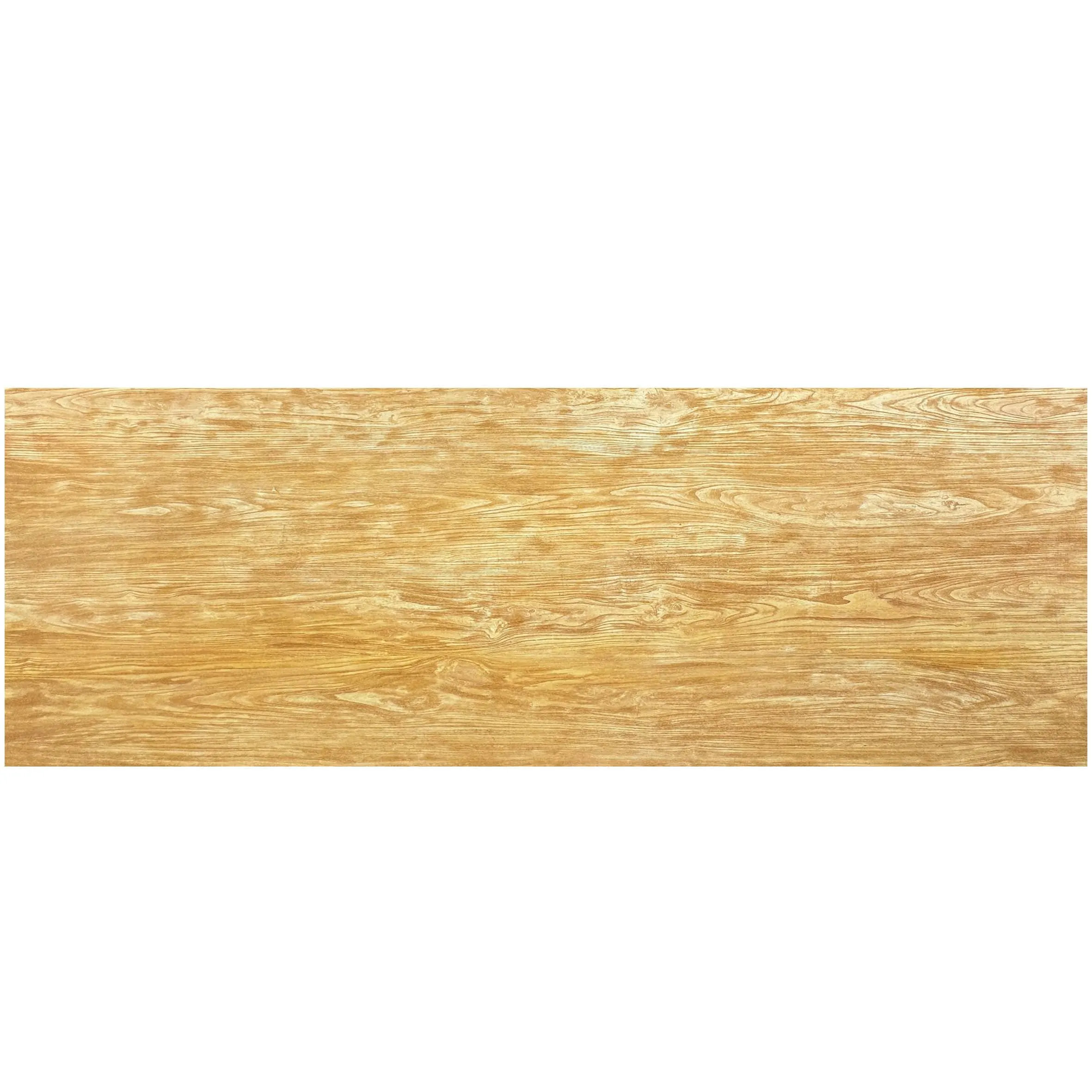
Ready to incorporate wood grain board into your project? Here are a few tips to help you get the look you want.
Wood grain board pairs beautifully with other textures to create a layered, inviting space. Try combining it with fair-faced concrete for an industrial-warm vibe—think a wood grain accent wall in a room with concrete floors and metal fixtures. Or, for a more organic feel, mix it with travertine (beige) tiles in a bathroom: wood grain walls with travertine shower floors. The contrast between the smooth stone and the textured wood adds visual interest without overwhelming the space.
Don't be afraid to experiment with different wood tones and grain patterns. Light woods (like pine or maple) make small spaces feel larger and brighter, while dark woods (like walnut or mahogany) add drama and elegance. For a bold statement, try a herringbone or chevron pattern with wood grain flooring or wall panels. For a subtle touch, use wood grain as an accent—like a single wall in a living room or the back of a bookshelf.
While wood grain board works in almost any space, think about the room's purpose when choosing the finish. In high-moisture areas like bathrooms or kitchens, opt for a waterproof variety with a matte finish (glossy finishes can show water spots). In low-traffic areas like bedrooms, you can go for a more delicate grain pattern or lighter color. And in commercial spaces with lots of foot traffic, choose a thicker, more durable board to withstand wear and tear.
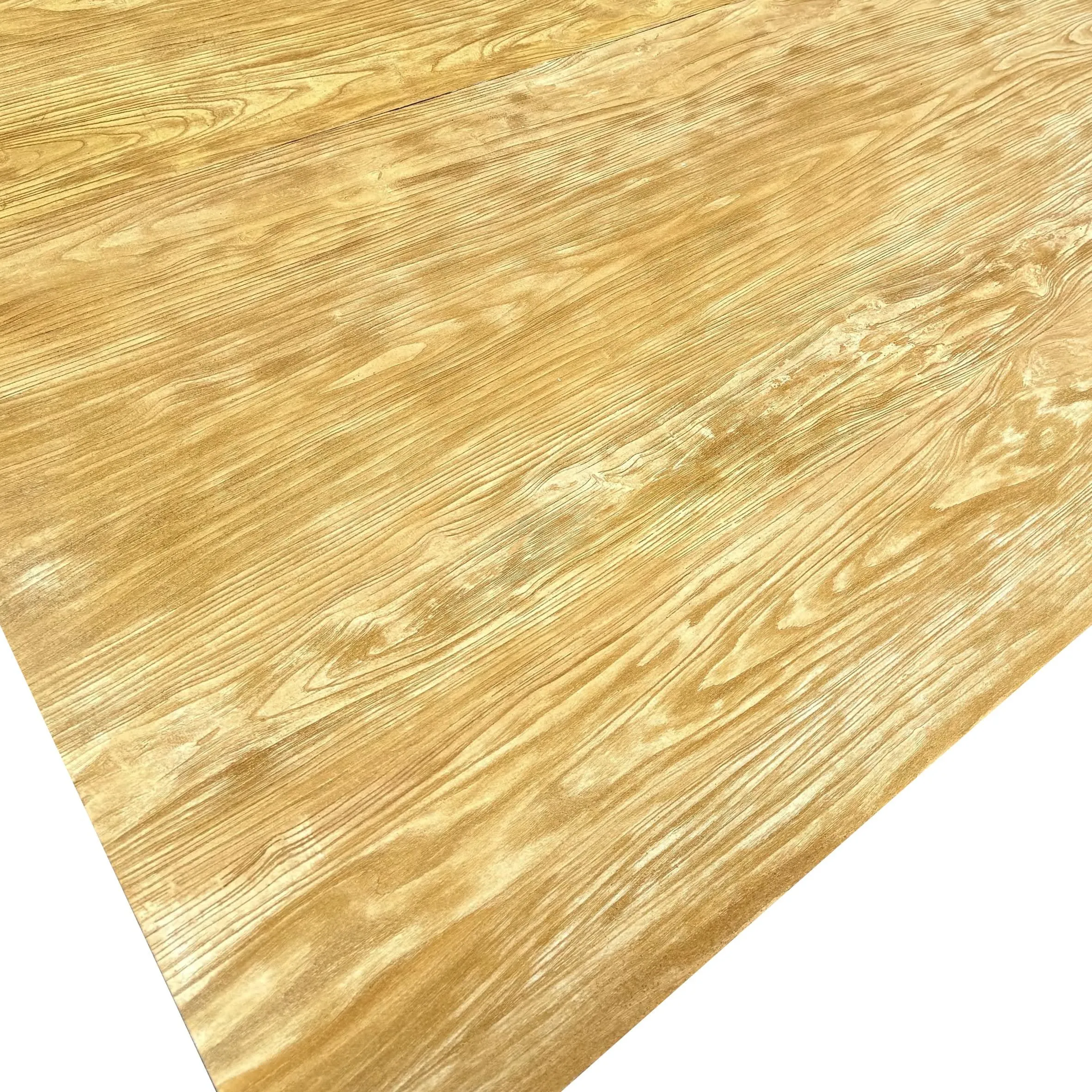
Wood grain board is more than just a building material; it's a bridge between the timeless appeal of natural wood and the demands of modern life. It brings warmth to cold, sterile spaces, durability to busy homes and businesses, and beauty to projects big and small—all without the hassle of real wood. Whether you're renovating your living room, opening a café, or designing a hotel lobby, it offers endless possibilities to create spaces that feel inviting, memorable, and uniquely yours.
So why wait? Embrace the beauty of wood grain board and transform your space into something extraordinary. After all, the best spaces aren't just built—they're felt. And with wood grain board, every room will feel like a warm, welcoming hug, day after day, year after year.
Recommend Products












