
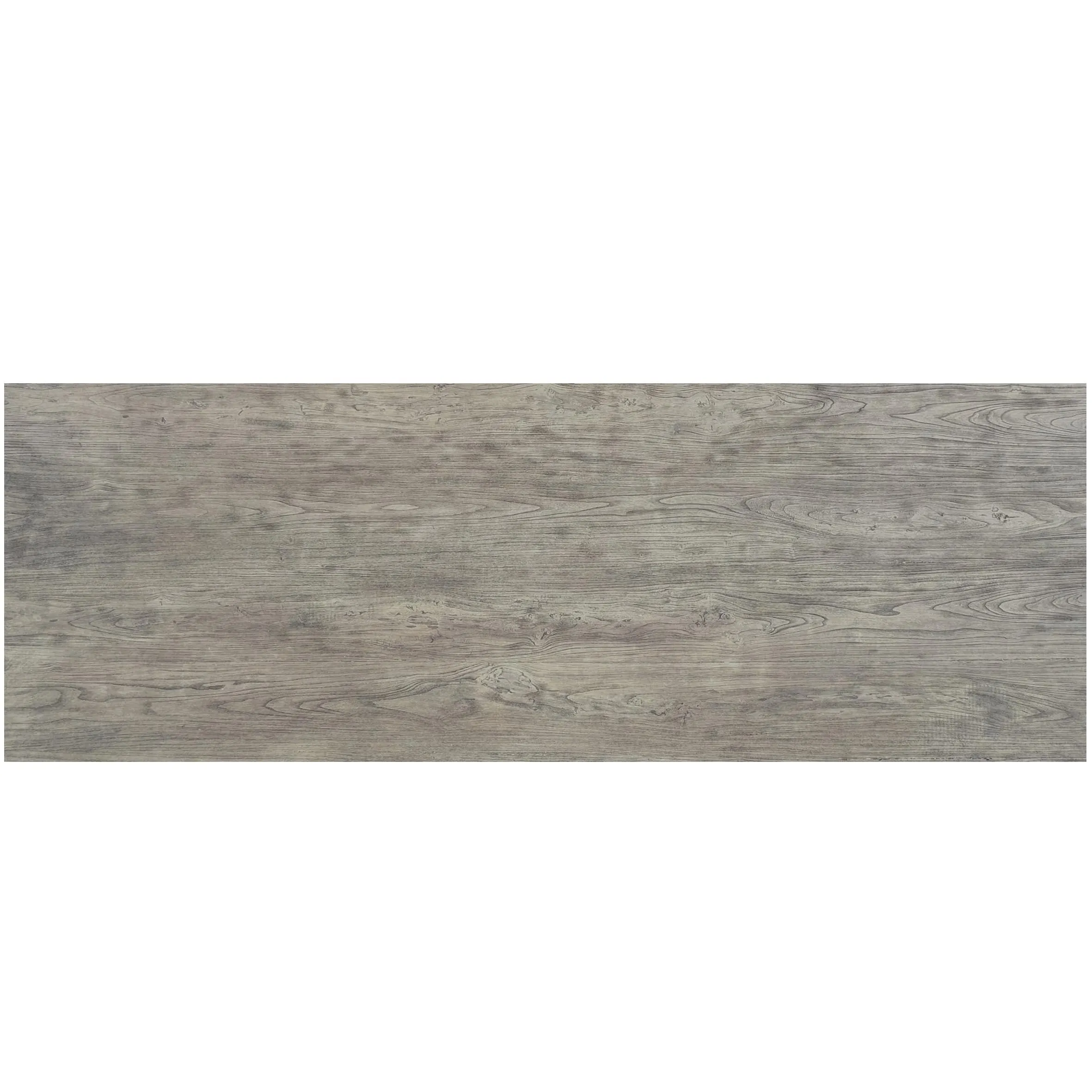
If you're a contractor, you know that every project starts with a budget—and getting accurate, up-to-date pricing on materials is half the battle. Whether you're working on a commercial build, a residential renovation, or a hospitality space, understanding the cost of materials like wood grain board can make or break your project's profitability. In this guide, we'll break down everything you need to know about wood grain board pricing, from the factors that influence it to how it stacks up against other popular options like fair-faced concrete and mcm flexible stone. Let's dive in.
Wood grain board has become a go-to for contractors who want the warmth of wood without the maintenance headaches—and its price tag can vary widely depending on a few key factors. Let's break down the most important ones so you can estimate costs more accurately for your next project.
Not all wood grain boards are created equal. The core material—often a composite of wood fibers, resins, and additives—plays a huge role in cost. High-quality boards use denser wood fibers and premium resins, which make them more durable, water-resistant, and less prone to warping. For example, a board made with 80% recycled hardwood fibers and a UV-resistant coating will cost more than one with lower fiber density and basic adhesives. You'll typically see a price jump of 15–25% for these premium options, but they're worth it for projects where longevity matters, like high-traffic retail floors or exterior cladding in humid climates.
Thickness is another major player. Wood grain boards come in thicknesses ranging from 2mm (ultra-thin, ideal for wall panels) up to 20mm (heavy-duty for flooring or countertops). Thicker boards require more raw material and are harder to manufacture, so they cost more. A 2mm wall panel might run $8–$12 per square meter, while a 12mm flooring board could be $20–$30 per square meter. Size matters too: larger sheets (e.g., 1220x2440mm) often have a lower cost per square meter than smaller, custom-cut pieces because they reduce waste during production. If your project allows for standard sizes, you can save 5–10% on material costs.
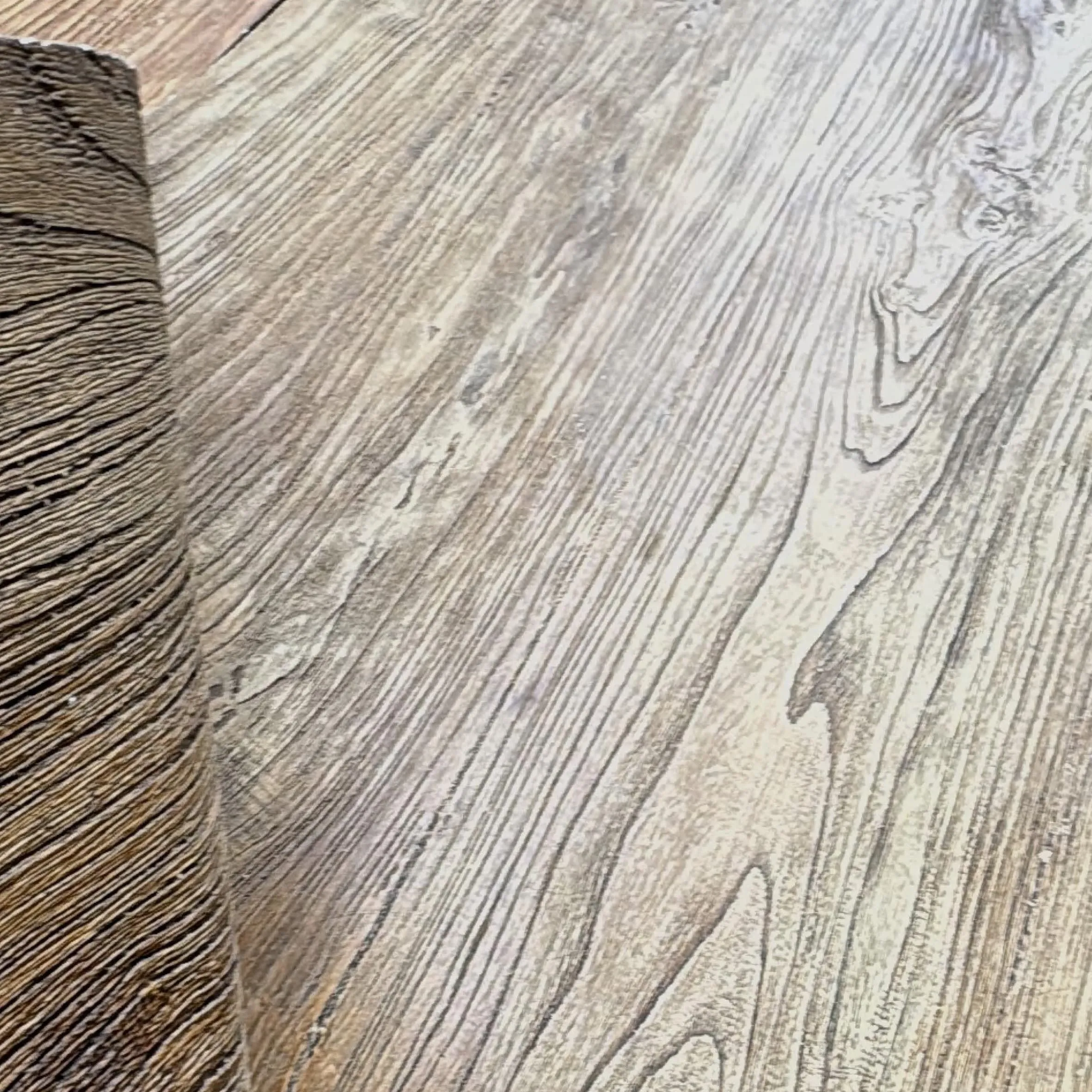
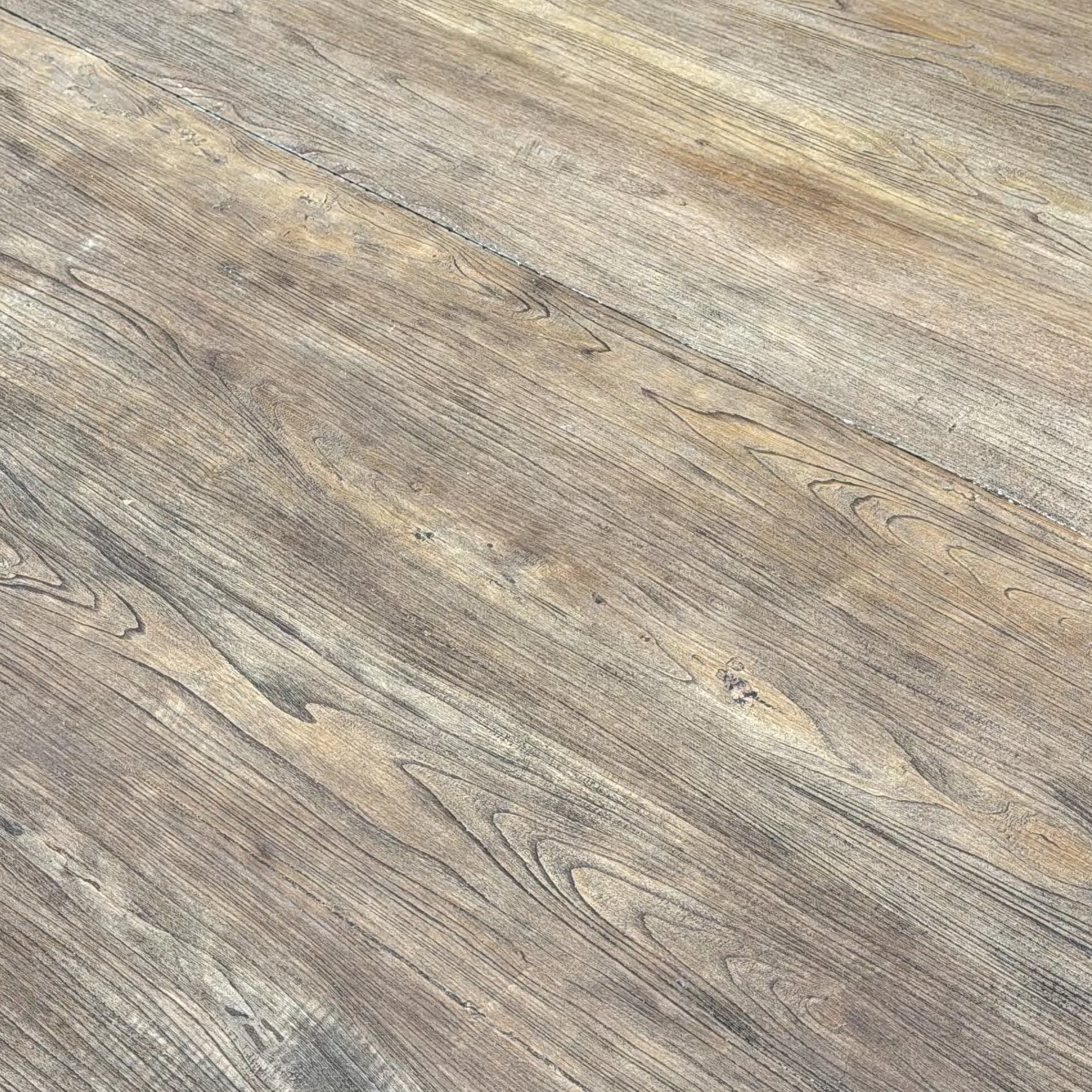
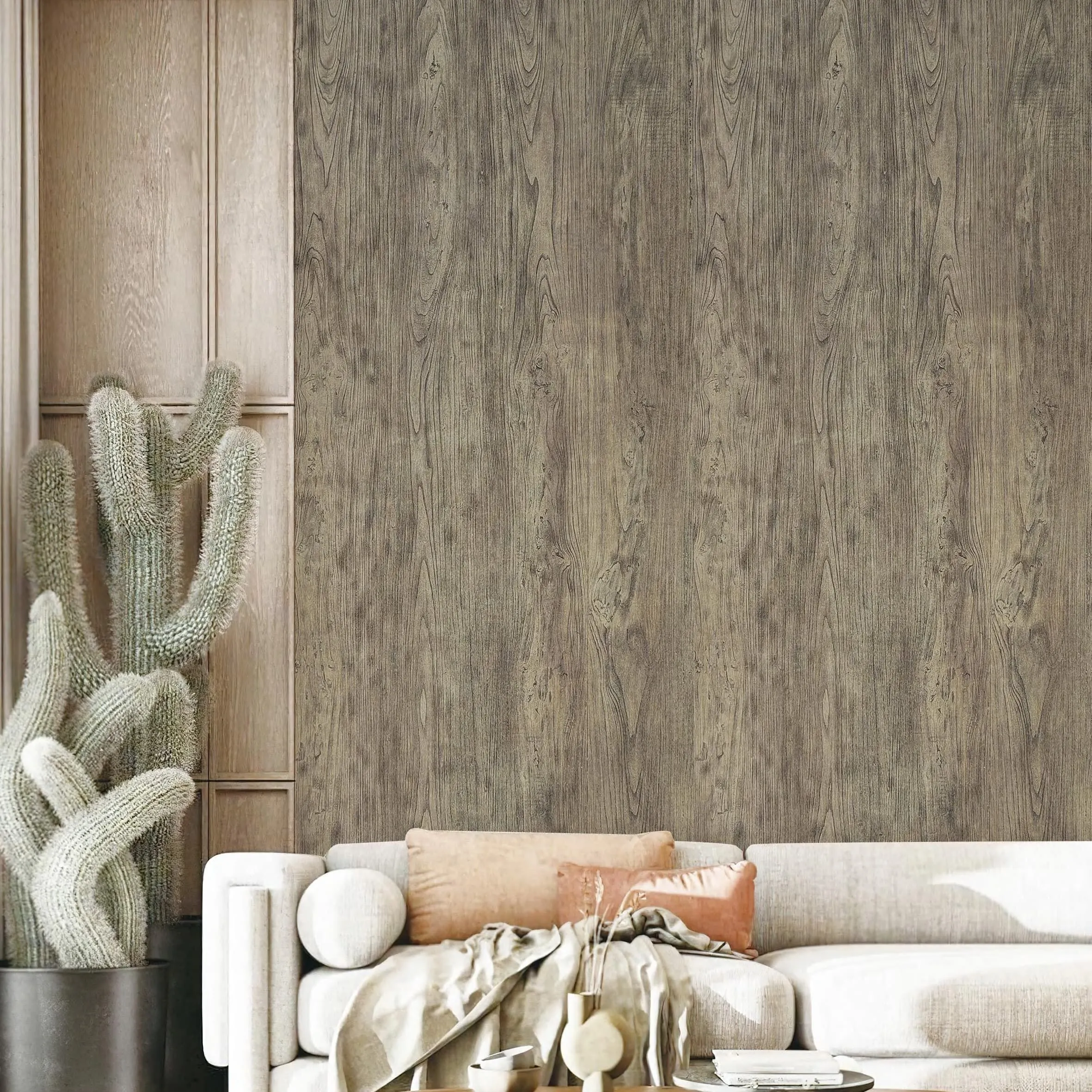
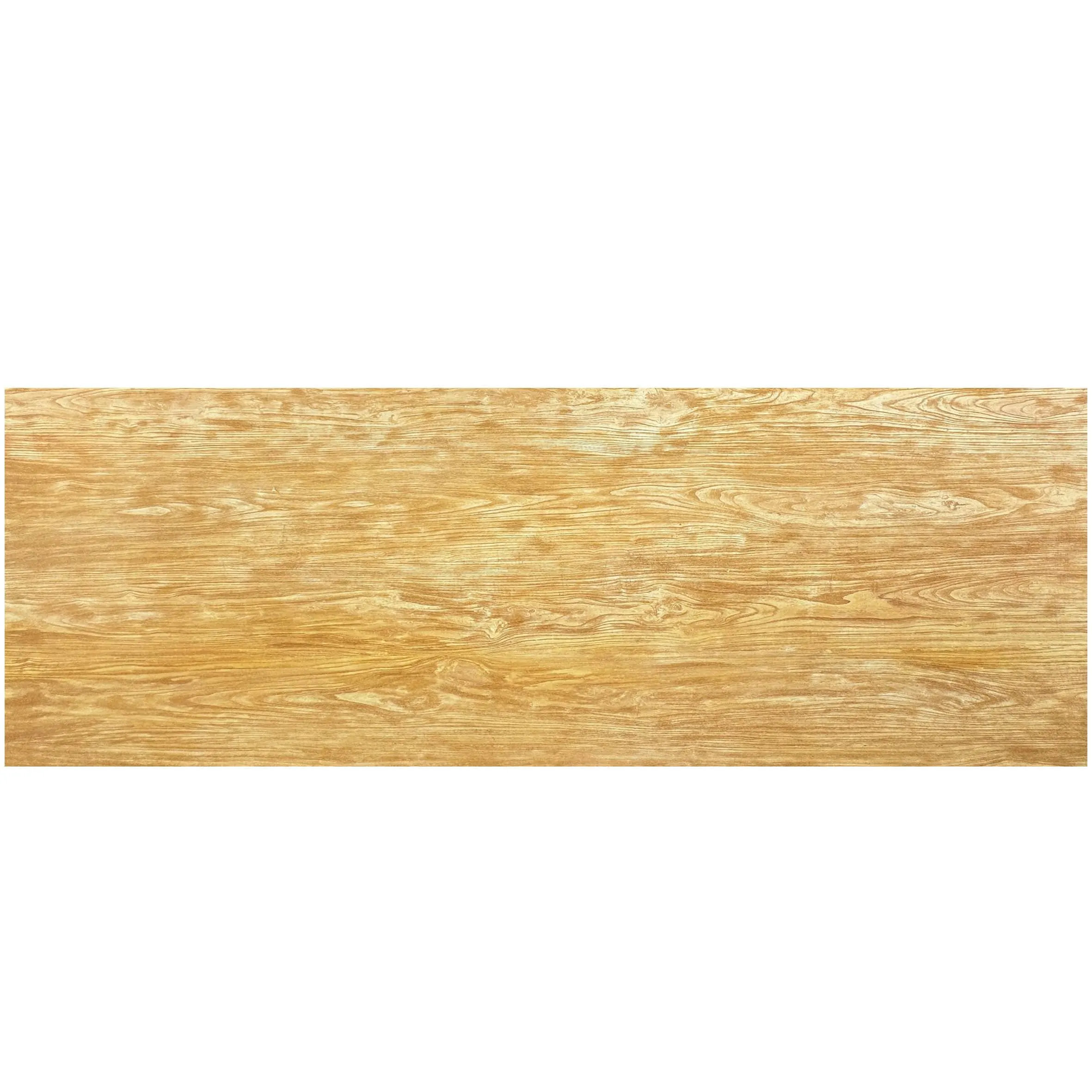
The finish can turn a basic wood grain board into a high-end statement piece. Options range from simple matte or glossy coats to hand-scraped textures, embossed grains, or even thermally treated surfaces that mimic aged wood. A basic clear coat might add $2–$4 per square meter, while a custom wire-brushed texture with a stain-resistant sealant could add $8–$12. For example, a project requiring a rustic, reclaimed wood look with visible knots and grain variation will cost more than a smooth, uniform finish. It's all about the level of detail—contractors should factor this in when clients have specific aesthetic requests.
Where you source your wood grain board matters. Local suppliers might offer lower shipping costs, but if they don't carry high-quality options, you might end up paying more for imports. For instance, European-made wood grain boards are known for strict quality standards but can cost 20–30% more than Asian imports due to labor and regulatory costs. However, some Asian manufacturers now produce premium boards that rival European quality at a lower price point, so it's worth comparing. Also, buying directly from manufacturers vs. distributors can save 10–15%, especially for bulk orders over 500 square meters.
Bulk discounts are standard in the building materials industry, and wood grain board is no exception. Suppliers often offer tiered pricing: 1–100 square meters might be $18–$25 per square meter, 101–500 square meters could drop to $15–$20, and orders over 500 square meters might get you $12–$17. If you're a contractor who frequently uses wood grain board, consider partnering with a supplier for annual contracts—this can lock in lower rates and ensure consistent availability, which is crucial for tight project timelines.
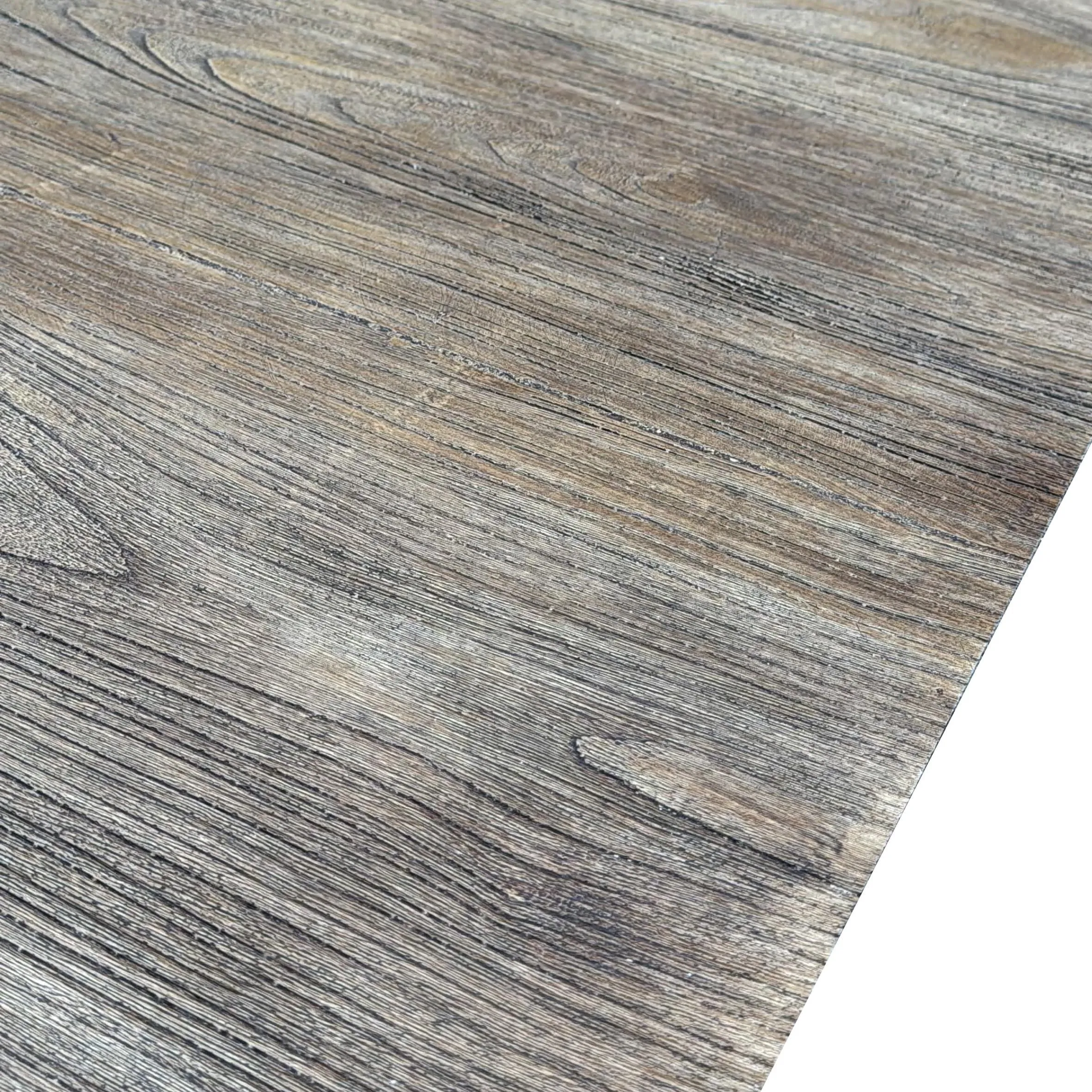
Now that we've covered the factors, let's get into actual numbers. Wood grain board prices can vary by region, but here's a general breakdown based on quality and application:
Keep in mind that these are material costs only—installation adds another $5–$15 per square meter, depending on complexity (e.g., cutting around obstacles, adhesive vs. nail-down installation). Labor costs are higher for thicker boards or exterior projects that require weatherproofing.
To truly understand if wood grain board is the right choice for your project, it helps to compare it to other popular cladding and flooring materials. Let's look at how it stacks up against fair-faced concrete, mcm flexible stone, and rough granite stone (medium grey)—three options contractors often consider.
| Material | Cost per Square Meter (Material Only) | Durability | Installation Difficulty | Best For |
|---|---|---|---|---|
| Wood Grain Board (Mid-Range) | $15–$25 | Medium-High (resistant to warping, scratches with proper care) | Low-Medium (lightweight, can be cut with standard tools) | Interior walls, flooring, accent features, low to medium-traffic areas |
| Fair-Faced Concrete | $20–$35 | High (fire-resistant, extremely durable, minimal maintenance) | High (requires skilled labor, precise mixing/pouring) | Industrial-chic interiors, exterior facades, high-traffic commercial spaces |
| MCM Flexible Stone | $25–$40 | High (flexible, crack-resistant, weatherproof for exteriors) | Medium (lightweight but requires proper surface preparation) | Curved surfaces, exterior cladding, feature walls, historic building restorations |
| Rough Granite Stone (Medium Grey) | $40–$60 | Very High (scratch-resistant, heat-resistant, lasts decades) | High (heavy, requires specialized cutting tools and structural support) | Luxury countertops, high-end flooring, exterior cladding in harsh climates |
As you can see, wood grain board sits in the mid-range in terms of cost, offering a good balance between affordability and aesthetics. It's more budget-friendly than rough granite stone and often more versatile than fair-faced concrete, which can be limiting in terms of design flexibility. MCM flexible stone, while durable, tends to be pricier and is better suited for projects where a stone look is non-negotiable.
Wood grain board shines in projects where warmth and texture are key, but budget or practicality rules out real wood. For example, if a client wants a cozy, cabin-like feel in a restaurant but can't afford solid oak flooring (which can cost $50–$80 per square meter), wood grain board offers a similar look at half the price. It's also a great choice for rentals or commercial spaces where turnover is high—unlike real wood, it won't show dents or scratches as easily, reducing maintenance costs over time.
On the flip side, if the project calls for an ultra-modern, industrial vibe, fair-faced concrete might be a better fit, even at a slightly higher cost. And for exterior cladding in areas with extreme weather (like coastal regions with salt spray), mcm flexible stone's superior weather resistance could make it worth the investment, despite being pricier than wood grain board.
As a contractor, your goal is to deliver quality work while keeping costs in check. Here are some actionable tips to help you save on wood grain board without sacrificing quality:
If you have several projects lined up, consider pooling your orders to hit the bulk discount tier. For example, if you need 300 square meters for Project A and 250 for Project B, ordering 550 square meters at once could save you $3–$5 per square meter compared to ordering separately. Just make sure you have storage space—wood grain board should be stored flat in a dry area to prevent warping.
Don't settle for the first quote. Reach out to at least 3–5 suppliers, including local distributors and online wholesalers. Ask about hidden fees (shipping, handling, minimum order requirements) and mention competitors' prices—many suppliers will match or beat a lower quote to win your business. Also, inquire about end-of-season sales or overstock discounts; suppliers often discount discontinued colors or styles to clear inventory.
Custom sizes or rare finishes can add 20–30% to the cost. If your project allows, stick to standard sheet sizes (e.g., 1220x2440mm) and popular finishes like natural oak or walnut. You can still achieve a unique look by mixing board orientations (horizontal vs. vertical) or pairing with other materials like travertine (beige) for accents.
While it might be tempting to go for the cheapest wood grain board option, remember that lower-quality boards often require more maintenance (e.g., resealing every 1–2 years vs. 5–7 for premium boards). Over time, the savings on material could be wiped out by higher labor and material costs for upkeep. For high-traffic or exterior projects, investing in a mid-range to premium board will pay off in the long run.
For areas that won't be seen (e.g., under cabinets, behind appliances), use a basic wood grain board or even plywood instead of premium options. This allows you to allocate your budget to visible areas where aesthetics matter most, like feature walls or main flooring.
Even experienced contractors can make missteps when budgeting for materials. Here are some pitfalls to watch out for:
Wood grain board offers a winning combination of affordability, versatility, and aesthetics that makes it a top choice for contractors across residential and commercial projects. With prices ranging from $8–$50 per square meter (material only), it can fit into most budgets, and its durability means clients will be satisfied for years to come.
When deciding, consider the project's needs: Is it a high-traffic commercial space? Go for a thicker, premium board. A residential accent wall? A basic 2–3mm option will work. And don't forget to compare it to alternatives like fair-faced concrete or mcm flexible stone—sometimes a slightly higher upfront cost for a more durable material can save money in the long run.
By understanding the factors that influence cost, comparing suppliers, and budgeting for both materials and installation, you can confidently incorporate wood grain board into your projects and deliver value to your clients. Whether you're aiming for a cozy, woodsy vibe or a sleek, modern look, wood grain board is a reliable, cost-effective option that won't let you down.
Recommend Products












