
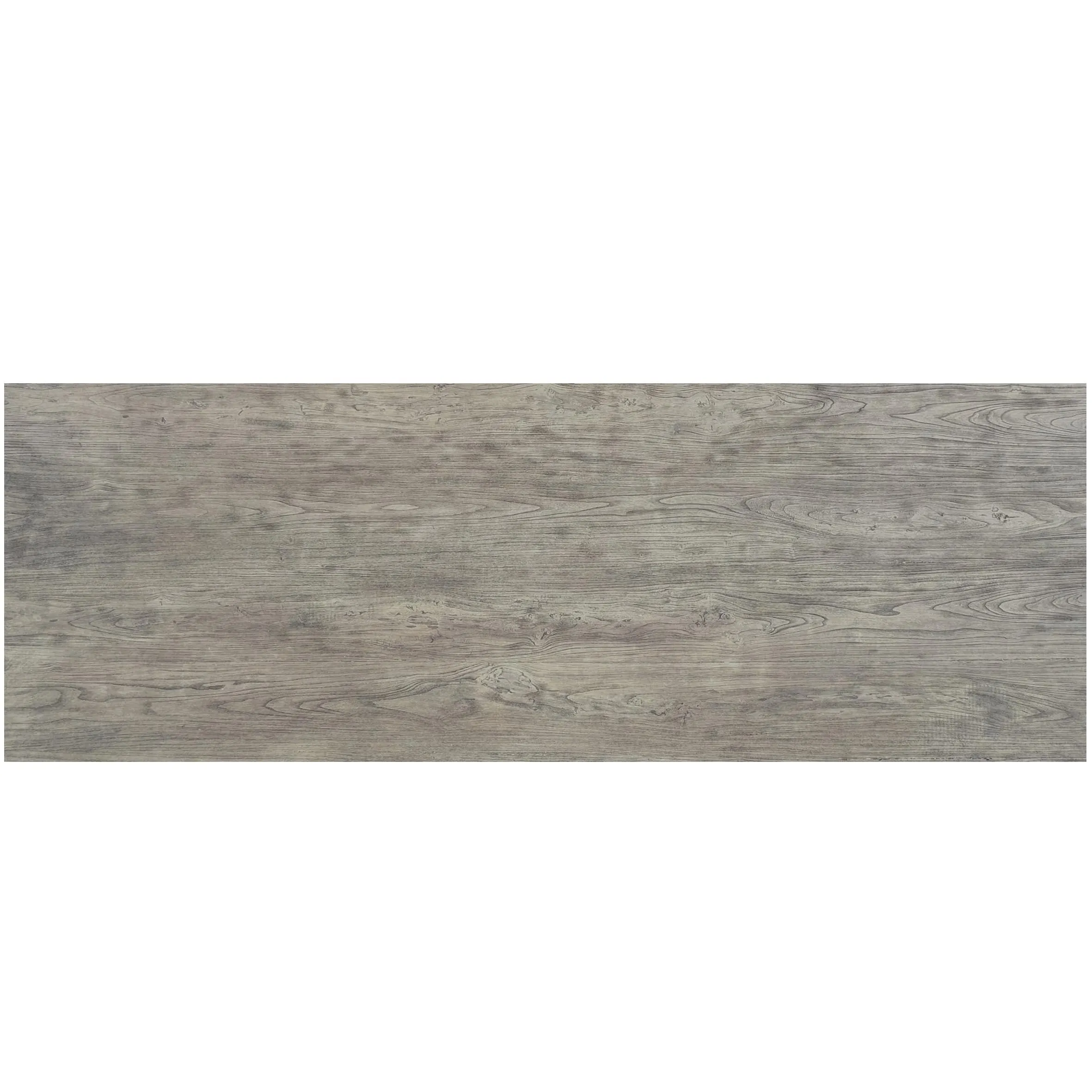
There's something inherently comforting about wood grain. It's the kind of texture that feels like a quiet nod to nature, even when it's used in the most contemporary of spaces. Wood grain board, with its ability to mimic the organic patterns of real wood while offering durability and versatility, has become a staple in interior and exterior design. Whether you're drawn to the sleek lines of modern aesthetics, the cozy charm of rustic decor, or the calm simplicity of minimalism, wood grain board can adapt, transform, and elevate any vision. In this article, we'll explore how to weave this timeless material into three distinct design styles—modern, rustic, and minimalist—offering practical ideas, material pairings, and inspiration to help you bring warmth, character, and intention to your next project.
Modern design thrives on clean lines, functional spaces, and a "less is more" philosophy—but that doesn't mean it has to feel cold. Wood grain board adds a soft, organic layer to modern interiors, balancing the sharp edges of materials like metal, glass, and concrete. The key here is to let the wood's natural pattern take center stage without overwhelming the space, pairing it with complementary textures that enhance, rather than compete.
Stick to a muted color scheme to keep the focus on form and texture. Light to medium-toned wood grain (think ash, oak, or maple) works beautifully with whites, grays, and blacks. For a contemporary twist, introduce metallic accents like lunar peak silvery —a cool, iridescent finish that adds subtle shimmer without feeling flashy. Imagine a modern living room where wood grain board clads the lower half of a wall, paired with a sleek fair-faced concrete upper half; the silvery lunar peak trim along the ceiling line ties the two materials together, creating a cohesive, layered look.
Modern design loves contrast, and wood grain board is the perfect partner for materials with distinct textures. Pair its smooth, consistent grain with the raw, unpolished surface of fair-faced concrete for an industrial-modern vibe. In a kitchen, consider wood grain cabinet doors with flat fronts and hidden hardware, contrasted by a concrete countertop and backsplash. The warmth of the wood softens the concrete's coolness, making the space feel inviting yet sophisticated. For flooring, opt for wide-plank wood grain boards in a light gray wash; their long, uninterrupted lines elongate the room, while the subtle grain adds visual interest without clutter.
In modern homes, wood grain board isn't limited to flooring. Wall cladding is a popular choice—use it to create a feature wall in the bedroom or living room, keeping the rest of the walls white or gray to maintain simplicity. For furniture, a wood grain dining table with thin, black metal legs embodies modern minimalism, while a bookshelf with wood grain shelves and a powder-coated steel frame adds storage without heaviness. Even ceilings can benefit: a wood grain board ceiling in a home office adds warmth to a space dominated by technology, making video calls feel cozier and workdays more pleasant.
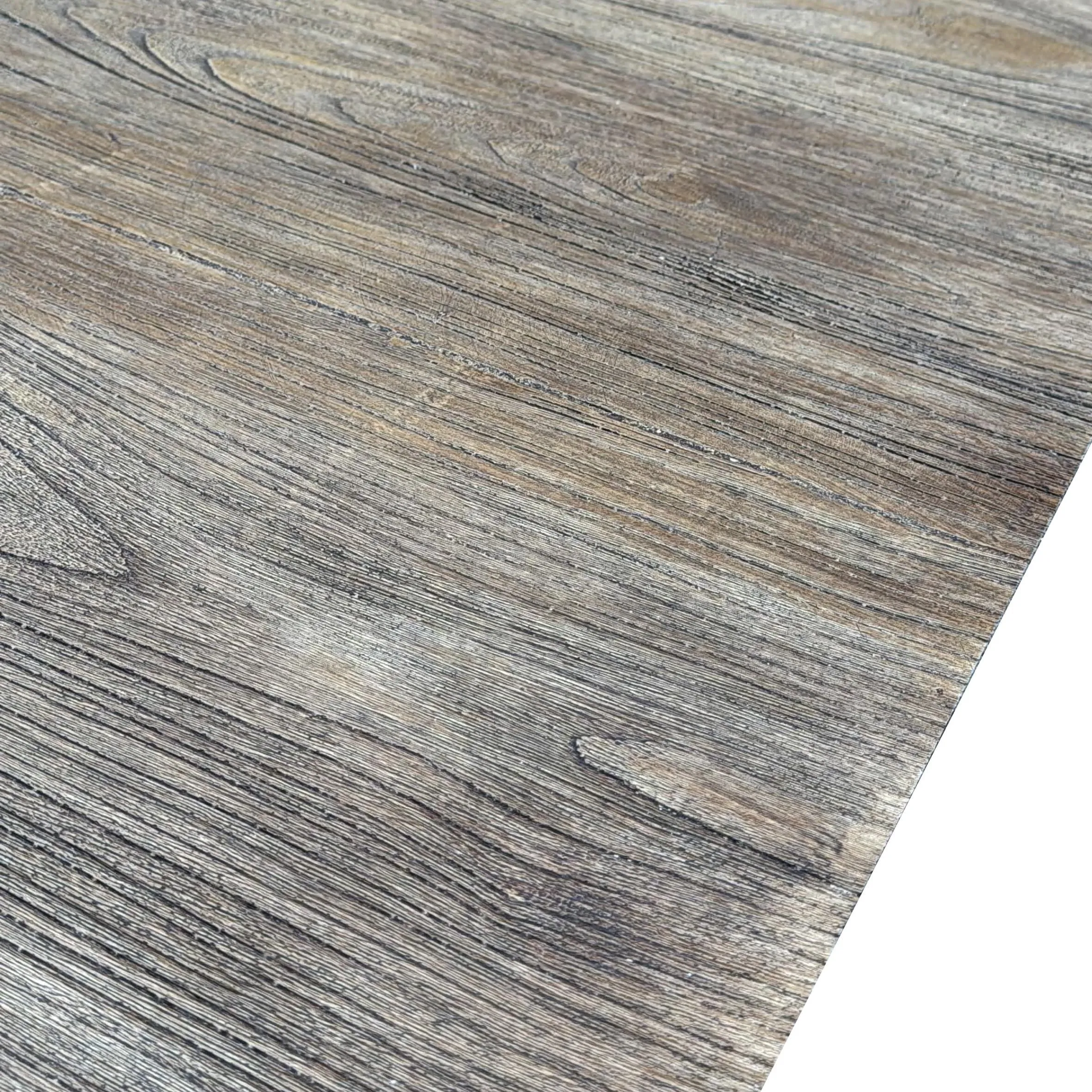
Rustic design is all about embracing imperfection, celebrating natural materials, and creating spaces that feel lived-in and welcoming. Wood grain board is a natural fit here, but to avoid veering into "country kitsch," it's important to balance its warmth with other earthy textures and tones. Think of it as building a space that feels like a cozy cabin, but with a refined edge—where every material tells a story of the outdoors.
In rustic design, wood grain board shines in deeper, richer hues: walnut, chestnut, or hickory, with visible knots and grain variations that add character. Pair these with rammed earth board (khaki) —a material with a rough, textured surface that mimics the look of hand-packed soil—to create a palette that feels grounded and connected to nature. Travertine (beige) is another excellent companion; its porous, fossil-like texture adds depth, while its neutral tone keeps the space from feeling too dark. Imagine a living room with wood grain board walls (stained a warm brown), a rammed earth board fireplace surround, and travertine tile flooring—sunlight streaming through linen curtains, casting soft shadows on the textured surfaces.
Rustic design is all about layering textures, and wood grain board is the perfect base. Mix it with rough-hewn stone, jute rugs, and woven textiles to create a space that feels tactile and inviting. For example, a wood grain board ceiling with exposed wooden beams adds height and warmth, while a stone accent wall (think river rock or stacked limestone) brings in a natural, rugged element. Don't shy away from imperfection: wood grain with visible knots, cracks, or even intentional distressing adds authenticity, making the space feel like it's been loved for years.
Rustic spaces often blur the line between indoors and outdoors, and wood grain board helps bridge that gap. Use it for exterior siding on a porch or patio, then carry the same material indoors for walls or ceilings to create a seamless transition. In a bedroom, a wood grain board headboard (paired with linen bedding and a jute rug) becomes a focal point, while in a kitchen, wood grain cabinetry with brass hardware adds vintage charm. For a truly immersive rustic experience, consider a wood grain board accent wall in a home library, lined with built-in shelves and a leather armchair—where the scent of wood and the soft glow of a table lamp invite hours of reading.
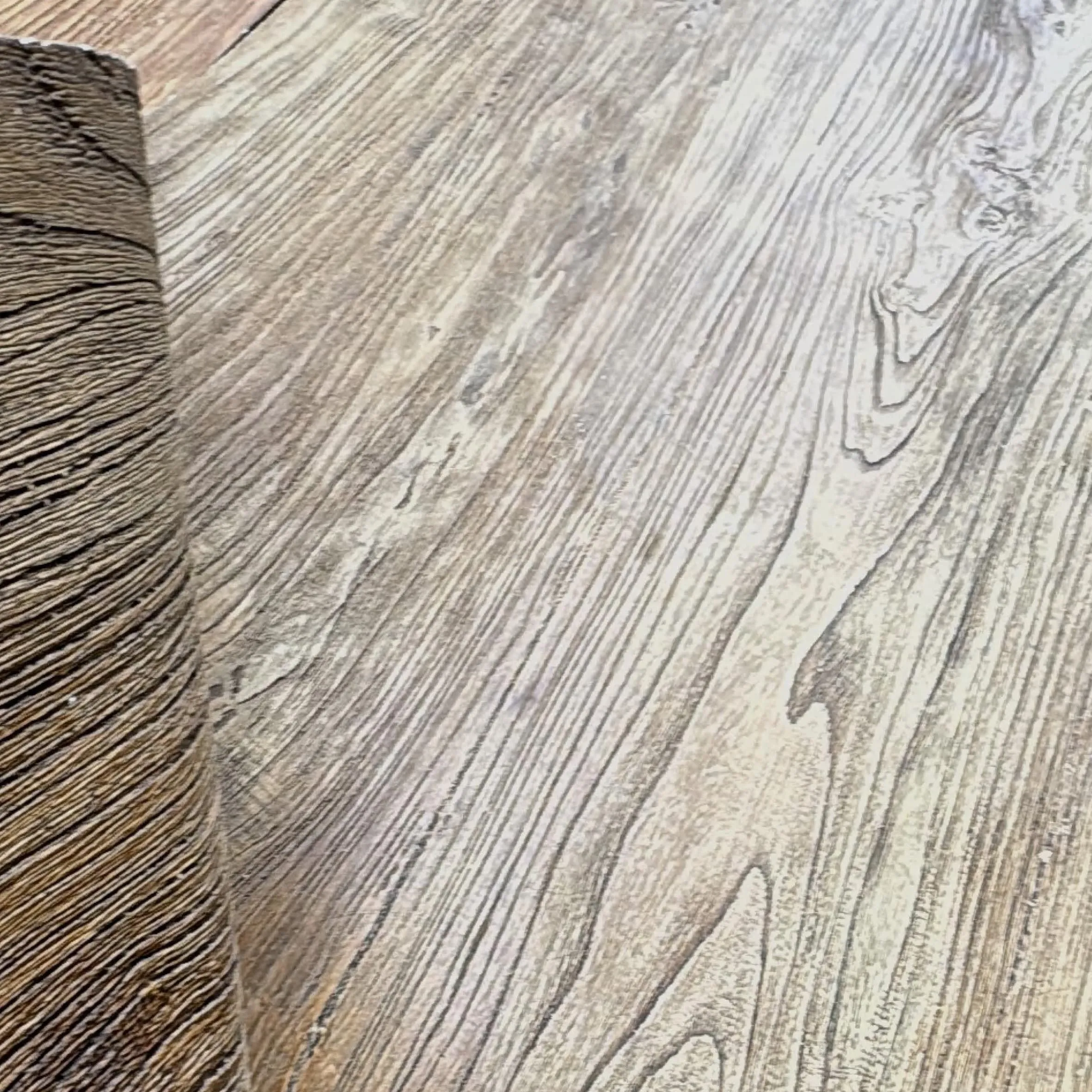
Minimalist design is often misunderstood as "empty" or "cold," but at its core, it's about intentionality—every element has a purpose, and beauty lies in simplicity. Wood grain board fits seamlessly into this ethos, offering warmth and texture without visual clutter. The goal is to let the material's natural pattern speak softly, complemented by clean lines, neutral colors, and plenty of negative space.
Minimalist spaces thrive on monochromatic or limited color palettes, and wood grain board is no exception. Opt for light, pale woods—like birch or ash—with a natural or whitewashed finish to keep the space bright and airy. Pair this with whites, off-whites, and soft grays to create a calm, cohesive backdrop. For a subtle pop of depth, introduce lunar peak silvery as a metallic accent—think a thin strip of silvery trim along a wood grain board wall, or a small table lamp with a silvery base. The key is restraint: too much color or texture can disrupt the minimalist balance, so let the wood's grain be the star.
In minimalist design, texture is used sparingly but intentionally. Wood grain board with a smooth, uniform finish (free of heavy knots or distressing) works best here, as it adds subtle visual interest without overwhelming the space. Pair it with other smooth materials like polished concrete, glass, or matte ceramics to maintain a clean, uncluttered look. For example, a wood grain board floor in a minimalist bathroom, paired with a white freestanding tub and a glass shower enclosure, creates a spa-like atmosphere—calm, serene, and focused on relaxation. The wood's warmth prevents the space from feeling sterile, while the smooth surfaces make cleaning a breeze.
Minimalist design prioritizes function, so wood grain board should serve a purpose beyond aesthetics. Use it for built-in storage—like a wall of floor-to-ceiling cabinets with wood grain doors (no handles, just push-to-open mechanisms)—to keep clutter hidden. In a living room, a wood grain board coffee table with a simple, rectangular shape becomes a functional centerpiece, while a single wood grain board accent wall (painted white or left natural) adds warmth without taking up visual space. Even in small spaces, minimalist wood grain design works: a tiny apartment with wood grain board flooring, white walls, and a few carefully chosen pieces of furniture feels open and spacious, proving that less really is more.
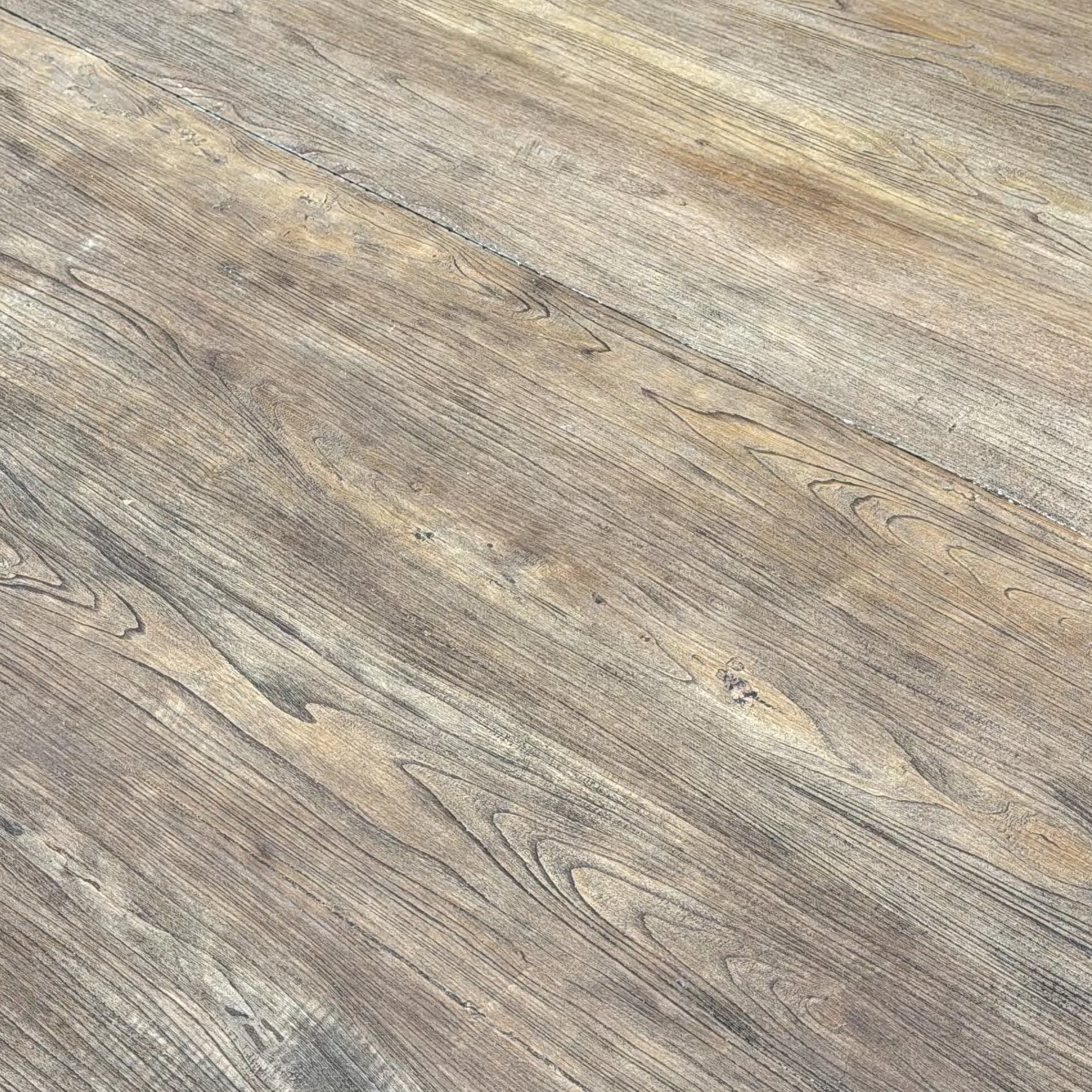
| Design Style | Color Palette | Texture Focus | Material Pairings | Ideal Spaces | Design Keywords |
|---|---|---|---|---|---|
| Modern | Whites, grays, blacks + metallic accents (lunar peak silvery) | Smooth wood grain + raw concrete/fair-faced concrete | Wood grain, fair-faced concrete, metal, glass | Open floor plans, kitchens, home offices | Sleek, functional, bold contrast, industrial chic |
| Rustic | Warm browns, khaki (rammed earth), beige (travertine) | Knotty wood grain + rough stone/rammed earth | Wood grain, rammed earth board (khaki), travertine (beige), jute | Cabins, living rooms, libraries | Cozy, earthy, layered, vintage charm |
| Minimalist | Whites, off-whites, soft grays + light wood tones | Smooth, uniform wood grain + polished surfaces | Wood grain, polished concrete, glass, matte ceramics | Bathrooms, bedrooms, small apartments | Quiet, intentional, serene, negative space |
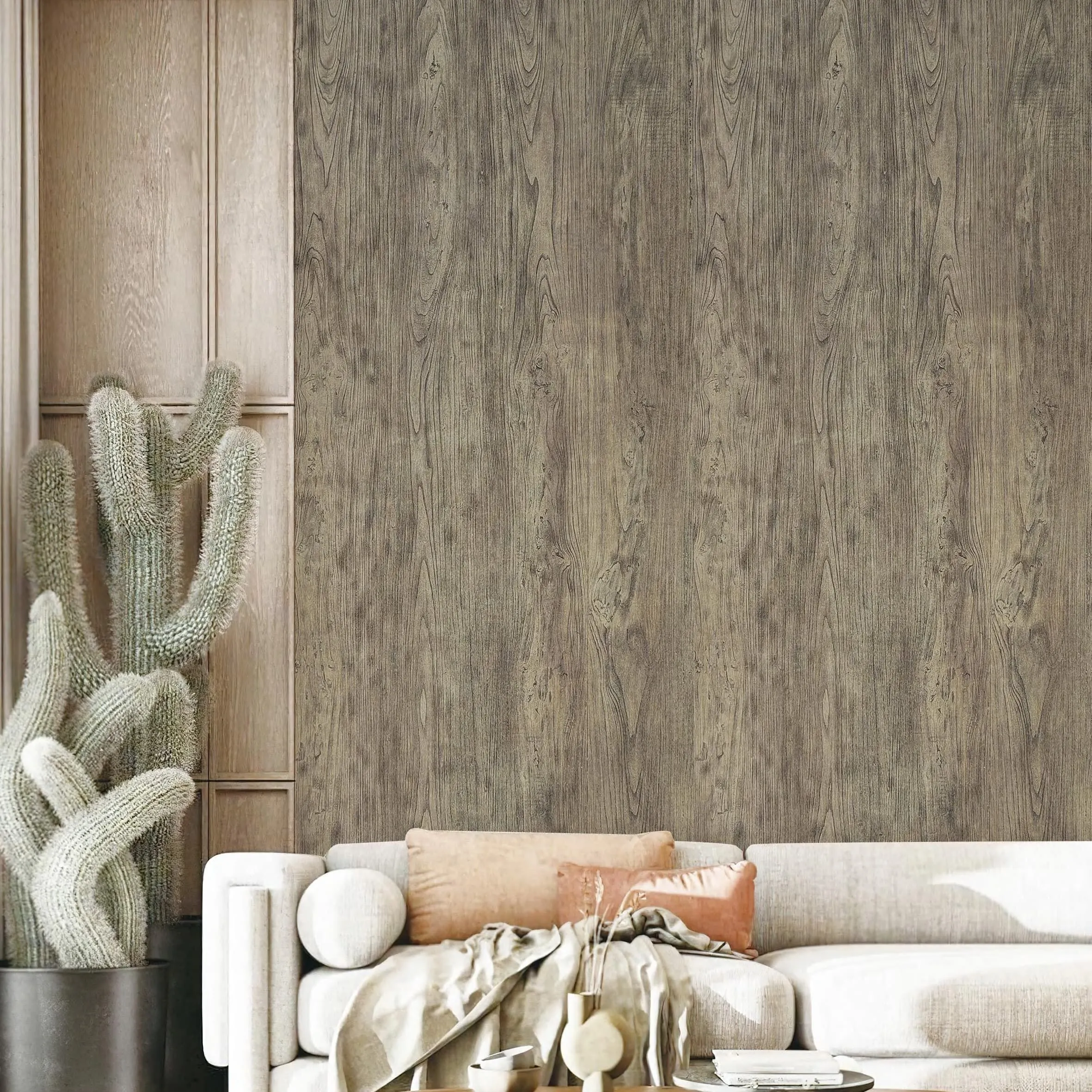
One of the greatest strengths of wood grain board is its ability to bridge design styles, allowing you to create spaces that feel uniquely yours. Maybe you love the coziness of rustic design but crave the clean lines of modernism—why not mix them? A kitchen with wood grain board cabinets (rustic warmth) and a fair-faced concrete countertop (modern edge) creates a space that's both inviting and contemporary. Or, if minimalist calm is your vibe but you want a touch of rustic texture, add a small rammed earth board accent wall behind a wood grain board desk—proof that styles can harmonize.
No matter which style you lean into, remember that wood grain board is more than just a material—it's a storyteller. Its natural patterns carry the history of trees, the craftsmanship of makers, and the potential to transform a house into a home. Whether you're designing a modern penthouse, a rustic cabin, or a minimalist apartment, wood grain board adapts, evolves, and elevates—proving that great design is about balance, intention, and the quiet beauty of nature.
Recommend Products












