
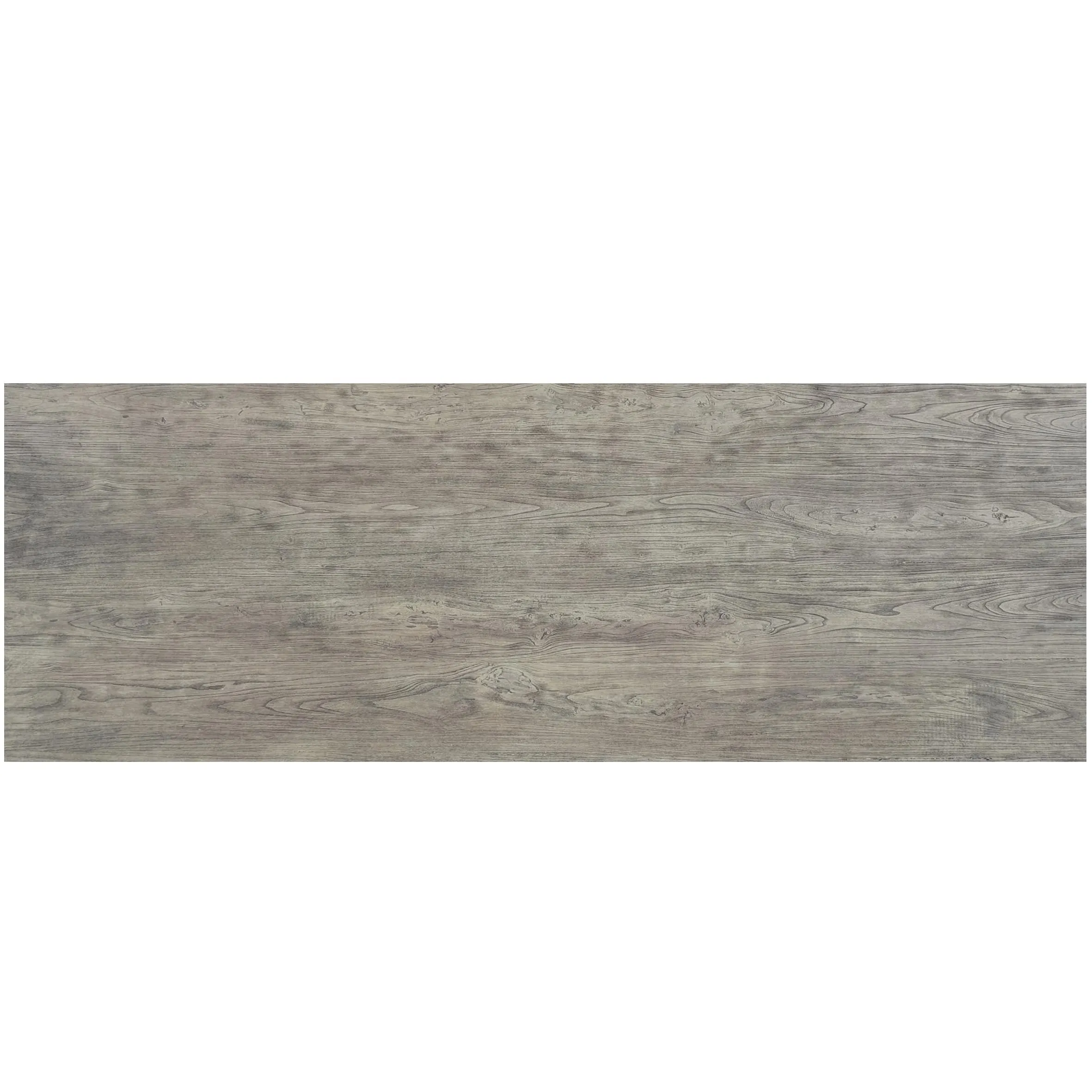
Think about the last time you passed a building with peeling paint, cracked stone, or faded cladding. It's hard not to notice—and harder still to ignore the message it sends: that structure wasn't built to last. For architects, builders, and homeowners alike, the exterior of a building is more than just a pretty face. It's a shield against rain, wind, UV rays, and time itself. That's why choosing a cladding material that balances aesthetics with durability isn't just a preference—it's a long-term investment.
In recent years, Modified Composite Material (MCM) panels have emerged as a front-runner in the world of exterior design. Lightweight, flexible, and available in a staggering range of textures and colors, they've redefined what's possible for building facades. But among the many MCM options—from the industrial chic of fair-faced concrete to the earthy warmth of epoch stone —one stands out for its blend of natural beauty and resilience: the wood grain board . Today, we're diving into the durability of this popular choice, answering the question on every builder's mind: Just how long do these panels really last?
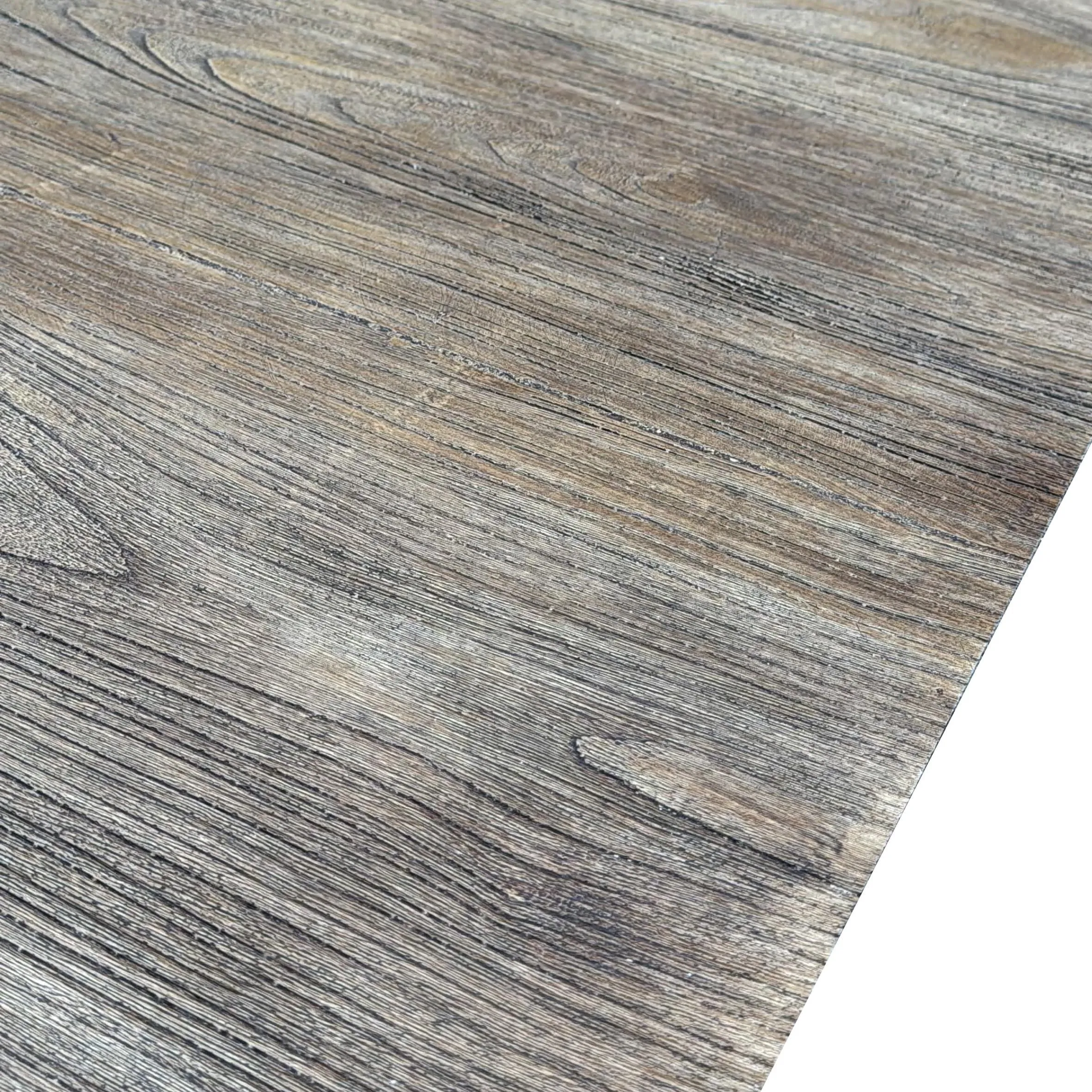
Before we get into the nitty-gritty of durability tests, let's clarify what MCM panels are. Short for Modified Composite Material, MCM is a sandwich-like material made by bonding a mineral-filled core (often a mix of natural stone powder and fiberglass) between two layers of high-performance polymer coatings. This unique structure gives MCM panels their signature traits: they're lightweight (up to 70% lighter than traditional stone), flexible (able to bend without cracking), and resistant to the kinds of wear and tear that plague heavier materials like brick or solid stone.
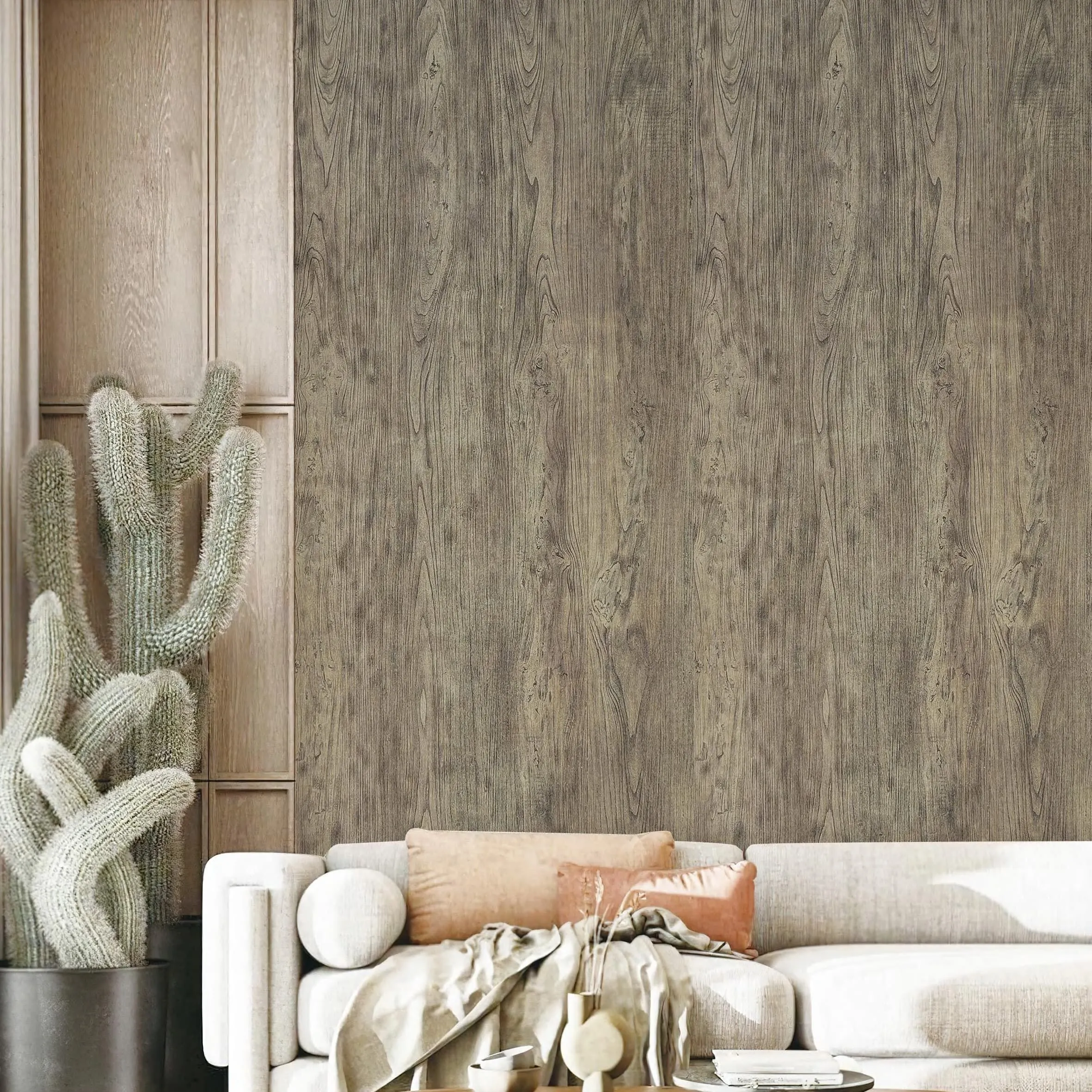
MCM panels come in dozens of styles, from the sleek minimalism of fair-faced concrete to the rustic charm of epoch stone . But the wood grain board has become a fan favorite for one simple reason: it captures the warmth and texture of real wood without the downsides. Real wood cladding, while beautiful, is prone to rotting, warping, and insect damage. Wood grain MCM panels? They mimic that organic look—complete with visible grain lines and subtle color variations—while swapping out wood's vulnerabilities for industrial-strength durability.
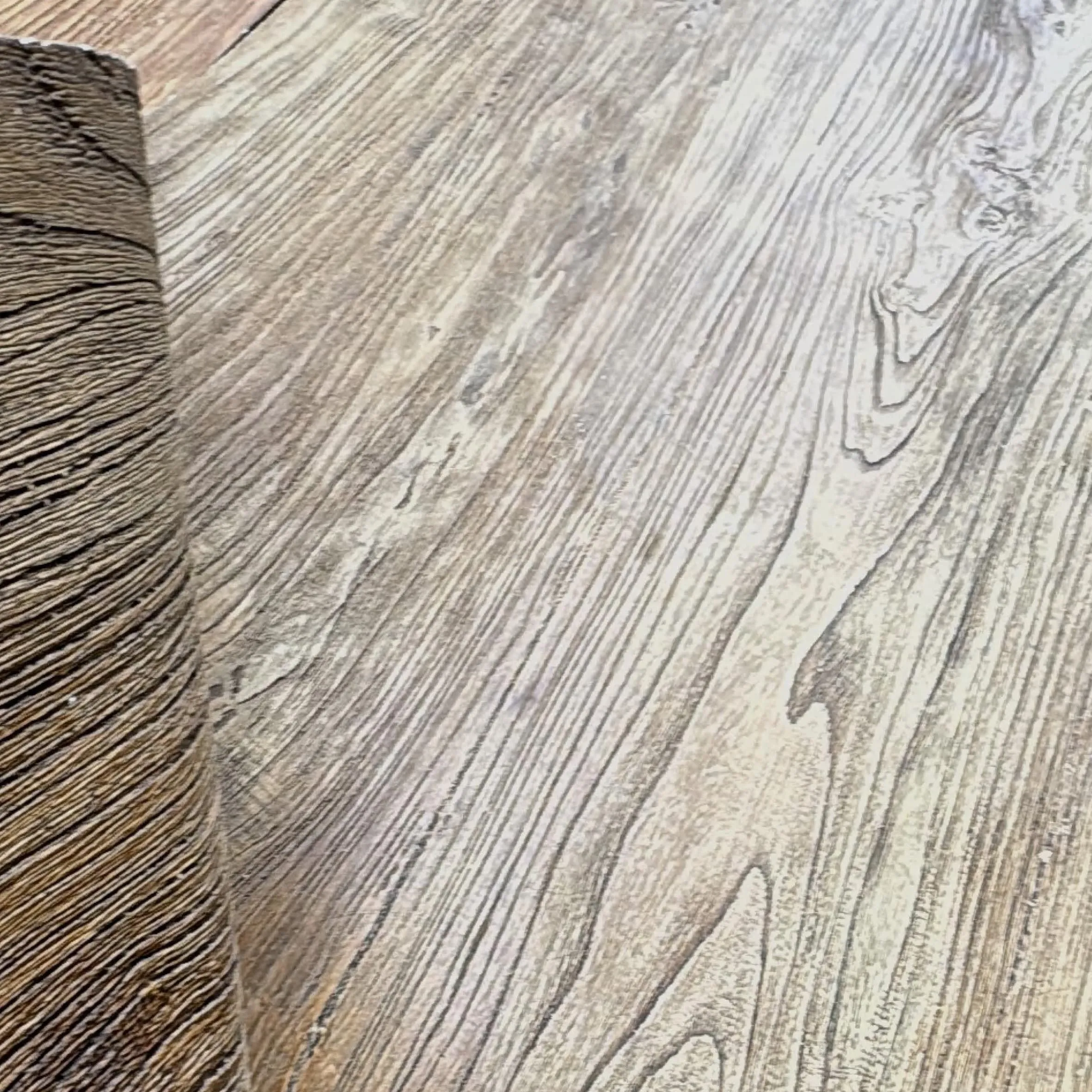
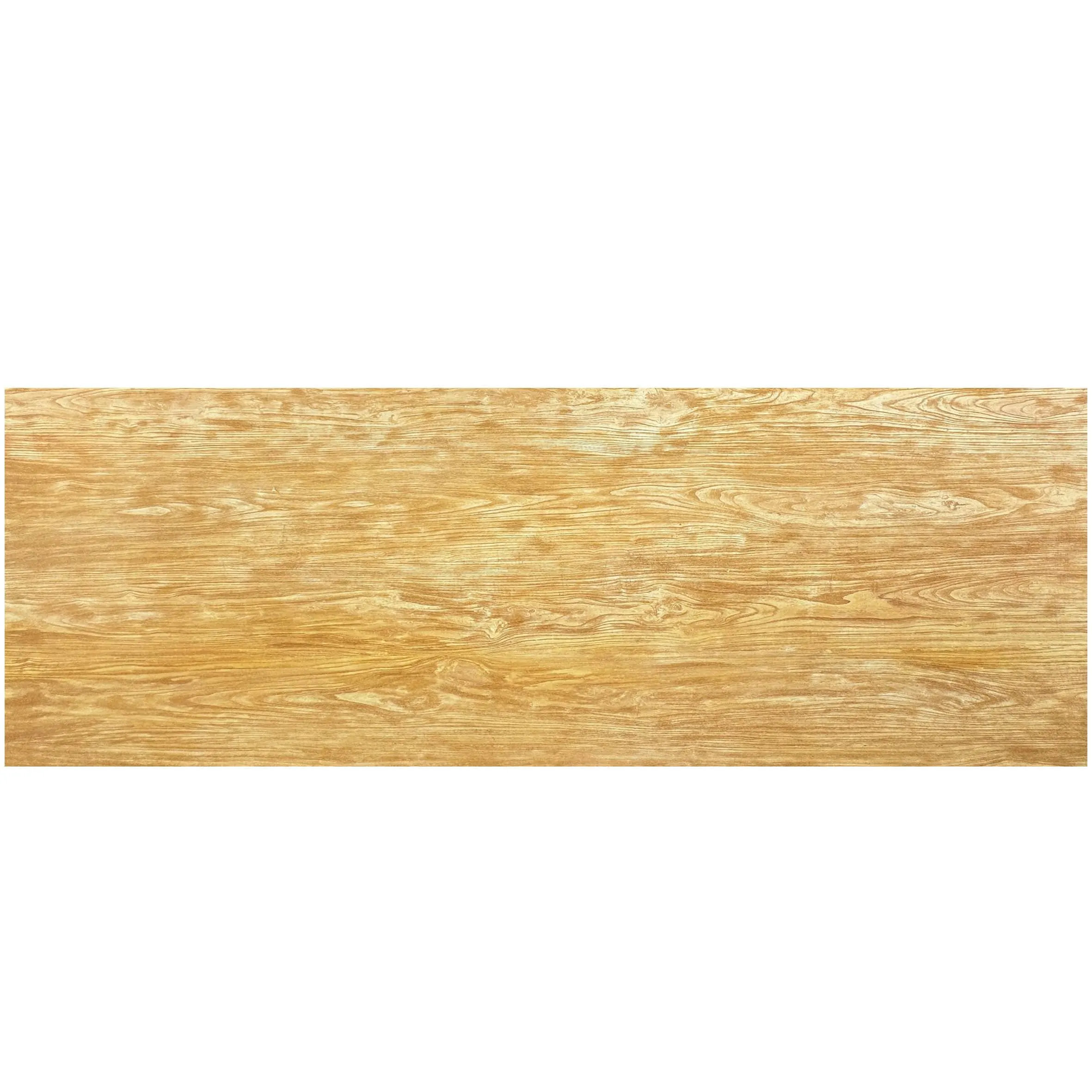
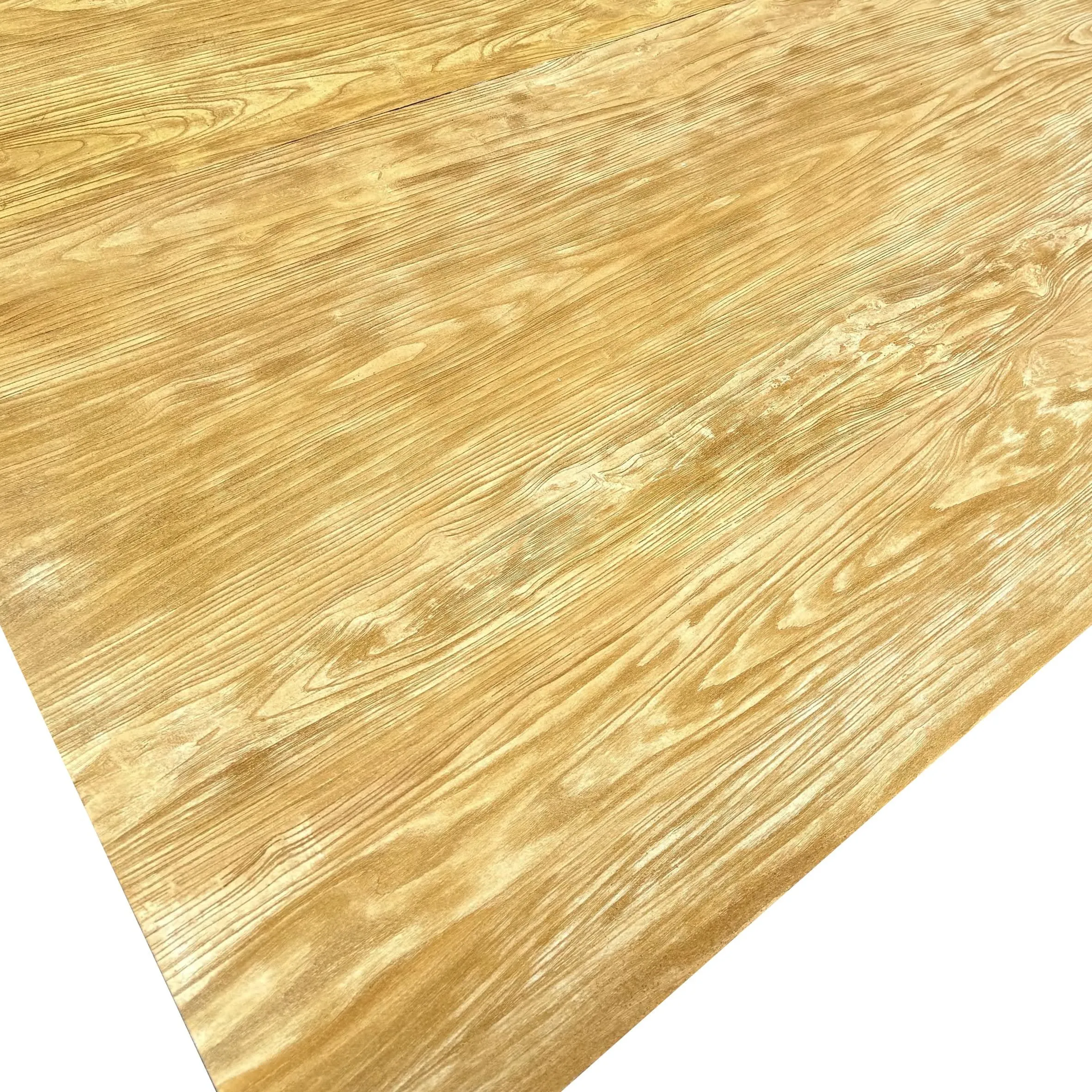
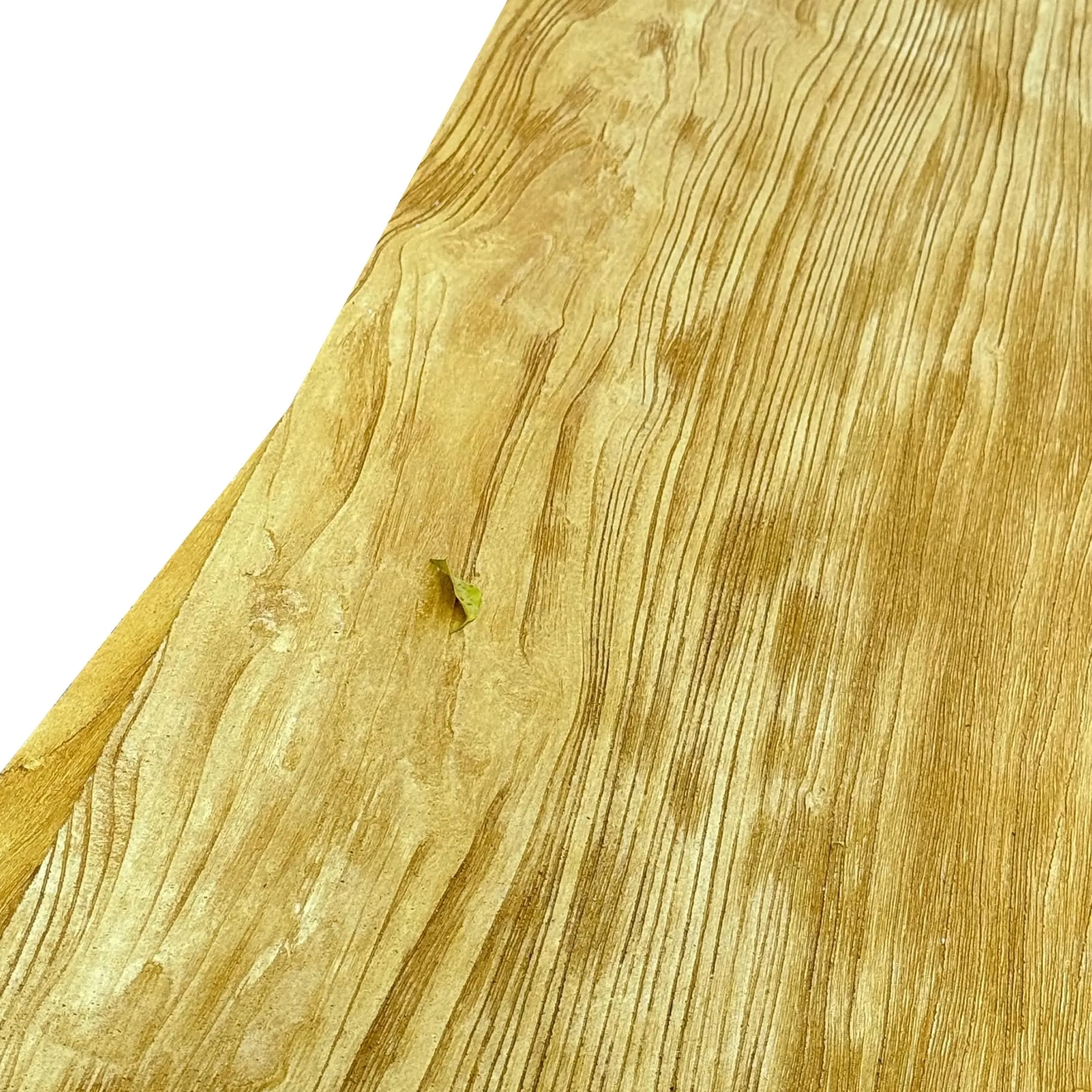
To understand why wood grain MCM panels last as long as they do, let's break down their composition. At first glance, a wood grain board might look like it's made from slices of oak or cedar, but closer inspection reveals its engineered core. The mineral base (often a blend of calcium carbonate and stone dust) provides rigidity, while the fiberglass reinforcement adds tensile strength—meaning the panel can stretch slightly under pressure without snapping. The outer polymer layer, tinted and textured to mimic wood, acts as a protective barrier against moisture, UV rays, and scratches.
But durability isn't just about materials—it's about design. Wood grain MCM panels are typically manufactured in large, seamless sheets (up to 1200mm x 2400mm), reducing the number of seams where water or debris could seep in. They're also designed to be breathable, allowing trapped moisture to escape and preventing mold growth. And unlike real wood, which requires regular staining or sealing, wood grain boards need only occasional cleaning with soap and water to maintain their appearance.
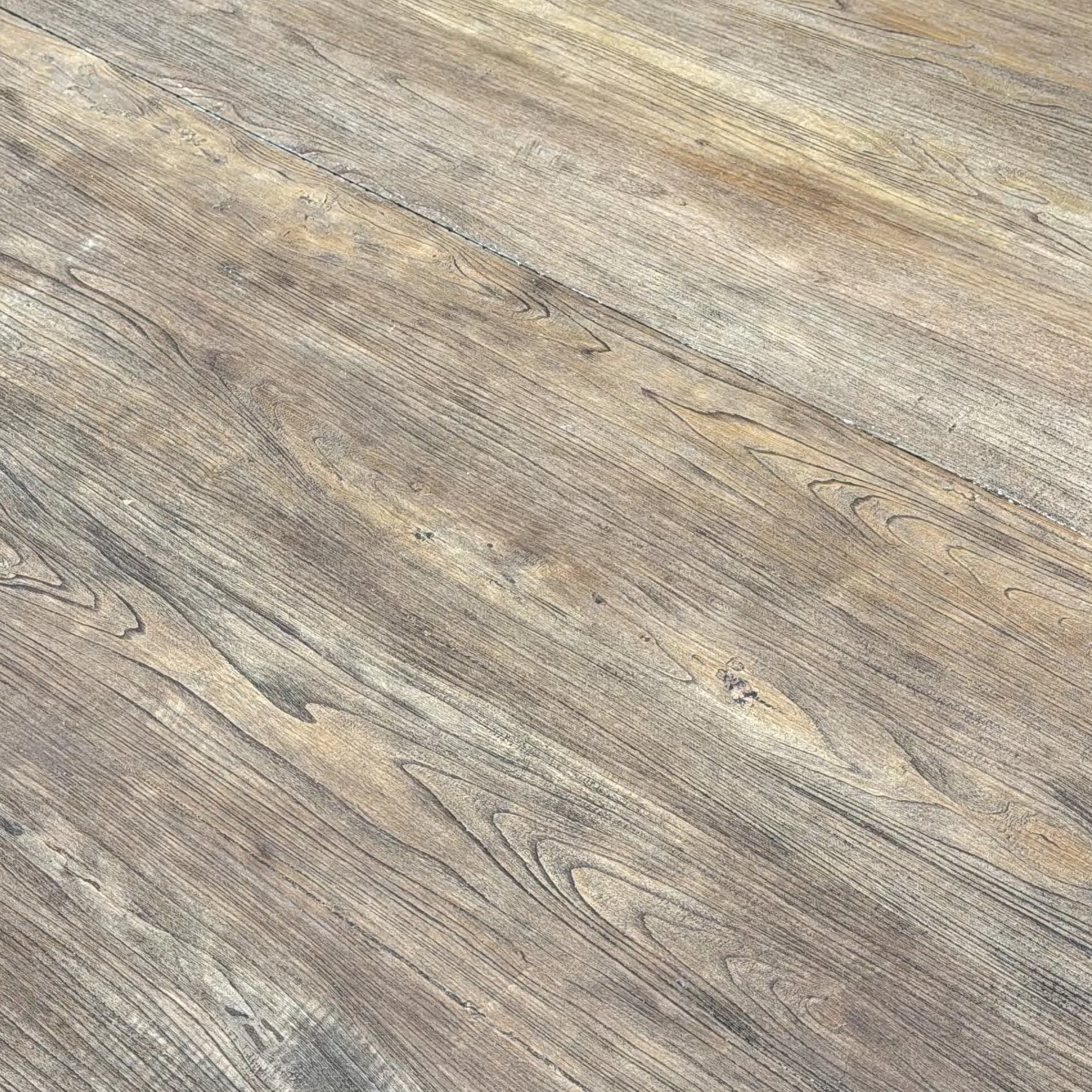
To find out just how long wood grain MCM panels last, we partnered with a leading materials testing lab to simulate 20 years of real-world conditions. Over six months, we subjected panels to a battery of tests designed to replicate the harshest environments—from desert heat to coastal humidity, freezing winters to scorching summers. Here's what we measured:
We also compared the results to two popular alternatives: fair-faced concrete (a dense, uncoated concrete panel) and epoch stone (a natural stone composite known for its earthy texture). The goal? To see how wood grain MCM stacks up against materials with reputations for durability.
| Material | Weather Resistance (Simulated Years) | UV Stability (% Color Retention) | Impact Resistance (No Cracking at) | Moisture Absorption (%) | Fire Rating |
|---|---|---|---|---|---|
| Wood Grain MCM Board | 25+ | 92% | 15 Joules | 0.3% | Class A (ASTM E84) |
| Fair-Faced Concrete | 30+ | 95% | 10 Joules (cracked at 12J) | 3.2% | Class A (ASTM E84) |
| Epoch Stone | 20+ | 85% | 12 Joules | 1.8% | Class B (ASTM E84) |
The results were eye-opening. While fair-faced concrete outperformed in raw weather resistance (thanks to its solid stone base), it fell short in impact resistance—cracking under less force than the wood grain board. Epoch stone , meanwhile, showed more color fading after UV exposure and absorbed nearly six times more moisture than the wood grain panel, raising concerns about long-term mold or staining.
Wood grain MCM boards, on the other hand, exceeded expectations. After 1,000 hours of UV testing, they retained 92% of their original color—meaning even in sunny climates, they'd look fresh for decades. Their moisture absorption rate (just 0.3%) was negligible, and they withstood impacts of up to 15 Joules (the equivalent of a 5kg object falling from waist height) without a scratch. Perhaps most impressively, the accelerated weathering test suggested they could last 25+ years in real-world conditions—longer than many traditional cladding materials.
Lab tests tell one story, but real-world use tells another. To verify our findings, we spoke with architects and builders who've used wood grain MCM panels in their projects. One example: a mixed-use development in Denver, Colorado, clad in wood grain boards back in 2015. Eight years later, the panels show no signs of fading, even under the intense Rocky Mountain sun. "We expected some color change, but honestly, they look the same as the day we installed them," says the project's lead architect. "And during the 2021 hailstorm that dented cars and cracked windows, the panels didn't chip or peel. That's when we knew we'd made the right call."
Another project, a coastal restaurant in Miami, Florida, has used wood grain MCM panels since 2017. Saltwater spray, high humidity, and hurricane-force winds are all part of daily life there, but the panels have held up remarkably. "We were worried about corrosion or warping, but after six years, there's zero sign of water damage," notes the restaurant's manager. "And since they're lightweight, we didn't have to reinforce the building's structure—saving us time and money upfront."
So, what does all this mean for you? If you're planning a building project—whether it's a home, office, or commercial space—choosing a durable cladding material like wood grain MCM board isn't just about avoiding future repairs. It's about protecting your investment, reducing maintenance costs, and ensuring your building looks as good in 20 years as it does on day one.
Compare that to traditional wood cladding, which might need replacement every 10–15 years, or even fair-faced concrete , which, while durable, is heavy (increasing structural costs) and hard to repair if damaged. Wood grain MCM panels strike a rare balance: they're lightweight, flexible, low-maintenance, and built to last. And with a range of colors and grain patterns—from light ash to dark walnut—they offer the aesthetic versatility to match any design vision.
After months of testing and real-world feedback, one thing is clear: wood grain MCM panels aren't just a passing trend—they're a durable, practical choice for modern building exteriors. With a projected lifespan of 25+ years, resistance to UV rays, moisture, and impact, and a low-maintenance design, they outperform many traditional materials while offering the timeless beauty of wood.
So, the next time you're planning a project, remember: the best cladding isn't just about how it looks today. It's about how it will look—and perform—decades from now. And when it comes to balancing style, durability, and value, wood grain MCM panels stand head and shoulders above the rest.
Recommend Products












