
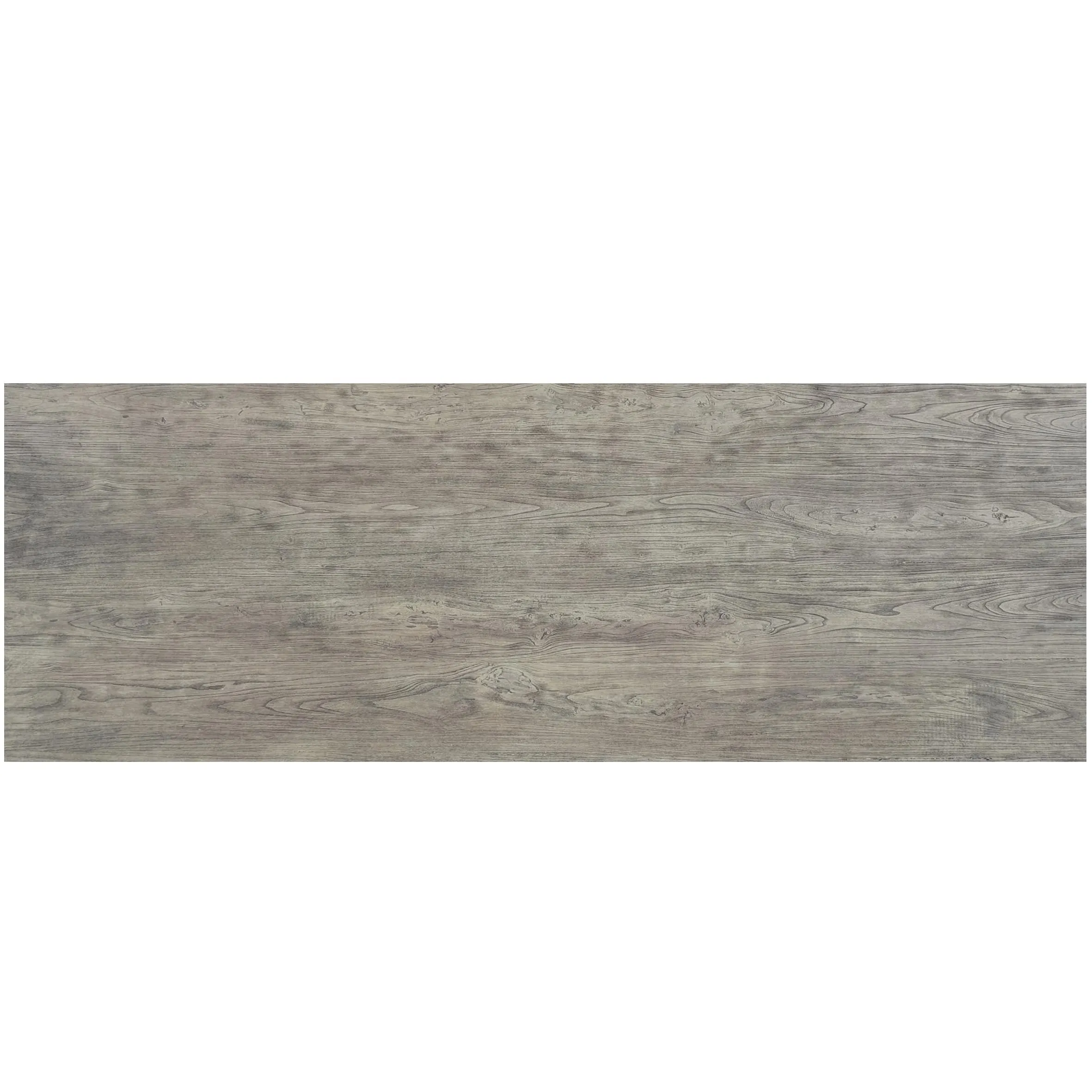
Walk into any well-designed space, and you'll notice it's the little details that stick with you—the way light plays off a wall, the texture under your fingertips, the subtle transitions between materials. When it comes to walls, the right finish can turn a plain surface into a storyteller, and few materials do that as gracefully as wood grain board. But here's the thing: even the most beautiful wood grain board can fall flat if its edges are overlooked. Edge finishes are the unsung heroes of seamless wall installations, quietly ensuring that every joint, every transition, feels intentional and polished. Whether you're revamping a home office, designing a restaurant, or curating a retail space, understanding wood grain board edge finishes isn't just about aesthetics—it's about crafting spaces that feel whole, cohesive, and uniquely yours.
Before we dive into edges, let's take a moment to appreciate the star of the show: wood grain board. In a world of cold concrete and sleek metals, wood grain board brings a touch of nature indoors, infusing spaces with warmth and character. What makes it so beloved? For starters, it's remarkably versatile. Unlike solid wood, which can warp or split with humidity changes, wood grain board (often made from engineered wood or composite materials) offers stability without sacrificing that authentic wood look. It's also adaptable—available in a spectrum of grains, from the rich swirls of oak to the subtle lines of pine, and finishes, from matte to semi-gloss, making it a chameleon in design.
But wood grain board isn't just about looks. It's practical, too. It's easier to install than solid wood, more affordable, and resistant to the dings and scratches that come with daily life. No wonder it's a staple in everything from residential living rooms to high-traffic commercial spaces. And when paired with complementary materials—think the raw, unfiltered charm of fair-faced concrete or the tactile depth of flexible stone—it becomes even more powerful, bridging the gap between organic and industrial, traditional and modern.
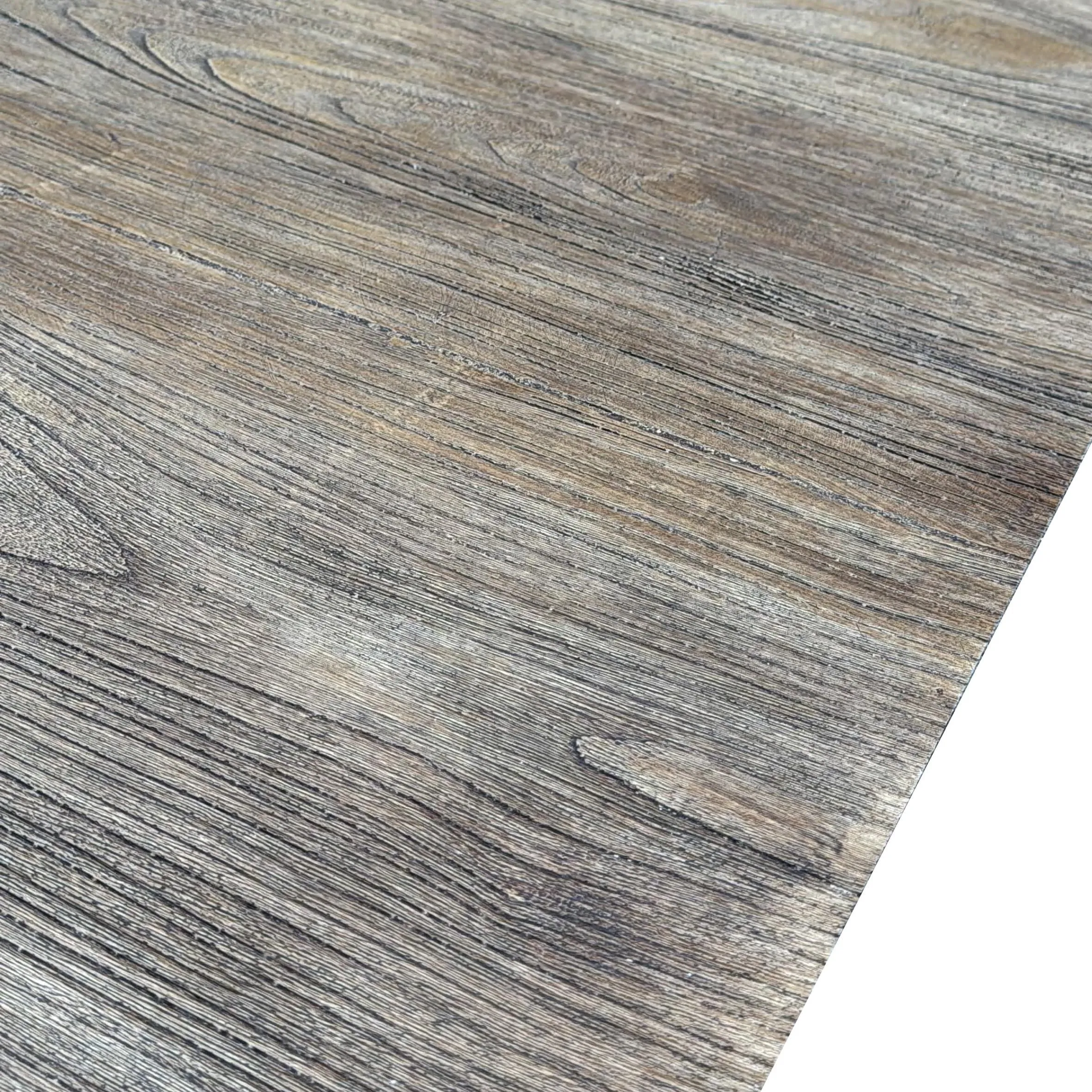
Imagine building a puzzle where the final piece doesn't quite fit. That's what a poorly finished edge feels like in a wall installation. Seamless walls aren't just about making sure boards line up—they're about creating the illusion of a single, unbroken surface, where the eye glides smoothly from one end to the other without distraction. Edge finishes play a critical role in this illusion. A rough, unrefined edge can create harsh shadows at the joints; a mismatched finish can make transitions feel jarring. On the flip side, a well-chosen edge finish can soften lines, highlight grain patterns, and even enhance the board's durability by preventing chipping or splintering.
Let's break it down: when you install wood grain boards side by side, the edges meet at a joint. If those edges are square and sharp, the joint might create a noticeable line—a "shadow gap"—that disrupts the seamless look. An eased edge, by contrast, softens that line, making the joint blend into the wall. Similarly, in corners where wood grain board meets another material (say, masonry stone for a rustic accent), the right edge finish can bridge the two, ensuring the transition feels harmonious rather than forced. In short, edge finishes turn "good" installations into "great" ones by attending to the details that make a space feel intentional.
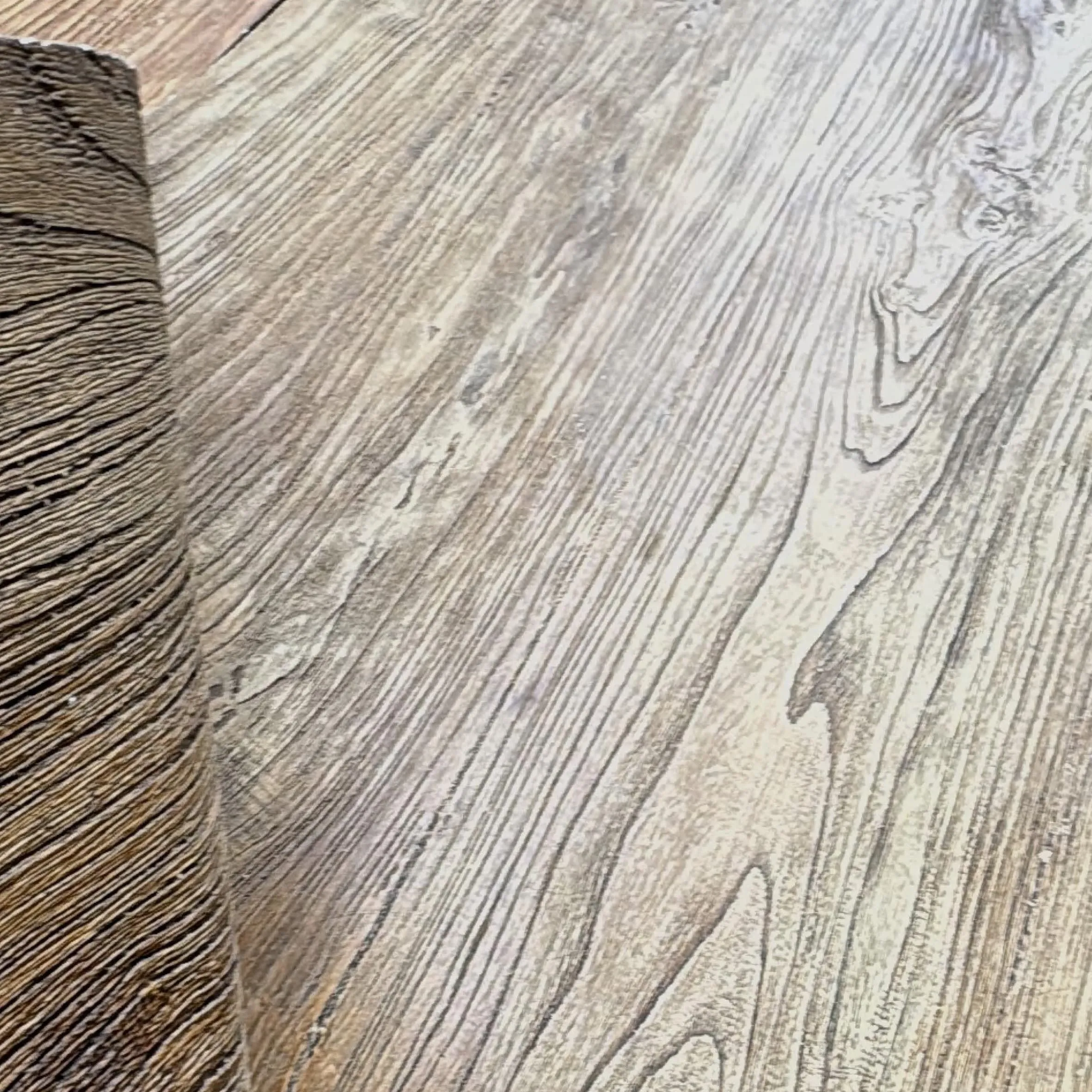
Now that we know why edge finishes matter, let's explore the options. From soft and subtle to bold and geometric, there's an edge finish for every design vision. Below, we'll walk through the most popular styles, their best applications, and how they contribute to seamless installations.
If edge finishes were people, eased edges would be the reliable friend who gets along with everyone. Also called "softened" edges, eased edges are created by slightly rounding the sharp corner of the board, removing the 90-degree angle without adding a pronounced curve. The result? A gentle, understated edge that feels smooth to the touch and visually "disappears" into the wall.
Why choose eased edges? They're incredibly versatile. In residential spaces—think bedrooms or living rooms—they add a softness that makes the wall feel approachable, like a warm hug. In commercial settings, they're practical: their rounded corners resist chipping, making them ideal for high-traffic areas like hotel lobbies or office hallways. Eased edges also pair beautifully with other materials; when combined with the organic texture of masonry stone, they balance roughness with softness, creating a space that feels both grounded and inviting.
For a touch of modern flair, look no further than beveled edges. A beveled edge is cut at a 45-degree angle along the top (or top and bottom) of the board, creating a thin, sloped edge that catches light and adds depth. Unlike eased edges, which blend in, beveled edges make a subtle statement—they're not loud, but they're definitely noticeable.
These edges shine in spaces where clean lines and contemporary design take center stage. Picture a minimalist kitchen with wood grain board walls: beveled edges would echo the sharp angles of cabinetry, tying the room together. They also work wonders in retail spaces, where lighting can play off the bevel to create subtle shadows, adding dimension to product displays. Pro tip: For a more dramatic effect, opt for a double bevel (both top and bottom edges sloped) in a slightly wider angle (up to 60 degrees). Just keep in mind that beveled edges require precise installation—any misalignment will be more visible than with eased edges, so it's worth investing in a skilled installer.
If softness is your goal, bullnose edges are the way to go. A bullnose edge is fully rounded, with a semicircular curve that extends from the top to the bottom of the board's edge. It's the opposite of sharp—think of the smooth edge of a river stone, worn soft by time. Bullnose edges feel luxurious to the touch, making them perfect for spaces where comfort is key, like nurseries, bedrooms, or spa retreats.
But don't sleep on bullnose edges in unexpected places. In a bathroom, their rounded corners are a safety bonus (no sharp edges to bump into), and their smooth surface is easy to clean. In a restaurant with an open kitchen, they add a welcoming vibe that contrasts nicely with the industrial tools and stainless steel appliances. When paired with flexible stone, which often has a more textured surface, bullnose edges create a tactile journey—rough and smooth, hard and soft—keeping the eye moving and the space feeling dynamic.
Sometimes, simplicity is the ultimate sophistication. Square edges are exactly what they sound like: sharp, 90-degree angles with no rounding or sloping. They're the "no-frills" option, but that doesn't mean they're boring. Square edges celebrate the purity of the wood grain board itself, letting the pattern and color take center stage without distractions.
These edges thrive in spaces with a minimalist or industrial aesthetic. Pair them with fair-faced concrete walls, and you've got an edgy, urban look that feels raw and authentic—perfect for a loft apartment or a trendy coffee shop. Square edges also work well with bold wood grains; a dramatic oak or walnut pattern will pop against the clean, sharp lines of the edge, creating a focal point that doesn't need extra embellishment. The catch? Square edges demand precision. Any gap between boards will be glaringly obvious, so proper installation (and maybe a little wood filler for perfectionists) is a must. They're also more prone to chipping than rounded edges, so they're best suited for low-traffic areas.
For the ultimate seamless look, mitered edges are the gold standard. Mitered edges are cut at 45-degree angles (like beveled edges) but with a twist: when two boards meet at a corner, their mitered edges fit together like puzzle pieces, creating a single, continuous line. The result? It looks like the wall is made from one giant piece of wood grain board, with no visible joint.
Mitered edges are a favorite in high-end design, where the goal is to create a sense of flow and spaciousness. In a home theater, they eliminate visual distractions, letting the focus stay on the screen. In a luxury retail store, they make the walls feel like a canvas for the merchandise, elevating the shopping experience. But here's the trade-off: mitered edges are tricky to install. They require precise measuring, cutting, and clamping to ensure the joint is tight and even. Temperature and humidity changes can also cause the joint to gap over time, so they're best used in climate-controlled spaces. When done right, though, mitered edges are magic—they turn a wall into a work of art.
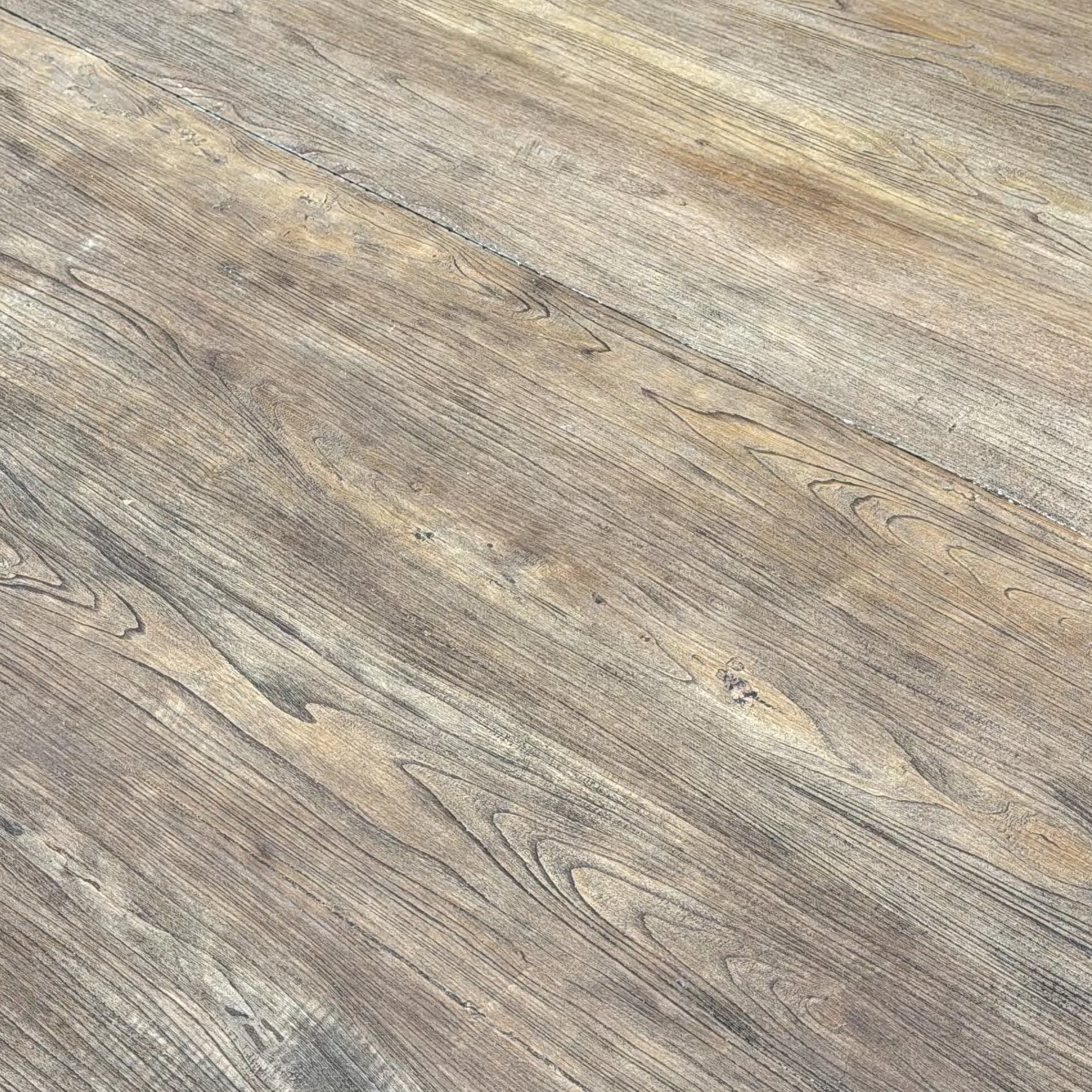
With so many options, choosing an edge finish can feel overwhelming. To help you decide, we've put together a comparison of the most popular styles, breaking down their aesthetic, best uses, installation difficulty, and compatibility with other materials.
| Edge Finish | Aesthetic | Best For | Installation Difficulty | Compatible Materials |
|---|---|---|---|---|
| Eased | Soft, rounded corners; blends into walls | Residential spaces, high-traffic areas, family homes | Easy (minimal cutting required) | Masonry stone, flexible stone, warm-toned paint |
| Beveled | Angled, light-catching; modern and sleek | Minimalist kitchens, retail displays, contemporary offices | Moderate (requires precise angle cutting) | Fair-faced concrete, metal accents, glass |
| Bullnose | Fully rounded; soft and luxurious | Nurseries, bathrooms, spas, cozy living rooms | Moderate (specialized tools for rounding) | Flexible stone, marble, warm woods |
| Square | Sharp, 90-degree angles; bold and minimalist | Industrial lofts, modern coffee shops, low-traffic areas | Easy (basic cutting), but requires precision | Fair-faced concrete, steel, dark paint |
| Mitered | Seamless, invisible joints; high-end and cohesive | Luxury homes, home theaters, boutique retail | Difficult (requires expert measuring and clamping) | Uniform wood grain board, monochromatic palettes |
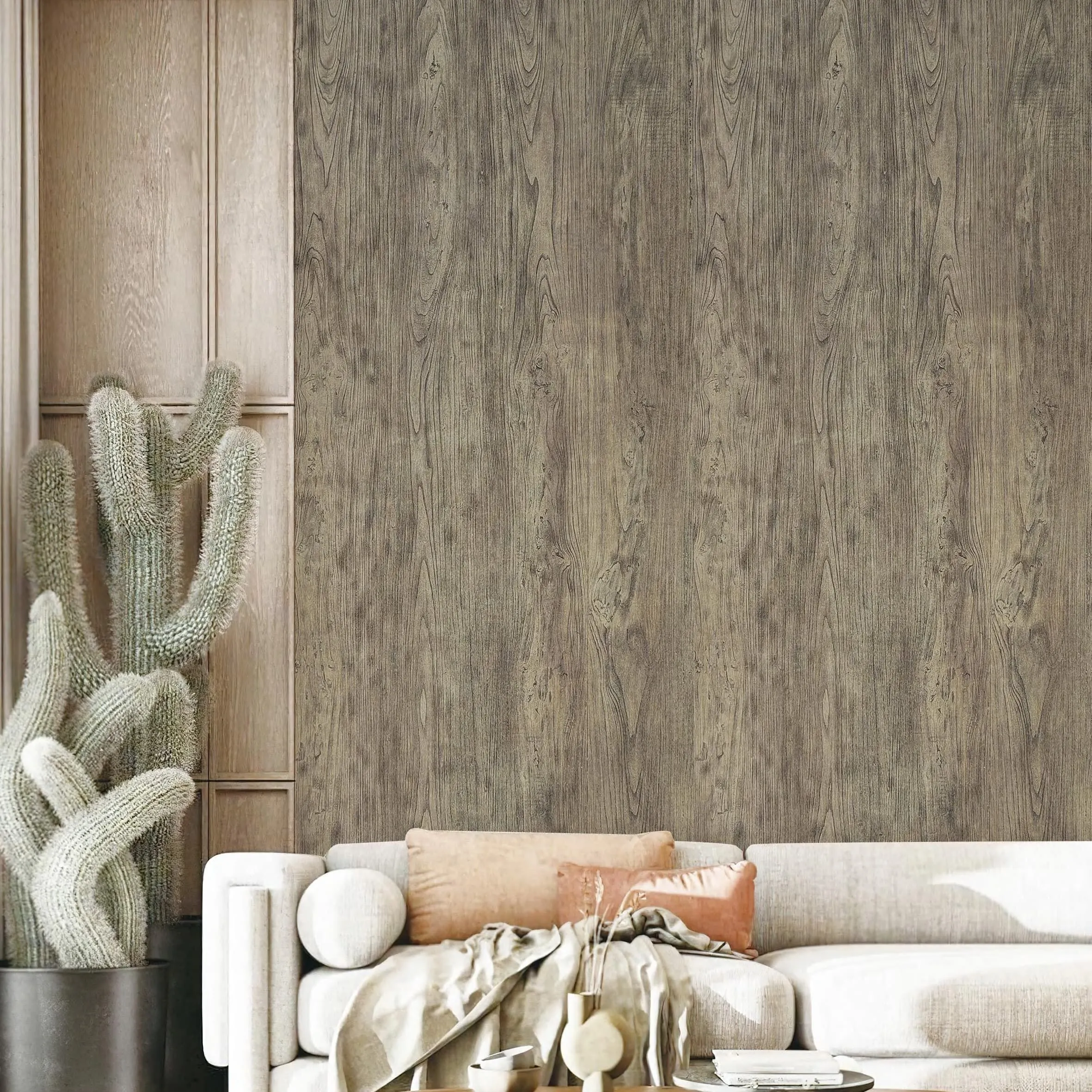
Wood grain board is a team player, and its edge finish can make or break its compatibility with other wall materials. Let's explore how to pair edge finishes with some of the most popular complementary materials to create spaces that feel intentional and harmonious.
Fair-faced concrete (also called "board-formed" or "exposed" concrete) is all about raw, unapologetic texture—the marks of the formwork, the subtle variations in color, the way it ages gracefully over time. When paired with wood grain board, it's a study in contrasts: organic vs. industrial, warm vs. cool. The key to making this pairing work? Choose edge finishes that bridge the gap.
For a balanced look, go with beveled edges. The 45-degree slope of the bevel echoes the angularity of fair-faced concrete's formwork lines, creating a visual connection between the two materials. In a restaurant with concrete floors and wood grain board walls, beveled edges will tie the space together, making the transition from floor to wall feel natural. If you want to lean into the industrial vibe, square edges are the way to go. Their sharp lines complement concrete's rough texture, creating a bold, no-nonsense look that's perfect for a brewery or a tech startup office.
Flexible stone is a design chameleon—it can mimic the look of natural stone, brick, or even leather, but with the added bonus of being lightweight and easy to install. Its textured surface adds depth, making it ideal for accent walls or feature niches. When paired with wood grain board, the goal is to balance texture without overwhelming the space.
Eased edges are a dream here. Their soft, rounded corners contrast gently with flexible stone's roughness, creating a space that feels tactile but not chaotic. Imagine a home office with a flexible stone accent wall (think: rough-hewn "masonry stone" texture) and wood grain board surrounding it—eased edges on the wood will soften the transition, making the room feel calm and focused. Bullnose edges also work well; their fully rounded shape adds a touch of luxury that pairs beautifully with the earthy, organic feel of flexible stone. A spa with a flexible stone shower wall and wood grain board vanity? Bullnose edges will make the space feel like a retreat, where every surface invites touch.
Masonry stone—think brick, fieldstone, or stacked stone—evokes tradition and history. It's the material of old cottages, historic churches, and cozy fireplaces. Pairing it with wood grain board (a modern material with a classic look) creates a space that feels both timeless and fresh. The edge finish here should honor that duality.
Eased edges are a safe bet, but for a more interesting twist, try mitered edges. When wood grain board meets masonry stone at a corner, mitered edges create a seamless joint that makes the two materials feel like they've always belonged together. In a living room with a stone fireplace and wood grain board walls, mitered edges will make the fireplace feel integrated into the room, not just an afterthought. If you want to highlight the contrast between old and new, go with bullnose edges. Their soft curves will play off the irregular, jagged edges of masonry stone, creating a space that feels both grounded in tradition and updated for modern living.
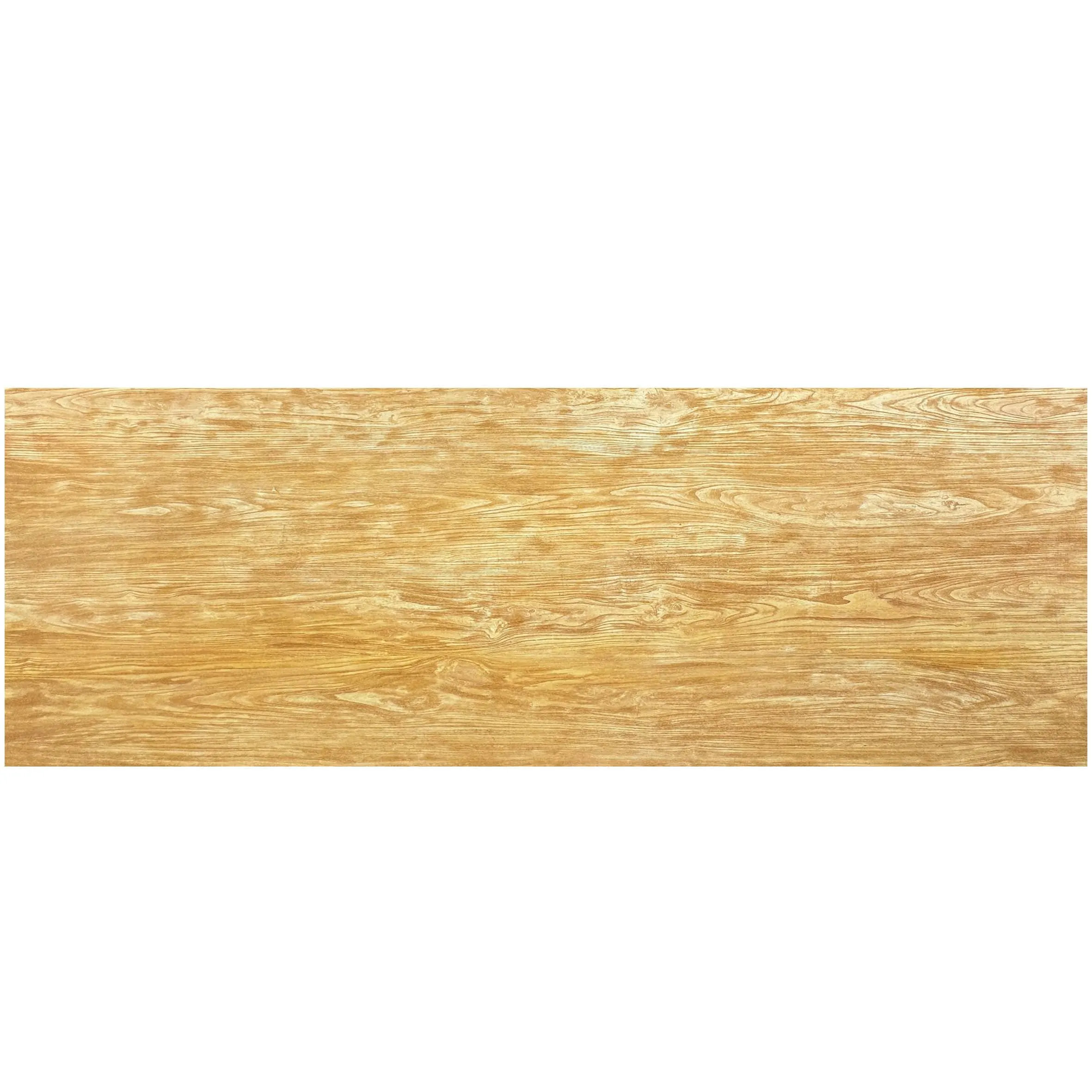
Even the best edge finish can look shoddy if the installation is rushed or imprecise. Here are a few pro tips to ensure your wood grain board edges look seamless, no matter which style you choose:
Measure Twice, Cut Once: This old carpenter's adage is especially true for edge finishes. Mitered and beveled edges require precise angles—even a 1-degree mistake can create gaps. Invest in a good miter saw and a speed square to ensure accuracy.
Acclimate the Board: Wood grain board can expand or contract with humidity changes. Let it sit in the installation space for 48–72 hours before cutting to ensure it adjusts to the environment. This prevents gaps from forming between edges later.
Use the Right Adhesive: For seamless joints, use a high-quality construction adhesive (not just nails or screws). Apply a thin, even layer along the edges before securing the board to the wall—this helps close gaps and keeps the joint tight over time.
Sand, Sand, Sand: Even the best cut edges can have rough spots. Sand the edges with fine-grit sandpaper (220-grit or higher) before installation to ensure they're smooth to the touch. For painted or stained boards, sanding also helps the finish adhere evenly.
At the end of the day, wood grain board edge finishes are more than just details—they're storytellers. They shape how we experience a space: whether it feels soft or sharp, cozy or industrial, timeless or modern. Eased edges whisper warmth, beveled edges shout modernity, bullnose edges croon luxury, square edges declare boldness, and mitered edges sing seamless harmony.
So the next time you're planning a wall installation, don't just pick a wood grain board for its color or pattern. Pause, and think about the edges. Ask yourself: What story do I want this space to tell? Do I want it to feel like a hug or a statement? A retreat or a canvas? The answer will guide you to the perfect edge finish—and when you step back and see the final result, you'll realize: those edges weren't just details. They were the difference between a good space and a great one.
Recommend Products












