
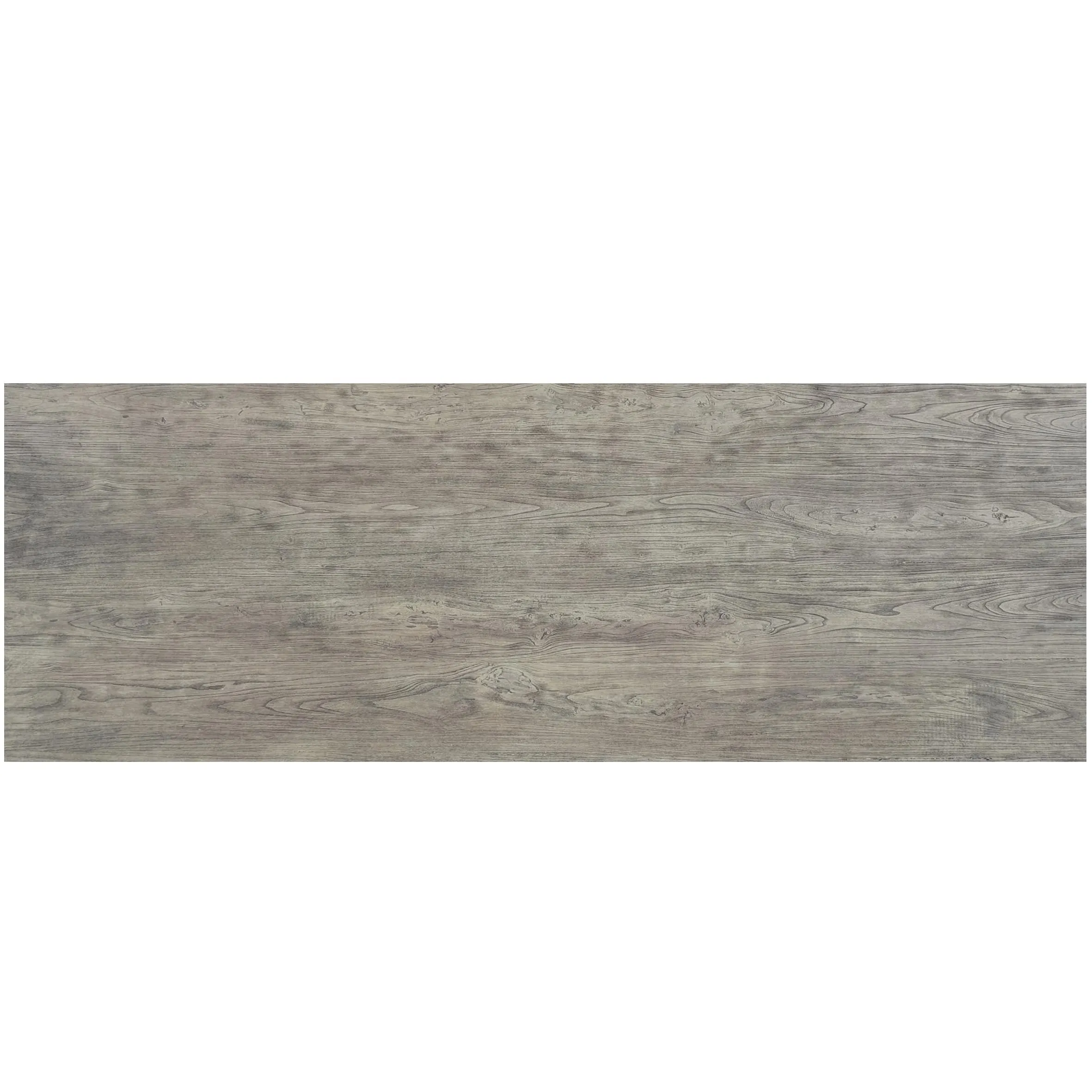
Walk into any school, and you'll immediately notice one thing: it's a space built for movement, curiosity, and growth. From kindergartners racing down hallways to high schoolers slamming lockers shut, educational institutions are bustling hubs where materials take a daily beating. But here's the thing—those materials don't just need to withstand chaos; they need to nurture it. They need to feel safe for tiny hands, stand up to spilled milk and marker scribbles, and create environments that spark creativity rather than stifle it. Enter Wood Grain Board —a material that's quietly revolutionizing how schools, universities, and childcare centers think about design, durability, and child-centric spaces.
Let's break it down: schools are not offices. They're not homes. They're unique ecosystems where "wear and tear" is an understatement. Think about it—classroom floors see hundreds of pairs of shoes daily. Cafeteria tables endure ketchup spills, sticky juice, and the occasional science experiment gone wrong. Playground equipment battles rain, sun, and the endless energy of 8-year-olds. And through it all, the materials must prioritize safety (no toxic fumes, no sharp edges), durability (no chipping, warping, or fading), and warmth (because a sterile, plastic-heavy space doesn't exactly scream "learn and grow").
For years, schools have leaned on quick-fix materials: cheap laminates that peel, real wood that scratches and warps, or cold concrete that feels more like a warehouse than a classroom. But what if there was a material that checked all the boxes—durable, safe, easy to maintain, and actually inviting ?
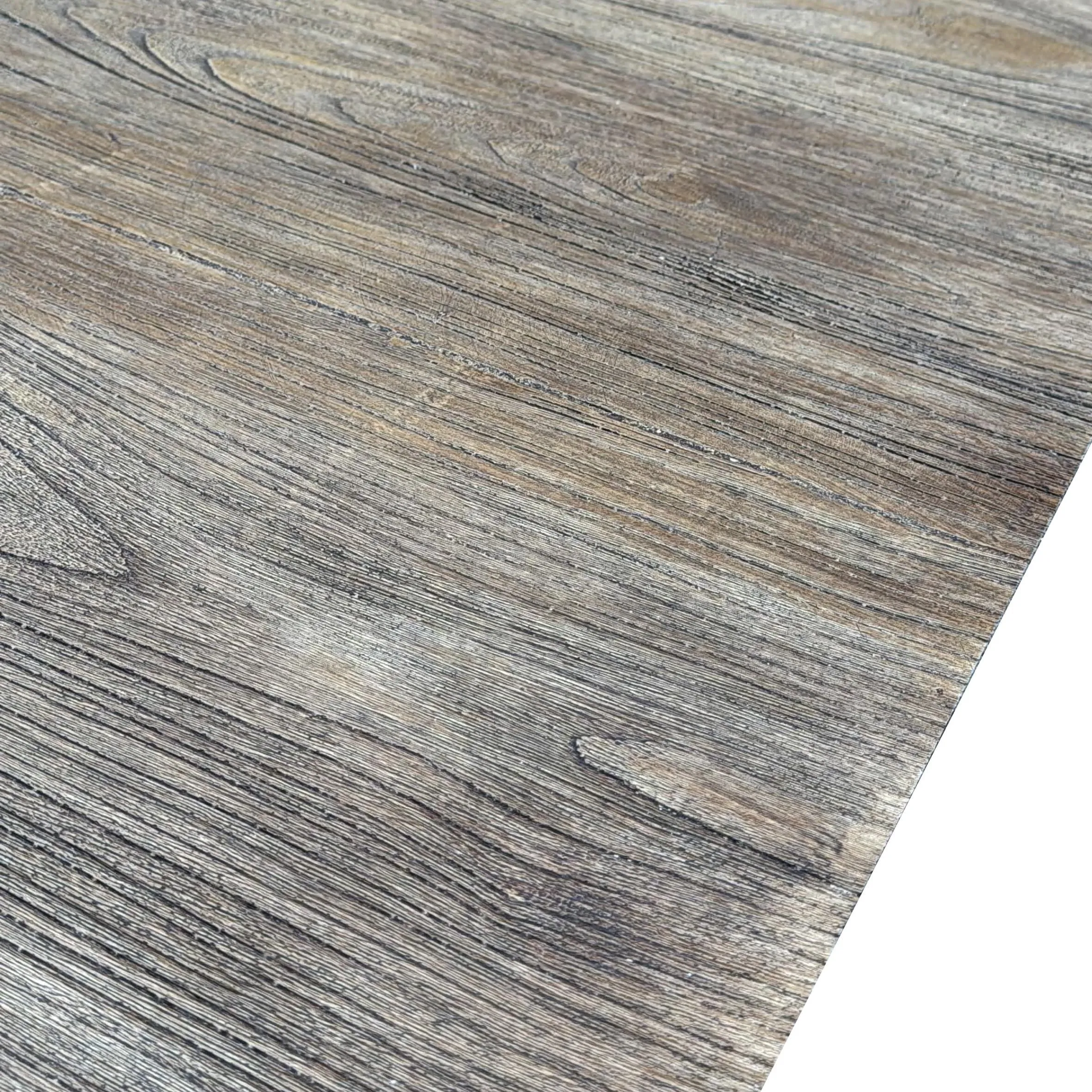
At first glance, you might mistake Wood Grain Board for real wood. Its surface mimics the rich, organic texture of oak, maple, or pine—complete with subtle knots and grain patterns that feel authentic to the touch. But here's the kicker: it's not wood at all. It's a high-performance composite material, part of the MCM flexible stone family—a modified composite material designed to be lightweight, flexible, and tougher than traditional building materials.
So, what makes it perfect for schools? Let's dive in.
Kids are tough on spaces. They drag chairs, drop books, and use walls as impromptu (that's "canvas" for non-art teachers). Wood Grain Board laughs in the face of this chaos. Unlike real wood, which dents, warps, or splinters, this composite material is scratch-resistant, impact-resistant, and impervious to moisture. Spilled milk in the kindergarten classroom? Wipe it up with a damp cloth—no water stains. A middle schooler accidentally slamming a locker door into a wall panel? No chip, no crack, no problem.
And it's not just for indoor use. Thanks to its weather-resistant properties, Wood Grain Board holds up outdoors too—think playground benches, outdoor classroom walls, or covered walkways. Rain, snow, or harsh sunlight? It won't fade, crack, or rot like real wood.
When it comes to schools, "safe" isn't negotiable. Wood Grain Board is engineered with non-toxic, low-VOC materials, meaning it doesn't off-gas harmful chemicals into the air kids breathe all day. It's also designed to be slip-resistant (critical for cafeteria floors or rainy-day hallways) and has rounded edges (no sharp corners to bump into during recess). Even better, it's fire-retardant—a must for any public space, but especially one filled with curious little explorers.
School administrators and maintenance teams have enough on their plates without adding "polish the wood floors" or "replace warped wall panels" to their to-do lists. Wood Grain Board is a dream in this department. It requires zero sealing, staining, or refinishing—unlike real wood, which needs annual treatments to stay looking fresh. A quick wipe with soap and water is all it takes to clean up crayon marks, glue spills, or muddy footprints. Over time, this translates to major savings in labor and replacement costs.
Walk into a classroom lined with cold concrete or peeling paint, and it's hard to feel excited about learning. Wood Grain Board, on the other hand, brings warmth. Its natural wood-like texture creates a cozy, homey vibe that helps kids (and teachers!) feel relaxed and focused. It's versatile, too—available in light oaks, rich walnuts, and even weathered gray tones to match any school's aesthetic, from traditional to modern.
| Material | Durability | Safety | Maintenance | Aesthetics |
|---|---|---|---|---|
| Wood Grain Board |
Scratch/impact-resistant
Moisture-proof Weather-resistant |
Non-toxic, low-VOC
Slip-resistant Fire-retardant |
Wipe clean with soap/water
No sealing/staining Zero refinishing |
Realistic wood grain
Warm, inviting texture Multiple color options |
| Real Wood |
Prone to dents/warping
Moisture-damaged Fades in sunlight |
Natural, but may need toxic sealants |
Annual staining/sealing
Refinishing every 3-5 years Hard to clean deep stains |
Authentic texture
Fades/warps over time |
| Plastic Laminate |
Scratch-resistant
Peels at edges Heat-sensitive |
May contain harmful chemicals
Slippery when wet |
Easy to wipe clean
Edges peel over time Stains from harsh cleaners |
Artificial-looking grain
Flat, uninviting texture |
| Concrete |
Durable
Cold, hard surface Stains easily |
Fire-resistant
Slippery when wet No cushioning for falls |
Requires sealing
Hard to remove stains Cracks over time |
Cold, industrial feel
Limited design options |
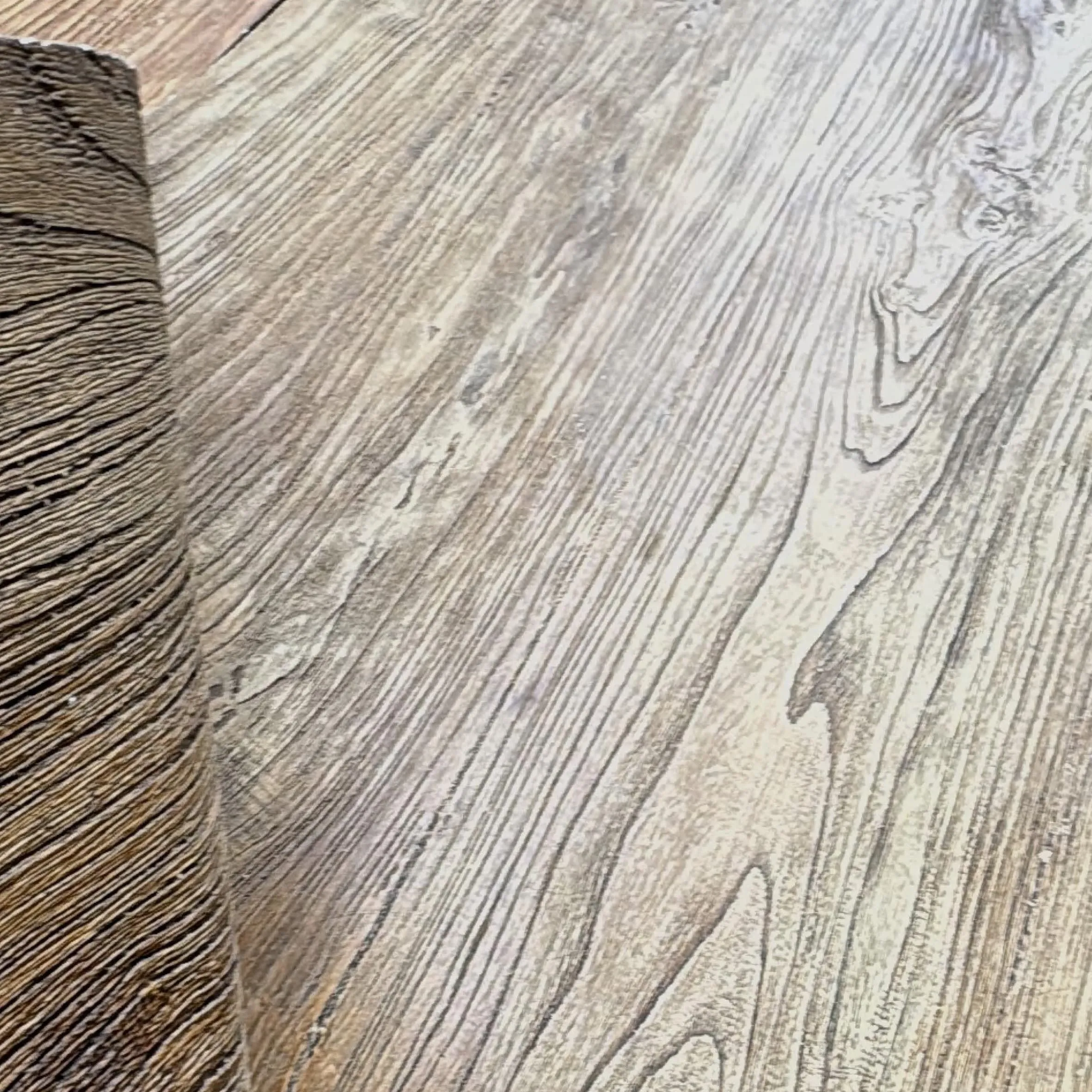
Wood Grain Board isn't just a one-trick pony. Its flexibility (thanks to MCM flexible stone technology) means it can be used in almost every corner of a school. Here are a few standout applications:
White walls feel sterile, and painted walls are magnets for crayon and marker. Wood Grain Board transforms classrooms into warm, inviting spaces where kids actually want to spend time. Imagine a first-grade room with wood-textured accent walls behind the reading nook—suddenly, storytime feels cozier. Or a high school art room where the walls can withstand paint splatters, glue, and even the occasional clay mishap, all while maintaining a professional, creative vibe.
Cafeterias are ground zero for spills: milk, juice, ketchup, spaghetti sauce, you name it. Wood Grain Board tables are a game-changer here. Unlike laminate tables, which stain if you don't wipe them immediately, or real wood tables that absorb liquids, these surfaces repel moisture. A quick swipe with a damp cloth, and the table looks as good as new. Plus, the wood-like texture hides minor scratches, so even after years of use, they won't look worn out.
School libraries need shelves that can hold hundreds of heavy books without warping or bowing. Wood Grain Board shelves are lightweight but incredibly strong—perfect for the job. And since they're smooth (no splinters!), little kids can reach for picture books without scraping their hands. Plus, the warm wood tone makes the library feel more like a cozy bookstore than a storage room, encouraging kids to linger and explore.
Outdoor classrooms, playground benches, and even climbing walls—Wood Grain Board holds up to the elements. Rain, snow, UV rays, and humidity don't stand a chance. Unlike real wood, which rots or splinters outdoors, or metal, which gets scorching hot in the sun, this material stays cool to the touch and structurally sound year-round. Imagine a preschool playground with wood-textured climbing walls that look natural but won't splinter, or a middle school outdoor science station with durable, weatherproof tables for rock-collecting projects.
From kindergarten cubbies to high school lab cabinets, Wood Grain Board is versatile enough to handle it all. Cubbies with wood-textured doors feel more personal than plastic ones, making kids excited to store their backpacks. Lab cabinets resist chemical spills (hello, chemistry class!) and are easy to sanitize. Even teacher desks benefit—no more worrying about coffee rings or scratches from daily use.
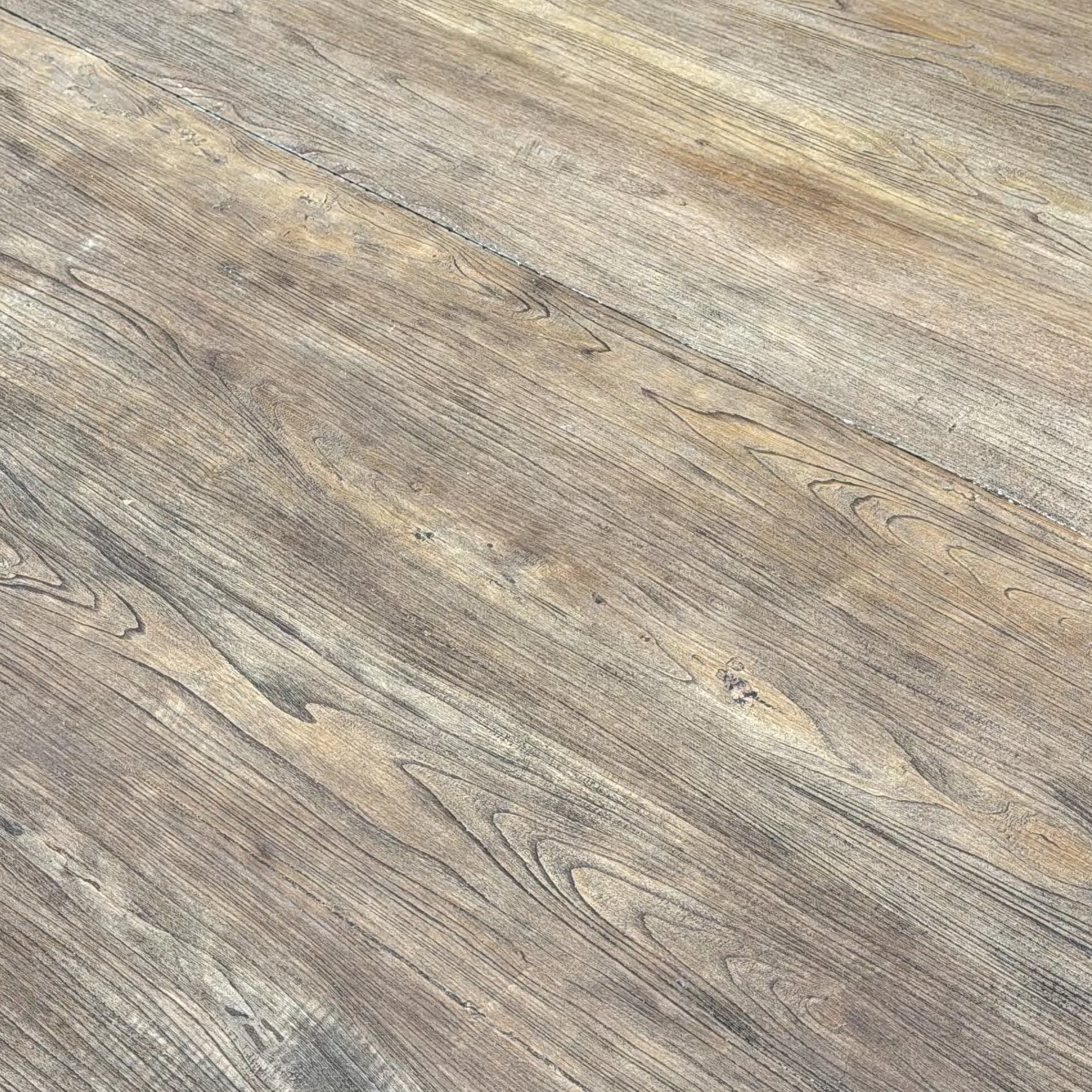
Today's schools aren't just educating students—they're modeling values, including environmental responsibility. Wood Grain Board aligns with this mission perfectly. As part of the MCM flexible stone family, it's made using recycled materials and low-energy manufacturing processes, reducing its carbon footprint. It also contains no harmful chemicals, so it contributes to better indoor air quality—a win for both the planet and the kids breathing that air day in and day out.
Plus, since it's so durable, it lasts longer than traditional materials, meaning fewer replacements and less waste over time. Schools that choose Wood Grain Board aren't just investing in their facilities—they're investing in a greener future for their students.
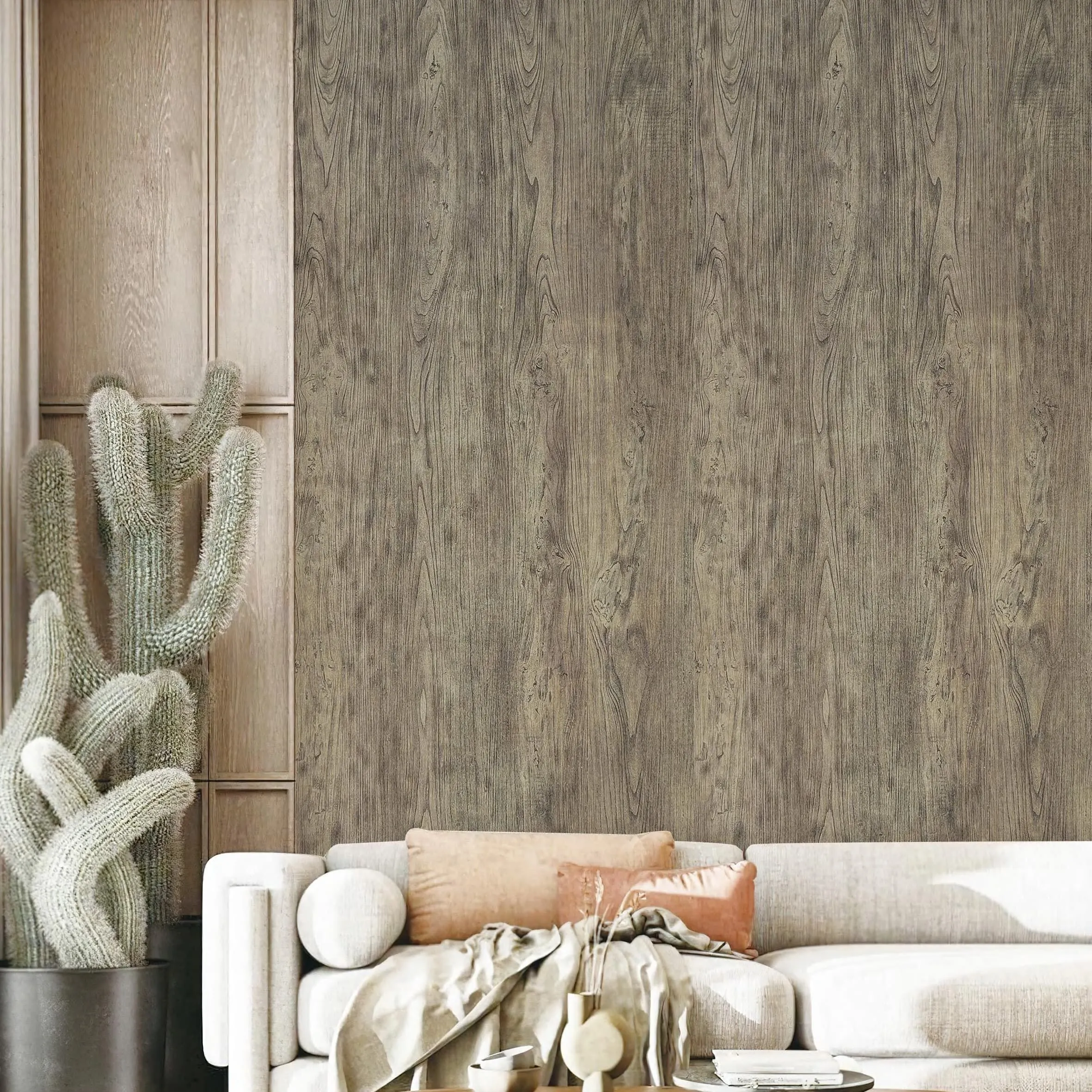
While Wood Grain Board stars on its own, it plays well with others. For schools aiming for a modern, industrial look, pair it with Fair-Faced Concrete in common areas like hallways or auditoriums. The contrast of warm wood and cool concrete creates a balanced, sophisticated vibe. Or add subtle accents with Lunar Peak Silvery —a sleek, metallic composite that adds a touch of elegance without feeling cold. The key is to let Wood Grain Board anchor the space with its warmth, then layer in other materials to enhance the overall design.
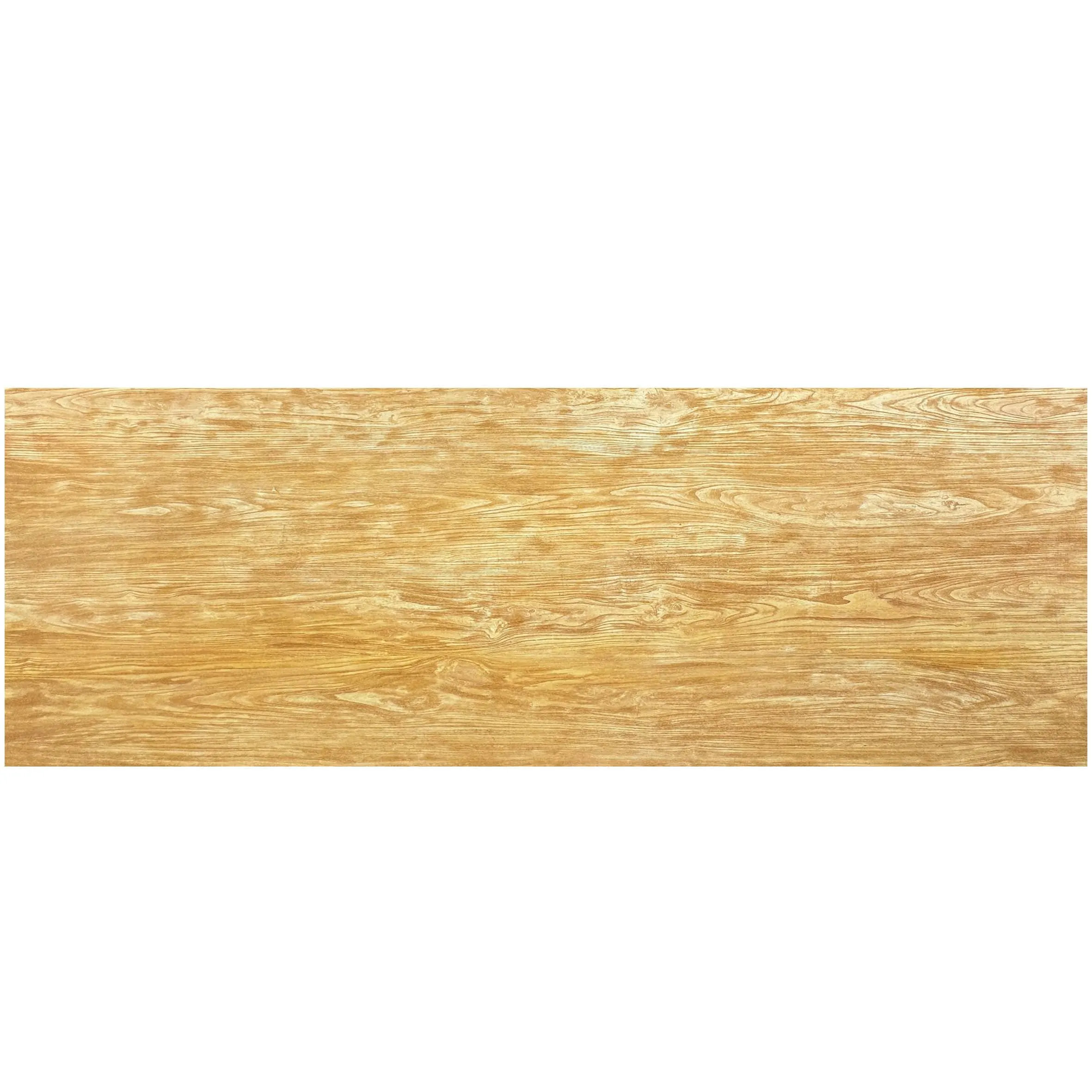
Schools are more than buildings—they're where kids discover their passions, make friends, and learn to navigate the world. The materials that fill those spaces should support that journey, not hinder it. Wood Grain Board does exactly that. It's durable enough to keep up with energetic students, safe enough to protect them, easy enough for busy staff to maintain, and warm enough to make every corner feel like a place where learning thrives.
Whether you're renovating an old elementary school or building a brand-new campus, consider Wood Grain Board. It's not just a material—it's a tool for creating spaces that inspire, protect, and endure. And in the end, isn't that what every educational institution wants to be? A place that lasts, just like the lessons it teaches.
Recommend Products












