
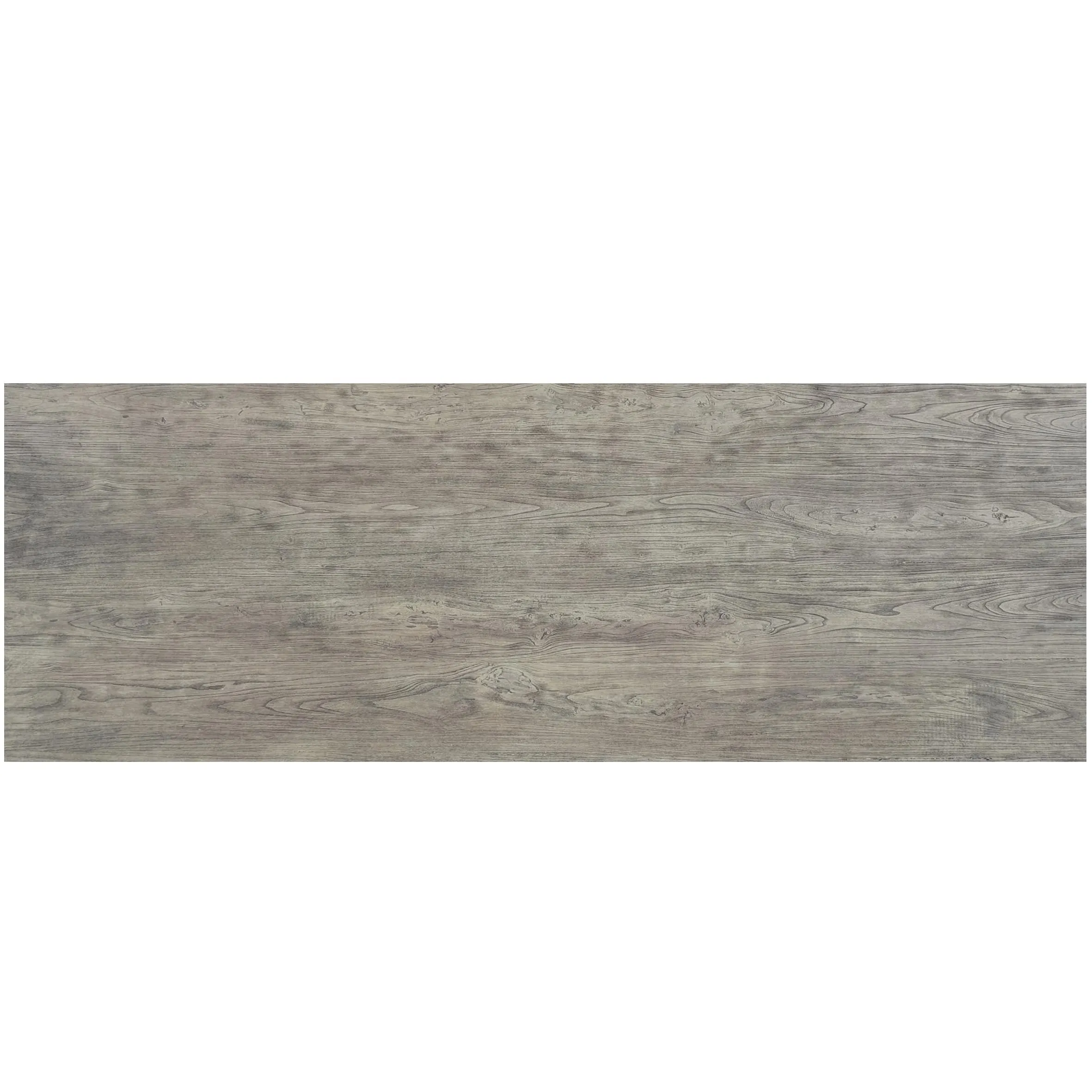
Because every home deserves to feel like a hug
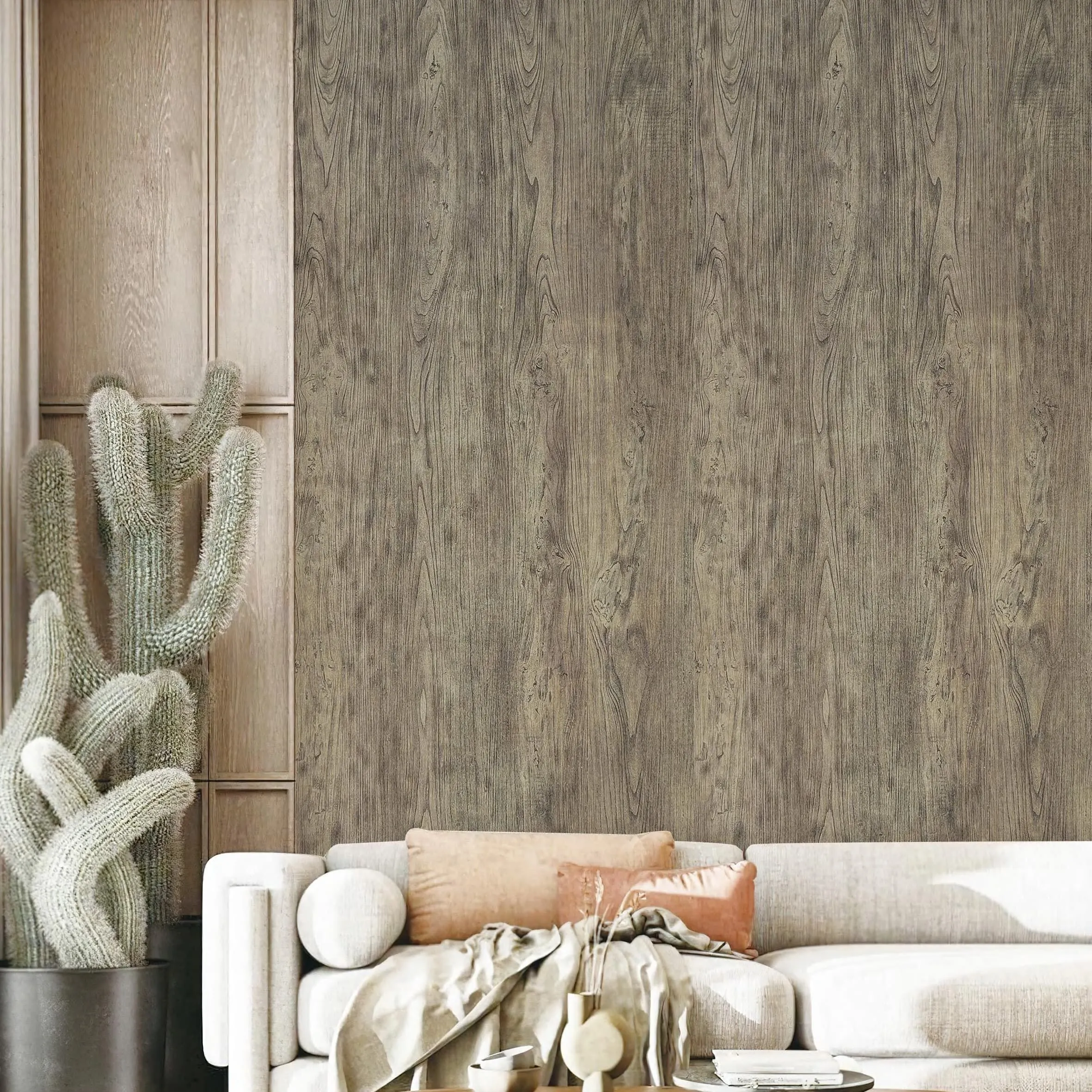
Picture this: You've just wrapped up a long day—traffic, deadlines, the endless hum of adulting. All you want is to walk through your front door and feel… home . Not just a house, but a space that sighs, "You're safe here." That feeling? It's not magic. It's design. And one of the most powerful tools in crafting that warmth? Wood grain board.
In a world where sleek minimalism and cold industrial vibes often dominate interior trends, there's a quiet rebellion happening. We're craving connection—to nature, to nostalgia, to the textures that make a house feel lived-in. Wood grain board isn't just a wall material; it's a storyteller. It brings the outdoors in, whispers of campfires and treehouses, and turns empty walls into backdrops for life's moments.
But don't just take my word for it. Let's dive into why wood grain board is becoming the unsung hero of cozy interiors, how to use it, and why pairing it with unexpected materials—like fair-faced concrete or rough granite stone—might just be the design hack you've been missing.
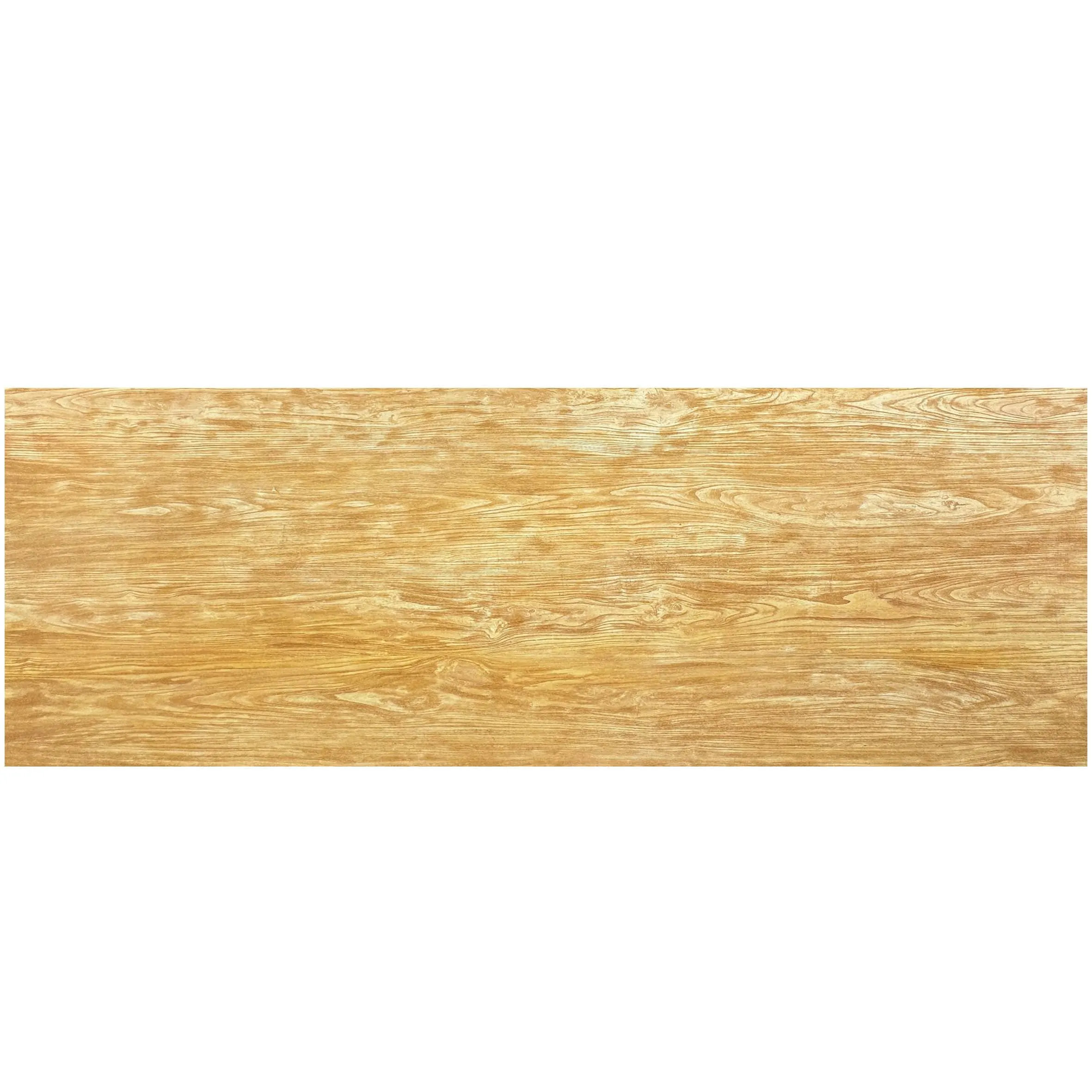
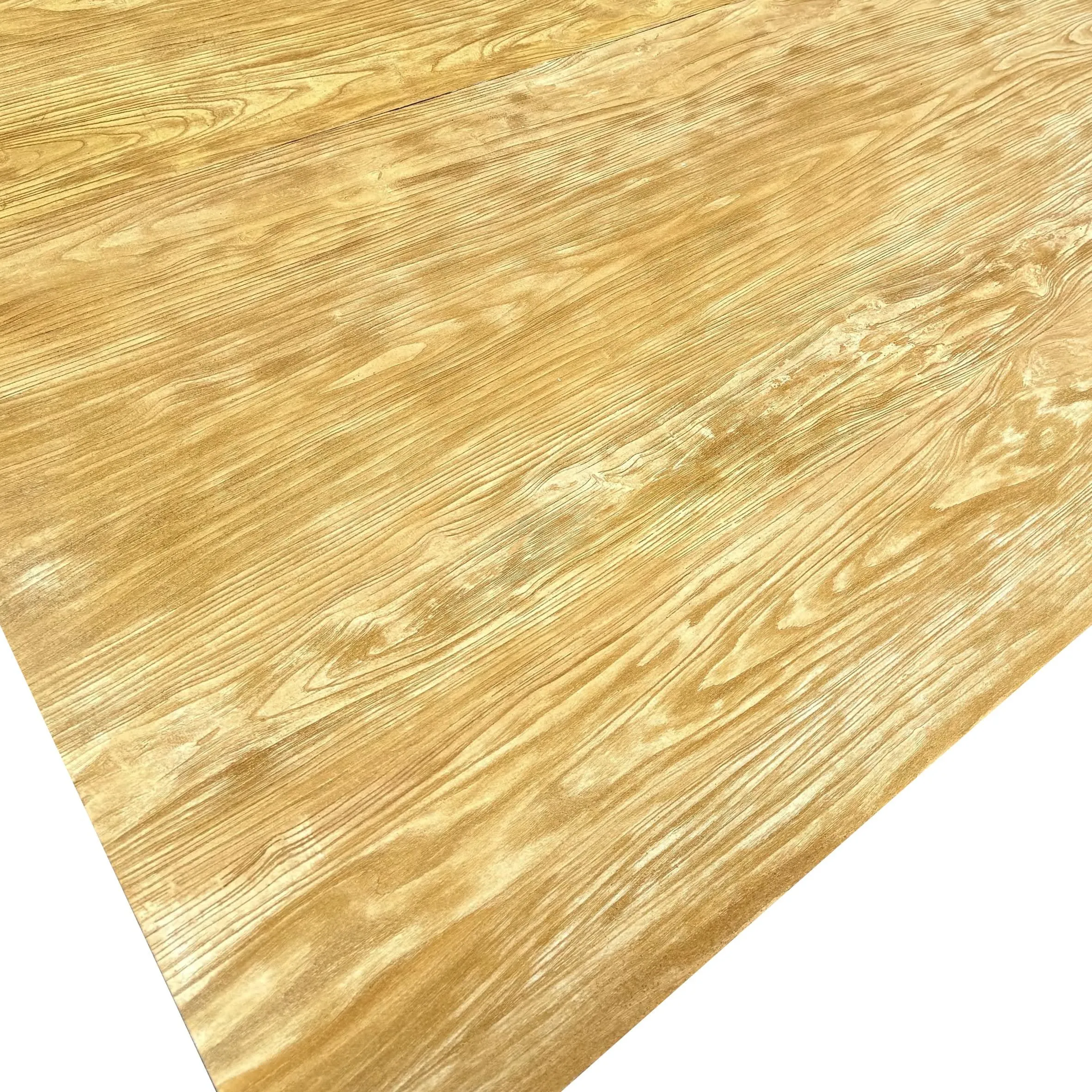
First things first: Let's clear up any confusion. Wood grain board isn't your grandma's paneling (no offense, grandma). Today's versions are a blend of art and engineering—crafted to mimic the look and feel of real wood, but with perks that make them practical for modern homes. Think: durability, resistance to warping, and a range of finishes that can mimic oak, pine, walnut, or even reclaimed barn wood.
Most wood grain boards are made from engineered wood—layers of wood fibers or particles pressed together with resin, then topped with a high-definition print of wood grain (so realistic, you'll do a double-take) and a protective coating. Some even have a textured surface that feels like real wood, right down to the knots and grain patterns. The result? A material that's lighter than solid wood, easier to install, and gentler on your wallet—without sacrificing that "organic" charm.
But why choose wood grain over, say, real wood planks? Real wood is stunning, of course, but it's prone to scratches, water damage, and expansion/contraction with humidity. Wood grain board? It laughs in the face of spills (hello, kids and pets) and stays looking fresh for years. Plus, it's often made with sustainable materials, so you can feel good about bringing it into your home.
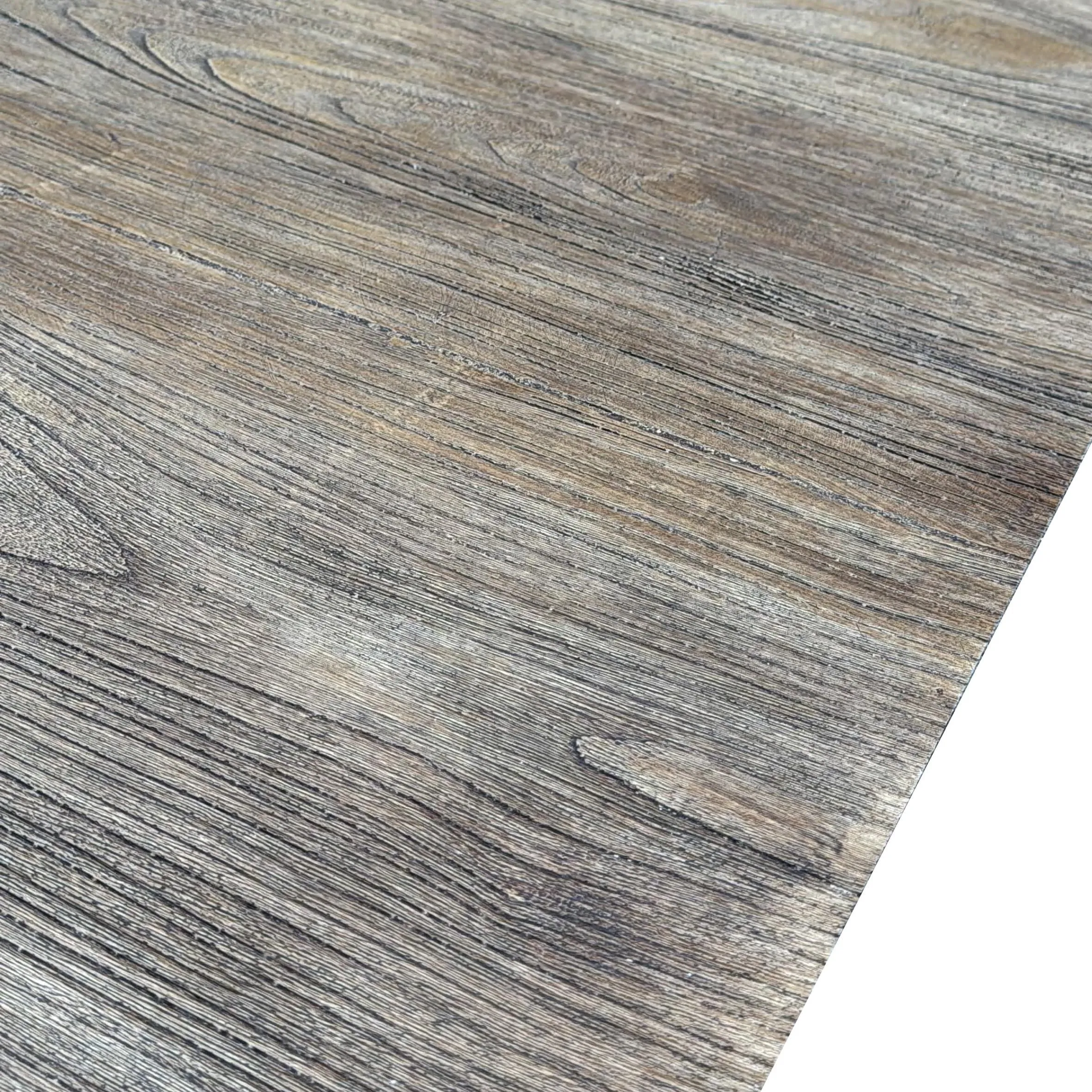
Warmth isn't just about temperature—it's about emotion. Walk into a room with wood grain walls, and your brain instantly registers "comfort." Here's why:
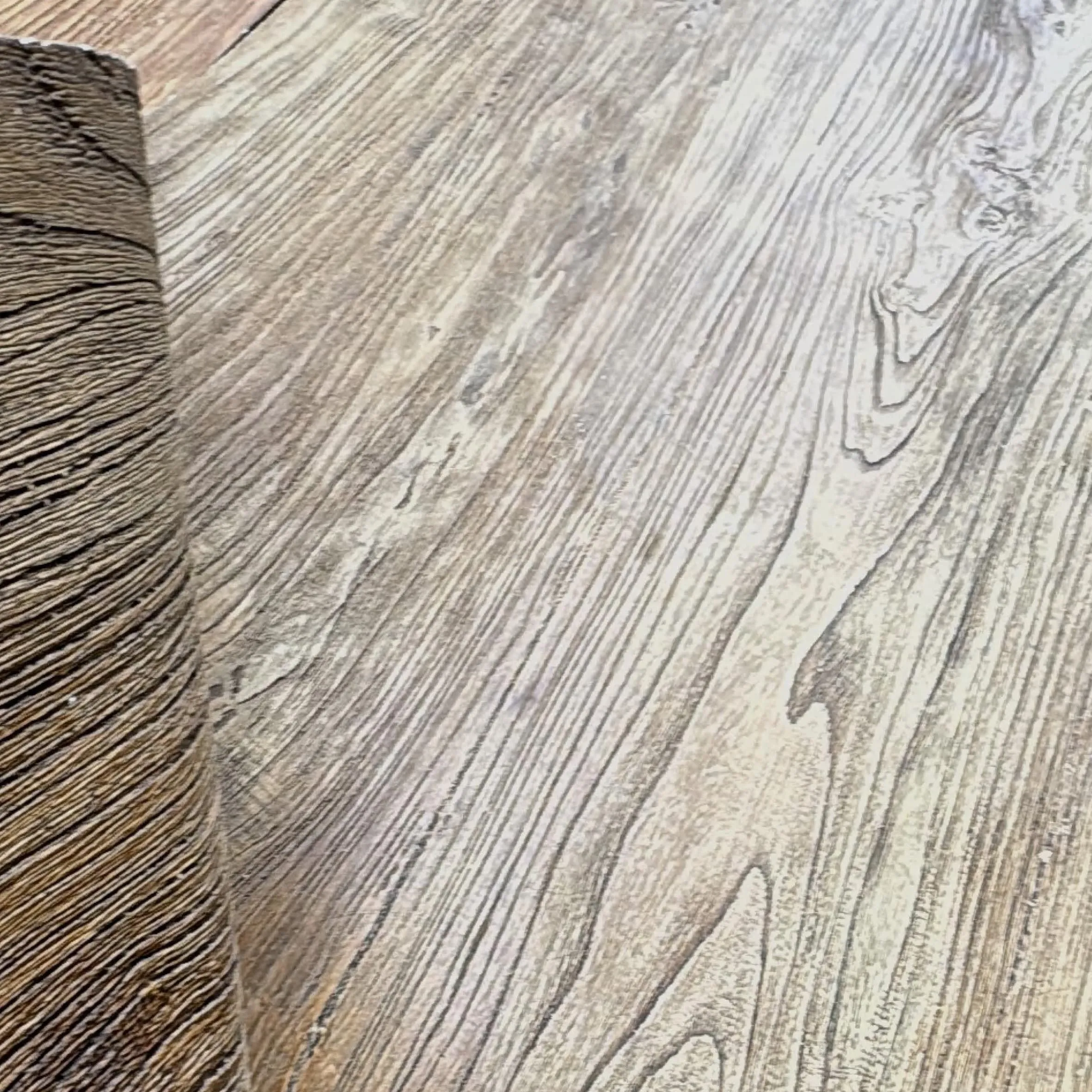
The magic of wood grain board isn't just in using it alone—it's in how it plays with other materials. Pairing it with contrasting textures or tones can elevate your space from "nice" to "unforgettable." Let's break down a few ideas:
Fair-faced concrete is all about raw, industrial edge—cool, gray, and unapologetically minimalist. Pair it with warm wood grain board, and suddenly that edge softens into something approachable. Imagine a living room where one wall is covered in rich walnut wood grain board, while the adjacent wall is fair-faced concrete. The wood adds warmth; the concrete adds structure. It's like pairing a cozy sweater with sleek leather boots—effortlessly cool, but never cold.
Pro tip: Use wood grain board on the wall behind your sofa to create a focal point, then add fair-faced concrete shelves or a fireplace surround. Finish with woven (beige) throw pillows and a jute rug to tie the textures together.
Bamboo mat board is another unsung hero of natural design. It's lightweight, sustainable, and has a delicate, woven texture that feels airy and organic. When paired with wood grain board, it's like bringing a forest inside—without the mess of pine needles. Try using bamboo mat board as an accent wall in a bedroom, then add wood grain board trim around the windows or as a headboard backdrop. The combination feels serene, almost spa-like, perfect for unwinding after a long day.
Bonus: Both materials are eco-friendly, so you can sleep easy knowing your design choices are kind to the planet.
Rough granite stone—think medium grey or beige, with jagged edges and visible mineral flecks—is all about texture. It's bold, earthy, and full of character. Pair it with smooth wood grain board, and you've got a wall that feels like a mountain lodge meets a modern cabin. A great spot for this combo? A dining room accent wall. Use rough granite stone for the lower half (up to chair rail height) and wood grain board for the upper half. Add a wooden dining table and woven (beige) chairs, and suddenly every meal feels like a weekend getaway.
Pro tip: Keep the rest of the room simple—neutral linens, minimal decor—to let the textures shine.
Weaving (beige) isn't a wall material, but hear us out. Textiles add softness that hard materials like wood and stone can't match. Hang a large woven wall hanging (think macramé or a chunky knit tapestry) next to a wood grain board wall, and you've got layers of warmth—visual and tactile. The wood provides a sturdy backdrop; the weaving adds movement and coziness. It's like adding a blanket to your walls—who wouldn't want that?
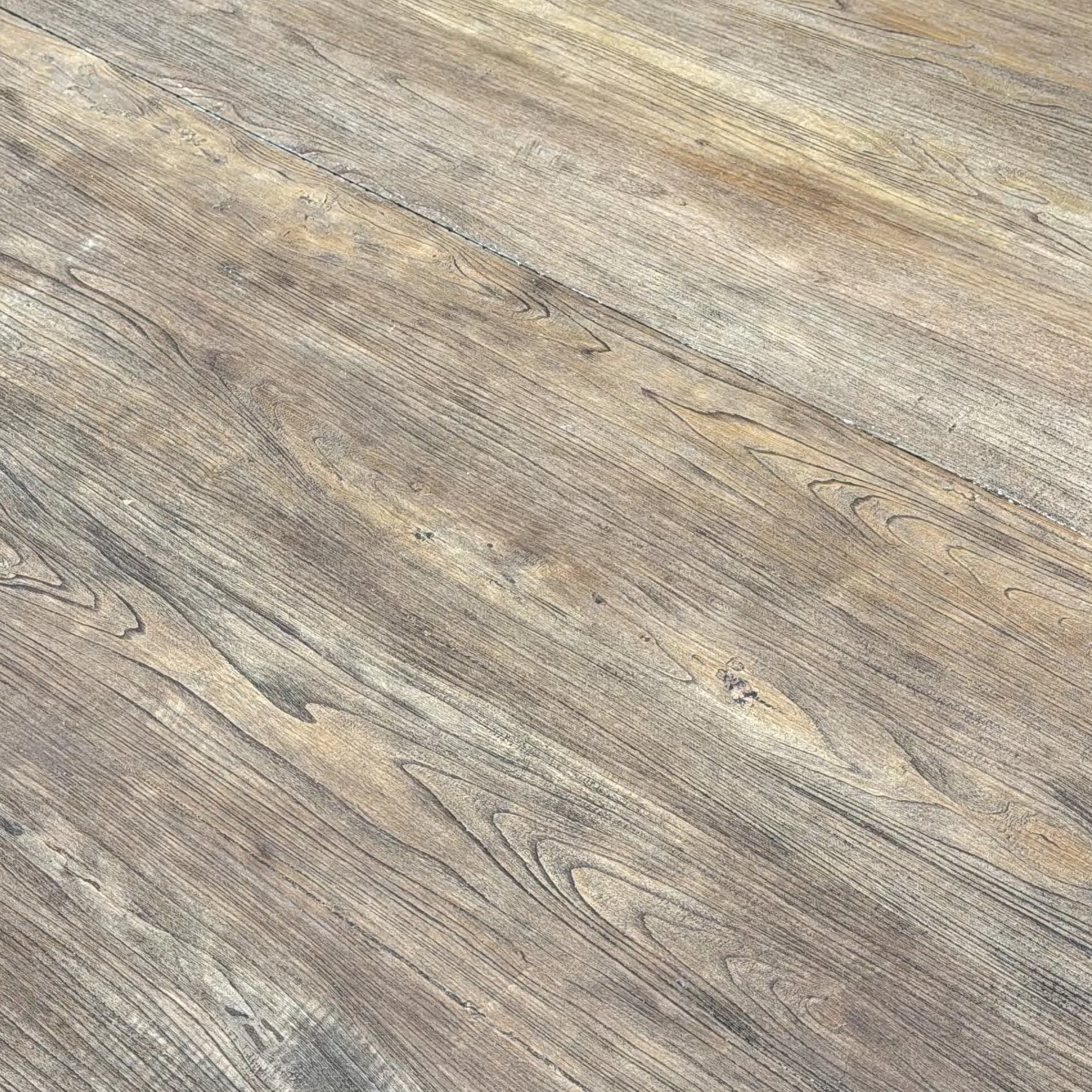
| Material | Warmth Level (1-5) | Texture | Durability | Best For |
|---|---|---|---|---|
| Wood Grain Board | 5/5 (cozy, inviting) | Smooth with visible grain; some embossed for texture | High (resistant to scratches, moisture) | Living rooms, bedrooms, accent walls |
| Fair-Faced Concrete | 2/5 (cool, industrial) | Raw, matte, with subtle pits and lines | Very high (virtually indestructible) | Modern spaces, fireplaces, accent walls |
| Bamboo Mat Board | 4/5 (light, airy warmth) | Woven, delicate, slightly rough | Medium (avoid heavy moisture) | Bedrooms, sunrooms, bohemian spaces |
| Rough Granite Stone | 3/5 (earthy, grounded) | Rugged, jagged, highly textured | Very high (natural stone durability) | Dining rooms, fireplaces, rustic spaces |
You don't need to be a pro to install wood grain board—many brands are designed for DIY-friendly "click-and-lock" or adhesive application. Here's what to keep in mind:
Note: If you're unsure, hire a pro. A little extra cost upfront beats a wall full of wonky boards!
The best part about wood grain board? It's low-maintenance. Unlike real wood, you won't need to stain or seal it every year. Here's how to keep it looking new:
At the end of the day, home isn't just about walls and roofs—it's about how a space makes you feel. Wood grain board doesn't just cover walls; it transforms them into something that wraps around you, that makes you want to stay a little longer, that turns "I live here" into "I belong here."
Whether you pair it with fair-faced concrete for modern flair, bamboo mat board for extra nature vibes, or rough granite stone for rustic charm, wood grain board is the secret ingredient to a home that feels warm, welcoming, and uniquely yours. So go ahead—embrace the grain. Your future self (the one coming home after a long day) will thank you.
Here's to walls that feel like home.
Recommend Products












