
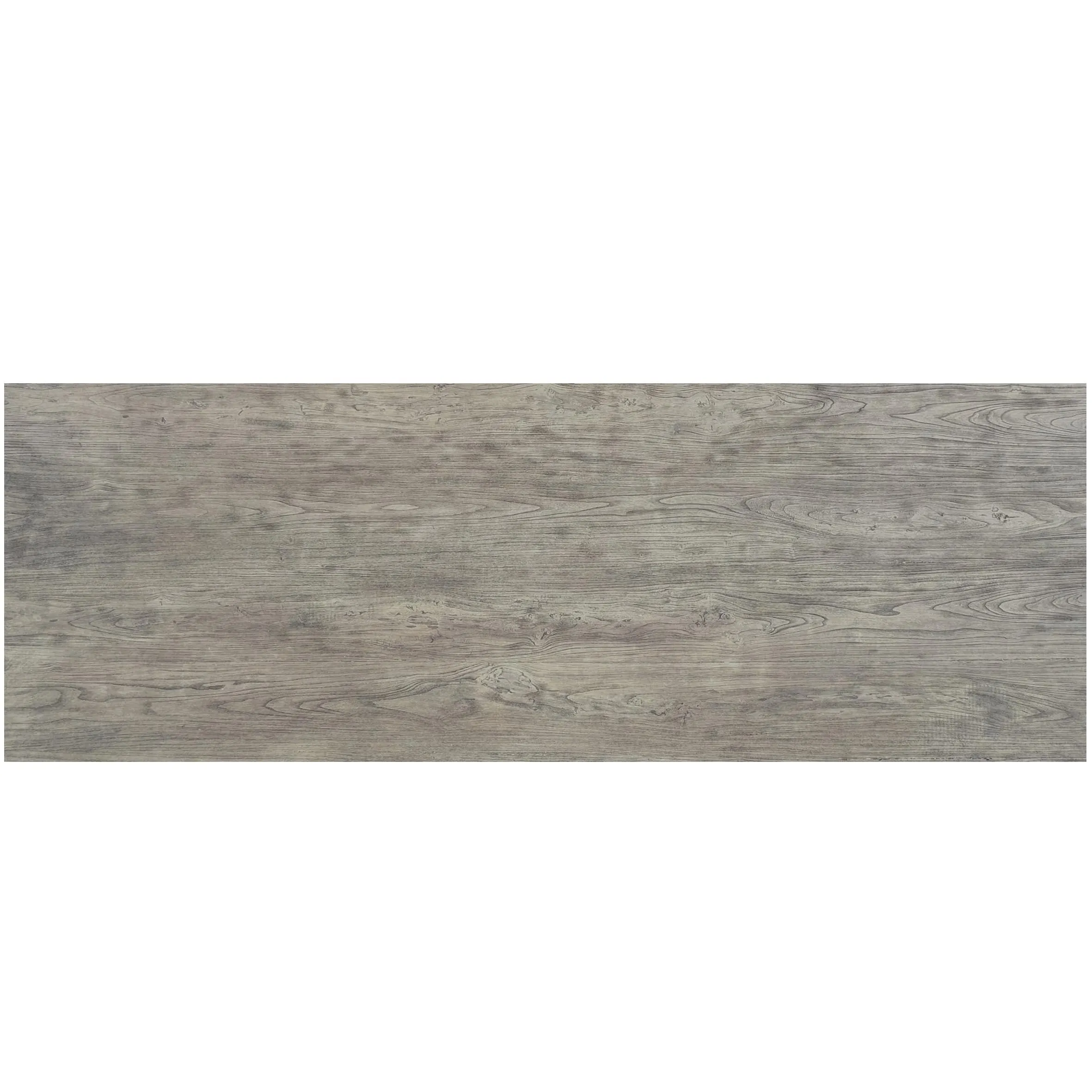
Walk into most traditional offices, and what do you see? Endless rows of gray cubicles, harsh fluorescent lights, and walls that feel more like barriers than backdrops. It's no wonder so many of us struggle to stay focused or feel inspired—our workspaces were never designed to nurture us, just to contain us. But what if we told you there's a simple change that could transform your office from a productivity graveyard into a hub of creativity and calm? Enter wood grain board: a material that brings the warmth of nature indoors, one panel at a time.
For decades, offices prioritized function over feeling. Concrete floors, metal desks, and stark white walls were the norm, chosen for their low cost and easy maintenance. But research has finally caught up to what our instincts have been telling us all along: cold, sterile environments drain our energy . A 2023 study by the International Society of Interior Designers found that employees in spaces with natural materials reported 30% higher job satisfaction and 25% fewer sick days than those in "industrial-style" offices. The message is clear: if we want people to do their best work, we need to design spaces that feel human.
This shift isn't just about aesthetics—it's about biology. Our brains are hardwired to respond to natural textures. When we touch something with the soft, organic grain of wood, our stress hormones drop. When we see colors that echo the outdoors—warm beiges, earthy browns, soft greens—our focus sharpens. Wood grain board isn't just a design choice; it's a wellbeing choice.
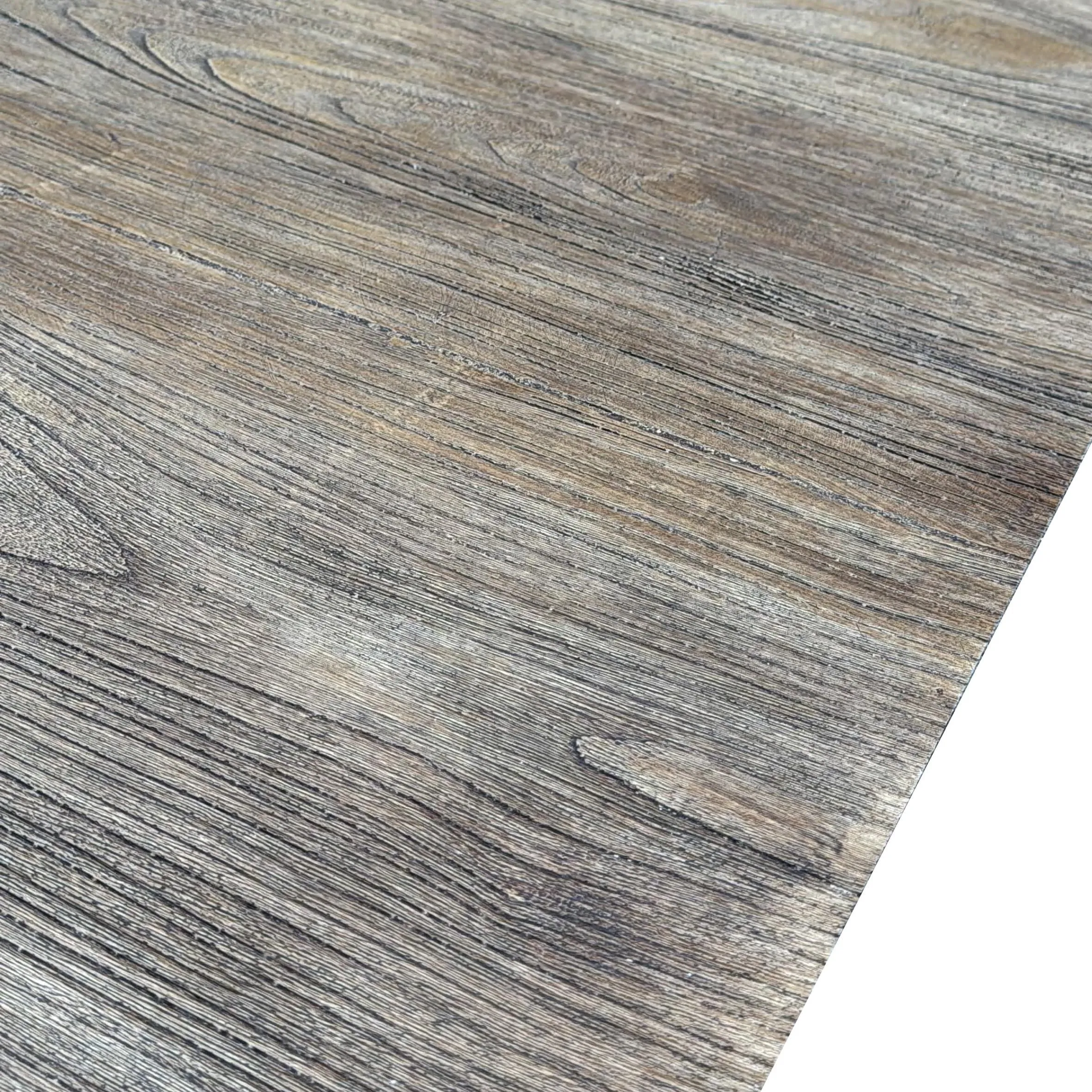
Biophilic design—the practice of integrating natural elements into indoor spaces—has become the gold standard for forward-thinking offices. It's based on the idea that humans evolved in nature, so our brains thrive when we're surrounded by its patterns. Think about it: a walk in the park clears your mind, right? Now imagine bringing that feeling into your 9-to-5. Wood grain board is a cornerstone of this movement because it's accessible, versatile, and instantly transformative.
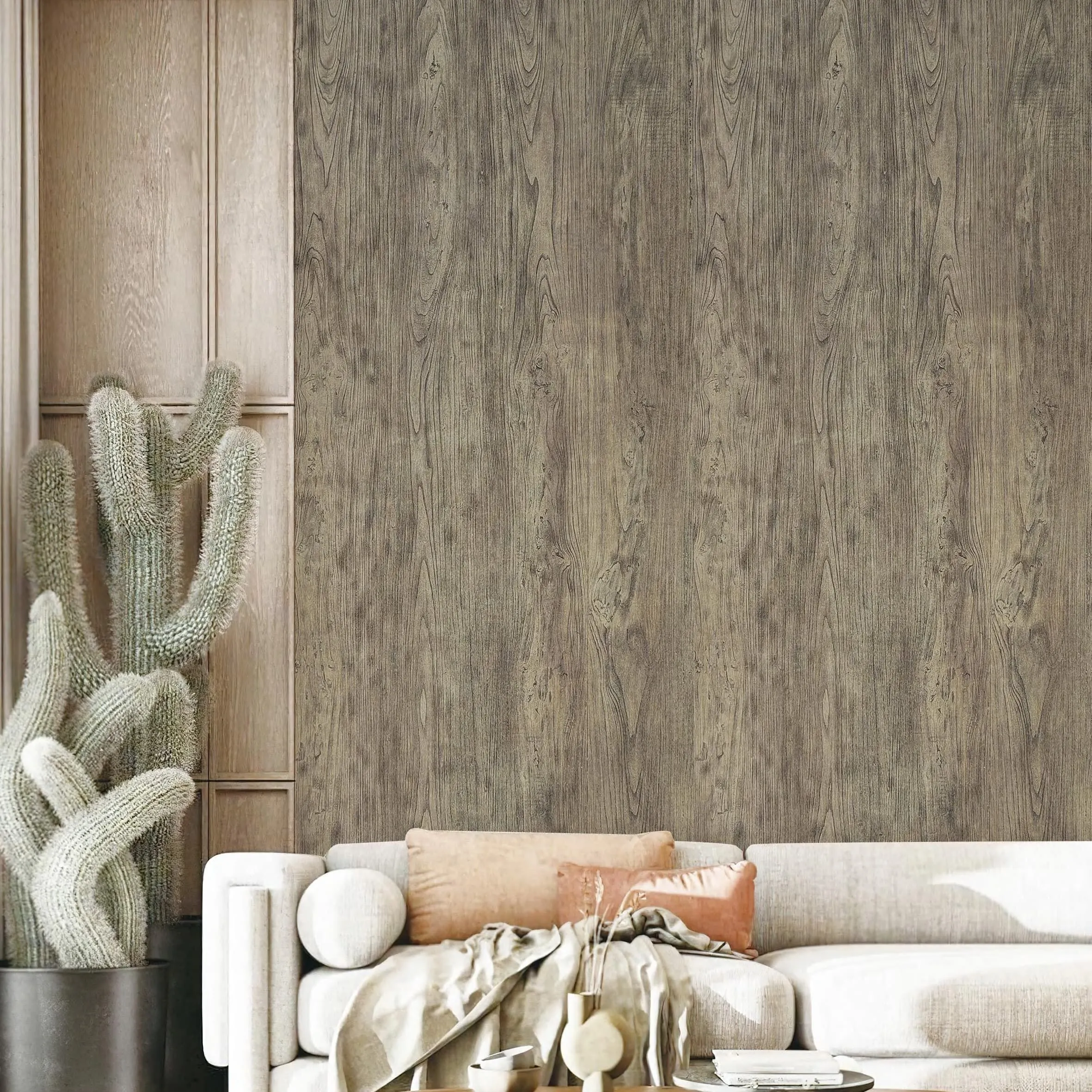
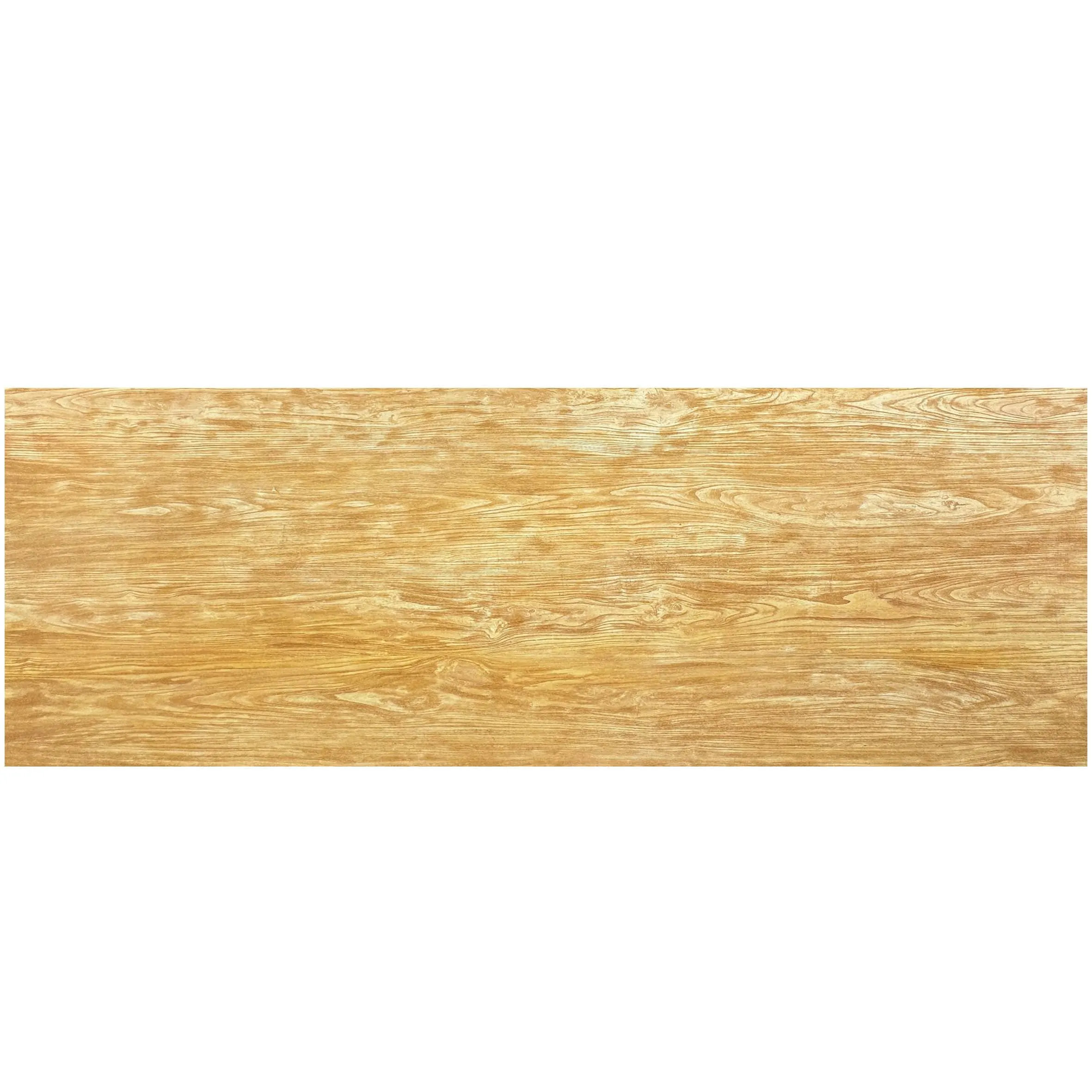
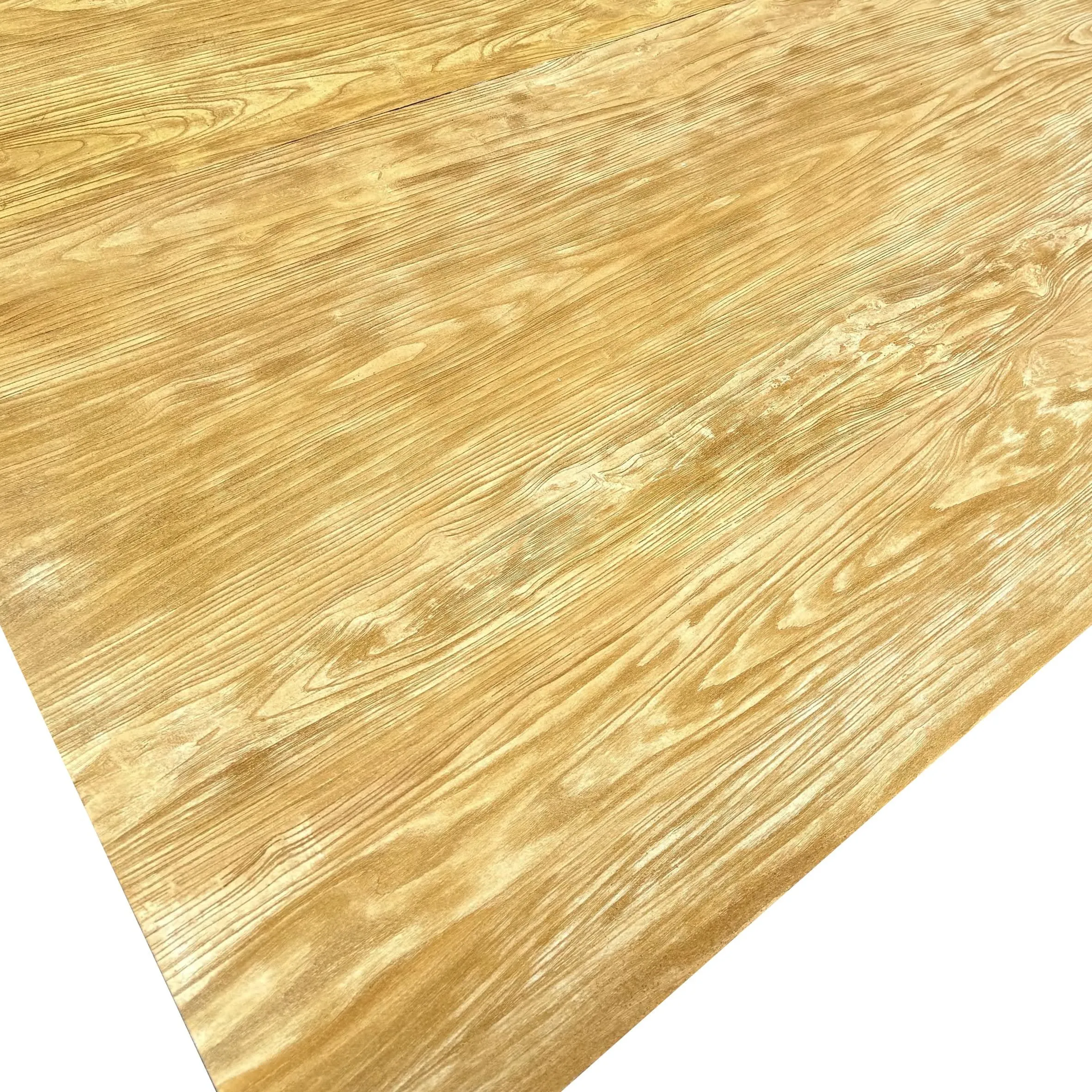
Unlike real wood, which can be expensive and high-maintenance, wood grain board offers the best of both worlds. It's engineered to mimic the look and texture of oak, maple, or walnut—complete with knots, swirls, and subtle color variations—without the warping, scratching, or fading that comes with the real thing. It's durable enough for busy lobbies, soft enough for cozy breakout areas, and sustainable enough to align with modern eco-friendly goals.
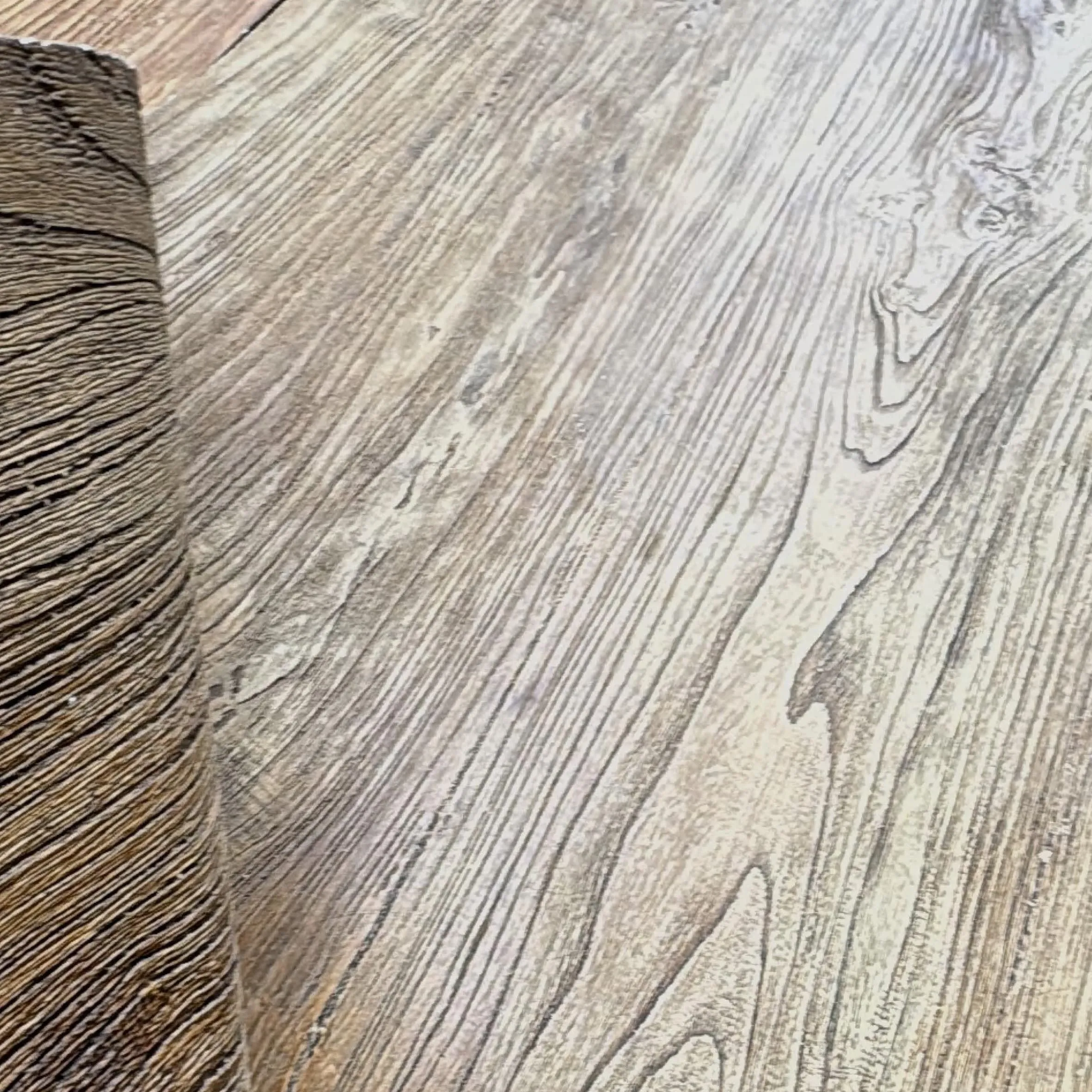
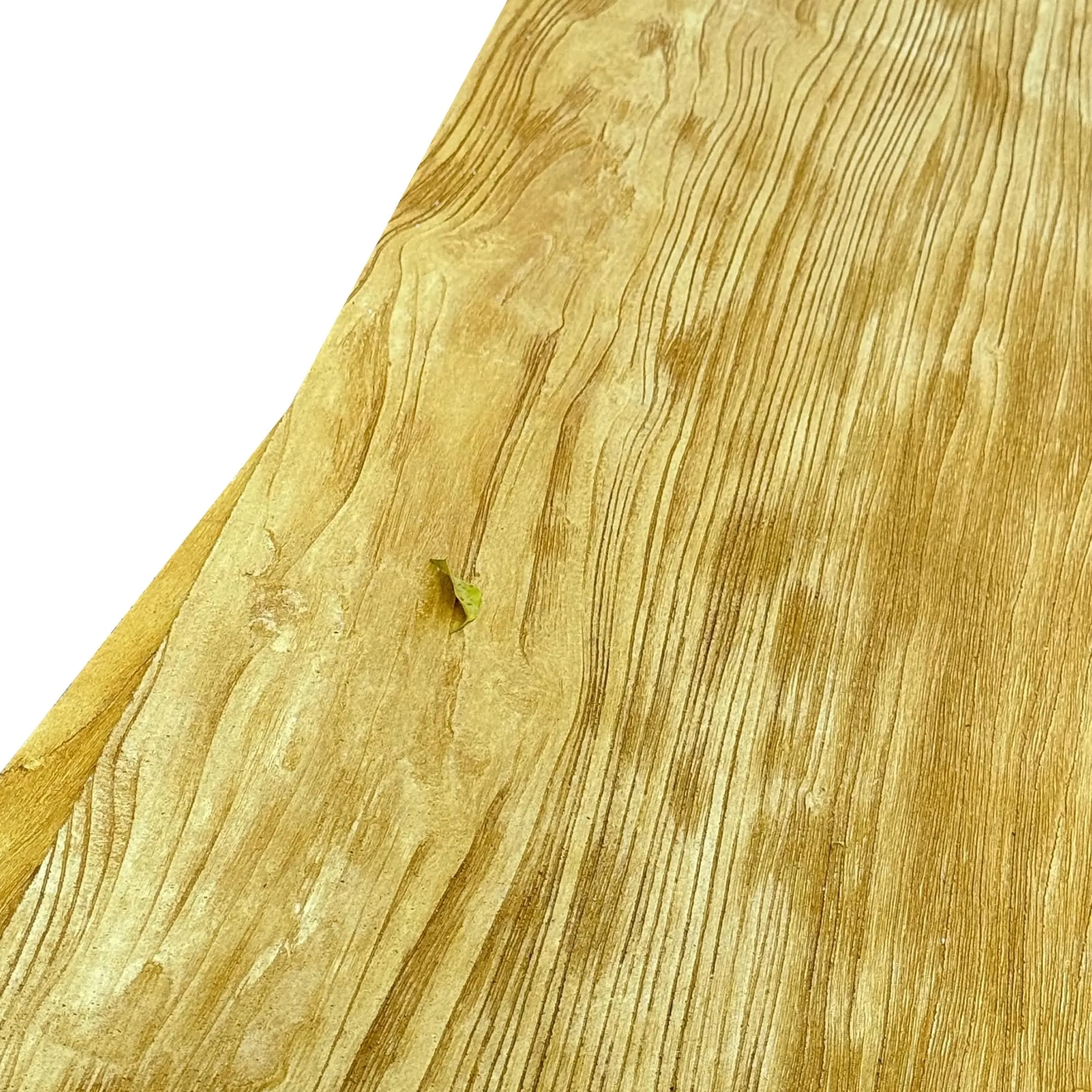
Let's talk about texture. Run your hand over a sheet of wood grain board, and you'll feel it: the slight rise and fall of the grain, the warmth of the material under your fingertips. It's tactile in a way that flat paint or smooth plastic never will be. That texture isn't just nice to touch—it's important . Studies show that tactile stimulation (like the feel of wood) activates the brain's "rest and digest" response, helping us stay calm under pressure. In a world of endless screens, giving our hands something real to connect with is a small luxury that makes a big difference.
And then there's the color. Wood grain board comes in a range of tones, from pale ash to rich mahogany, but one of the most popular choices for offices is a soft, warm beige-brown. It's neutral enough to pair with bold accents but warm enough to prevent the space from feeling washed out. Imagine walking into a meeting room where the walls are clad in this gentle wood grain—suddenly, brainstorming sessions feel less like a chore and more like a chat around a campfire (minus the smoke, of course).
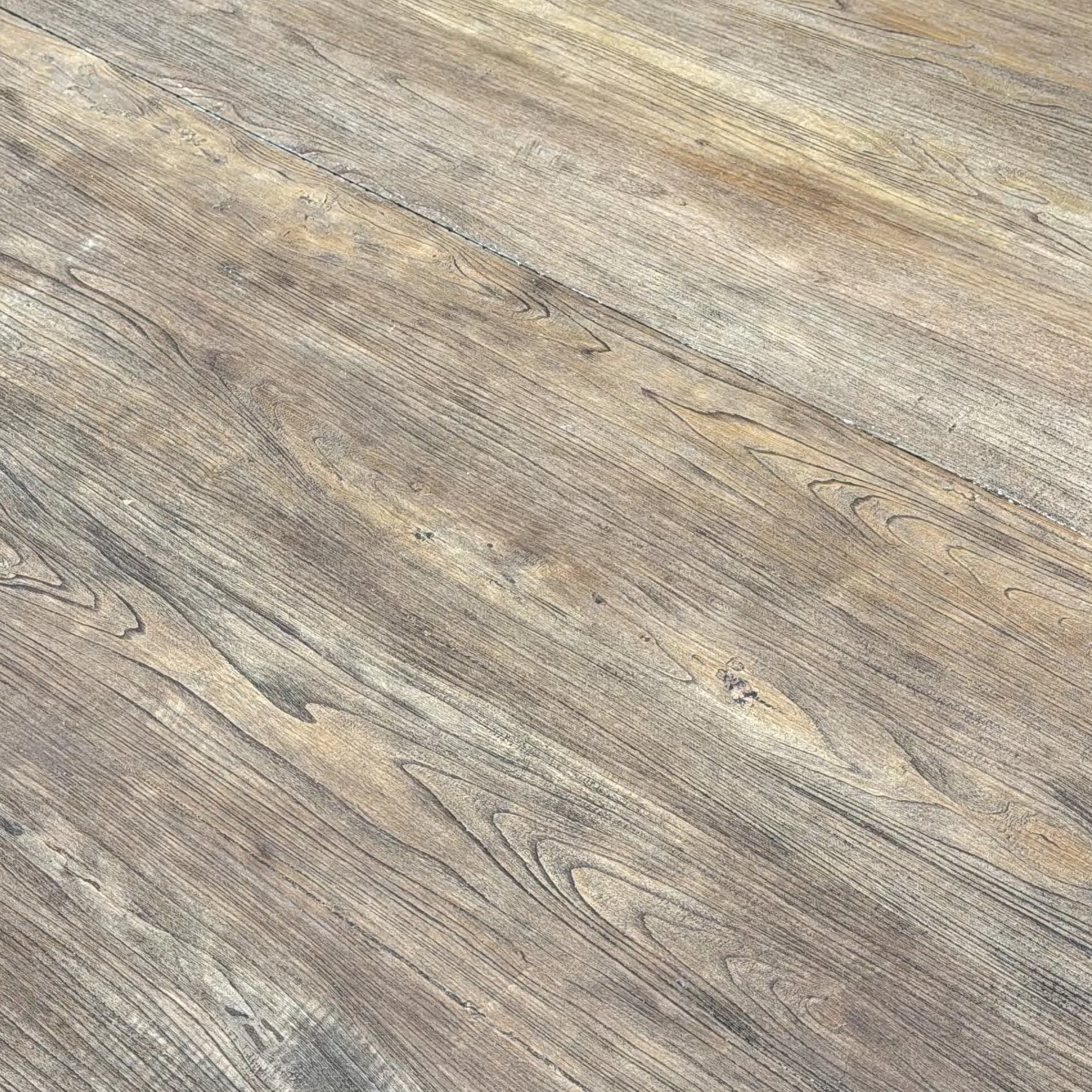
Wood grain board is a team player. It shines brightest when paired with other natural or textural materials that enhance its warmth. Let's explore a few perfect pairings:
Fair-faced concrete is the epitome of understated elegance—raw, unpolished, and full of character. When paired with wood grain board, it creates a stunning contrast: the cool, gray ruggedness of concrete balances the warm, organic softness of wood. This combo works beautifully in reception areas, where first impressions matter. Imagine a reception desk made of fair-faced concrete, backed by a wall of wood grain board panels. It says, "We're professional, but we care about how you feel."
Bamboo mat board brings a subtle, woven texture that complements wood grain board's linear grain. Both materials are sustainable (bamboo grows back in just 3-5 years, making it one of the most renewable resources on the planet), so together they send a powerful message about your company's commitment to the environment. Use bamboo mat board for accent walls in breakout areas, paired with wood grain board shelves or tables. It's like bringing a slice of the forest into your office—without the bugs.
Weaving (beige) adds a touch of softness that wood grain board sometimes lacks. Think woven wall hangings, chair cushions, or even ceiling panels made from natural fibers. The beige tone ties in seamlessly with wood grain board's warmth, while the texture adds depth and movement. In open workspaces, hanging woven light fixtures above wood grain board desks creates a cozy, intimate vibe—perfect for focusing on deep work without feeling isolated.
Travertine (beige) is a natural stone with a porous, matte finish that feels both ancient and modern. When used as a countertop or accent wall alongside wood grain board, it adds a layer of earthiness that grounds the space. Picture a coffee bar in your office: wood grain board cabinets, travertine (beige) countertops, and a woven (beige) backsplash. Suddenly, grabbing a latte feels like a mini retreat—not just a quick errand.
| Material | Texture | Durability | Sustainability | Best For |
|---|---|---|---|---|
| Wood Grain Board | Warm, organic grain; slight raised texture | High (resistant to scratches, spills) | Medium-High (often made from recycled wood fibers) | Walls, desks, shelves, accent panels |
| Bamboo Mat Board | Smooth yet fibrous; subtle grid pattern | Medium (can dent with heavy impact) | High (bamboo is fast-growing and renewable) | Accent walls, room dividers, lightweight furniture |
| Fair-Faced Concrete | Cool, smooth; slight industrial texture | Very High (resistant to almost everything) | Medium (requires energy to produce, but long-lasting) | Floors, countertops, statement walls |
| Travertine (Beige) | Porous, matte; natural pits and veins | Medium (can stain if not sealed) | Medium (natural stone, but mining has environmental impact) | Countertops, accent walls, flooring (low-traffic areas) |
| Weaving (Beige) | Soft, flexible; varied thread patterns | Low-Medium (can fray, stain easily) | High (made from natural fibers like cotton or jute) | Pillows, wall hangings, light fixtures, cushions |
Let's paint a picture of what this could look like in your office. Start with the reception area: a large wood grain board desk, paired with a fair-faced concrete floor and a travertine (beige) accent wall behind the logo. The receptionist sits on a chair with a weaving (beige) cushion, and bamboo mat board panels divide the space from the waiting area. Already, visitors feel welcome—not just checked in.
Move to the open workspace: wood grain board desks with bamboo mat board dividers between stations. The walls are half wood grain board, half painted a soft white, with woven (beige) pendant lights hanging above each desk. Employees report feeling more connected to their teammates but less distracted—thanks to the warm, cocoon-like vibe.
The meeting room? A long wood grain board table, travertine (beige) coasters, and a large woven (beige) tapestry on one wall. The whiteboard is framed in wood grain board, and the floor is a mix of fair-faced concrete and bamboo mat board rugs. Brainstorming here feels less like a "meeting" and more like a collaborative puzzle-solving session—fun, even.
And the breakout area? Think bean bags with weaving (beige) covers, a wood grain board bookshelf filled with plants, and a travertine (beige) coffee table. It's the kind of space where employees actually want to spend their lunch breaks—not just scroll through their phones.
One of the best things about wood grain board is how easy it is to maintain. Unlike real wood, which needs regular polishing and oiling, wood grain board just needs a little TLC to stay looking great:
At the end of the day, our offices are more than just places to work—they're extensions of our lives. We spend 40+ hours a week there, so why not make them feel as warm and welcoming as our living rooms? Wood grain board isn't just a material; it's a statement. It says, "We care about how you feel." And when employees feel cared for, they don't just work harder—they work better .
So whether you're redesigning your entire office or just sprucing up a corner, consider wood grain board. Pair it with fair-faced concrete for edge, bamboo mat board for sustainability, weaving (beige) for softness, or travertine (beige) for earthiness. The result? A space that feels less like an office and more like a community—a place where ideas flow, connections grow, and productivity thrives. After all, the best work isn't done in a box. It's done in a home.
Recommend Products












