
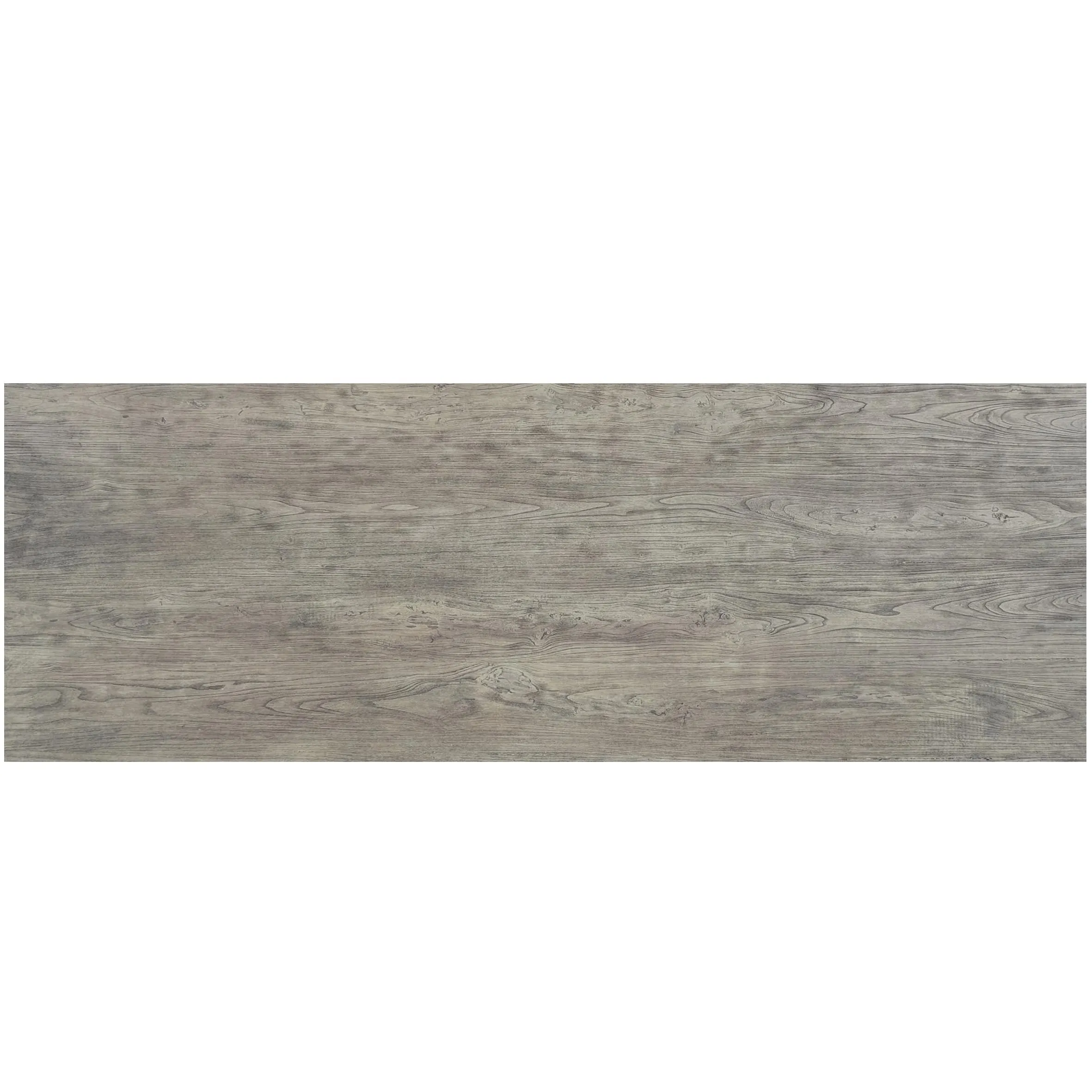
There's something almost magical about stepping into a restaurant that feels like more than just a place to eat. It's the way the light filters through the windows, the hum of laughter mingling with the clink of cutlery, and—often without us even noticing—the materials that wrap around the space, shaping how we feel. In the world of hospitality design, materials aren't just building blocks; they're storytellers. And few tell a warmer, more inviting story than wood grain board. Today, we're diving into how this unassuming material, paired with thoughtful companions like wood line, bali stone, rough granite stone (beige), and fair-faced concrete, is transforming restaurant interiors into cozy, memorable havens.
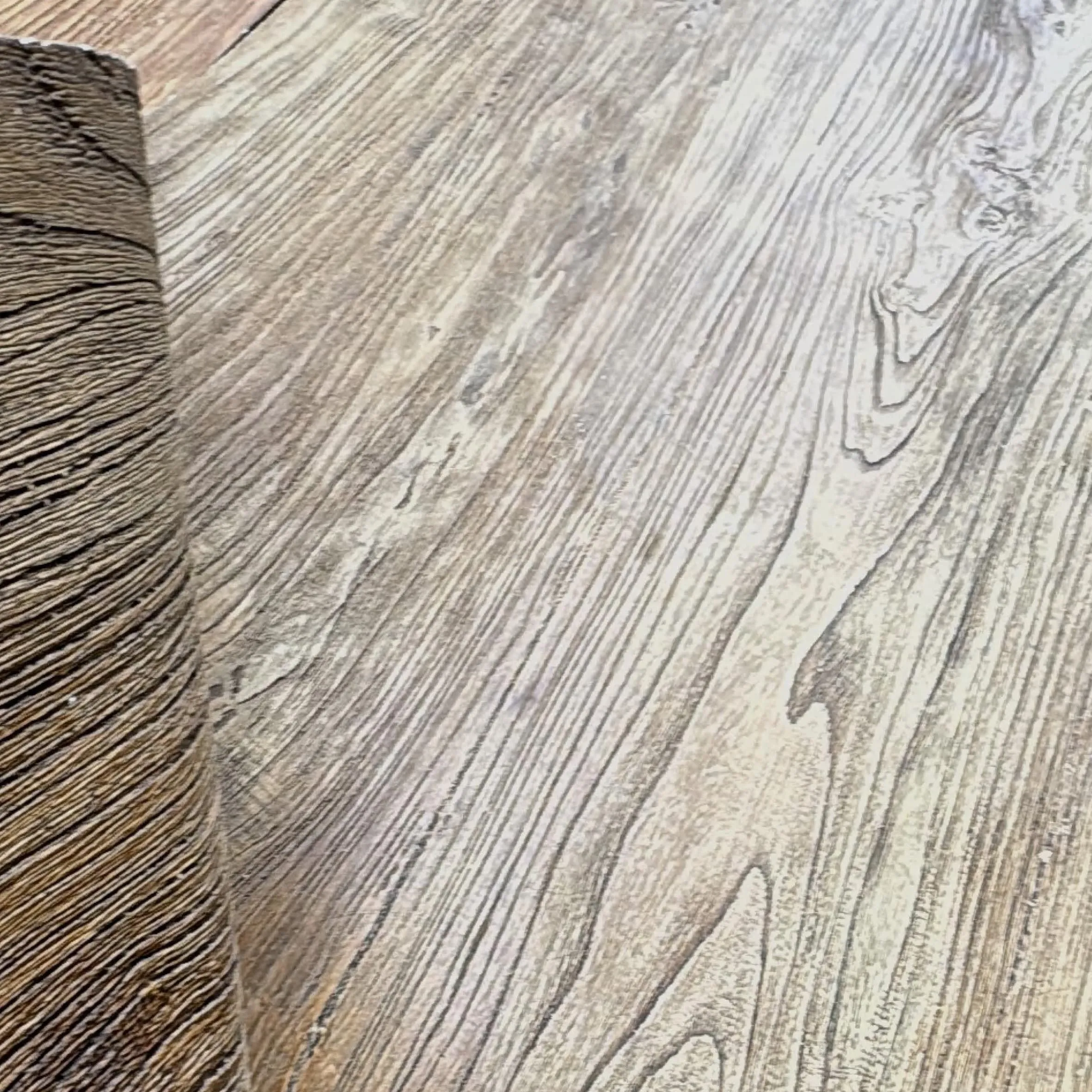
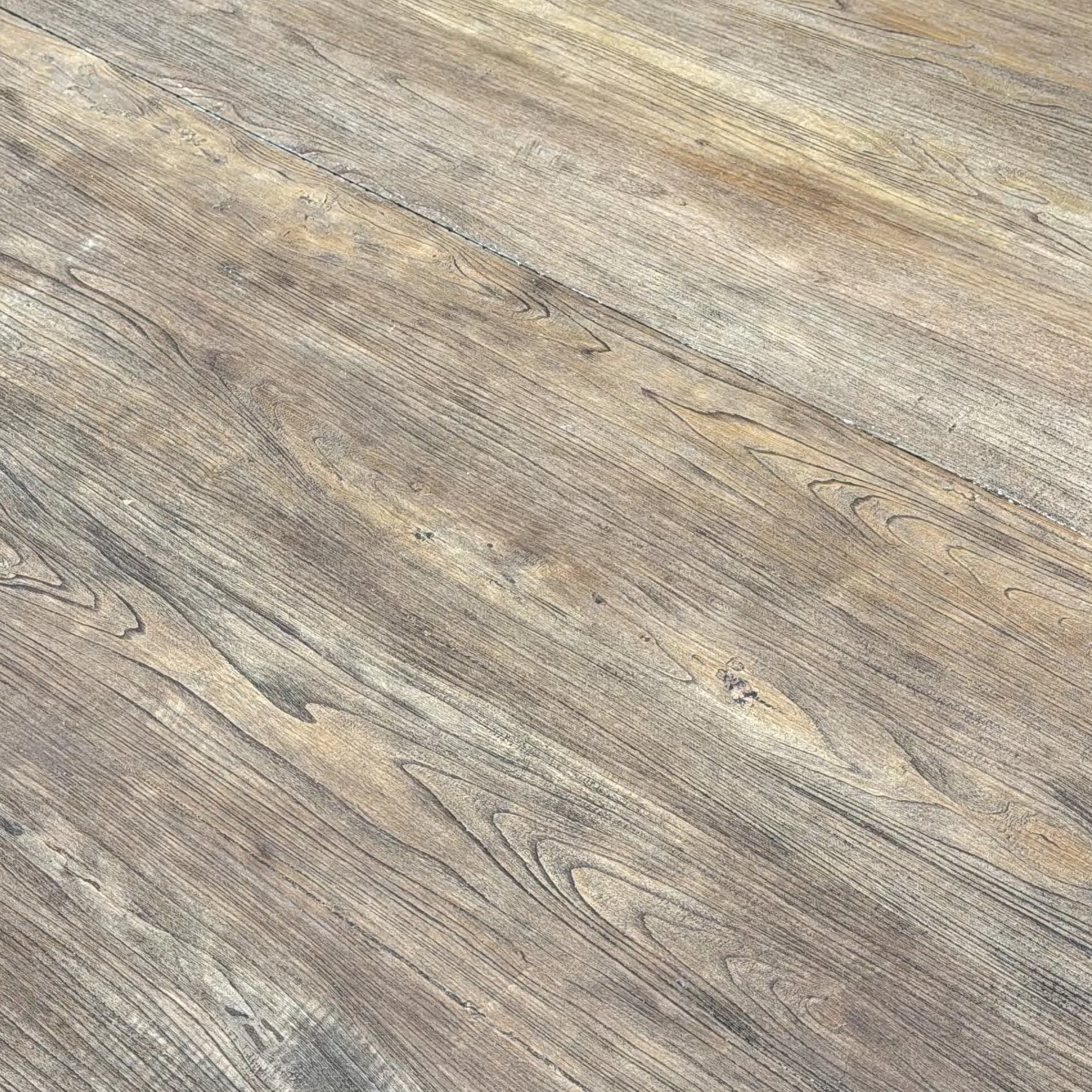
Walk into a restaurant clad in cold marble or stark metal, and you might feel like an outsider looking in. But wood grain board? It wraps around you like a well-loved sweater. What makes it so special? Start with the texture: each panel carries the unique, organic patterns of real wood—swirls, knots, and grains that no machine can perfectly replicate. Run a hand over it, and you'll feel the subtle ridges, a tactile reminder of nature's artistry. This isn't just a "finish"; it's a conversation starter, inviting guests to slow down and appreciate the details.
Then there's the color palette. Wood grain board comes in soft beiges, warm ambers, and rich chestnuts, tones that mimic the natural world. These hues don't shout; they whisper, creating a backdrop that feels calm and grounded. In a fast-paced world, this quiet warmth is a luxury. It's why so many restaurateurs opt for wood grain board in dining areas—whether it's paneling on the walls, tabletops, or even ceiling accents. It turns a sterile space into one that feels lived-in, like a friend's dining room where you're always welcome.
And let's not overlook wood line, the unsung hero that elevates wood grain board from "nice" to "unforgettable." Wood line adds linear detail—thin, vertical strips of wood that run alongside larger panels. Think of it as the "punctuation" in the design story: it creates rhythm, draws the eye upward, and adds a sense of height to smaller spaces. In a cozy bistro, wood line might frame a fireplace, guiding attention to the heart of the room. In a modern eatery, it could run along a, adding subtle texture without overwhelming the sleek aesthetic. Together, wood grain board and wood line create harmony—natural patterns softened by structured lines, making the space feel both free and intentional.
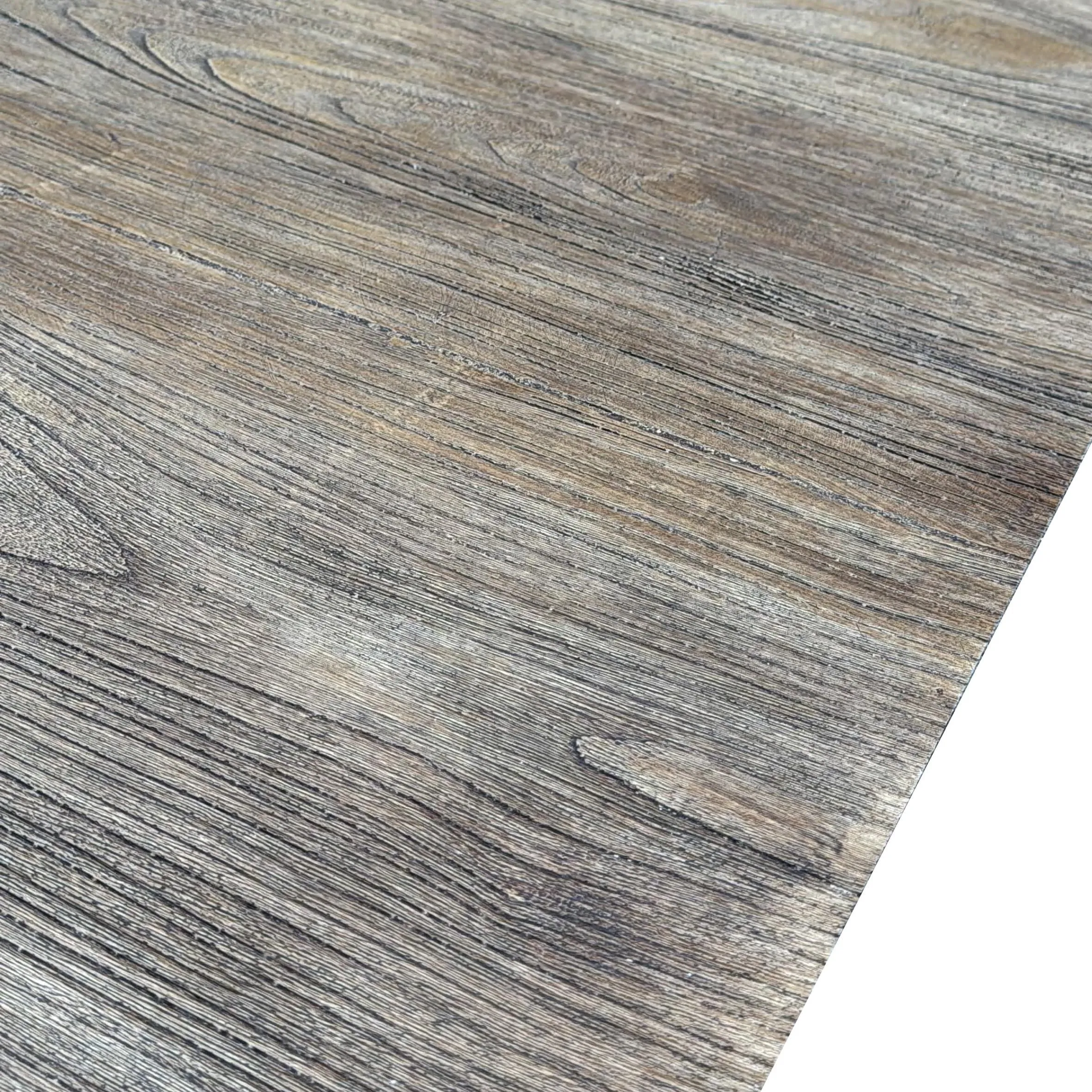
Hospitality design isn't just about looks; it's about longevity. A restaurant's walls and surfaces take a beating—spills, scratches, the constant shuffle of chairs and trays. Wood grain board holds its own here, and that's a big part of its appeal. Unlike real wood, which can warp or rot in humid kitchens or high-traffic areas, modern wood grain board is engineered for durability. It's often made with moisture-resistant cores and scratch-proof coatings, meaning it stays looking fresh even after years of use. For busy restaurant owners, that's peace of mind—no constant refinishing, no worrying about water rings from a spilled glass of wine.
Sustainability is another win. Many wood grain boards are made from recycled wood fibers or FSC-certified materials, aligning with the growing demand for eco-friendly design. Diners today care about where their food comes from—and increasingly, where their dining environment comes from, too. A restaurant that uses sustainable materials like wood grain board isn't just making a design choice; it's sending a message: "We care about the planet, and we care about you." That connection builds loyalty, turning first-time guests into regulars.
Even the most beautiful material needs good company. Wood grain board shines brightest when paired with materials that complement its warmth while adding depth and contrast. Let's meet its best design partners:
Fair-faced concrete is raw, industrial, and full of character—think exposed aggregates, subtle cracks, and a cool, gray tone. At first glance, it might seem like the opposite of wood grain board, but that's what makes their pairing so brilliant. The concrete adds a modern, urban edge, while the wood softens its harshness, creating a space that feels both sleek and cozy. Imagine a restaurant with fair-faced concrete walls and a wood grain board ceiling: the concrete grounds the room, while the wood adds warmth overhead, making the space feel intimate rather than cold. It's the perfect balance for a contemporary bistro or a farm-to-table eatery that wants to blend rustic charm with modern flair.
Bali stone is a love letter to nature—rough-hewn, earthy, and full of organic texture. Quarried from volcanic regions, it has a rugged, weathered look that evokes tropical beaches and lush forests. Pair it with wood grain board, and you've got a recipe for a tropical-inspired café or a coastal restaurant that feels like a vacation. Picture this: wood grain board paneling on the walls, bali stone accents around the entrance, and woven rattan chairs. The wood adds warmth, the stone adds texture, and together, they transport guests to a sun-drenched island—no passport required. It's a design that feels alive, like the space itself is breathing.
Rough granite stone (beige) is all about rustic elegance. Its uneven surface and warm, sandy color feel like something pulled straight from a mountain trail, adding a sense of history and permanence. When paired with wood grain board, it creates a space that feels both timeless and comforting—perfect for a country-style restaurant or a heritage bistro. Imagine a fireplace surrounded by rough granite stone (beige), with wood grain board mantel and matching wainscoting. The stone adds weight and texture, while the wood adds softness, making the area feel like a gathering spot for friends and family. It's the kind of space where stories are shared, and memories are made.
Every restaurant has a story to tell, and wood grain board is a versatile narrator, adapting to different themes while keeping that core coziness intact. Let's take a look at how it plays out in real-world designs:
| Restaurant Theme | Primary Material | Secondary Materials | The Vibe |
|---|---|---|---|
| Rustic Bistro | Wood Grain Board (warm amber) | Rough Granite Stone (Beige), Wood Line | Cozy, like a cabin in the woods—think checkered tablecloths, mason jar lights, and walls lined with wood grain board. The rough granite stone (beige) adds earthy texture, while wood line frames the windows, letting in soft natural light. |
| Modern Eatery | Wood Grain Board (light oak) | Fair-Faced Concrete, Black Metal Accents | Sleek but not sterile. Wood grain board tabletops and ceiling panels warm up the cool fair-faced concrete walls, while black metal chairs add a modern edge. It's a space that feels sophisticated yet approachable. |
| Tropical Café | Wood Grain Board (blonde maple) | Bali Stone, Woven Rattan | Vibrant and breezy. Wood grain board wraps around the bar, while Bali stone lines the outdoor patio, creating a seamless indoor-outdoor flow. Rattan pendant lights and leafy plants complete the tropical vibe. |
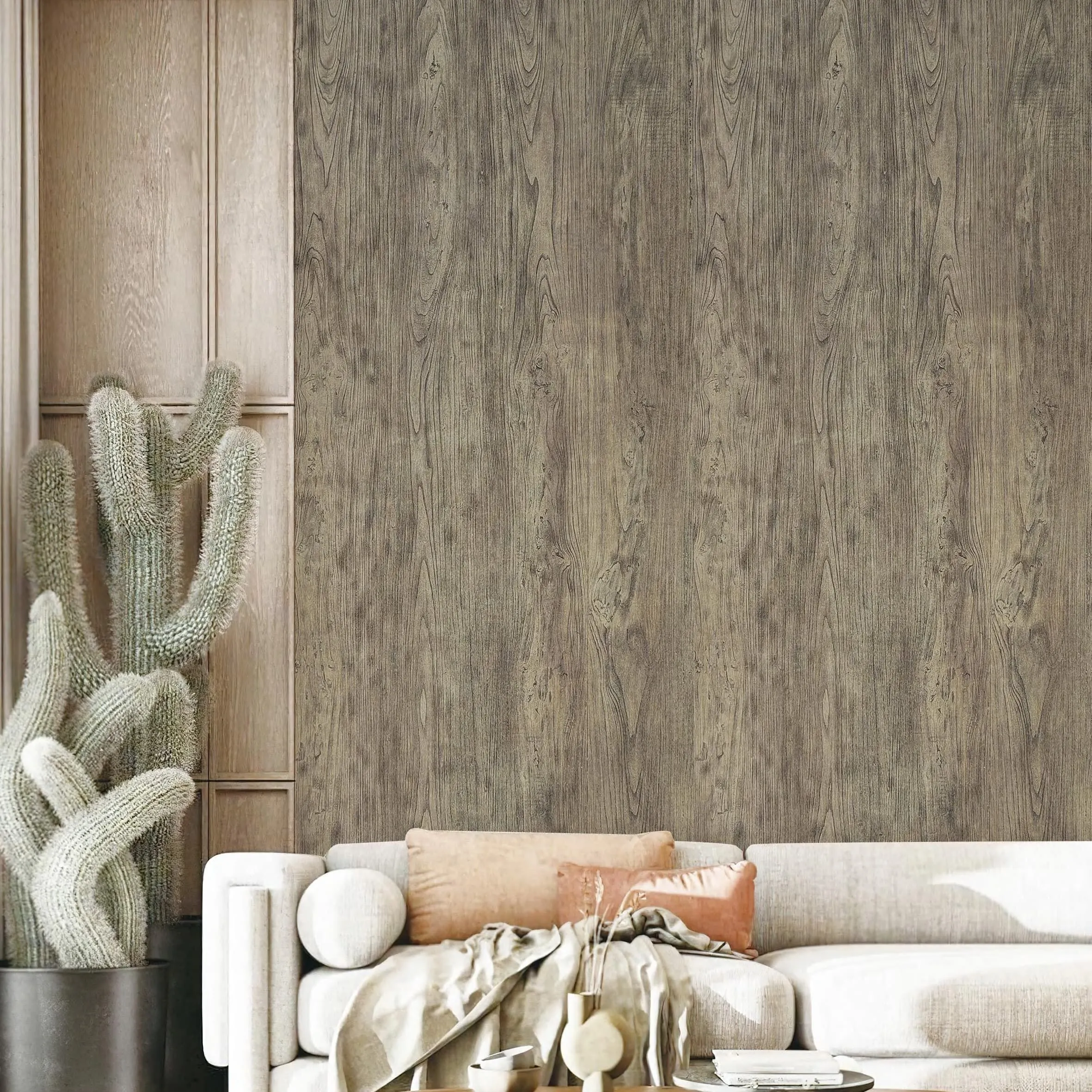
At the end of the day, restaurant design isn't just about aesthetics—it's about emotion. A cozy interior doesn't just make guests comfortable; it makes them feel seen. Wood grain board, with its warmth and texture, taps into something primal: our connection to nature, to home, to the simple joys of gathering. When we sit in a restaurant lined with wood grain board, we're not just eating a meal—we're creating memories. Maybe it's a first date, a birthday celebration, or a quiet dinner after a long day. The space becomes part of that memory, a backdrop that feels safe and special.
Think about your favorite restaurant. Chances are, it's not just the food that keeps you coming back. It's the way you feel when you walk in—the soft lighting, the friendly staff, and yes, the materials that wrap around you. Wood grain board doesn't scream for attention; it whispers, "Stay a while." And in a world that's always rushing, that's the greatest gift a restaurant can give.
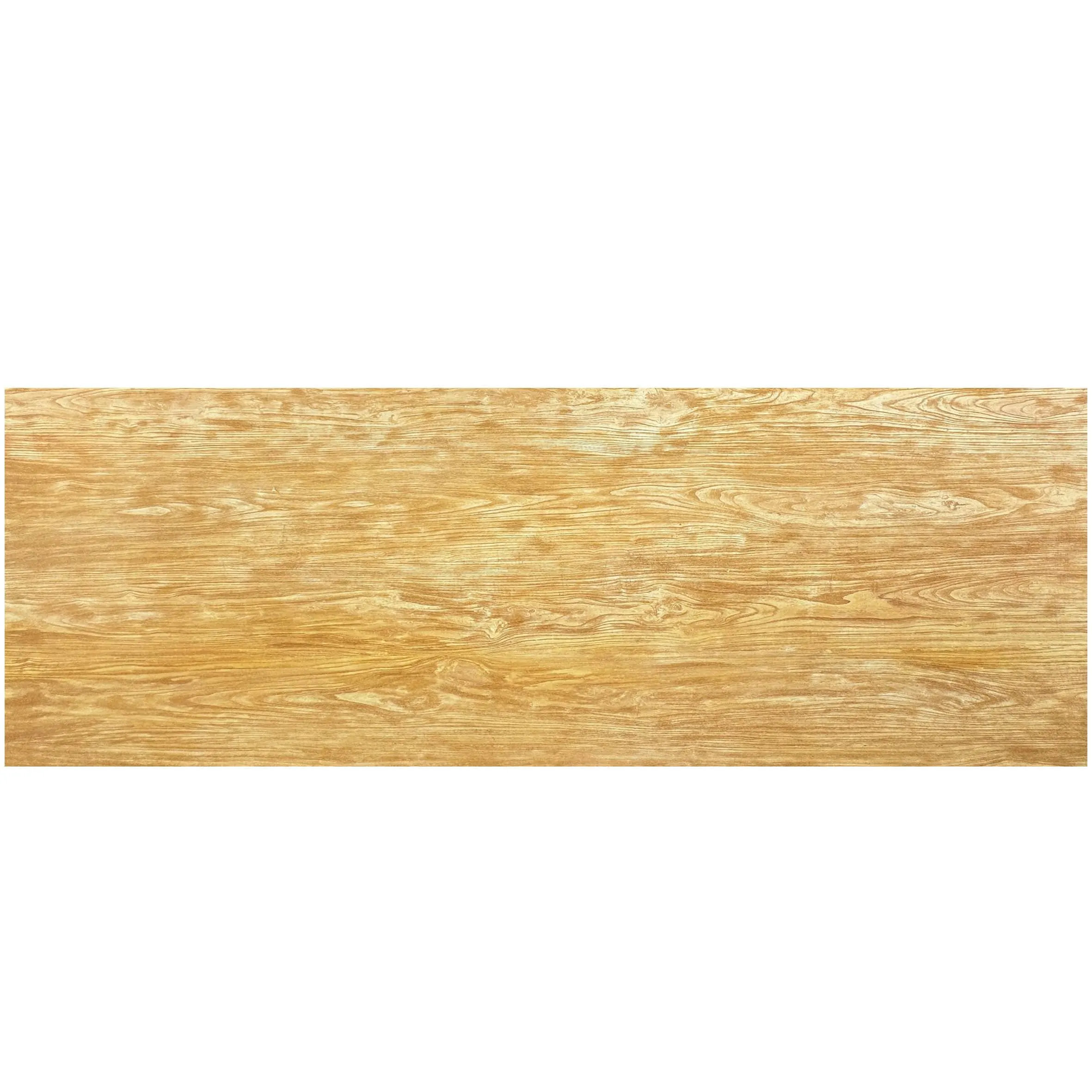
Wood grain board isn't just a material—it's a storyteller, weaving tales of warmth, sustainability, and connection. Paired with wood line, bali stone, rough granite stone (beige), and fair-faced concrete, it transforms restaurants from mere spaces into experiences. It's the reason a quick lunch becomes a lingering chat, a casual dinner becomes a night to remember. In the end, that's the magic of good design: it's not about being perfect. It's about being human. And wood grain board? It's as human as it gets.
Recommend Products












