
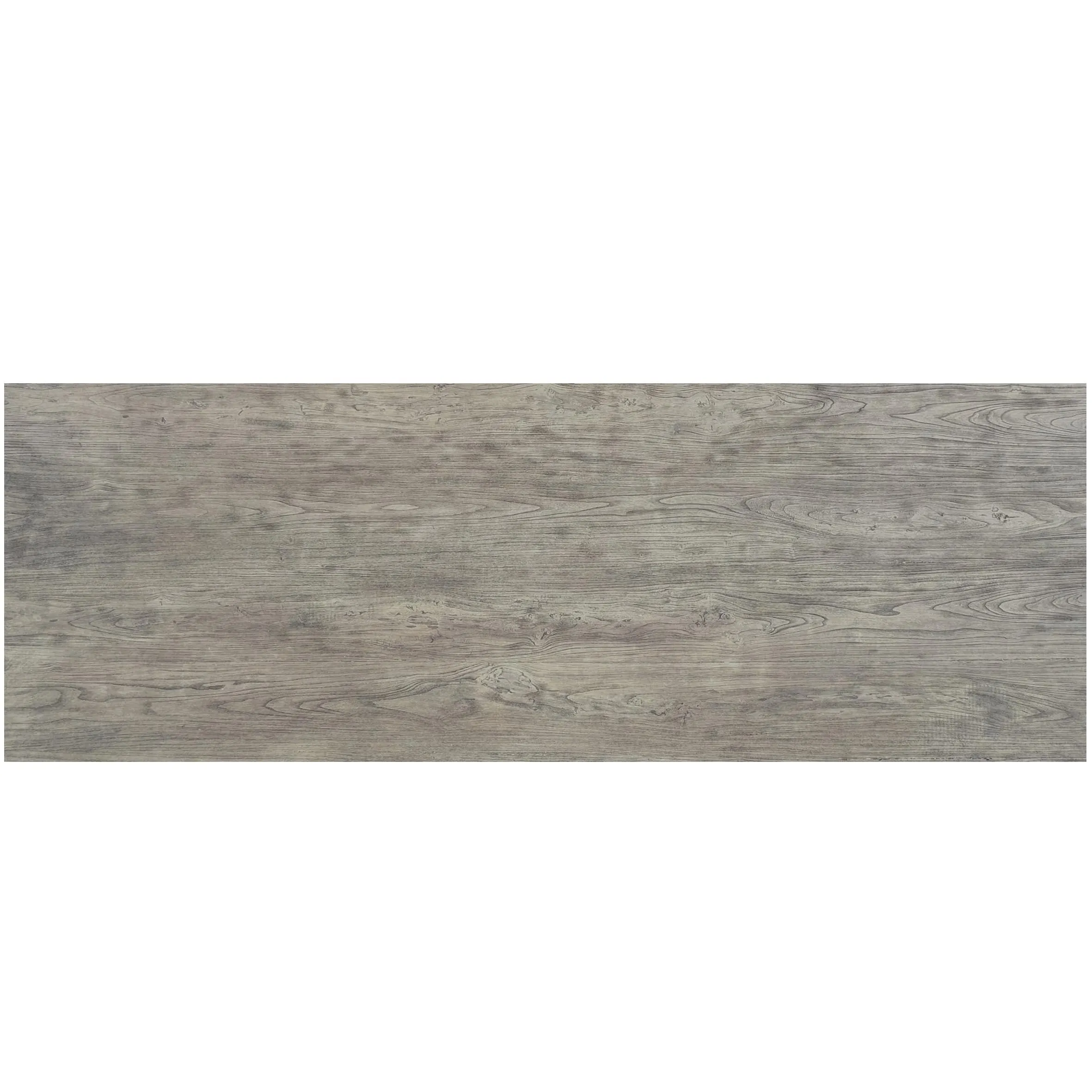
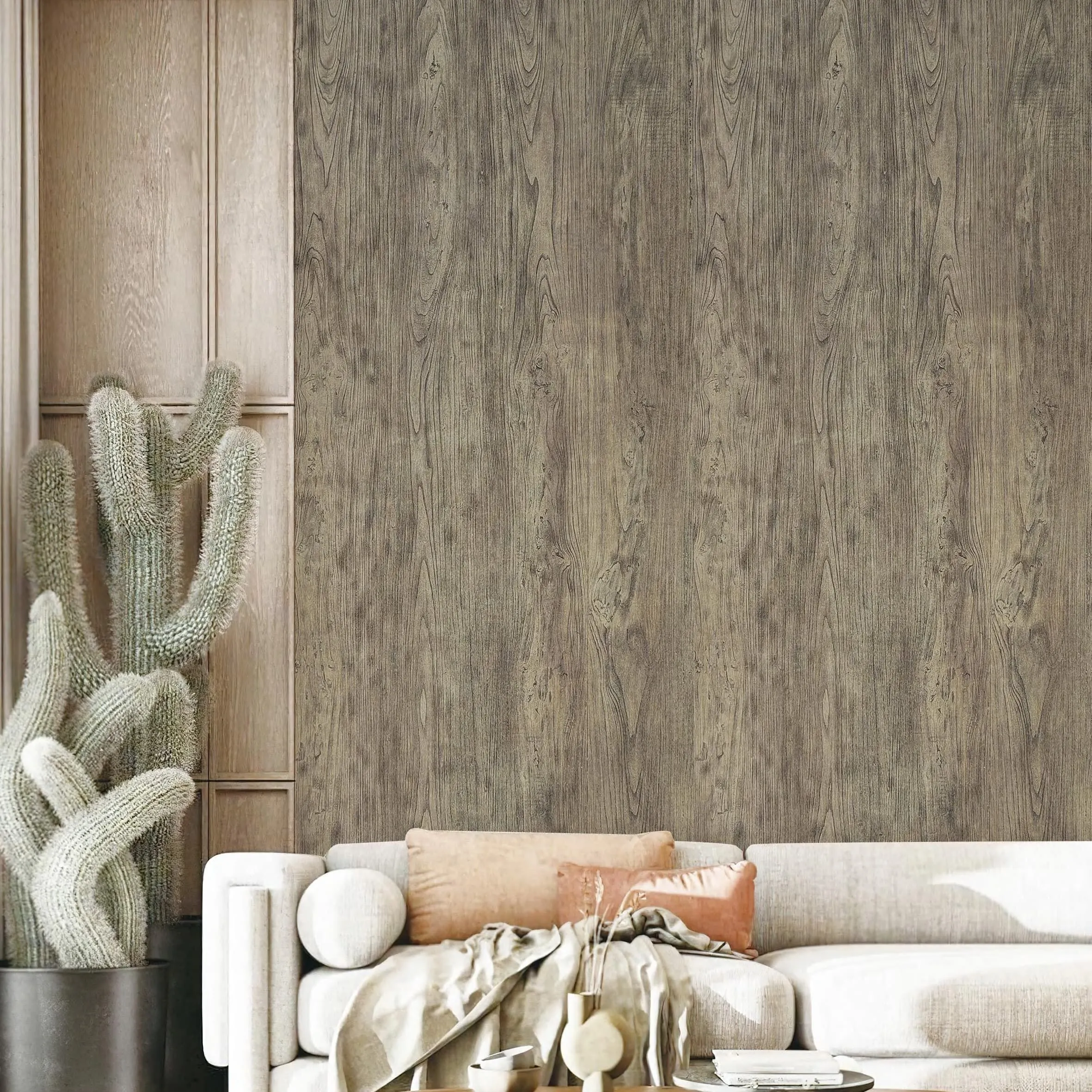
In the sun-baked landscapes of Saudi Arabia, where temperatures soar to 50°C in summer and sandstorms carve through city skylines, building materials don't just need to look good—they need to survive. For architects, developers, and homeowners across Riyadh, Jeddah, and Dammam, the quest for a cladding solution that balances durability, aesthetics, and sustainability has long been a challenge. Enter wood grain board : a material that's quietly revolutionizing how we think about exterior design in the Middle East. More than just a pretty face, it's a workhorse built to thrive in the region's harshest conditions—all while bringing the warmth of natural wood to modern structures. Let's dive into why this innovative material is fast becoming the top cladding choice for Saudi Arabia's evolving architectural landscape.
To understand why wood grain board stands out, we first need to talk about the unique hurdles Saudi Arabia's climate throws at buildings. Picture this: In Riyadh, summer days regularly hit 45°C, with UV radiation so intense it fades paint in months. In Jeddah, coastal humidity mixes with salt air, corroding metal and warping organic materials. In the Empty Quarter, sandstorms blast structures with abrasive particles, while sudden winter rains in the Asir region test water resistance. Traditional materials often stumble here: Real wood warps and rots; natural stone like travertine (beige) absorbs heat, turning facades into radiators; even fair-faced concrete , once a staple, cracks under thermal expansion and demands constant repairs.
"We were replacing wooden cladding on a villa in Riyadh every 3 years," says Lina Al-Mansoori, an architect with a leading Jeddah firm. "The (clients) loved the look, but the maintenance costs were unsustainable. Then we tried wood grain board—and five years later, it still looks brand new. No fading, no warping, just that warm, organic texture they wanted."
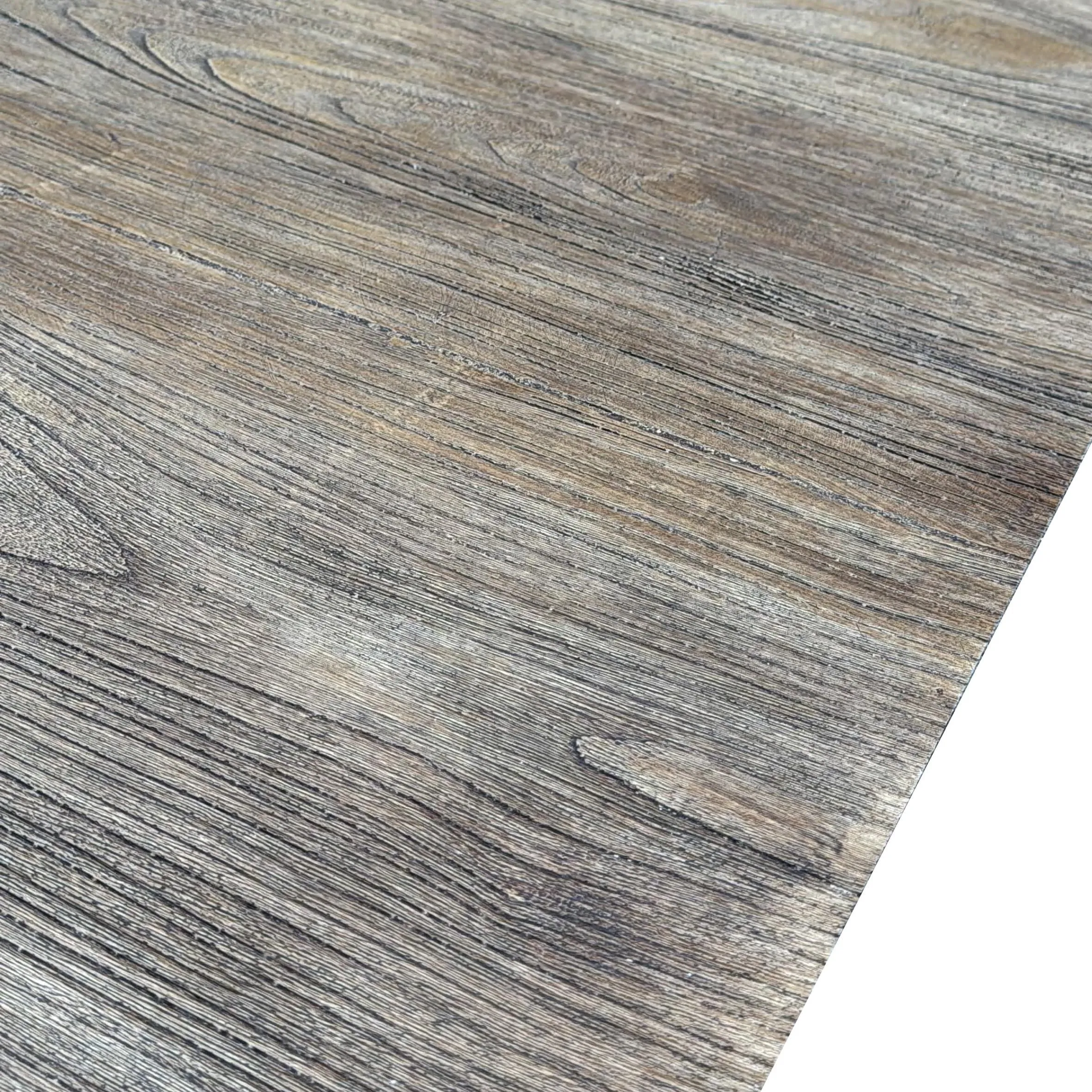
At its core, wood grain board is a composite material designed to mimic the beauty of natural wood without its vulnerabilities. It's crafted by bonding high-density polymers with mineral fibers, then embossed with intricate wood grain patterns—think oak, teak, or walnut—using advanced 3D printing techniques. The result? A panel that looks and feels like wood but behaves like a super-material, built to withstand Saudi Arabia's toughest conditions.
But it's not just about mimicry. Modern wood grain boards often incorporate green building materials principles: recycled content, low-VOC (volatile organic compound) adhesives, and energy-efficient production processes. This aligns with Saudi Arabia's Vision 2030 goals, which prioritize sustainability in construction and reduce reliance on imported materials.
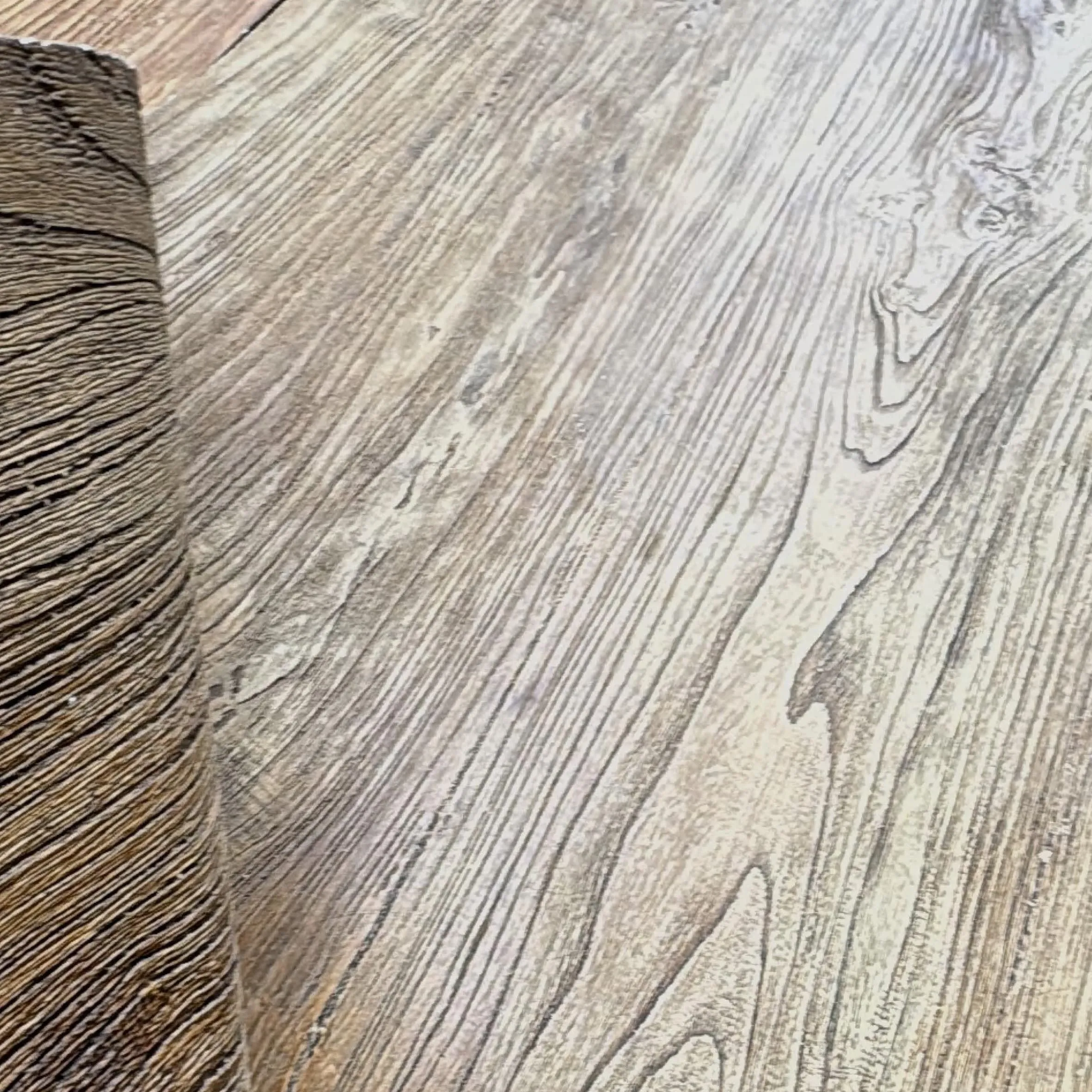
Let's break down the benefits that make wood grain board a game-changer for Saudi cladding:
Saudi homeowners know the pain of a sun-baked facade: interiors turn into saunas, and AC bills skyrocket. Wood grain board addresses this with low thermal conductivity (typically 0.15–0.20 W/mK), meaning it resists heat transfer far better than materials like travertine or concrete. In tests, buildings clad with wood grain board have shown a 20–30% reduction in cooling costs compared to those with traditional stone facades. That's not just good for the wallet—it's a win for the environment, too.
Sandstorms, UV rays, humidity, salt—wood grain board laughs at them all. Its polymer core is impervious to moisture, so no rot or mold. The surface is treated with a UV-stable coating that resists fading, even after years in direct sunlight. And unlike real wood, it's termite-proof and doesn't attract pests. "We installed it on a beachfront hotel in Yanbu," notes civil engineer Khalid Al-Hajj, "and after two years of salt spray and sand, you can't tell which panels face the sea and which face inland. That's durability you can't get with natural materials."
Saudi architecture is a beautiful mix of heritage and innovation—think mud-brick Najdi forts alongside glass-and-steel skyscrapers. Wood grain board fits seamlessly into both. Its warm tones complement traditional designs, while sleek, contemporary grain patterns (like linear oak or smoked walnut) elevate modern builds. Unlike fair-faced concrete , which can feel cold and industrial, wood grain board adds softness, making large structures feel inviting. "Clients in Riyadh's diplomatic quarter love it because it balances the grandeur of their homes with a cozy, welcoming vibe," says Al-Mansoori.
As Saudi Arabia pushes for green building materials , wood grain board checks key boxes. Many manufacturers use recycled plastic and wood fibers in production, reducing reliance on virgin resources. Its thermal efficiency lowers energy use, cutting carbon footprints. And since it lasts 20+ years (compared to 5–7 for real wood cladding), it reduces waste from frequent replacements. "We're seeing more developers in NEOM specify wood grain board for their eco-friendly districts," adds Al-Hajj. "It's not just a trend—it's a commitment to long-term sustainability."
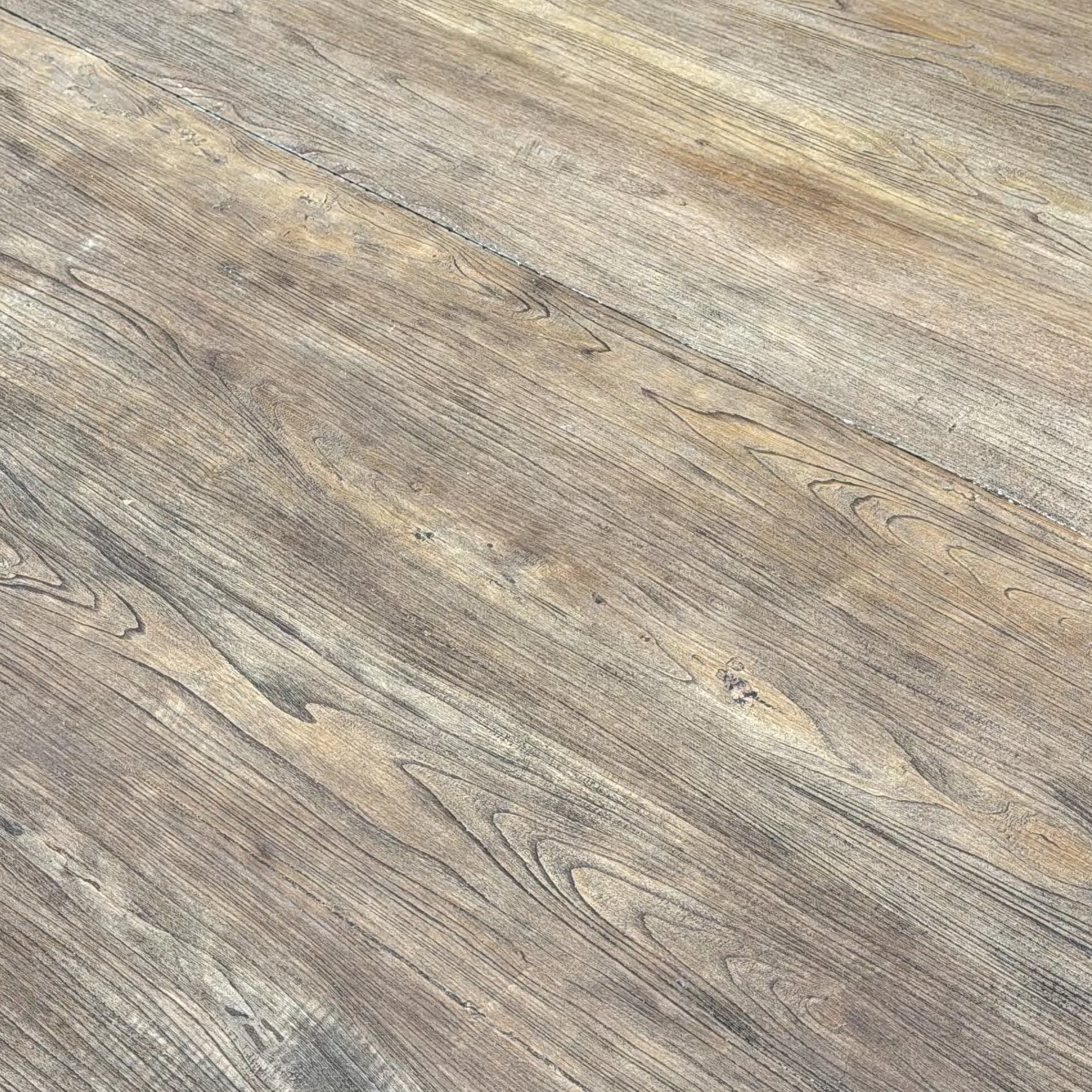
Still on the fence? Let's put wood grain board head-to-head with two common alternatives: travertine (beige) and fair-faced concrete . We'll focus on the factors that matter most in Saudi Arabia: performance, cost, and aesthetics.
| Factor | Wood Grain Board | Travertine (Beige) | Fair-Faced Concrete |
|---|---|---|---|
| Thermal Conductivity (W/mK) | 0.15–0.20 (Excellent insulation) | 1.2–1.5 (Absorbs/transfers heat) | 1.4–1.7 (High heat absorption) |
| Durability (Lifespan) | 20–25 years (minimal maintenance) | 15–20 years (prone to etching, staining) | 10–15 years (cracks from thermal stress) |
| Installation Cost | Moderate ($40–$60/sq.m) | High ($80–$120/sq.m + heavy lifting) | Moderate ($50–$70/sq.m + formwork) |
| Maintenance Needs | Low (occasional hose-down) | High (sealing every 2 years, stain removal) | Moderate (patching cracks, sealing) |
| Aesthetic Options | 50+ wood grain patterns/colors | Limited (natural beige, variations) | Monotone (gray, off-white) |
| Sustainability | High (recycled content, energy-efficient) | Medium (natural but energy-heavy extraction) | Low (high carbon footprint in production) |
"The numbers speak for themselves," says Al-Hajj. "On a 200 sq.m facade, wood grain board saves around 30% on installation and 60% on maintenance over 10 years compared to travertine. For developers, that's a no-brainer."
Wood grain board isn't just for residential projects—it's versatile enough to shine in commercial, cultural, and even industrial settings. Here are a few standout applications across Saudi Arabia:
In Riyadh's Al-Malaz district, a cluster of modern villas uses wood grain board for exterior cladding and pergolas. "The homeowners wanted a 'retreat-like' feel," explains architect Sarah Abdullah. "We paired warm oak-patterned panels with large windows and greenery. The board keeps interiors cool in summer, and the wood look makes the space feel intimate—even in a busy city."
Cafés and boutique hotels in Jeddah's Al-Balad heritage area are embracing wood grain board to blend old and new. A popular coffee chain recently renovated its facade with smoked walnut-patterned panels, creating a warm, Instagram-worthy spot that's resistant to the coastal humidity. "We used to repaint our wooden awnings every 6 months," says the café manager. "Now, we just hose them down. The board looks better than real wood, and our customers love the vibe."
In Medina, a new cultural center celebrating traditional Najdi craftsmanship features wood grain board in its outdoor exhibition spaces. The panels mimic the texture of ancient date palm wood, a material historically used in local architecture, but with modern durability. "We needed something that could handle crowds, rain, and sand," says the project's lead engineer. "Wood grain board let us honor our heritage without compromising on longevity."
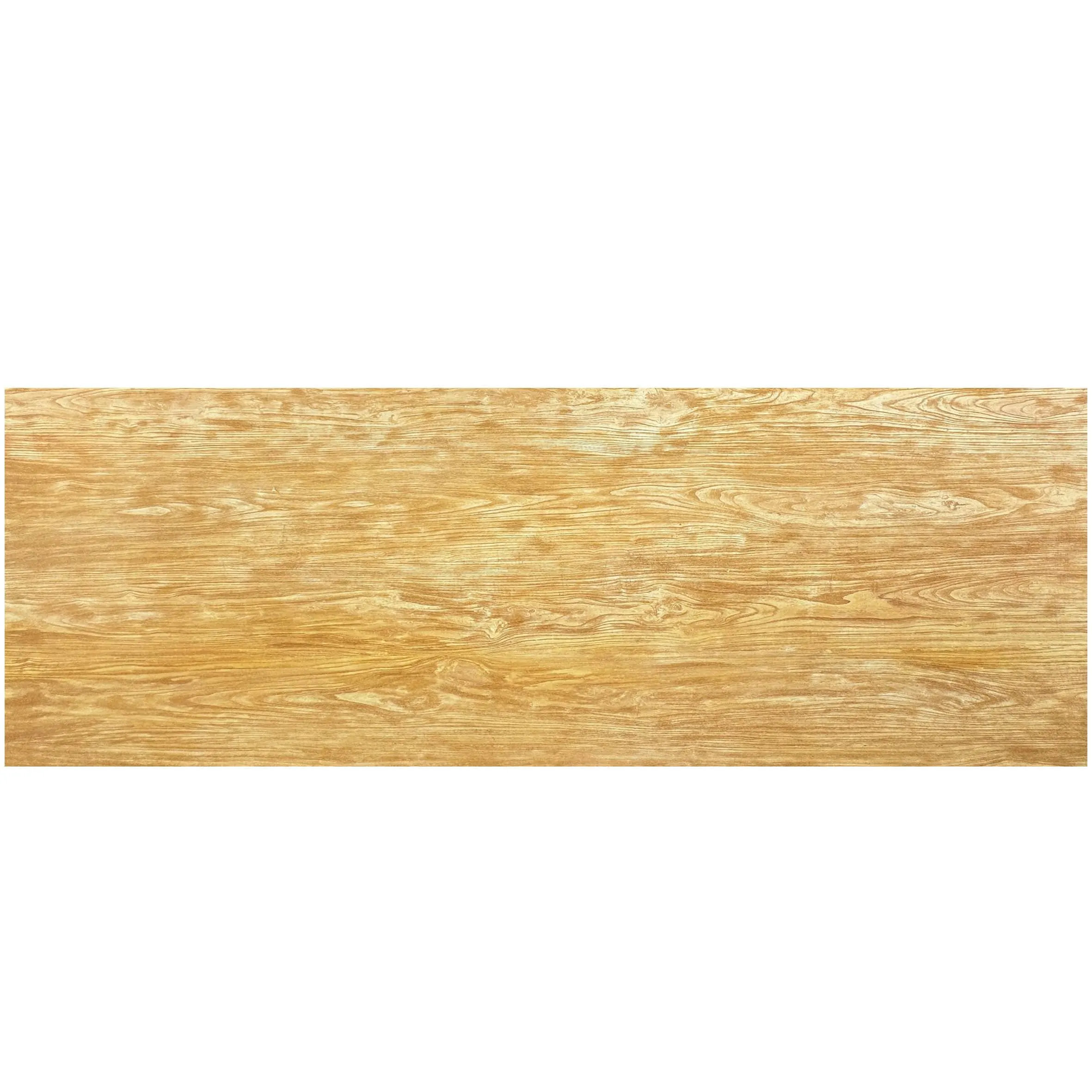
Beyond the aesthetics, wood grain board's performance comes down to smart engineering. Here's a closer look at its key technical features:
For architects and contractors, this means faster installation, fewer callbacks, and happier clients—a win-win all around.
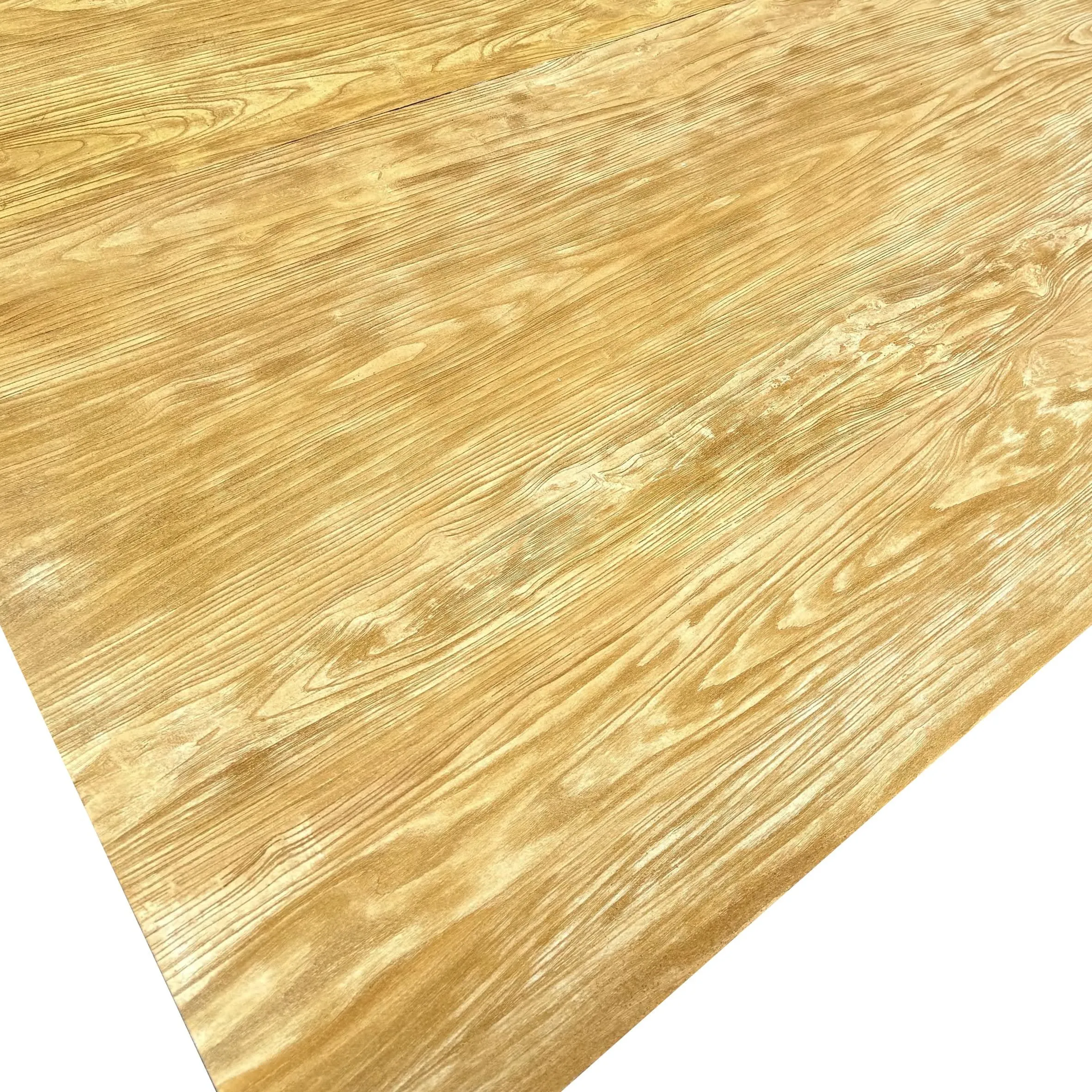
As technology advances, wood grain board is evolving—often in exciting synergy with other innovative materials like MCM flexible stone . MCM (Modified Composite Material) is a ultra-lightweight, flexible cladding option that can mimic stone, metal, or even fabric. Some manufacturers are now combining wood grain patterns with MCM's flexibility, creating panels that can curve around arches or wrap complex geometries—opening up new design possibilities for Saudi architects.
"Imagine a skyscraper in Riyadh with a curved facade that looks like flowing wood," says Al-Mansoori. "With MCM-based wood grain board, that's now possible. It's not just about function anymore—it's about pushing the boundaries of what Saudi architecture can be."
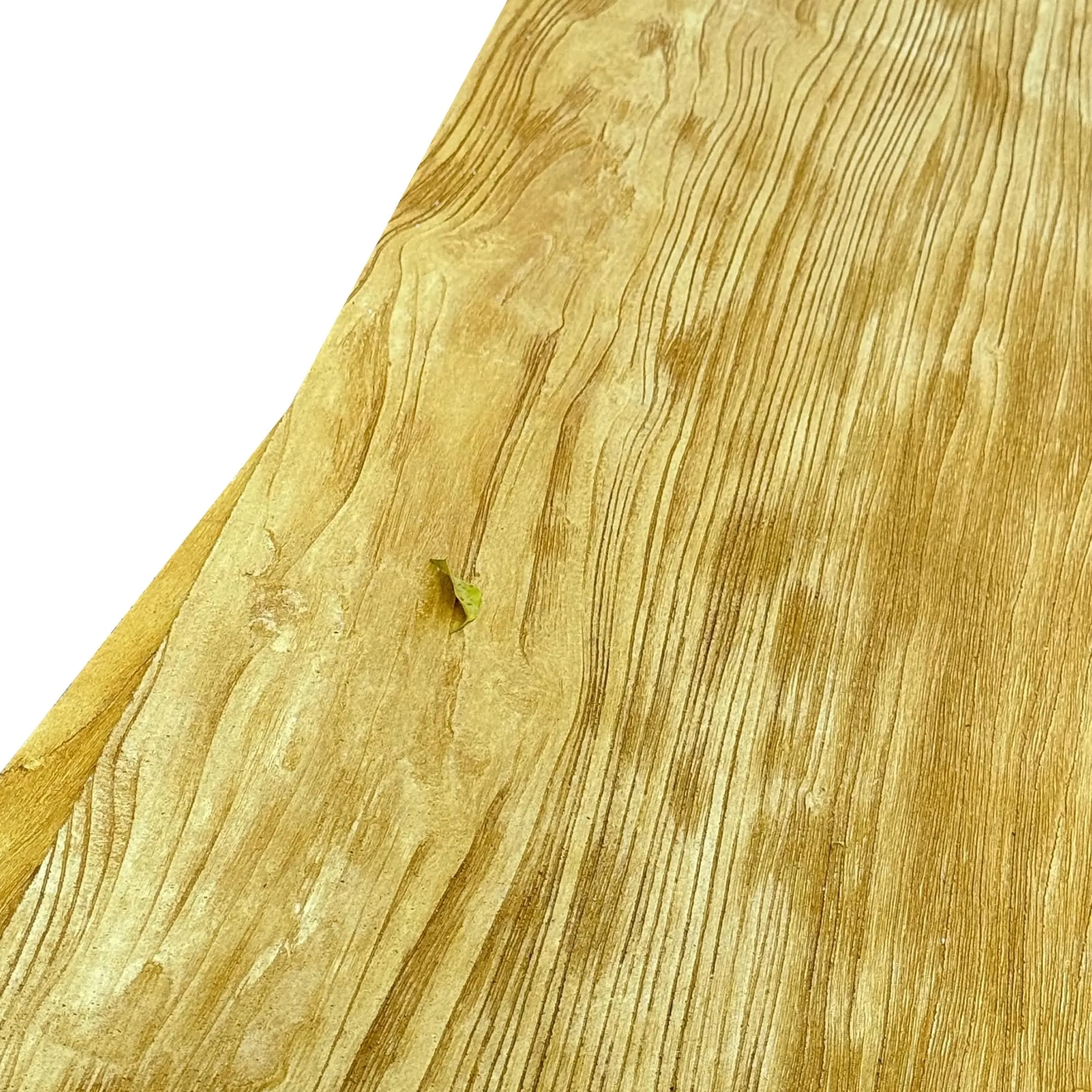
In a climate as demanding as Saudi Arabia's, building materials can't afford to be just "good enough." They need to be resilient, beautiful, and sustainable—and wood grain board delivers on all three. It solves the age-old dilemma of wanting natural wood's warmth without its fragility, outperforms traditional options like travertine (beige) and fair-faced concrete on cost and durability, and aligns with the kingdom's push for green building materials .
Whether you're designing a villa in Riyadh, a café in Jeddah, or a cultural center in Medina, wood grain board offers a rare combination: performance that stands up to the elements, aesthetics that feel human, and a commitment to a more sustainable future. It's no wonder architects, developers, and homeowners are making it their top cladding choice.
As Al-Hajj puts it: "In Saudi Arabia, we build for generations. Wood grain board isn't just a material—it's a promise that your project will look as good in 20 years as it does today. And in this climate, that's priceless."
Recommend Products












