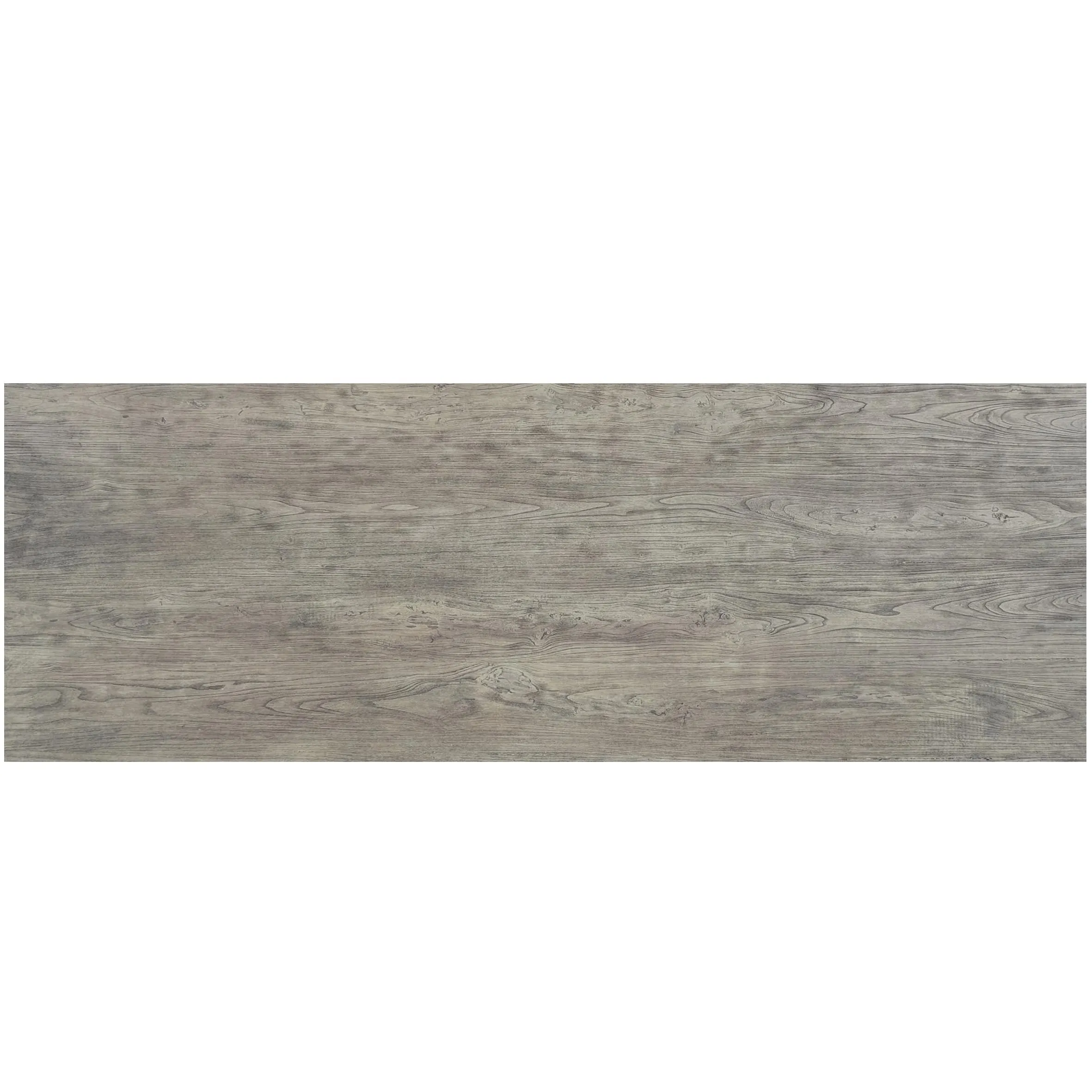
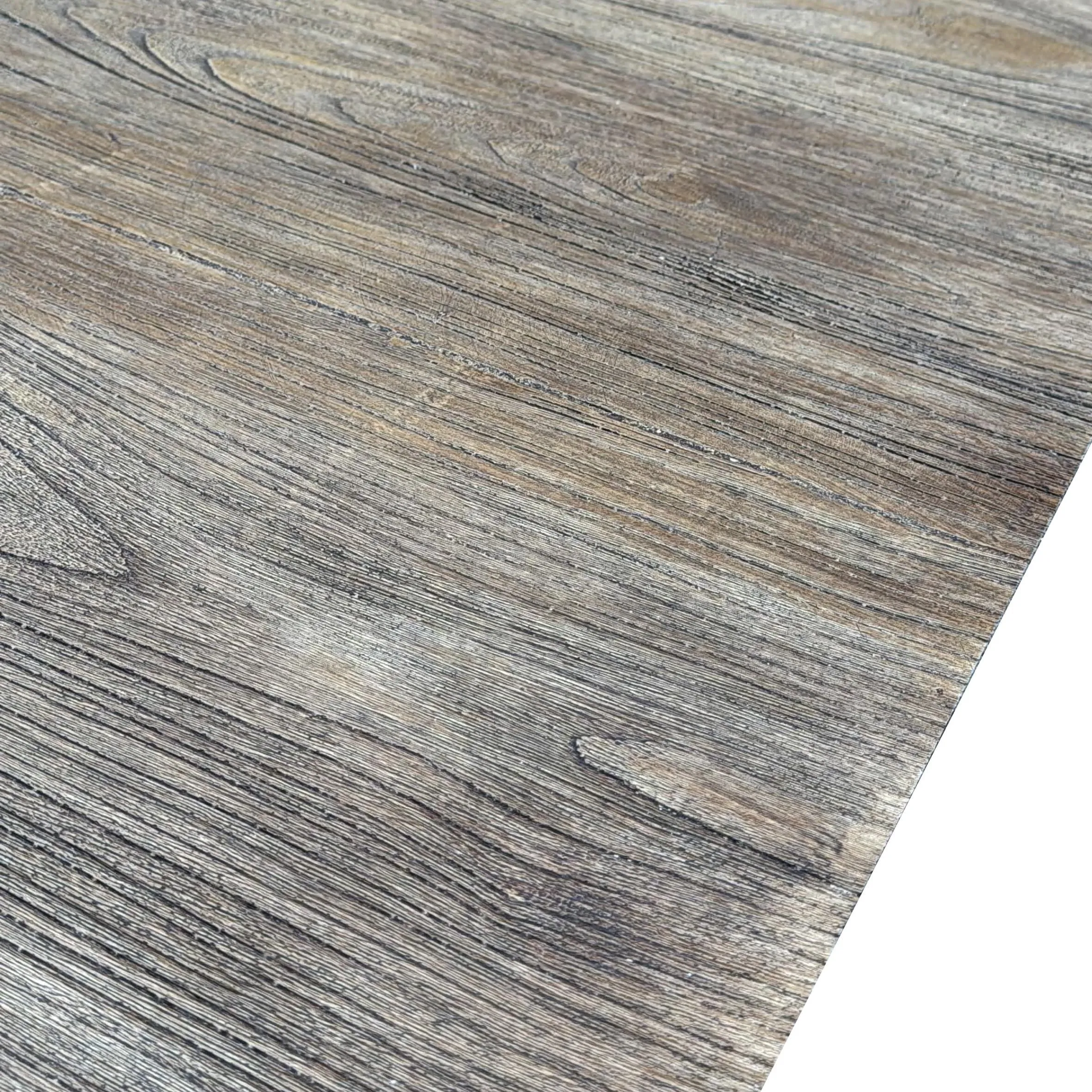
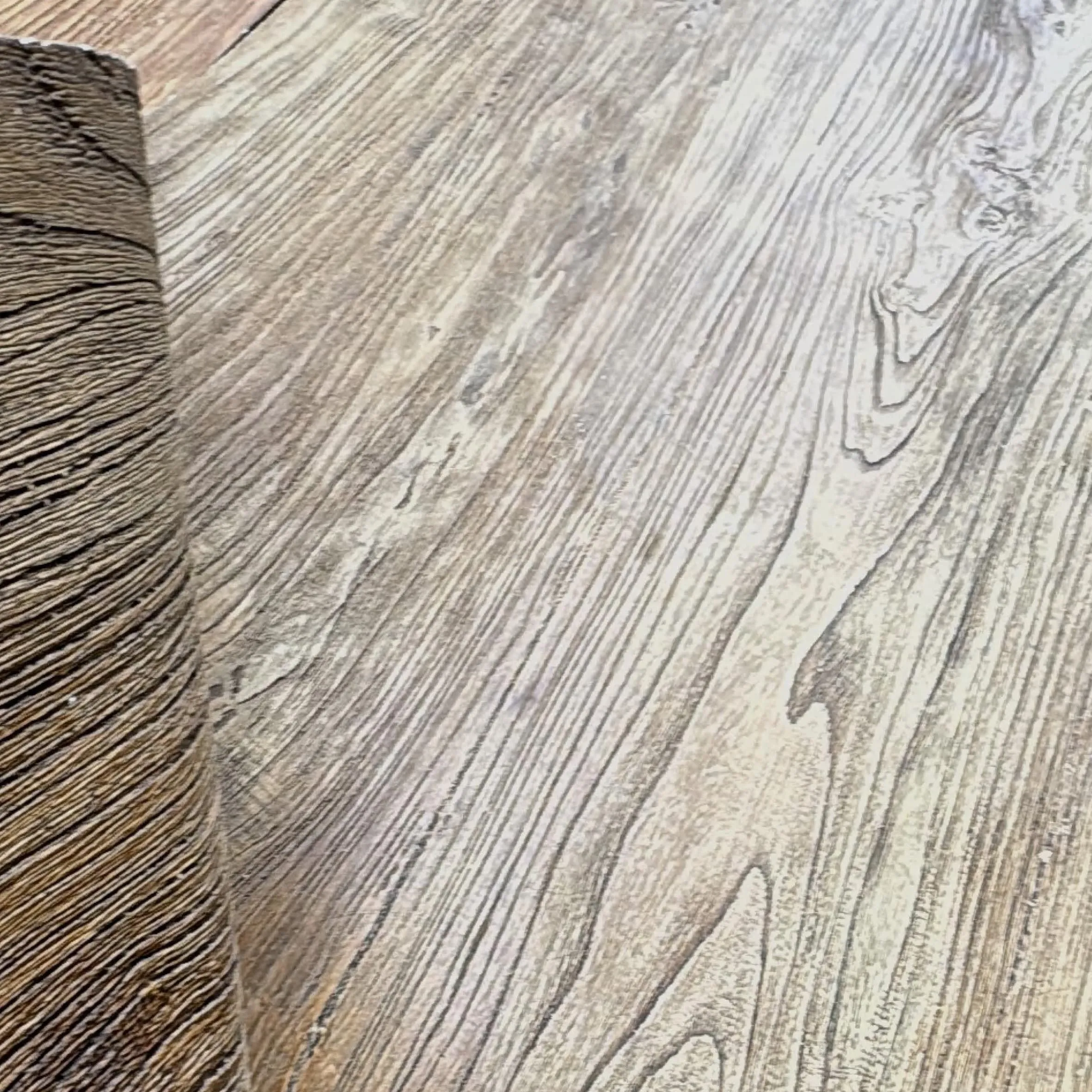
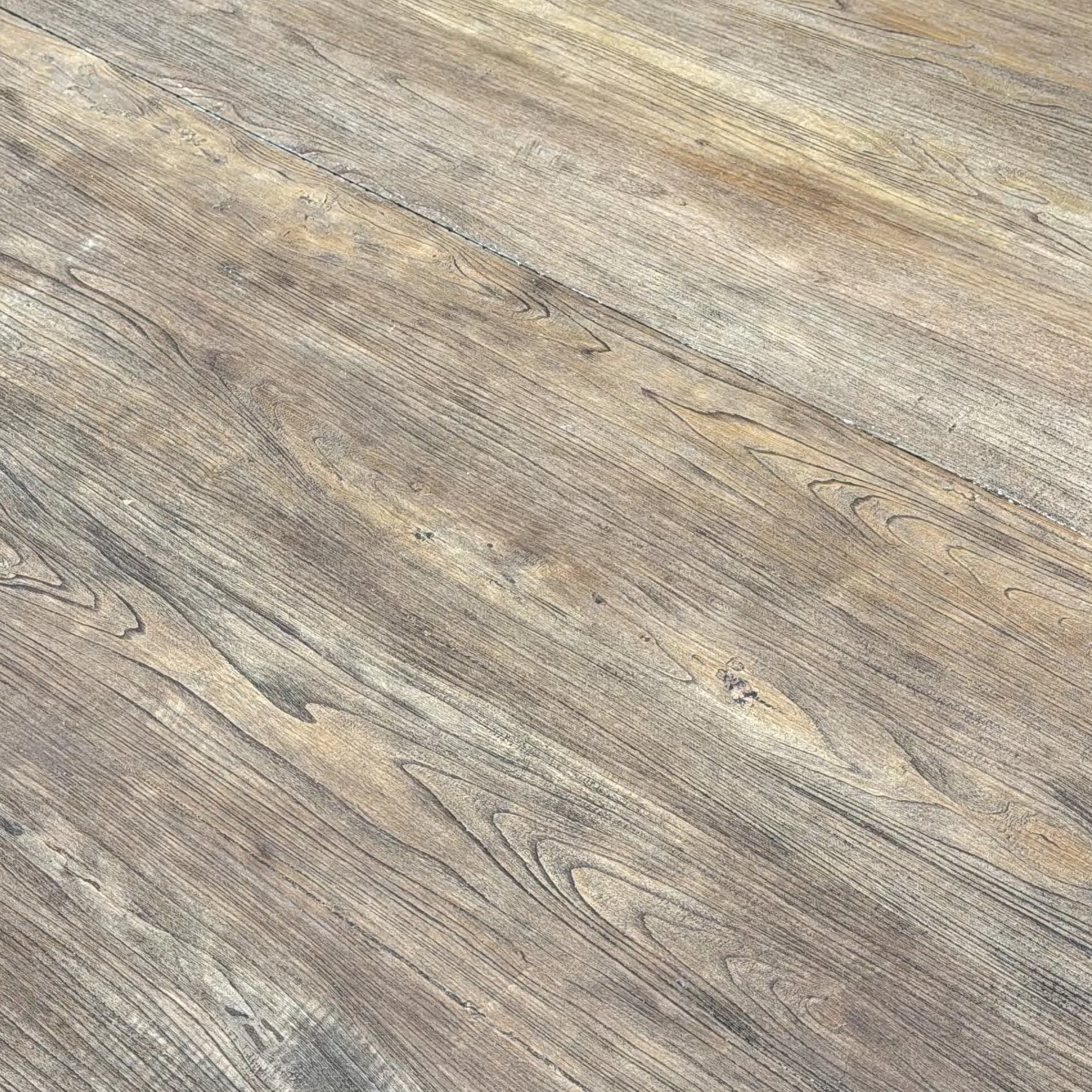
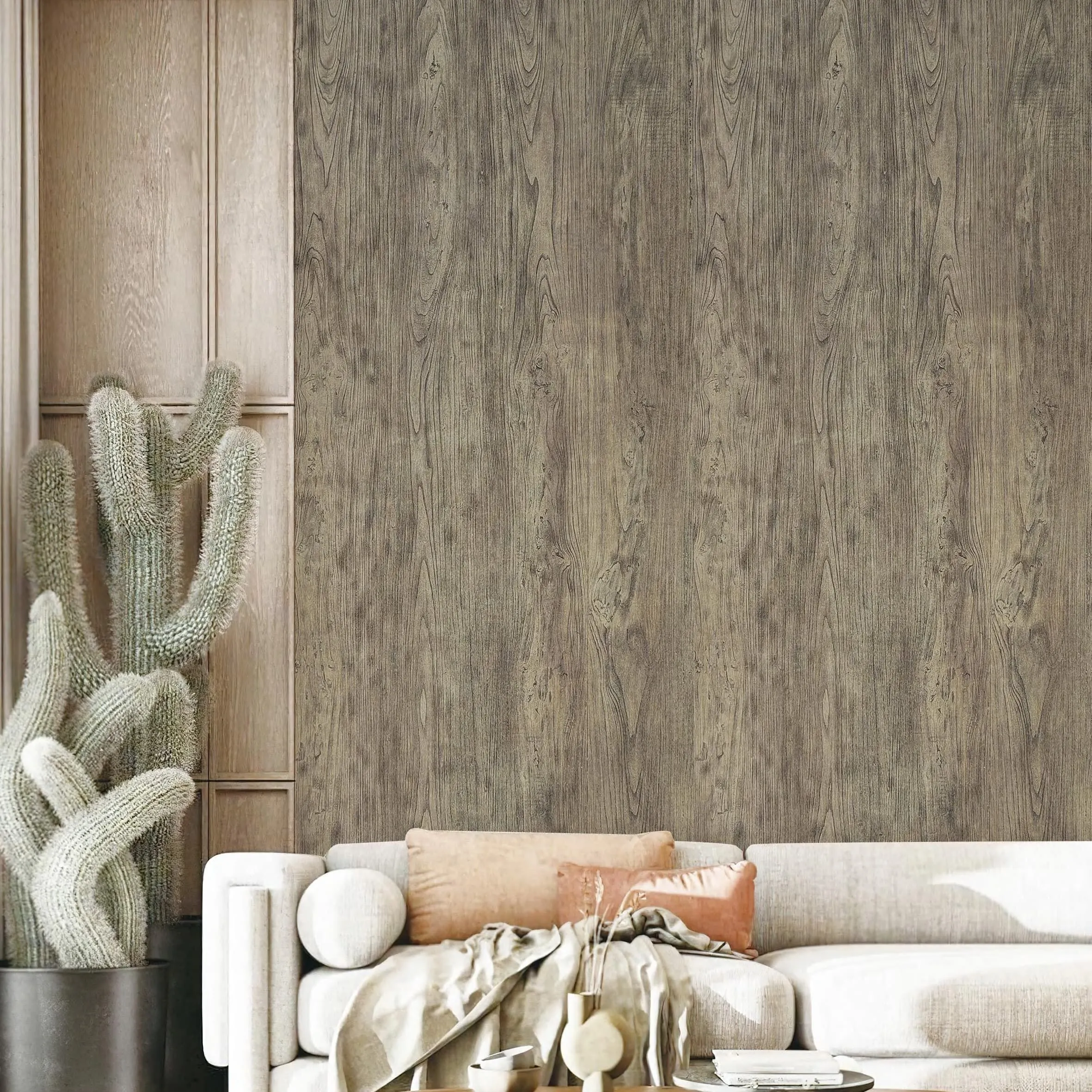
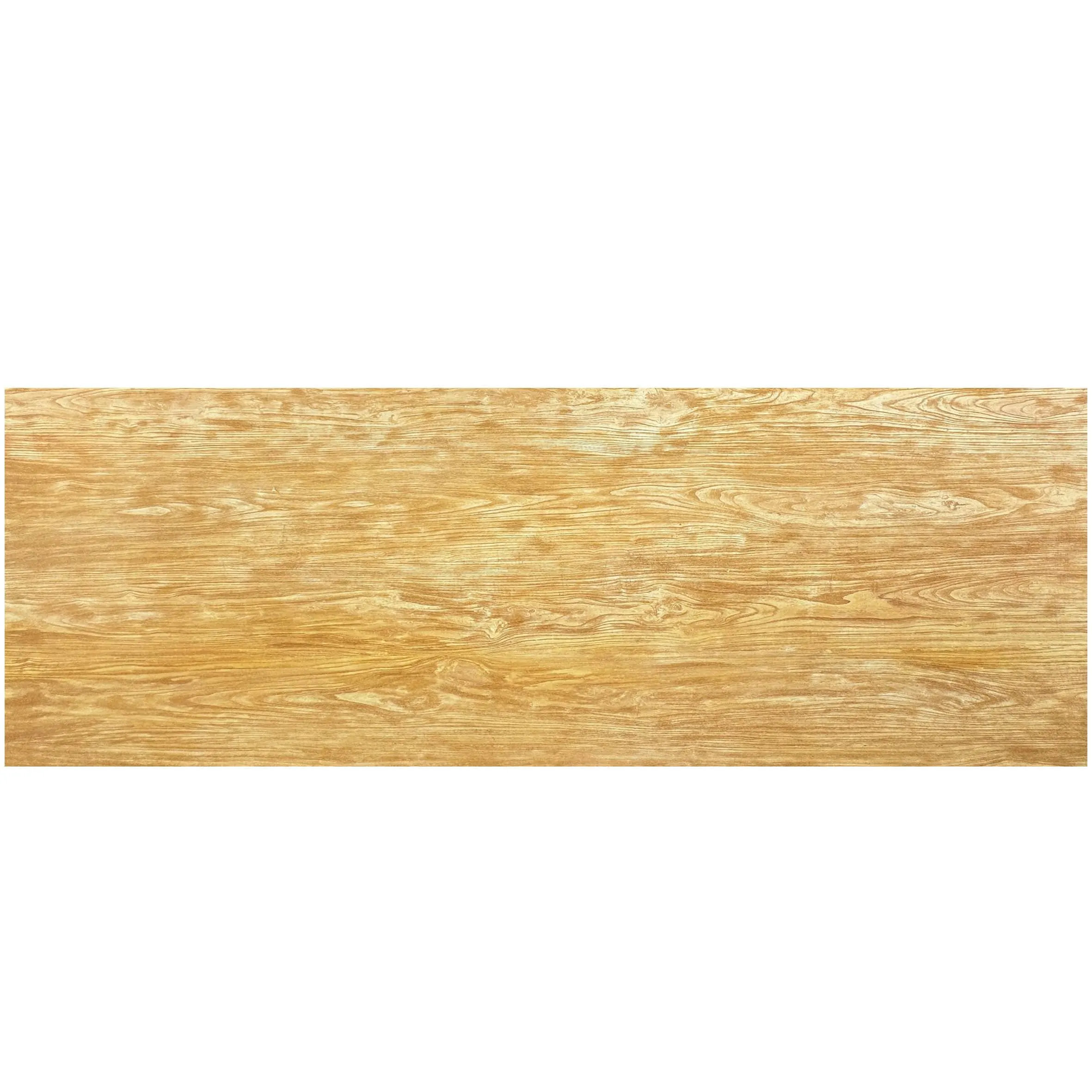
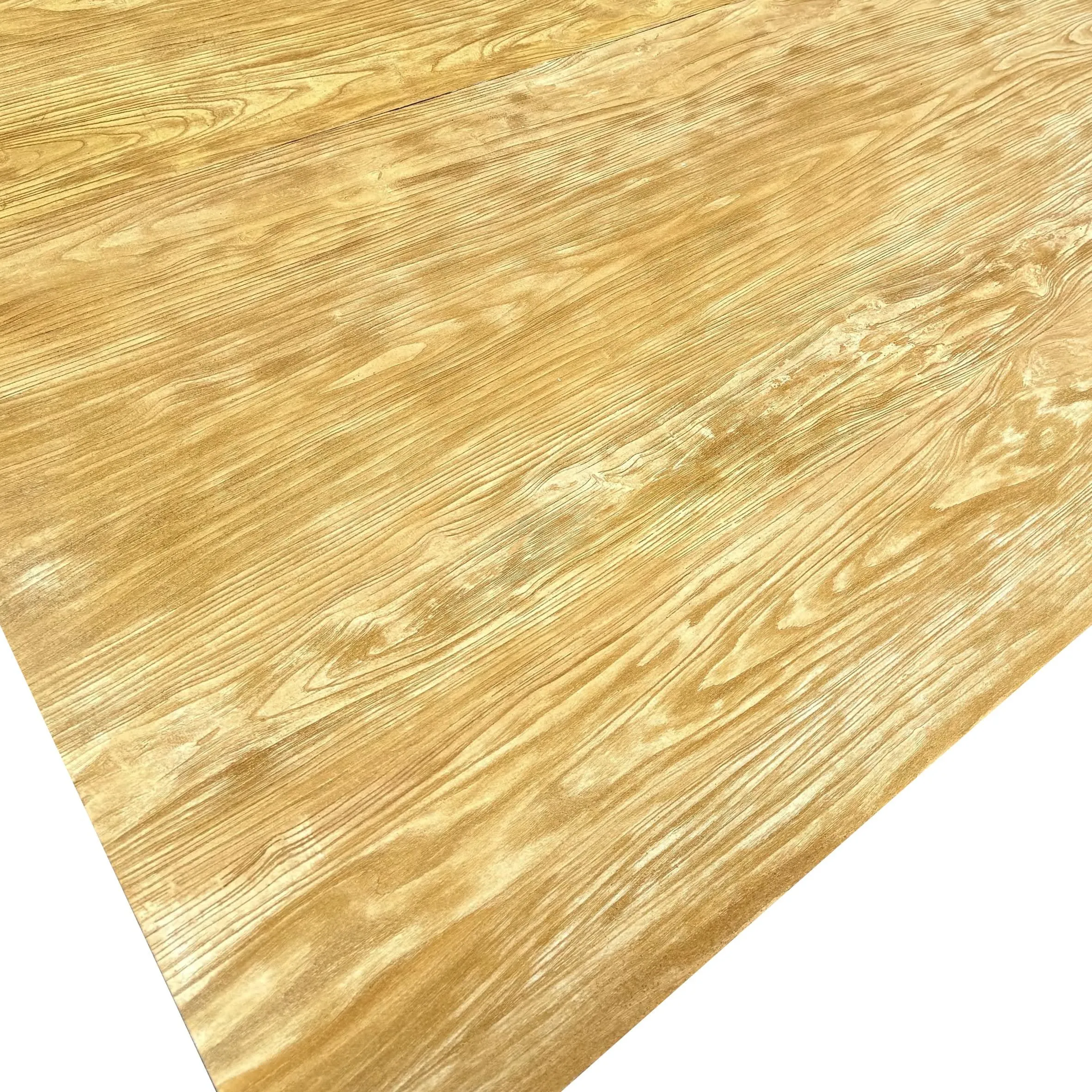
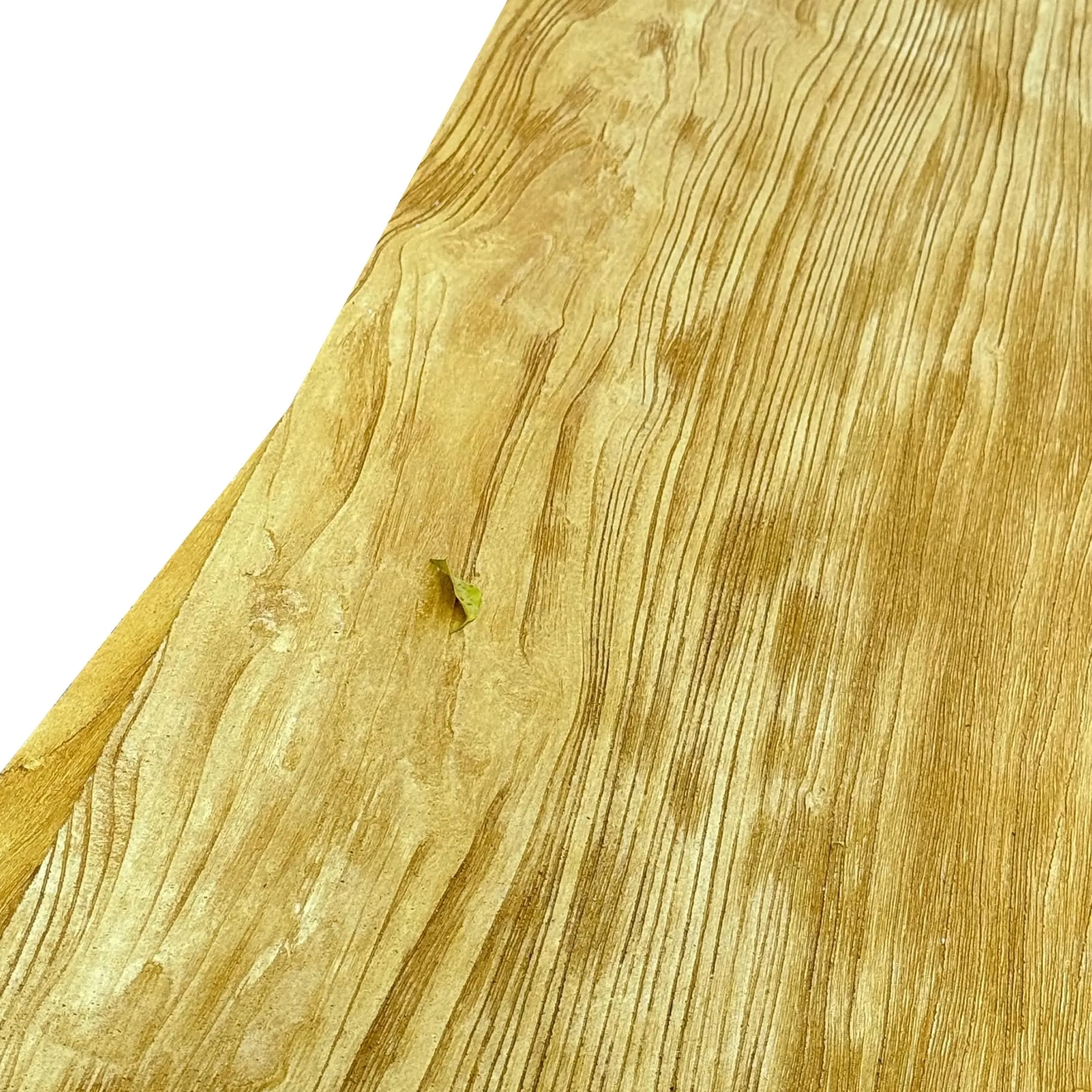
Wood grain board installation costs aren't one-size-fits-all. Think of it like planning a road trip: the total cost depends on how far you're going, the type of car you drive, and whether you take the scenic route. Here's a breakdown of the key factors that'll shape your budget:
1. Material Quality: You Get What You Pay For
Wood grain boards come in a range of grades, and yes—quality affects cost. Low-grade boards might have uneven patterns, thin layers, or less durable finishes, costing as little as $5–$10 per square foot. Mid-grade options, which offer better print quality, thicker cores, and water-resistant coatings, typically run $10–$20 per square foot. Then there are high-end wood grain boards: these mimic rare wood species (think oak, walnut, or teak) with stunning realism, feature scratch-resistant surfaces, and are built to last decades. These can set you back $20–$35 per square foot.
For example, if you're installing
wood grain board in a high-traffic area like a hallway or a restaurant lobby, splurging on a high-grade option makes sense—it'll stand up to scuffs and spills better than a budget board. But for a low-traffic space like a bedroom accent wall? A mid-grade board might be more than enough.
2. Project Size: Square Footage Adds Up
It's simple math: the bigger the area, the more materials you'll need. A small backsplash (say, 20 square feet) will cost a fraction of a full-room installation (like a 300-square-foot living room wall). But here's a pro tip: many suppliers offer bulk discounts. If you're covering a large area, ask about per-square-foot pricing for orders over 100 or 200 square feet—you could save 10–15% just by buying in bulk.
Let's crunch some numbers. A 50-square-foot kitchen backsplash with mid-grade
wood grain board would cost roughly $500–$1,000 for materials alone. A 200-square-foot accent wall? That jumps to $2,000–$4,000. And if you're using high-end board for a 500-square-foot commercial space? You could be looking at $10,000–$17,500 just for the boards.
3. Labor Costs: Who's Installing It?
Unless you're a DIY whiz with experience in wall paneling, you'll need to hire a professional. Labor costs vary widely based on where you live, the installer's expertise, and how tricky the job is. In rural areas, you might pay $30–$50 per hour. In big cities like New York or Los Angeles? Labor can hit $70–$100 per hour. Some contractors charge per square foot instead—typically $5–$15 per square foot, depending on complexity.
What makes a job "complex"? Think uneven walls, custom cuts (like around windows or outlets), or installing the board vertically instead of horizontally (which takes more precision). A simple, flat wall with no obstacles? You'll pay on the lower end. A curved accent wall with intricate patterns? Expect to shell out more.
4. Location: Regional Price Differences
Where you live plays a big role in both material and labor costs. For example,
wood grain board prices in the Midwest are often lower than on the coasts because of lower shipping fees. Labor is cheaper in smaller towns than in major cities, where demand for contractors is higher. Even within the same state, prices can vary—suburban areas might be more affordable than downtown districts. It's always a good idea to get quotes from local suppliers and contractors to get a sense of your area's going rate.
5. Additional Materials: The Extras You Can't Skip
Wood grain board itself is just the start. You'll also need adhesives, screws, or nails to attach it to the wall. If your walls are uneven, you might need furring strips or a backer board to create a smooth surface. Finishing touches like trim, caulk, or sealant (to protect against moisture) add up too. These extras can tack on $1–$5 per square foot to your total cost. For a 100-square-foot project, that's $100–$500—nothing to sneeze at!