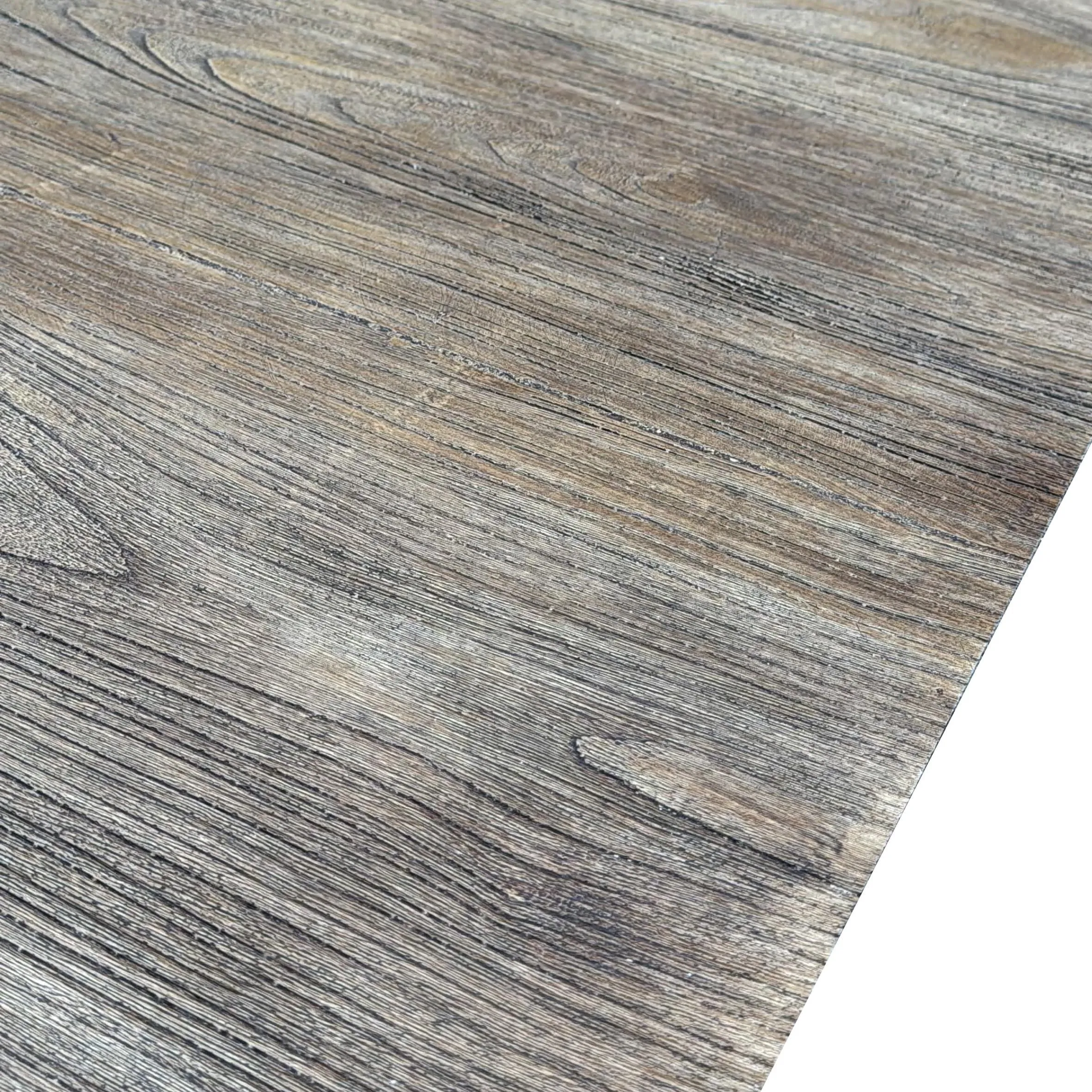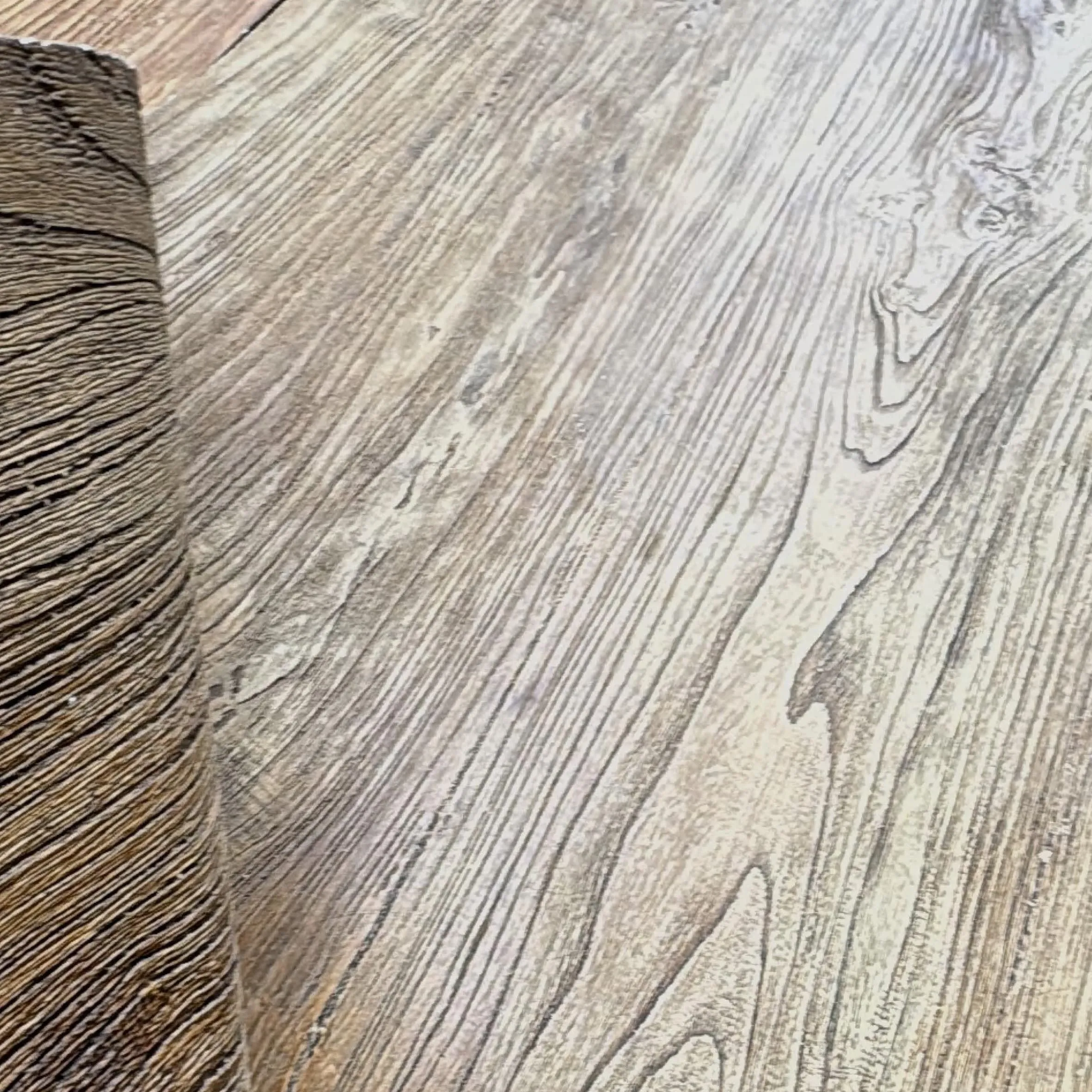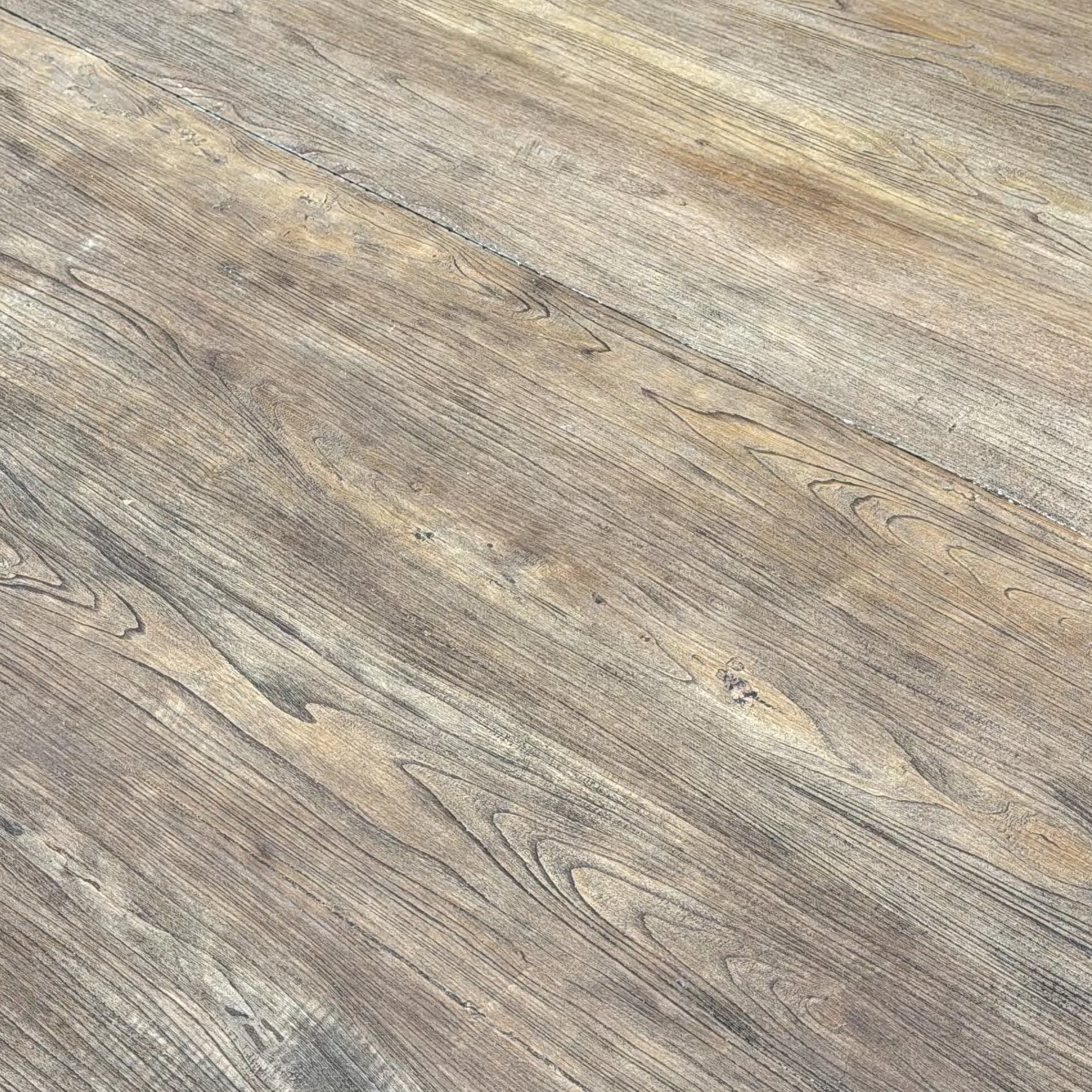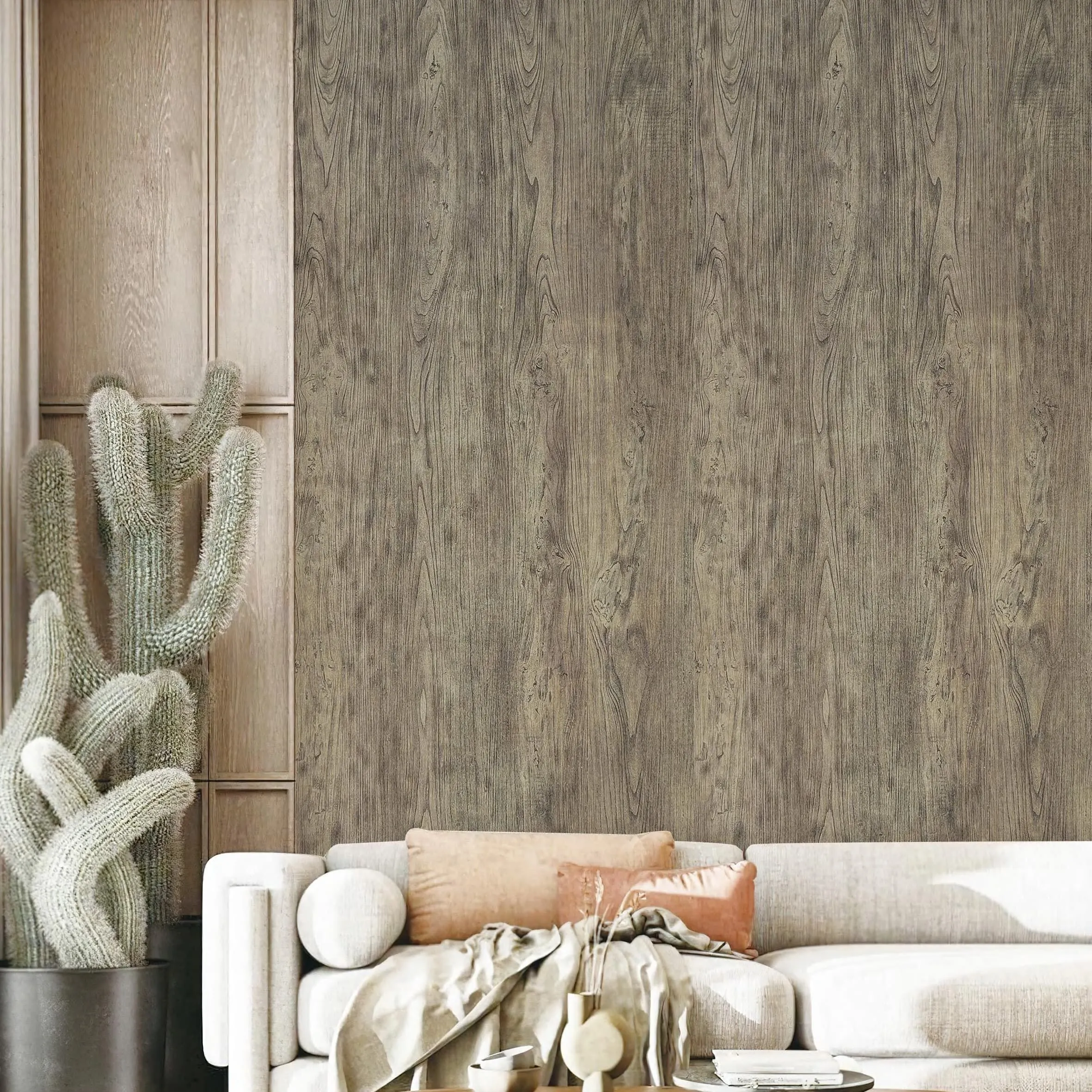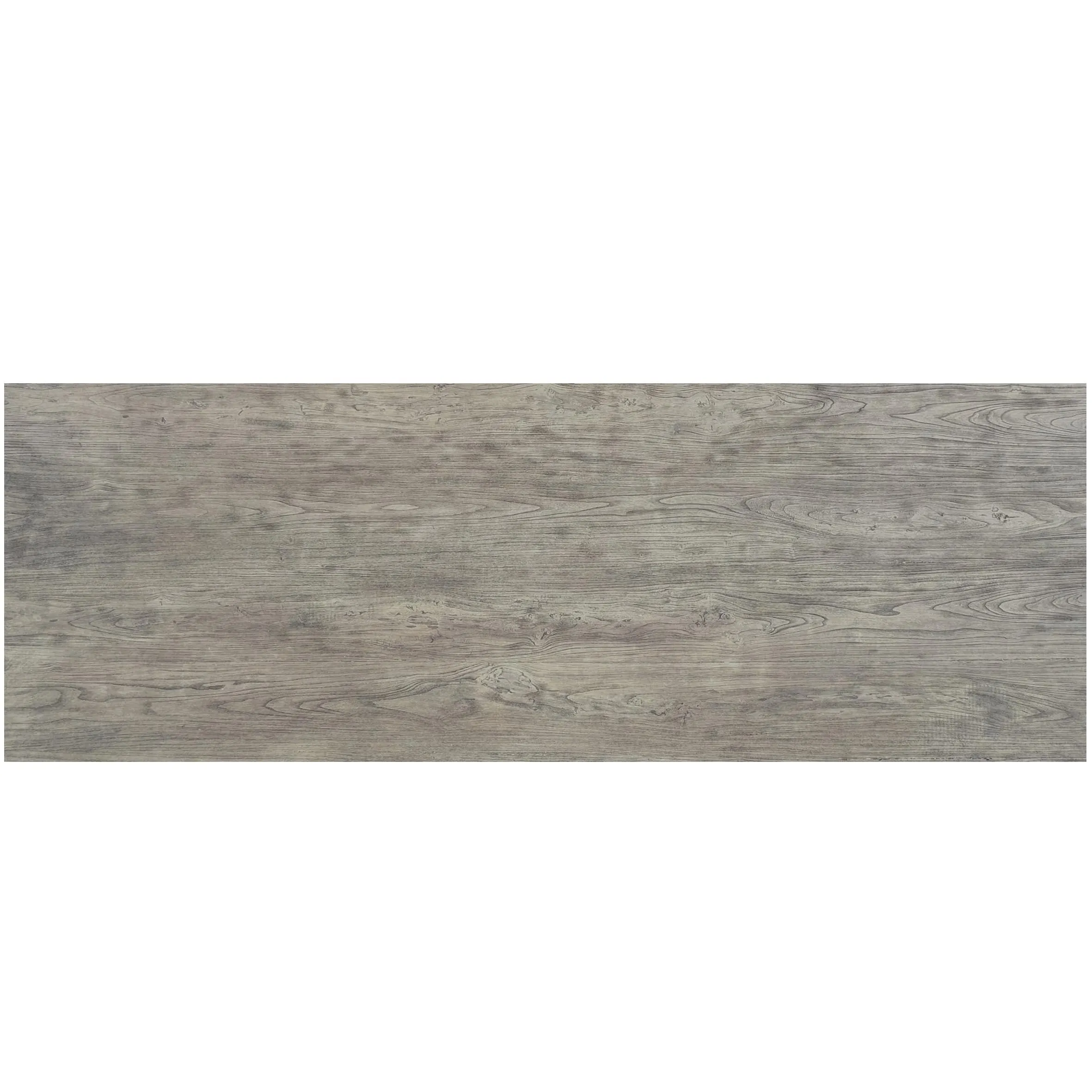
Standard dimensions are the unsung heroes of the design world. They're the result of decades of industry collaboration, optimized for mass production, affordability, and ease of use. For wood grain board, these sizes aren't arbitrary—they're engineered to fit common construction practices, shipping constraints, and installation workflows. Let's break down the most common standard options and why they work.
Lengths: The most widely available lengths for wood grain board are 2400mm (about 8 feet) and 3000mm (around 10 feet). These lengths align with standard stud spacing in walls (typically 400-600mm apart), meaning panels can be mounted without awkward cuts or gaps. Shorter lengths, like 1800mm, are also available for smaller projects, such as furniture or accent walls.
Widths: Widths tend to hover around 1220mm (4 feet) and 1500mm (5 feet). Why 1220mm? It's a nod to global manufacturing standards—many factories use 1220x2440mm sheets as a baseline, making it easy to cut wood grain board to size without excessive waste. Wider panels (1500mm+) are growing in popularity for larger surfaces, like commercial ceilings or feature walls, as they reduce the number of seams.
Thicknesses: Thickness ranges from 6mm to 12mm, with 8mm being the sweet spot for most applications. Thinner panels (6mm) are lightweight and ideal for ceilings or vertical surfaces where weight is a concern. Thicker options (10-12mm) add rigidity, making them perfect for high-traffic areas like restaurant walls or office partitions. Some manufacturers even offer 15mm panels for heavy-duty use, such as exterior cladding in mild climates.
The beauty of standard sizes lies in their accessibility. Walk into any building supply store, and you'll find these panels in stock, ready to take home the same day. They're also cost-effective: mass production drives down per-unit prices, and because installers are familiar with handling them, labor costs stay low. For example, a residential renovation using standard 2400x1220mm wood grain board panels can be completed in days, not weeks, since there's no waiting for custom cuts.
But standard sizes aren't just for quick projects. Even large-scale commercial builds often rely on them. A recent retail chain I worked with used standard 3000x1500mm wood grain board panels for all their store interiors. By sticking to a consistent size, they ensured brand uniformity across locations while keeping shipping and installation costs predictable. The result? Warm, inviting spaces that customers recognize—and love—no matter which branch they visit.