
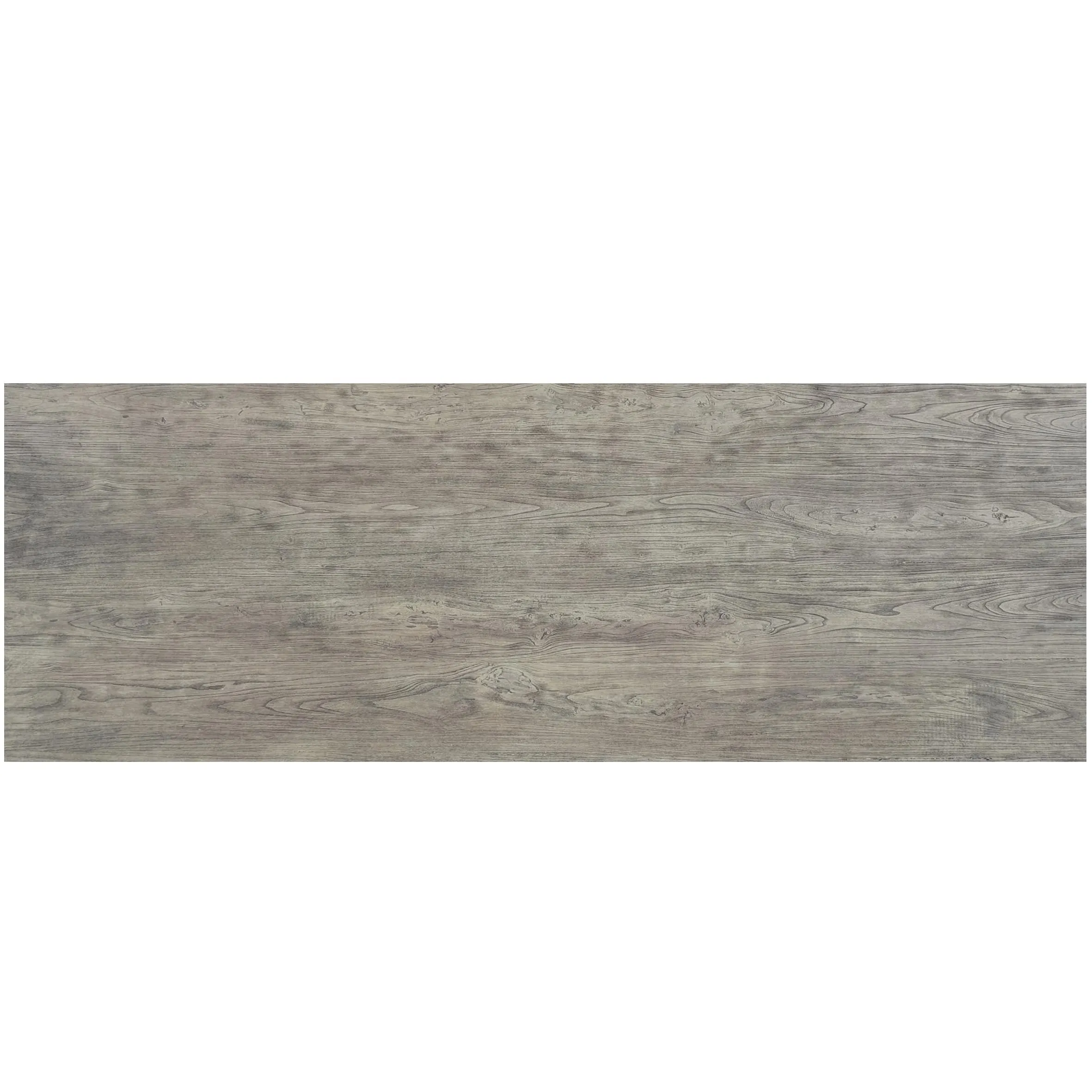
There's something almost primal about the way wood grain draws us in. It's not just a pattern—it's a story written in rings, knots, and lines, each mark a testament to time, weather, and growth. Whether it's the warm embrace of a oak bookshelf in a childhood home or the sleek sophistication of a walnut accent wall in a modern café, wood grain has a unique ability to turn spaces into stories. Today, we're diving into the rich world of wood grain board textures, exploring everything from the timeless charm of natural oak to the bold innovation of MCM's specialized collections. Along the way, we'll uncover how textures like wood grain board , wood line , and even charcoal burnt wood board are redefining what "wooden" spaces can feel like.
If wood grain were a language, oak would be the classic novel—familiar, comforting, and full of depth. Its grains are often straight or gently wavy, with a warm spectrum of tones ranging from pale honey to rich amber. What makes oak so enduring? It's versatile. A kitchen clad in oak wood grain board feels like a hug at the end of a long day, while the same texture in an office lobby adds approachable professionalism. The key is in the details: oak's subtle variations—tiny knots here, a slightly darker streak there—keep it from feeling monotonous, even in large spaces.
MCM's take on oak wood grain board is a love letter to this natural beauty. Using advanced molding techniques, they capture the way light dances on oak's surface—how a morning sunbeam might turn a panel golden, or how evening shadows deepen its amber hues. It's not just a replication; it's a preservation. Imagine walking into a restaurant where the walls are lined with this texture: the air feels softer, the noise dims a little, and suddenly, you're not just dining—you're lingering, savoring the moment. That's the magic of well-crafted oak wood grain.
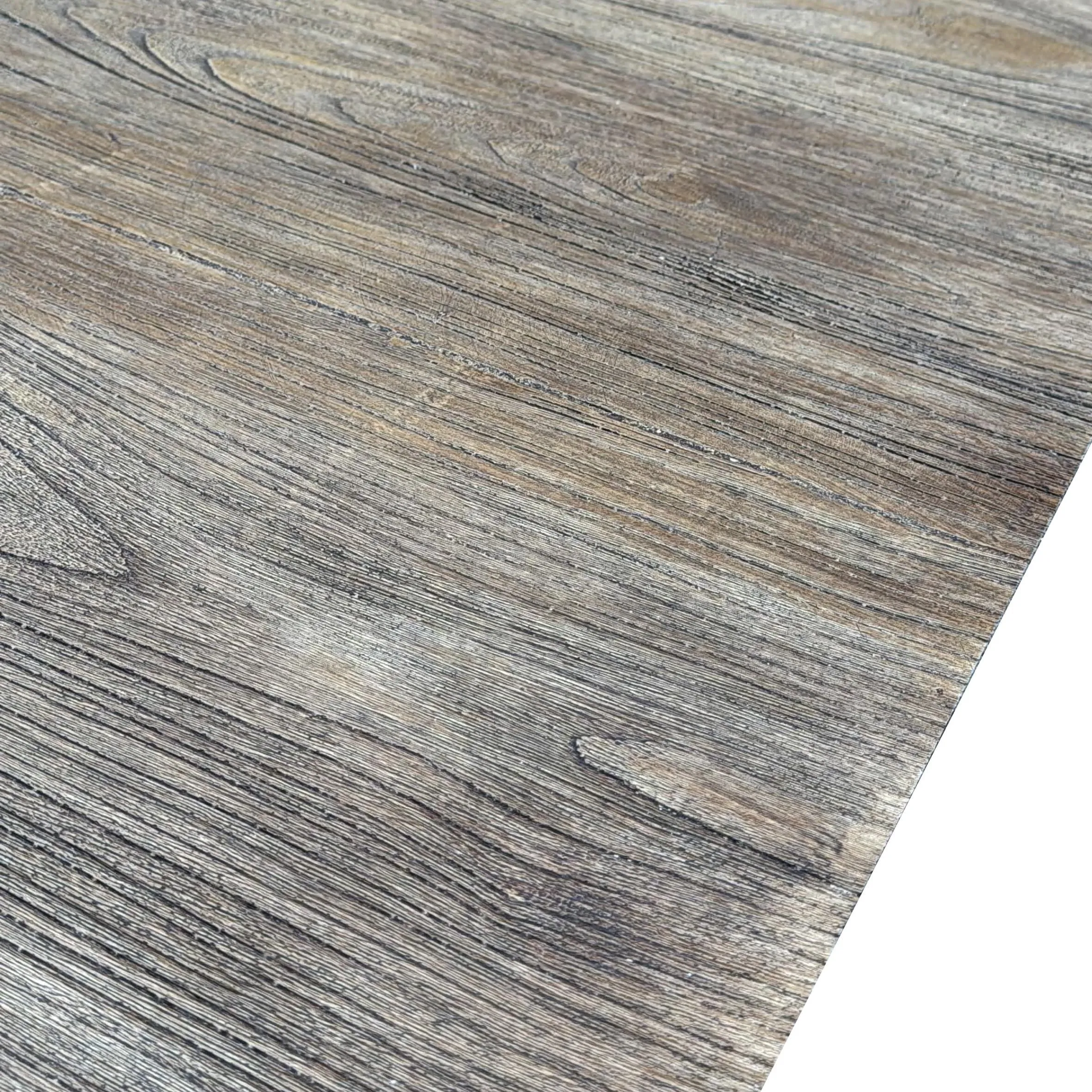
If oak is the classic novel, walnut is the modern thriller—dramatic, bold, and impossible to put down. Its grains are wilder, with swirls, curls, and even burls that look like frozen storms in wood. The color palette leans deeper, too: think chocolate browns, espresso, and hints of purple or gray that catch the light. Walnut isn't just a texture; it's a statement. It says, "This space matters. It's intentional."
MCM's wood line collection shines here, especially when it comes to walnut-inspired textures. Unlike flat, printed imitations, wood line panels have a tactile quality—run your hand over them, and you can almost feel the resistance of real wood fibers. A hotel bar with walnut wood line walls feels luxurious without being stuffy; a home theater with the same texture wraps you in a cocoon of comfort, making movie nights feel like private screenings. What's striking is how walnut adapts: paired with brass fixtures, it's old-world elegance; next to concrete floors, it's industrial chic. It's a texture that doesn't just fit spaces—it elevates them.
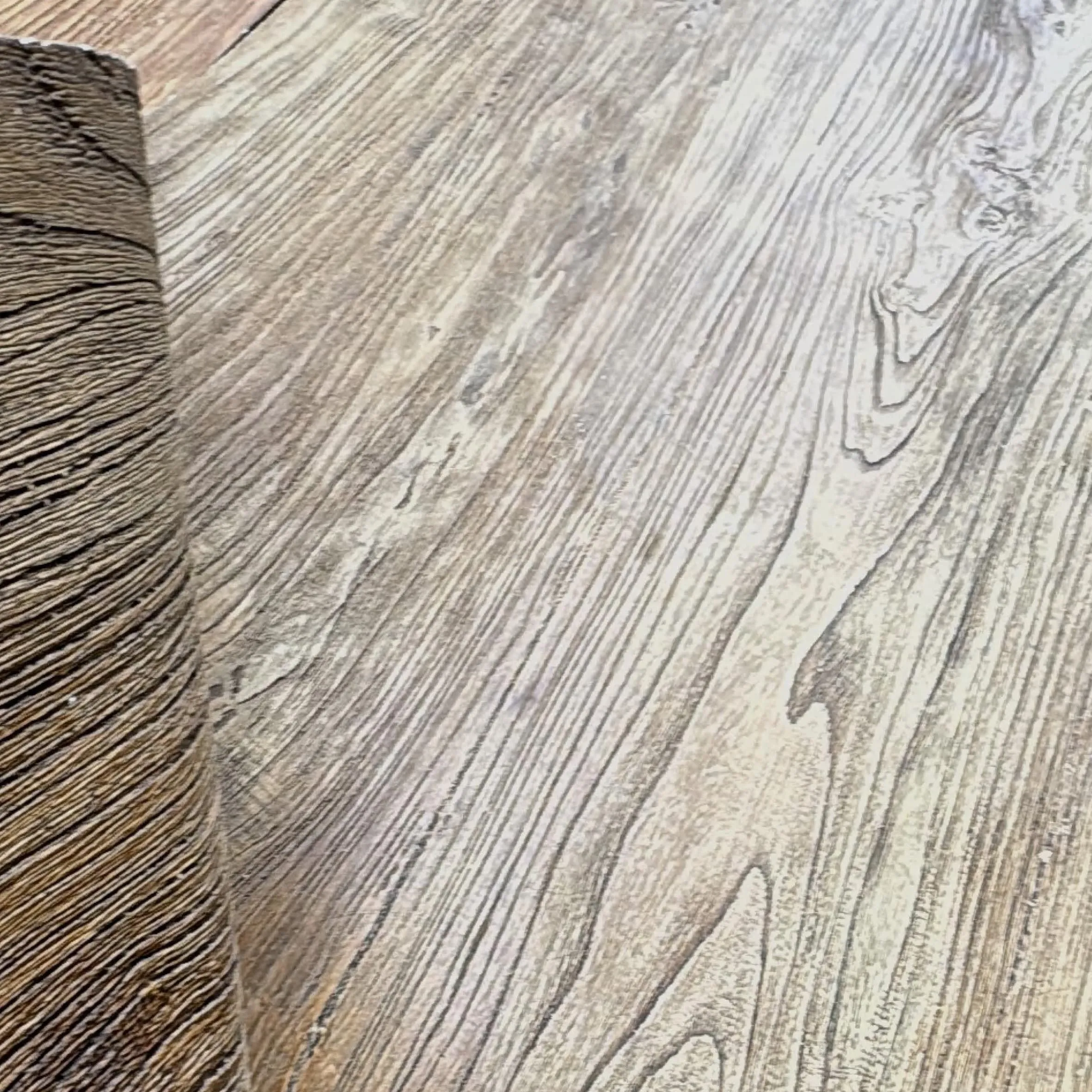
Not all wood grain stories are about tradition. Sometimes, the most memorable spaces are the ones that dare to be different. That's where MCM's more experimental textures come in—textures that take wood's essence and twist it into something new, unexpected, and utterly captivating.
Imagine walking into a mountain cabin, and instead of smooth pine walls, you're greeted by panels that look like they've been kissed by fire—deep, charred blacks giving way to warm browns, with cracks and crevices that tell of a controlled burn. That's the allure of charcoal burnt wood board . It's rustic, but not in a "shabby chic" way—it's raw, honest, and full of character.
This texture is perfect for spaces that want to feel grounded, almost primal. A backyard patio with charcoal burnt wood board siding feels like a retreat into nature, while a café with accent walls of this texture becomes a cozy spot to escape the city buzz. What's surprising is how versatile it is: pair it with soft lighting and plush cushions, and it's inviting; pair it with metal fixtures and concrete, and it's edgy industrial. It's wood grain with a story of resilience—like a forest regrowing after a fire, beautiful in its imperfection.
There's a certain romance in the "unfinished." Sawing wood board captures that—think of the rough, authentic texture of a freshly sawn plank, with visible saw marks, slight ridges, and the raw, earthy scent of wood (even if it's replicated). It's the texture of workshops, of cabins, of spaces where "done" is less important than "lived-in."
MCM's sawing wood board doesn't just mimic the look of sawn wood—it captures the feel. Run your finger along it, and you'll notice the subtle grooves left by the saw, the way the light catches the raised edges. It's a texture that invites touch, making spaces feel more interactive. A home office with a desk made of this material feels like a creative hub, where ideas flow as freely as the saw marks on the wood. A retail store using sawing wood board for display shelves turns shopping into an experience—like browsing in a craftsman's studio.
What happens when you blend the warmth of wood with the strength of concrete? You get wood concrete board —a texture that's equal parts modern and timeless. It's for the space that refuses to choose between style and substance: a restaurant floor that can handle spills and foot traffic but still feels cozy, or a bathroom wall that resists moisture without losing that organic, woody vibe.
The beauty of MCM's wood concrete board is in the contrast. The wood grain softens the concrete's industrial edge, while the concrete grounds the wood, making it feel more robust. It's a texture that works in lofts with exposed brick, in beach houses with ocean views, and even in minimalist homes where "less is more" but "cold" is never an option. It's proof that wood grain doesn't have to be delicate—it can be tough, too.
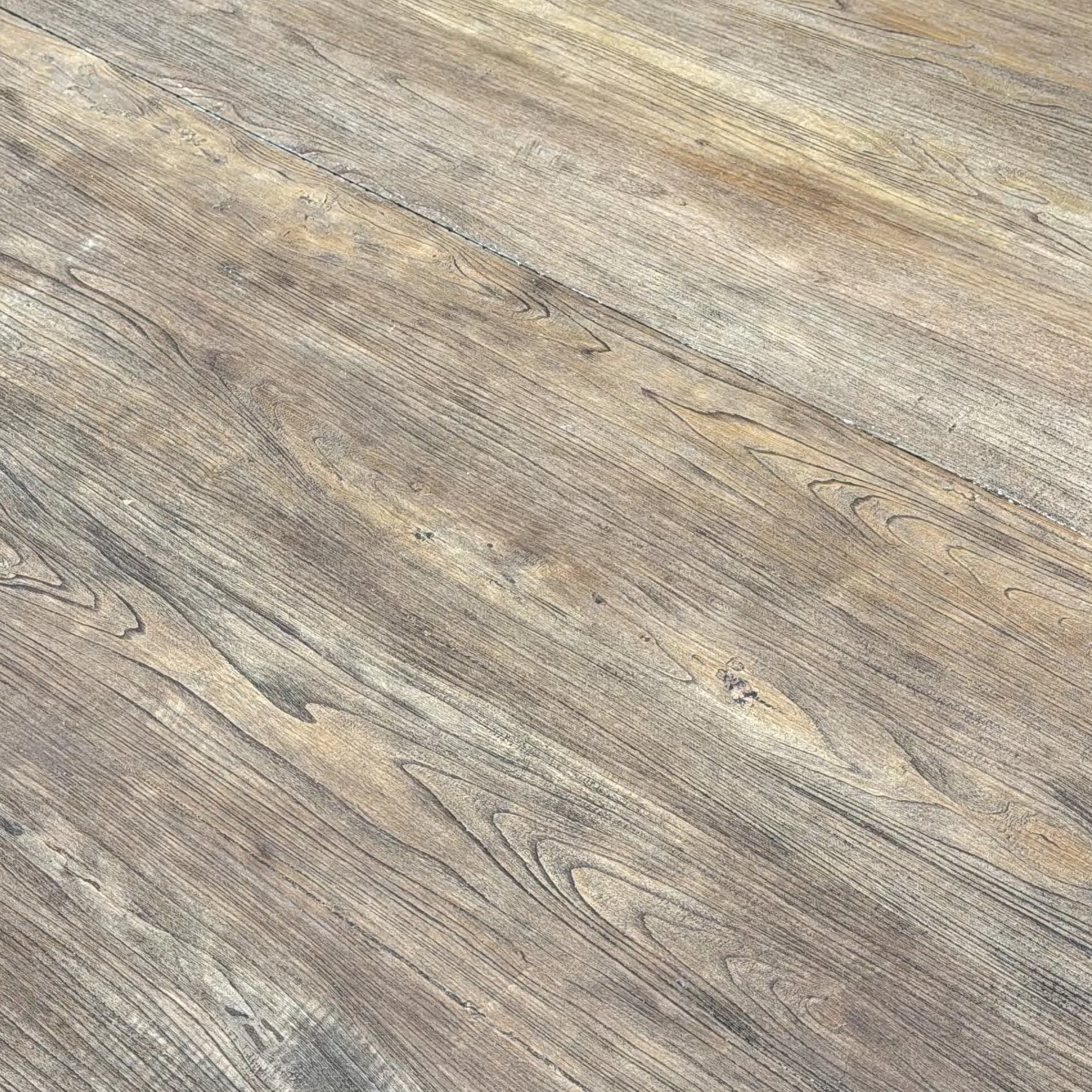
At the end of the day, wood grain isn't just about aesthetics—it's about emotion. A wood line panel in a hotel hallway might make a traveler feel less homesick. A charcoal burnt wood board accent wall in a bedroom could turn a house into a sanctuary. MCM understands this, which is why their textures go beyond "looking like wood"—they feel like wood. The way the grain shifts under different lights, the subtle (aotus) that catches dust and makes a space feel lived-in, the way the colors deepen over time (yes, even replicated textures can "age" beautifully)—these are the details that turn materials into memories.
To help you find the perfect texture for your space, here's a quick breakdown of how these varieties stack up:
| Texture | Vibe | Best For |
|---|---|---|
| Wood Grain Board (Oak) | Warm, classic, versatile | Kitchens, living rooms, offices |
| Wood Line (Walnut) | Luxurious, bold, sophisticated | Restaurants, lobbies, accent walls |
| Charcoal Burnt Wood Board | Rustic, edgy, grounded | Cabins, patios, cozy cafés |
| Sawing Wood Board | Raw, authentic, creative | Home offices, studios, retail spaces |
| Wood Concrete Board | Modern, durable, balanced | Lofts, bathrooms, high-traffic areas |
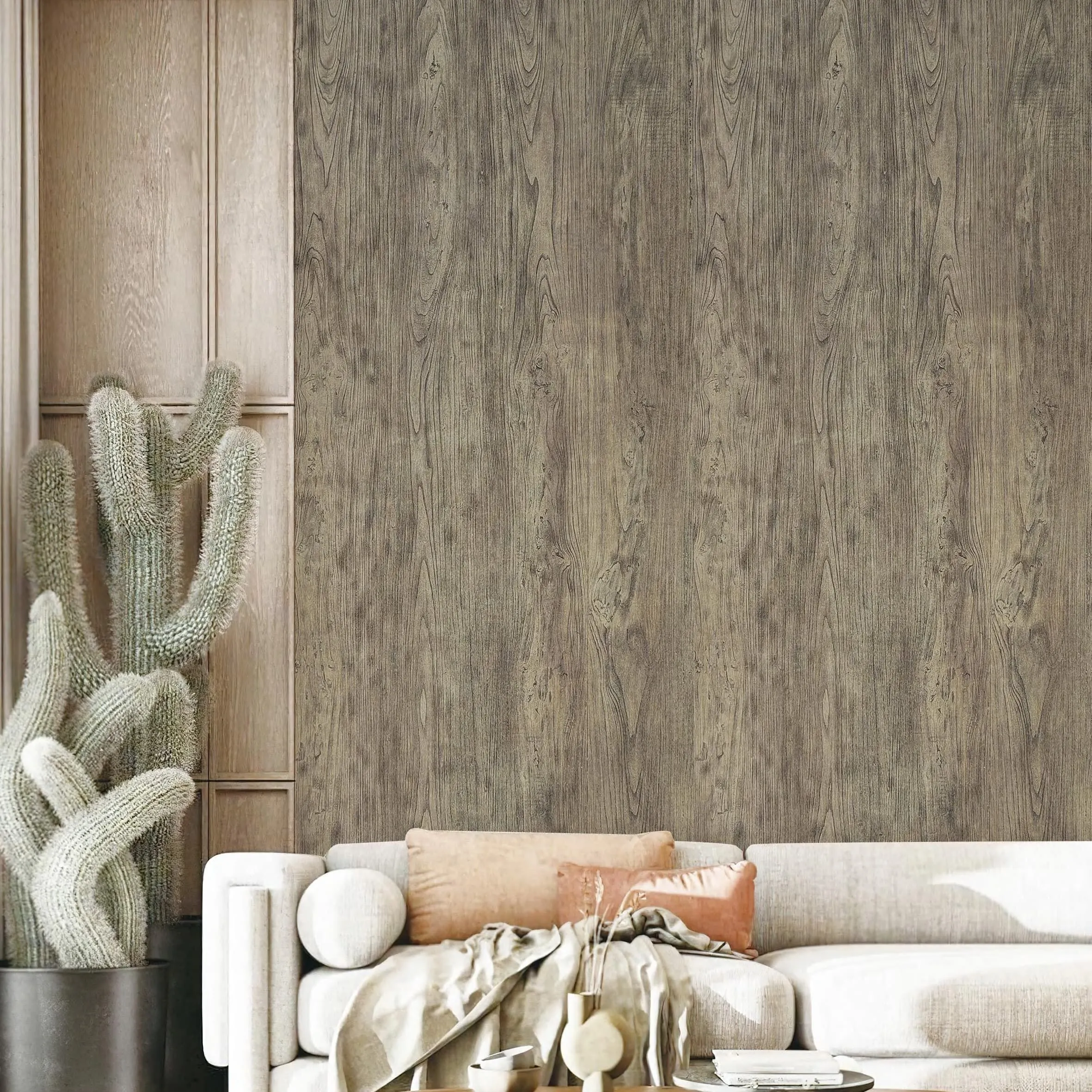
Wood grain is more than a design choice—it's a way to connect with something bigger. It's the memory of a grandmother's oak table, the excitement of walking into a new space and thinking, "This feels like me," the quiet comfort of knowing that the texture around you has a story, just like you do. Whether you're drawn to the timelessness of oak wood grain board , the drama of walnut wood line , or the adventure of charcoal burnt wood board , MCM's textures are tools to craft spaces that don't just look good—they feel alive.
So the next time you're planning a space, think beyond "what it looks like." Think about what it feels like. Does it make you want to stay? To breathe deeper? To smile? With the right wood grain texture, the answer will always be yes.
Recommend Products












