
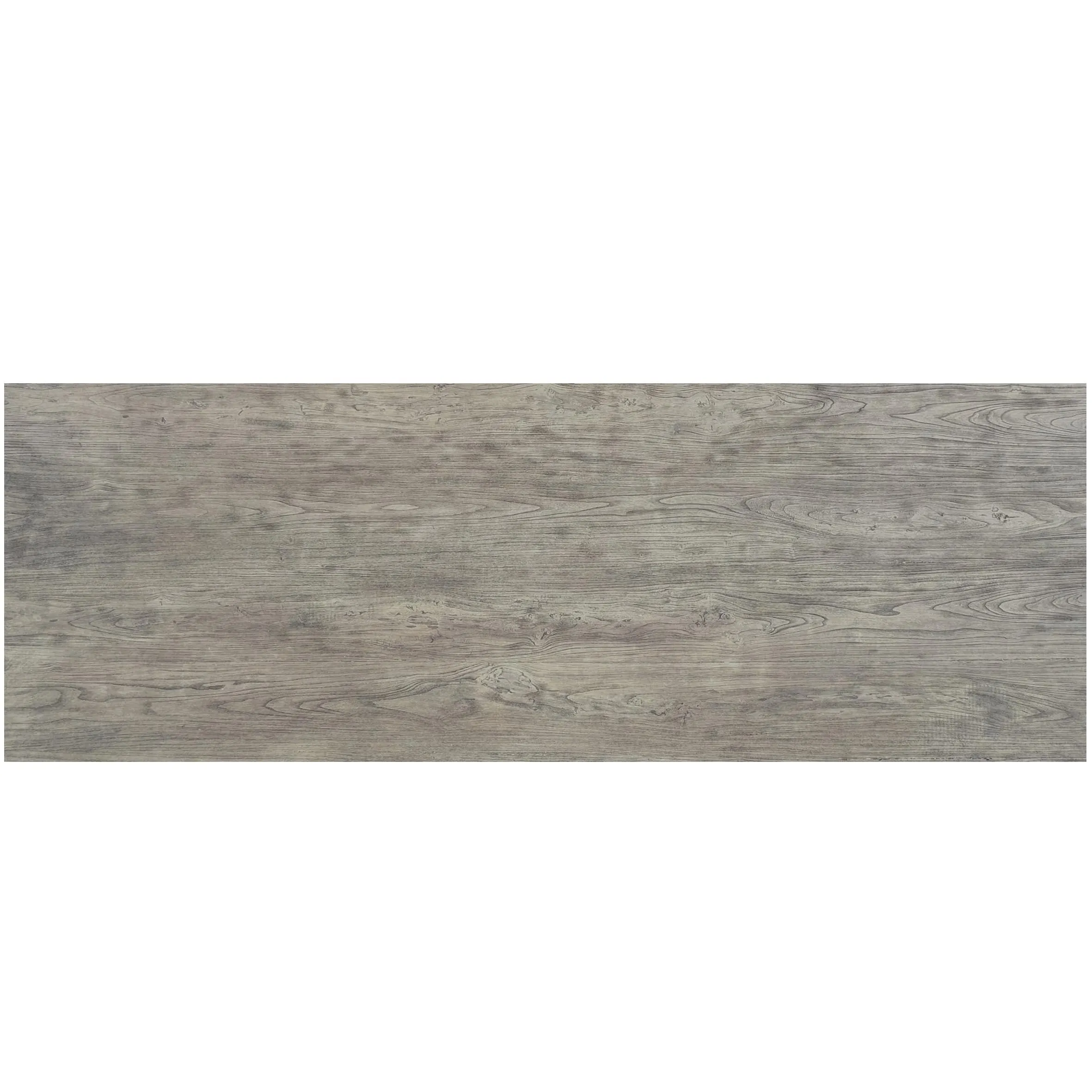
Let's start with a scenario we've all lived through: It's the dead of winter, and you're huddled by the heater, a blanket, yet your toes still feel like they're dipped in ice. Or maybe it's midsummer, and the AC is cranked to full blast, but the sun-baked walls radiate heat like a brick oven. Sound familiar? For too many of us, our homes and workplaces feel like battlefields against the elements—one where we're constantly losing, and our energy bills are the casualties. The culprit? More often than not, it's poor insulation. We spend thousands on fancy HVAC systems, but if our walls, floors, or ceilings can't hold onto that precious heat (or cold), we might as well be throwing money out the window. But what if there was a material that could change that? A material that doesn't just insulate but also adds warmth and style to our spaces? Enter wood grain board—a quiet game-changer in the world of building materials that's here to turn those drafty rooms into cozy retreats and slash those sky-high energy bills. Let's dive in.
We've all heard the term "energy efficiency," but what does it really mean for the average person? Let's break it down. According to the U.S. Department of Energy, heating and cooling account for nearly 50% of the energy used in a typical home. That's half your electricity bill going straight out the window—literally—if your insulation is subpar. Think about it: A poorly insulated wall acts like a sieve, letting warm air escape in winter and hot air seep in during summer. So your heater or AC has to work twice as hard, running longer and using more energy, just to keep the temperature steady. The result? Higher bills, more wear and tear on your appliances, and a bigger carbon footprint. And it's not just about money. Discomfort takes a toll too. Ever tried to work in an office where one corner is freezing and the other is sweltering? Productivity dips, moods sour, and that "homey" feeling we crave in our living spaces? It vanishes when you're constantly adjusting the thermostat. Traditional building materials like fair-faced concrete or even some natural stones like travertine have their merits—durability, sleek looks, a timeless vibe—but insulation? That's often their Achilles' heel. Fair-faced concrete, with its smooth, industrial finish, is a staple in modern architecture, but its high thermal conductivity means it absorbs and transfers heat like a conductor, leaving your walls feeling cold to the touch. Travertine, beloved for its unique veining and earthy tones, is porous and breathable—great for certain climates, but not so great at keeping the elements at bay. So what's the alternative? A material that marries the best of both worlds: the warmth and beauty of wood with the insulation power of modern engineering. That's where wood grain board comes in.
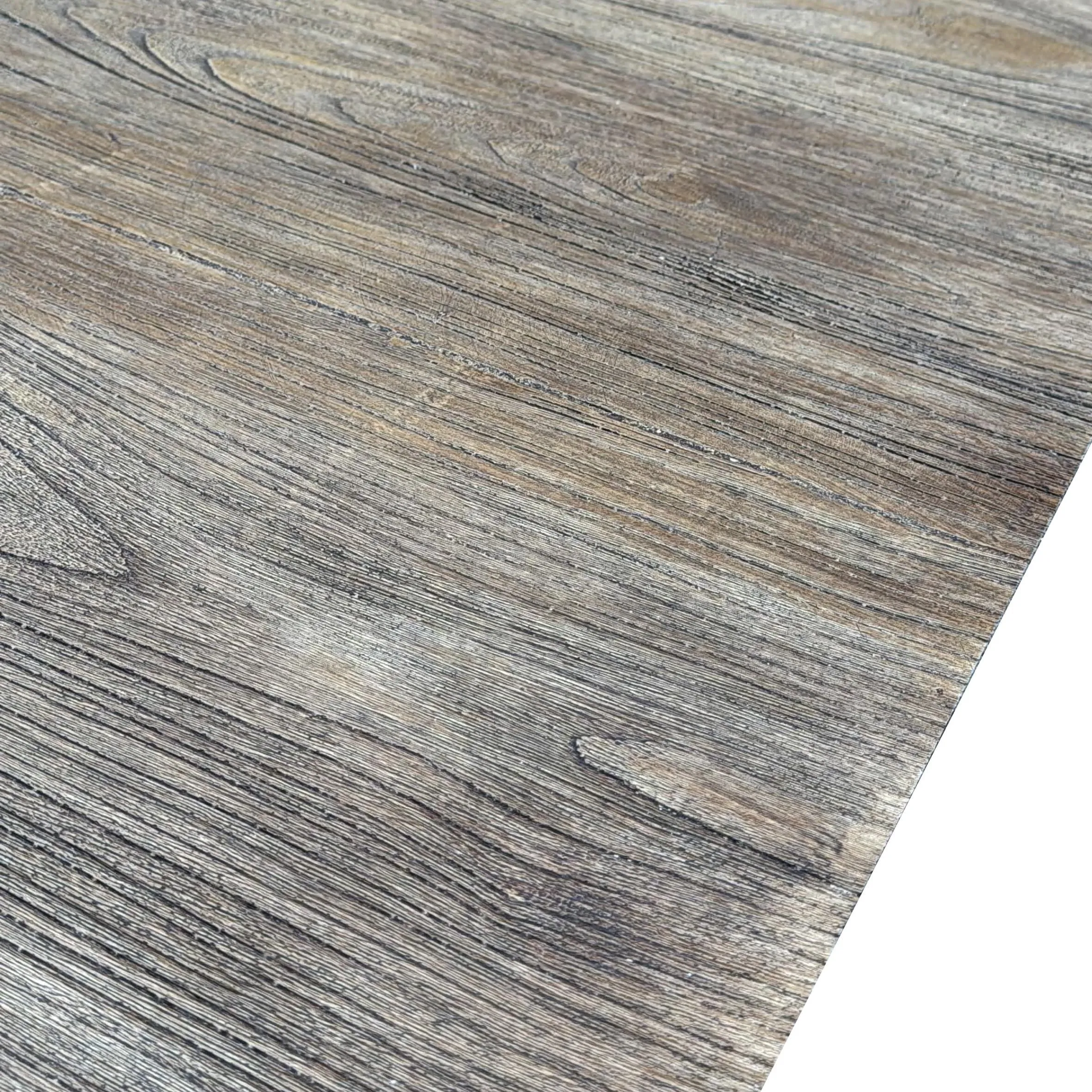
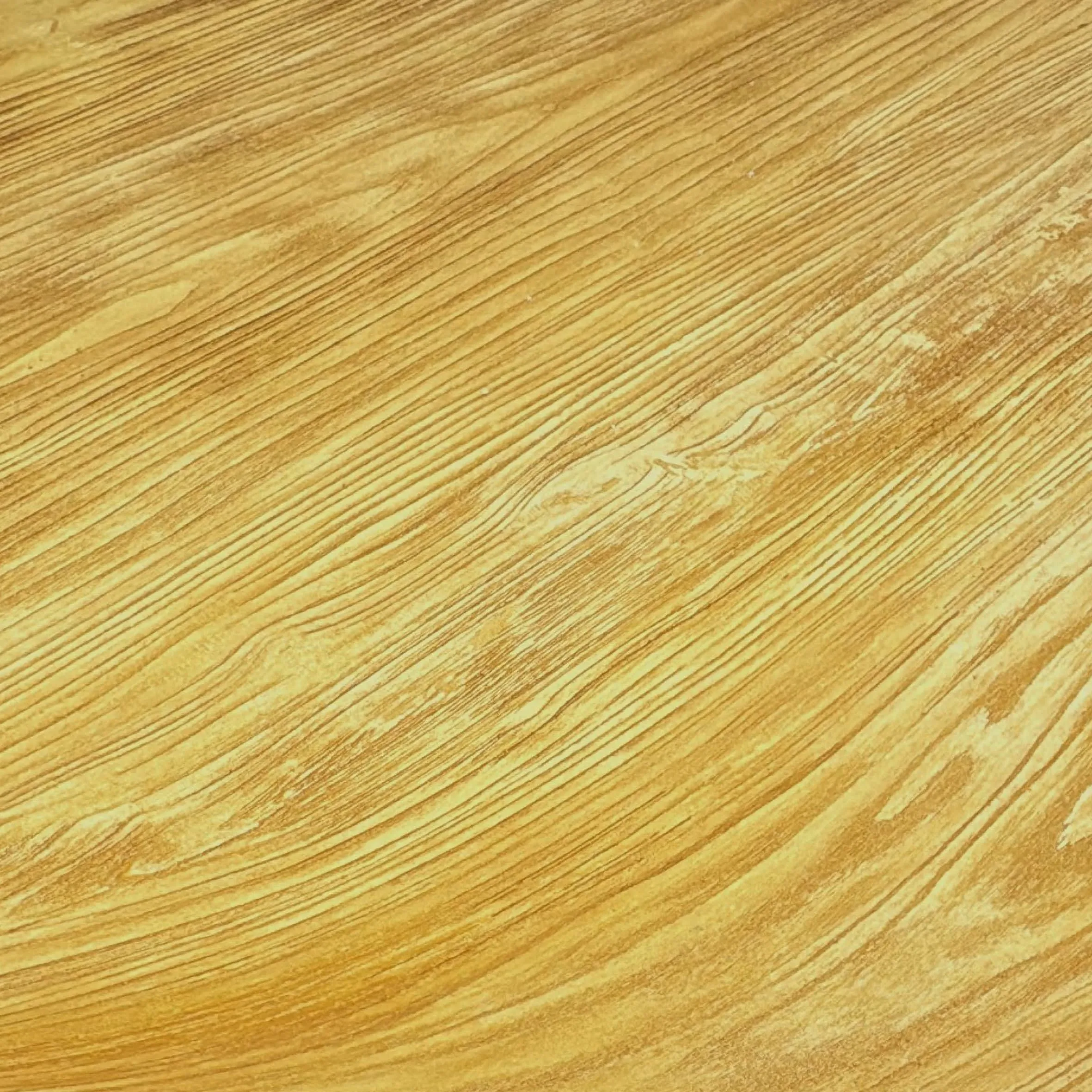
When you hear "wood grain board," you might picture the flimsy plywood sheets from your local hardware store—the kind that warps in the rain or splinters if you look at it wrong. But let's set the record straight: This isn't your grandma's wood paneling. Modern wood grain board is a composite material engineered to combine the aesthetic charm of real wood with the durability and performance of advanced building materials. So what's in it? Typically, it's made from a blend of wood fibers, recycled wood particles, and a binding agent (like resin), compressed under high pressure and heat to form dense, sturdy boards. Some variants even include additives to boost water resistance, fire retardancy, or—you guessed it—thermal insulation. The result? A board that looks and feels like real wood, with the same warm grains and rich textures, but without the drawbacks of natural wood (think warping, rotting, or termite damage). And here's the kicker: Unlike solid wood, which can be inconsistent in density (and thus insulation), wood grain board is designed with uniformity in mind. That means every square foot performs the same, creating a reliable barrier against heat transfer. Whether you're going for a rustic cabin vibe, a sleek modern look, or something in between, wood grain board comes in a range of finishes—from light oak to dark walnut, smooth to distressed—to match any design vision. It's versatile enough for walls, ceilings, floors, and even exterior cladding. But the real star feature? Its ability to keep your space comfortable without overworking your HVAC system. Let's talk about that.
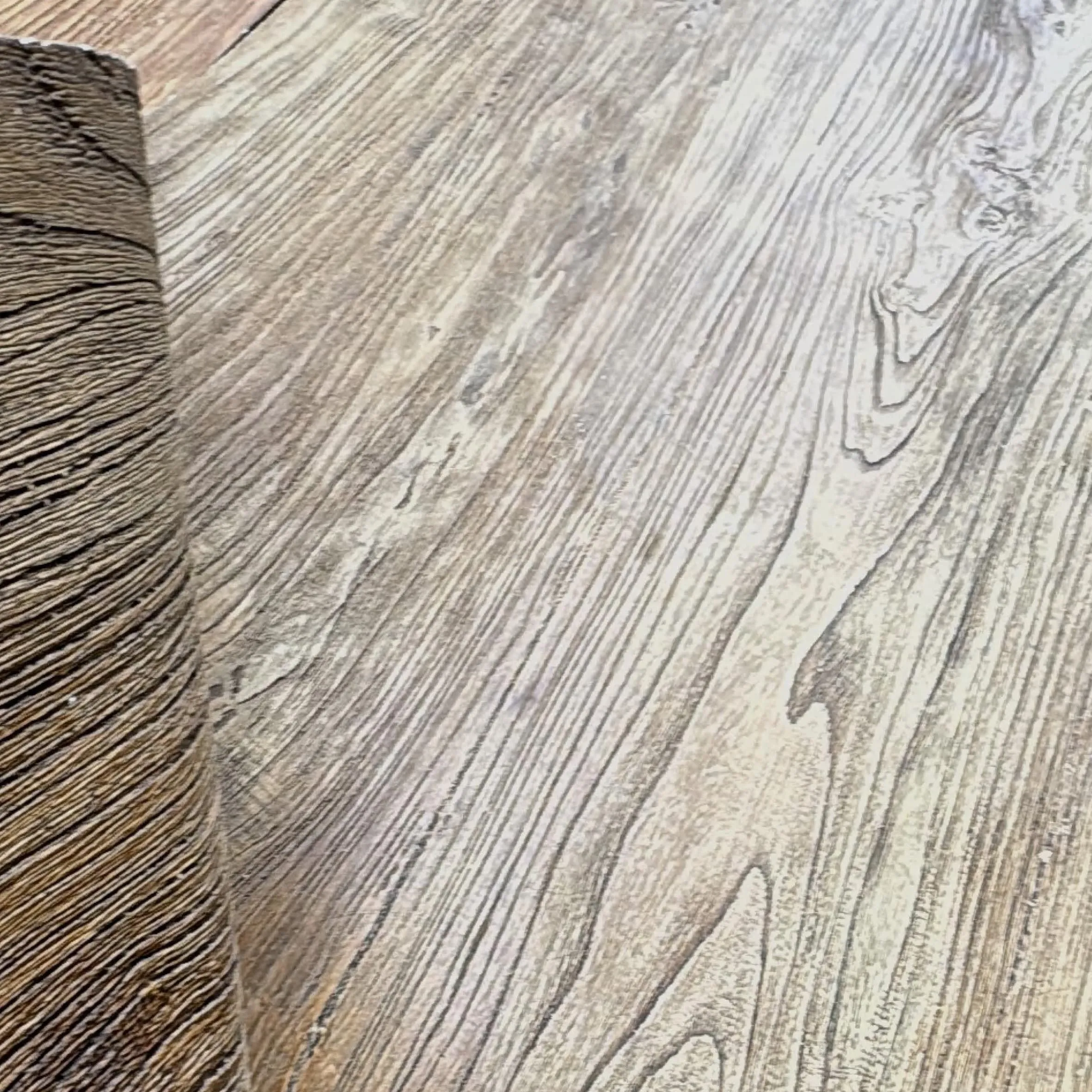
To understand why wood grain board is such a rockstar at insulation, let's get a little science-y (but don't worry—we'll keep it simple). Thermal insulation is all about slowing down the transfer of heat. Heat moves in three ways: conduction (through direct contact, like a hot pan on a stove), convection (through air or liquid flow, like a drafty window), and radiation (through electromagnetic waves, like the sun warming your skin). A good insulator blocks all three, but conduction is often the biggest culprit in buildings. Here's where wood grain board shines: Its composite structure is full of tiny air pockets. Air is a poor conductor of heat, so these pockets act like mini barriers, trapping heat inside during winter and outside during summer. Imagine wrapping yourself in a down jacket—the feathers create air pockets that keep you warm. Wood grain board does the same for your walls. But it's not just air pockets. The density of the board matters too. Unlike lightweight materials that let heat zip through, wood grain board is dense enough to resist conduction but not so dense that it becomes a conductor (looking at you, fair-faced concrete). Let's throw some numbers around to make it concrete (pun intended). The thermal conductivity of a material is measured in watts per meter-kelvin (W/m·K)—the lower the number, the better the insulation. Fair-faced concrete has a thermal conductivity of about 1.5–2.0 W/m·K, meaning it transfers heat quickly. Travertine, a natural stone, ranges from 1.0–1.5 W/m·K—better than concrete but still not great. Wood grain board? Depending on the density and thickness, it can clock in at 0.1–0.3 W/m·K. That's up to 20 times better than concrete! Another term you might hear is R-value, which measures a material's resistance to heat flow. The higher the R-value, the better the insulation. A standard 2x4 wall with fiberglass insulation has an R-value of about 13. A wood grain board wall of the same thickness? Depending on the product, it can hit R-values of 15 or higher—meaning it holds onto heat (or cold) longer. So when winter comes, the heat from your radiator stays inside your room, not leaking through the walls. In summer, the sun's rays beat on the exterior, but the wood grain board keeps that heat from seeping in, so your AC doesn't have to work overtime. It's like giving your home a cozy blanket that never slips off.
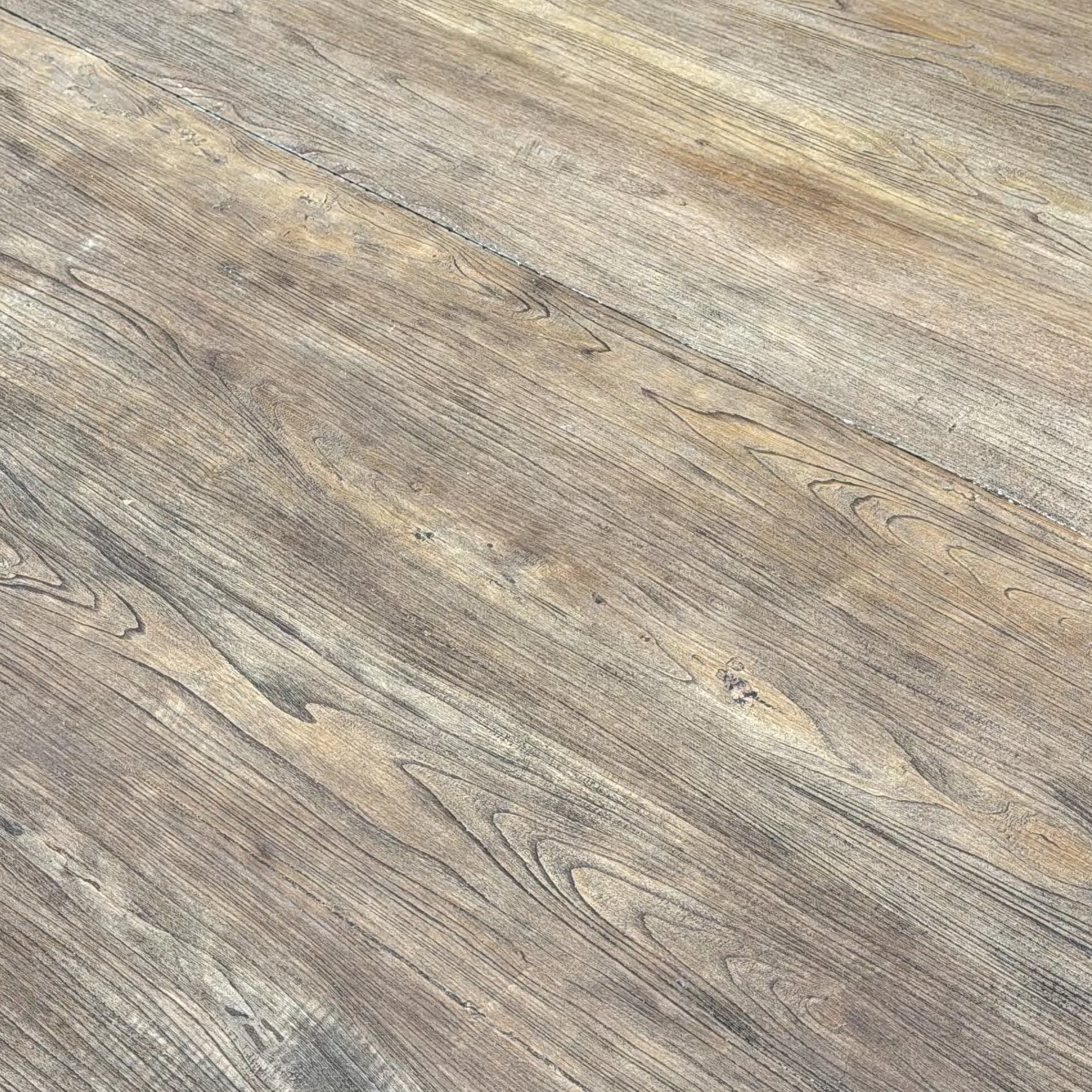
We've talked about the science, but let's put wood grain board up against some common building materials to see how it stacks up. After all, choosing a material isn't just about insulation—it's about cost, looks, and practicality too. Let's compare wood grain board with three popular options: fair-faced concrete, travertine, and standard concrete board.
| Material | Thermal Conductivity (W/m·K) | R-Value (per inch) | Aesthetic Appeal | Durability | Installation Ease |
|---|---|---|---|---|---|
| Wood Grain Board | 0.1–0.3 | 2.0–3.0 | Warm, natural wood look; versatile finishes | Resistant to warping, rotting, termites | Lightweight; can be cut with standard tools |
| Fair-Faced Concrete | 1.5–2.0 | 0.1–0.2 | Industrial, sleek, modern | Highly durable; fire-resistant | Heavy; requires professional installation |
| Travertine | 1.0–1.5 | 0.2–0.3 | Unique veining; natural, earthy elegance | Porous; prone to staining without sealing | Heavy; requires careful cutting and sealing |
| Concrete Board | 0.8–1.2 | 0.3–0.4 | Plain, utilitarian; often needs finishing | Water-resistant; durable | Heavy; may crack if not installed properly |
The numbers speak for themselves. Wood grain board blows the competition out of the water when it comes to insulation. But it's not just about performance—it's about livability. Fair-faced concrete might look cool in a loft apartment, but try sitting next to a concrete wall in winter. It'll suck the heat right out of you. Travertine is stunning in a bathroom or kitchen, but its porous nature means it's not ideal for exterior walls in harsh climates. And concrete board? It's functional but lacks personality. Wood grain board, on the other hand, brings warmth to a space. Imagine walking into a living room with wood grain board walls—they feel inviting, like a hug from your favorite cabin. It's the kind of material that makes a house feel like a home, not a sterile box. And because it's lightweight, it's easier (and cheaper) to install than concrete or stone. No need for heavy machinery or specialized labor—just standard tools and a little know-how. For builders, that means faster project timelines and lower labor costs. For homeowners, it means less disruption during renovations. It's a win-win.
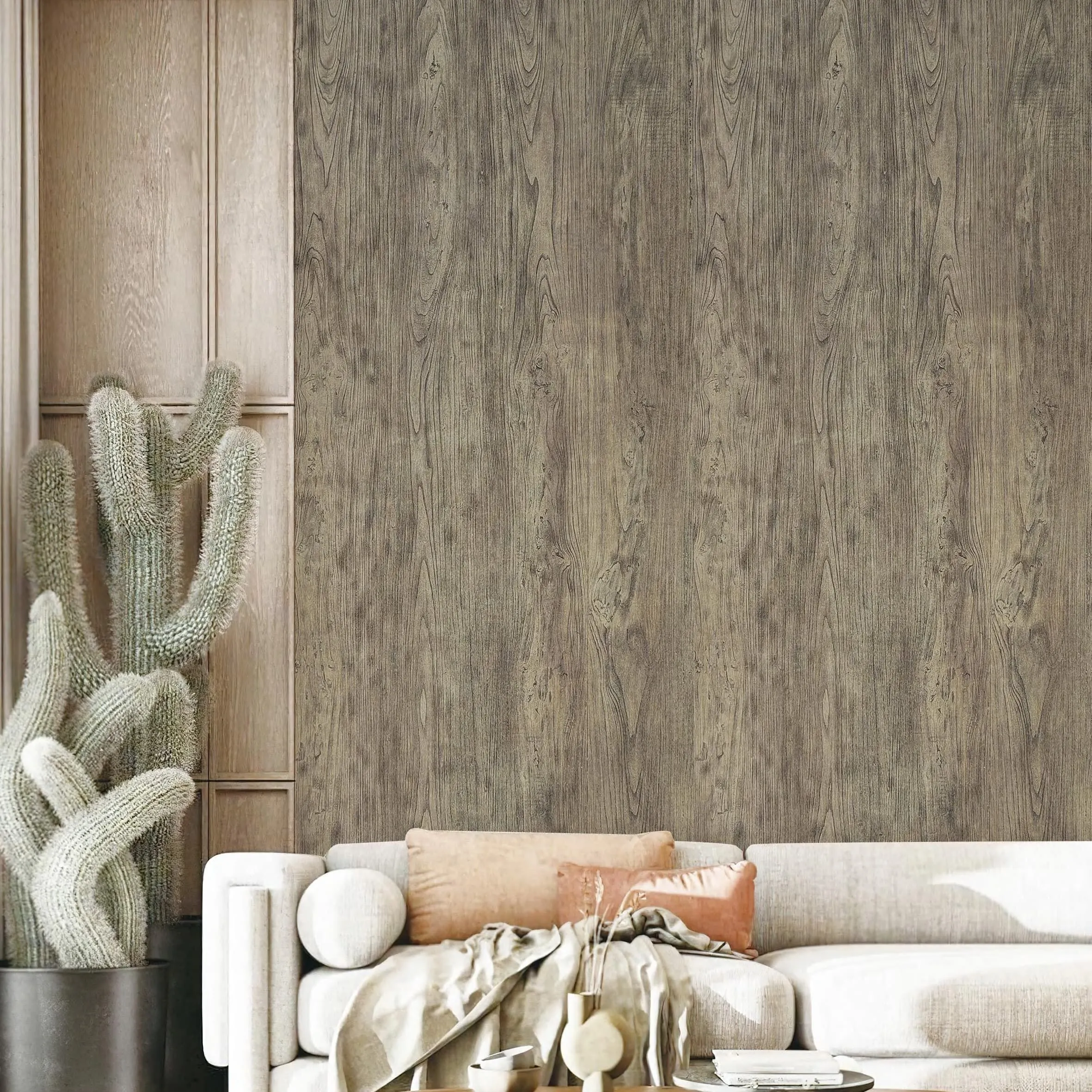
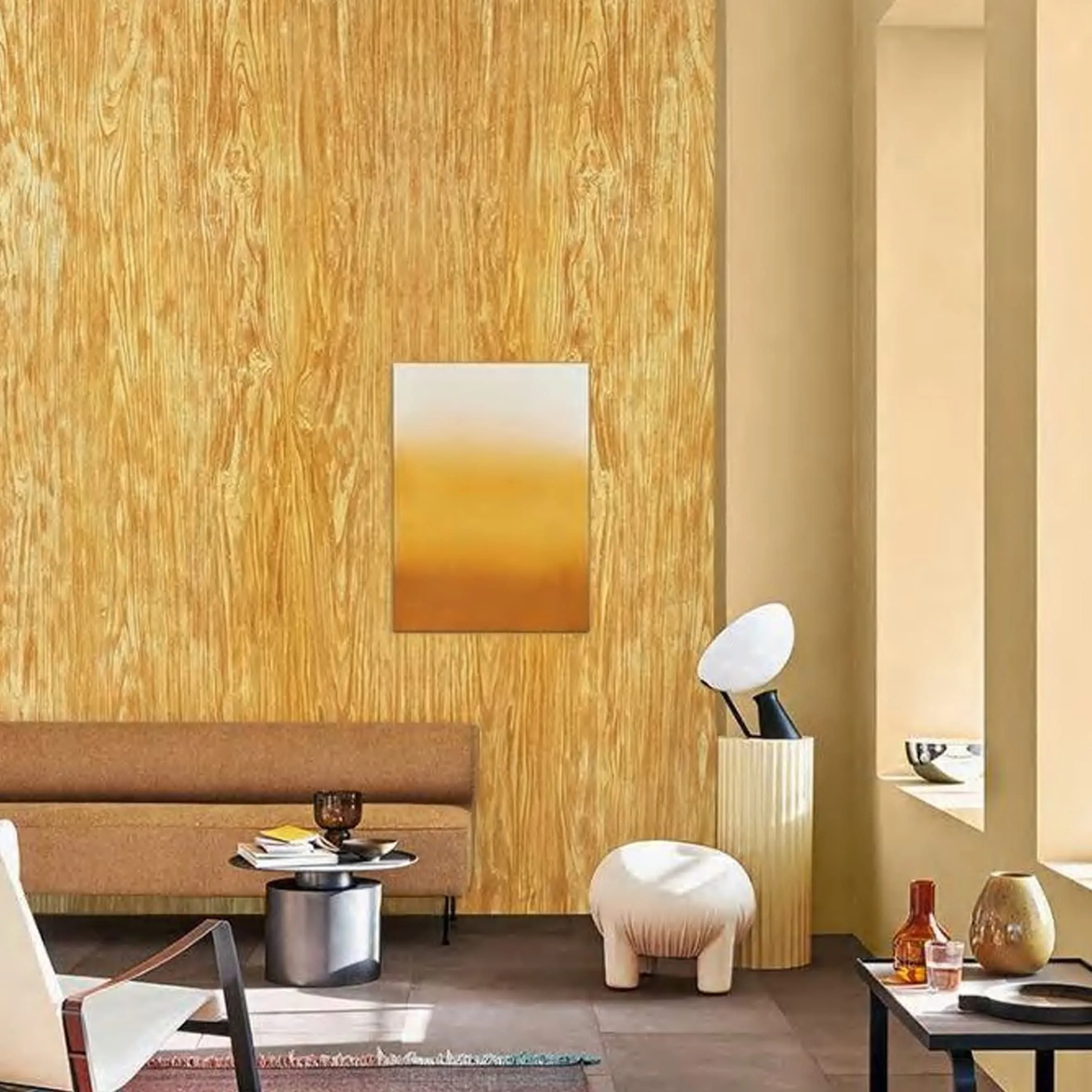
Let's be honest—we don't just build homes to be efficient; we build them to be beautiful. A house with great insulation but zero charm is just a well-sealed box. Wood grain board gets this, which is why it's designed to be both functional and eye-catching. Let's start with the looks. Whether you prefer the light, airy vibe of pine, the rich depth of mahogany, or the weathered charm of reclaimed wood, wood grain board has a finish for you. Manufacturers use advanced printing techniques to mimic the natural grain, knots, and textures of real wood—so much so that guests might do a double-take and ask, "Is this real wood?" Spoiler: It's not, but it looks (and feels) just as good. And unlike real wood, which fades or warps with moisture, wood grain board holds its color and shape. No more unsightly cracks or peeling paint. It's also low maintenance—just a quick wipe with a damp cloth, and it's good as new. No need for sanding, staining, or sealing every few years. But the perks don't stop there. Wood grain board is surprisingly versatile. Want to add texture to a feature wall? Go for a distressed finish. Building a modern kitchen backsplash? Opt for a smooth, sleek wood grain. Installing it on the ceiling? It can dampen sound, making rooms quieter (goodbye, echoing hallways!). Exterior cladding? Many wood grain boards are treated to resist UV rays, rain, and snow, so they'll look fresh for years. And here's a bonus for eco-conscious folks: Many wood grain boards are made from recycled wood fibers and low-VOC (volatile organic compound) binders, making them a greener choice than solid wood (which contributes to deforestation) or concrete (which has a high carbon footprint). By choosing wood grain board, you're not just saving on energy bills—you're doing your part for the planet too.
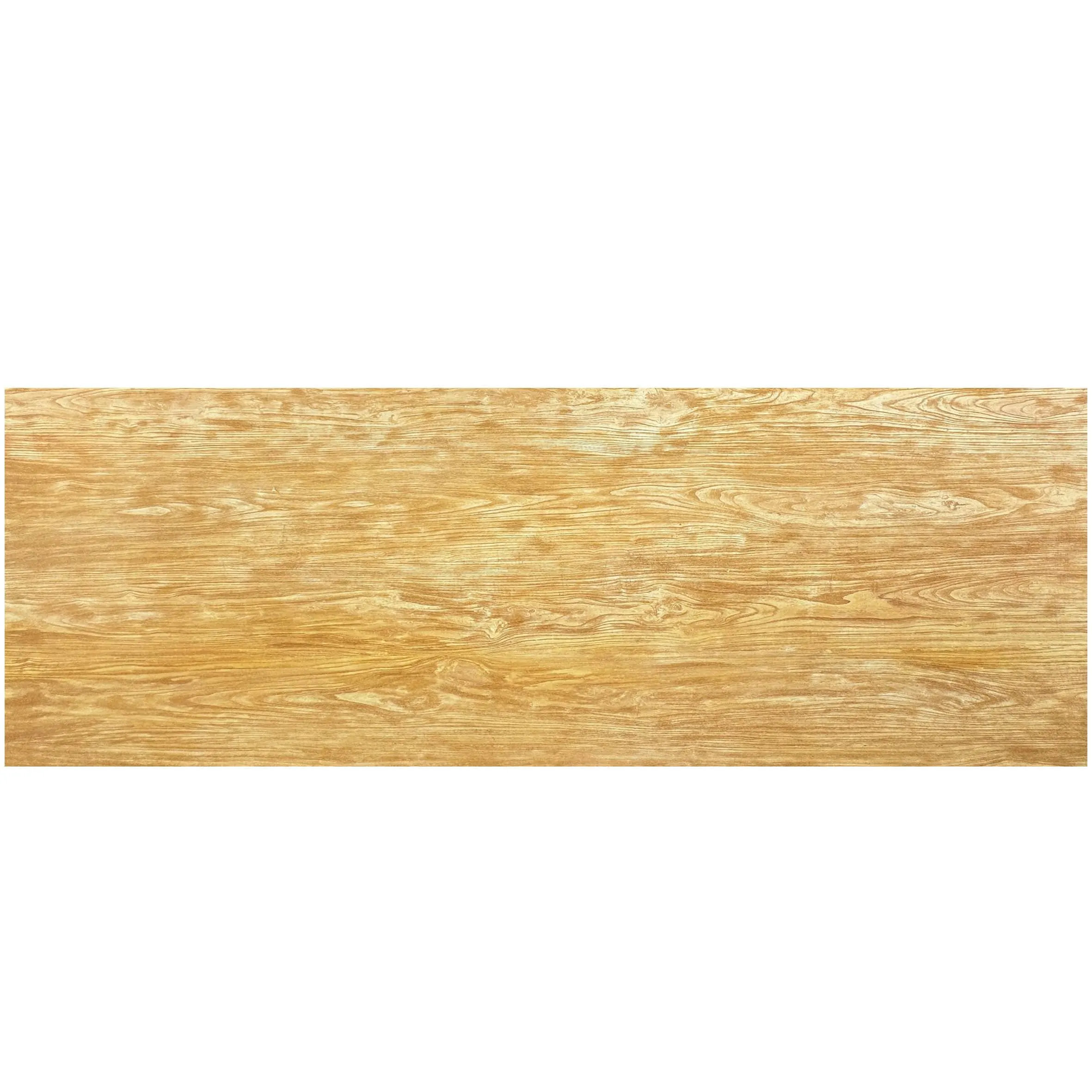
Wood grain board isn't a one-trick pony. It's flexible enough to work in just about every part of a building, from the basement to the roof. Let's explore some common applications:
Residential Spaces:
Imagine walking into a bedroom with wood grain board walls. The warm tones make the room feel cozy, and the insulation keeps it at the perfect temperature year-round. Or a home office with wood grain board ceilings that absorb sound, so your Zoom calls aren't interrupted by kids yelling downstairs. Flooring? Wood grain board is durable enough to handle foot traffic, pets, and even the occasional spilled coffee. It's softer underfoot than concrete or stone, making it ideal for bedrooms or living rooms.
Commercial Buildings:
Offices, restaurants, and retail stores can benefit too. A restaurant with wood grain board walls feels more welcoming than one with cold concrete, encouraging customers to stay longer (and spend more). An office with insulated walls means employees are more comfortable, which boosts productivity. Retail spaces? Wood grain board adds a touch of luxury, making products look more appealing.
Exterior Cladding:
Your home's exterior takes a beating from the elements. Wood grain board cladding acts as a shield, protecting the structure from rain, wind, and UV rays while insulating the interior. Plus, it comes in finishes that complement any architectural style—from modern to traditional.
Renovations:
If you're updating an older home, wood grain board is a godsend. It can be installed over existing walls (with minimal prep work) to add insulation without tearing everything down. No more messy, expensive gut renovations—just a quick upgrade that makes a world of difference. Even niche spaces like garages, attics, or basements can benefit. A garage with wood grain board walls stays warmer in winter, so your car starts easier and your tools don't rust. An attic insulated with wood grain board becomes usable space—think home gym, playroom, or guest bedroom—instead of a dusty, drafty storage area. The possibilities are endless.
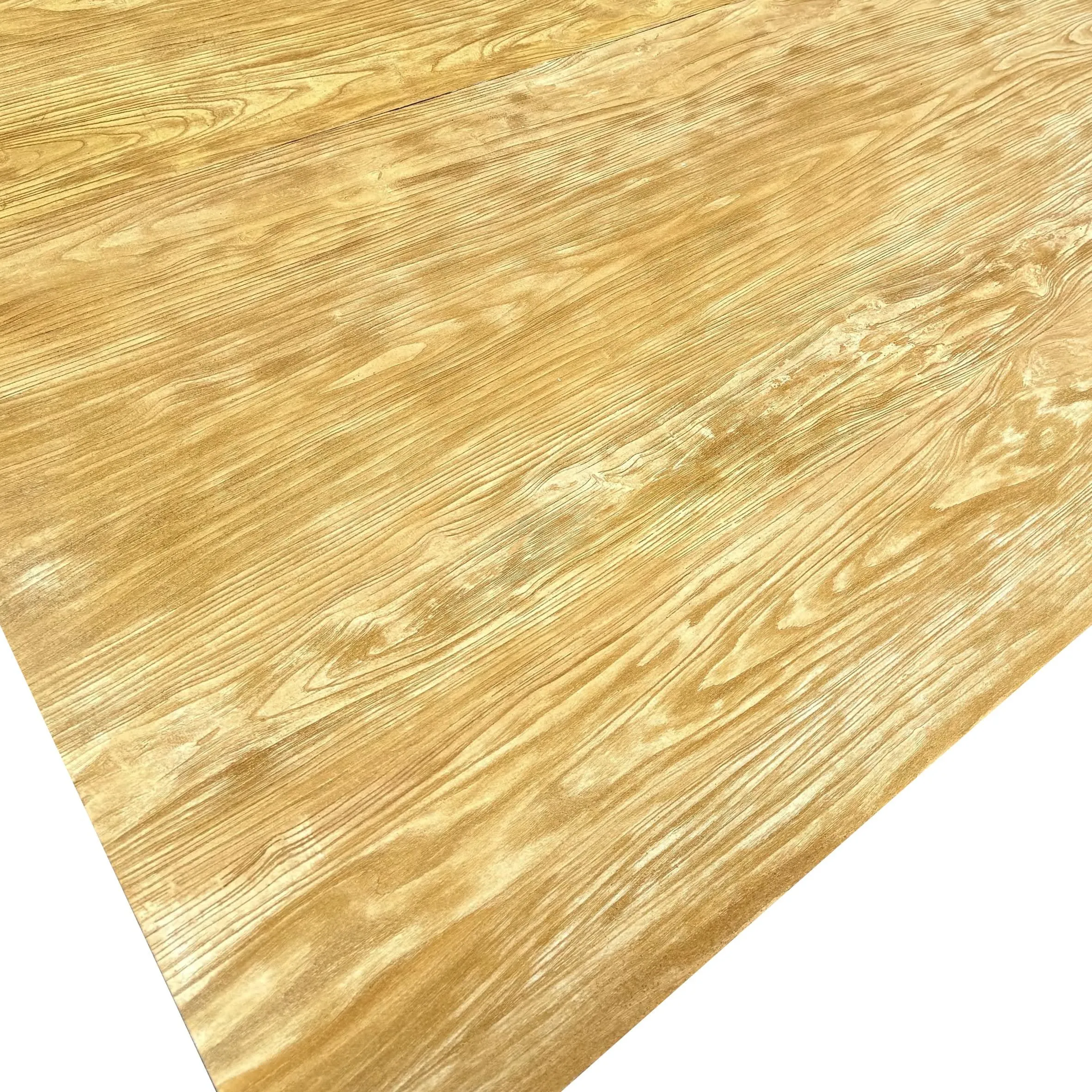
Numbers and specs are great, but nothing beats real-world examples. Let's look at a few hypothetical (but realistic) scenarios to see how wood grain board can transform energy bills.
The Smith Family's Winter Warm-Up:
The Smiths live in a 1,800-square-foot home in Chicago, where winters are brutal. Their 1950s bungalow had original plaster walls with zero insulation, so their heating bill averaged $350/month in winter. Last year, they renovated their main living area, installing wood grain board on the exterior walls. This winter? Their heating bill dropped to $245/month—a 30% savings. "We used to have to crank the thermostat to 72°F just to feel warm," Mrs. Smith says. "Now we keep it at 68°F, and the house feels cozier than ever. Plus, the wood grain walls make the living room feel so much more inviting."
GreenTech Office's Summer Cool Down:
GreenTech, a tech startup in Phoenix, Arizona, moved into a new office space with fair-faced concrete walls. In summer, the AC ran nonstop, costing $500/month in electricity. They added wood grain board to the interior walls and ceiling. Three months later, their AC usage dropped by 25%, saving them $125/month. "Our employees used to complain about being too hot or too cold," says the office manager. "Now the temperature is consistent, and people are more focused. Plus, the wood grain walls make the space feel less industrial—everyone loves it."
The Community Center's Budget Boost:
A small town in Oregon runs a community center with a gym, classrooms, and a kitchen. Their annual energy bill was $12,000, eating into funds that could go toward programs. They installed wood grain board on the gym walls and ceiling. A year later, their energy bill was $9,000—a $3,000 savings. "That $3,000 let us add two more after-school programs," says the center director. "It's not just about saving money; it's about what that money can do for our community."
These stories aren't outliers. Studies have shown that upgrading insulation with materials like wood grain board can reduce heating and cooling costs by 20–40%, depending on the climate and building type. Over time, those savings add up—enough to pay for the initial installation and then some. It's an investment that keeps on giving.
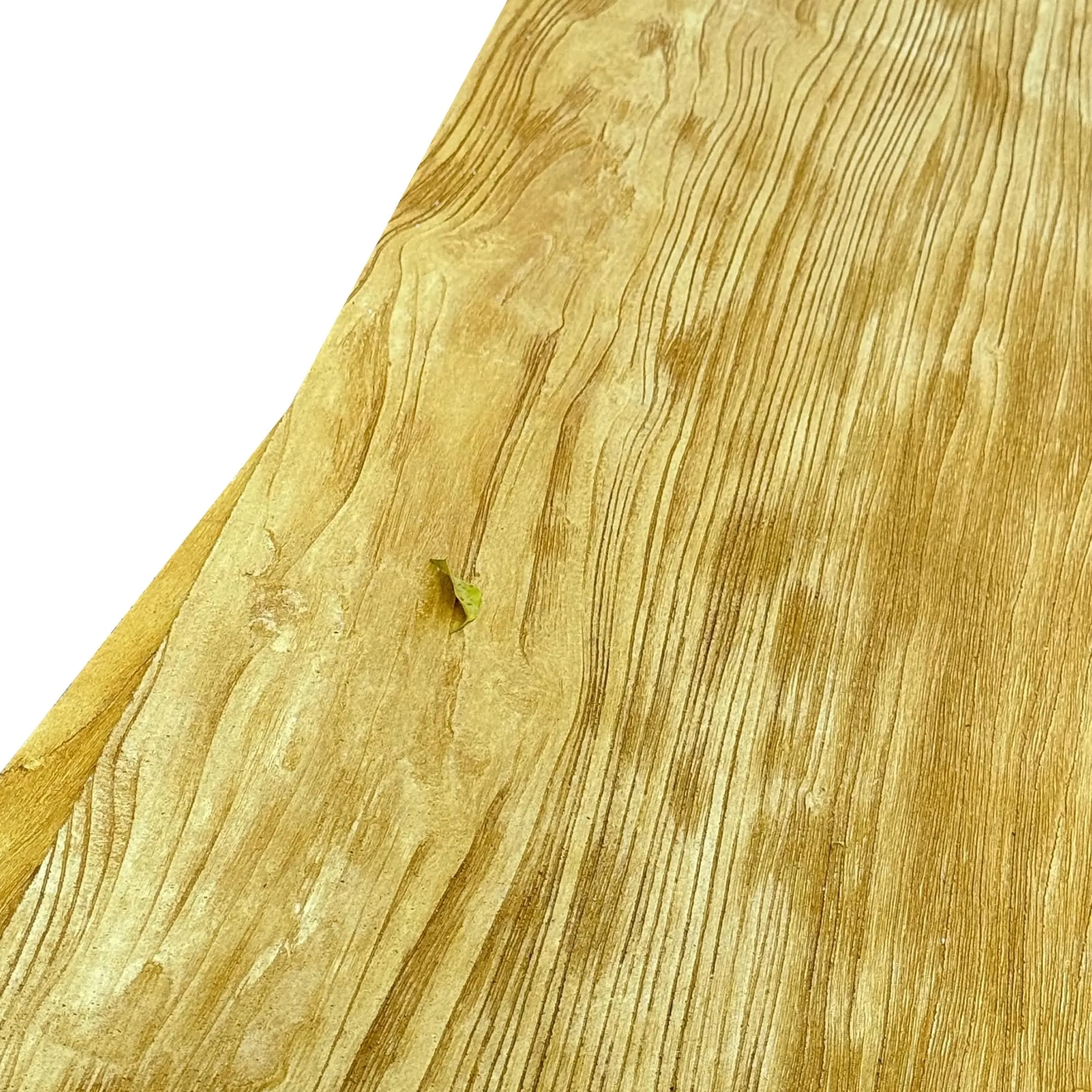
So you're sold on wood grain board—now what? Here are a few tips to help you choose the right product for your project:
Thickness Matters:
Thicker boards have higher R-values, so opt for thicker options (like 1–2 inches) for exterior walls or cold climates. Thinner boards (0.5–1 inch) work well for interior walls or warm climates.
Check the Rating:
Look for products with a thermal conductivity rating below 0.3 W/m·K and an R-value of at least 2.0 per inch. Reputable manufacturers will list these specs on their websites.
Finish and Style:
Think about your design vision. Do you want a smooth finish or a textured one? Light wood or dark? Many companies offer samples, so order a few to see how they look in your space (lighting can change the appearance!).
Installation Requirements:
Some wood grain boards are designed to be glued, nailed, or clicked together (like flooring). Make sure you have the right tools and follow the manufacturer's instructions. If you're not handy, hire a professional installer—poor installation can reduce insulation performance.
Environmental Certifications:
If sustainability is a priority, look for boards certified by organizations like the Forest Stewardship Council (FSC) or GREENGUARD (for low chemical emissions).
Warranty:
A good warranty (5–10 years) is a sign of quality. It shows the manufacturer stands behind their product.
And remember: Wood grain board works best when combined with other insulation strategies. For example, pairing it with weatherstripping on windows or attic insulation can maximize energy savings. Think of it as part of a team effort—every little bit helps.
As we face the challenges of climate change and rising energy costs, insulation isn't just a "nice-to-have"—it's a necessity. Governments around the world are tightening energy efficiency regulations. In the EU, for example, new buildings must be "nearly zero-energy" by 2030. In the U.S., many states offer tax incentives for energy-efficient home improvements. Builders who ignore insulation risk falling behind, while those who embrace materials like wood grain board will have a competitive edge. But it's not just about regulations. Consumers are demanding more. Homebuyers now ask about R-values and energy bills before they ask about square footage. Renters are willing to pay more for apartments with good insulation. Businesses know that comfortable employees are productive employees, and customers stay longer in cozy spaces. Wood grain board is perfectly positioned to meet this demand. It's efficient, affordable, stylish, and sustainable—checking all the boxes for the modern builder and homeowner. And as technology improves, we can expect even better versions: higher R-values, more realistic finishes, and even smarter features (like built-in moisture resistance or fire retardancy). The future of building isn't just about bricks and mortar—it's about creating spaces that are kind to our wallets, our planet, and our well-being. Wood grain board is leading the way.
Let's circle back to that cold winter morning we started with. Imagine waking up, stepping out of bed, and not feeling a chill. Walking into your living room and not reaching for a blanket. Checking your energy bill and smiling instead of cringing. That's the promise of wood grain board. It's more than just a building material—it's a way to transform houses into homes, offices into sanctuaries, and communities into more sustainable places. It's proof that efficiency and beauty don't have to be mutually exclusive. So whether you're building a new home, renovating an old one, or just looking to cut down on energy costs, consider wood grain board. Your wallet, your comfort, and the planet will thank you. After all, a warm, cozy space isn't a luxury—it's a necessity. And with wood grain board, it's within reach.
Recommend Products












