
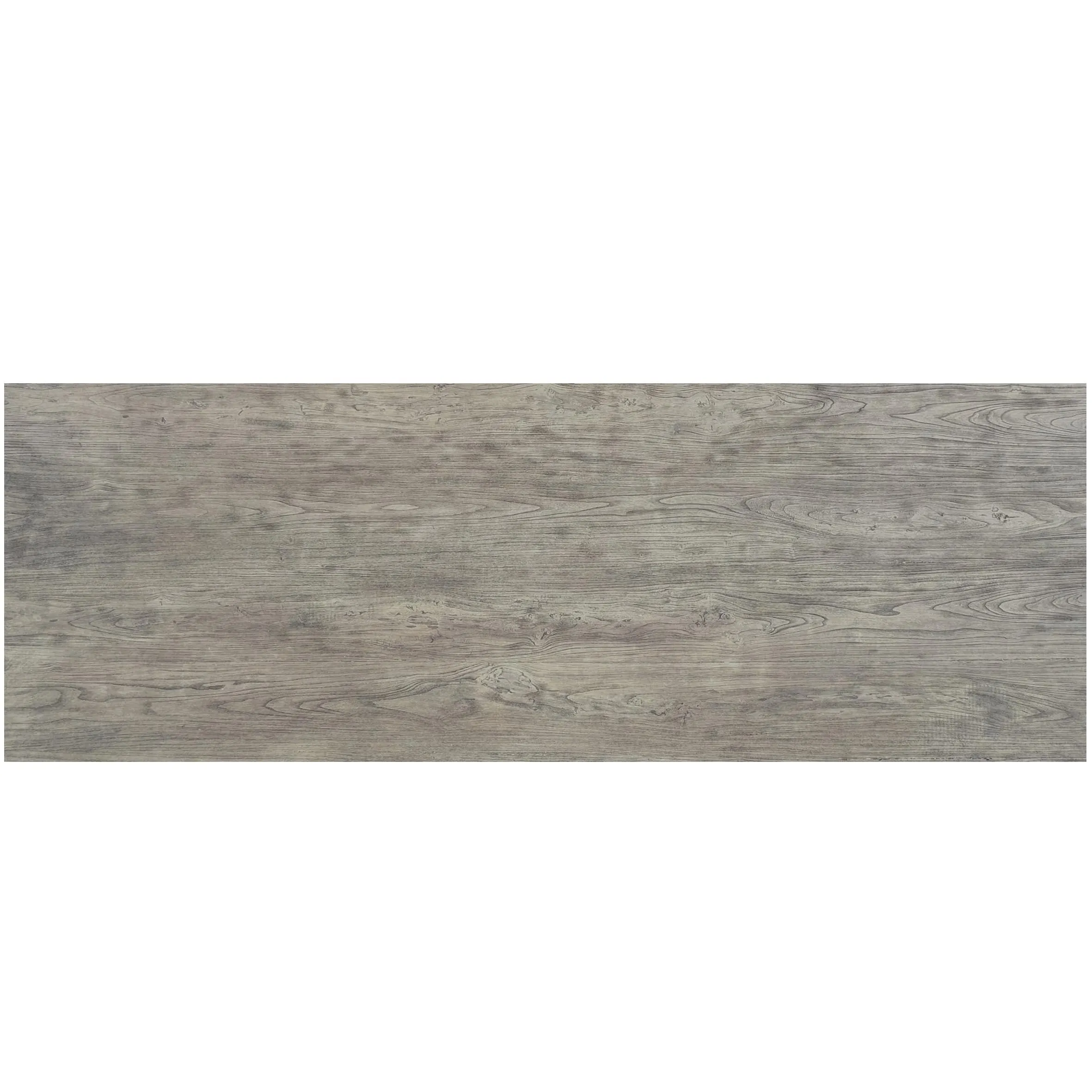
Let's talk about sunlight—the thing that turns a ordinary patio into a warm gathering spot, that makes a café terrace feel alive, that turns a beach house porch into a slice of paradise. But here's the catch: that same sunlight can be brutal on building materials. If you've ever owned a wooden deck or painted siding, you know the drill. Within a year, maybe two, the color fades. The rich browns turn to washed-out grays, the vibrant reds dull to pinkish hues. It's frustrating, not just because it looks bad, but because it feels like a waste of time and money. You want your space to stay as inviting as the day you designed it, right? That's where wood grain board comes in—and its UV resistance might just be the game-changer you've been looking for.
Sunlight isn't just light—it's a mix of visible rays, heat, and ultraviolet (UV) radiation. Those UV rays are the silent culprits behind fading. They break down the chemical bonds in pigments and materials, causing colors to oxidize and lose their vibrancy. For exterior materials, this isn't a one-time problem; it's a slow, steady erosion. Imagine a travertine wall in Arizona, where the sun blazes 300 days a year. Without UV protection, that beautiful stone could start looking chalky and worn in just a few seasons. Or a rammed earth board facade in Texas—its earthy tones might fade to a flat, lifeless shade, stripping the building of its character.
But UV damage isn't just about looks. When materials fade, they often become more brittle. Paint cracks, wood splinters, stone weakens. Suddenly, you're not just repainting—you're repairing. And that adds up. For homeowners, it means weekends spent sanding and staining instead of relaxing. For businesses, it means closing patios for maintenance, losing customers and revenue. UV resistance isn't a "nice-to-have" feature; it's a long-term investment in keeping your space functional and beautiful.
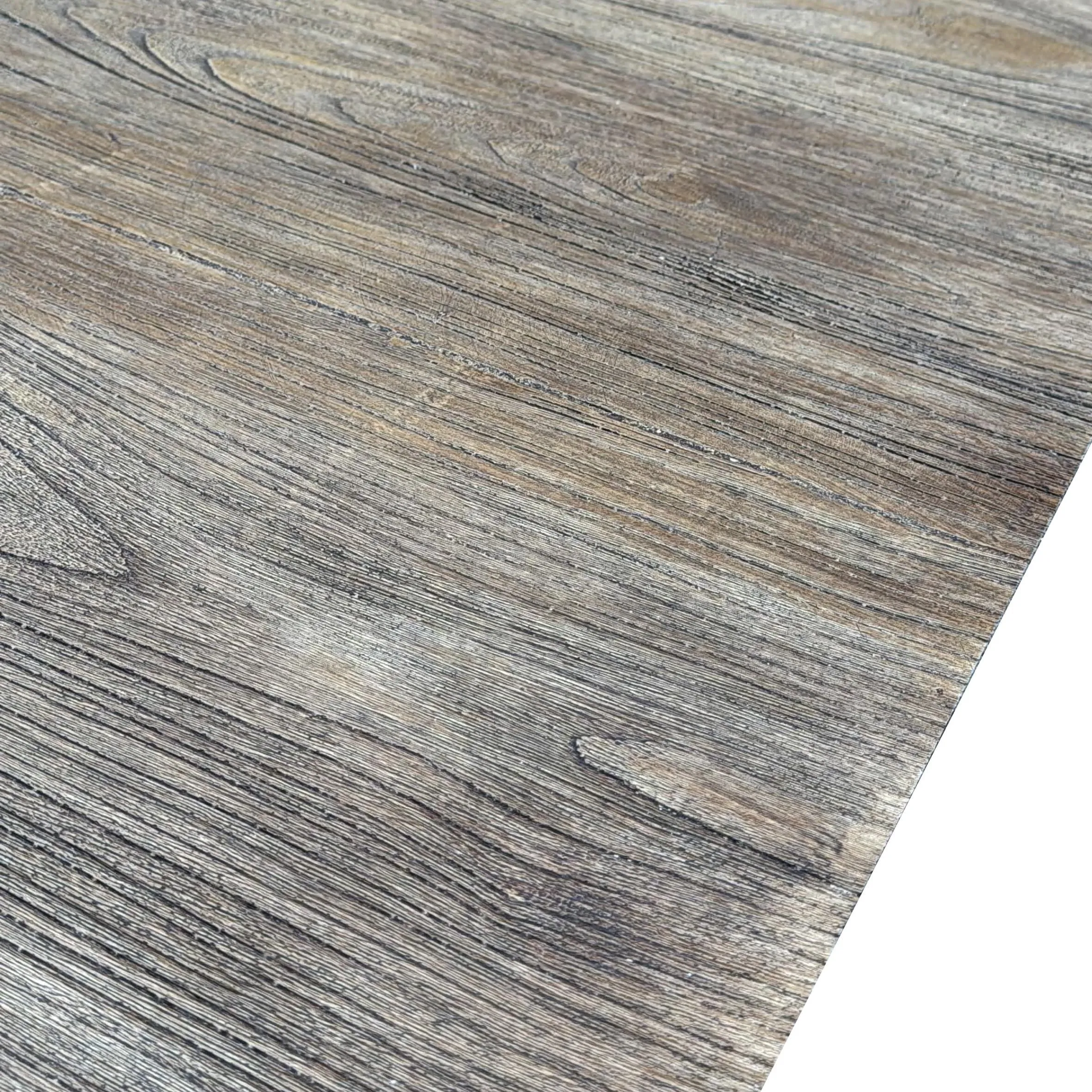
So, what makes wood grain board different? Let's start with the basics. Unlike solid wood, which is porous and prone to absorbing moisture (another enemy when paired with UV rays), wood grain board is typically made from a composite of wood fibers, resins, and additives—engineered specifically to resist the elements. But the real magic is in how it's treated for UV resistance.
Many wood grain boards come with a protective top layer, often infused with UV inhibitors or pigments that reflect rather than absorb UV rays. Think of it like a built-in sunscreen for your walls or deck. Some manufacturers even bake the color into the material itself, rather than just applying a surface coat. That means if the top layer gets a little worn (from foot traffic or weather), the color underneath is the same—no ugly, faded patches. Compare that to traditional wood, where the color is just on the surface, or even fair-faced concrete , which, while durable, can still discolor over time when exposed to constant sunlight and rain.
Take, for example, a homeowner in Miami who installed wood grain board on their pool deck. "We used to refinish our wooden deck every summer," they told me. "The Florida sun would bleach it out by June, and the rain would warp the boards. Now, with wood grain board? It's been three years, and it still looks like we just put it in. The warm, honey color hasn't faded a bit, even with the pool chemicals and daily sun. We actually spend time using our deck now, not fixing it." That's the difference UV resistance makes—it turns maintenance headaches into peace of mind.
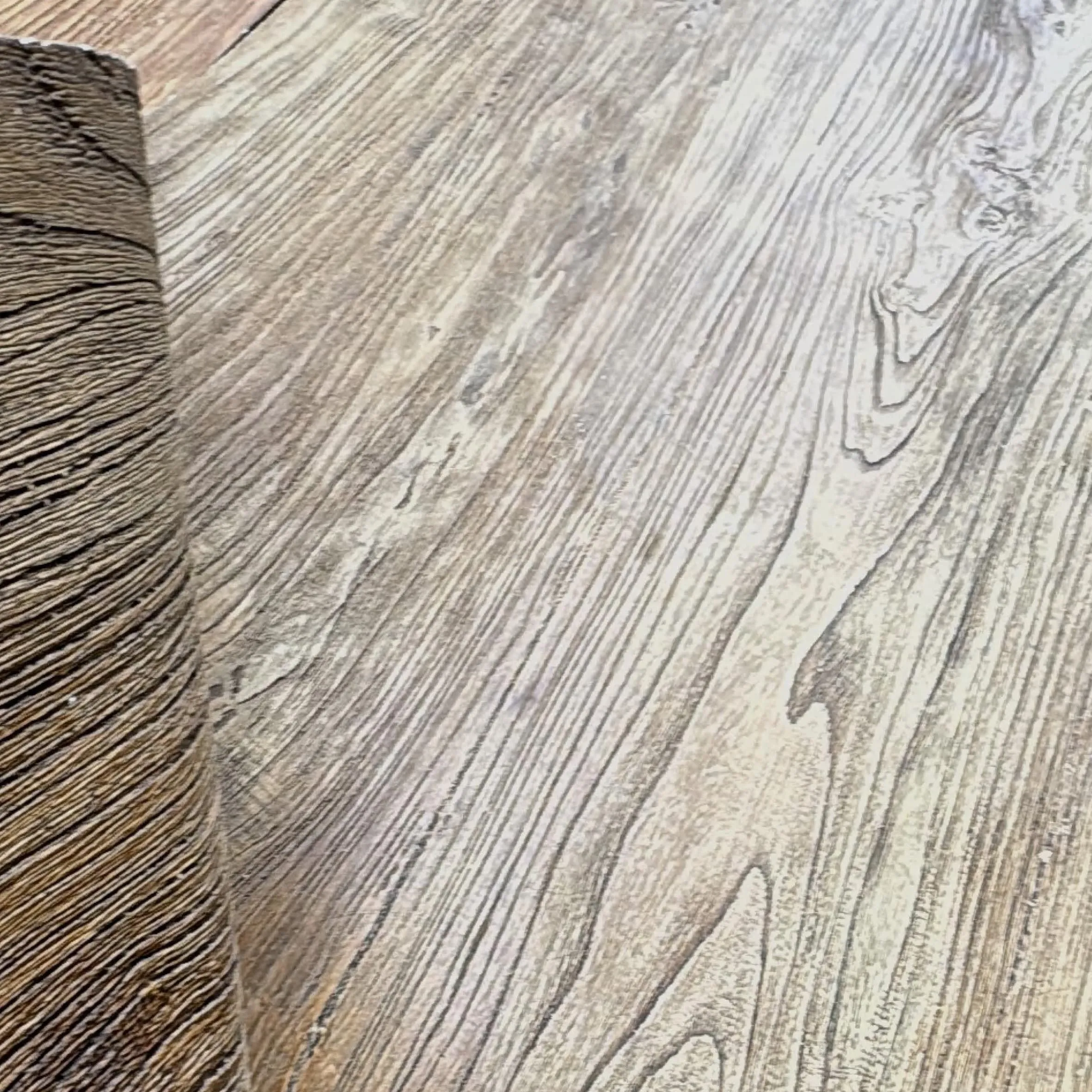
Wood grain board isn't the only option out there, of course. Let's break down how it compares to other popular materials when it comes to UV resistance, durability, and that all-important "feel" of a space.
| Material | UV Resistance | Durability | Aesthetic Appeal | Best For |
|---|---|---|---|---|
| Wood Grain Board | High (5-10 years without significant fading) | Resists warping, cracking, and moisture | Warm, natural wood look; variety of finishes | Decks, patios, exterior walls, furniture |
| Fair-Faced Concrete | Moderate (may develop discoloration over time) | Extremely durable, but prone to staining | Modern, industrial vibe; limited color options | Large commercial buildings, minimalist homes |
| Flexible Stone | Moderate-Low (may fade in intense, direct sunlight) | Lightweight, but can chip if impacted | Natural stone texture; versatile for curves | Accent walls, indoor features, shaded exteriors |
| Travertine | Moderate (requires regular sealing to maintain color) | Durable but porous; stains easily | Elegant, timeless stone appearance | Pool surrounds, courtyard floors, classic facades |
| Rammed Earth Board | Low-Moderate (earthy tones fade without UV treatment) | Strong, but can erode with heavy rain/sun exposure | Organic, rustic charm; connects to nature | Eco-friendly homes, desert-inspired designs |
The standout here? Wood grain board balances the best of both worlds: the warmth of wood, the durability of engineered materials, and UV resistance that outperforms many natural options. It doesn't feel cold or industrial like fair-faced concrete, and it doesn't require the constant sealing that travertine or flexible stone might need. It's designed to look good and last—even when the sun is working overtime.
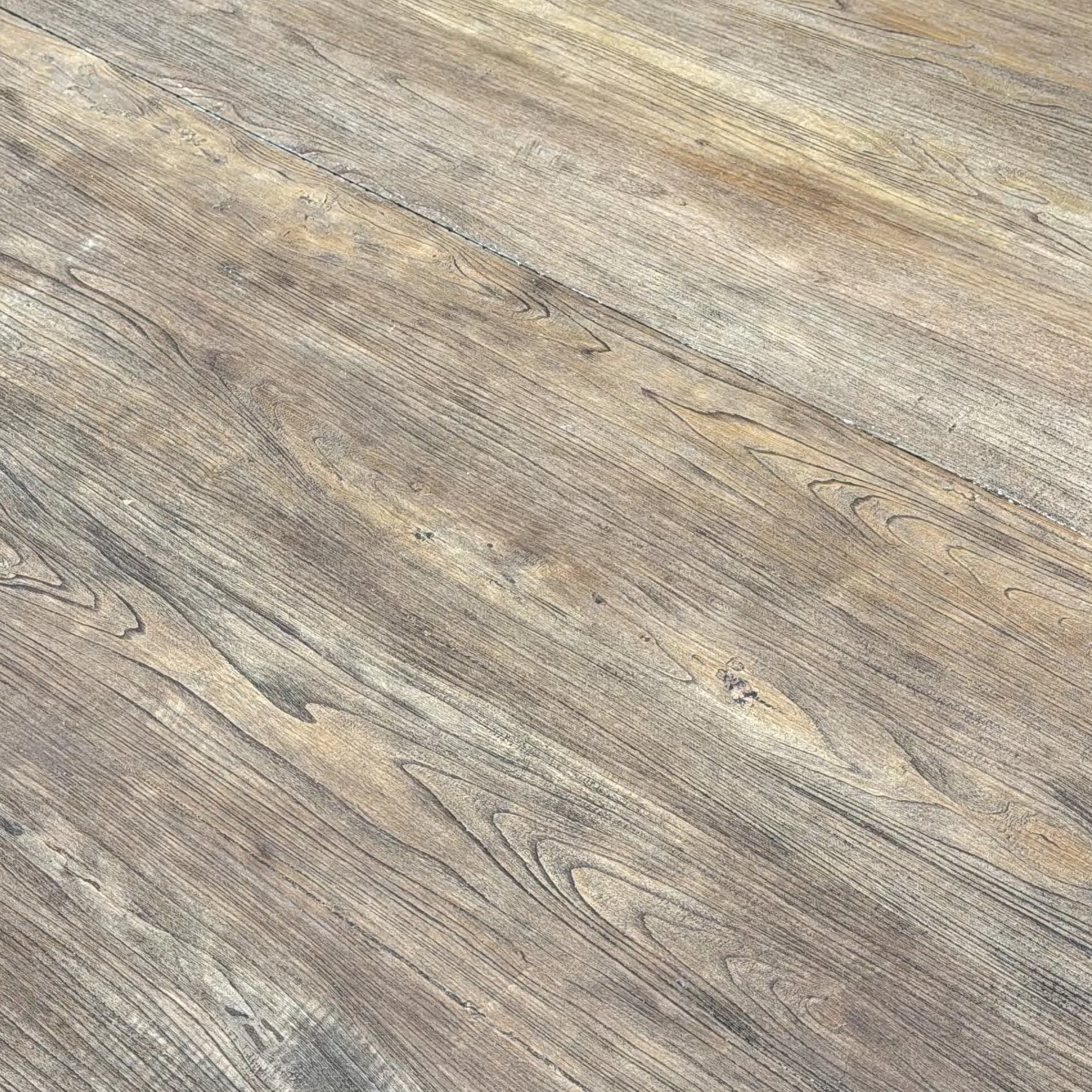
UV resistance is a star feature, but wood grain board has more going for it. Let's talk about versatility. Whether you're going for a coastal cottage vibe (think light, driftwood-inspired finishes) or a modern urban loft (rich, dark walnut tones), there's a wood grain board to match. Unlike natural wood, which is limited by tree species, wood grain board can mimic rare or expensive woods without the environmental impact. And because it's engineered, you get consistent color and texture—no knots or grain variations that might fade unevenly.
Then there's the maintenance factor. Remember that Miami homeowner? They mentioned not having to refinish their deck. That's because wood grain board doesn't need annual staining or painting. A quick hose-down with soap and water is usually all it takes to keep it looking fresh. Compare that to solid wood, which might need sanding, sealing, and re-staining every 1-2 years, or even flexible stone , which can require specialized cleaners to prevent discoloration. For busy families or businesses, that's a huge win—more time enjoying the space, less time maintaining it.
And let's not forget about moisture resistance. Sunlight often comes with rain, humidity, or pool splashes—all of which can damage materials. Wood grain board repels water, so you don't have to worry about rot, mold, or warping. That makes it perfect for coastal areas, where salt air and rain are constant, or for pool decks and outdoor kitchens, where spills are inevitable.
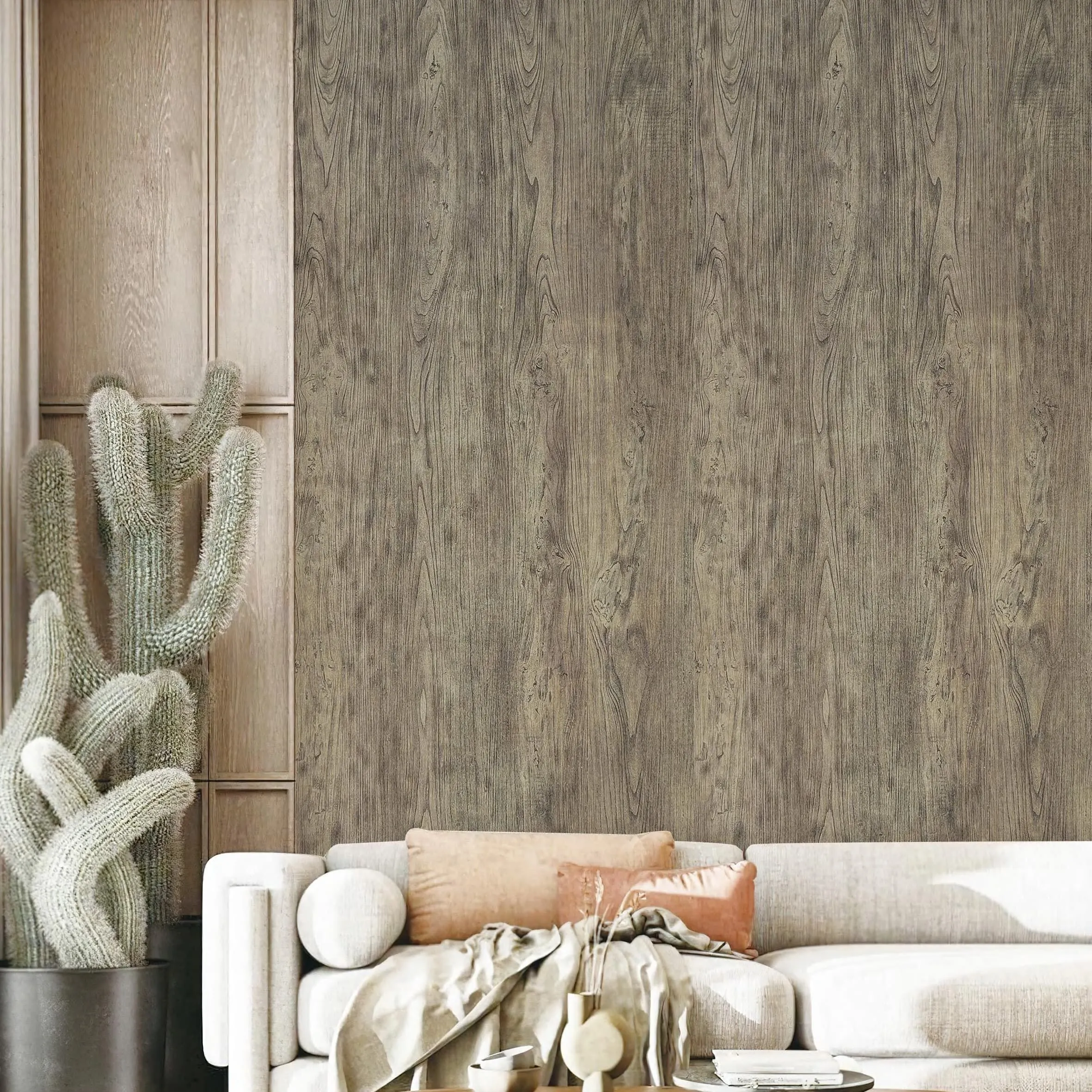
Let's get specific. Where does wood grain board really prove its worth? Think about spaces that see the most sun—and the most use.
Beach Homes: In places like (Sanya) or the Maldives, where the sun reflects off the ocean, UV exposure is off the charts. A wood grain board patio here stays looking crisp, even with saltwater and intense sunlight. No more faded, splintered wood that makes bare feet cringe.
Café Terraces: Imagine a bustling café in Barcelona, with a terrace that's packed from morning coffee to evening tapas. The wood grain board benches and tables don't fade, even with daily sun and spills. They stay warm and inviting, making customers want to linger.
Commercial Buildings: Office parks, retail stores, or hotels with exterior cladding. Wood grain board adds a touch of warmth to modern designs, and because it resists fading, the building's facade stays consistent—no patchy, worn areas that make the business look unkempt.
One architect I spoke with put it this way: "Clients want materials that tell a story. Wood grain board tells a story of durability and beauty. It says, 'We care about this space, and we want it to last.' In sunlit areas, that story gets told every day—without fading."
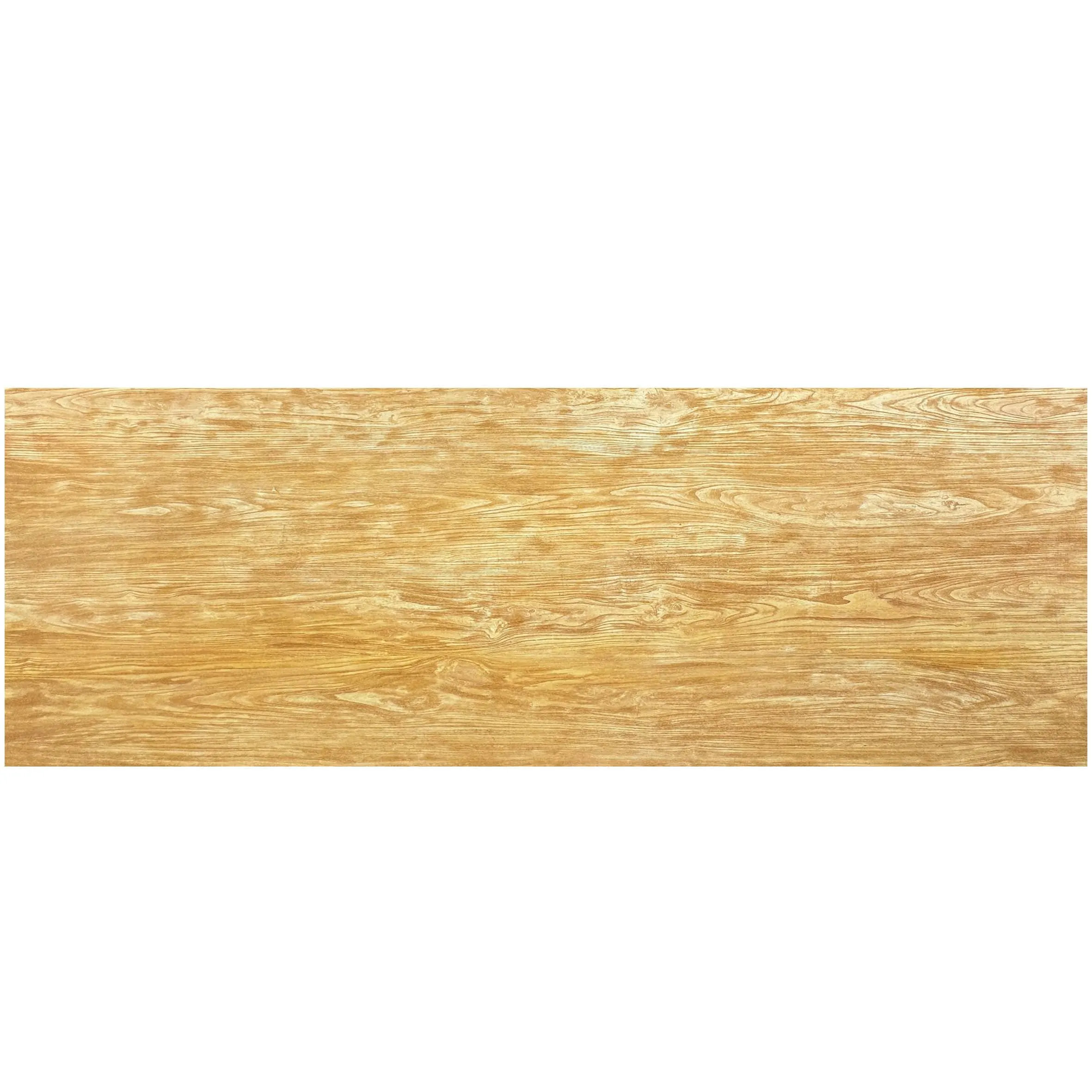
Not all wood grain boards are created equal, so it's important to look for a few key features when shopping. First, check the UV resistance rating. Some manufacturers will list how many years of UV exposure the board can handle without significant fading (look for 5-10 years as a baseline). Second, ask about the protective layer—does it have a UV-inhibiting coating, or is the color infused throughout the material? Infused color is better for long-term fade resistance.
Also, consider the finish. Do you want a smooth, modern look or a more textured, rustic feel? Wood grain board comes in everything from sleek, polished surfaces to rough-hewn, "hand-scraped" textures. And don't forget about color—from light oaks and pines to deep walnuts and mahoganies, there's a shade to match any design style. Some brands even offer custom colors, so you can get exactly the look you want.
At the end of the day, sunlight is a gift. It shouldn't be something we fear for our homes or businesses. Wood grain board isn't just a building material—it's a way to embrace the sun without sacrificing beauty or durability. It's for the homeowner who wants their deck to stay as warm and welcoming as their first summer there. It's for the designer who wants a material that can keep up with bold, sunlit visions. It's for anyone who's tired of watching their space fade away.
So, the next time you're planning a sunlit area—whether it's a tiny balcony or a sprawling commercial complex—think about more than just how it looks today. Think about how it will look in 5 years, 10 years. Think about the weekends you won't spend refinishing, the money you won't spend replacing. Think about wood grain board, and how its UV resistance can turn a temporary beauty into a lasting one. Because in the end, the best spaces aren't just designed for the moment—they're designed to endure.
Recommend Products












