
Step into any commercial building—whether it's a sleek corporate headquarters, a bustling hotel, or a trendy co-working space—and the first thing that greets you isn't just the reception desk or the artwork on the walls. It's the floor beneath your feet, the walls that frame the space, the materials that set the tone for the entire experience. A lobby isn't just a waiting area; it's a first impression, a silent storyteller that whispers, "This is who we are." And when it comes to crafting that story, few choices matter more than the materials we use. Today, we're diving into two heavyweights of lobby design: the warm, organic charm of wood grain board and the timeless, versatile appeal of ceramic tiles. Let's explore which one might be the perfect fit for your next project.
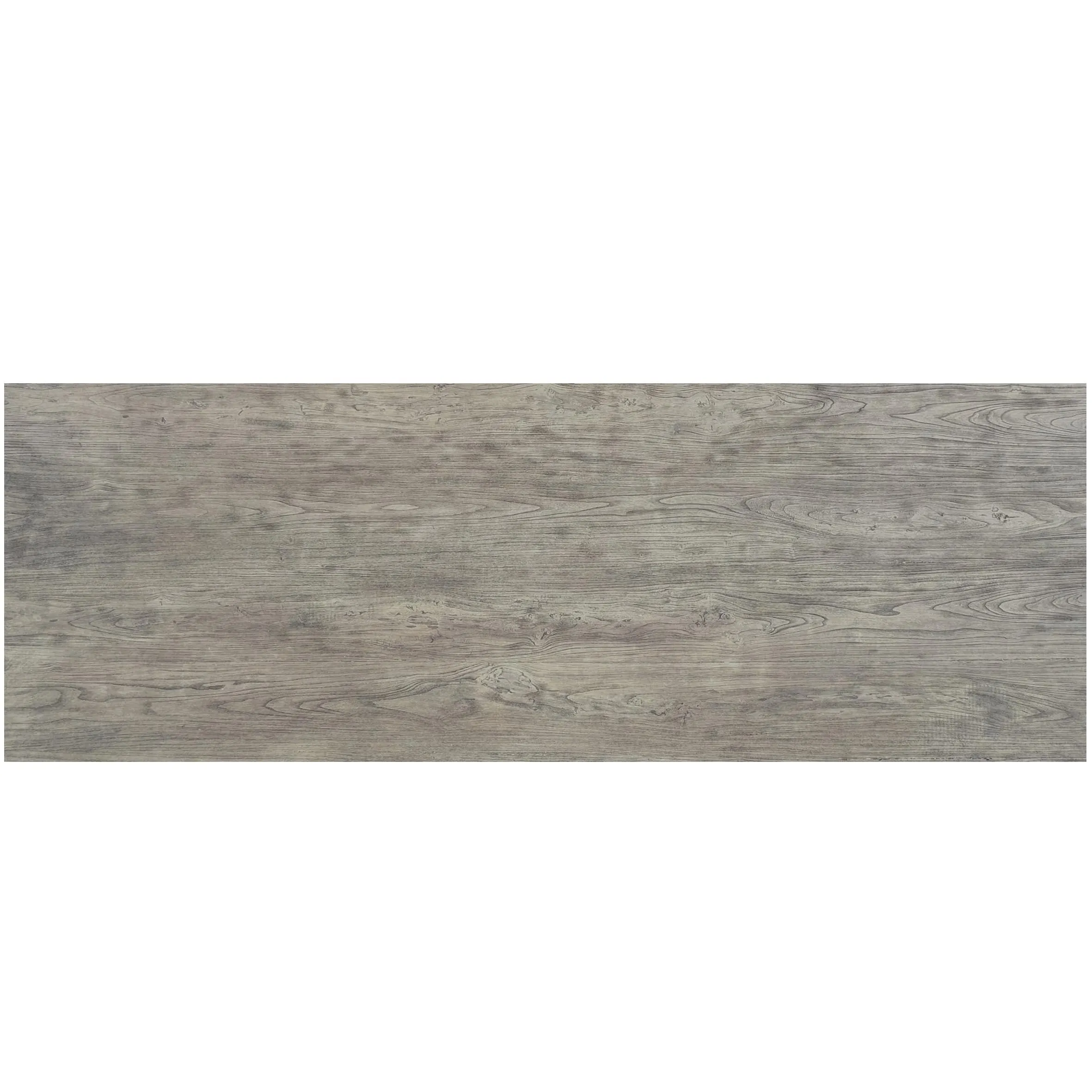
There's something inherently comforting about wood. It's the smell of a cabin in the woods, the creak of a well-loved floor, the way light dances off its grains. But traditional wood has its downsides—prone to scratches, warping, and water damage, it's not always practical for high-traffic commercial spaces. Enter wood grain board: a modern marvel that captures the beauty of wood while ditching the maintenance headaches. Think of it as nature's best qualities, reimagined for the demands of today's world.
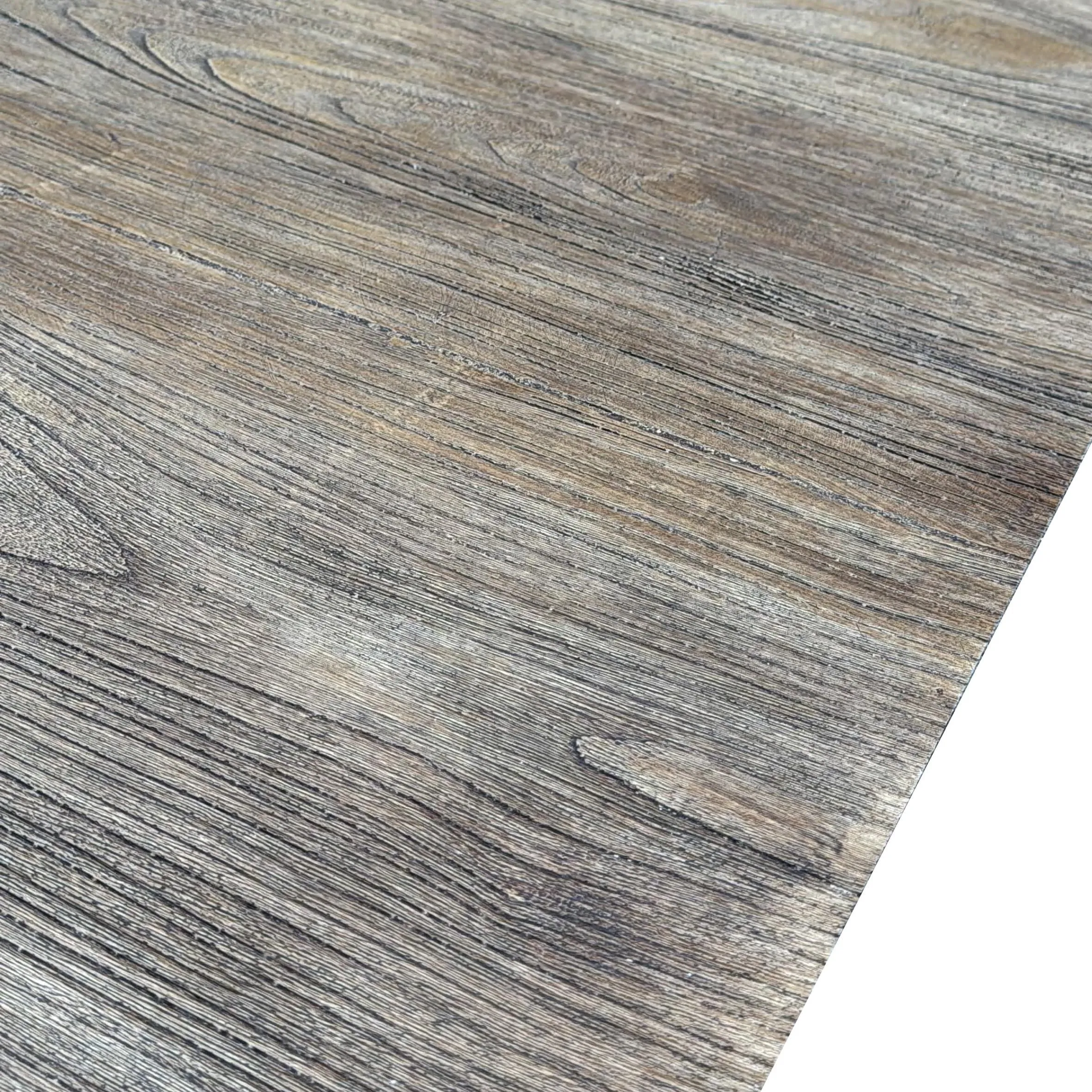
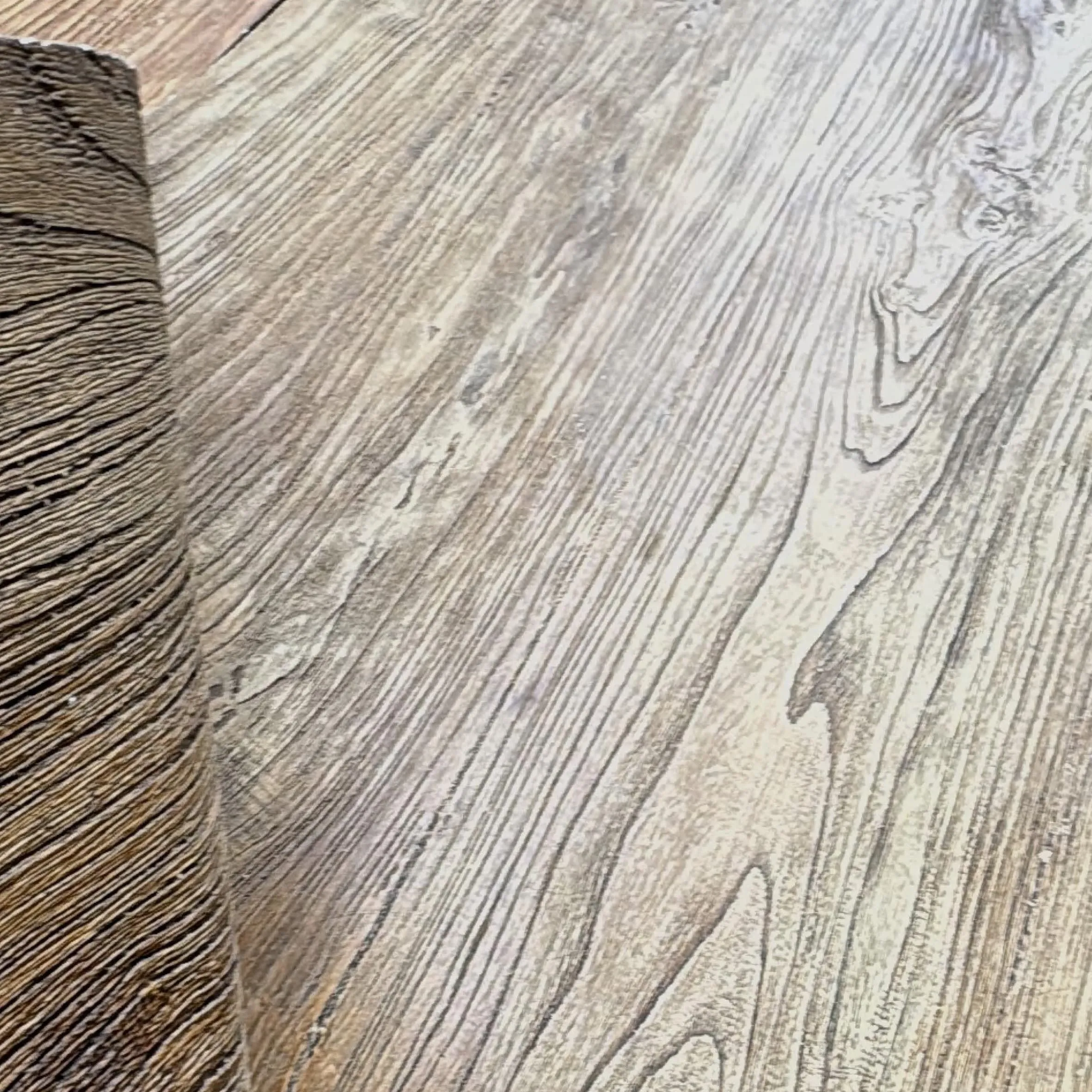
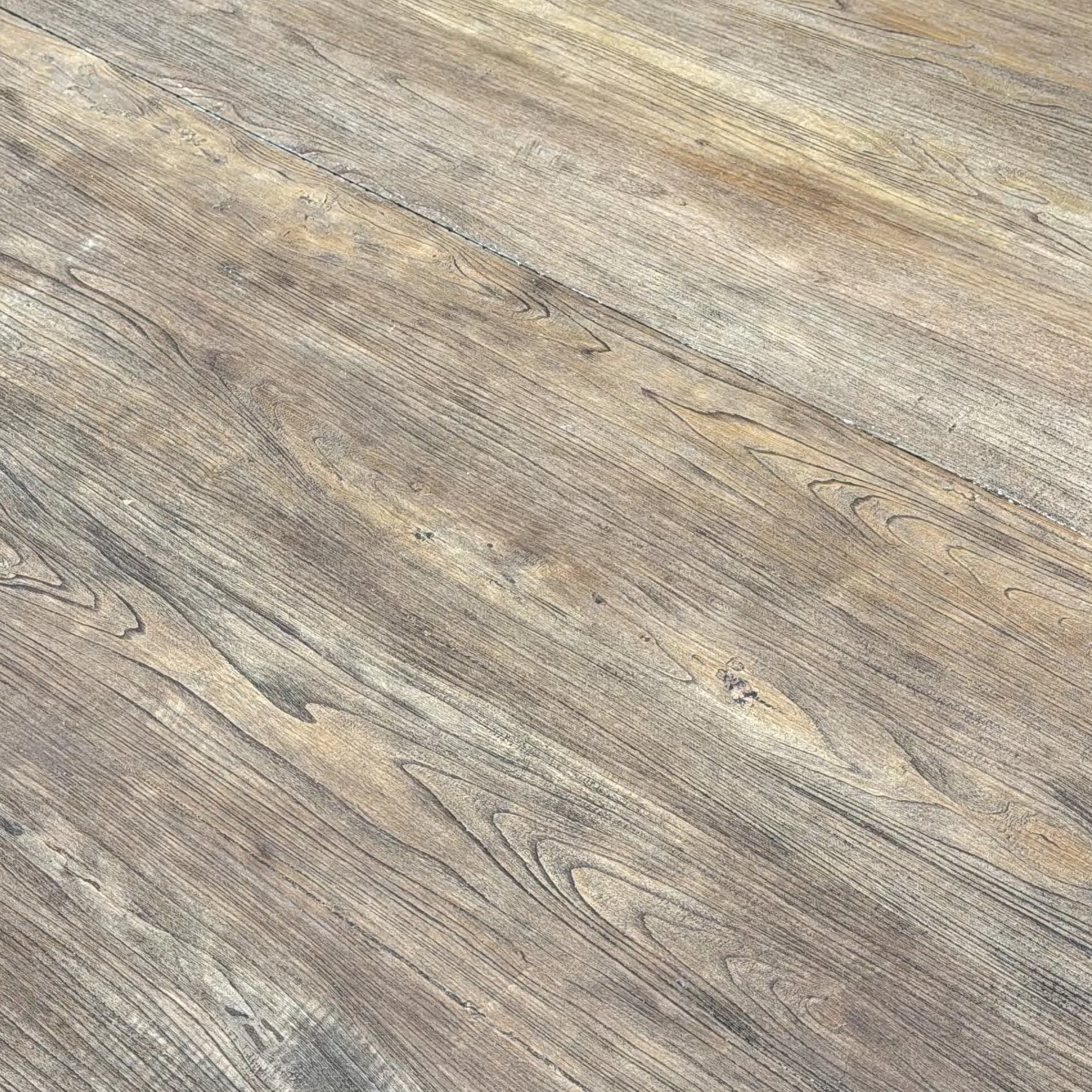
First, let's talk aesthetics. Wood grain board isn't just a "wood-look" material; it's a masterclass in realism. Thanks to advanced printing and texturing techniques, you'll find boards that mimic everything from oak and maple to reclaimed teak, complete with subtle knots, grain variations, and even the soft matte finish of aged wood. It's the kind of material that makes a lobby feel less like a sterile transit zone and more like a welcoming extension of the outdoors—warm, inviting, and full of character. Imagine a boutique hotel lobby where the walls and floors are clad in wood grain board, paired with soft lighting and potted plants; suddenly, even a hurried check-in feels like a moment of calm.
But wood grain board isn't just about looks. Durability is where it truly shines. Unlike solid wood, these boards are often engineered using composite materials or flexible stone (yes, flexible stone —a game-changer in modern construction that bends without breaking), making them resistant to dents, scratches, and moisture. Spills? No problem. Heavy foot traffic? It holds up. Even in lobbies that see thousands of visitors a day, wood grain board maintains its integrity, ensuring your space looks fresh for years to come. And because it's lightweight, installation is a breeze—no need for heavy machinery or weeks of construction delays. It's a material that respects both your design vision and your timeline.
Maintenance? Simple. A quick sweep or vacuum to remove dust, a damp mop with mild soap for spills, and you're done. No sanding, no staining, no refinishing—just more time to focus on the things that matter, like curating the perfect lobby experience. And let's not forget sustainability. Many wood grain boards are made from recycled materials or sourced from FSC-certified forests, making them a eco-friendly choice for businesses looking to reduce their carbon footprint. It's nature, but smarter.
Where does wood grain board work best? Think spaces that prioritize warmth and approachability: boutique hotels, co-working spaces, wellness centers, or corporate offices aiming for a "human-centric" vibe. It pairs beautifully with other natural materials like stone or plants, and it's versatile enough to complement both modern and rustic design themes. In short, it's the material for anyone who wants their lobby to feel less like a building and more like a feeling.
If wood grain board is the cozy storyteller, ceramic tiles are the chameleon of the design world. For decades, they've been a staple in commercial lobbies, and for good reason: they're durable, affordable, and come in a mind-boggling array of styles, colors, and textures. From the classic elegance of travertine (beige) to the sleek modernity of polished marble-look tiles, ceramic tiles can transform a lobby into just about any aesthetic you can imagine. They're the reliable workhorses—no frills, just results.
Let's start with variety. Walk into a tile showroom, and you'll be spoiled for choice. Want the look of masonry stone without the weight? There's a tile for that. Dreaming of a lobby that sparkles with the iridescence of marble? Tiles have you covered. Even bold patterns, geometric shapes, or custom designs are possible, thanks to digital printing technology. Ceramic tiles don't just fit into design themes—they elevate them. A corporate lobby with high-gloss black ceramic tiles and chrome accents feels sleek and professional; a museum lobby with earthy travertine (beige) tiles exudes timeless sophistication. The possibilities are nearly endless.
Durability is another feather in ceramic tiles' cap. Made from fired clay and glazed for protection, they're resistant to scratches, stains, and moisture—ideal for lobbies that see heavy foot traffic, spills, or even the occasional rogue coffee cup. Unlike wood, they don't fade in sunlight, and they're impervious to mold and mildew, making them a smart choice for humid climates or spaces with water features. In fact, some ceramic tiles are so tough, they're used in airports and shopping malls—testaments to their long-lasting performance.
Installation and maintenance are straightforward, too. Tiles are installed with mortar and grout, creating a solid, seamless surface that's easy to clean. A quick wipe with a tile cleaner, and they're good as new. However, grout lines can be a minor downside—they're prone to discoloration over time if not sealed properly. But with regular sealing (every 1-2 years), this is easily manageable. And when a tile does crack (a rare occurrence, but possible), it can be replaced individually, saving you the cost of redoing an entire floor or wall.
Cost-wise, ceramic tiles are often more budget-friendly than natural stone or high-end wood grain boards, making them a popular choice for large-scale projects. They're also energy-efficient: their hard, dense surface reflects light, reducing the need for artificial lighting, and they stay cool in warm weather, helping to lower AC costs. Sustainability-wise, many ceramic tiles are made from natural clay and recycled materials, and their longevity means less frequent replacement—good for both your wallet and the planet.
So, where do ceramic tiles shine brightest? High-traffic areas like airports, shopping centers, and government buildings, where durability and easy maintenance are non-negotiable. They're also perfect for lobbies aiming for a sleek, contemporary look or a classic, timeless feel (hello, travertine (beige) in a luxury hotel). And because they come in such a wide range of prices, they're accessible to projects of all budgets—from small startups to multinational corporations.
To help you visualize the differences, let's break down the key factors side by side:
| Factor | Wood Grain Board | Ceramic Tiles |
|---|---|---|
| Aesthetics | Warm, organic, natural wood-look with realistic textures; creates a cozy, inviting atmosphere. | Sleek, versatile, with endless styles (e.g., travertine (beige) , marble, stone); ranges from classic to modern. |
| Durability | Highly resistant to scratches, dents, and moisture (especially with flexible stone cores); ideal for moderate to high traffic. | Extremely tough; resistant to stains, moisture, and heavy foot traffic; prone to cracking only under extreme impact. |
| Cost | Mid-range to high; higher upfront cost than basic ceramic tiles but often comparable to premium tiles. | Budget-friendly to high-end; basic tiles are affordable, while premium designs (e.g., natural stone lookalikes) can be pricey. |
| Maintenance | Low; sweep/vacuum and damp mop with mild soap; no sealing or refinishing needed. | Low to moderate; easy to clean, but grout lines require periodic sealing to prevent discoloration. |
| Sustainability | Often made from recycled materials or FSC-certified wood; low environmental impact. | Made from natural clay/recycled materials; long lifespan reduces replacement needs. |
| Installation | Lightweight and flexible; quick installation with minimal tools; ideal for uneven surfaces. | Requires professional installation (mortar, grout); heavier and less flexible than wood grain board. |
| Best For | Boutique hotels, co-working spaces, wellness centers, or lobbies aiming for warmth and nature-inspired design. | Airports, shopping malls, corporate offices, or lobbies needing durability, variety, or a sleek/contemporary look. |
At the end of the day, there's no "better" material—only the right material for your project. Here are a few questions to guide your decision:
What's your design theme? If you're going for a cozy, biophilic space that feels like a retreat, wood grain board is a no-brainer. If you want something sleek, modern, or classic (think travertine (beige) in a luxury hotel), ceramic tiles might be the way to go.
How much foot traffic will the lobby see? Both materials handle high traffic, but ceramic tiles edge out in extreme cases (e.g., airports). Wood grain board is perfect for moderate to high traffic and adds that extra layer of comfort.
What's your budget? Basic ceramic tiles are more affordable upfront, but don't discount wood grain board's long-term value—its durability and low maintenance might save you money over time.
Sustainability goals? Both can be eco-friendly, but wood grain board often has the edge with recycled materials and flexible manufacturing processes. Look for certifications like FSC or GREENGUARD to ensure you're making a green choice.
Installation timeline? If you need a quick turnaround, wood grain board's lightweight, easy installation is a lifesaver. Ceramic tiles require more time for setting and grouting.
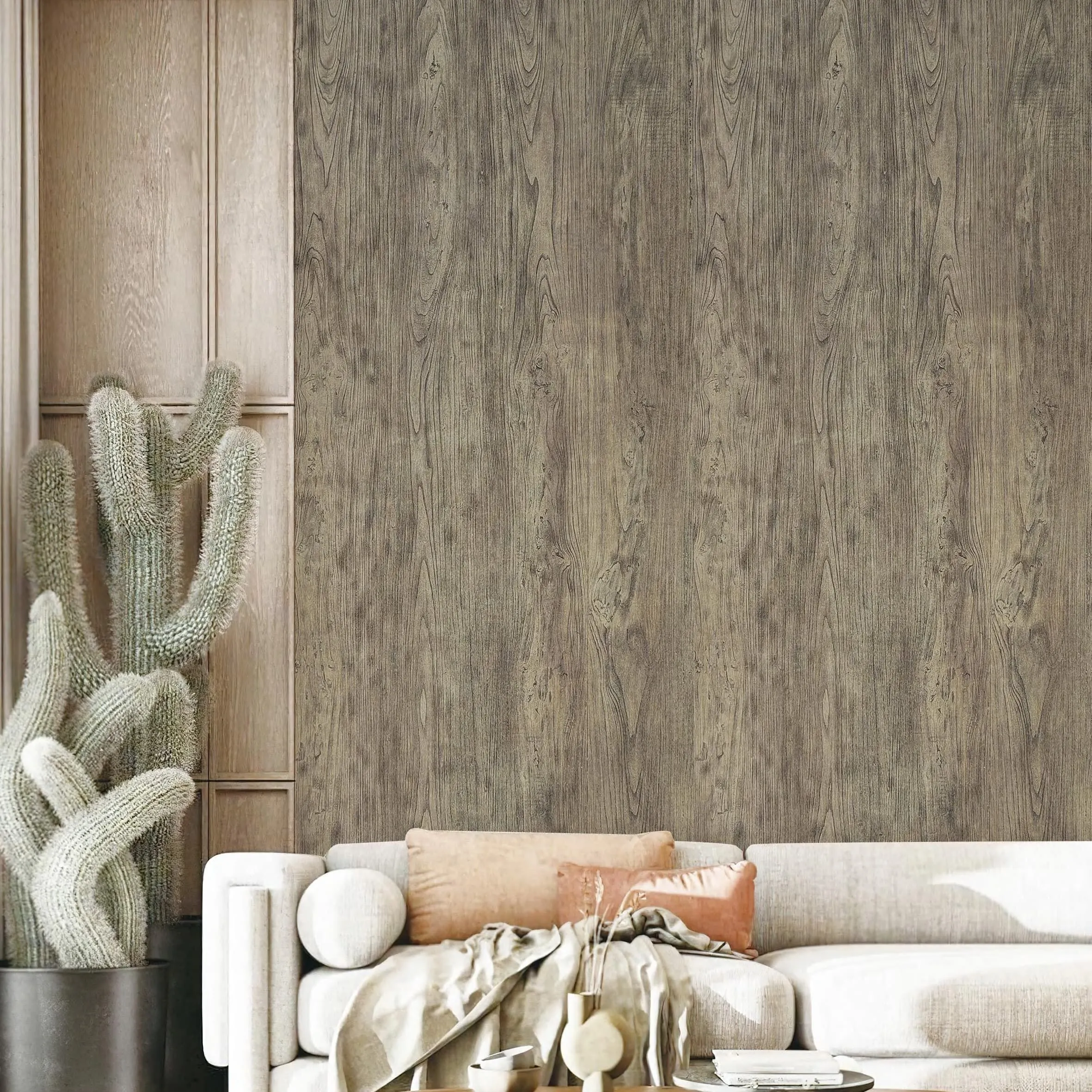
Sometimes, the best solution isn't choosing one over the other—it's blending them. For example, a tech startup lobby might use wood grain board on the walls for warmth, paired with large-format ceramic tiles (like fair-faced concrete -look tiles) on the floor for durability. The contrast creates visual interest while balancing comfort and practicality.
Or take a luxury resort: the main lobby could feature travertine (beige) tiles for a timeless, elegant floor, while the adjacent lounge uses wood grain board paneling to create a more intimate seating area. It's all about creating zones that serve different purposes, using materials to guide the eye and set the mood.
And let's not forget about masonry stone —a traditional material that can add texture and depth when paired with either wood grain board or ceramic tiles. Imagine a lobby with a stone accent wall, wood grain board floors, and ceramic tile countertops; it's a harmonious mix of old and new, rustic and refined.
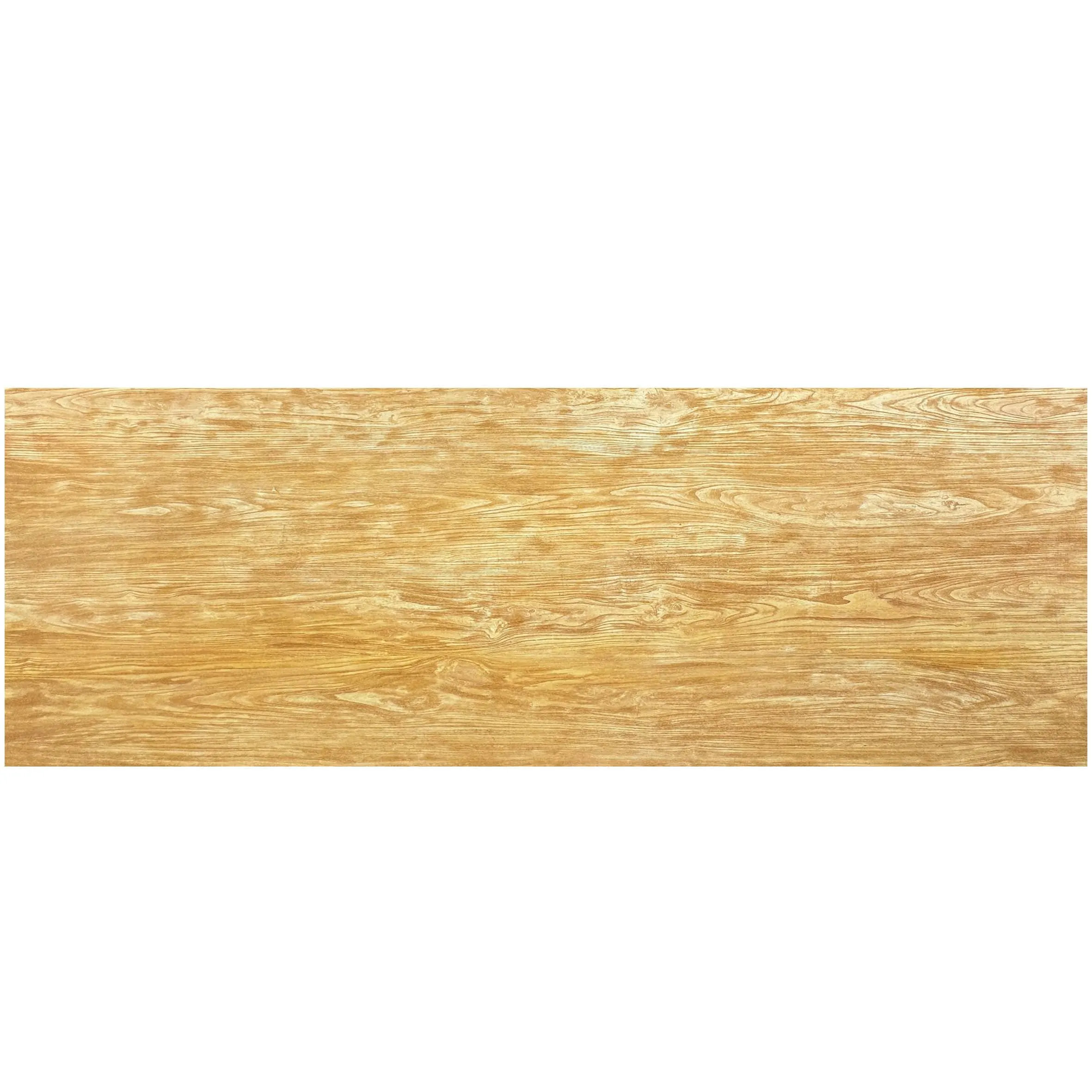
At the end of the day, whether you choose wood grain board or ceramic tiles (or a little of both), the most important thing is that the material aligns with the story you want to tell. A lobby clad in wood grain board says, "We value warmth and connection." One with sleek ceramic tiles says, "We're polished, professional, and built to last." Both are powerful messages—you just need to decide which one resonates with your brand.
So, take a step back, close your eyes, and picture your ideal lobby. What do you see? What do you feel? That feeling is your compass. And whether it leads you to the organic charm of wood grain board or the timeless versatility of ceramic tiles, you can't go wrong—because the best lobbies aren't just about materials. They're about making people feel something.
Now, go tell your story.
Recommend Products












