
When it comes to designing the exterior of a home or building, the choice of material is more than just a visual decision—it's a promise to stand the test of time. Homeowners dream of facades that turn heads, architects strive for materials that balance beauty and functionality, and both know that the exterior is the first line of defense against rain, sun, wind, and everything in between. In recent years, two materials have risen to the top of the conversation: wood grain board and engineered wood. One is a modern composite marvel, the other a tried-and-true wood derivative. But which one truly delivers on the promise of durability, aesthetics, and peace of mind? Let's break it down, not with dry specs, but with the real questions homeowners and designers ask.
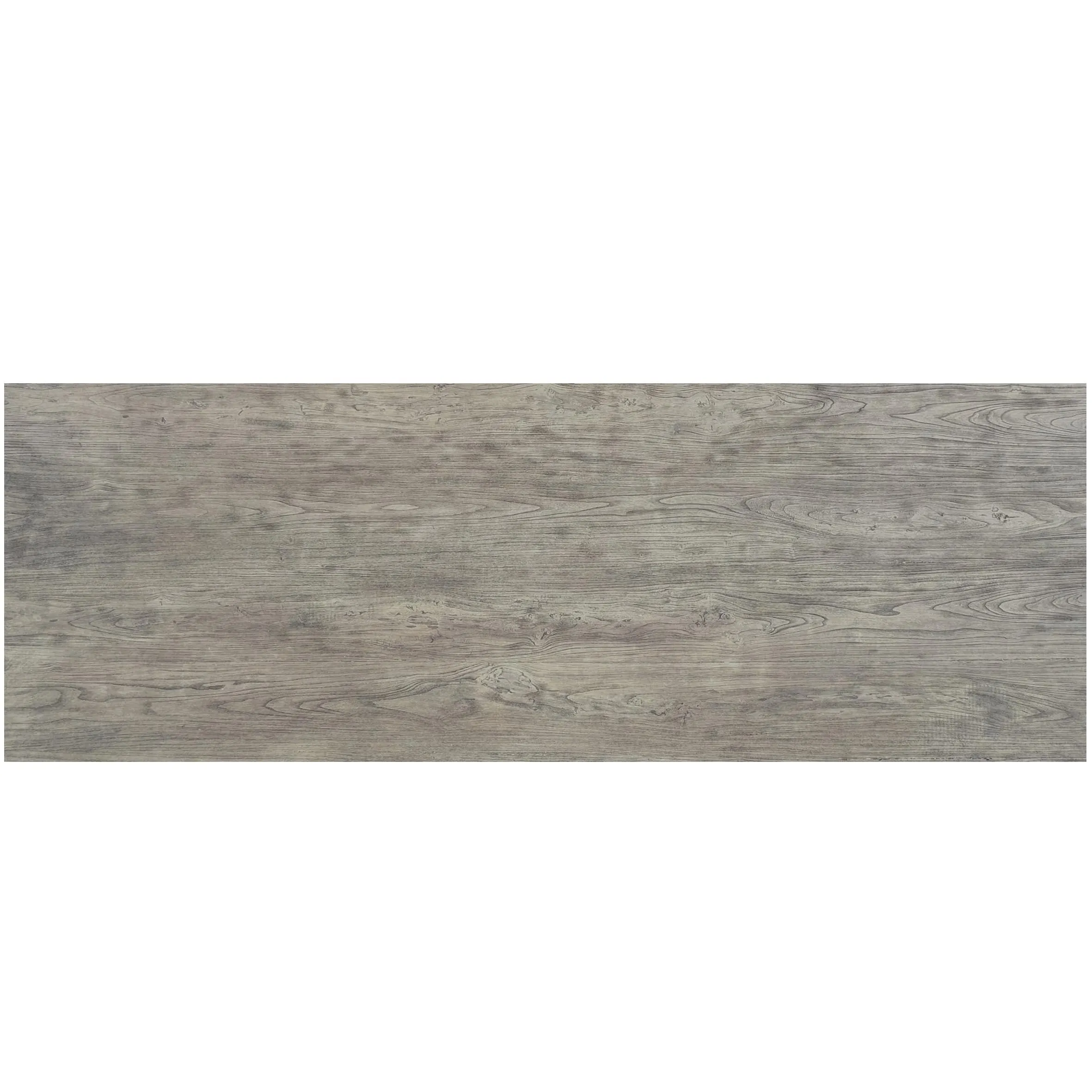
If you've walked through a modern home show lately, you've probably done a double-take at a "wood" facade that looks too perfect to be real. Chances are, that's wood grain board. Part of the broader family of Modified Composite Materials (MCM), this stuff is engineered to mimic the warmth of wood without the headaches that come with the real deal. Think of it as the responsible cousin of solid wood—same good looks, but with a backbone of modern science.
So, what's in it? Typically, wood grain board starts with a base of recycled polymers or minerals, layered with a textured finish that replicates wood grain down to the tiny knots and swirls. Some versions even incorporate elements like flexible stone particles for added depth, blurring the line between natural stone and wood aesthetics. Unlike solid wood, it's lightweight, resistant to warping, and designed to laugh off the elements—rain, snow, salt air, you name it.
Architect's Take: "I had a client who insisted on 'the look of aged barn wood' for their beach house. We went with wood grain board, and three years later, it still looks like it was installed yesterday—no rot, no fading, just that warm, weathered charm they wanted. With real wood, they'd be sanding and staining every summer." — Maria Gonzalez, Principal Architect at Coastal Designs
Engineered wood, on the other hand, is like the reliable older sibling of solid wood. You know how solid wood planks can warp or split when exposed to moisture? Engineered wood solves that by gluing together layers of wood—think of it as a wood "sandwich." The top layer is a thin veneer of real hardwood (like cedar or oak), and the core is usually plywood or high-density fiberboard (HDF). This layering makes it more stable than solid wood, but here's the catch: it's still wood at heart. And wood, even engineered, has limits.
Exterior-grade engineered wood siding is treated with chemicals to resist rot and pests, and it comes in a range of finishes, from smooth to rough-sawn. It's been a go-to for decades because it offers that authentic wood look at a lower cost than solid hardwood. But ask anyone who's maintained it long-term, and they'll tell you: it's not a "set it and forget it" material.
Let's cut to the chase. When choosing between wood grain board and engineered wood, what should you really care about? We're talking durability, looks, how easy it is to install, how much it costs over time, and whether it's kind to the planet. Let's compare them head-to-head.
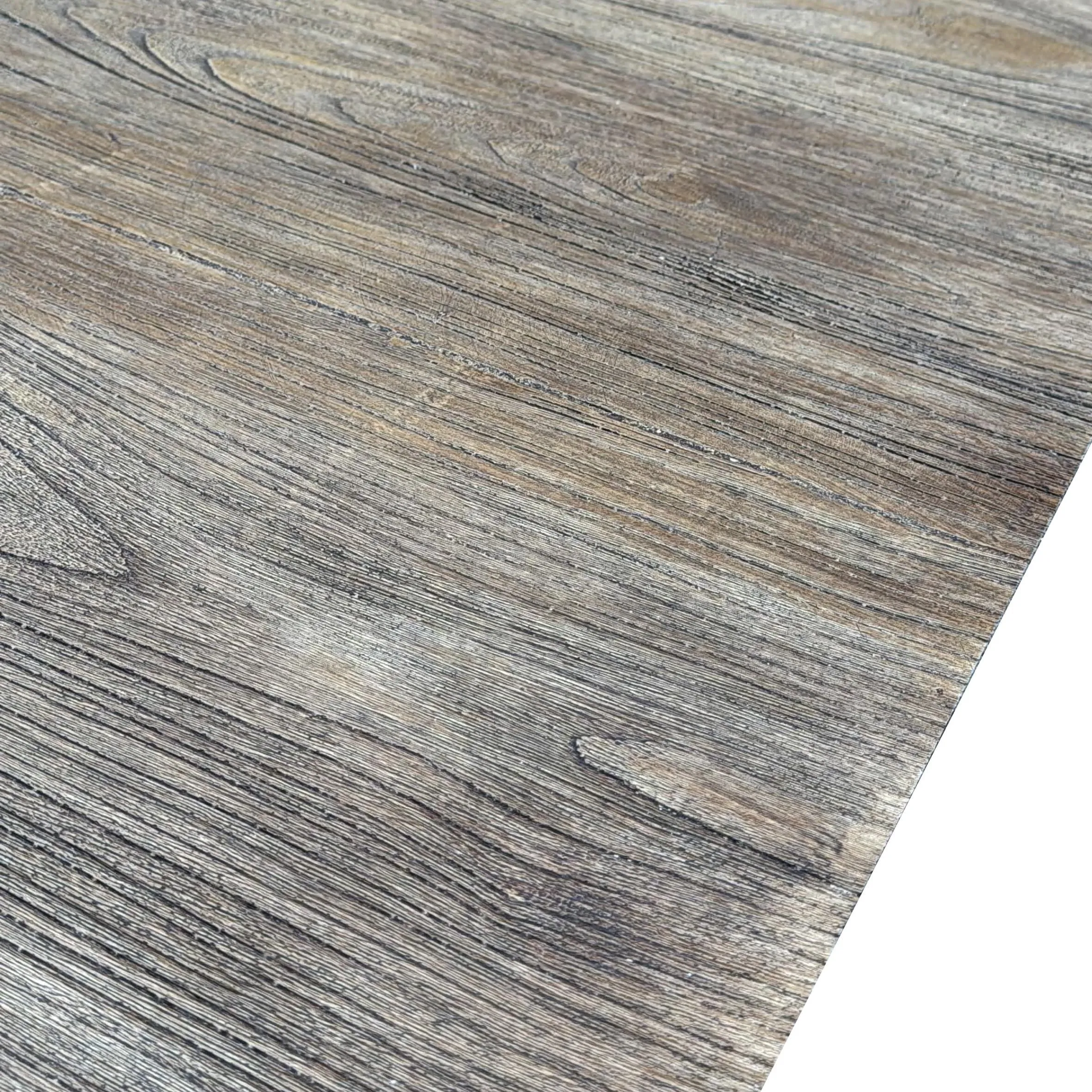
Wood Grain Board: As part of the MCM family, wood grain board is a composite of recycled materials (like plastic, stone dust, or even foamed aluminium alloy board residues in some premium lines) bound together with a polymer resin. The surface is printed or embossed with a wood grain pattern that's so realistic, you might find yourself reaching out to check if it's real. Some formulations even add flexible stone particles to the mix, giving the surface a subtle texture that mimics the feel of natural wood.
Engineered Wood: Here's the thing: engineered wood is still wood. The core is layers of plywood or HDF, and the top is a thin slice of real wood. To make it exterior-ready, manufacturers soak it in preservatives (like borates for termites) and coat it with a water-resistant sealant. But at the end of the day, it's organic material held together with adhesives—adhesives that can break down over time when exposed to heat and moisture.
Let's talk about the enemies of exterior materials: rain, UV rays, humidity, pests, and temperature swings. How do these two stack up?
Wood Grain Board: This is where composite materials shine. Wood grain board is designed to be weatherproof. It doesn't absorb water, so it won't swell, rot, or develop mold. UV rays? They might fade the color slightly over 10+ years, but nothing a quick power wash can't refresh. Pests like termites or carpenter ants? They'll starve—there's no wood for them to eat. Even in extreme climates, from the humid South to the freezing North, it holds its shape. I once visited a home in Florida that had wood grain board siding through Hurricane Irma; the panels were unscathed, while the neighbor's engineered wood had started to delaminate.
Engineered Wood: It's better than solid wood, but that's not saying much. Engineered wood can absorb moisture if the sealant cracks (and it will, eventually). When it does, the core swells, the veneer bubbles, and suddenly you've got rot. UV rays fade the color, so you'll need to restain every 3–5 years. And while it's treated for pests, termites have been known to chew through the veneer to get to the core. In coastal areas with salt air, it's even worse—the salt accelerates corrosion of the adhesives holding the layers together.
For context, consider travertine (beige) , a classic natural stone used in exteriors. Travertine is durable but heavy and expensive. Wood grain board offers similar longevity but at a fraction of the weight and cost, making it a practical alternative for modern homes.
Beauty is subjective, but consistency and longevity matter. Let's see how they hold up in the looks department over time.
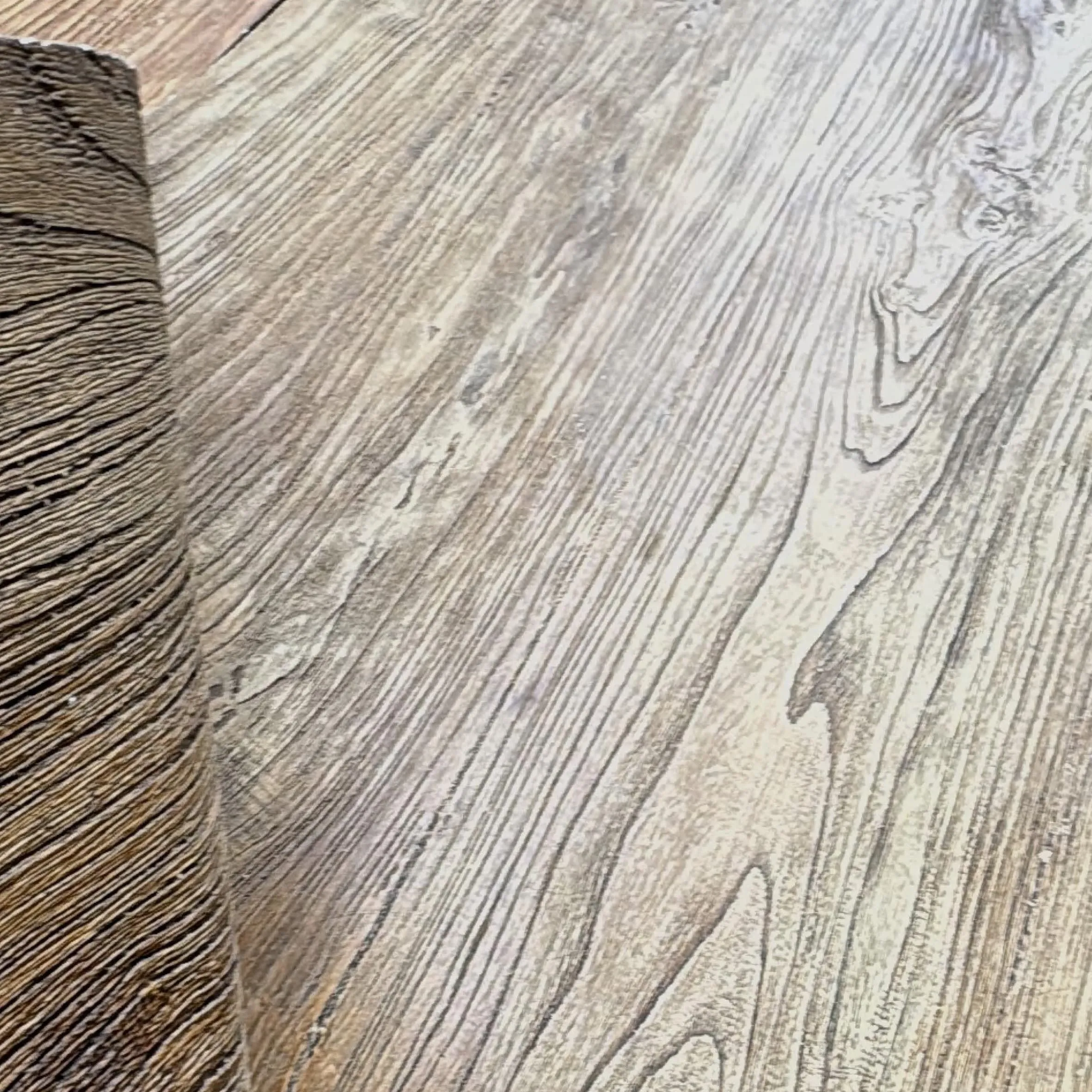
Wood Grain Board: The biggest selling point here is consistency. Every panel looks the same, so you won't get random dark or light spots that throw off your home's curb appeal. Manufacturers offer dozens of finishes, from light oak to dark walnut, and even "reclaimed" looks with simulated nail holes or weathering. The best part? That color and pattern stay true for decades. I visited a subdivision in Arizona where some homes had wood grain board installed 12 years ago, and they still looked brand-new—no fading, no warping, just that crisp wood grain pattern.
Engineered Wood: If you love the natural variation of real wood, engineered wood delivers. No two panels are exactly alike, which gives your home a unique, organic feel. But here's the downside: that variation can work against you over time. Sunlight fades some panels more than others, leading to a patchy look. Staining helps, but it's hard to match the original color perfectly, so you might end up restaining the entire facade just to keep it uniform. And if a panel gets damaged, replacing it can be a nightmare—good luck finding an exact match for that 5-year-old veneer.
Wood Grain Board: Let's start with installation. This stuff is lightweight—about a third the weight of engineered wood—so you don't need a crew of burly contractors to haul it up. It cuts like butter with a regular saw, and most panels click together or attach with hidden fasteners, so no ugly nails marring the surface. Think of it like installing giant Lego blocks. Once it's up, maintenance is a breeze: hose it down once a year to remove dirt, and maybe wipe off any mildew with a mild detergent. No sanding, no staining, no sealing. It's the low-maintenance king.
Engineered Wood: Installation is trickier. It's heavier, so you'll need more people to handle it. The panels have to be nailed or screwed in place, and the seams need to be sealed with caulk to prevent water from seeping in. Miss a spot, and you're looking at rot down the line. As for maintenance? Buckle up. You'll need to clean it annually, inspect for cracks in the sealant, and restain or repaint every 3–7 years, depending on your climate. In rainy areas like the Pacific Northwest, it might be every 3 years. That's not just time-consuming—it's costly. A gallon of exterior wood stain can run $50–$100, and hiring a pro to do the job? Easily $2,000–$5,000 for a typical home.
Let's talk money. Wood grain board usually costs more upfront—we're talking $4–$8 per square foot for materials, plus installation. Engineered wood is cheaper initially, around $2–$5 per square foot. But here's the trap: engineered wood's "low cost" is a mirage. Let's do the math for a 2,000-square-foot home:
Ouch. Over 20 years, engineered wood ends up costing more than twice as much. That's why architects often call wood grain board a "smart investment"—you pay more now, but save big later.
These days, we all want materials that don't trash the planet. How do these two stack up?
Wood Grain Board: Most manufacturers use recycled materials in their mixes—think plastic bottles, stone dust from quarry waste, or even scraps from fair-faced concrete production. Since it's a composite, it doesn't require cutting down trees, and it's 100% recyclable at the end of its life (which, by the way, is 30+ years). Some brands even offer LEED-certified options, which is a big win for eco-conscious builders.
Engineered Wood: It's better than solid wood in terms of tree usage—engineered wood uses smaller, faster-growing trees and maximizes lumber from each log. But it still requires cutting down trees, and the adhesives used to bond the layers often contain volatile organic compounds (VOCs), which off-gas into the air. Plus, those frequent stainings? Most exterior stains have VOCs too. It's not terrible, but it's not as green as wood grain board.
| Factor | Wood Grain Board | Engineered Wood |
|---|---|---|
| Material | Composite (recycled polymers, stone dust, flexible stone particles) | Real wood veneer + plywood/HDF core, adhesives |
| Weather Resistance | Excellent (resists moisture, UV, pests, salt air) | Good but limited (swells with moisture, fades, needs sealing) |
| Aesthetics | Consistent wood grain patterns, long-lasting color | Natural variation, but fades and becomes patchy over time |
| Installation | Lightweight, easy to cut, hidden fasteners | Heavier, requires sealing seams, visible fasteners |
| Maintenance | Low (hose down annually) | High (restain every 3–7 years, seal cracks) |
| 20-Year Cost | ~$12,500 (example home) | ~$25,000 (example home) |
| Sustainability | High (recycled materials, no deforestation, recyclable) | Moderate (uses fast-growth trees, but adhesives have VOCs) |
| Best For | Coastal areas, rainy climates, low-maintenance seekers | Dry climates, rustic aesthetics, budget-focused (short-term) |
Case Study 1: Coastal Home in South Carolina
The Thompsons built their dream home in Charleston, just blocks from the ocean. They chose wood grain board for the siding. Five years later, Hurricane Dorian hit with 120 mph winds and storm surge. Their neighbor, who had engineered wood siding, had panels torn off and water damage inside. The Thompsons? Their wood grain board panels stayed intact, and there was zero water intrusion. "We didn't even have to repaint after the storm," Mrs. Thompson said. "It looked like nothing happened."
Case Study 2: Mountain Cabin in Colorado
The Parkers wanted a cozy, rustic cabin in the Rockies, so they went with engineered wood siding. "We loved the way the cedar veneer looked," Mr. Parker recalled. "But after two winters, the panels started cracking from the freeze-thaw cycles. We had to restain it every spring, and by year five, the color was so uneven we replaced it with wood grain board. Now we don't worry about it—even after heavy snow, it still looks great."
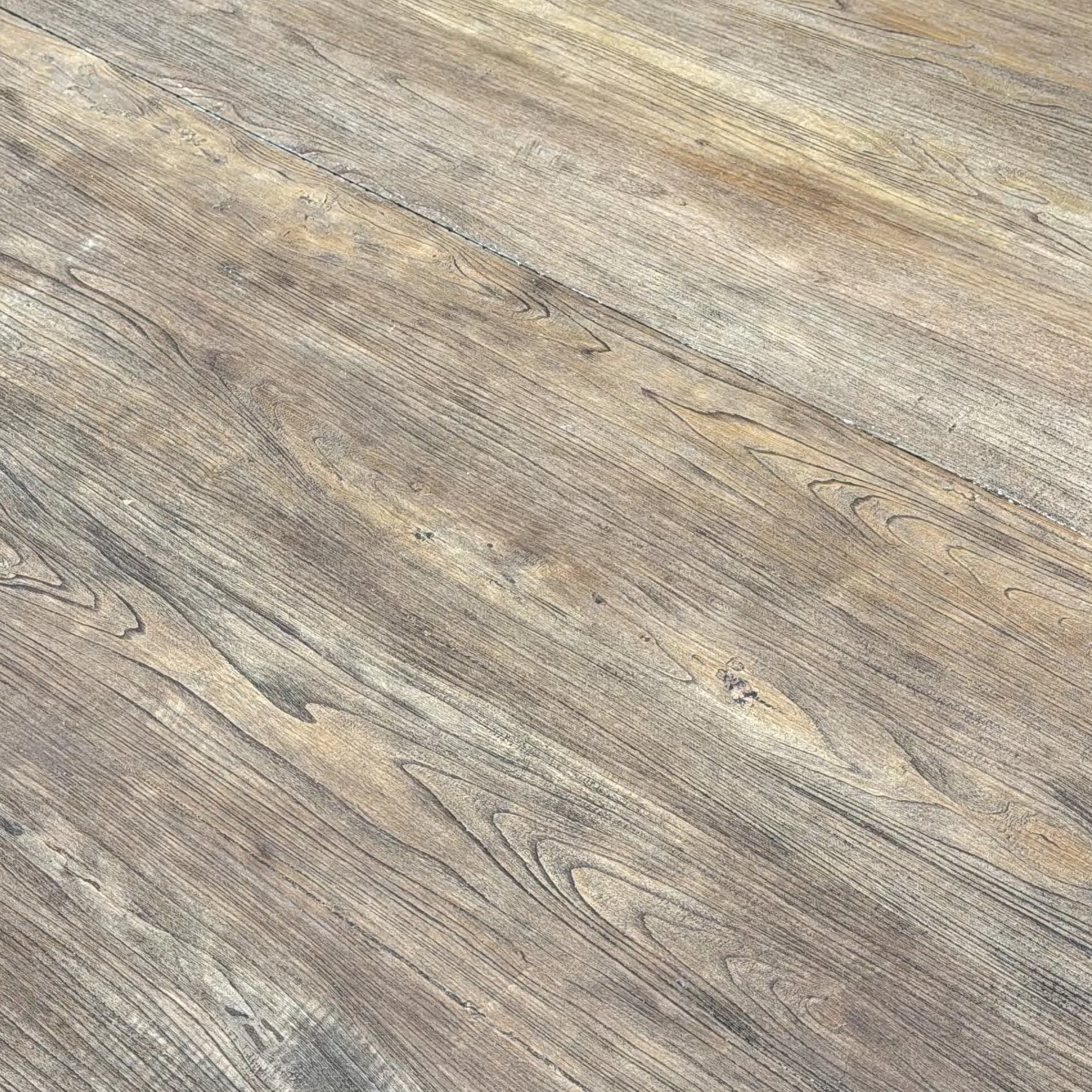
At the end of the day, the choice between wood grain board and engineered wood comes down to your priorities. If you want a material that looks great, lasts decades, and requires almost no maintenance—even in tough climates—wood grain board is the clear winner. It's an investment, but it pays off in peace of mind and long-term savings.
Engineered wood still has a place, though. If you're on a tight budget upfront, live in a dry climate with mild weather, and don't mind putting in the time (and money) to maintain it, it can work. Just be prepared for regular upkeep and the possibility of replacing panels down the line.
And let's not forget the bigger picture: exterior materials are about more than just siding. They're about creating a home that feels like yours, that stands strong for your family, and that doesn't cost the earth. Wood grain board checks all those boxes, blending the warmth of wood with the resilience of modern technology. It's not just a material—it's a smarter way to build.
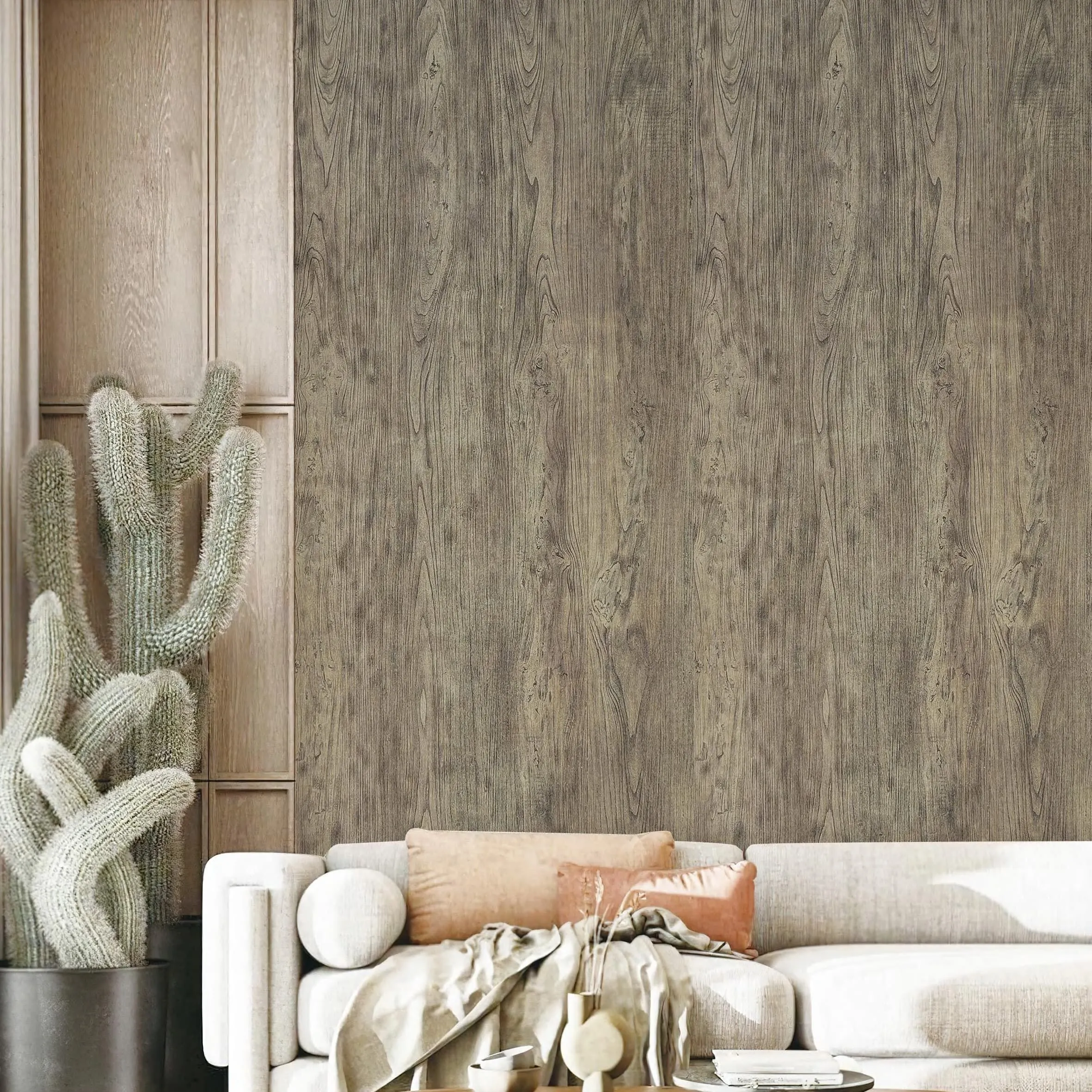
When you're standing in front of your home, admiring the facade, you shouldn't be thinking about when you'll need to restain it or whether the rain is seeping in. You should be thinking about the memories you'll make there. Wood grain board lets you focus on the good stuff, not the upkeep. It's the kind of material that grows with your home, aging gracefully without losing its charm. And in a world where we all want more from less, that's a win-win.
So, whether you're building new or renovating, ask yourself: what do I want my exterior to say about my home? If the answer is "beautiful, durable, and hassle-free," wood grain board is waiting for you.
Recommend Products












