
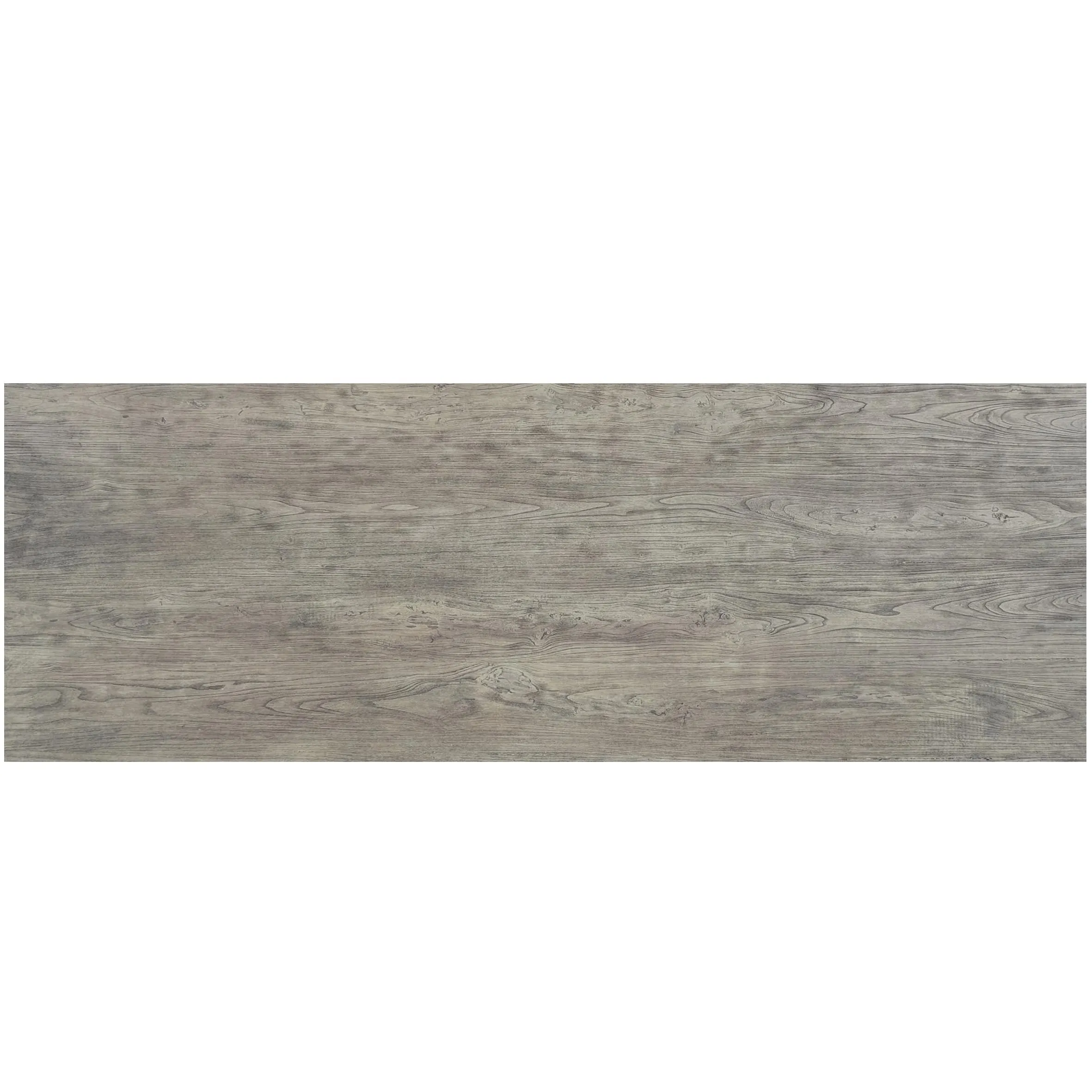
Exterior cladding is the "first impression" of a building. It's not just about keeping the elements out—it's about telling a story. Whether you're designing a cozy home, a sleek office, or a bustling retail space, the cladding you choose shapes how people feel when they see your structure. Today, we're diving into two heavyweights in the cladding world: Wood Grain Board and Fiber Cement . Both have loyal fans, but which one deserves a spot on your next project? Let's break it down—no jargon, just real talk about what matters most.
Before we pit them against each other, let's get clear on what these materials are . Think of this as a quick "meet the contestants" round—no spoilers, just the basics.
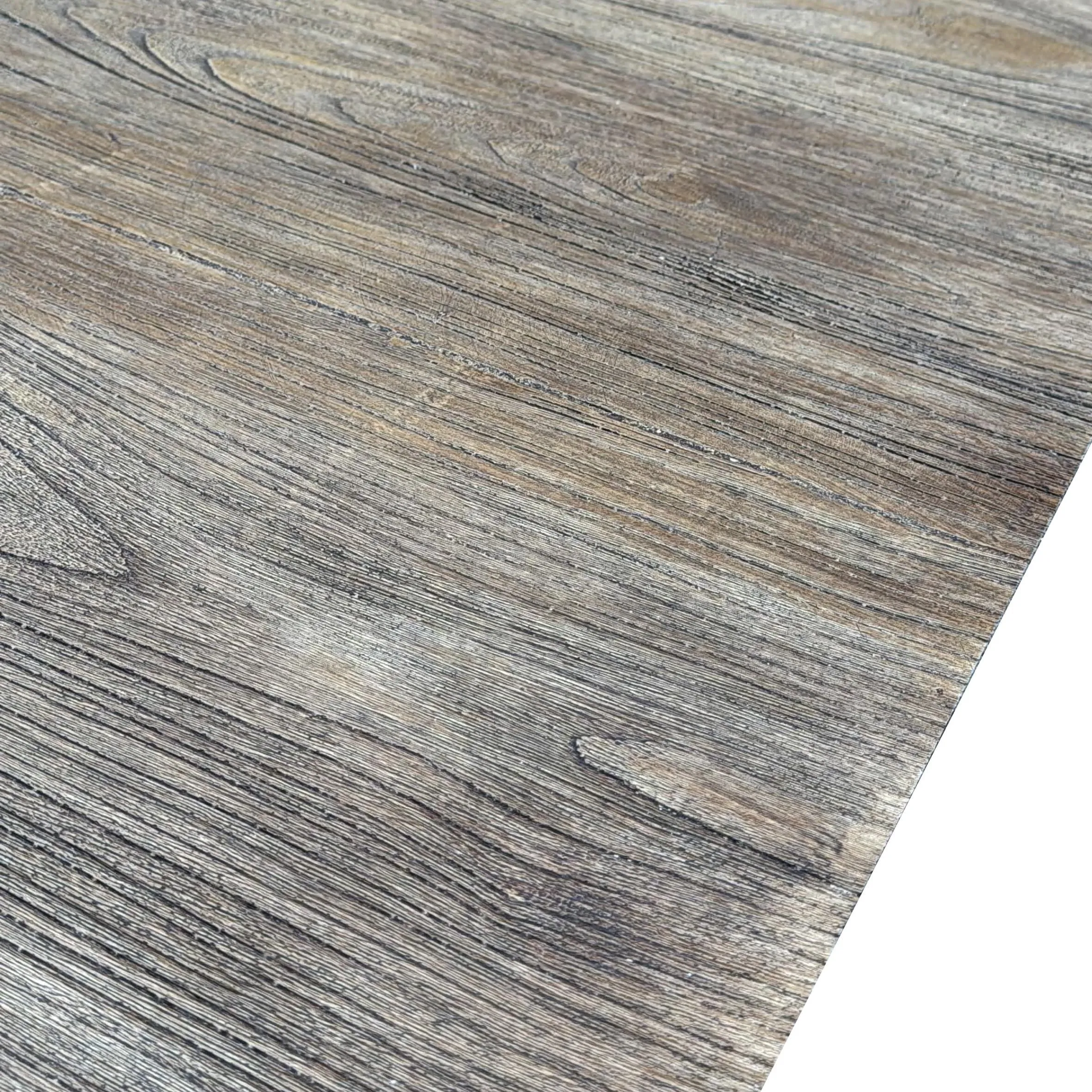
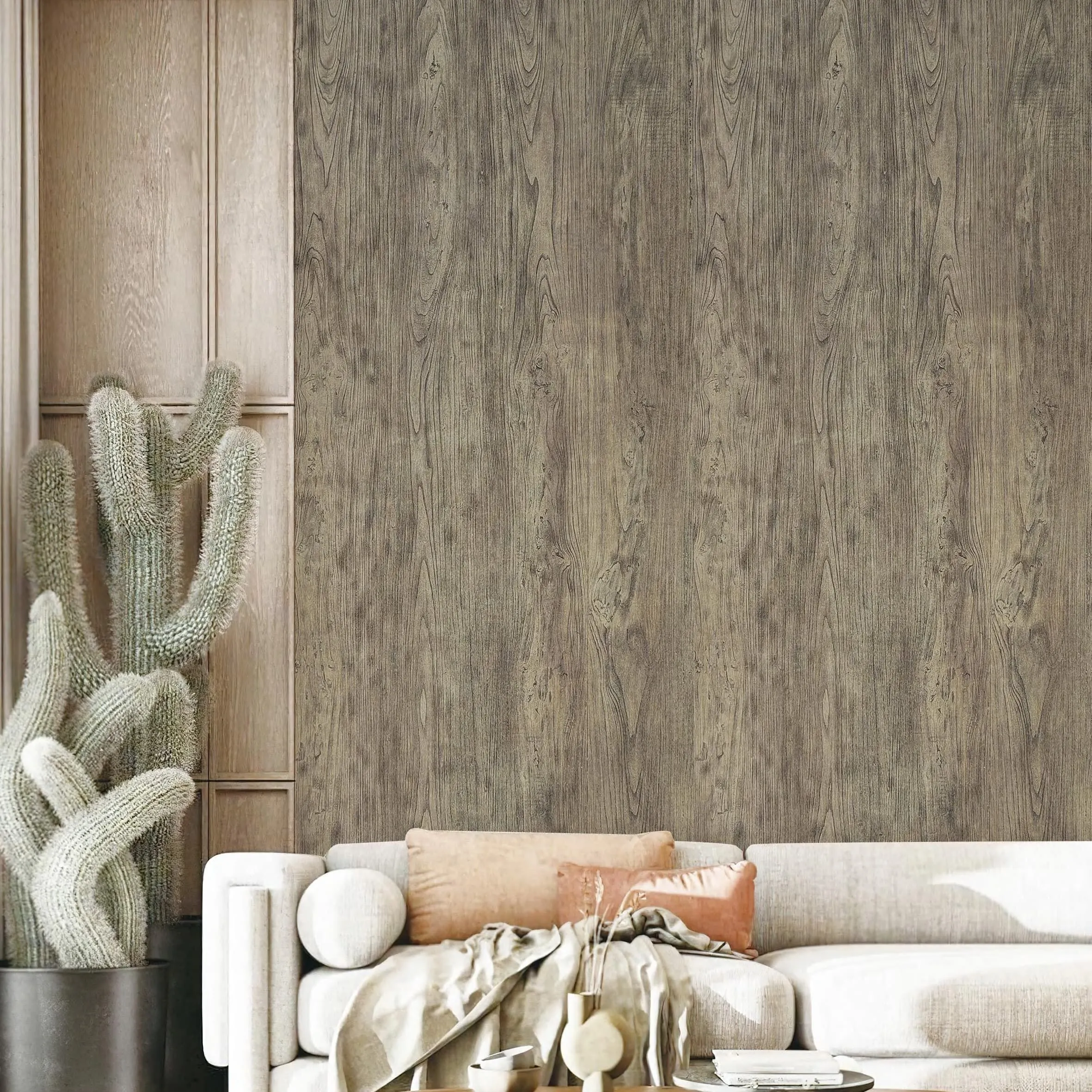
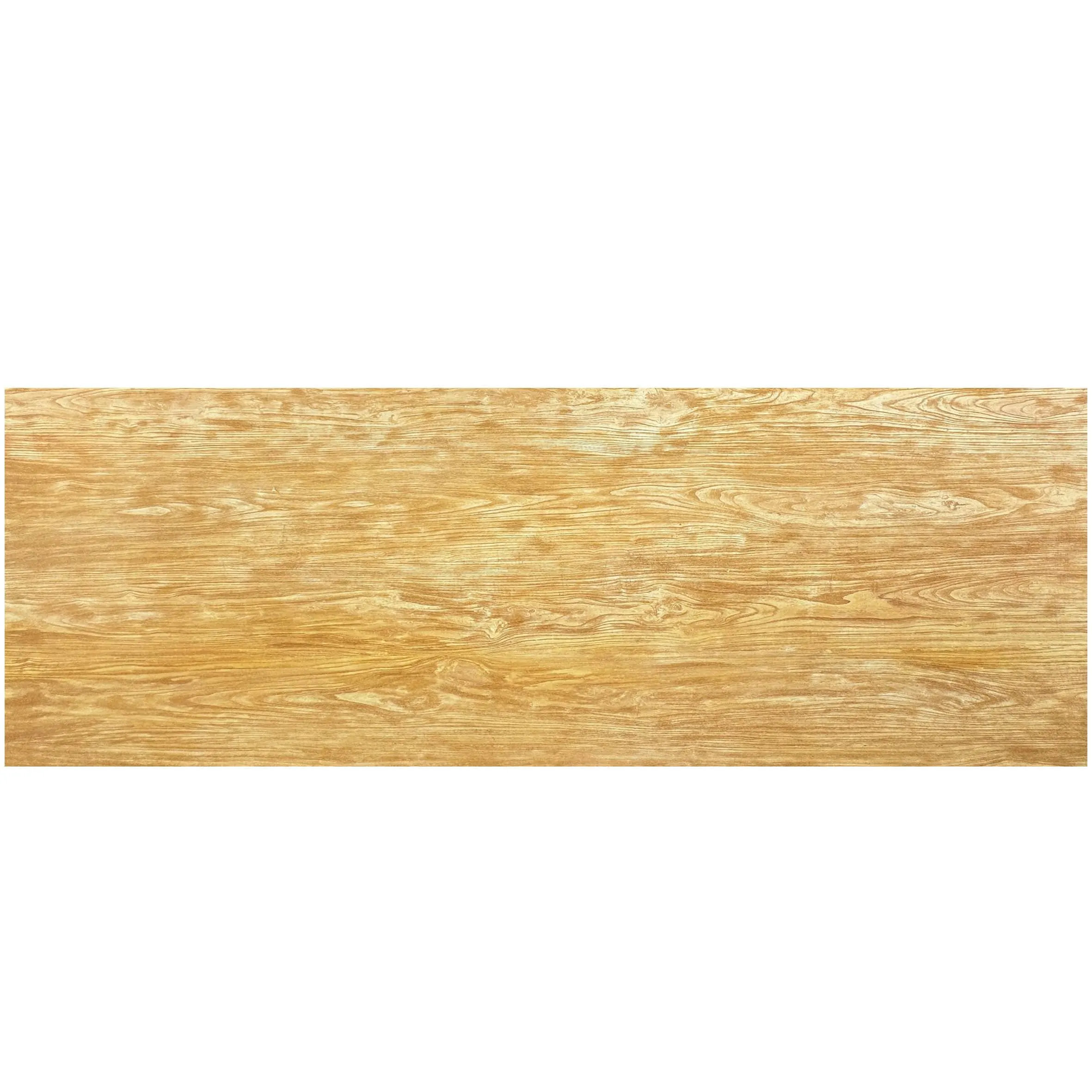
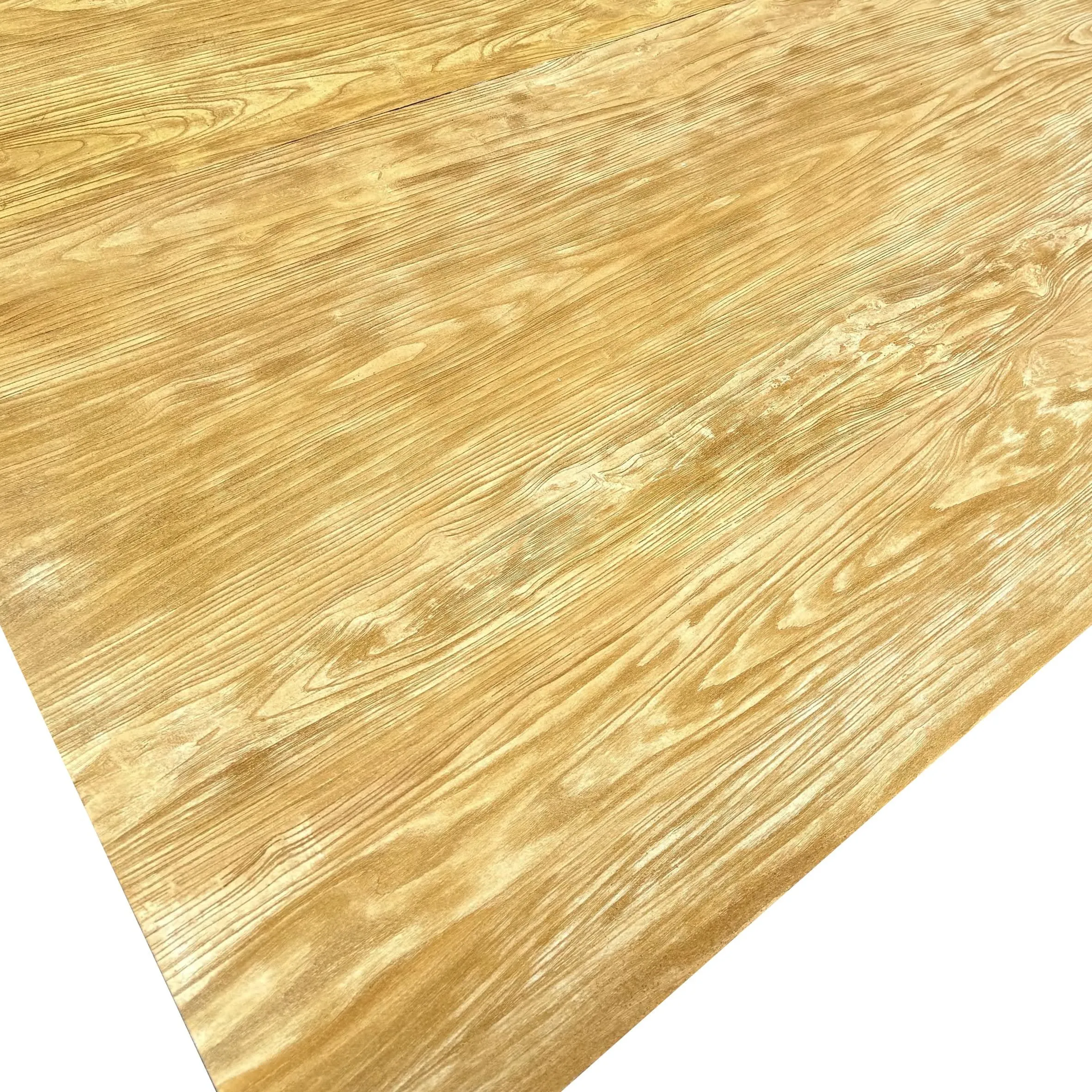
If you've ever walked past a building and thought, "Wow, that wood siding is stunning," only to later learn it's not real wood—chances are, you were looking at Wood Grain Board . This material is part of the broader family of MCM flexible stone products, which stands for Modified Composite Material. MCM is all about blending durability with design flexibility, and Wood Grain Board is a star player here. It's made by layering high-performance polymers, mineral fibers, and natural stone particles (like those in MCM flexible stone) to mimic the texture, color, and warmth of real wood—without the headaches that come with timber.
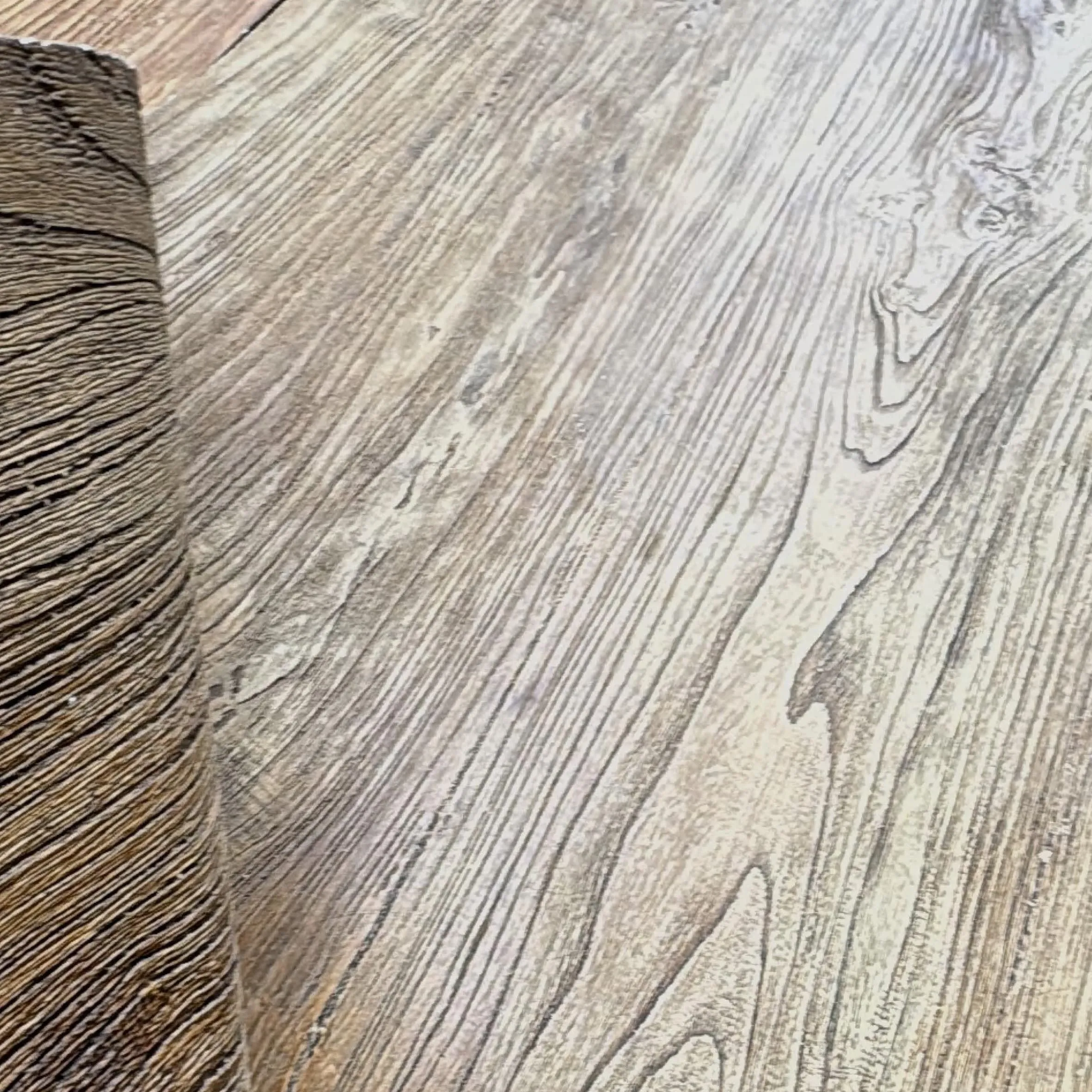
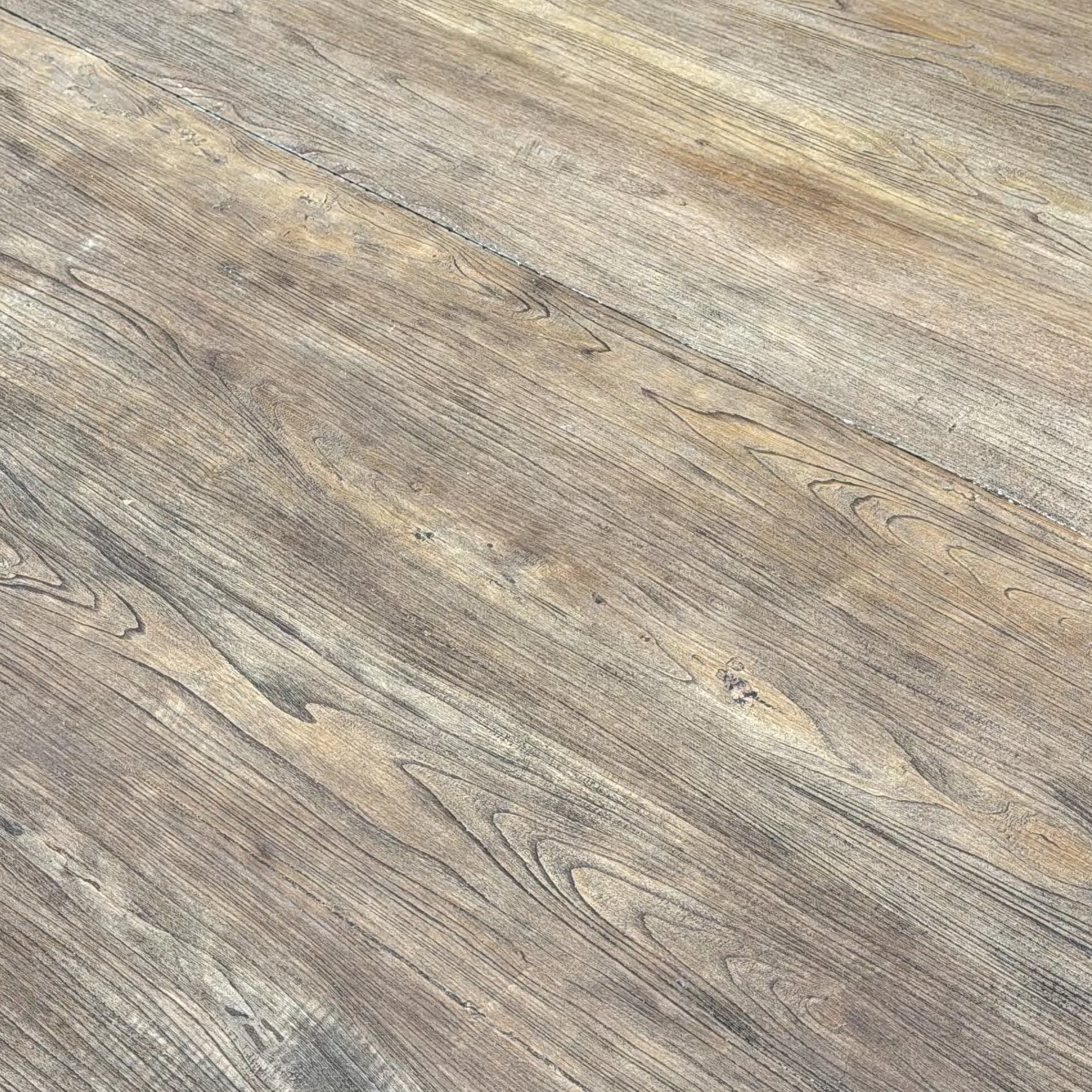
What makes it stand out? The wood grain isn't just printed on; it's embossed into the surface, creating a tactile, authentic feel. You'll find it in everything from warm oak tones to weathered barnwood finishes, and it's often used in both residential and commercial projects where a "natural" vibe is key but maintenance is a priority.
Now, Fiber Cement is the seasoned pro in the room. It's been around since the early 1900s, and for good reason: it's a workhorse. Made from a mix of cement, sand, cellulose fibers (like wood pulp), and water, it's designed to be tough as nails. You've probably seen it on older homes, commercial buildings, or even industrial spaces—it's the kind of material that says, "I'm here to last."
Unlike Wood Grain Board, Fiber Cement doesn't try to mimic one specific material. It comes in flat panels, shingles, or even boards that can be painted any color, giving it a chameleon-like quality. It's loved for its no-nonsense durability, especially in harsh climates, and it's a go-to for builders who prioritize function over frills (though modern versions can still look sharp).
Talking about materials in vague terms only gets us so far. Let's put them side by side in a table that cuts through the noise. We'll compare everything from how they look to how much they'll cost you long-term—because let's be real, budget and practicality matter just as much as beauty.
| Category | Wood Grain Board (MCM Flexible Stone) | Fiber Cement |
|---|---|---|
| Aesthetics | Mimics real wood grain with embossed texture; warm, organic look; available in 20+ wood tones (oak, cedar, barnwood, etc.). | Plain or textured surface; can be painted any color; leans industrial/neutral (think gray, beige, white) unless custom painted. |
| Durability | Resistant to moisture, rot, pests (termites, carpenter ants), and UV rays; rated for 30+ years with minimal fading. | Fire-resistant, moisture-resistant, and pest-proof; lasts 25–50 years but may crack if improperly installed or impacted. |
| Weight | Lightweight (2–4 lbs/sq ft); easy to handle and install without heavy equipment. | Heavy (8–12 lbs/sq ft); requires sturdy framing and often professional installation. |
| Installation | Can be cut with standard tools (circular saw, jigsaw); installs with screws or clips; DIY-friendly for experienced homeowners. | Requires special tools (dust masks, carbide blades) to cut; heavy, so needs two people to lift; best left to professionals. |
| Maintenance | Low maintenance: hose down annually; no painting, staining, or sealing needed. | Needs repainting every 10–15 years; may require patching if cracked; prone to mildew in humid climates (needs regular cleaning). |
| Cost (Materials + Labor) | $8–$15 per sq ft (higher upfront, but lower long-term maintenance). | $5–$10 per sq ft (lower upfront, but higher maintenance over time). |
| Sustainability | Often made with recycled materials; lightweight = lower transportation emissions; 100% recyclable at end of life. | High embodied carbon (cement production is energy-intensive); contains cellulose fibers (may come from sustainable forests). |
Tables are great, but let's dig deeper. Every material has its "yay" and "meh" moments, and these two are no exceptions. Let's break down the upsides and downsides in plain English.
The Good Stuff:
The Not-So-Good Stuff:
The Good Stuff:
The Not-So-Good Stuff:
Let's get practical. When should you choose Wood Grain Board, and when is Fiber Cement the better pick? Let's look at a few scenarios to make it concrete (pun intended).
Meet Sarah, who's building a 2,500 sq ft home in the suburbs. She wants it to feel warm and inviting, like a "forever home" for her family. She loves the look of wood but has horror stories about her parents' old wood siding rotting after a rainy season. Wood Grain Board is perfect here. It gives her the cedar-look she craves without the maintenance. Plus, since it's lightweight, her contractor can install it quickly, and she won't have to worry about termites or repainting for decades. Her neighbors will ooh and aah over her "wood" siding, and she'll smile knowing it's actually MCM flexible stone magic.
Now, meet Raj, who's developing a 10,000 sq ft office building in a busy downtown area. He needs a durable, fire-resistant cladding that won't break the bank. He's working with a tight timeline and a crew that's used to handling heavy materials. Fiber Cement is his go-to. It's affordable, meets all the fire codes, and can be painted a sleek gray to match the building's modern design. Sure, it's heavy, but his crew is experienced, and the lower upfront cost helps him stay on budget. He knows he'll have to repaint it in 15 years, but by then, he'll probably be onto his next project.
Lastly, there's Maya, who's building a community center aiming for LEED Gold certification. Sustainability is her top priority. She wants cladding that uses recycled materials and has a low carbon footprint. Wood Grain Board checks these boxes. Many MCM flexible stone products (including Wood Grain Board) are made with recycled polymers and stone waste, and their lightweight design reduces transportation emissions. Plus, since it doesn't require painting or staining, there are no harmful VOCs (volatile organic compounds) off-gassing into the air. Maya can feel good about her choice—and her LEED points.
These days, "green building" isn't just a trend—it's a necessity. So how do Wood Grain Board and Fiber Cement stack up when it comes to the environment?
Wood Grain Board (MCM Flexible Stone): MCM products are often lauded for their sustainability. Here's why: Many manufacturers use recycled materials (like post-consumer plastic and stone scraps) in their boards, reducing waste. The lightweight design also means less fuel is used to transport them, cutting down on carbon emissions. Plus, since they don't need painting or staining, there's no need for harsh chemicals that can leach into the soil or water. At the end of their life, some MCM products are even recyclable—though this depends on the manufacturer, so it's worth asking.
Fiber Cement: Fiber Cement has a more complicated sustainability story. On the plus side, it doesn't require cutting down trees, which is a win for forests. However, cement production is one of the biggest sources of CO2 emissions globally—so the "embodied carbon" (the carbon released during manufacturing) of Fiber Cement is higher than Wood Grain Board. It's also heavy, which means more fuel is needed to transport it. That said, its longevity helps: a Fiber Cement wall that lasts 50 years means less frequent replacement, which offsets some of its initial carbon footprint.
If sustainability is your top priority, Wood Grain Board (with its recycled materials and low maintenance) edges out Fiber Cement. But if you're in an area prone to wildfires, Fiber Cement's fire resistance might make it the more eco-friendly choice in the long run (since it reduces the risk of fire damage and rebuilding).
At the end of the day, there's no "perfect" material—only the perfect material for your project. Here's a quick cheat sheet to help you decide:
Choose Wood Grain Board if:
Choose Fiber Cement if:
Exterior cladding is more than just a protective layer—it's the face your building shows to the world. Wood Grain Board and Fiber Cement both have the power to make that face unforgettable, but in very different ways. Wood Grain Board wraps your project in warmth and versatility, while Fiber Cement brings rugged reliability and affordability to the table.
So, whether you're building a home that feels like a hug or a commercial space that exudes strength, take the time to think about what matters most: the look, the budget, the maintenance, and the planet. And remember—there's no rule that says you can't mix them! Some projects use Wood Grain Board for accent walls and Fiber Cement for the main siding, blending the best of both worlds.
At the end of the day, the best cladding material is the one that turns your vision into reality. So go forth, dream big, and choose wisely—your building (and its future inhabitants) will thank you.
Recommend Products












