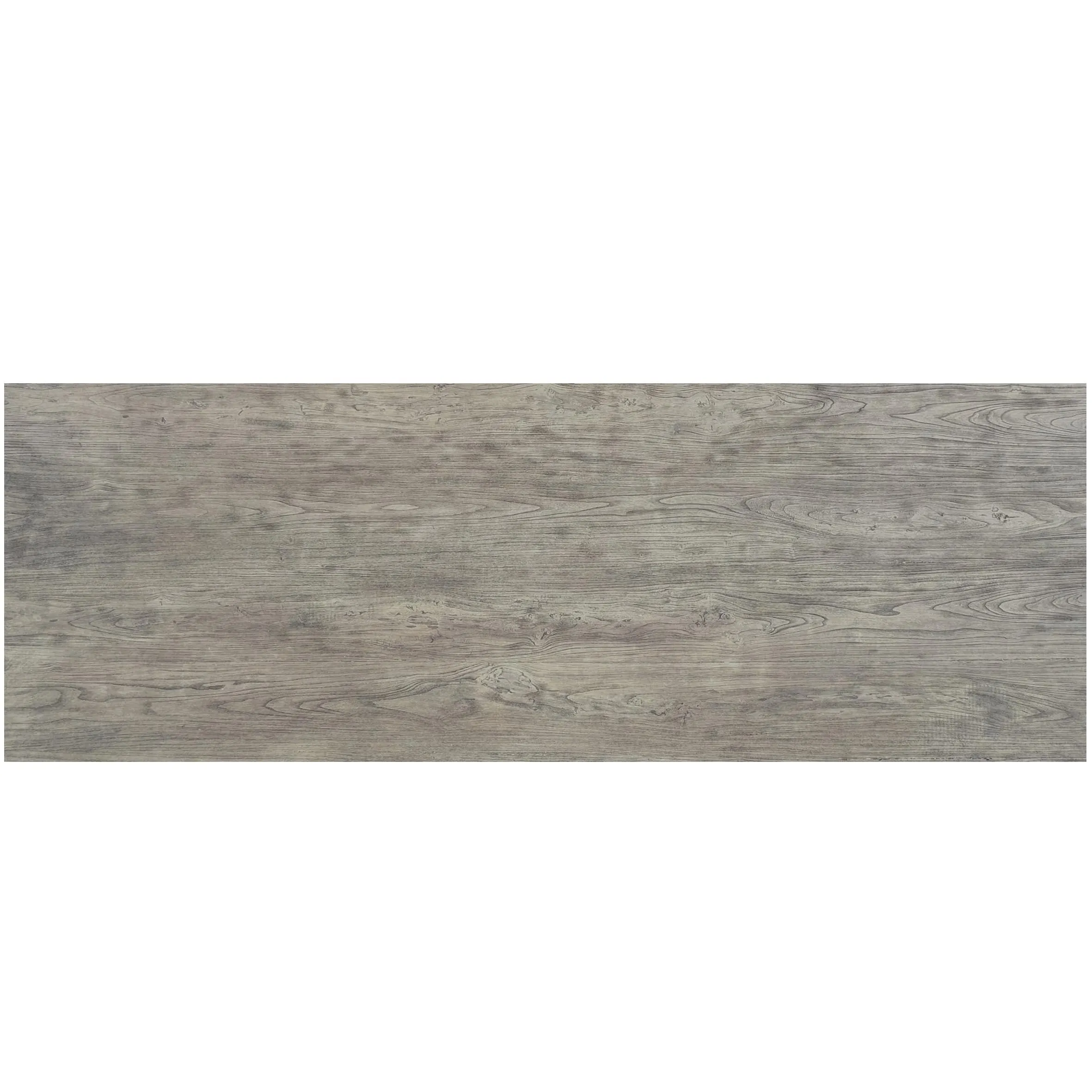
Choosing the right cladding board is one of the most important decisions in any building project, and two options that come up again and again are
wood grain board and fiber cement board. Both can deliver a natural timber look, but they are very different materials with different strengths, weaknesses, and installation requirements. This guide compares them across weight, flexibility, fire safety, durability, maintenance, and cost, so you can decide which one fits your project.
What Is a Wood Grain Board?
A wood grain board is a flexible cladding panel that reproduces the texture, color, and grain of natural timber. The
wood grain board offered by Coloria Group is made from modified clay materials (MCM), a lightweight inorganic composite pressed into thin, flexible sheets. Because the material is flexible, it can wrap around curved walls, columns, and arches that rigid boards simply cannot follow. It comes in a range of wood tones, from light oak to deep walnut, and is widely used for interior feature walls as well as
exterior wall cladding.
What Is Fiber Cement Board?
Fiber cement board is a rigid panel made from cement, sand, and cellulose fibers. It has been a popular cladding material for decades because it is strong, fire-resistant, and does not rot. It is typically sold in thicknesses of 6 to 15 mm and installed as a fixed, flat cladding system. Fiber cement performs well on large flat surfaces, but it is heavy and brittle, which affects how it is handled, cut, and fixed on site.
Weight and Handling
One of the biggest differences is weight. Fiber cement is dense and heavy, so it needs stronger supporting structures and more labor to lift and fix. A wood grain board made from MCM is far lighter, which reduces the load on the building structure, lowers transport costs, and makes on-site handling easier and safer for the installation crew.
Flexibility and Design Freedom
Fiber cement is rigid. It can crack or shatter if it is bent, and it cannot follow curved surfaces without special cutting and jointing. A flexible wood grain board, by contrast, can be bent around corners, columns, and curved facades, opening up design possibilities that rigid boards cannot offer. For architects working on feature walls, rounded pillars, or curved entrances, this flexibility is a major advantage.
Installation Speed and Ease
Fiber cement requires specialized cutting tools, and cutting it produces silica dust that calls for protective equipment. It also needs careful nailing patterns and flashing details to perform well. A flexible wood grain board is much easier to work with. It can be cut with a utility knife or scissors and bonded directly to a flat substrate, which speeds up installation and reduces labor cost. That makes it a practical choice for renovation projects where you want to upgrade an existing wall without tearing it down.
Fire Safety and Durability
Both materials perform well on fire safety. Fiber cement is non-combustible and widely used where strict fire codes apply. MCM boards are also made from inorganic clay materials and do not burn or support flame spread, so they are suitable for both interior and exterior use. Neither material rots, warps, or is attacked by termites, which makes both far more durable than natural timber.
Maintenance
Both options are low maintenance compared with real wood. Fiber cement holds paint well and typically only needs repainting every 10 to 15 years. A wood grain board carries its color and texture in the material itself, so it does not need regular painting or staining to keep its appearance. Occasional cleaning is usually all that is required.
Cost Considerations
Looking only at the price per square meter can be misleading. Fiber cement is heavier, so it costs more to transport and requires more structural support and labor to install. A lightweight wood grain board reduces transport and installation costs and can often be applied over existing surfaces, avoiding the expense of demolition. Over the life of a project, the total installed cost can be very competitive.
Wood Grain Board vs Fiber Cement Board at a Glance
| Feature |
Wood Grain Board (MCM) |
Fiber Cement Board |
| Material |
Modified clay, flexible |
Cement, sand, cellulose fiber |
| Weight |
Lightweight |
Heavy |
| Flexibility |
Flexible, wraps curves |
Rigid, brittle |
| Cutting |
Knife or scissors |
Special tools, silica dust |
| Fire safety |
Non-combustible |
Non-combustible |
| Rot and pests |
Resistant |
Resistant |
| Maintenance |
Low |
Low |
| Installation |
Fast, bonded to substrate |
Nailed, needs framing |
| Best for |
Curved walls, renovation, feature walls |
Large flat facades |
Which One Should You Choose?
If your project is a large, flat facade where a rigid, proven cladding system is required, fiber cement is a solid choice. If you want the look of timber on curved surfaces, lightweight structures, or renovation projects where you want to avoid demolition, a flexible wood grain board is the better option. Many contractors keep both in their toolbox and choose based on the geometry and budget of each job. Coloria Group also offers related flexible options such as the
wood concrete board for projects that want a softer, more textured timber effect.
Conclusion
Both wood grain board and fiber cement board can deliver a beautiful, durable timber look. The right choice depends on your project's shape, structure, and installation constraints. For flexible, lightweight, and fast-to-install cladding that follows curves and suits renovation work, the
wood grain board from Coloria Group is worth a close look. Whatever you choose, work with an experienced supplier who can help you match the material to the application.