
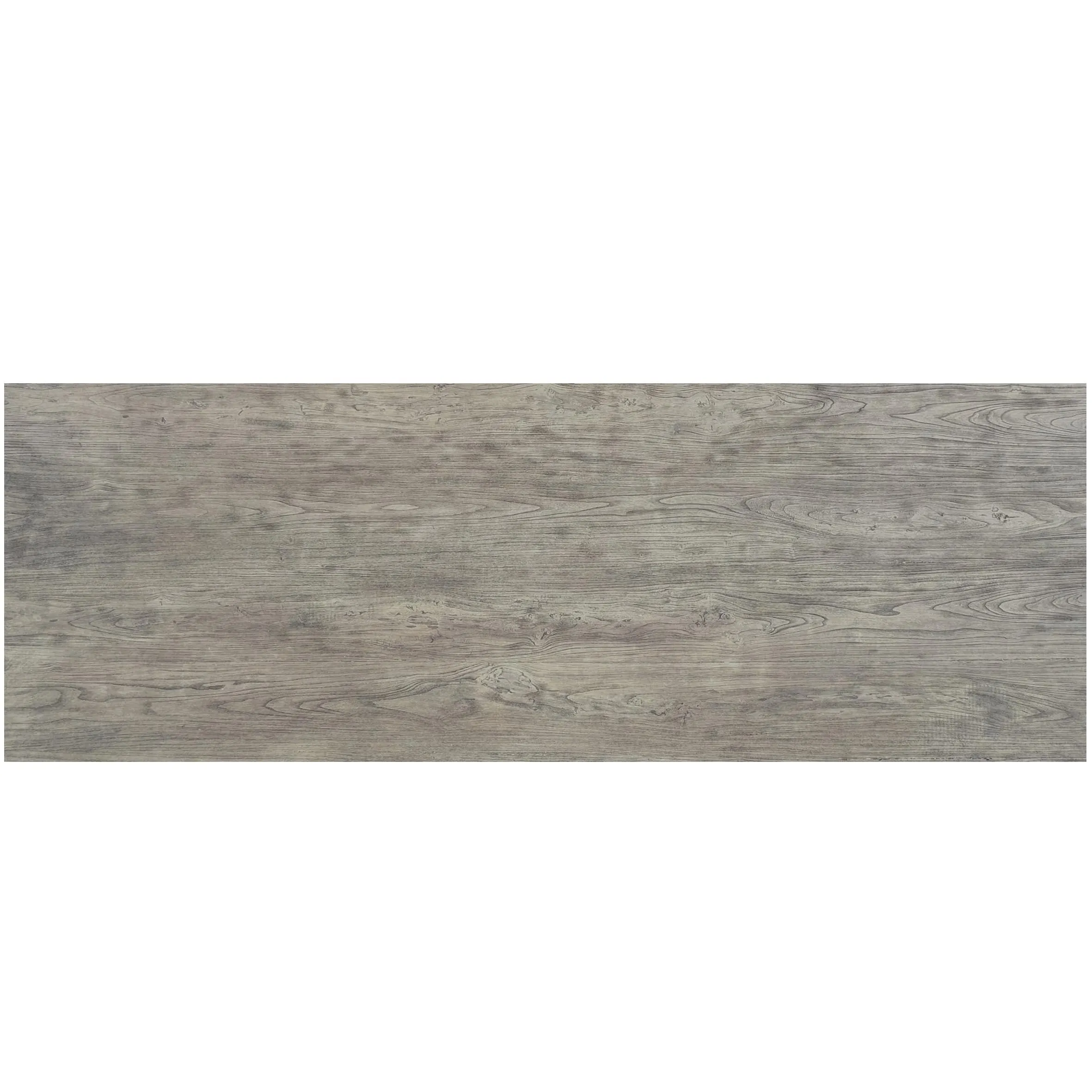
Choosing the right surface material for your home or office often feels like a balancing act. You want something that looks beautiful, fits your budget, and—let's be real—can handle the chaos of daily life. Scratches, in particular, are the silent enemy of any surface: a rogue chair leg, a dropped key, a playful pet's claws, or even the scrape of a dinner plate can leave permanent marks that dull the shine of your space. Today, we're diving deep into two popular contenders: wood grain board and laminate. Which one truly stands up to the test of scratches? Let's break it down, with real-life scenarios, honest comparisons, and a few surprises along the way.
If you've ever stood in a home improvement store, staring at endless samples of wood-look surfaces, you know the confusion. Wood grain board promises the warmth of natural wood with added durability, while laminate boasts affordability and a wide range of styles. But when it comes to the one thing that can make or break a surface—scratch resistance—how do they really stack up? We'll explore their construction, put them through everyday "torture tests," and even touch on related materials like MCM flexible stone (a rising star in durable design) to give you the full picture. By the end, you'll know exactly which surface deserves a spot in your space.
First things first: let's get clear on what wood grain board actually is. Unlike solid wood, which is exactly what it sounds like (a slab of natural timber), wood grain board is a engineered material designed to mimic the look and feel of real wood—without the price tag or maintenance headaches. Think of it as wood's practical cousin: it takes the best parts (that rich, organic grain pattern we all love) and pairs them with modern engineering to boost durability.
Most wood grain boards are made by pressing layers of wood fibers, resins, and sometimes a thin veneer of real wood together under high heat and pressure. The top layer, though, is where the magic happens: a protective coating (often melamine or polyurethane) that's designed to shield the surface from scratches, stains, and moisture. Some high-end variants even incorporate materials like wood grain board (yes, the name itself is a nod to its core identity) with additives that, making it a favorite for kitchens, dining rooms, and high-traffic living areas.
What sets wood grain board apart is its ability to feel "real." Run your hand over it, and you'll notice subtle texture—the grooves and knots that make wood feel alive. It's not just a print; it's a surface that invites touch, which is why so many homeowners fall for it. But here's the question: does that inviting texture come at the cost of scratch resistance?
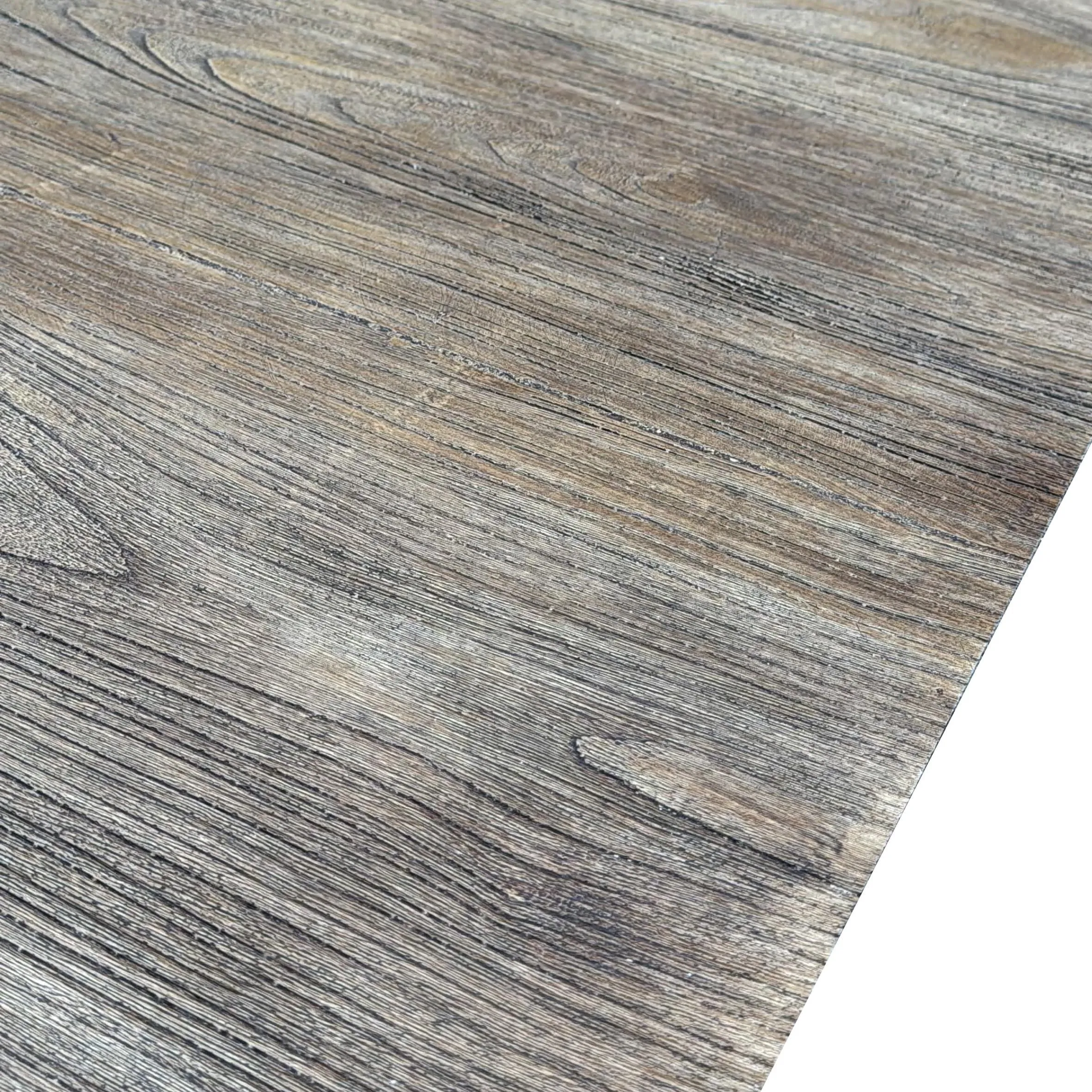
Laminate, on the other hand, is the ultimate shape-shifter of the surface world. It can look like wood, stone, tile, or even metal—all at a fraction of the cost of the real thing. But don't let its affordability fool you: laminate has come a long way since the 1970s, when it was known for peeling edges and a plastic-y sheen. Modern laminate is a multi-layered powerhouse, and it's a top pick for renters, families with kids, and anyone who wants style without the commitment.
So, how is it made? Laminate starts with a core layer of high-density fiberboard (HDF) or particleboard, which gives it stability. On top of that is a decorative layer—a high-resolution print that mimics the look of wood, marble, or even fair-faced concrete (a trendy, industrial aesthetic). Finally, there's a wear layer: a tough, transparent coating made of melamine resin that's designed to resist scratches, stains, and heat. The thickness of this wear layer is key—measured in millimeters, it's often labeled with an "AC rating" (Abrasion Class), where higher numbers mean better durability.
Laminate's superpower is its consistency. Unlike wood grain board, which can have natural variations, laminate looks exactly the same across every square inch. That's a plus if you want a uniform look, but some people find it lacks the "character" of real wood. Still, for busy households, that uniformity is a blessing: no worrying about matching grains or hiding imperfections. But when it comes to scratches, does that tough wear layer hold up?
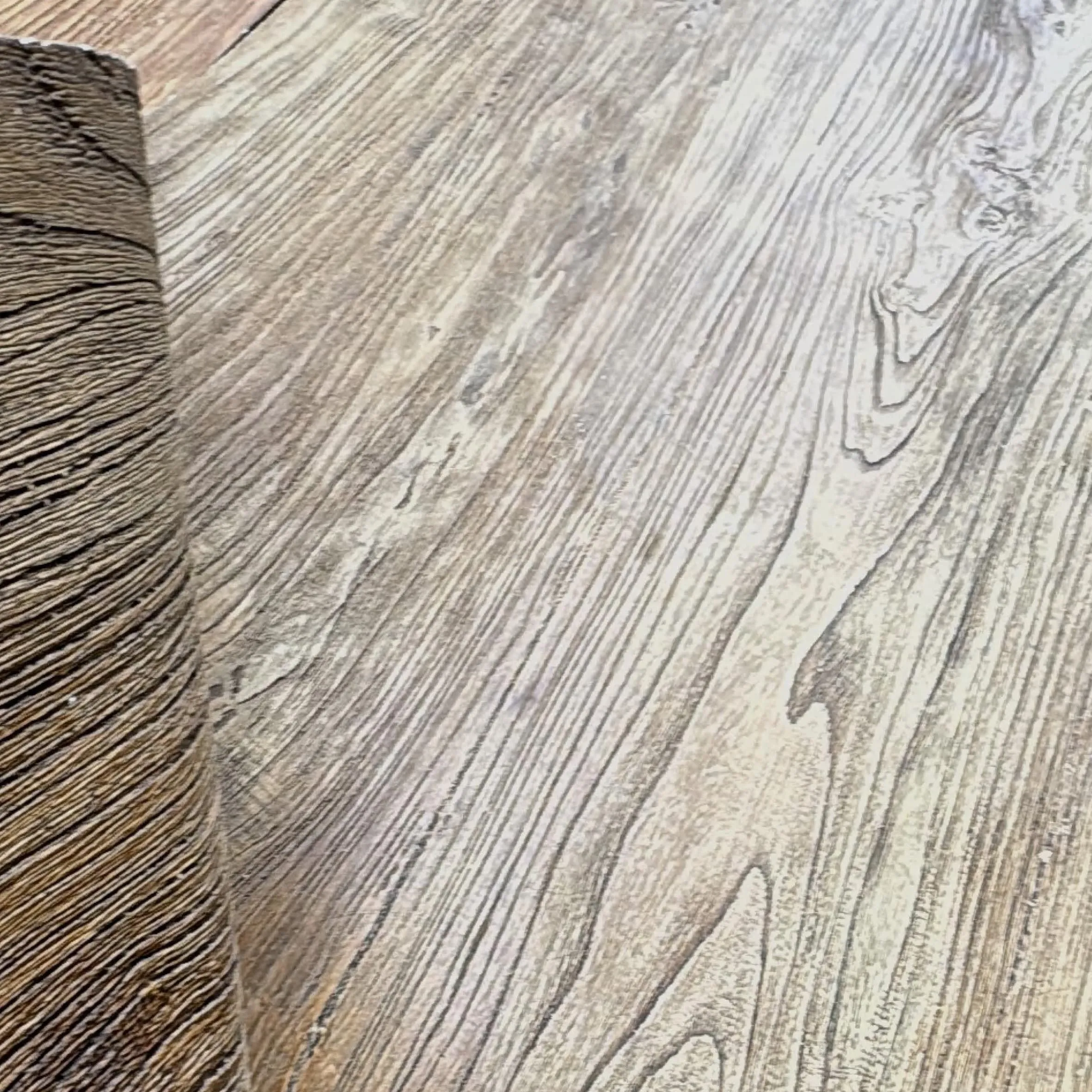
Let's cut to the chase: when it comes to scratches, which one wins? To find out, we need to talk about how scratches happen and how each material fights back.
Scratches aren't just about aesthetics—they're about vulnerability. A small scratch can trap dirt, leading to discoloration over time. Deep scratches can expose the core material, making it prone to water damage or mold. So, the goal isn't just to avoid visible marks; it's to protect the integrity of the surface.
Most household scratches fall into two categories: light surface scratches (from keys, pet nails, or sliding objects) and deep gouges (from heavy furniture, dropped tools, or sharp edges). Let's test both materials against these scenarios.
Wood grain board's top protective layer is its first line of defense. High-quality options (often labeled "scratch-resistant") use a polyurethane or aluminum oxide coating, which is harder than the underlying wood fibers. For light scratches—say, a cat jumping onto the counter or a fork sliding across the dining table—this coating usually holds up. The texture of the wood grain can even "hide" minor scratches, as the natural grooves and color variations mask faint marks.
But here's the catch: the texture that makes wood grain board so appealing can also be its Achilles' heel. Deep scratches that penetrate the protective coating can catch on the grain, making them more visible. For example, dragging a heavy chair with unprotected legs across a wood grain board floor might leave a noticeable mark, especially if the coating is thin. That said, many modern wood grain boards (especially those part of premium lines like MCM flexible stone composites) are engineered with cross-laminated layers that distribute impact, reducing the risk of deep gouges.
Laminate's claim to fame is its wear layer. AC-rated laminates (from AC1 to AC6) are tested for scratch resistance, with AC4 and above recommended for residential high-traffic areas. The wear layer is smooth and non-porous, which means light scratches often bounce right off—think of it like a shield. A key dropped on an AC5 laminate countertop? Probably no mark. A dog's nails scraping the floor? Maybe a faint line, but nothing permanent.
But laminate has a weakness too: its uniformity. Because the surface is smooth and the pattern is printed, any scratch that does occur is immediately noticeable. There's no grain to hide it, so even a small mark can stand out like a sore thumb. Worse, if the wear layer is compromised (say, by a deep scratch from a sharp knife), the decorative layer underneath can peel or fade, leaving an unsightly blemish that's hard to repair.
| Scenario | Wood Grain Board | Laminate (AC4+) |
|---|---|---|
| Light scratch (keys, pet nails) | Mostly hidden by texture; minimal damage | Often no visible mark; wear layer resists |
| Deep scratch (furniture drag, dropped tool) | Possible mark, but grain masks severity | Noticeable mark; risk of decorative layer damage |
| Long-term durability (5+ years) | Holds up well; minor scratches blend over time | Wear layer may thin; scratches accumulate visibly |
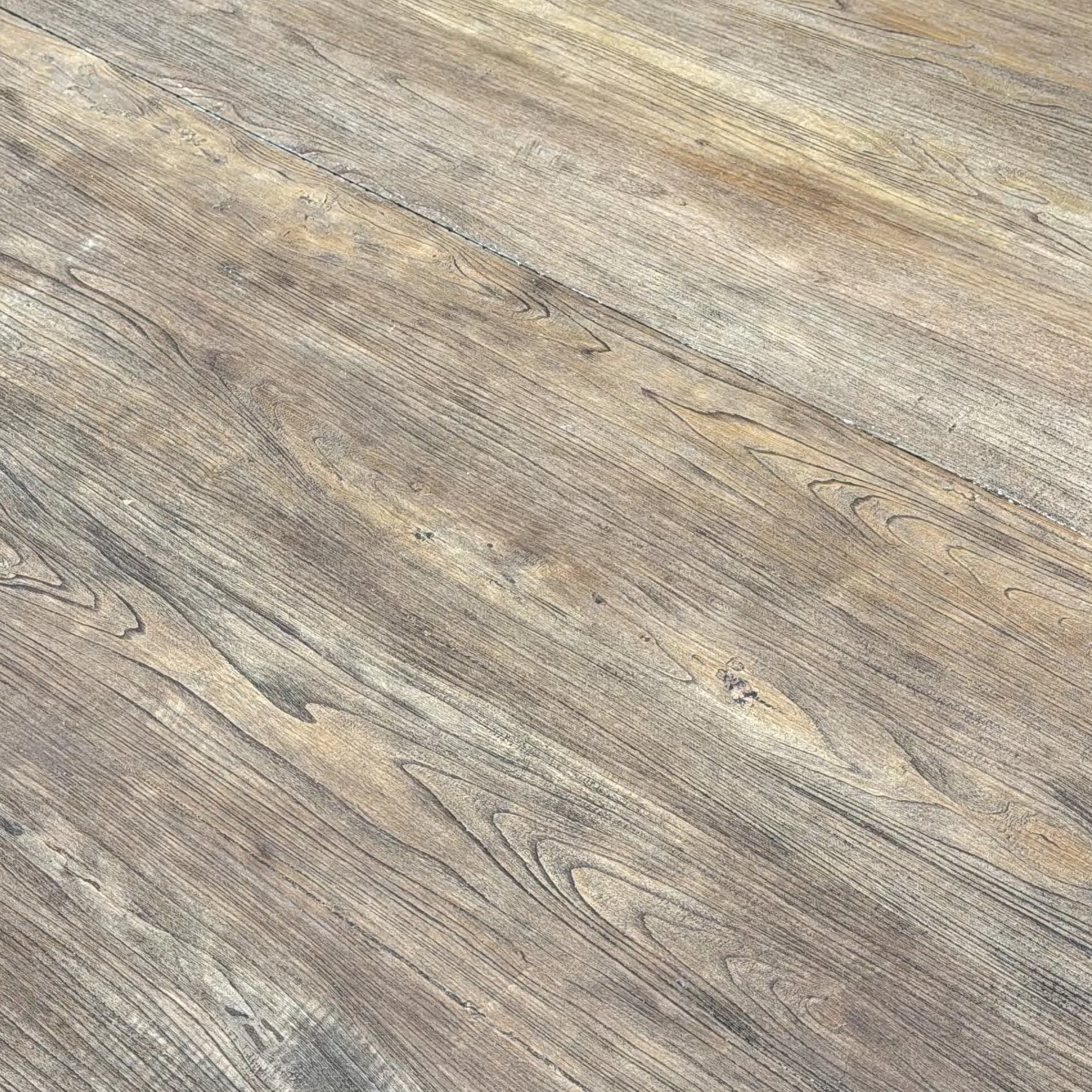
Specs and tests are one thing, but nothing beats hearing from people who live with these surfaces every day. We talked to three homeowners to get the inside scoop.
Sarah, 34, mom of two toddlers and a golden retriever: "We installed wood grain board flooring in our kitchen three years ago, and honestly? It's been a champ. The kids drop toys, the dog scratches to get in, and we've had our fair share of pasta sauce spills. There are a few light scratches near the door, but you have to squint to see them—they blend right into the grain. I love that it still looks warm and homey, even with all the chaos."
Mike, 42, renter in a busy city apartment: "Laminate was the only option in my budget, so I went with an AC5-rated wood-look laminate for my living room. It's held up surprisingly well to my weekly movie nights (read: friends dropping popcorn bowls) and my habit of dragging my coffee table to rearrange. The only downside? Last month, I accidentally scraped it with a metal bookend, and there's a tiny white line that won't go away. It's not a dealbreaker, but it's definitely noticeable."
Elena, 55, empty-nester who loves to cook: "I replaced my kitchen countertops with wood grain board last year, and I was nervous about scratches from knives and pots. But I invested in a high-quality brand with a thick protective coating, and it's been amazing. I chop vegetables directly on it (gasp, I know!), and there's barely a mark. My neighbor has laminate countertops, and hers has a big scratch from a cast-iron skillet—she still about it. I think the key is spending a little more on the coating for wood grain board."
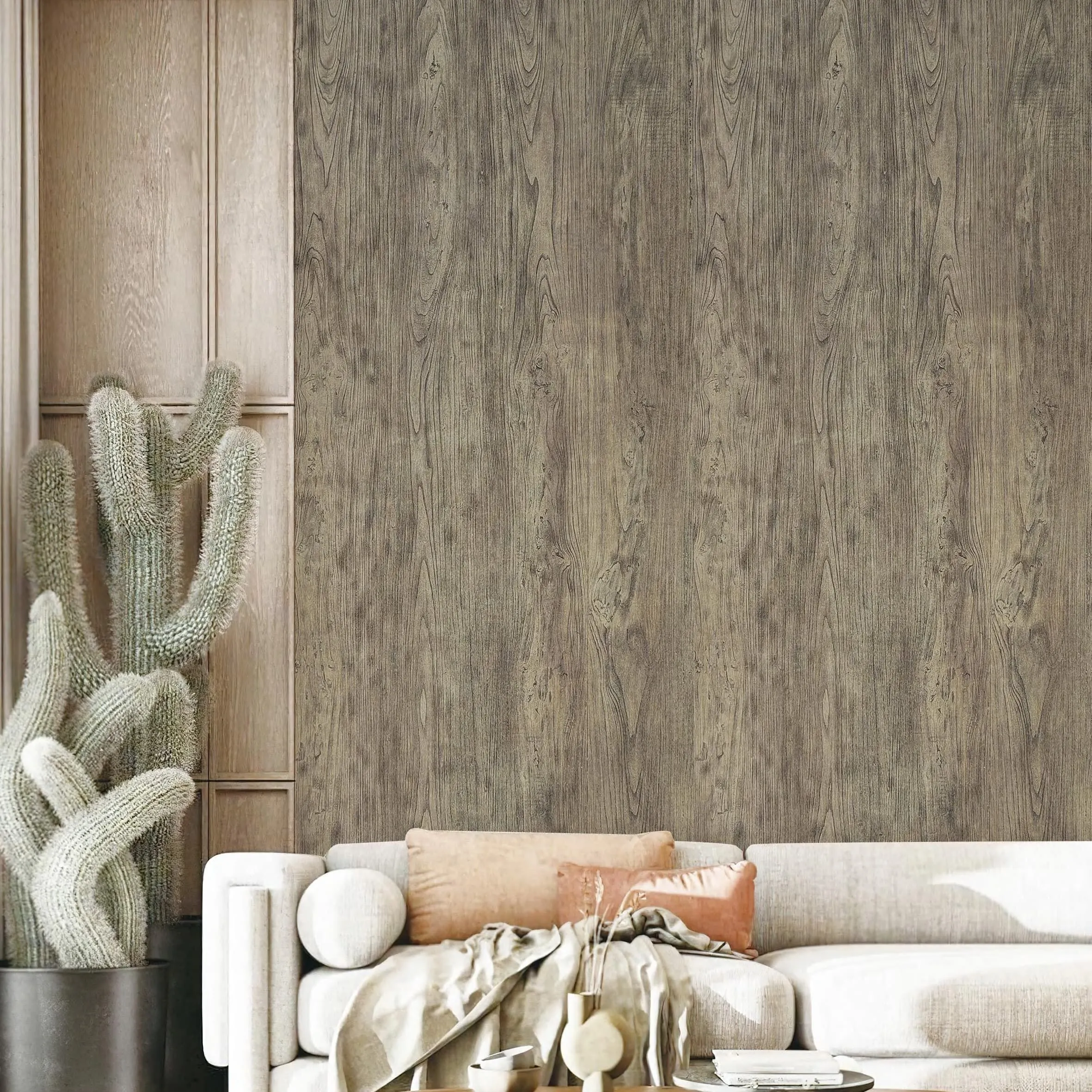
Scratch resistance is crucial, but it's not the only thing to consider. Let's break down how wood grain board and laminate stack up in other key areas.
Wood grain board, when properly maintained, can last 15–20 years in low-traffic areas and 10–15 years in high-traffic spots. Its layered construction resists warping from moisture (if sealed well), and minor scratches can often be buffed out with furniture polish. Laminate, on the other hand, has a lifespan of 10–15 years, but its wear layer can thin over time, making it more prone to scratches and stains as it ages. Once the wear layer is gone, there's no fixing it—you'll need to replace the entire surface.
Both materials are low-maintenance, but there are subtle differences. Wood grain board needs occasional sealing (every 1–3 years, depending on the type) to protect against moisture and stains. It's also sensitive to harsh chemicals, so stick to mild soap and water. Laminate, being non-porous, is a breeze to clean—just wipe with a damp cloth. No sealing required, and it's resistant to most household cleaners. That said, avoid steam mops on laminate—heat can loosen the adhesive holding the layers together.
Laminate is the clear winner for budget shoppers, ranging from $1–$5 per square foot for basic options and $5–$10 for high-end AC5+ varieties. Wood grain board, on the other hand, starts at $5–$10 per square foot and can go up to $15–$20 for premium, scratch-resistant lines. While laminate saves you money upfront, wood grain board may offer better long-term value if you plan to stay in your home for years—no need to replace it as often.
This is subjective, but it's worth mentioning. Wood grain board has a tactile, organic feel that adds warmth to a space. It's perfect if you love the look of real wood but want something more durable. Laminate, while increasingly realistic, can sometimes feel "flat" or overly perfect—great if you prefer a sleek, modern vibe, but less so if you crave character. Some high-end laminates now mimic texture, but they still can't replicate the depth of real wood grain.
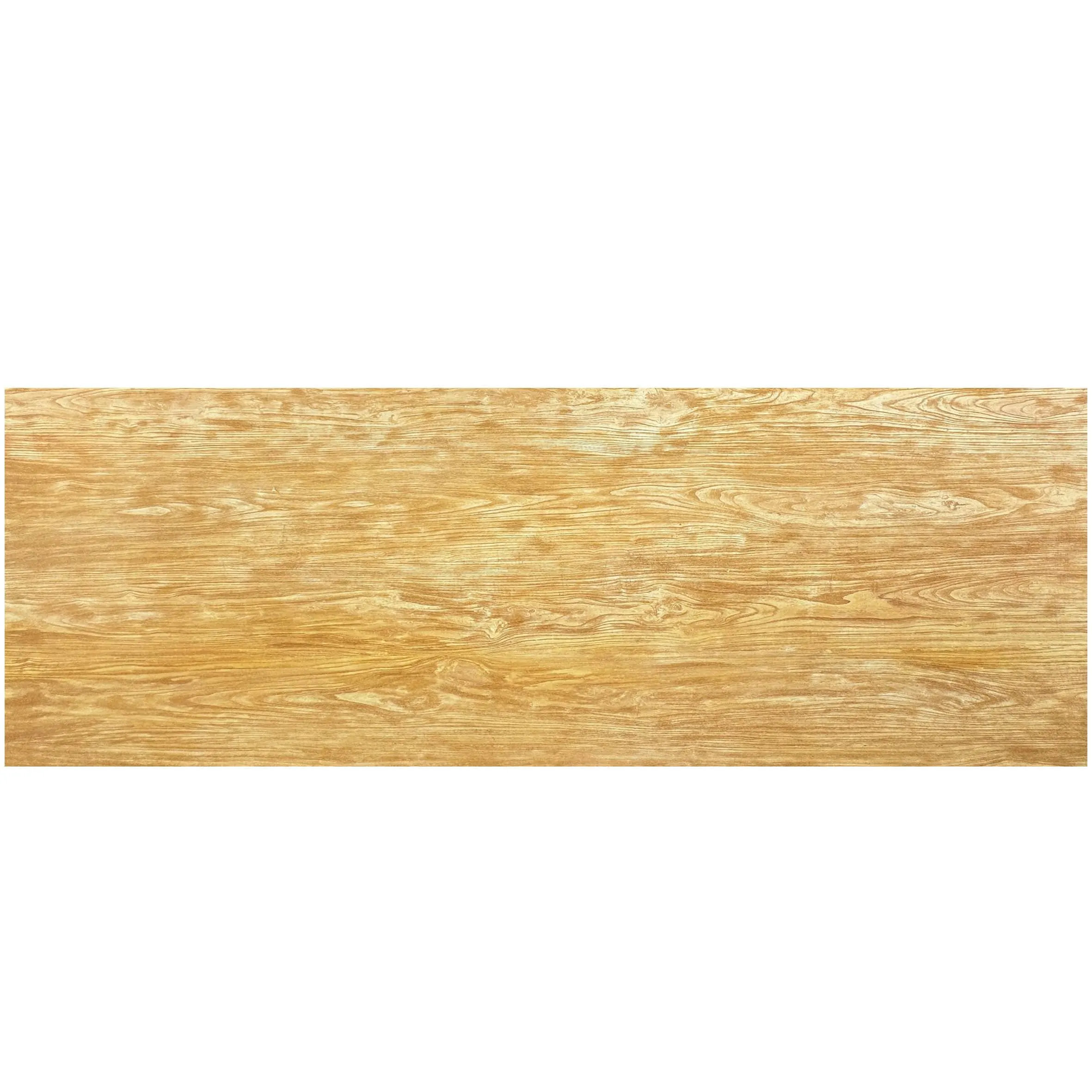
The answer depends on your lifestyle, budget, and priorities. Here's a quick guide to help you decide:
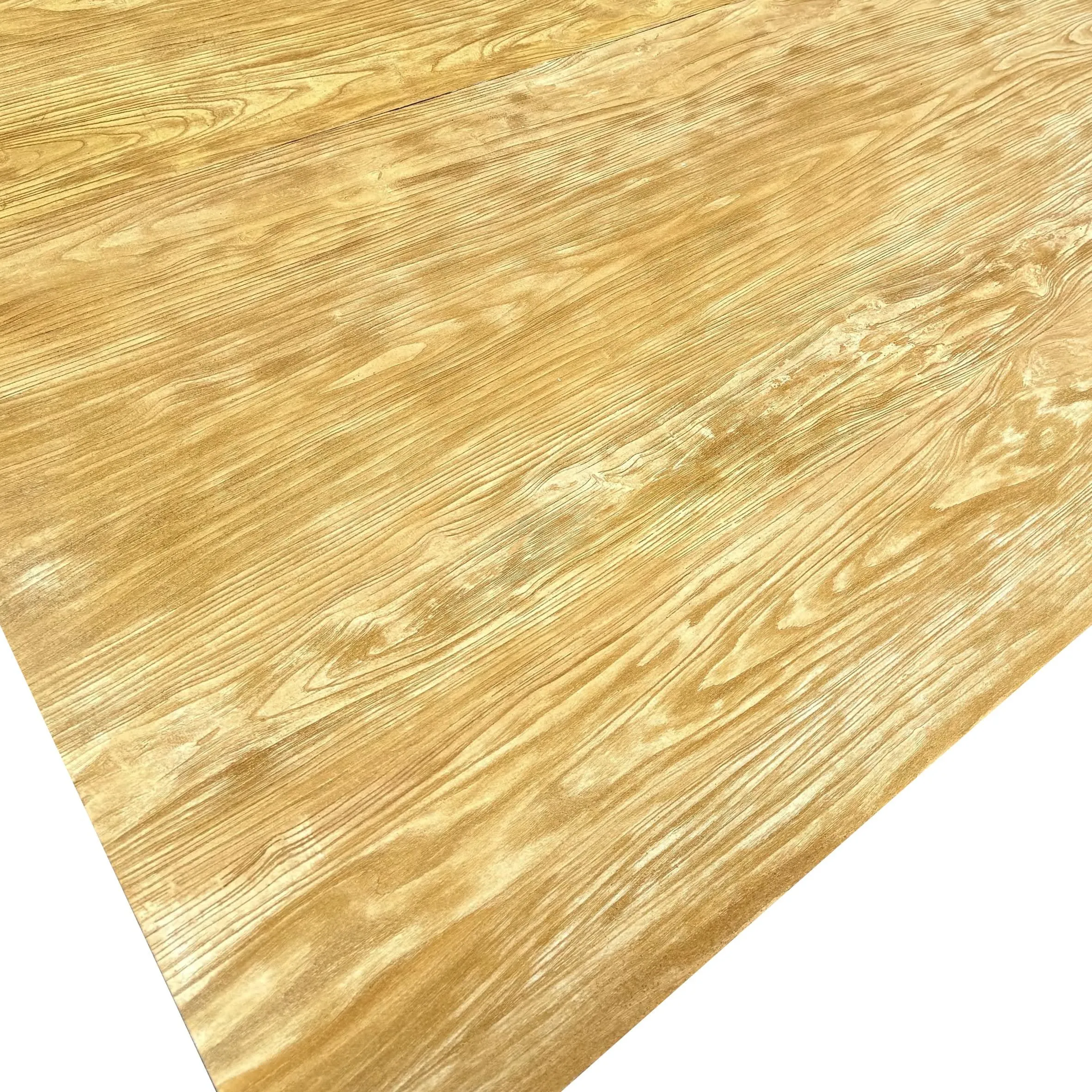
At the end of the day, both wood grain board and laminate have their strengths. Wood grain board offers warmth, character, and the ability to hide life's little imperfections—making it feel like a true part of your home. Laminate, with its budget-friendly price tag and tough wear layer, is a practical workhorse for busy spaces. When it comes to scratch resistance, there's no clear "winner"—it depends on the type of scratches you're likely to face and how much you care about visibility.
The best advice? Visit a showroom and test them out. Drag a key across a sample, run your hand over the surface, and imagine it in your space. After all, the right surface isn't just about resisting scratches—it's about making you happy every time you walk into the room.
Whether you choose wood grain board, laminate, or something in between, here's to surfaces that stand up to life—and look good doing it.
Recommend Products












