
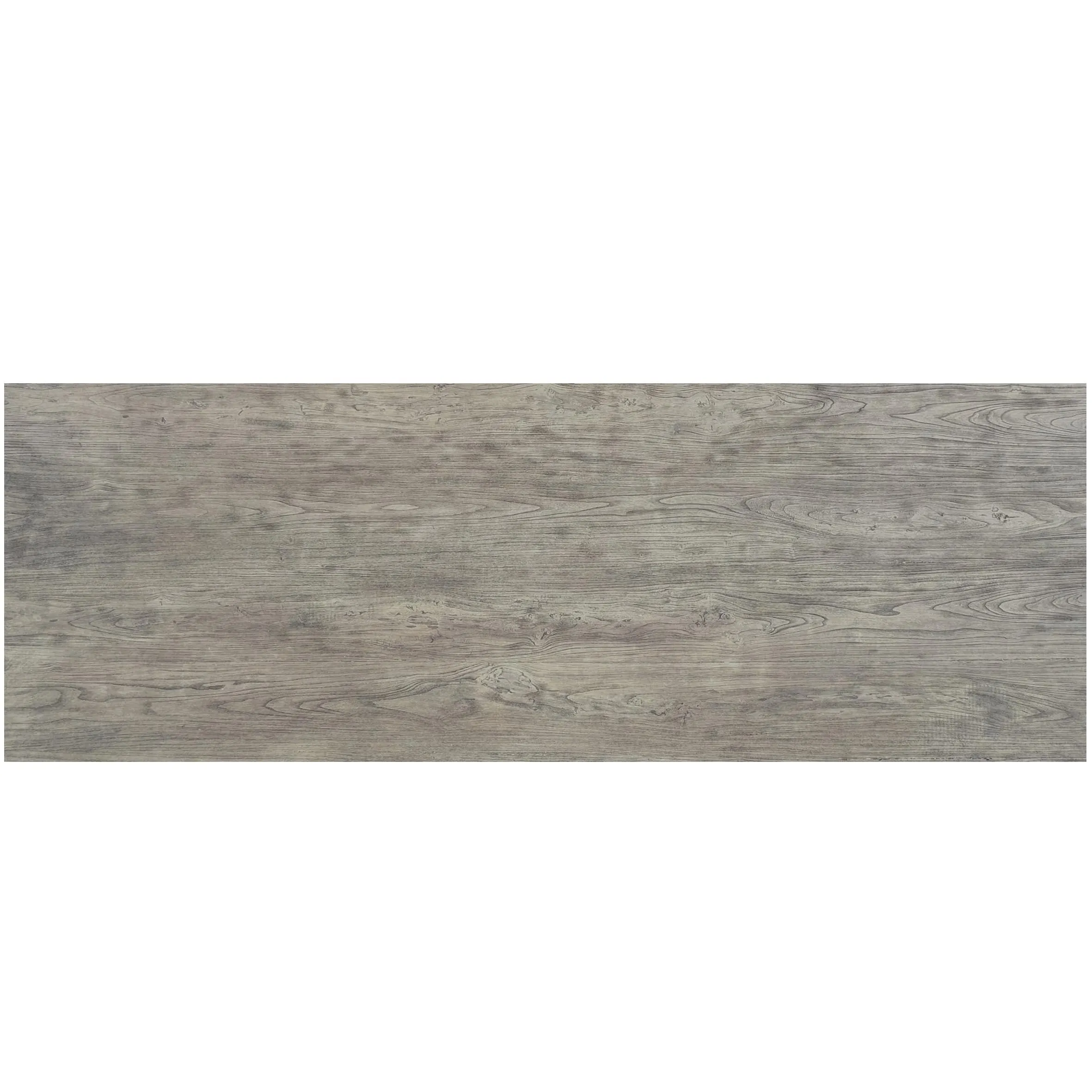
Walk into any thoughtfully designed space—a sunlit café with exposed beams, a cozy home office lined with bookshelves, or a sleek restaurant with statement walls—and you'll notice something quiet but powerful: the materials. They don't just fill a room; they shape how we feel in it. Warmth, calm, energy, nostalgia—these emotions often start with the textures under our hands and the patterns before our eyes. Today, we're diving into two materials that frequently land on designers' and homeowners' shortlists: wood grain board and PVC panels. Both promise to transform walls, ceilings, and surfaces, but they bring wildly different personalities to the table. Let's unpack their stories—how they hold up over time (durability) and how they make us feel (aesthetics)—so you can pick the one that speaks to your space.
Let's start with the practical stuff: how well these materials stand up to the chaos of real life. Spills, scratches, humidity, sunlight—our spaces aren't museums, and our walls shouldn't need kid gloves. Let's break it down.
Wood grain board, at its core, is a love letter to nature. It's typically made by bonding real wood veneer to a composite base (like plywood or MDF) or using engineered wood fibers pressed into panels. This gives it that organic, one-of-a-kind grain pattern we all crave. But how does it hold up when life gets messy?
Moisture: Here's the thing about wood—it's a living material, even after it's been cut. In humid spaces (think bathrooms, kitchens, or basements in rainy climates), unprotected wood grain board can absorb moisture like a sponge. Over time, that leads to warping, swelling, or even mold if left unchecked. Some manufacturers treat it with sealants or laminates to repel water, but it's never fully "waterproof." I once visited a friend's beach house where they used untreated wood grain board in the bathroom; within a year, the edges had started to curl, like pages of a wet book.
Scratches & Dents: Picture a busy family room with kids racing toy cars or a dog darting past walls. Wood grain board, especially with a matte or natural finish, shows scratches more easily than synthetic materials. A sharp edge from a moving sofa or a rogue Lego can leave a visible mark. But here's the silver lining: those imperfections can add character. I've seen wood grain board in a 100-year-old cabin that looked better with every scratch—it told a story of generations gathering there.
Heat & Sunlight: Direct sunlight can fade wood grain board over time, especially darker stains. Place it near a south-facing window without blinds, and you might notice uneven discoloration after a few years. On the flip side, it handles moderate heat well—no warping near fireplaces or radiators, as long as there's a few inches of space for airflow.
Longevity: With proper care (regular dusting, avoiding prolonged moisture, occasional refinishing), wood grain board can last 15–20 years or more. The key is maintenance: think of it like a wooden dining table—wipe up spills quickly, use coasters (or in this case, avoid leaning wet towels against walls), and refinish the surface every 5–7 years if it starts to look worn.
PVC (polyvinyl chloride) panels are the new kid on the block, born from the need for low-maintenance, budget-friendly alternatives to natural materials. Made from plastic polymers, they're lightweight, flexible, and designed to be "set it and forget it."
Moisture: This is where PVC shines. Unlike wood, it's 100% waterproof. I installed PVC panels in my parents' basement bathroom last year—no sealants, no special treatments—and after a rainy season, they still look brand new. No mold, no swelling, no peeling. That's why contractors love them for shower surrounds, kitchen backsplashes, or laundry rooms.
Scratches & Dents: PVC is surprisingly tough. Its smooth, non-porous surface resists minor scratches from keys, pets, or furniture. I've seen PVC panels in a busy restaurant kitchen where servers brush against walls daily—after two years, the only signs of wear were a few faint smudges (easily wiped off). Heavy impacts, though, can crack or chip it—think a sledgehammer or a falling toolbox. But for everyday bumps? It's a champ.
Heat & Sunlight: PVC has a Achilles' heel: extreme heat. In spaces with intense, direct sunlight (like a sunroom with no shades) or near heat sources (ovens, radiators), it can soften or warp over time. I once saw PVC panels in a garage where the summer sun beat down all day; the edges had started to bow, like a smile stretched too wide. Most quality PVC panels are rated to handle temperatures up to 140°F (60°C), but beyond that, proceed with caution.
Longevity: PVC panels are built to last, often 25–30 years with minimal upkeep. They don't fade easily (unless exposed to constant UV rays), and they're immune to rot or insect damage. The only catch? If they do get damaged (say, a large crack), you can't refinish them—you have to replace the panel. But since they're lightweight and easy to install, that's usually a quick fix.
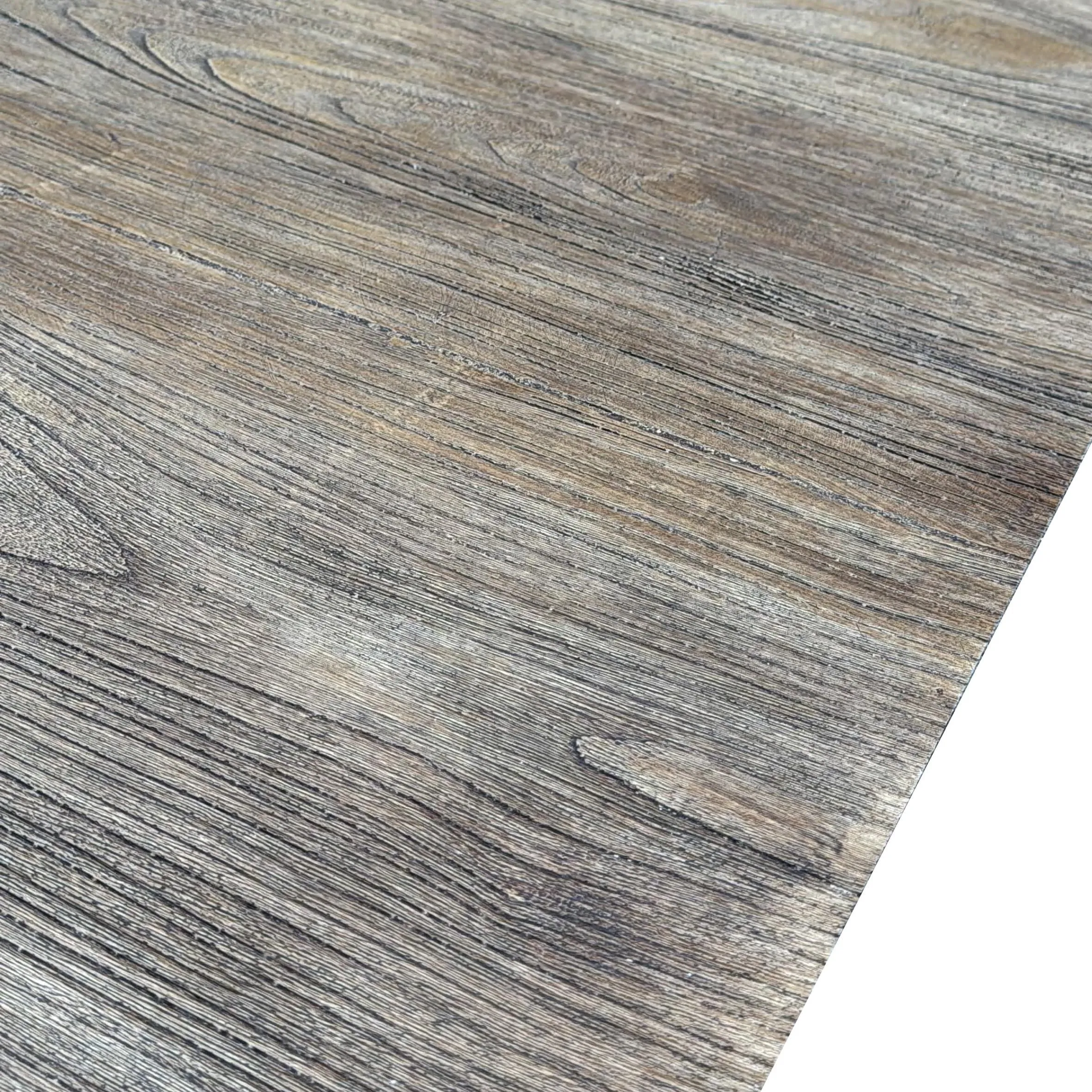
Durability keeps your walls standing, but aesthetics make you love them. Let's talk about texture, color, and that intangible "vibe" each material brings.
Close your eyes and imagine running your hand over a wood grain board wall. Chances are, you're picturing warmth—the kind that makes a room feel like a hug. That's because wood grain board doesn't just look natural; it feels natural. Each panel has unique knots, swirls, and color variations—no two are exactly alike. It's the opposite of "cookie-cutter."
Texture: The grain isn't just a print; it's a physical texture. Run your fingers across it, and you'll feel tiny ridges and valleys, like the memory of the tree's growth rings. Some boards have a rough, sawn finish (great for rustic spaces), while others are sanded smooth (perfect for modern Farmhouse). Either way, it's tactile—you want to touch it, which makes a space feel more inviting.
Color & Finish: Wood grain board comes in a rainbow of stains and species: oak (blonde and honey), walnut (rich brown), pine (soft yellow), maple (pale and creamy). Even within the same species, there are variations—one panel might have a dark streak, another a lighter patch. This "imperfection" is what makes it feel alive. Finishes range from matte (for a muted, organic look) to glossy (though rare, since it can make the grain look artificial). Over time, untreated wood grain board develops a patina—a soft, weathered look that adds depth. I have a wood grain board accent wall in my study that's darkened slightly over five years; it now looks like it's been part of the house for decades, not just a renovation.
The "Plastic Problem" It Avoids: Here's the biggest win for wood grain board: it never feels "fake." Even engineered versions with veneer have real wood at their core, so the warmth reads as genuine. Compare that to some wood-look PVC panels, which can feel slippery or overly smooth, like a toy rather than a building material.
PVC panels aren't trying to be wood—and that's okay. They embrace their synthetic roots to offer something different: crisp, clean, and endlessly customizable. If wood grain board is a cozy cabin, PVC panels are a sleek city loft.
Texture: Modern PVC panels have come a long way from the shiny, plastic-y sheets of the 90s. Many mimic textures like brick, stone, or even wood grain (complete with subtle indentations). I recently saw a PVC panel designed to look like travertine (beige) —it had the same pitted, earthy texture as the real stone, but at a fraction of the weight. The downside? Even the best textures can feel "flat" compared to natural materials. Run your hand over a wood-look PVC panel, and you might think, "That's convincing… but not quite there."
Color & Finish: PVC panels are color chameleons. Want a bold red accent wall? Done. A soft gray for a minimalist bathroom? Easy. They come in solid colors, metallic finishes, or patterns (like geometric prints or abstract designs). The color is consistent across panels—no random dark spots or light streaks—which is great if you want a uniform look (think a modern kitchen with matching cabinetry and walls). The tradeoff? That uniformity can feel "cold" in spaces where you want warmth. I visited a home where the entire basement was done in white PVC panels; it looked clean, but it felt more like a hospital than a family hangout. Adding wooden furniture helped, but the panels themselves lacked that organic spark.
Aging Gracefully? PVC panels don't develop a patina—they just… stay the same. No warmening, no fading (with proper UV protection), no character-building scratches. For some, that's a plus: your kitchen backsplash will look the same in 10 years as it did on day one. For others, it feels static, like a photograph that never changes. It's a matter of taste—do you want your space to evolve with you, or stay "perfect" forever?
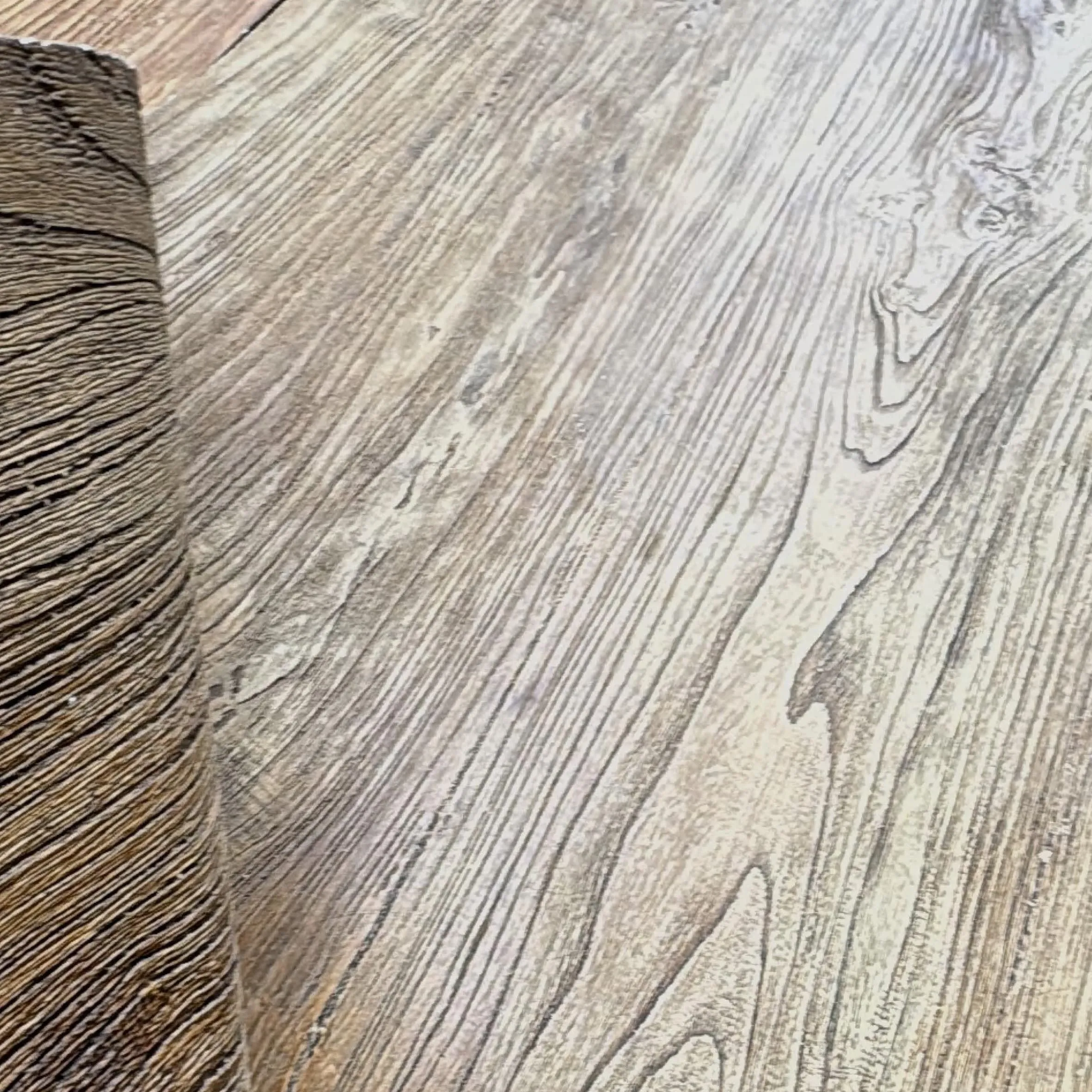
Durability and aesthetics are important, but context matters. Let's match each material to the spaces where it truly shines.
Choose Wood Grain Board If…
You want warmth, character, and don't mind a little maintenance. It's perfect for:
• Bedrooms, living rooms, or home offices (low moisture, high "coziness" priority)
• Accent walls (to add texture and focal points)
• Spaces with moderate foot traffic (dining rooms, hallways)
• Homes where you want a "timeless" look that ages with grace
Choose PVC Panels If…
You need low-maintenance durability and love modern, consistent design. They're ideal for:
• Bathrooms, kitchens, or basements (high moisture, easy cleaning)
• Commercial spaces (restaurants, retail stores, gyms) where wear and tear is constant
• Rooms with bold color schemes (since PVC holds color better than wood)
• Rentals or temporary spaces (easy to install and replace if needed)
And if you're craving something beyond these two? Materials like flexible stone (lightweight, versatile, and stunningly natural) or fair-faced concrete (raw, industrial, and surprisingly warm) offer other paths. But for everyday walls, wood grain board and PVC panels are the workhorses.
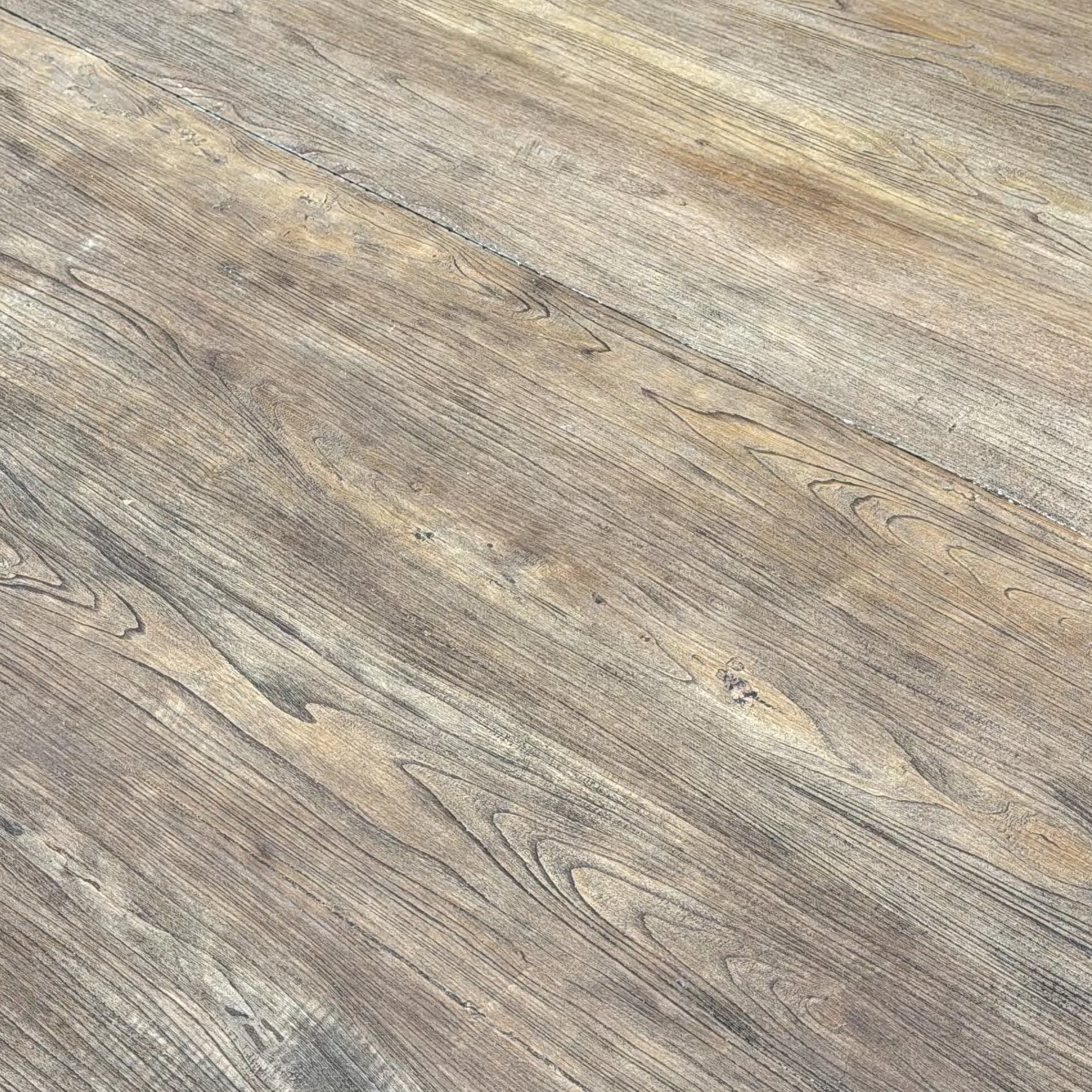
| Feature | Wood Grain Board | PVC Panels |
|---|---|---|
| Moisture Resistance | Low to moderate (needs sealant in humid areas) | High (waterproof, ideal for wet spaces) |
| Scratch/Dent Resistance | Moderate (shows scratches but adds character) | High (resists minor scratches, prone to cracking under heavy impact) |
| Heat Tolerance | Good (handles moderate heat; avoid direct sunlight fading) | Fair (warps in extreme heat/sunlight) |
| Aesthetic Vibe | Warm, organic, unique grain patterns; ages with patina | Modern, consistent, customizable; stays "new" but can feel plastic-like |
| Maintenance | Regular dusting, occasional refinishing/sealing | Wipe with soap and water; replace damaged panels |
| Best For | Cozy, low-moisture spaces; accent walls; timeless design | Wet areas, high-traffic commercial spaces; modern, uniform looks |
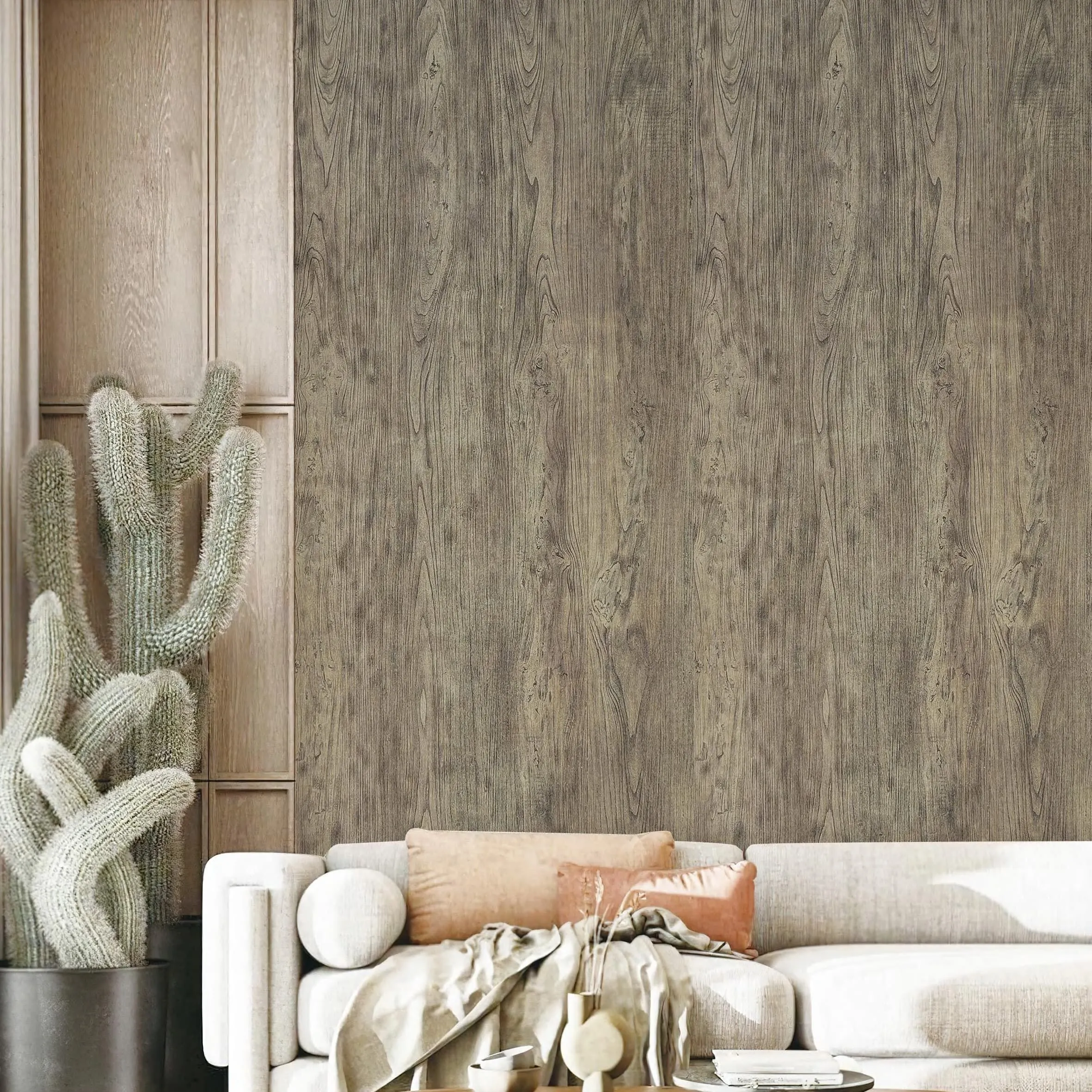
At the end of the day, there's no "better" material—only the one that fits your space's personality. Wood grain board is for the dreamers who want their walls to tell a story, who don't mind a few battle scars, and who crave that unbeatable natural warmth. PVC panels are for the pragmatists who want walls that work as hard as they do, who love clean lines and low fuss, and who aren't afraid of a little modern edge.
Maybe you'll mix them: wood grain board in the living room for warmth, PVC panels in the bathroom for peace of mind. Or maybe you'll fall head over heels for one and build your space around it. Either way, remember—great design isn't about perfection. It's about choosing materials that make you think, "Yes, this feels like home."
So go ahead—touch the samples, imagine the light, and let your space speak. It'll tell you which one it wants.
Recommend Products












