
Walk into any successful commercial space—a bustling café, a sleek boutique, or a luxury hotel lobby—and you'll notice something immediately: the materials tell a story. They set the mood, shape first impressions, and even influence how long customers stay. In a world where brand identity is everything, choosing between warm, inviting wood grain board and timeless, elegant stone veneer isn't just about aesthetics—it's about investing in value. Let's dive into how these two materials stack up, and which might be the secret weapon for your next commercial project.
Before we compare, let's break down what we're actually talking about. Both wood grain board and stone veneer (we'll focus on travertine, a fan favorite) have evolved far beyond their traditional roots, thanks to innovations like MCM (Modified Composite Material) technology. Here's the lowdown:
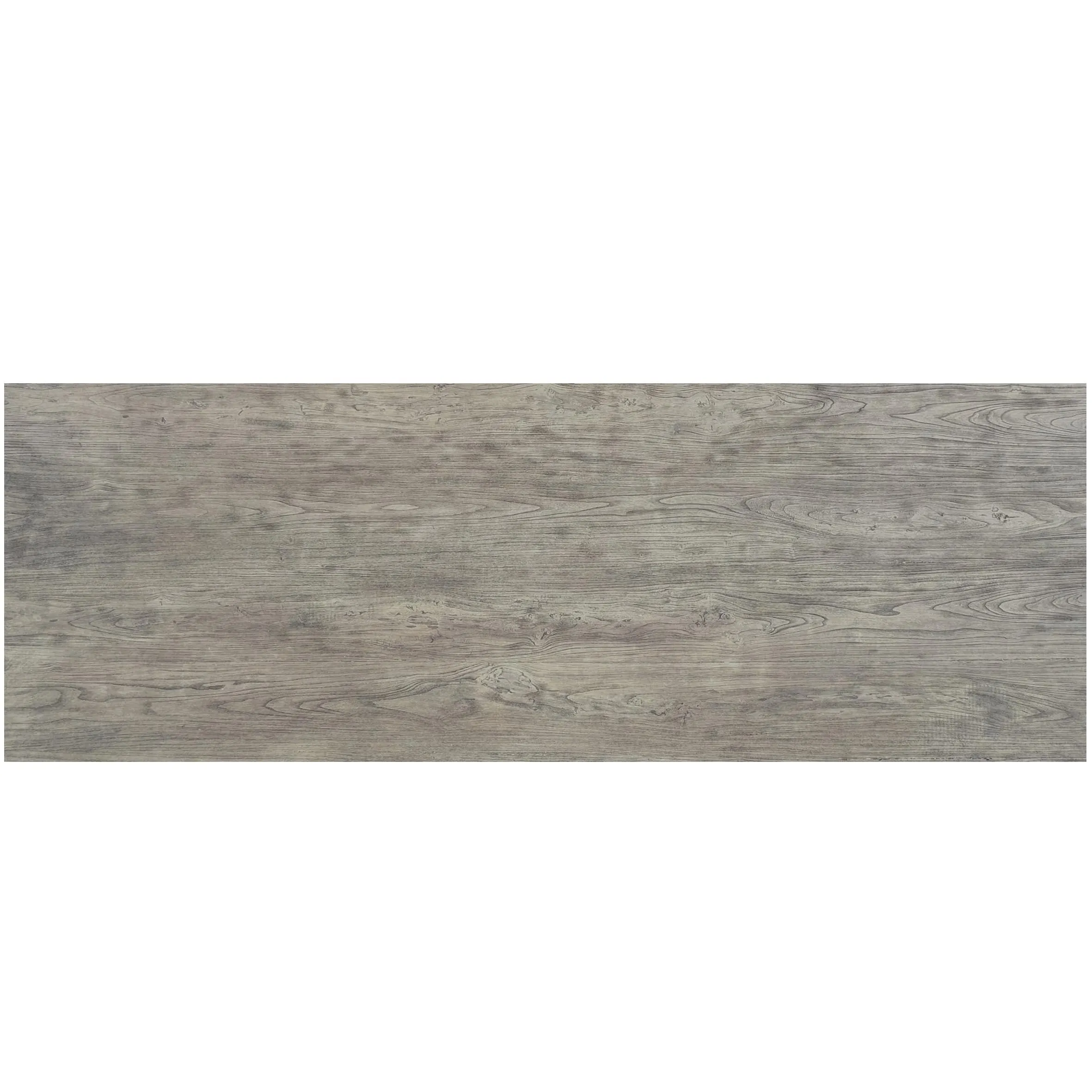
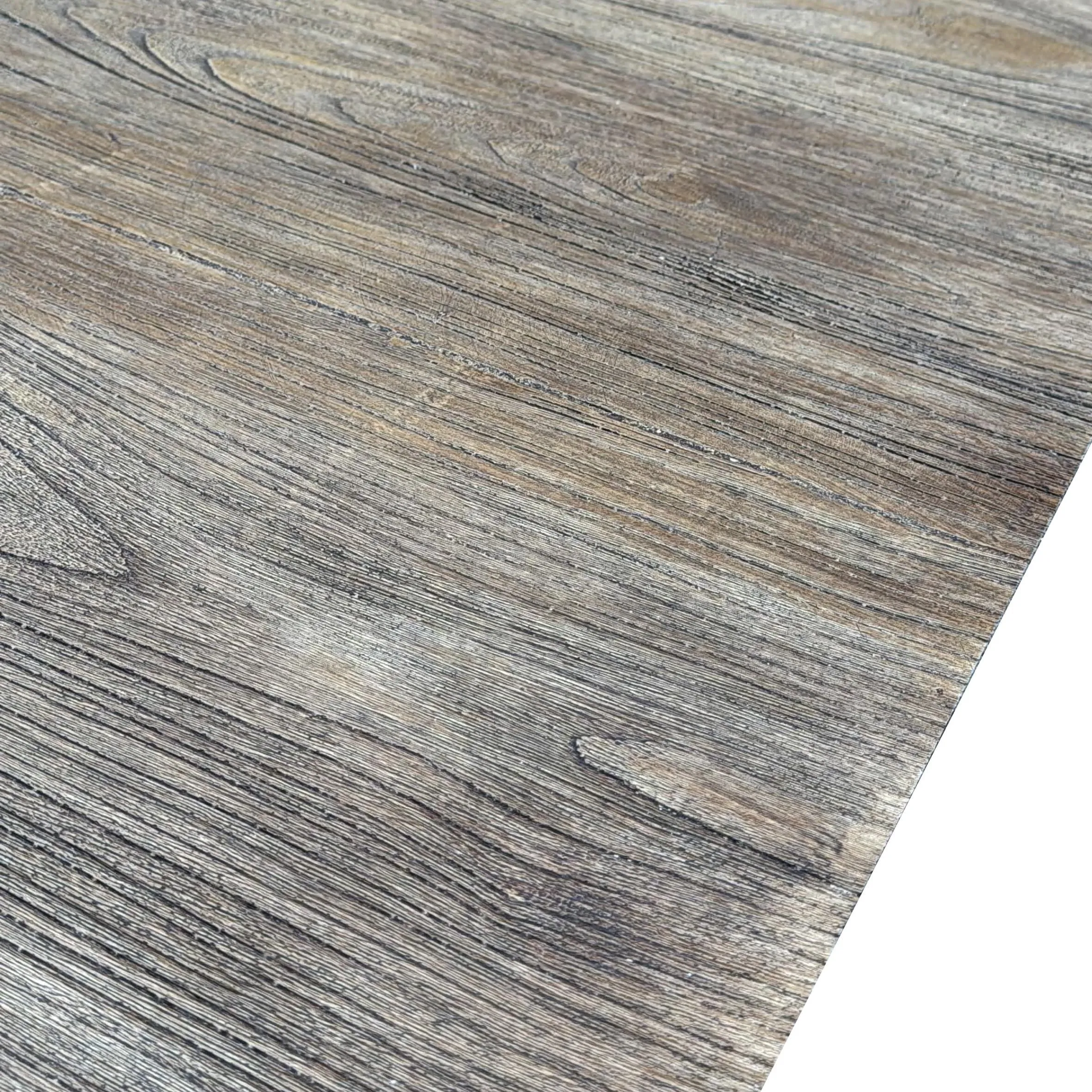
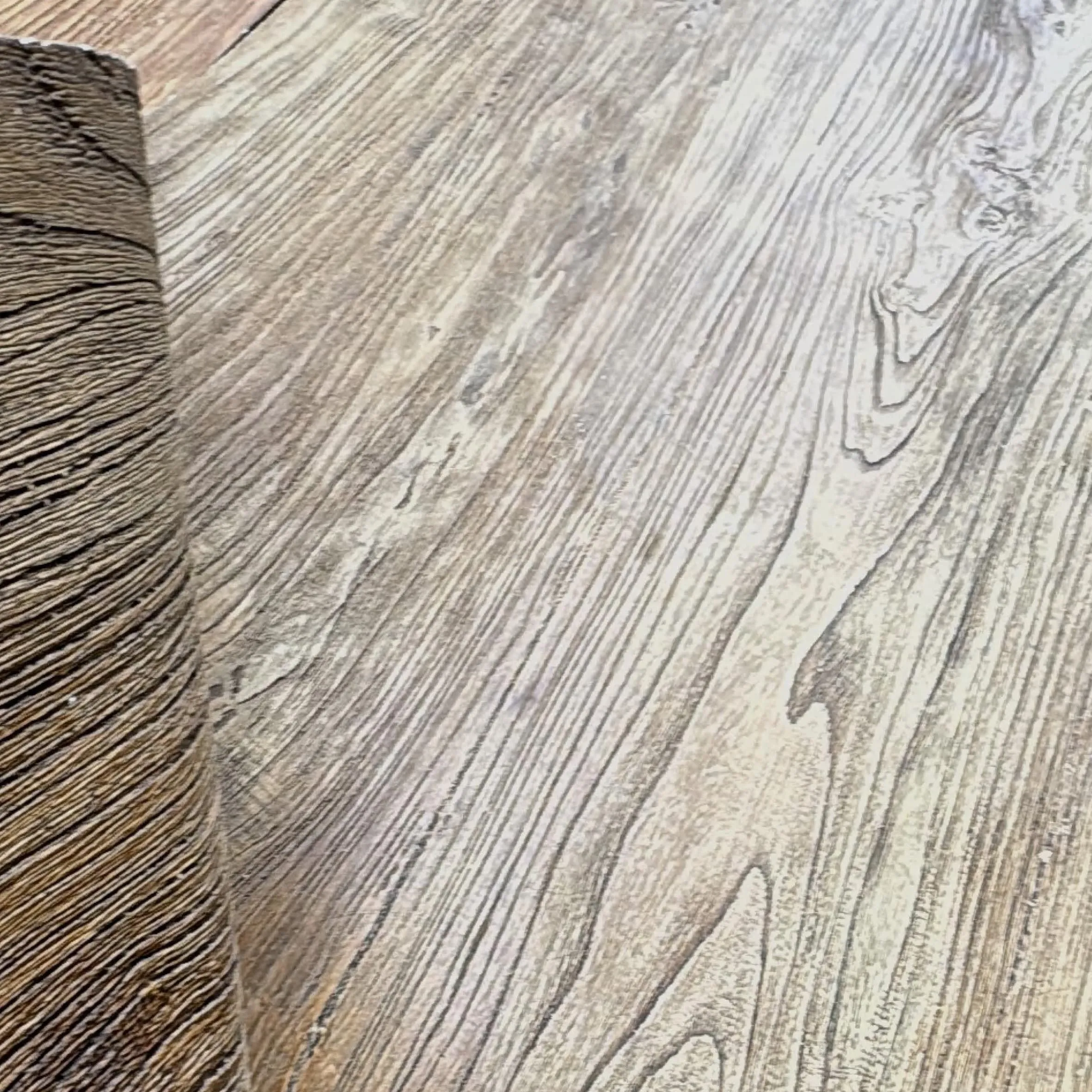
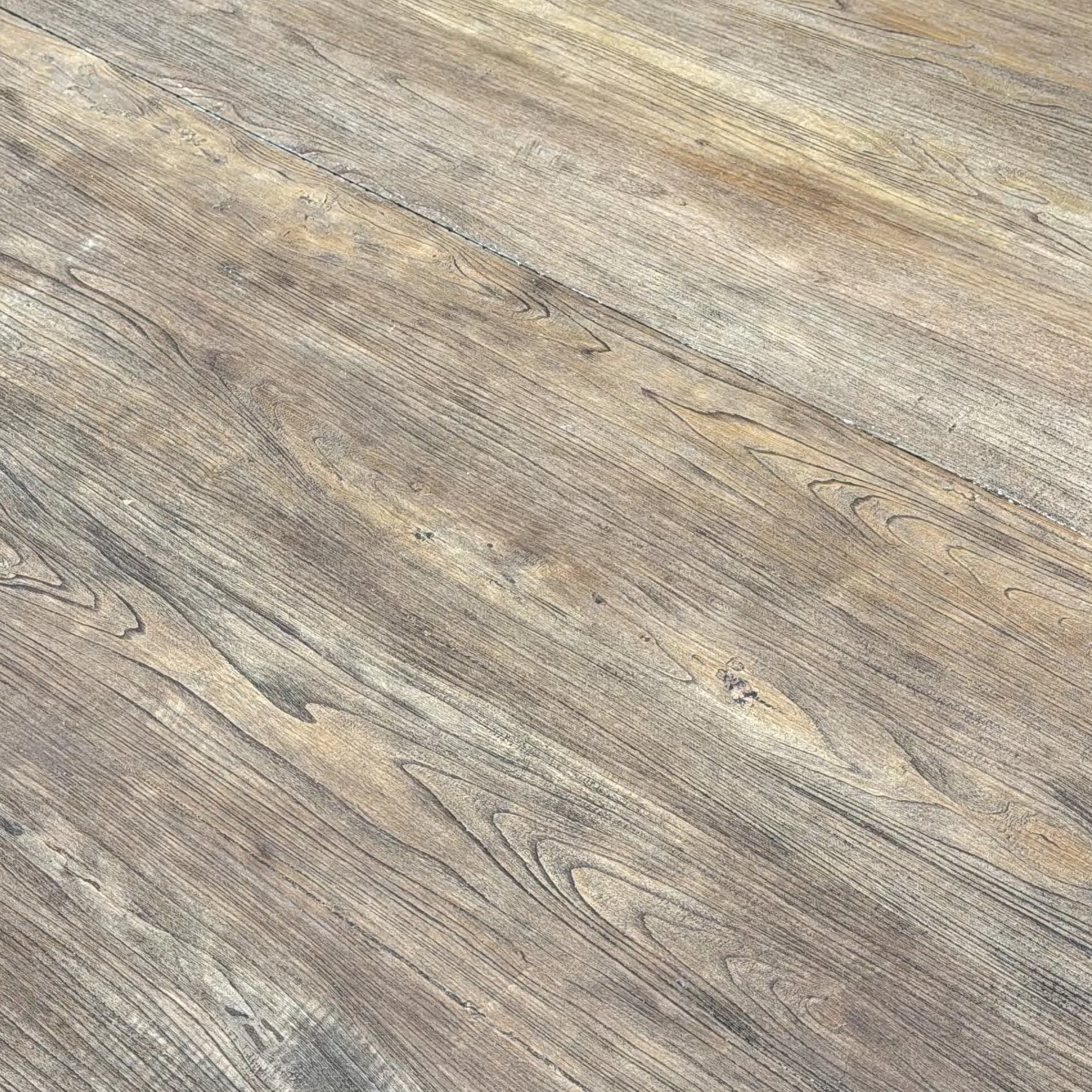
Wood grain board—think of it as nature's coziness, but smarter. Unlike solid wood, which can warp or splinter, modern wood grain boards often use MCM as their base: a lightweight, flexible material that mimics the look and feel of real wood without the hassle. Picture run-your-hand-over-it texture, with grains that swirl like oak, knot like pine, or stripe like walnut. And the color options? From soft beiges that glow in morning light to deep walnuts that add drama, there's a shade for every vibe.
What makes it stand out? It's approachable. Walk into a space with wood grain walls, and suddenly it feels less like a "commercial" area and more like a place where you belong. It's the material that says, "Stay a while."
Now, stone veneer—specifically travertine, a classic choice. Travertine isn't just stone; it's history. Formed from mineral-rich hot springs, it has these unique, honeycomb-like pores that catch light and add depth. Run your finger over it, and you'll feel the earth's texture: rough yet refined. And the colors? From travertine (starry green) that looks like a forest floor after rain to travertine (vintage gold) that shimmers like sunlight on sand, it's nature's art palette.
Stone veneer screams longevity. It's the material that makes a lobby feel grand, a retail store feel luxurious, and a restaurant feel like a destination. It doesn't just decorate— it declares, "This brand is here to stay."
To really see which adds more value, let's put them side by side. We'll also throw in MCM flexible stone —a newer, versatile option—for good measure. Here's how they stack up in key areas:
| Feature | Wood Grain Board | Travertine Veneer | MCM Flexible Stone |
|---|---|---|---|
| Aesthetics | Warm, organic, with varied wood grains (light oak, walnut, etc.). Feels "homey" and inviting. | Elegant, porous texture with earthy tones ( starry green , beige , vintage gold ). Exudes luxury. | Versatile—mimics stone, wood, or concrete. Lightweight with customizable colors (e.g., lunar peak silvery , rust square line stone ). |
| Durability | Resistant to scratches and moisture (thanks to MCM backing). Holds up well in low-to-moderate traffic areas. | High compressive strength; heat and weather-resistant. Ideal for high-traffic zones (lobbies, entryways). | Impact-resistant and weatherproof. Handles heavy use without chipping or fading. |
| Installation | Lightweight (about 3–5 lbs/sq. ft.)—easy to cut, glue, or nail. No need for heavy structural support. | Heavier (15–20 lbs/sq. ft.)—may require professional installers and structural reinforcement. | Ultra-light (2–4 lbs/sq. ft.)—installs with basic tools. Perfect for retrofits or projects on a tight timeline. |
| Maintenance | Simple: Wipe with a damp cloth. Avoid harsh chemicals; occasional polishing keeps grains vibrant. | Needs annual sealing to prevent stains (those pores love coffee spills!). Clean with pH-neutral stone cleaner. | Low-maintenance: Wipe clean with soap and water. Stain-resistant, so no sealing required. |
| Cost (per sq. ft.) | Budget-friendly: $10–$25 (material + installation). | Premium: $20–$45 (material + pro installation). | Mid-range: $15–$30 (material + easy DIY or pro installation). |
| Sustainability | Often made with recycled wood fibers and low-VOC adhesives. Reduces demand for solid timber. | Natural stone, but quarrying can impact ecosystems. Look for suppliers with sustainable mining practices. | Eco-friendly: MCM production uses less energy than traditional stone. Many options are 100% recyclable. |
Materials don't exist in a vacuum—they shine when they align with your space's purpose. Let's look at how wood grain board and travertine veneer perform in different commercial settings:
Imagine a cozy bookstore-café in downtown Portland. The owner wants customers to linger, flip through pages, and order a second latte. Wood grain board lines the walls—soft maple tones with visible knots—and wraps around the counter. It feels like sitting in a friend's living room, not a sterile shop. Sales? Up 15% in the first month, because people stay longer. That's value.
Or consider a co-working space targeting freelancers and small teams. Wood grain board on the meeting room walls and desk surfaces creates a collaborative, creative energy. Tenants say it "feels less like work, more like a brainstorming retreat." Retention rates? 20% higher than the glass-and-steel co-working space down the street.
Best for: Cafés, bookstores, co-works, boutique hotels (think "bed and breakfast charm"), and casual restaurants.
Now, picture a five-star hotel in Dubai. The lobby walls are clad in travertine (vintage gold) —its porous surface catches the chandelier light, casting warm, dappled shadows. Guests walk in and think, "Wow, this place means business." The hotel reports that 80% of guests mention the "stunning lobby" in reviews, and repeat bookings are up 25%. That's the power of perceived luxury.
A high-end jewelry store in Milan uses travertine (starry blue) for its display walls. The stone's natural texture contrasts with the sparkling diamonds, making the gems feel even more precious. Sales associates note that customers "take time to appreciate the space, which leads to longer conversations and bigger purchases."
Best for: Luxury hotels, high-end retail, corporate lobbies, and fine dining restaurants.
What if you want the look of stone but the budget of wood? Enter MCM flexible stone. A boutique clothing store in Tokyo wanted the edgy vibe of rust square line stone but couldn't afford the weight or cost of real rusted stone. They went with MCM flexible stone panels—same industrial-chic look, but lightweight enough to install on their existing drywall. The result? A Instagram-worthy space that cost 40% less than real stone, and foot traffic doubled.
Value isn't just about price tags—it's about ROI: Does the material attract customers, boost brand perception, or reduce long-term costs? Let's break it down:
If your brand is all about community, creativity, or comfort, wood grain board is a no-brainer. It's affordable, easy to install, and makes customers feel welcome. For a café, bookstore, or co-working space, that "stay awhile" energy directly translates to higher sales and retention. Plus, its low maintenance means you'll spend less on upkeep over time.
If you're in the luxury game, travertine veneer is an investment that pays off. Its timeless elegance signals quality, which can justify higher price points (think $15 lattes or $500/night hotel rooms). Yes, it costs more upfront, but its durability means it could last 50+ years with proper care—no need for costly replacements. And in real estate terms? Properties with high-end stone features often have higher resale values.
On a tight budget but don't want to skimp on style? MCM flexible stone lets you mimic travertine, wood, or even foamed aluminium alloy board (vintage silver) for a fraction of the cost. It's perfect for brands that want to stay on-trend (hello, Instagrammable walls!) without locking into a single look forever.
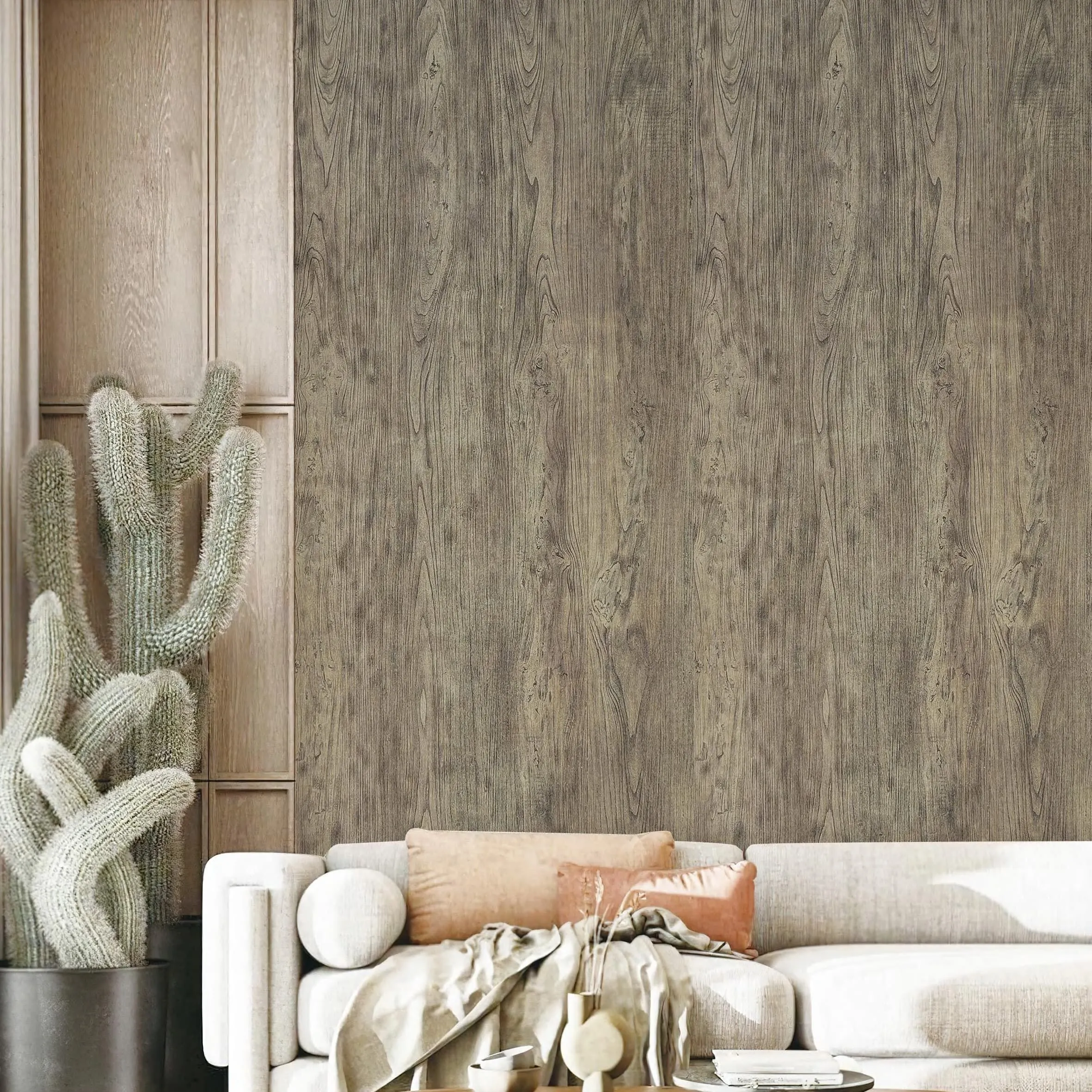
At the end of the day, there's no "one best material"—only the best material for your space. Wood grain board adds value through warmth and affordability; travertine veneer through luxury and longevity; and MCM flexible stone through adaptability and innovation.
Here's a pro tip: Mix them. A hotel might use travertine for the lobby floor (high traffic, luxury) and wood grain board for the guest room walls (cozy, inviting). A restaurant could pair MCM flexible stone ( gobi panel for an earthy look) with wood grain accents on the ceiling. The magic happens when materials work together to tell your brand's unique story.
So, whether you're revamping a café or building a skyscraper lobby, ask: What feeling do I want customers to walk away with? That answer will guide you to the material that adds the most value—for your business, your customers, and your bottom line.
Recommend Products












