
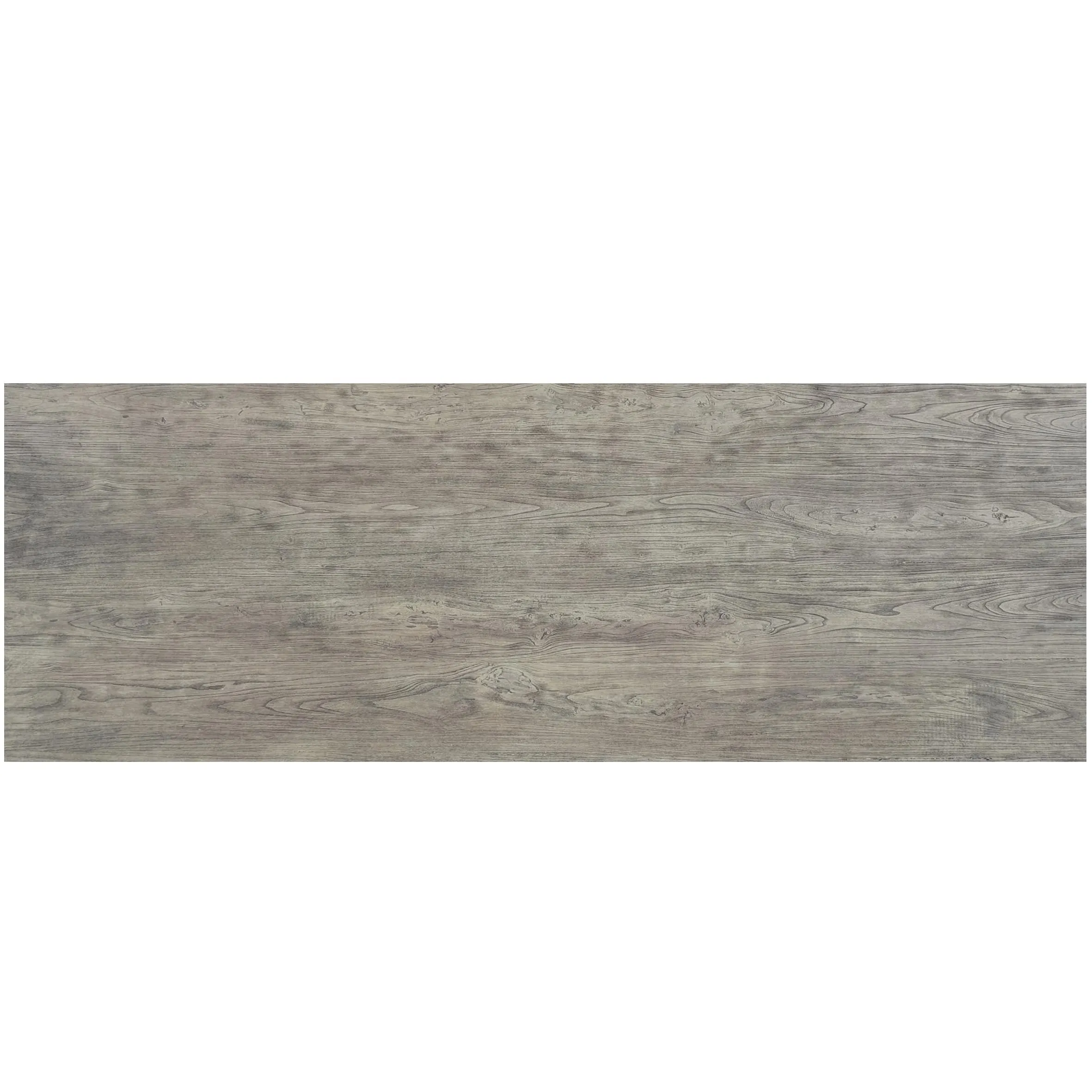
Choosing the right flooring is like picking the foundation of your home's personality. It's the surface you'll walk on every morning, the backdrop to family gatherings, and the silent workhorse that endures spills, scratches, and the chaos of daily life. In recent years, the demand for wood-look flooring has skyrocketed—homeowners crave the warmth of natural wood without the high maintenance or price tag. This has led to a common dilemma: Wood Grain Board or Vinyl Planks? Both promise the charm of wood, but they're as different as a handcrafted wooden table and a sleek plastic replica. Let's dive into their world, exploring everything from how they're made to how they'll fit into your life, so you can make a choice that feels like *home*.
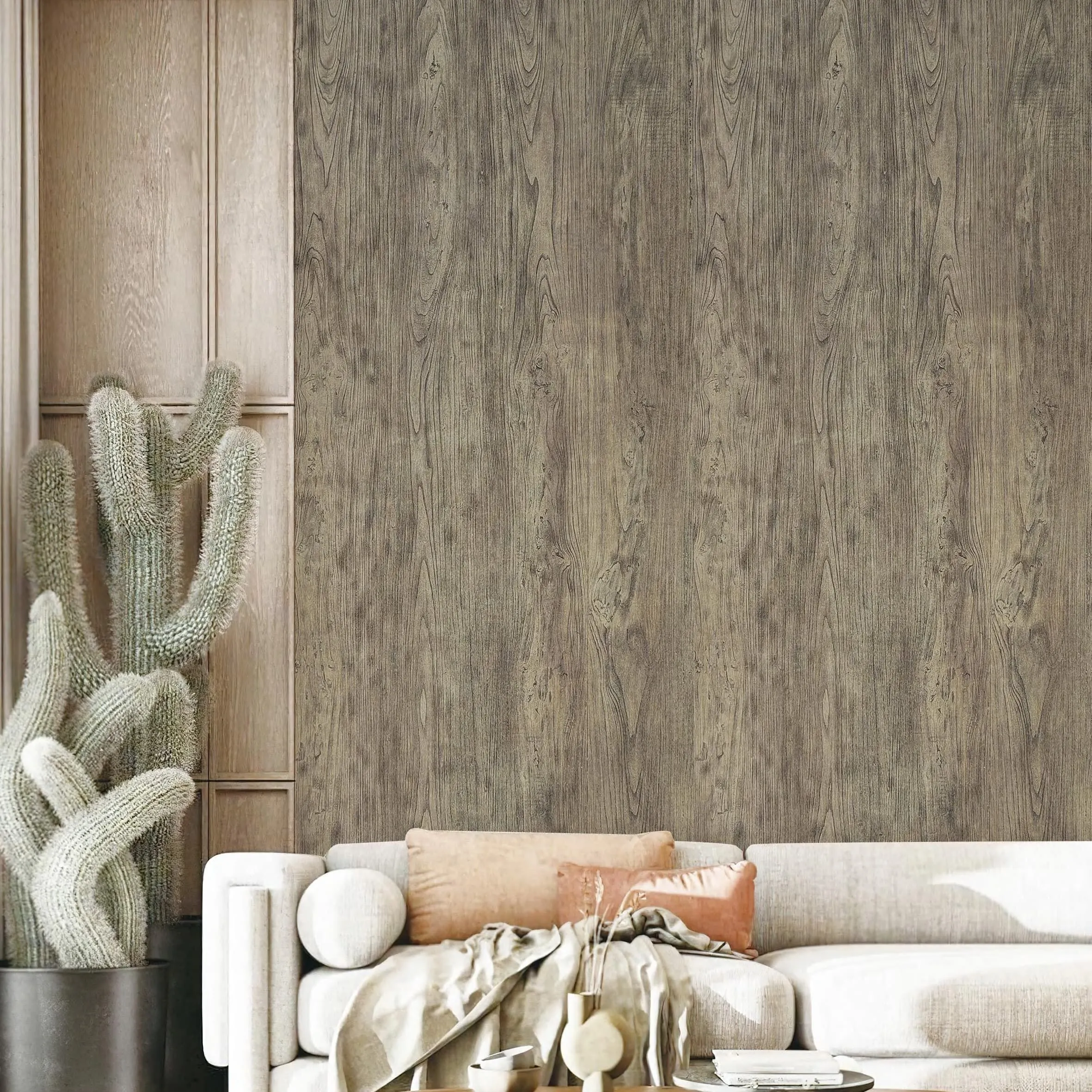
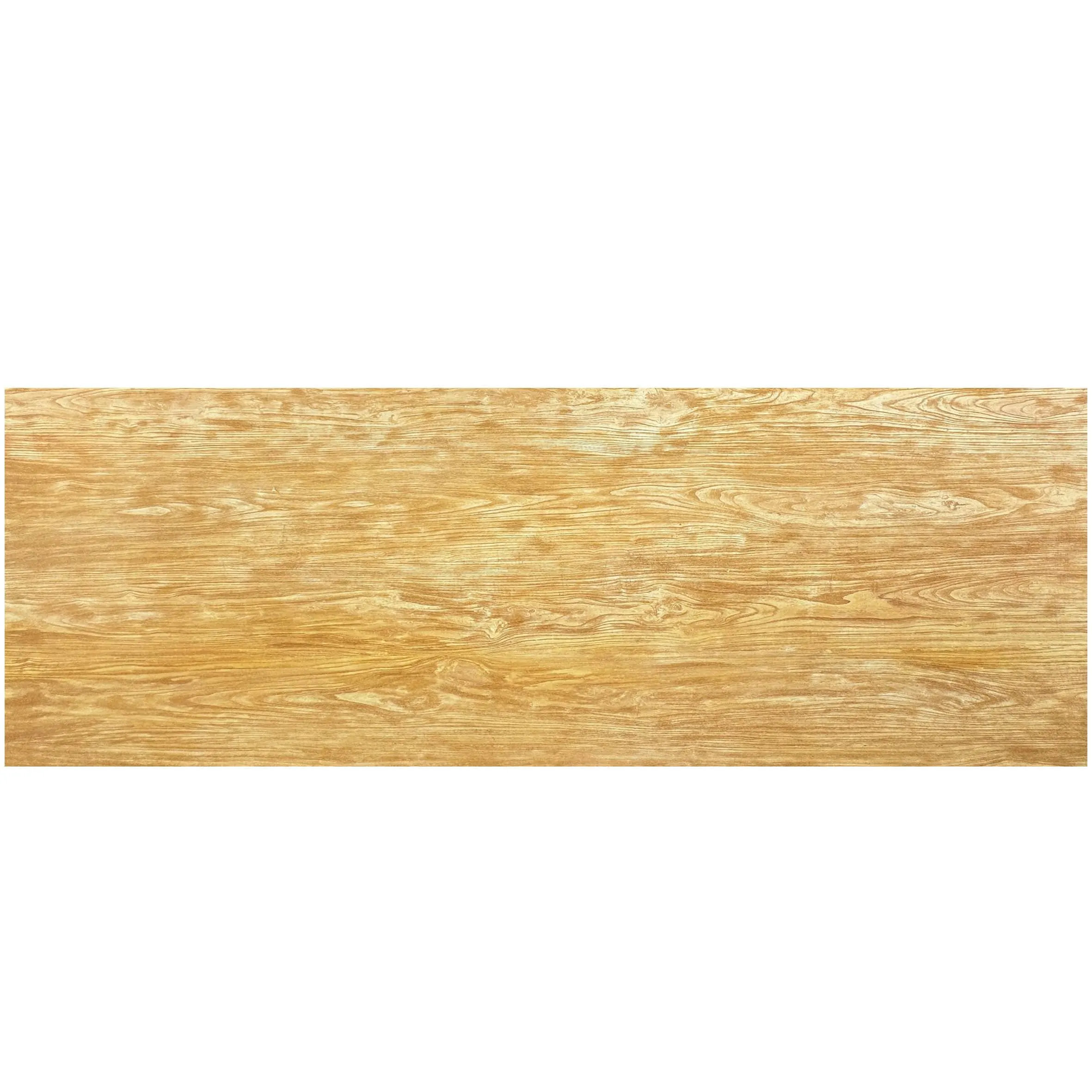
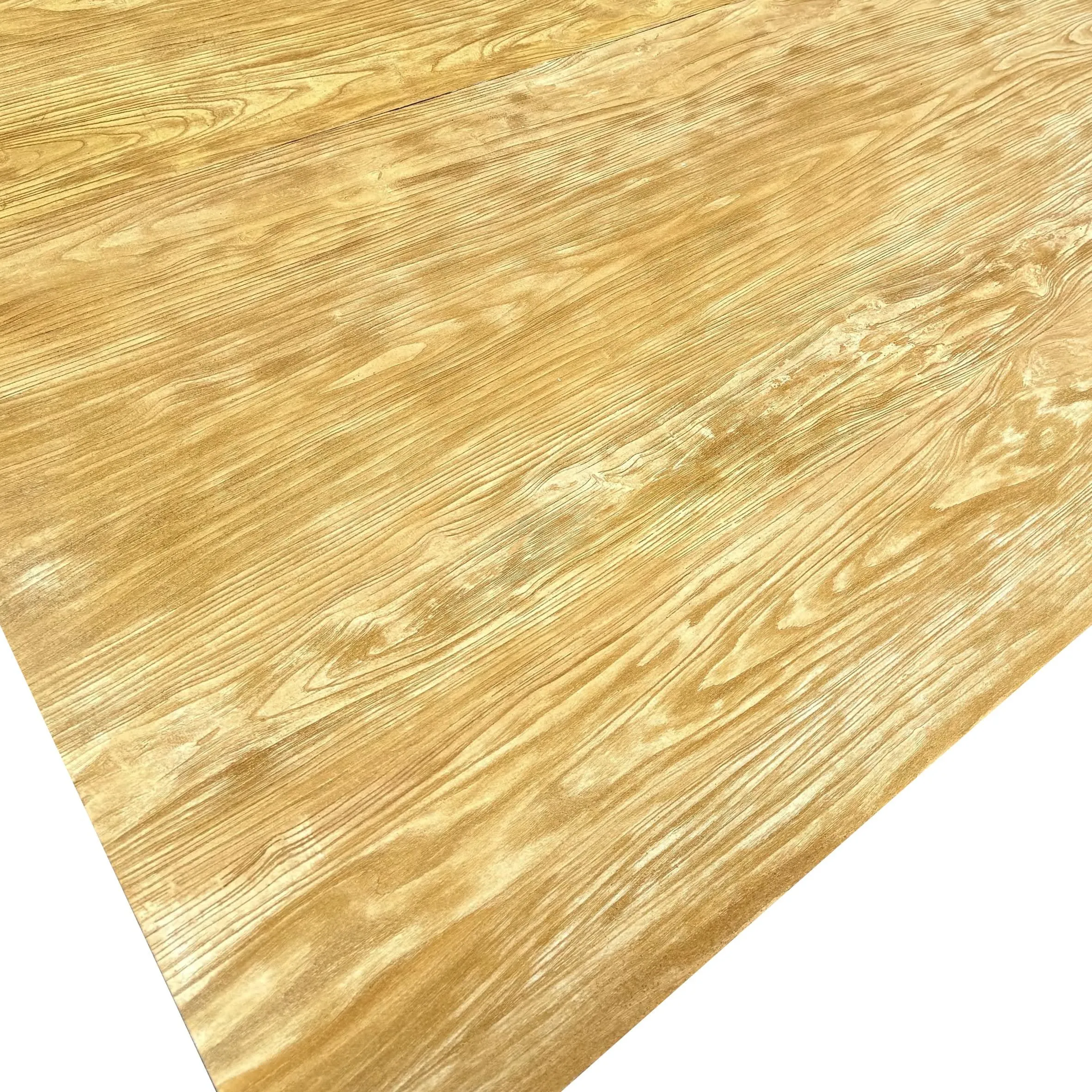
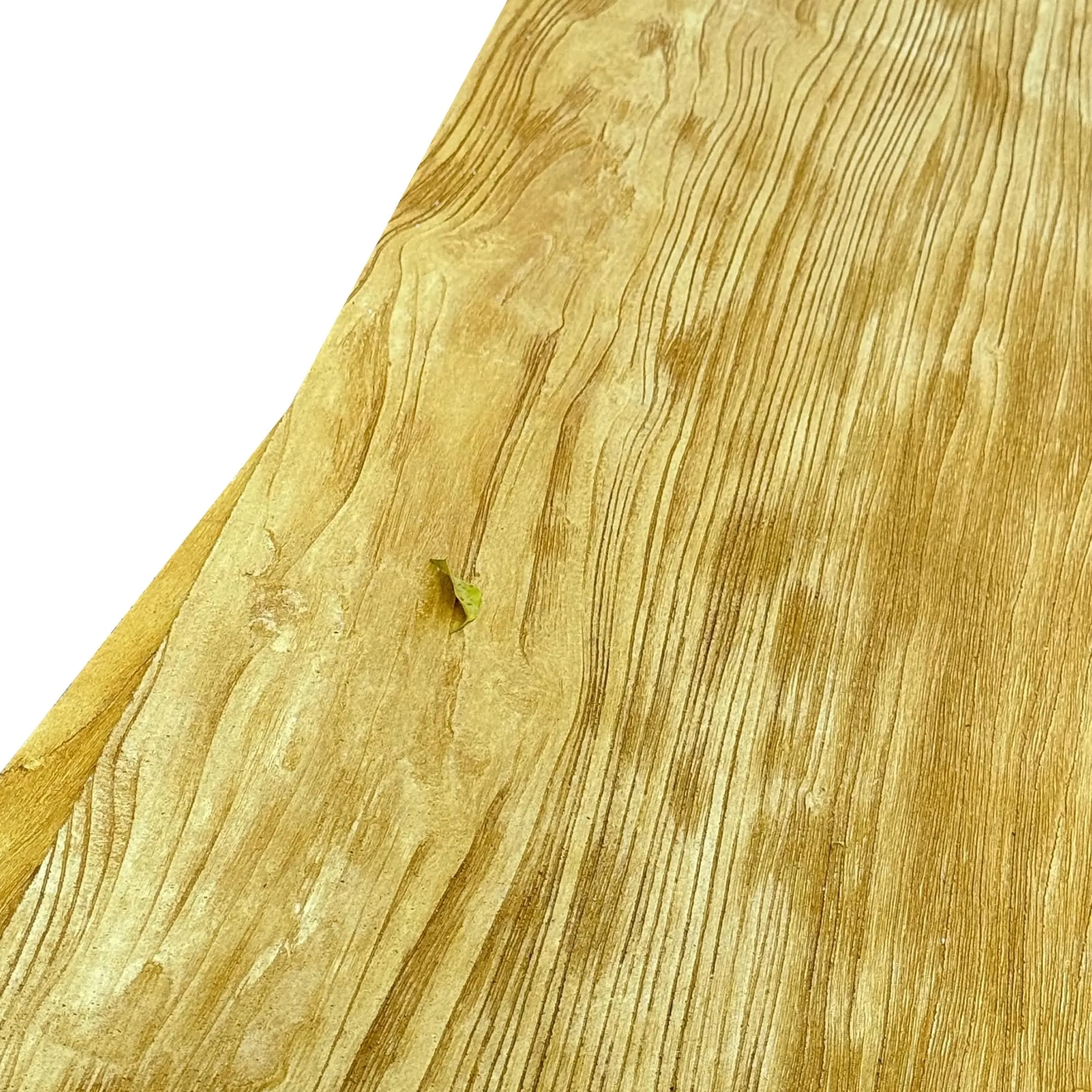
If you've ever run your hand over a plank and thought, "This feels like wood, but it's somehow… stronger," you might have been touching wood grain board. At its core, wood grain board is an engineered flooring material designed to mimic the look and feel of natural wood—think oak, maple, or walnut—without relying solely on solid timber. Unlike traditional hardwood, which is sliced from a single tree trunk, wood grain board is a composite of wood fibers, resins, and sometimes other materials like bamboo or recycled wood, pressed together under heat and pressure to form durable planks.
One popular variant you might come across is bamboo mat board , a type of wood grain board that swaps traditional wood fibers for bamboo. Bamboo, a fast-growing grass (yes, grass!), is prized for its sustainability—some species grow up to three feet per day. When woven into "mats" and compressed, it creates a flooring that's not only eco-friendly but also surprisingly tough. Bamboo mat board adds a subtle, earthy texture to the wood grain pattern, making each plank feel like it has a story to tell.
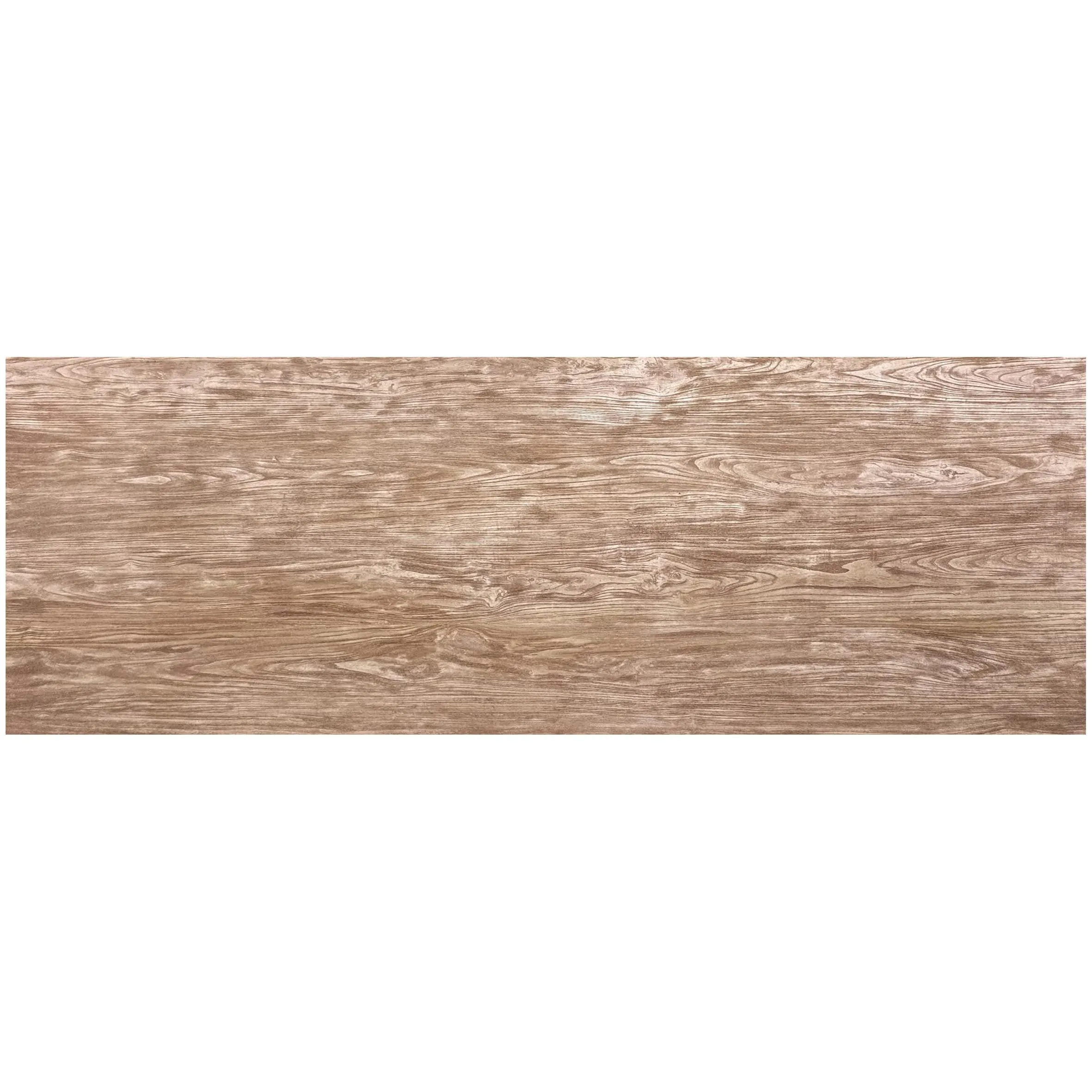
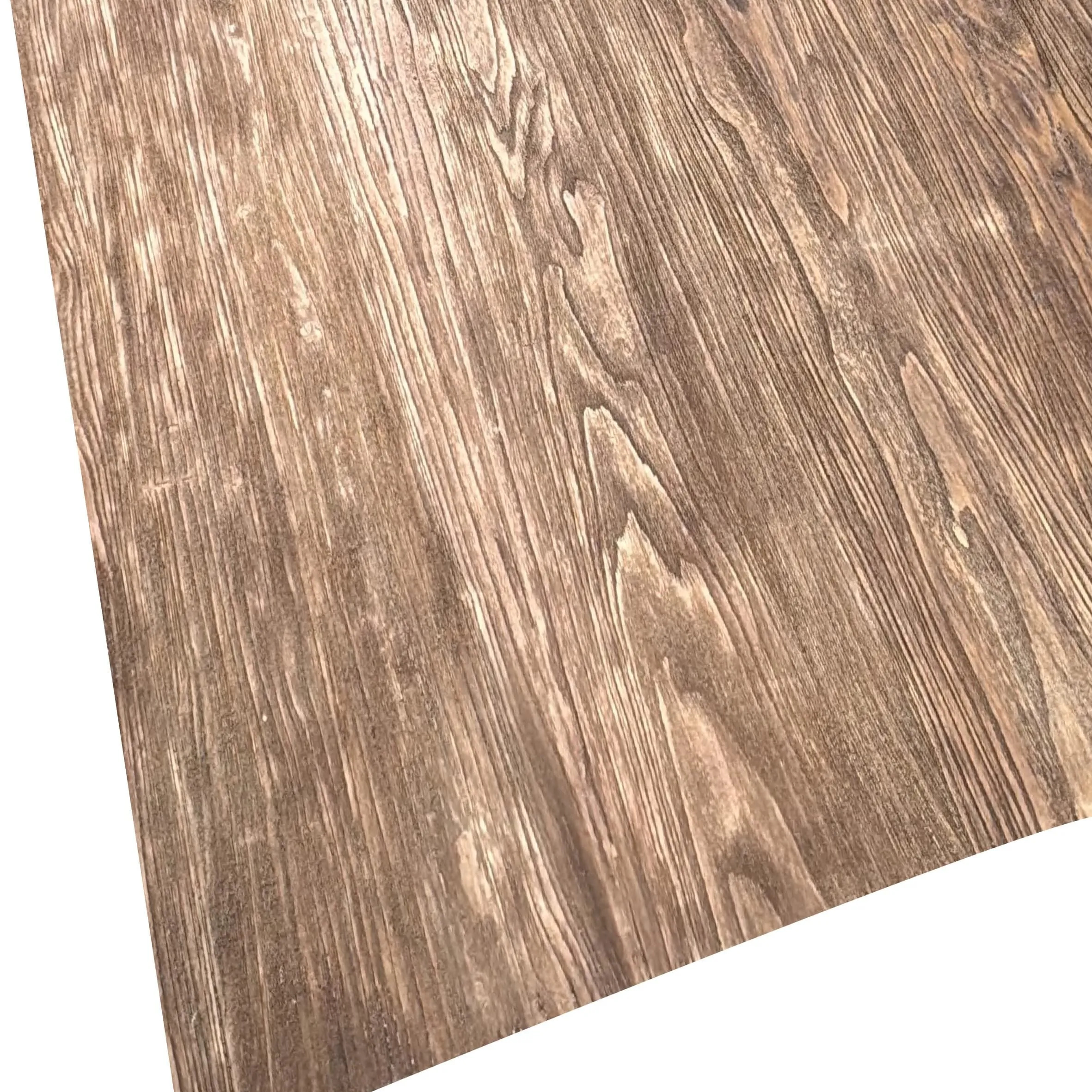
Manufacturers take extra steps to make wood grain board convincing. The top layer is often embossed with deep grooves to replicate the knots, grains, and even the slight imperfections of real wood. Some high-end options even use real wood veneer, giving them an almost indistinguishable look from solid hardwood. The result? A floor that looks like it was harvested from a forest, but was actually crafted in a factory with precision and consistency.
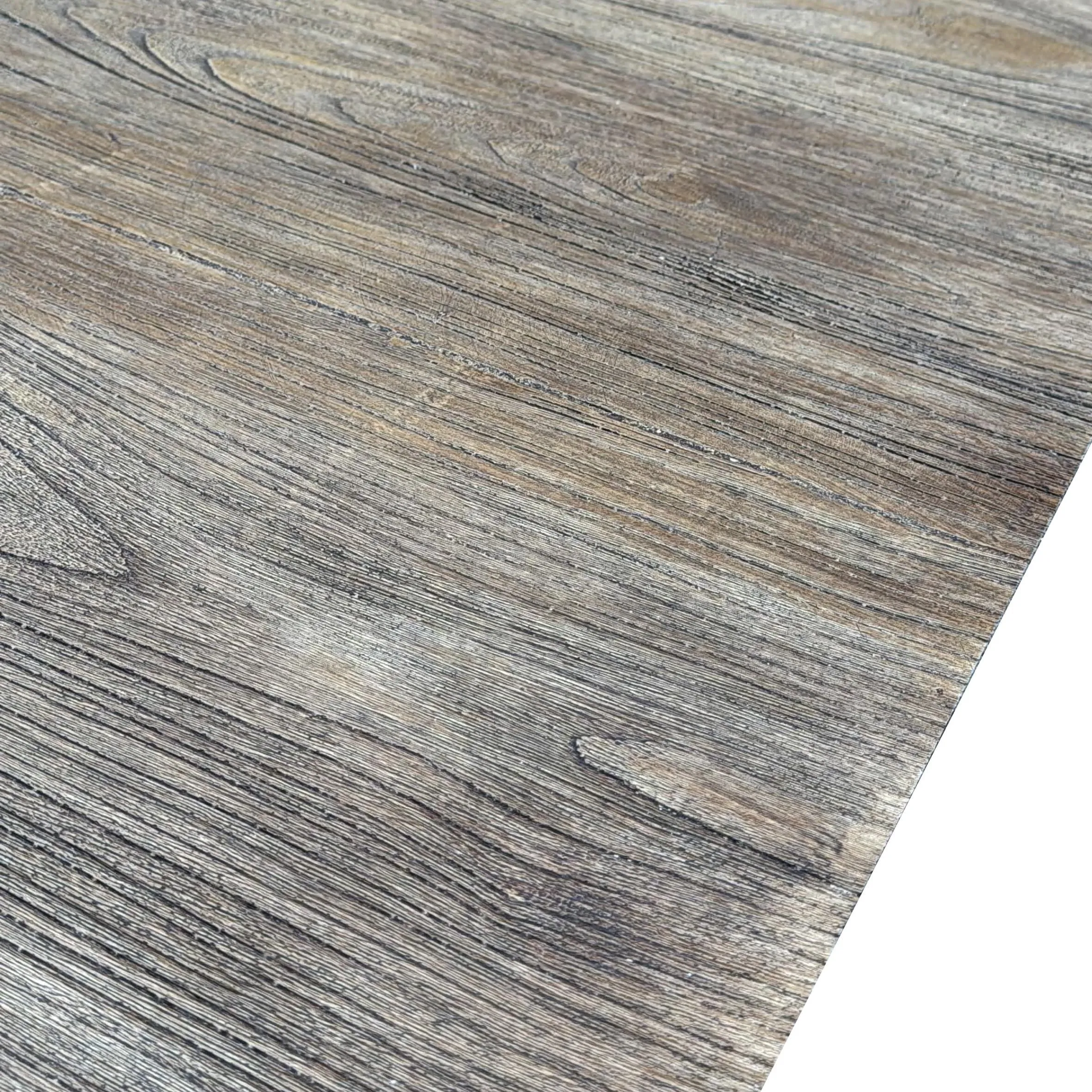
Vinyl planks, often called Luxury Vinyl Plank (LVP) or Luxury Vinyl Tile (LVT), are the shape-shifters of the flooring world. They started as budget-friendly alternatives to linoleum but have evolved into sophisticated imitators of wood, stone, and even concrete. At their most basic, they're made from polyvinyl chloride (PVC), a type of plastic, mixed with plasticizers and stabilizers to make them flexible yet durable. But don't let the "plastic" label fool you—modern vinyl planks are a far cry from the thin, squeaky sheets of the past.
Today's LVP is built in layers, like a cake. The bottom layer is a thick, supportive backing (often foam or cork for cushioning). On top of that sits the "core," which can be made from wood-plastic composite (WPC) or stone-plastic composite (SPC). SPC cores, in particular, are game-changers—they're rigid, 100% waterproof, and resistant to dents, making them ideal for busy households. The star of the show, though, is the design layer: a high-resolution image printed to look exactly like wood grain, complete with knots, swirls, and color variations. Finally, a clear "wear layer" (measured in mils, like 6mil or 20mil) protects the design from scratches, stains, and fading.
The magic of vinyl planks lies in their versatility. Want the look of reclaimed barn wood in your kitchen? Done. Dreaming of light oak for your bathroom? No problem. Some brands even add "registered embossing," where the texture of the plank matches the printed grain—run your finger over a knot in the image, and you'll feel a slight indent, just like real wood. It's a trick of the eye (and hand) that makes vinyl planks surprisingly convincing.
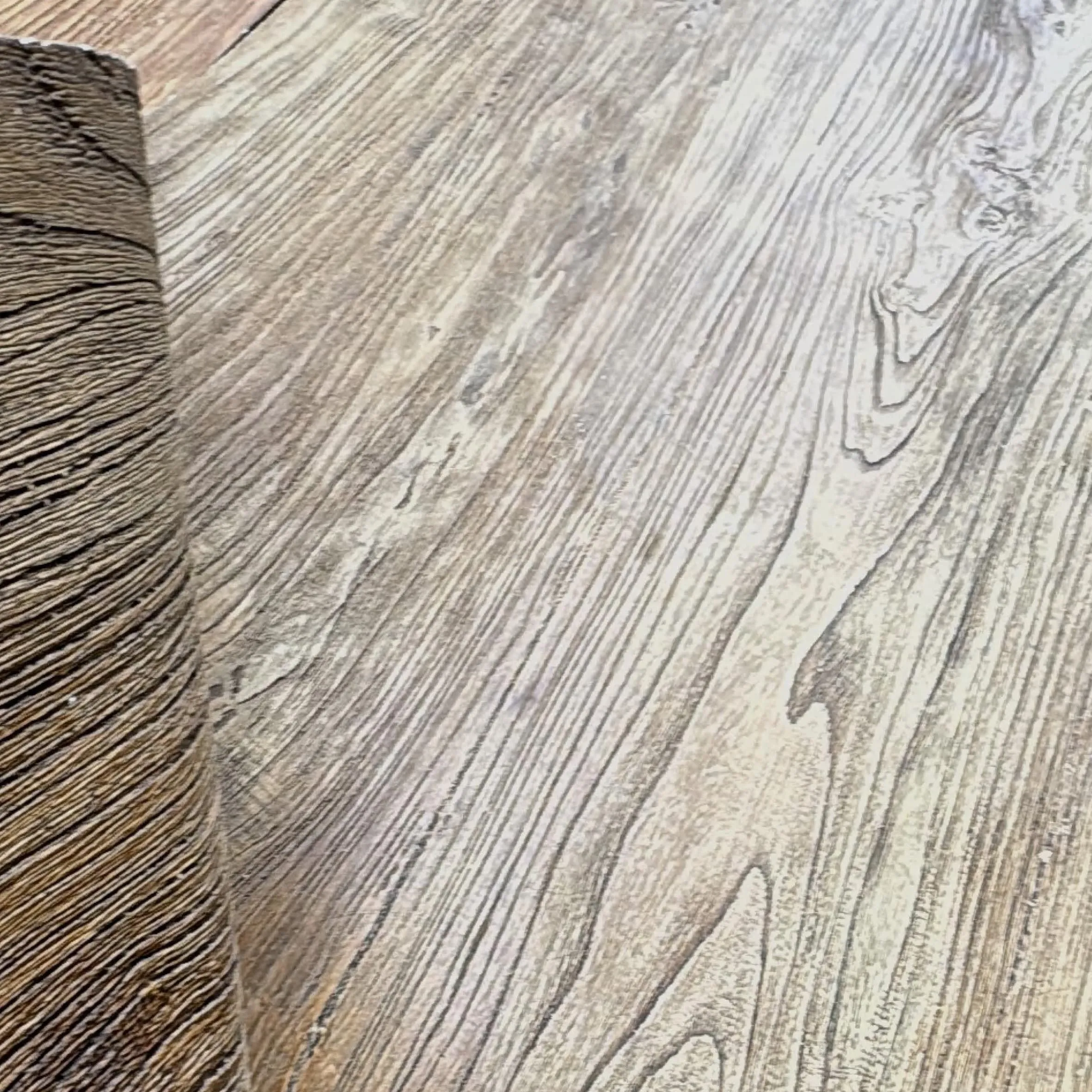
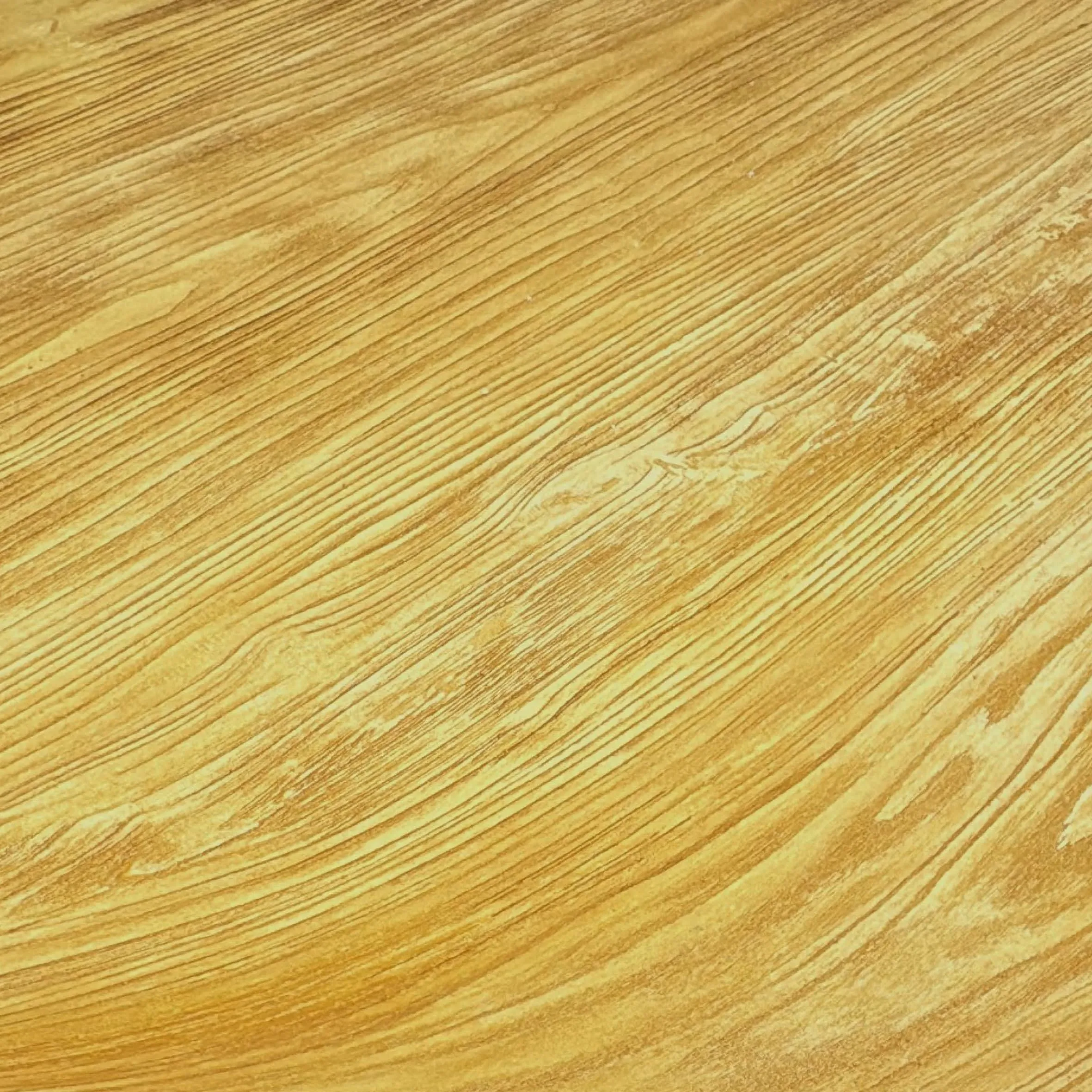
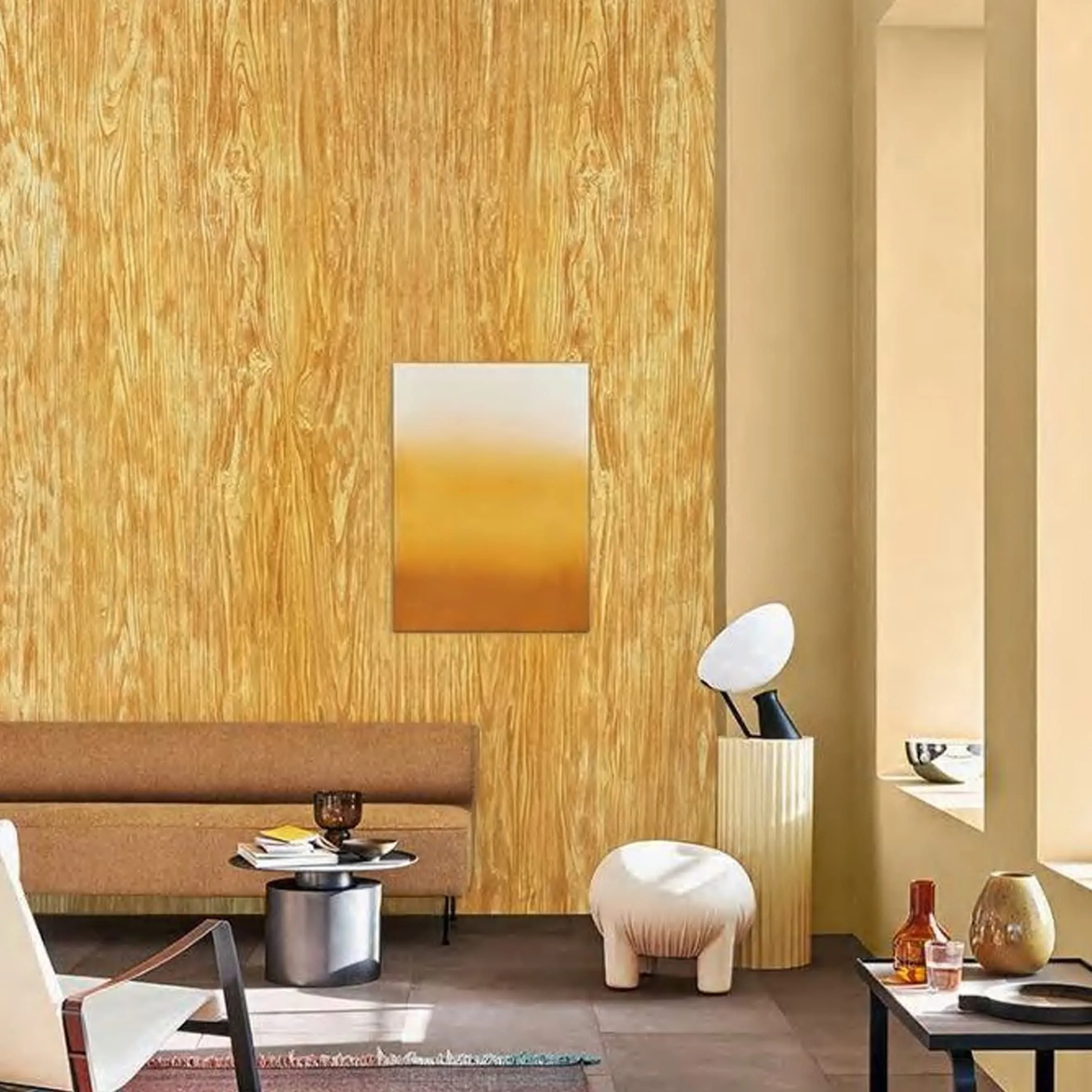
When it comes to looks, both wood grain board and vinyl planks aim for that "I can't believe it's not wood" effect—but they hit the mark in different ways. Let's start with wood grain board. Because it's made with actual wood fibers (or bamboo, in the case of bamboo mat board), it has a warmth that's hard to replicate with plastic. The grain patterns feel organic, with subtle variations in color and texture that mimic how real wood grows. For example, a oak-inspired wood grain board might have golden highlights in some planks and deeper amber tones in others, just like a tree's natural growth rings.
Vinyl planks, on the other hand, rely on digital printing. Modern printers are so advanced that they can reproduce the look of rare woods—think teak with its rich browns or zebrawood with its striking stripes—at a fraction of the cost. However, some homeowners find that up close, vinyl can feel "flat" compared to wood grain board. The printed grain lacks the depth of real wood, and while the embossing helps, it's still a texture added after the fact, not a natural result of the material itself.
To put it in perspective, imagine comparing a painting of a forest to a photograph of one. The painting (wood grain board) has brushstrokes that add texture and soul, while the photograph (vinyl planks) is crisp and clear but lacks the same tactile depth. That said, vinyl has a secret weapon: variety. You can find vinyl planks that look like travertine (beige) (a type of limestone with pitted, earthy tones) or even fair-faced concrete (raw, industrial gray with subtle cracks), giving you more design flexibility beyond just wood.
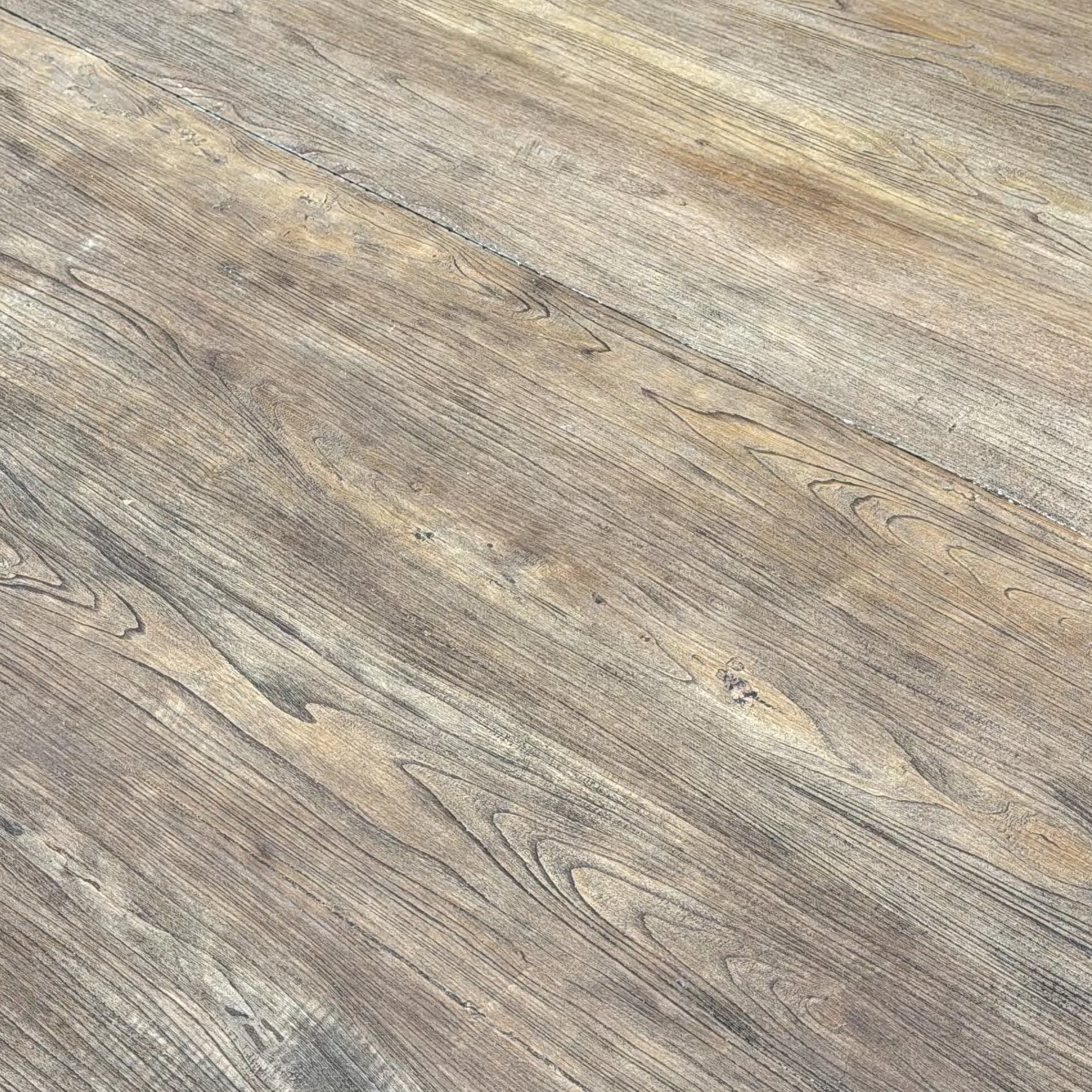
Let's talk about the tough stuff: How well do these floors hold up when life gets messy? If you have kids, pets, or a habit of dropping pots in the kitchen, durability isn't just a nice-to-have—it's a dealbreaker.
Wood Grain Board: Since it contains real wood fibers, wood grain board is surprisingly sturdy, but it's not invincible. Most varieties are scratch-resistant thanks to a protective topcoat, but heavy furniture legs or a dog's sharp claws can still leave marks. Water is its biggest enemy. Unlike solid hardwood, which can warp when wet, wood grain board is more resistant to moisture, but it's not waterproof. Spill a glass of juice, and you'll need to wipe it up quickly—let it sit, and the edges might swell or discolor. Bamboo mat board, with its bamboo fibers, tends to be more water-resistant than traditional wood grain board, but it's still no match for a flooded bathroom.
Vinyl Planks: Vinyl planks are the heavyweight champions of durability. Thanks to their PVC core (especially SPC), they're 100% waterproof—you can spill a entire bucket of water, and the planks won't warp or rot. They're also scratch-resistant; even a rambunctious puppy with a penchant for digging is unlikely to leave deep marks. Heat? No problem. drop a hot pan, and the wear layer will protect the design. The only real risk is punctures—if you drive a nail through a plank, it might crack, but that's a rare scenario in most homes.
Real-Life Test: The Busy Family Home
Meet the Martins: two kids under five, a golden retriever named Max, and a kitchen that sees daily pancake battles and juice spills. They installed wood grain board in their living room and vinyl planks in the kitchen. After two years, the living room floor has a few light scratches from Max's claws and a small water stain near the couch (thanks to a forgotten sippy cup). The kitchen vinyl? It looks brand-new. The kids have colored on it with markers (wiped right off), Max has tracked mud in (hosed down with a damp mop), and a pot of spaghetti sauce once exploded (scrubbed clean in 30 seconds). For the Martins, vinyl planks won the durability contest hands down.
Installing flooring can be a weekend project or a week-long nightmare, depending on the material. Let's break down the ease of installation for both options.
Wood Grain Board: Wood grain board installation is similar to engineered hardwood. Most planks click together (floating floor system), which is doable for a confident DIYer, but it requires patience. The subfloor needs to be perfectly level—even a small bump can cause the planks to lift. You'll also need to acclimate the boards to your home for 24–48 hours before installing them; this prevents warping as they adjust to humidity. If you're not handy, hiring a pro is a good idea—mistakes like uneven gaps or misaligned planks can ruin the look. Expect to pay $2–$5 per square foot for labor, on top of the cost of the boards.
Vinyl Planks: Vinyl planks are the DIYer's best friend. Most modern LVP uses a click-lock system that's as easy as "snap and press"—no glue, no nails, no mess. The planks are lightweight, so you won't need a partner to help carry them, and they're forgiving of minor subfloor imperfections (though a level surface still helps). Some brands even offer "loose lay" vinyl, which just lays flat on the subfloor without any locking—great for renters or quick renovations. No acclimation time is needed, so you can start and finish in a day. If you do hire a pro, labor costs are lower than wood grain board, around $1–$3 per square foot.
Flooring shouldn't become a second job. Let's compare how much TLC each option demands.
Wood Grain Board: Wood grain board needs a little more attention than vinyl, but it's nothing a weekly routine can't handle. Sweep or vacuum regularly to avoid grit scratching the surface, then damp-mop with a wood-friendly cleaner (avoid harsh chemicals like bleach). If you have a bamboo mat board, you can use a slightly damp cloth for spot cleaning, but never soak the floor. Every few years, you might need to refinish the topcoat if it starts to look dull—this is a DIY project with a buffer and polyurethane, but it takes a weekend. Deep scratches? You can fix them with wood filler and touch-up stain, but it's not always perfect.
Vinyl Planks: Vinyl planks are the low-maintenance kings. Sweep or vacuum when you remember, and damp-mop with warm water and a mild soap (or even just water) for deeper cleans. Stains? A magic eraser or a bit of rubbing alcohol will take care of ink, wine, or pet accidents. No refinishing, no polishing, no special cleaners. The only maintenance task is replacing a plank if it gets severely damaged—and since they click together, you can pop out the old one and snap in a new one in 10 minutes. It's flooring for people who'd rather spend weekends hiking than buffing floors.
Let's talk numbers. Flooring is a big investment, so understanding the total cost—materials, installation, and long-term upkeep—is key.
| Cost Factor | Wood Grain Board | Vinyl Planks |
|---|---|---|
| Material Cost (per sq. ft.) | $3–$8 (mid to high-end) | $2–$5 (low to mid-range) |
| Installation Cost (per sq. ft.) | $2–$5 (pro installation) | $1–$3 (pro) or $0 (DIY) |
| Maintenance Over 10 Years | $100–$300 (refinishing, cleaners) | $50–$150 (replacement planks, basic cleaners) |
| Total Estimated Cost for 500 sq. ft. | $2,500–$6,500 (materials + pro install + 10-year maintenance) | $1,000–$3,500 (materials + DIY install + 10-year maintenance) |
As you can see, vinyl planks are the more budget-friendly option upfront and over time. Wood grain board, especially higher-end varieties with bamboo or real wood veneer, can get pricey, but many homeowners see it as an investment—its natural look can boost resale value, whereas vinyl is often viewed as a "starter" flooring.
In a world where sustainability matters, it's worth asking: How eco-friendly are these flooring options?
Wood Grain Board: It depends on the type. Traditional wood grain board can be hit or miss—some brands use formaldehyde-based resins, which release harmful VOCs (volatile organic compounds) into your home. Look for boards labeled "low-VOC" or certified by GREENGUARD for safer indoor air quality. Bamboo mat board is a greener alternative: bamboo grows quickly without pesticides, and using it reduces the demand for hardwood from slow-growing trees. Some wood grain boards also use recycled wood fibers, keeping waste out of landfills. The downside? Wood grain board isn't biodegradable, and while it can last 20–30 years, once it's worn out, it's likely headed for the trash.
Vinyl Planks: Vinyl has a bad rap for being plastic, and with good reason. PVC, its main ingredient, is derived from fossil fuels and can release toxic chemicals during manufacturing. However, modern vinyl planks are improving—many brands now use recycled PVC or bio-based plasticizers, and some are certified by FloorScore for low VOC emissions. Vinyl is also incredibly long-lasting (20–25 years), which means you'll replace it less often than carpet or even some wood floors. The biggest issue? It's not recyclable in most areas, so at the end of its life, it will sit in a landfill. If sustainability is your top priority, neither option is perfect, but bamboo mat board edges out vinyl here.
Not all floors belong in all rooms. Let's match each material to the spaces where it will thrive.
Best for Wood Grain Board: Dry, low-traffic areas where warmth and aesthetics matter most. Think living rooms, bedrooms, home offices, or dining rooms. Its natural texture adds coziness to bedrooms, and its timeless look elevates dining spaces for dinner parties. Avoid bathrooms, basements, or kitchens—anywhere moisture is a regular guest. If you love wood grain board but have a damp basement, consider pairing it with a moisture barrier, but proceed with caution.
Best for Vinyl Planks: High-moisture, high-traffic zones. Kitchens, bathrooms, laundry rooms, basements, and playrooms are all fair game. Vinyl's waterproof nature makes it ideal for kids' rooms where spills are inevitable, and its durability stands up to the constant foot traffic of a busy hallway. It's also a great choice for rental properties or vacation homes, where low maintenance and affordability are key. Some luxury vinyl planks are even suitable for commercial spaces like cafes or boutiques.
And for those who love mixing materials? Try wood grain board in the living room and vinyl planks in the kitchen, separated by a transition strip. It's a practical way to get the best of both worlds.
At the end of the day, there's no "better" option—only the better option for you . Ask yourself these questions to narrow it down:
Do you prioritize authenticity over practicality? If you crave the feel of real wood underfoot and don't mind a little extra care, wood grain board (especially bamboo mat board) is for you.
Is your home a "war zone" of kids, pets, or moisture? Vinyl planks will laugh off spills, scratches, and humidity—perfect for busy households or bathrooms.
What's your budget? If you're willing to invest more upfront for a natural look, wood grain board is worth it. If you need affordable, long-lasting flooring now, vinyl planks win.
How long do you plan to stay in your home? Wood grain board can be a selling point for future buyers, while vinyl is a practical choice for renters or short-term owners.
Wood grain board and vinyl planks are both champions in the wood-look flooring arena, but they serve different masters. Wood grain board is the cozy, character-filled option—think of it as a warm hug for your floors. Vinyl planks are the reliable, no-nonsense workhorse—ready to take on life's messes without breaking a sweat. Whether you choose the natural charm of wood grain board (or bamboo mat board) or the unbeatable practicality of vinyl, you're one step closer to a floor that not only looks great but fits your life.
So go ahead—kick off your shoes, walk across a sample plank, and see which one feels like home. After all, the best floor is the one that makes you smile every time you step on it.
Recommend Products












