
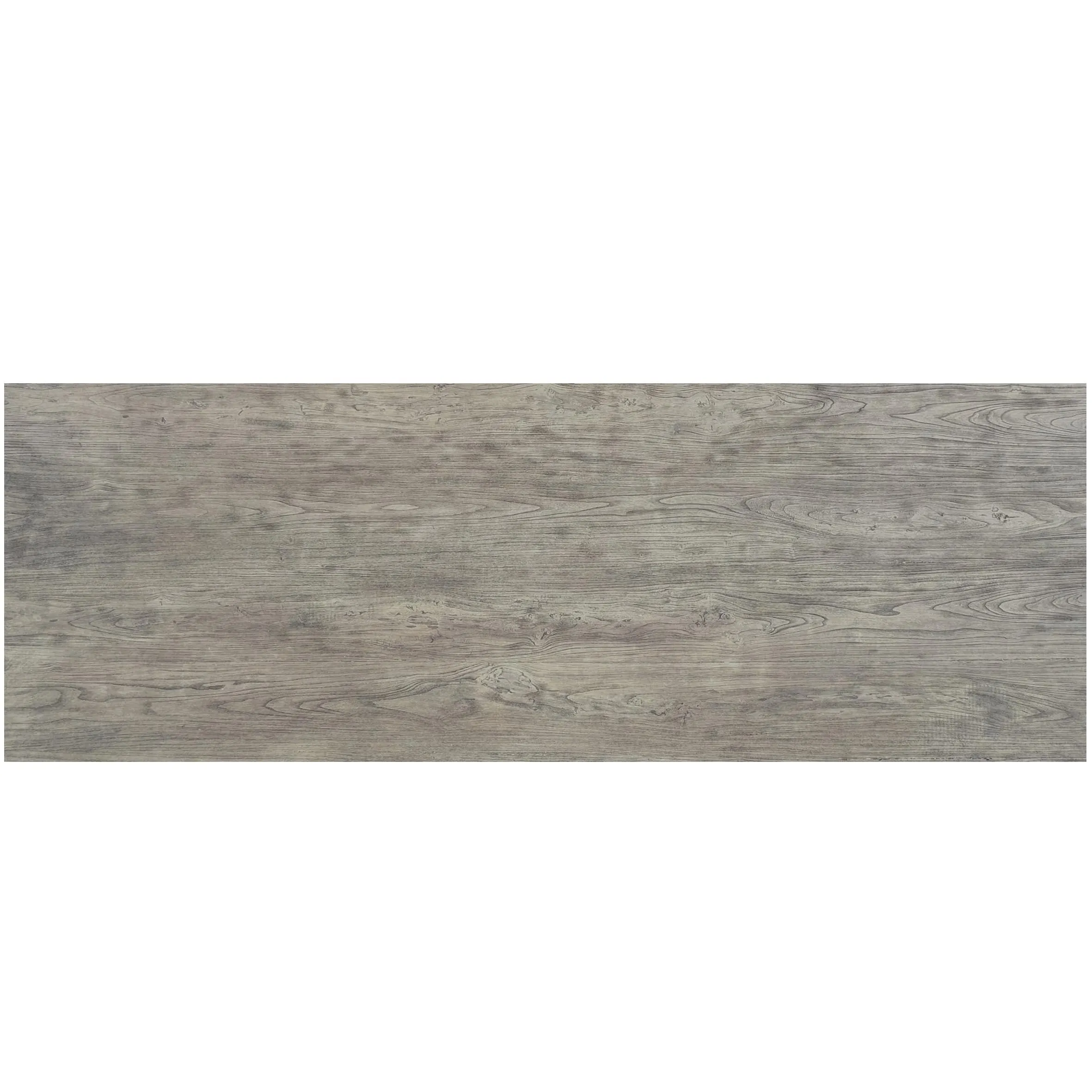
Step outside your Riyadh villa in July, and the sun hits you like a wave of heat—45°C (113°F) is the average high, but some days it crests at 50°C (122°F). The air shimmers, and even the asphalt seems to sigh under the pressure. Now glance at your neighbor's wooden fence: once a rich chestnut, it's faded to a washed-out gray, its planks warped and cracked from the relentless UV radiation. Walk a little further, and you'll spot a commercial building with traditional wood cladding; sections have peeled away, victim to both the sun and occasional summer humidity spikes along the coast. In Saudi Arabia, where summer isn't just a season but a test of endurance, building materials don't just "age"—they battle for survival. And for years, traditional options like solid wood, fair-faced concrete, or even rammed earth board have struggled to keep up. That is, until Wood Grain Board arrived on the scene.
To understand why Wood Grain Board is revolutionizing construction in Saudi Arabia, you first need to grasp the enemy: the desert summer. It's not just heat. It's a triple threat: extreme temperatures that swing from scorching days to surprisingly cool nights (inland), intense UV radiation that breaks down organic materials, and sandstorms that blast surfaces with abrasive grit. Add coastal humidity in Jeddah or Dammam, and you've got a recipe for material failure.
Take traditional wood, for example. Cedar, teak, or even pressure-treated pine—long beloved for their warm, natural look—succumb quickly here. UV rays bleach their color within a year; moisture from rare summer rains or coastal mists seeps in, causing rot or warping; and the constant expansion and contraction from day-night temperature swings (sometimes 20°C in a single 24 hours) leads to cracks. "I had a client in Riyadh who insisted on a wooden pergola," recalls Lina Hassan, a Jeddah-based interior designer. "Within 18 months, the beams were bowing, and the stain needed redoing—costing almost as much as the initial installation. He switched to Wood Grain Board last year, and it still looks brand new."
Fair-faced concrete, another common choice, fares better on durability but has its own issues. Its dark, matte surface absorbs heat, turning facades into radiators that drive up indoor cooling costs. And while it resists UV damage, sandstorms etch its surface over time, dulling its finish. Rammed earth board, with its earthy, textured appeal, is porous by nature—great for breathability, but a nightmare in humid coastal areas where mold can take hold. So what's the alternative?
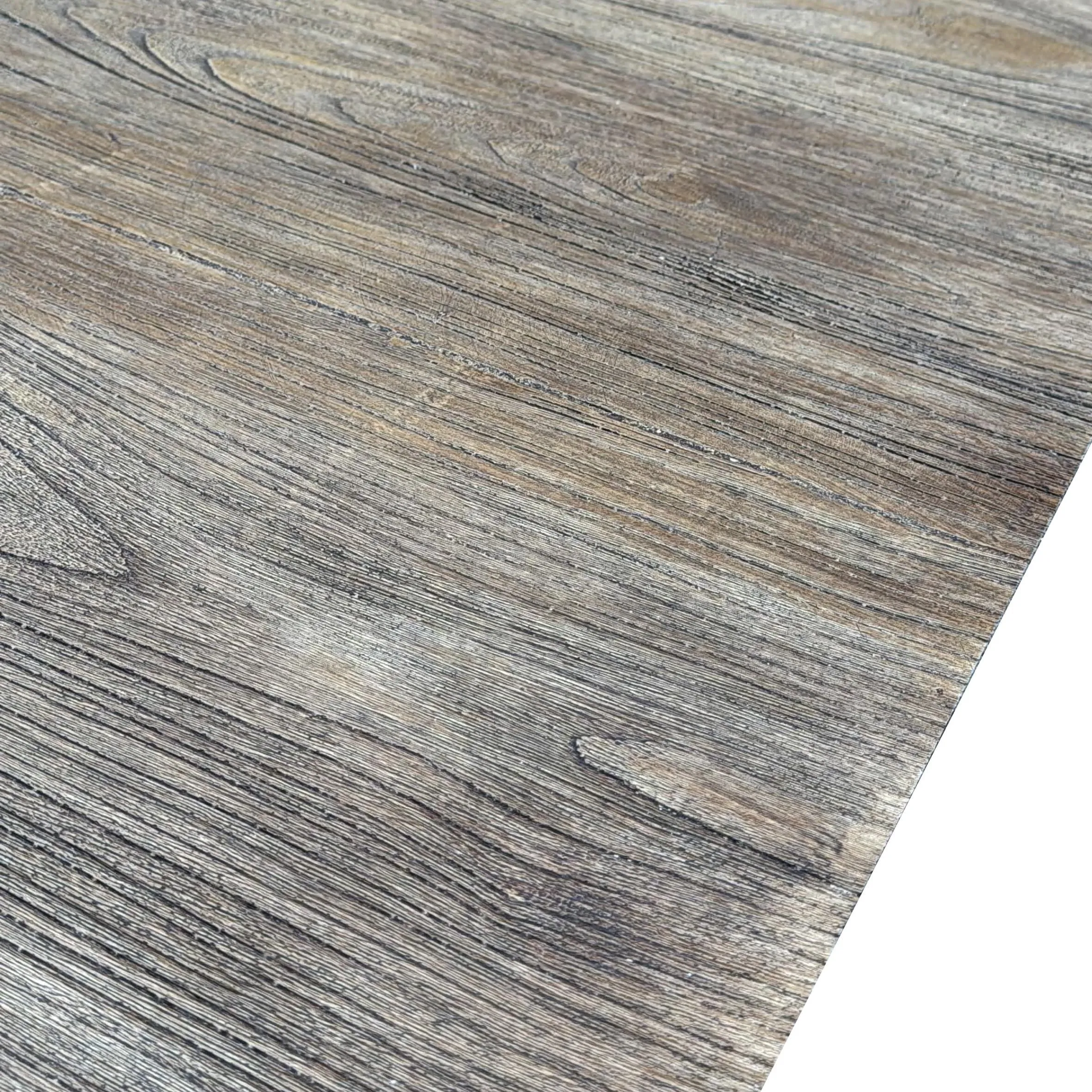
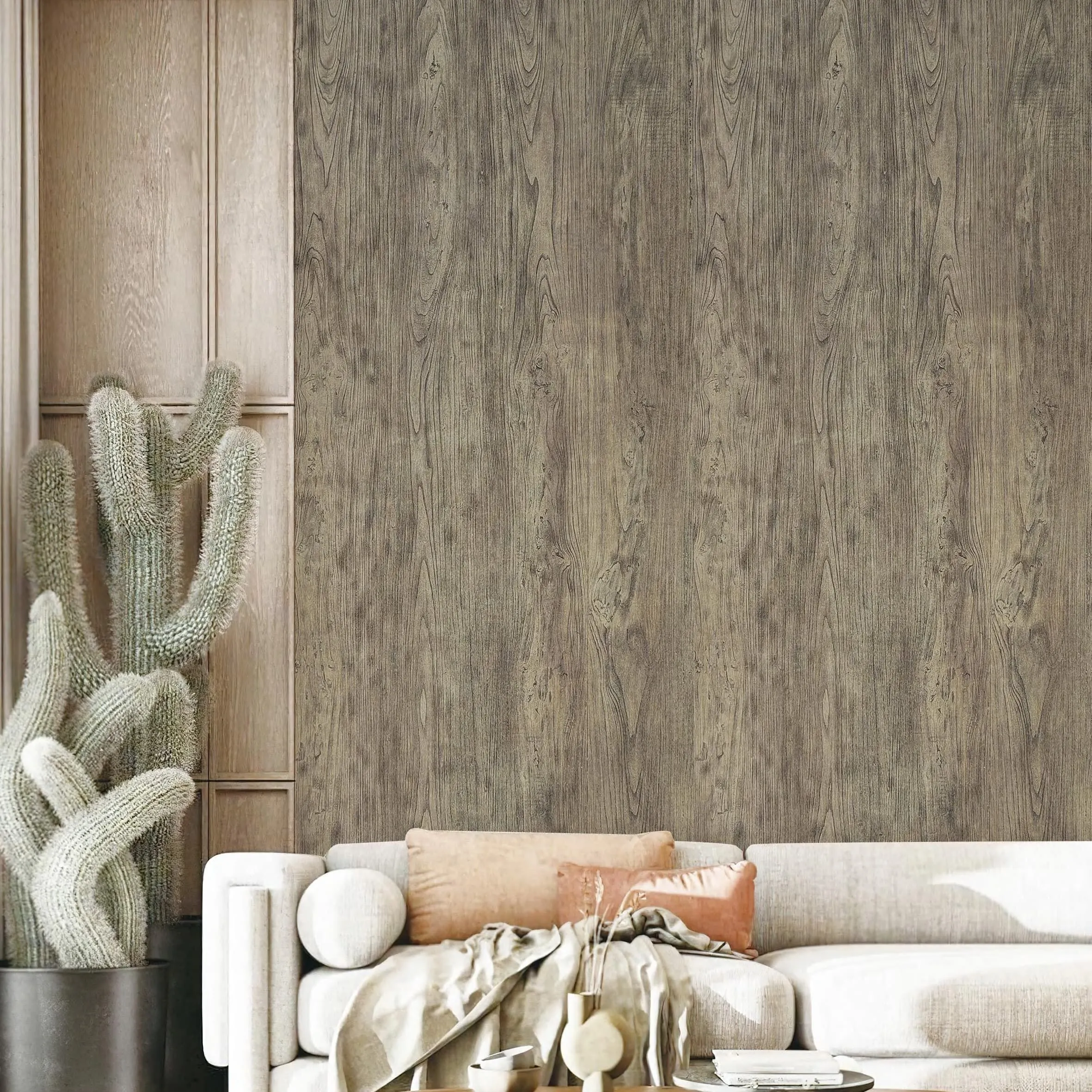
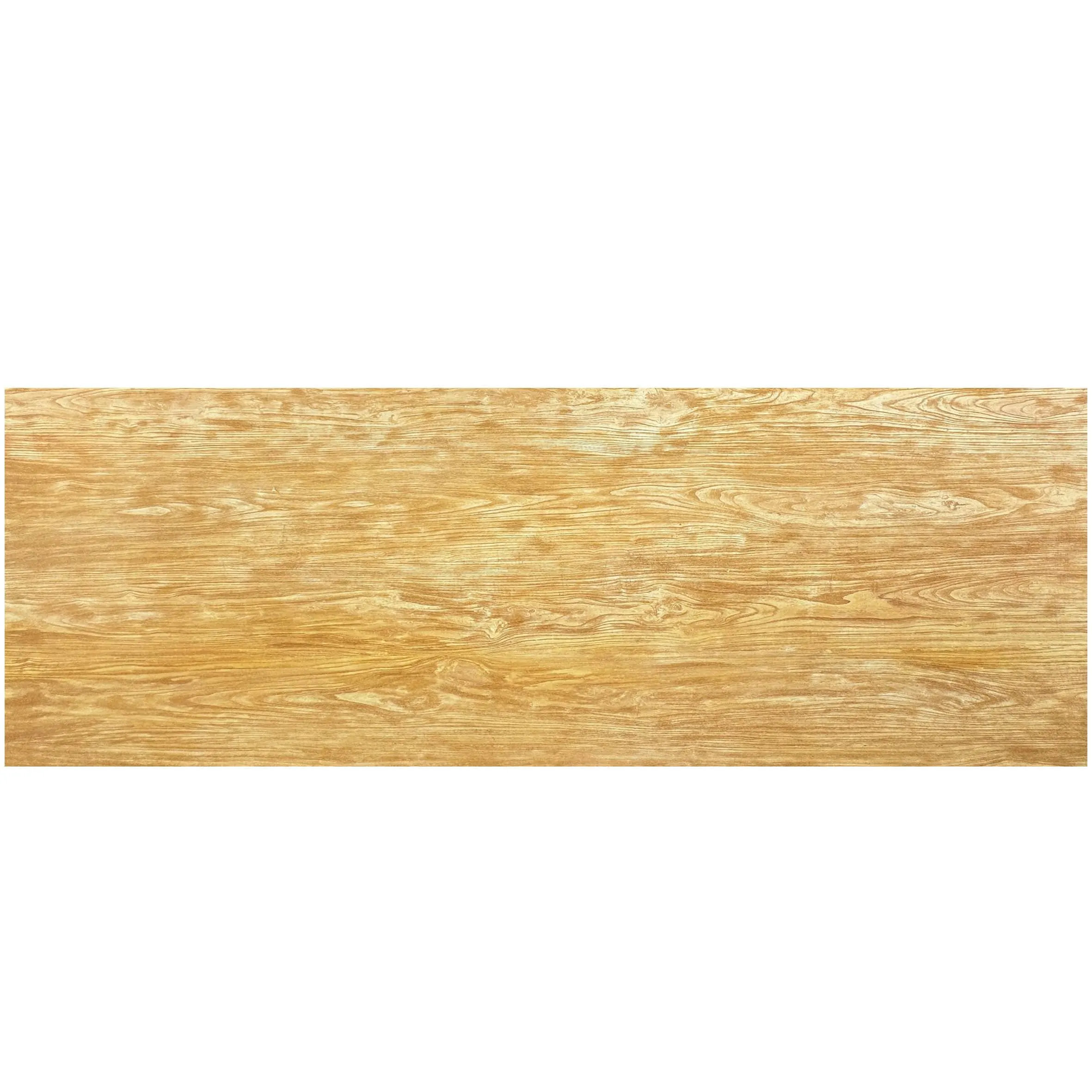
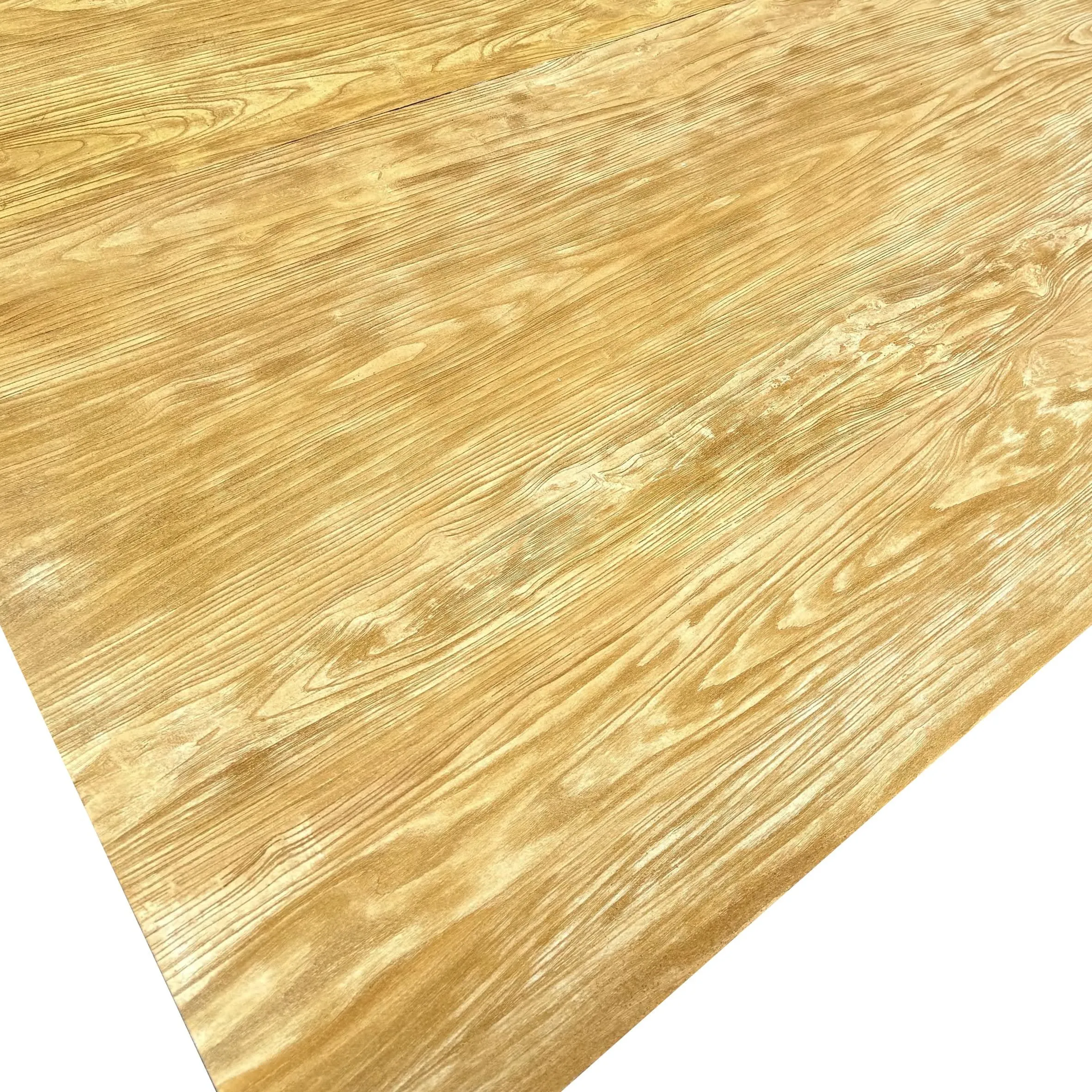
Wood Grain Board isn't your average composite material. Born from the demand for both aesthetics and resilience, it's a blend of high-density polymers, natural fibers, and mineral additives, engineered to mimic the look of real wood—down to the grain patterns and subtle color variations—while shrugging off the desert's worst. Think of it as wood's tough, low-maintenance cousin: it has the warmth of oak or walnut but the stamina of a desert palm.
But what makes it specifically suited for Saudi summers? Let's break it down.
Traditional wood starts to weaken at around 40°C; prolonged exposure to 50°C can cause resins to melt, leading to warping. Wood Grain Board, by contrast, has a melting point of over 180°C and a heat deflection temperature (the point where it starts to bend under load) of 85°C. That means even on the hottest days in Qassim or Najran, where shade temperatures hit 55°C, your Wood Grain Board cladding or decking won't soften, warp, or lose its shape. "We installed it on a restaurant terrace in Al Khobar, where the sun beats down from 7 a.m. to 6 p.m.," says Mustafa Ali, a construction manager with a Riyadh-based firm. "After two summers, there's zero warping. The tables, which get direct sun all day, still feel cool enough to rest your arm on—unlike the concrete tables next to them, which you can't touch without a coaster."
One of the biggest complaints with traditional wood in Saudi Arabia is fading. UV rays break down the lignin in wood, the compound that gives it color and structure, leaving it looking bleached and tired. Wood Grain Board solves this with built-in UV stabilizers—chemical additives that absorb or reflect UV radiation before it can damage the material. Most variants come with a 10-year color warranty, but real-world tests show even better results. A 2023 study by the Saudi Building Code Organization (SBC) tested Wood Grain Board alongside cedar and ipe wood in Riyadh's sun for 24 months. The result? The cedar faded by 42%, the ipe by 28%, and the Wood Grain Board by just 3%. "Our villa in Jeddah has Wood Grain Board shutters," says Salma Khalid, a homeowner. "Three years in, they still match the sample swatch we picked—no fading, no discoloration. My sister's wooden shutters? They're already two shades lighter."
Sandstorms in Saudi Arabia aren't just dramatic—they're destructive. Blowing sand acts like sandpaper, wearing down paint and finishes. Wood Grain Board's smooth, non-porous surface resists this abrasion; the same SBC study found it retained 95% of its surface integrity after 50 simulated sandstorm cycles, compared to 68% for painted wood and 82% for fair-faced concrete.
Moisture is another non-issue. Unlike wood, which absorbs water and swells, or rammed earth, which is porous, Wood Grain Board is impermeable. It won't rot, mold, or attract termites—critical in coastal areas like Jubail, where humidity can spike to 80% in summer. "We used it for a beachfront café in Yanbu," says Ali. "The decking is just steps from the ocean, and we expected salt spray to take a toll. Two years later, no rust (it has a corrosion-resistant core), no warping, and it cleans up with a hose—no special treatments needed."
Here's a hidden benefit: Wood Grain Board reflects more solar radiation than traditional wood or dark concrete, thanks to its light-reflective pigments. That means it stays cooler to the touch and reduces heat transfer into buildings. A study by King Saud University found that homes with Wood Grain Board exterior cladding had interior temperatures 3–5°C lower than those with wooden cladding, cutting AC usage by up to 15%. "In Riyadh, where electricity bills can hit SAR 1,500 a month in summer, that's a big saving," says Hassan, the interior designer. "Clients are always surprised when we mention it—they think of it as a 'look' material, not an energy-saving one."
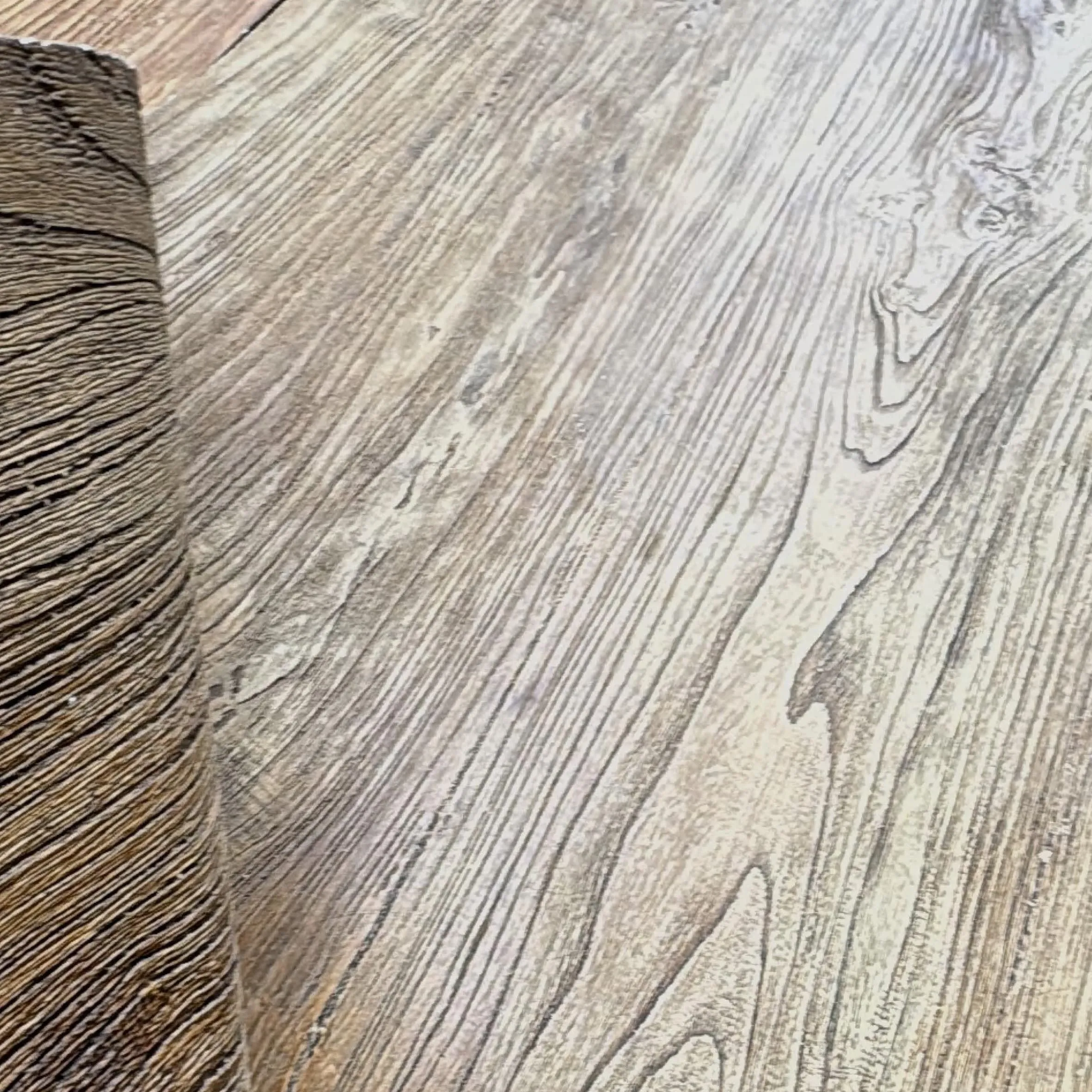
Still not convinced? Let's put Wood Grain Board head-to-head with three common materials in Saudi construction: traditional wood (cedar), fair-faced concrete, and rammed earth board (beige). The table below compares key metrics for desert durability:
| Material | Max Heat Resistance (°C) | UV Fading (2-Year Test) | Moisture Resistance | Lifespan (Years) | Annual Maintenance Cost (SAR/m²) |
|---|---|---|---|---|---|
| Wood Grain Board | 85 (heat deflection temp) | 3% | Impermeable (no water absorption) | 25–30 | 10–15 (hosing + occasional cleaning) |
| Traditional Cedar Wood | 40 (starts to weaken) | 42% | Absorbs water (15–20% moisture content) | 8–12 (with regular maintenance) | 80–100 (staining, sealing, repairs) |
| Fair-Faced Concrete | 100+ (heat-resistant but absorbs heat) | 5% (minimal fading but surface etching) | Low permeability (but porous to salts) | 30–40 (but surface degradation) | 40–60 (resurfacing every 5–7 years) |
| Rammed Earth Board (Beige) | 60 (starts to crack at high temps) | 10% (fades unevenly) | Porous (vulnerable to mold in humidity) | 15–20 (in dry climates only) | 50–70 (sealing, mold treatment) |
The numbers speak for themselves: Wood Grain Board outperforms traditional materials in nearly every category, especially when it comes to low maintenance and resistance to the specific challenges of Saudi summers. But it's not just about durability—it's also about versatility.
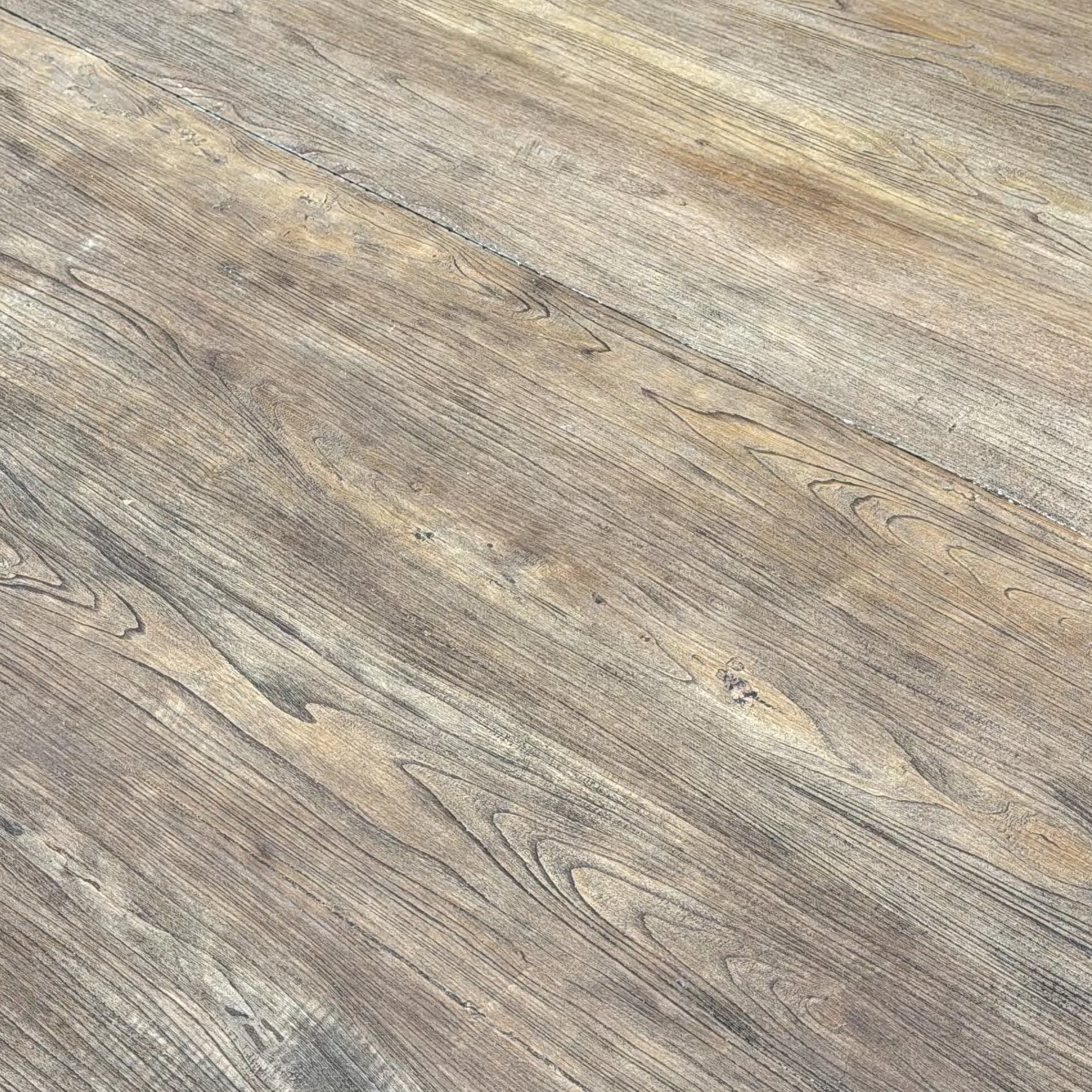
Wood Grain Board isn't limited to decking or shutters. Its adaptability has made it a favorite across Saudi construction projects, from residential to commercial. Here are a few standout applications:
In Riyadh's upscale compounds, where homebuyers demand both luxury and low upkeep, Wood Grain Board is replacing wooden siding and shutters. Take the Al Maqam Compound in north Riyadh: over 200 villas there now feature Wood Grain Board cladding in a warm "teak" finish. "Homeowners love that it looks like real wood but doesn't require annual staining," says the compound's project manager, Faisal Al-Tamimi. "We've had zero complaints about fading or warping, even after three summers."
Restaurants, hotels, and shopping malls are also jumping on board. The new waterfront promenade in Jeddah's Corniche uses Wood Grain Board for its benches and planter boxes—exposed to salt spray, sun, and thousands of visitors daily. "We needed something that could handle sand, seawater, and kids climbing on it," says the project architect, Laila Farsi. "Wood Grain Board was the only material that checked all boxes. A year in, it still looks pristine."
Pool decks are a particular challenge in Saudi Arabia—wet surfaces, chlorine exposure, and constant sun. Traditional wood decking becomes slippery and rots quickly; concrete is hot and hard underfoot. Wood Grain Board, with its slip-resistant texture and chlorine resistance, is the ideal middle ground. "We installed it around a client's pool in Dhahran," says Hassan, the interior designer. "They host pool parties every weekend, and it's held up perfectly—no splinters, no fading, and it stays cool enough to walk on barefoot."
Saudi Arabia's Vision 2030 isn't just about economic diversification—it's also about sustainability. Green building materials are becoming a priority, with projects like NEOM and the Riyadh Metro setting strict eco-standards. Wood Grain Board fits right in. Unlike traditional wood, which contributes to deforestation (even "sustainable" hardwoods require decades to regrow), Wood Grain Board is made from recycled polymers and natural fibers, reducing reliance on virgin resources. It's also 100% recyclable at the end of its lifespan, and its low maintenance needs mean fewer chemicals (like wood stains or sealants) leaching into the environment.
"We specify Wood Grain Board on all our green-certified projects," says Al-Mansoori, the architect. "It helps clients meet LEED or Estidama standards, which are increasingly required for government contracts. Plus, its thermal efficiency reduces carbon footprints by cutting AC use—something every client cares about now."
You might think a high-performance material would be tricky to install, but Wood Grain Board is designed for ease. It cuts like wood (no special tools needed), installs with standard screws, and comes in tongue-and-groove panels for quick, seamless application. "We trained our crew in a day," says Ali, the construction manager. "Even in the summer heat, installation is fast—no waiting for adhesives to set or materials to acclimate."
Maintenance is even simpler. A quick hose-down with water (no harsh detergents) removes sand and dust. For stubborn stains (like oil from a grill), a soft brush and mild soap do the trick. Unlike wood, there's no need for annual sealing, staining, or painting. "I tell clients: 'Install it and forget it,'" says Hassan. "The only maintenance call I've gotten was from someone who thought it was real wood and wanted to 'treat' it—we had to explain it didn't need it!"
Saudi Arabia's climate is unforgiving, but that doesn't mean you have to sacrifice beauty for durability—or vice versa. Wood Grain Board offers the best of both worlds: the warm, natural look of wood with the toughness to stand up to 50°C heat, sandstorms, and humidity. It's cost-effective over time (thanks to low maintenance and long lifespan), eco-friendly, and versatile enough for any project, from a small patio to a skyscraper facade.
So, if you're tired of watching your wooden deck fade, your concrete walls absorb heat, or your rammed earth board develop mold, it might be time to make the switch. As Al-Mansoori puts it: "In Saudi construction, you either build for the desert—or you rebuild every few years. Wood Grain Board is building for the desert."
And in a country where summer lasts half the year, that's not just a good idea—it's essential.
Recommend Products












