
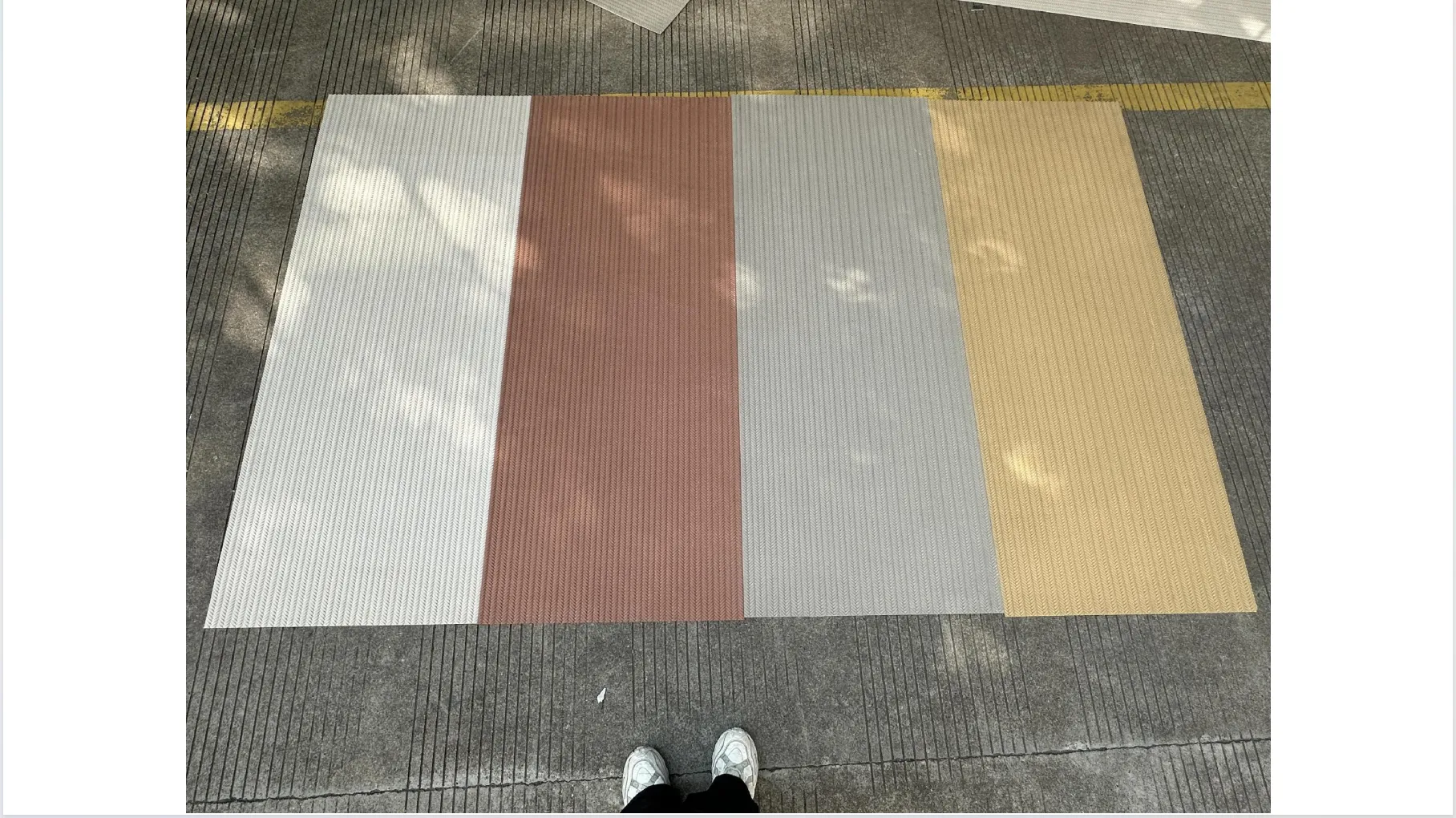
MCM flexible stone has taken the design world by storm, and it's easy to see why. Imagine walking into a space where the walls feel like they've been plucked from a sunlit canyon, or the countertops mimic the texture of handwoven textiles—all while being surprisingly lightweight and durable. From the earthy warmth of travertine to the futuristic shimmer of lunar peak silvery, MCM flexible stone blends artistry with practicality. But here's the thing: even the most stunning materials lose their luster without a little love. Whether you've fallen for the rustic charm of woven patterns or the bold elegance of rammed earth board, knowing how to care for your MCM surfaces isn't just about maintenance—it's about preserving the stories they tell every day.
At its core, MCM (Modified Composite Material) flexible stone is a marvel of modern engineering. It's crafted to mimic natural stone, wood, and even metal, but with a flexibility and resilience that traditional materials can't match. Think of it as nature's beauty, reimagined for the chaos of daily life. You'll find it gracing restaurant walls, luxury homes, and commercial spaces alike—often stealing the show with textures like the undulating wave panel or the intricate detail of mosaic travertine. And let's not forget the "real photos" aspect: these aren't just generic patterns. Many MCM designs are inspired by actual geological formations or artisanal crafts, making each slab feel like a one-of-a-kind masterpiece.
Take woven real photos, for example. These designs capture the soft, interlacing threads of handwoven fabrics, bringing a tactile, almost cozy vibe to hard surfaces. Or consider lunar peak golden, which shimmers like sunlight hitting mountain snow at dawn. Even the industrial-chic fair-faced concrete has a story—its raw, unpolished look nods to the beauty of imperfection. But regardless of the style, all MCM flexible stone shares one trait: it thrives when treated with care.
Let's start with the basics: daily upkeep. You don't need fancy tools here—just a little consistency. Dust and dirt are the silent enemies of any surface, and MCM is no exception. A quick once-over with a microfiber cloth or a soft duster is usually enough to keep things looking fresh. For woven patterns, be gentle around the "threads"—those tiny crevices can trap dust, so a soft-bristled brush (think: a clean makeup brush) works wonders to dislodge particles without scratching.
Pro tip: Avoid using dry paper towels, especially on finishes like lunar peak black or foamed aluminium alloy board (vintage gold). They can leave micro-scratches that dull the shine over time. Stick to lint-free cloths, and if you're dealing with exterior surfaces like a gobi panel, a quick blast with a leaf blower (on low setting!) can save you from endless wiping.
Once a week, it's time to step up your game. Grab a bucket of warm water and add a few drops of mild dish soap—nothing with bleach or harsh chemicals, especially if you have porous materials like travertine (starry green) or lime stone(beige). Dip a soft sponge or microfiber mop into the solution, wring it out well (you don't want standing water!), and gently wipe the surface. For textured areas like rammed earth board (gradient) or ripple board (grey), use a soft-bristled brush to get into the grooves, but go easy—scrubbing too hard can wear down the finish.
After wiping, rinse the sponge with clean water and go over the surface again to remove any soap residue. Then, dry immediately with a clean cloth. This step is crucial for materials like foamed aluminium alloy board (vintage silver), which can develop water spots if left to air-dry. Trust me, taking an extra 30 seconds to dry will keep that metallic sheen popping for years.
Spilled coffee on your travertine (vintage gold) countertop? Red wine on the woven wall panel? Don't panic—most stains are manageable if you act fast. Here's how to handle the usual suspects:
Blot the stain immediately with a paper towel to absorb as much oil as possible. Then, sprinkle a small amount of baking soda over the area and let it sit for 10–15 minutes (it's a natural absorbent). Gently brush away the baking soda, then wipe with a damp cloth and mild soap. For stubborn spots on materials like wood grain board or bamboo mat board, a drop of dish soap directly on the stain (followed by a soft brush) works wonders.
Act fast! Mix equal parts hydrogen peroxide and water (test on an inconspicuous area first—especially for colored stones like red travertine or rusty red). Dab the solution onto the stain with a cotton ball, let it sit for 5 minutes, then rinse and dry. Avoid using this on metallic finishes like lunar peak silvery, as peroxide can tarnish the sheen.
These show up as white, chalky spots on surfaces like concrete board or fair-faced concrete. Mix a solution of equal parts white vinegar and water, spray it on the stain, and let it sit for 10 minutes. Wipe with a soft cloth—no scrubbing needed. Just be cautious with travertine or marble series, as vinegar is acidic; stick to a pH-neutral cleaner instead.
Not all MCM stones are created equal, and neither are their care routines. Let's break down the specifics for some fan favorites:
Woven patterns are delicate darlings—their intricate textures are what make them stunning, but they're also prone to snagging. Avoid using stiff brushes or abrasive sponges; instead, opt for a soft, lint-free cloth and gentle dabbing. When cleaning, focus on one "thread" at a time to avoid pushing dirt deeper into the crevices. And never soak woven MCM—excess water can weaken the adhesive over time.
Travertine (whether starry blue, vintage black, or classic beige) is porous, which means it soaks up liquids like a sponge. Sealing is non-negotiable here—do it once a year with a stone sealer (look for "impregnating" sealers that penetrate the surface). Avoid acidic cleaners (lemon, vinegar) and harsh abrasives, as they can etch the stone. For daily cleaning, a simple wipe with warm water is often enough.
Metallic finishes like lunar peak golden or foamed aluminium alloy board (gold) love a little polish. Use a microfiber cloth to buff away fingerprints and smudges—no cleaner needed. If they start to look dull, a tiny drop of baby oil on a cloth (buffered in) can restore their shine. Just avoid ammonia-based cleaners, which can strip the metallic coating.
Rammed earth (think gradient colors or matcha green) has a rustic, organic feel, but it's surprisingly tough. However, it hates standing water—always wipe up spills immediately. For weekly cleaning, use a damp cloth and mild soap, and avoid steam cleaners, which can force moisture into the material. If you notice cracks (rare, but possible), a small amount of clear silicone caulk (color-matched if possible) can seal them up.
Sealing is the unsung hero of MCM maintenance. It's like giving your stone a protective shield against stains, moisture, and wear. Here's a quick guide to how often to seal common types:
| MCM Type | Sealing Frequency | Best Sealer Type |
|---|---|---|
| Travertine (all variants) | Every 6–12 months | Impregnating stone sealer |
| Woven Real Photos | Every 12–18 months | Water-based penetrating sealer |
| Rammed Earth Board | Every 18–24 months | Mineral-based sealer |
| Lunar Peak / Foamed Aluminium | Not required (coated surface) | N/A |
| Concrete Board (Fair-Faced, etc.) | Every 24 months | Acrylic concrete sealer |
Beyond sealing, keep an eye out for loose edges or chips—especially on high-traffic areas like flooring or countertops. A little clear epoxy can fix minor damage, but for bigger issues, don't hesitate to call a professional. And remember: sunlight, extreme temperatures, and humidity can all affect MCM over time. If your stone is outdoors (like gobi panel or historical pathfinders stone), consider adding a UV-protective coating to prevent fading.
MCM flexible stone isn't just a material—it's a canvas for your life. It's the backdrop to morning coffee spills, the stage for family gatherings, and the quiet beauty that greets you when you walk in the door. By keeping up with daily cleaning, tackling stains quickly, and giving it the occasional deep clean, you're not just maintaining a surface—you're preserving the moments that make your space uniquely yours. Whether you're admiring the woven texture of a wall panel or the sleek finish of lunar peak black, remember: a little care goes a long way. After all, the best designs aren't just seen—they're lived in, loved, and cherished for years to come.
Recommend Products












