
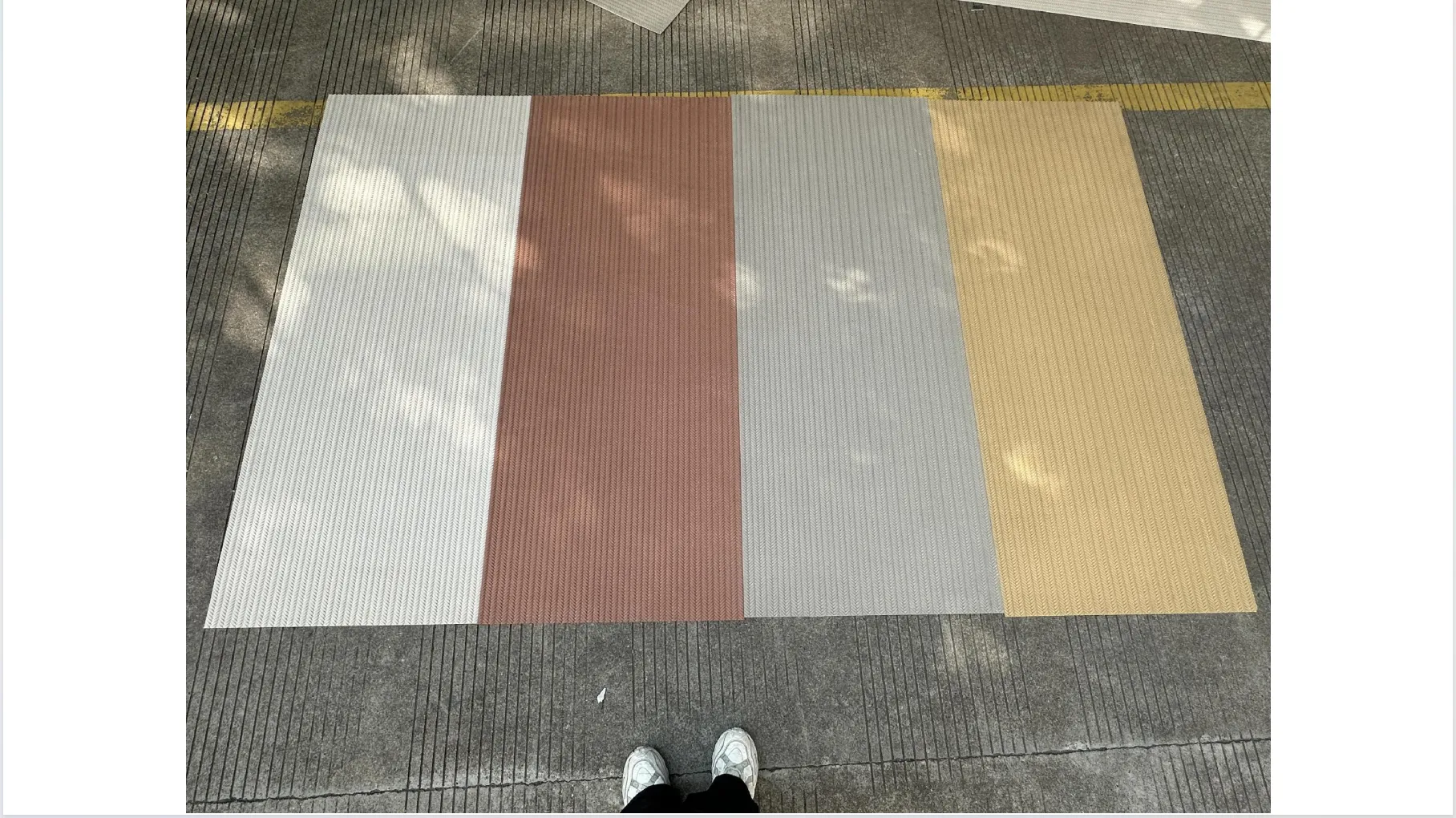
There's a quiet revolution happening in the world of architecture and design. It's not about flashy skyscrapers or futuristic gadgets—it's about the materials we build with. Walk into a modern café, a boutique hotel, or even a community library these days, and you might notice something different about the walls, the countertops, or the facades. They feel warmer. More alive. Less like cold, industrial surfaces and more like stories told through texture. That's the magic of MCM materials at work. Short for Modified Composite Material, MCM isn't just a buzzword; it's a philosophy—one that marries durability, beauty, and sustainability in a way that feels almost poetic. Today, we're diving into this world, focusing on the eco-friendly heart of MCM and shining a light on some standout materials that are redefining how we think about building.
Think about the last time you ran your hand along a wall. Maybe it was smooth drywall, cold and unremarkable. Or perhaps it was rough concrete, industrial and harsh. MCM materials invite a different kind of interaction. They're designed to be touched, to age gracefully, to reflect light in unexpected ways. But what truly sets them apart is their commitment to the planet. Traditional building materials often come with a heavy environmental price tag—deforestation, high carbon emissions, toxic chemicals, or wasteful production processes. MCM flips that script. These materials are engineered with sustainability in mind, from the raw ingredients they're made with to the way they're manufactured, installed, and even how they stand the test of time.
At their core, MCM products are a blend of natural minerals, recycled components, and advanced composites. This mix gives them flexibility (both literally and figuratively)—they can be molded into curves, cut into intricate shapes, or applied to uneven surfaces with minimal waste. But flexibility isn't just about design freedom; it's about reducing environmental impact. Less waste during installation means fewer materials ending up in landfills. Lighter weight means lower transportation emissions. And a focus on natural, non-toxic ingredients means healthier indoor spaces for the people who live and work in these buildings.
Sustainability isn't a single feature—it's a journey. MCM materials excel in this journey by focusing on four key areas, each contributing to a lower carbon footprint and a healthier planet.
1. Recycled and Natural Ingredients: Many MCM products start with recycled materials. Take aluminum, for example—a material notorious for its high energy costs when mined from scratch. MCM's foamed aluminium alloy boards, however, often use recycled aluminum, cutting energy use by up to 95% compared to virgin production. Then there are materials like rammed earth boards, which rely on natural clays and soils, minimizing the need for synthetic additives. Even stone-based MCM products, like flexible stone or travertine variants, often incorporate recycled stone aggregates, giving new life to waste from traditional quarrying.
2. Low-Impact Manufacturing: The production process matters. MCM manufacturers prioritize energy-efficient facilities, water recycling systems, and low-emission technologies. Unlike some traditional materials that require high-temperature firing (looking at you, ceramic tiles) or chemical-heavy treatments, MCM production often uses cold-press techniques or minimal processing. This not only reduces carbon emissions but also cuts down on water usage—a critical factor in a world facing increasing water scarcity.
3. Durability That Reduces Waste: The most sustainable material is one that lasts. MCM products are built to withstand the elements—rain, wind, UV rays, even the wear and tear of busy public spaces. A wall cladded in MCM flexible stone or fair-faced concrete won't need repainting every few years. A foamed aluminium alloy panel won't rust or corrode. This longevity means fewer replacements, less waste, and a lower overall lifecycle carbon footprint. It's the opposite of the "fast fashion" approach to building—instead of disposable, think heirloom.
4. Healthy Indoor Environments: Sustainability isn't just about the planet—it's about people, too. Many traditional building materials off-gas volatile organic compounds (VOCs), which can harm indoor air quality and contribute to health issues like allergies or headaches. MCM materials, by contrast, are often low-VOC or VOC-free. Natural ingredients like clay, stone, and recycled metals don't release harmful chemicals, creating spaces that breathe easier. It's a small detail, but one that makes a big difference when you spend 90% of your life indoors.
Now, let's get up close and personal with some standout MCM materials. These aren't just products—they're examples of how sustainability can coexist with stunning design. We'll explore their textures, their eco-friendly features, and why they're becoming favorites among architects and designers who care about both aesthetics and the planet.
If you closed your eyes and ran your hand over MCM flexible stone, you might swear you were touching a finely woven fabric. Its surface has a subtle, undulating texture—soft yet resilient, with the kind of depth that catches light and shadow in beautiful ways. But don't let its delicate feel fool you: this material is tough. Made from a blend of recycled stone aggregates, natural resins, and reinforcing fibers, it's flexible enough to be bent around columns, wrapped over curved surfaces, or even used as ceiling panels. That flexibility is a game-changer for installation—no more cutting rigid stone slabs to fit, which means less waste.
Eco-wise, flexible stone shines in its use of recycled materials. Up to 80% of its composition can come from post-industrial stone waste—chips and dust from quarrying that would otherwise end up in landfills. The production process also uses minimal water and energy compared to traditional stone cutting, and because it's lightweight, transporting it generates fewer emissions. Plus, its natural stone composition means it doesn't off-gas, keeping indoor air clean. Whether used in a residential accent wall or a commercial lobby, flexible stone brings warmth and texture without costing the earth.
There's something undeniably elegant about the vintage silver finish of foamed aluminium alloy board. It has a soft, matte sheen—like aged metal that's been polished by time—with a subtle cellular texture that adds depth. Run your finger across it, and it's cool to the touch but surprisingly lightweight. That lightness is no accident: foamed aluminium is up to 70% lighter than solid aluminium, making it easier to install and reducing the structural load on buildings. But its real eco-superpower? It's often made from recycled aluminum cans, window frames, and other post-consumer waste.
Aluminum is infinitely recyclable, and recycling it uses just 5% of the energy required to produce new aluminum. That's a staggering reduction in carbon emissions. Foamed aluminium alloy boards take this a step further by using a foaming process that expands the metal, reducing the amount of material needed while maintaining strength. The result? A durable, weather-resistant panel that's perfect for exterior cladding, interior accents, or even furniture. And because it's resistant to corrosion and fading, it'll look good for decades—no need for frequent replacements. It's sustainability with a touch of industrial chic.
Rammed earth has been used for centuries—think ancient adobe walls in desert villages. MCM's take on this classic material, the rammed earth board (gradient), brings it into the modern age with a stunning twist: a blend of earthy tones that flow into each other, like a sunset captured in clay. The texture is rich and tactile, with visible layers that tell the story of how it was made—compressed layers of natural clay, sand, and sometimes straw, formed into rigid boards. It feels warm in the sun, cool in the shade, and has a subtle, earthy scent that's hard to replicate with synthetic materials.
From an eco standpoint, rammed earth board is a poster child for natural building. Its ingredients are simple: locally sourced clays and sands, which reduces transportation emissions. No toxic binders or chemicals are needed—just pressure and natural adhesion. It's also breathable, meaning it regulates humidity in indoor spaces, reducing the need for energy-guzzling dehumidifiers or air conditioners. And because it's made from natural materials, at the end of its life, it can break down into the earth without leaving harmful residues. The gradient color variation is another eco bonus: it eliminates the need for painting or staining, cutting down on VOCs and maintenance costs. It's sustainability that feels rooted in history.
Travertine has long been prized for its beauty, but MCM's travertine (starry blue) takes it to another level. Imagine a slab of stone with a deep, midnight blue base, dotted with tiny, iridescent flecks that catch the light like stars. It's dramatic, yes, but also surprisingly versatile—equally at home in a sleek modern bathroom or a cozy reading nook. The texture is slightly pitted, with natural voids that add character, but it's smooth enough to be used as a countertop or backsplash.
What makes starry blue travertine eco-friendly? It starts with how it's sourced. MCM travertine is often quarried using sustainable practices, with strict limits on water and energy use. But the real win is in processing. Unlike some natural stones that require heavy polishing or chemical treatments to enhance their color, starry blue travertine's unique pattern is natural. Minimal processing means less energy used and fewer chemicals released into the environment. Plus, its durability means it can handle daily use without scratching or staining, reducing the need for replacements. It's a reminder that sometimes, nature's most stunning designs are also the most sustainable.
Concrete has a reputation for being cold and utilitarian, but fair-faced concrete flips that notion on its head. Also known as "architectural concrete," it's left in its natural state after casting—no paint, no cladding, just the raw beauty of its texture. The surface can range from smooth with subtle aggregate exposure to rough and tactile, with visible formwork lines that add industrial charm. It's a material that celebrates imperfection—the slight variations in color, the tiny air bubbles, the way it ages to a warm patina over time.
Fair-faced concrete's eco-credentials are all about honesty. By leaving the concrete exposed, there's no need for additional finishes—saving on materials, labor, and the environmental impact of paints or coatings. MCM fair-faced concrete also often uses recycled aggregates (like crushed concrete from demolition sites) and supplementary cementitious materials (like fly ash, a byproduct of coal power plants) to reduce its carbon footprint. It's also incredibly durable—buildings clad in fair-faced concrete can last for centuries with minimal maintenance. And because it's fire-resistant and thermal mass, it can help regulate building temperatures, cutting down on heating and cooling costs. It's sustainability stripped down to its core—raw, honest, and undeniably striking.
To better understand how these materials stack up in terms of sustainability, let's break down their key eco-friendly features, textures, and typical applications in a handy comparison table:
| Material Name | Key Eco-Feature | Texture Description | Common Applications |
|---|---|---|---|
| MCM Flexible Stone | 80% recycled stone aggregates; flexible installation reduces waste | Soft, woven-like texture; undulating surface with subtle depth | Accent walls, curved facades, ceiling panels |
| Foamed Aluminium Alloy Board (Vintage Silver) | Made from recycled aluminum; 95% less energy than virgin aluminum production | Lightweight, matte vintage silver finish with fine cellular texture | Exterior cladding, interior accent walls, furniture panels |
| Rammed Earth Board (Gradient) | Locally sourced natural clays; zero toxic binders; breathable material | Layered, earthy texture with gradient color variation; warm and tactile | Residential walls, feature fireplaces, community centers |
| Travertine (Starry Blue) | Minimally processed; natural star-like pattern eliminates need for finishes | Slightly pitted with iridescent flecks; smooth yet characterful | Countertops, backsplashes, bathroom walls |
| Fair-Faced Concrete | Uses recycled aggregates and fly ash; no additional finishes required | Raw, natural texture with visible formwork lines and subtle aggregate exposure | Building facades, floors, outdoor patios |
As we face the challenges of climate change, resource scarcity, and a growing global population, the choices we make about building materials have never been more important. MCM materials offer a path forward—a way to create beautiful, functional spaces without sacrificing the health of our planet. They're not just "green" alternatives; they're better alternatives. Better for the environment, better for our health, and better for the stories we want to tell through our built world.
What's most exciting about MCM is its potential for innovation. As technology advances, we're seeing even more sustainable options emerge—materials that use agricultural waste, that capture carbon during production, or that can be fully recycled at the end of their life. And as more architects, designers, and homeowners embrace these materials, demand grows, driving further improvements in sustainability and affordability.
So the next time you walk into a space and feel that subtle pull—the urge to reach out and touch the wall, to marvel at how light plays across its surface—take a moment to appreciate the story behind it. It might just be an MCM material, quietly doing its part to build a better, greener world. And that's a story worth celebrating.
Recommend Products












